

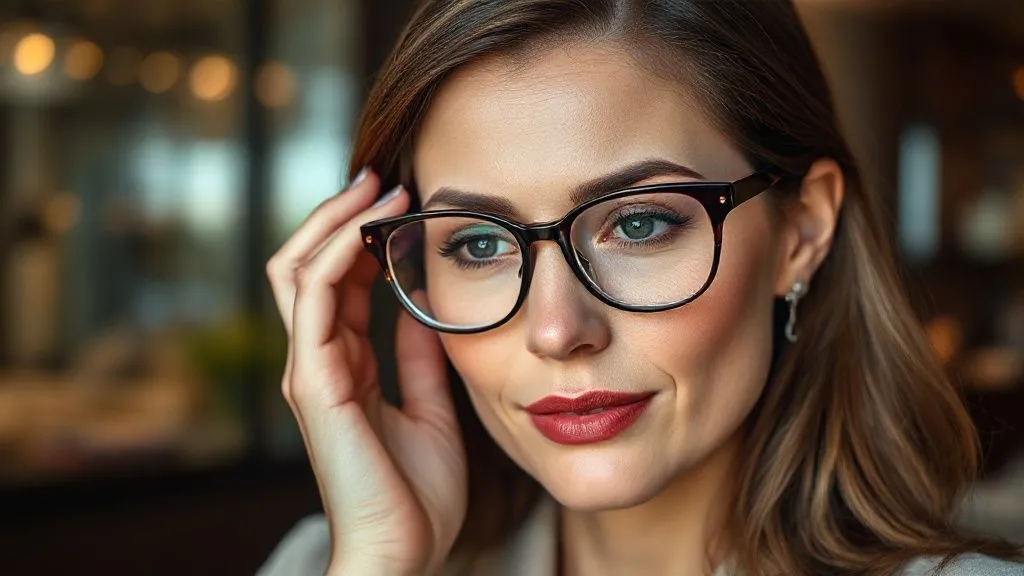
How to advise fashion clients on stylish frames for dry eye syndrome?
For over two decades in the dynamic world of eyewear fashion, I've had the privilege of witnessing countless transformations – from clients finding their perfect look to overcoming significant challenges. One particular challenge that has become increasingly prevalent, and often misunderstood, is advising clients who suffer from dry eye syndrome. It's a nuanced area where the pursuit of style must harmoniously intertwine with the imperative of ocular comfort and health.
The problem, as I've observed it, is twofold: clients with dry eyes often feel limited in their fashion choices, believing that comfort means sacrificing style. Simultaneously, many eyewear professionals, while adept at fitting and aesthetics, might not possess the specialized knowledge to confidently recommend frames and lenses that genuinely alleviate dry eye symptoms without compromising on a client's desired look. This disconnect can lead to client frustration, suboptimal eyewear choices, and missed opportunities to build profound trust and loyalty.
This comprehensive guide is born from my years of experience, blending deep insights into eyewear fashion with a practical understanding of eye health. I promise to equip you with a robust framework, actionable strategies, and expert advice, enabling you to confidently advise fashion clients on stylish frames for dry eye syndrome. We'll explore everything from material science and frame design to empathetic consultation techniques, ensuring your clients leave not just looking fantastic, but feeling genuinely comfortable and cared for.
Understanding Dry Eye Syndrome: More Than Just Discomfort
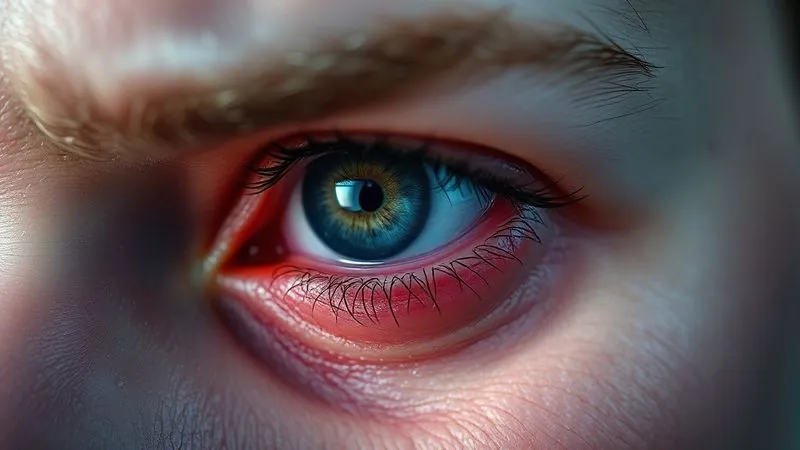
Before we delve into frame selection, it's crucial to grasp the fundamentals of Dry Eye Syndrome (DES), also known as Dry Eye Disease (DED). In my experience, a thorough understanding allows us to move beyond superficial recommendations to truly impactful solutions. DES is a common condition that occurs when your eyes don't produce enough quality tears to lubricate them, leading to discomfort, visual disturbances, and sometimes even damage to the eye's surface.
There are generally two main types of dry eye: aqueous deficient dry eye, where the eyes don't produce enough tears, and evaporative dry eye, where tears evaporate too quickly due to issues with the tear film's oil layer. Symptoms can range from mild irritation, burning, stinging, and redness to a gritty sensation, light sensitivity, and even blurred vision. Factors like environmental conditions (wind, dry air, air conditioning), prolonged screen use, certain medications, aging, and underlying health conditions all contribute to its prevalence.
Why does this matter for eyewear? Because the very act of wearing glasses, if not chosen thoughtfully, can either exacerbate or alleviate these symptoms. A poorly designed frame can increase air flow over the ocular surface, accelerating tear evaporation, while a well-chosen frame can act as a protective barrier, creating a micro-environment that preserves the tear film. This is where our expertise becomes invaluable, transforming a simple purchase into a significant improvement in a client's daily comfort and quality of life.
Dry eye isn't just a medical condition; it's a lifestyle challenge that fashion professionals must acknowledge when recommending eyewear. Our role is to bridge the gap between medical necessity and aesthetic desire, ensuring clients don't have to choose between comfort and style.
The Intersection of Fashion and Ocular Health: A New Paradigm
The role of an eyewear professional has evolved significantly over the years. We are no longer just dispensers of corrective lenses or purveyors of trends; we are becoming essential advisors in ocular wellness. This shift is particularly pronounced when dealing with conditions like dry eye syndrome. For me, it's about seeing the client not just as a face to frame, but as an individual with unique needs that extend beyond visual acuity.
Empathy and knowledge are the cornerstones of this new paradigm. Clients experiencing chronic dry eye often feel a deep sense of vulnerability and frustration. They've likely tried various remedies and might feel resigned to discomfort. Approaching them with genuine understanding, coupled with a solid grasp of how eyewear can help, builds an immediate rapport and trust. It signals that you're not just trying to make a sale, but genuinely care about their well-being.
This presents an incredible opportunity for us to elevate our service and truly differentiate our practices. By offering holistic advice that integrates fashion, comfort, and eye health, we become indispensable partners in our clients' lives. It's about empowering them to make informed choices that enhance both their appearance and their daily comfort, ensuring their eyewear contributes positively to their overall ocular health. This level of service transforms transactions into long-term relationships, fostering loyalty that transcends fleeting trends. According to a study published in the Journal of Ophthalmology, patient satisfaction in optical practices is heavily influenced by the perceived expertise and empathy of the staff, especially concerning complex eye conditions.
Frame Design & Material: The Cornerstones of Dry Eye Comfort
When it comes to advising clients on stylish frames for dry eye syndrome, the design and material of the frame are paramount. These aren't merely aesthetic choices; they are functional decisions that directly impact tear film stability and ocular comfort. I've learned that understanding these details can make all the difference in a client's daily experience.
Material Matters: Hypoallergenic and Moisture-Retaining Choices
The material of a frame can significantly influence comfort for dry eye sufferers. Some materials are inherently more gentle on sensitive skin and can even contribute to a more stable ocular environment. For instance, I always recommend looking for hypoallergenic materials to avoid any potential allergic reactions or skin irritations that could exacerbate eye discomfort.
- Acetate: A cellulose-based plastic, acetate is a fantastic choice. It's lightweight, comes in an incredible array of colors and patterns, and generally feels smooth against the skin. Importantly, it tends to retain less heat than metal frames and can be shaped to offer good coverage, which helps reduce air flow.
- Titanium: For those who prefer metal frames, titanium is a superior option. It's incredibly light, durable, and hypoallergenic. Its strength allows for very thin profiles, which can be appealing for some, but we must balance this with the need for coverage.
- High-Quality Plastics (e.g., TR-90): Modern plastic composites like TR-90 are known for their flexibility, lightness, and durability. They are often hypoallergenic and can be molded into various shapes that are comfortable and provide good coverage.
I generally advise caution with nickel-based alloys, which can cause skin irritation for some, and very thin wire frames that offer minimal protection against environmental factors.
Frame Shape & Coverage: A Shield Against the Elements
This is perhaps the most critical design element for dry eye clients. The shape and size of the frame can literally act as a physical barrier, protecting the eyes from wind, dust, and dry air, all of which accelerate tear evaporation. I often explain it to clients like this: think of your frames as a mini-environment protector for your eyes.
- Larger Lenses: Frames with larger lenses, whether in a classic square, round, or cat-eye shape, provide more surface area protection. This reduces the amount of ambient air directly hitting the eye surface.
- Slightly Wraparound Designs: While full wraparound sports glasses might not always align with high fashion, frames with a subtle curve or a slightly wider temple can significantly cut down on peripheral airflow. This creates a more stable 'micro-climate' around the eye.
- Deeper Frames: Frames that sit a bit further from the face, creating a slight pocket of air, can also be beneficial, though this needs to be balanced with aesthetics and fit.
A well-chosen frame acts as a micro-climate protector for the eyes, significantly reducing tear evaporation. It's not about hiding the eyes, but about creating a more stable environment for their delicate surface.
Nose Pads and Temple Arms: The Fit Factor
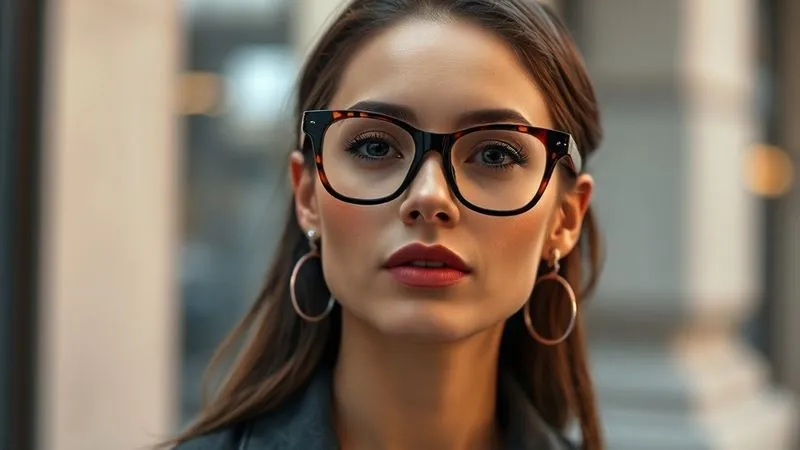
The contact points of the frame are equally important. Poorly fitting nose pads or temple arms can lead to pressure points, skin irritation, and even improper positioning of the lenses, all of which can indirectly worsen dry eye symptoms by causing discomfort or encouraging eye rubbing.
- Adjustable Nose Pads: Especially for metal frames, adjustable silicone nose pads are a must. They allow for precise fitting, ensuring the frame sits comfortably without pinching or slipping, and can be adjusted to position the lenses optimally.
- Soft Silicone Pads: For acetate frames, integrated nose pads should be smooth and well-contoured. If they are too small or sharp, they can dig into the skin. Aftermarket silicone pads can also be added for extra comfort.
- Ergonomic Temple Arms: Temple arms should distribute pressure evenly over the ears and sides of the head. Features like spring hinges can provide flexibility, reducing tightness and enhancing overall comfort, especially during extended wear.
When selecting frames for clients with dry eye, I always emphasize that the goal is to find a frame that is not only visually appealing but also feels like a natural extension of their face, barely noticeable throughout the day. The following table summarizes key considerations for frame materials:
| Material | Pros | Cons | Best For | ||
|---|---|---|---|---|---|
| Acetate (High-Quality Plastic) | Excellent coverage, wide range of styles/colors, hypoallergenic, retains less heat, smooth finish. | Can be heavier than titanium for some designs. | Clients seeking bold fashion statements and maximum protection. | ||
| Titanium | Extremely lightweight, durable, hypoallergenic, sleek profiles. | Less coverage than larger plastic frames, higher cost. | Clients preferring minimalist designs, sensitive to weight, or with metal allergies. | ||
| TR-90 (Flexible Plastic) | Very lightweight, flexible, durable, often hypoallergenic, good for active lifestyles. | Fewer high-fashion design options compared to acetate, can feel less 'premium' to some. | Clients needing robust, lightweight comfort and good coverage. | ||
| Wood/Bamboo | Unique aesthetic, natural feel, generally hypoallergenic. | Less adjustable, can be heavier, limited flexibility, susceptible to moisture damage. | Clients seeking unique, eco-conscious options, but with careful consideration for fit and durability. | ||
| Nickel Alloys (e.g., Monel) | Cost-effective, wide availability. | Can cause allergic reactions, heavier, less flexible. | Generally not recommended for dry eye sufferers due to potential irritation. | Always check for hypoallergenic coatings if client insists on metal. | Avoid if possible for dry eye clients. |
Lens Technology: Beyond Vision Correction for Dry Eye Clients
While the frame is crucial for physical protection, the lenses themselves play an equally vital, albeit often overlooked, role in enhancing comfort for dry eye sufferers. It's not just about correcting vision; it's about optimizing the visual experience to minimize additional strain that can exacerbate dry eye symptoms. I always educate my clients that their lenses are an active component in their ocular comfort strategy.
Anti-Reflective (AR) Coatings
AR coatings are a non-negotiable for almost all clients, but especially for those with dry eyes. Glare from lights, screens, and reflections can cause significant eye strain, leading to increased blinking, squinting, and overall ocular fatigue. This continuous strain can worsen dry eye symptoms. A high-quality AR coating dramatically reduces these reflections, allowing more light to pass through the lens, improving visual clarity and reducing eye fatigue.
Blue Light Filtering Lenses
In our modern, screen-dominated world, blue light exposure is a significant concern. Prolonged exposure to blue light from digital devices has been linked to digital eye strain, which often includes symptoms mirroring or worsening dry eye. Blue light filtering lenses, whether integrated into the lens material or applied as a coating, help to mitigate this. They reduce the amount of high-energy visible blue light reaching the eyes, potentially leading to less eye strain and more comfortable screen time for dry eye clients.
Photochromic Lenses (Transition Lenses)
For clients who are sensitive to light – a common symptom of dry eye – photochromic lenses are a game-changer. These lenses automatically darken in UV light and clear indoors, eliminating the need to constantly switch between prescription glasses and sunglasses. This seamless transition prevents squinting and protects the eyes from harsh light and UV radiation, which can further irritate dry eyes. The convenience and consistent protection are invaluable.
Moisture Chamber Glasses
While not a mainstream fashion choice, it's important to be aware of specialized options like moisture chamber glasses for severe cases. These frames feature a gasket or seal around the eye socket, creating a contained, humid environment that significantly reduces tear evaporation. While their aesthetic is more functional than fashionable, knowing about them allows you to provide a comprehensive solution for clients with extreme dry eye. Explaining these options demonstrates a deep commitment to their well-being. For more detailed information on advanced lens technologies, the Vision Council offers excellent resources: The Vision Council: Understanding Lens Coatings.
The Consultation Process: Guiding Your Client with Empathy and Expertise
The way we interact with our clients is as crucial as the products we offer. For clients with dry eye syndrome, the consultation process must be a blend of empathetic listening, expert guidance, and a deep understanding of their unique lifestyle and aesthetic preferences. I've always found that a structured yet flexible approach yields the best results, fostering trust and ensuring client satisfaction.
Step-by-Step Client Assessment:
Here's how I typically approach a consultation with a client who mentions dry eye or exhibits related symptoms:
- Initial Conversation & Lifestyle Inquiry: Start by genuinely asking about their daily routine, work environment, hobbies, and any discomfort they experience with their current eyewear or generally. Phrases like, "Tell me about your eyes. Do you ever experience dryness, irritation, or light sensitivity?" open the door for them to share. Understand if they spend long hours on screens, work in air-conditioned offices, or are exposed to wind frequently.
- Discuss Previous Eyewear Experiences: Inquire about what they liked and disliked about past frames and lenses. Did certain materials irritate their skin? Did specific frame shapes feel uncomfortable or expose their eyes too much? This provides valuable clues about their sensitivities and preferences.
- Introduce Dry Eye-Friendly Features Proactively: Once you've identified their needs, gently introduce the concept of frames and lenses designed for dry eye comfort. Explain the benefits of larger lens areas, specific materials, and advanced lens coatings without overwhelming them. Frame it as enhancing their overall well-being, not limiting their style.
- Trialing Frames: Prioritize Comfort, Then Aesthetics: Encourage them to try on a variety of frames that incorporate the recommended features (e.g., larger acetate frames, frames with good side coverage). The initial focus should be on how the frames *feel* and how well they protect the eyes from airflow. Once a comfortable selection is made, then you can refine the choice based on their aesthetic preferences and current fashion trends.
- Educate on Maintenance and Complementary Solutions: Conclude by offering advice on proper eyewear cleaning to prevent irritation, and suggest complementary solutions like using humidifiers in dry environments or consulting an eye care professional for specific dry eye treatments. This holistic advice reinforces your expertise and care.
Case Study: Sarah's Journey to Comfortable Style
Sarah, a 38-year-old marketing executive, suffered from severe dry eye due to long hours in front of screens and air conditioning. She always prioritized ultra-thin metal frames, which, while fashionable, offered minimal protection and exacerbated her discomfort. She came to me feeling frustrated, believing she had to choose between looking professional and feeling comfortable.
During our consultation, I empathetically listened to her daily struggles. I explained how her current frames might be contributing to her dry eye and introduced her to the concept of protective, yet stylish, eyewear. I guided her towards larger, Italian acetate frames with soft, adjustable silicone nose pads that sat perfectly on her bridge. We also opted for lenses with advanced blue light filtration and a subtle photochromic tint to manage her light sensitivity and screen-induced strain. The initial aesthetic departure was a concern for her, as she was used to minimalist styles, but after a week, she reported significantly reduced eye strain and discomfort, while still receiving compliments on her new, sophisticated look. This resulted in her becoming a loyal client and referring several colleagues, proving that the right advice can bridge the gap between health and high fashion.
Styling Dry Eye Frames: Blending Function with Fashion Forward Trends
One of the biggest misconceptions I encounter is the belief that frames designed for dry eye relief must be bulky, unfashionable, or medically prescriptive in appearance. This couldn't be further from the truth! The current landscape of eyewear fashion actually aligns beautifully with many of the functional requirements for dry eye sufferers. It's about clever styling and knowing how to leverage trends.
Embrace Oversized & Bold Designs
The fashion world has wholeheartedly embraced oversized and bold frames, which is excellent news for dry eye clients. Large, chunky acetate frames, dramatic cat-eyes, and substantial square or round shapes are all very much in vogue. These styles naturally offer greater coverage, acting as a stylish shield against environmental irritants. Advise clients to lean into these trends, suggesting rich colors, unique patterns, or translucent finishes to make a statement.
Color and Texture Play
Don't let the functional aspect overshadow the fun of fashion. Encourage clients to explore frames in vibrant colors, sophisticated neutrals, or frames with interesting textures like matte finishes or subtle laminations. A well-chosen color can complement their skin tone and personal style, turning a functional frame into a coveted fashion accessory. For example, a deep emerald green or a warm tortoiseshell in a substantial acetate frame can look incredibly chic and provide excellent coverage.
Accessorizing Eyewear
Eyewear accessories are making a strong comeback, and they can be a fantastic way to personalize and elevate dry eye-friendly frames. Stylish eyewear chains, cords, or even decorative temple tips can add a unique touch. This allows clients to further express their individual style, drawing attention to their fashionable choice rather than any perceived 'medical' aspect of their frames. For inspiration on current eyewear trends, I often recommend checking out high-end fashion publications like Vogue's Accessories section.
Here's a quick guide to some stylish frame recommendations that work well for dry eye clients:
| Style Trend | Recommended Features | Best For | Example Brands |
|---|---|---|---|
| Oversized Acetate Squares/Rounds | Wide temples, deep lens height, smooth finish, adjustable nose pads (if integrated), rich colors or patterns. | Clients seeking a bold, intellectual, or vintage-inspired look with maximum protection. | FashionForward Eyewear (Fictional), Heritage Optics (Fictional) |
| Chunky Cat-Eye | Upturned outer edges for side coverage, substantial frame material, comfortable bridge fit, varied color palettes. | Clients desiring a feminine, retro, or glamorous aesthetic with good eye protection. | Iconic Frames (Fictional), Luxe Vision (Fictional) |
| Modern Retro (e.g., Wayfarer-esque) | Thick upper rim, solid bridge, good eye coverage, lightweight plastic or acetate. | Clients who prefer a timeless, versatile look that offers reliable protection. | Urban Optics (Fictional), Classic View (Fictional) |
| Slightly Wraparound Sporty-Chic | Subtle curvature, wider temples, lightweight, durable materials (e.g., TR-90), polarized or photochromic lenses. | Active clients or those frequently outdoors, needing enhanced protection without a 'goggle' look. | ActiveSight (Fictional), Horizon Eyewear (Fictional) |
Post-Purchase Care and Client Education
Our responsibility to our clients doesn't end when they walk out the door with their new frames. In fact, providing comprehensive post-purchase care and education is essential, especially for those managing dry eye syndrome. This ongoing support reinforces your expertise and ensures their continued comfort and satisfaction. In my experience, a little extra guidance goes a long way in building lasting client relationships.
- Proper Cleaning Techniques: Educate clients on how to properly clean their frames and lenses. Harsh chemicals or abrasive cloths can damage coatings and frame materials, potentially leading to irritation or a less effective protective barrier. Recommend specific lens cleaners and soft microfiber cloths.
- Reminders about Eye Drops: If the client uses artificial tears or prescribed eye drops, gently remind them of the importance of consistent use, as recommended by their eye care professional. Emphasize that eyewear is a complementary solution, not a replacement for medical treatment.
- Environmental Factors: Advise clients on managing their environment. Suggest using humidifiers in dry indoor spaces, taking regular breaks from screens, and being mindful of direct air conditioning or fan exposure. These small adjustments, combined with their new eyewear, can significantly improve comfort.
- Regular Check-ups: Encourage regular eye examinations with their optometrist or ophthalmologist. This ensures that their dry eye condition is being properly managed and that their prescription remains current, preventing unnecessary eye strain.
- Frame Adjustments: Offer complimentary frame adjustments. Over time, frames can loosen or shift, affecting their fit and protective qualities. Knowing they can return for adjustments provides peace of mind and ensures their frames continue to perform optimally.
Frequently Asked Questions (FAQ)
Q: Can specific frame colors or finishes impact dry eye symptoms? While frame color itself doesn't directly impact dry eye, certain finishes or dyes in lower-quality frames could potentially cause skin irritation for highly sensitive individuals, which might indirectly worsen overall ocular discomfort. Opting for high-quality, hypoallergenic materials with stable finishes is always recommended. Furthermore, a matte finish might subtly reduce reflections compared to a high-gloss one, although this effect is usually minimal compared to lens coatings.
Q: Are contact lenses an alternative, or do they worsen dry eye when combined with glasses? Contact lenses can often exacerbate dry eye symptoms, as they sit directly on the ocular surface and can interfere with the natural tear film. Many dry eye sufferers find wearing glasses more comfortable than contacts. If a client insists on contacts, it's crucial they consult with an eye care professional for specialized dry eye-friendly contact lenses and proper care routines. When wearing glasses over contacts, the protective frame design is still beneficial in reducing environmental exposure for the contact lenses themselves, potentially improving comfort.
Q: What's the latest innovation in dry eye friendly eyewear I should know about? The most significant ongoing innovations are in lens technology, particularly advanced blue light filters that are more transparent, and photochromic lenses with faster activation and deactivation times. In frames, we're seeing more ergonomic designs that prioritize lightweight comfort and subtle protective features, often integrating flexible materials and sophisticated adjustable components. There's also a growing trend towards customization, allowing for more precise fits that minimize air gaps around the eyes.
Q: How do I balance a client's strong aesthetic preference with their dry eye needs if they conflict? This requires a delicate balance of empathy and education. Start by validating their aesthetic preferences. Then, gently explain the functional benefits of specific frame features for their dry eye, perhaps using a real-world analogy (e.g., "Think of it like choosing a coat – you want it to look good, but also keep you warm and dry"). Offer stylish alternatives within the dry eye-friendly categories (e.g., a bold acetate frame instead of a delicate wire rim). Sometimes, showing them how current fashion trends align with larger, more protective frames can help bridge the gap. It's about finding the most fashionable compromise that still provides significant relief.
Q: Is there a specific type of UV protection that is better for dry eye sufferers? For dry eye sufferers, comprehensive UV protection is paramount, as UV exposure can further irritate the ocular surface. Lenses that block 100% of UVA and UVB rays are essential. Photochromic lenses are particularly beneficial as they provide continuous UV protection, adapting to varying light conditions without the need to switch glasses. Polarized lenses are also excellent, especially for outdoor activities, as they reduce glare that can cause squinting and eye strain, indirectly helping to keep the eyes more relaxed and comfortable.
Key Takeaways and Final Thoughts
Advising fashion clients on stylish frames for dry eye syndrome is more than just a service; it's an opportunity to provide genuine care and demonstrate unparalleled expertise. By integrating a deep understanding of ocular health with an astute sense of fashion, you can transform a challenging condition into an opportunity for enhanced style and comfort.
- Embrace a Holistic Approach: Combine medical knowledge with fashion insights.
- Prioritize Frame Design & Material: Opt for larger, protective shapes and hypoallergenic, smooth materials like acetate or titanium.
- Leverage Lens Technology: Recommend AR, blue light filtering, and photochromic lenses to minimize eye strain and offer continuous protection.
- Master the Empathetic Consultation: Listen actively, educate clearly, and guide clients through a thoughtful selection process.
- Champion Stylish Solutions: Show clients how current fashion trends perfectly align with dry eye-friendly frame features.
In my journey, I've seen that when clients feel truly understood and expertly guided, their loyalty knows no bounds. By becoming the go-to specialist for dry eye-friendly eyewear, you not only solve a pressing problem for your clients but also elevate your practice to a new standard of excellence, enriching both their lives and your business. Continue to learn, to empathize, and to innovate, and you will undoubtedly succeed in this rewarding niche.
Recommended Reading
- Mastering Retention: 7 Strategies for Haute Couture Atelier Artisans
- Backstage Rip? 7 Urgent Fixes for Cosplay Costume Emergencies at Shows
- Beyond the Contract: 5 Ways Activewear Retains Elite Athletes
- Unlock the Secrets: How to Create Dramatic Fashion Photography Lighting Outdoors?
- 7 Steps: What to Do When Your Athletic Shoe Material Fails?


Your email address will not be published. Required fields are marked *