


Urgent: How to Fix a Cosplay Costume Rip Backstage at a Show?
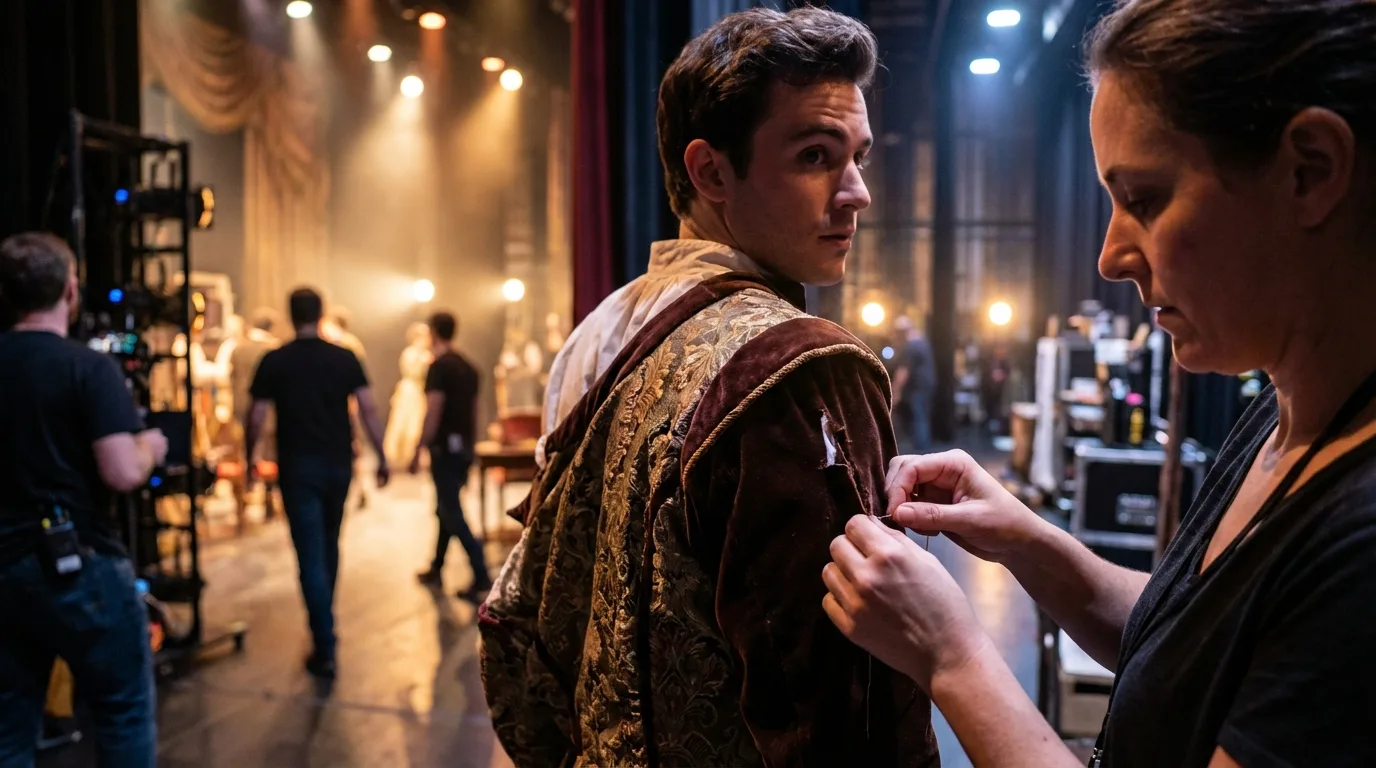
For over 15 years in the intricate world of costume design and competitive cosplay, I've witnessed firsthand the sheer terror of a costume malfunction just moments before a stage call. The adrenaline surge, the sinking feeling in your stomach as you spot that rogue thread, that sudden, gaping tear – it’s a scenario every cosplayer dreads, a silent scream echoing through a bustling backstage.
The unique pressure of a live show, a competition, or even a casual photo op backstage elevates a simple fabric rip into an immediate crisis. You're surrounded by fellow performers, props, and fleeting moments, with limited tools and even less time. It's not just about fixing fabric; it's about preserving your character, your performance, and ultimately, your confidence.
This isn't just a guide; it's a battle plan forged from countless emergency repairs and last-minute saves. I'm here to arm you with the expert strategies, the essential tools, and the mental fortitude to tackle any cosplay costume rip backstage at a show, transforming potential disaster into a testament of your resilience.
The Backstage Emergency Kit: Your Lifeline
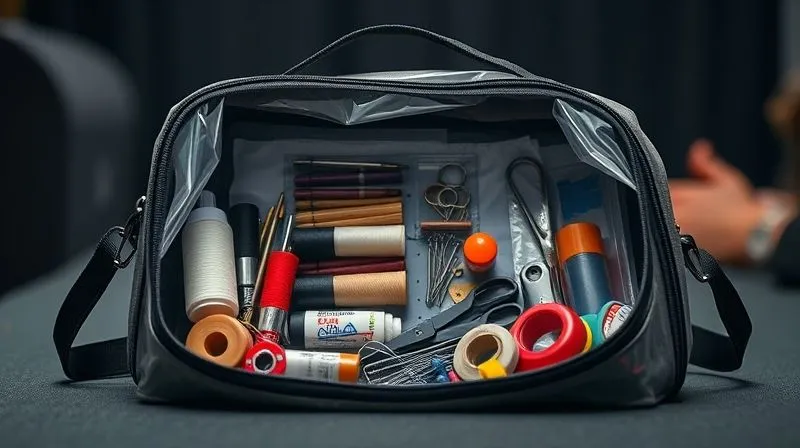
Before you can fix anything, you need the right tools. My golden rule is: always, *always* have a well-stocked emergency kit. It’s not an option; it’s a necessity, as crucial as your wig and props.
Essentials for Every Cosplayer's Go-Bag
This isn't your grandma's sewing basket; this is a tactical repair unit. Every item must earn its place.
- Needles (Assorted Sizes): Heavy-duty for thick fabrics, fine for delicate ones. Always have extras; they break.
- Strong Thread (Black, White, and Clear Monofilament): Black and white are universal. Clear monofilament (fishing line) is a lifesaver for invisible repairs on almost any color.
- Small Sharp Scissors: For precise cuts, not just tearing.
- Safety Pins (Assorted Sizes): The unsung heroes for temporary closures, securing straps, or even creating a quick hem.
- Fabric Glue / Adhesive: Look for quick-drying, flexible types like E6000 or specific fabric glues. Test it on a scrap first!
- Hot Glue Gun & Sticks (if battery-operated): Invaluable for attaching embellishments, foam, or quick, strong bonds on non-fabric elements.
- Duct Tape / Gaffer Tape (Small Roll): For truly desperate, non-fabric emergencies, or securing props.
- Velcro (Self-Adhesive Strips): For quick reattachments of closures or armor pieces.
- Seam Ripper: Sometimes, a quick fix requires undoing a bad seam first.
- Small Pliers/Forceps: For pulling stubborn needles through thick layers or manipulating small parts.
- Wipes/Lint Roller: Keep your costume clean after the repair.
- Thimble: Protect your fingers during frantic stitching.
Pro Tip: Keep everything organized in a clear, compartmentalized bag. When panic strikes, you don’t want to be rummaging.
Assessing the Damage: Quick Diagnosis Under Pressure
The first step in any emergency repair is a rapid, accurate assessment. You have seconds, not minutes, to understand the problem.
Distinguishing Tears, Seam Rips, and Fabric Stress
Not all rips are created equal. Identifying the type of damage dictates the best course of action.
- Clean Tear: A straight or jagged cut through the fabric itself. Often caused by snagging on a sharp object.
- Seam Rip: The stitching has come undone, but the fabric edges are largely intact. This is common in high-stress areas like armholes, crotches, or zipper seams.
- Fabric Stress/Thinning: The fabric hasn't fully ripped yet, but it's stretched, frayed, or worn thin, indicating an imminent tear. This often happens under heavy embellishments or tight areas.
- Embellishment Detachment: A bead, patch, or armor piece has come loose, potentially leaving a hole or tear underneath.
Expert Insight: "In a backstage crisis, prioritize visibility. Fix what's most obvious and structurally critical first. A hidden rip can wait; a gaping tear across your chest cannot."
The "Invisible" Stitch: Temporary Fixes for Fabric Tears
When the fabric itself has given way, you need a method that's quick, holds, and ideally, isn't glaringly obvious from ten feet away.
Technique 1: The Emergency Hand Stitch (Running/Whip)
This is your bread and butter. It's fast, reasonably strong, and requires minimal skill beyond basic sewing.
- Align Edges: Carefully bring the torn edges of the fabric together, trying to match the original grain as much as possible.
- Anchor Thread: Start with a small knot on the inside of the costume, or by taking a few tiny stitches in the seam allowance if accessible, to secure your thread.
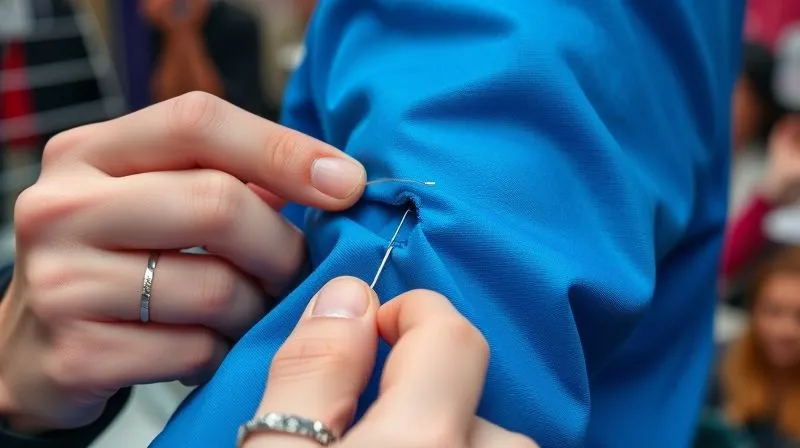
- Running Stitch: For a quick, flexible mend, use a running stitch. Push the needle in and out through both layers of fabric in a continuous motion, creating small, even stitches. Keep them tight and close together.
- Whip Stitch (for cleaner edges): If the edges are fraying, fold them under slightly (if fabric allows) or use a whip stitch. Bring the needle over the folded edge and through the fabric, wrapping the thread around the raw edge. This encases the frayed edges.
- Secure End: Finish with several small, tight knots on the inside of the garment.
Technique 2: Fusible Webbing and Iron-On Patches (If Available)
These are miracle workers if you have access to a travel iron or even a hair straightener backstage (often available for wig styling).
- Prepare Rip: Lay the costume flat. Trim any loose threads around the rip.
- Apply Webbing/Patch: Cut a piece of fusible webbing or an iron-on patch slightly larger than the rip. Position it on the *inside* of the costume, covering the torn area.
- Heat Application: Press a hot iron or hair straightener firmly onto the outside of the fabric over the patch. Hold for 10-20 seconds, checking adhesion.
- Cool Down: Allow to cool completely before stressing the repair.
Caution: Always check fabric type. Some delicate fabrics will melt under direct heat. Use a pressing cloth if unsure.
Reinforcing Seams: When the Stitching Gives Way
Seam rips are often easier to fix than fabric tears because the fabric itself is usually intact. The challenge is making the repair strong enough to withstand the stresses of performance.
The Backstitch Savior: Securing Loose Seams
The backstitch is your strongest hand-sewing stitch, mimicking a machine stitch for durability.
- Align Seam: Bring the two separated edges of the seam back together, ensuring they line up perfectly.
- Anchor Thread: Start with a knot on the inside of the garment, a few stitches *before* the rip begins.
- First Stitch: Bring the needle up through the fabric, then back down a short distance behind where it emerged, creating a small stitch.
- Second Stitch: Bring the needle up again, a short distance *ahead* of the first stitch. Now, bring it back down into the end of the previous stitch. This creates a continuous, overlapping line of stitches.
- Continue: Repeat this process, keeping stitches small and tight, until you've passed the end of the rip.
- Secure End: Finish with several strong knots on the inside.
Utilizing Fabric Glue and Adhesives: A Non-Sewing Option
Sometimes, time or skill doesn't allow for stitching. Fabric glue can be a fantastic, albeit temporary, alternative.
- Pros: Fast drying, no sewing skills needed, can be quite strong for light-to-medium stress areas.
- Cons: Can be stiff, may not hold up to heavy stress or washing, can bleed through some fabrics, requires drying time.
Application: Apply a thin, even bead of fabric glue along one of the seam allowances. Press the two seam edges together firmly. Hold in place with binder clips or safety pins until dry. Ensure no glue seeps to the outside of the costume.
Comparing Repair Methods for Different Fabric Types
The best repair method often depends on the fabric. Here’s a quick guide:
| Fabric Type | Best Sewing Method | Best Glue Method | Notes |
|---|---|---|---|
| Cotton/Broadcloth | Backstitch, Running Stitch | Fabric Glue, Hot Glue (for embellishments) | Generally forgiving, easy to mend. |
| Stretch Fabrics (Lycra, Spandex) | Small, tight Backstitch (stretch thread if available) | Flexible Fabric Glue | Stitches must allow for stretch; glue can make it stiff. |
| Leather/Vinyl | Heavy-duty needle, Leather Stitch (difficult) | E6000, specialized Leather/Vinyl Glue | Requires strong adhesive; sewing can leave permanent holes. |
| Delicate Fabrics (Silk, Lace) | Tiny Whip Stitch, fine needle/thread | Minimal, clear Fabric Glue (last resort) | Extremely challenging; prioritize invisible, light touch. |
| Foam/Armor Pieces | N/A | Hot Glue, Contact Cement, E6000 | Adhesives are key; consider reinforcing with duct tape on inside. |
Beyond the Needle: Creative Solutions for Tricky Rips
True expertise isn't just about knowing the rules; it's about knowing when and how to break them, or creatively work around them. Sometimes, a conventional fix isn't possible or practical.
Safety Pins and Binder Clips: The Unsung Heroes
These are the ultimate last-minute, zero-sew solutions.
- Strategic Pinning: For a seam rip, carefully align the edges and use small safety pins on the *inside* of the costume. Place them close together to prevent gapping. For a small tear, you can fold the edges under and pin them flat.
- Binder Clips: Excellent for holding thicker fabrics or armor pieces together temporarily. They're more visible but offer a strong, non-damaging grip. Use them in less visible areas or as a temporary hold until you can glue.
Strategic Draping and Accessories: Camouflage Tactics
When a repair isn't perfect, or time is critically short, hide it!
- Capes, Scarves, and Sashes: Can be strategically draped to cover a multitude of sins.
- Props: A shield, a weapon, a book – anything can be held or positioned to obscure a visible flaw.
- Wig/Hair: Long hair or a voluminous wig can sometimes fall just right to cover a shoulder or back rip.
- Pose and Movement: On stage, subtle changes in how you hold your arm or turn your body can keep a rip out of the audience's direct line of sight. Practice this if you have a known weak spot.

Case Study: The Scarlet Sorceress's Torn Cape
How Quick Thinking Saved the Performance
I remember a particularly frantic moment at a major convention's cosplay competition. Sarah, dressed as the Scarlet Sorceress, had an elaborate, floor-length velvet cape. Just five minutes before her stage time, a fellow cosplayer accidentally stepped on it, ripping a significant, jagged tear right up the back, about a foot long. Panic set in.
Her initial thought was to abandon the cape, but it was integral to her character. We quickly assessed: a clean tear, not a seam rip, on a heavy, non-fraying velvet. No time for intricate sewing. We grabbed the emergency kit.
My advice: "Fabric glue and safety pins, fast!" We applied a thin line of quick-drying fabric glue along one edge of the rip, then pressed the other edge firmly over it, trying to minimize the gap. While the glue set, we strategically placed tiny black safety pins along the *inside* of the seam, pulling the edges together. The velvet pile helped hide the slight puckering. Crucially, we then used a small, ornate brooch Sarah had as an accessory, pinning it directly over the top of the worst part of the rip, making it look like an intentional design element. She went on stage, performed flawlessly, and even won an award. No one noticed the rip. This resulted in a saved performance and a valuable lesson in rapid, multi-faceted repair.
Preventative Measures: Avoiding Future Backstage Nightmares
While this guide focuses on emergency fixes, the best fix is prevention. A little foresight can save you immense stress.
Pre-Show Inspections and Reinforcements
Before *every* show or event, conduct a thorough inspection of your costume.
- Stress Points: Pay extra attention to armpits, crotch seams, zippers, and areas where heavy props attach.
- Reinforce: If a seam looks weak, add a few extra stitches or a dab of fabric glue *before* it rips.
- Test Movement: Put on your costume and perform your intended movements. Squat, raise your arms, sit. Does anything feel tight or strained? Address it.
Choosing Durable Fabrics: An Investment in Longevity
When crafting your costume, consider the stresses it will endure. A high-quality, durable fabric might cost more upfront, but it pays dividends in longevity and peace of mind.
Expert Insight: "Never underestimate the power of a well-constructed garment. Investing time in proper seam finishes, reinforcements, and fabric choices during the build phase dramatically reduces your chances of a backstage emergency. It's not just about aesthetics; it's about engineering." As industry veterans often advise, 'Measure twice, cut once,' and I'd add, 'Reinforce thrice, perform confidently.' Threads Magazine offers excellent resources on durable seam finishes.
Maintaining Composure: The Mental Game of Backstage Emergencies
A rip is stressful, but panic makes it worse. Your mental state is as crucial as your sewing kit.
Breathing Techniques and Focus
When you spot the rip, take a deep breath. Acknowledge the stress, then immediately shift to problem-solving mode. Focus solely on the task at hand. Your hands can work faster and more precisely when your mind is calm.
Delegation and Teamwork
If you have a handler or a trusted friend backstage, don't be afraid to ask for help. One person can hold fabric, another can fetch items, while you focus on the repair. Clear communication is key. Remember, collaboration is a cornerstone of any successful production, whether on Broadway or at a cosplay competition. Psychology Today often highlights the benefits of effective teamwork under pressure.
Expert Insights: What the Pros Always Carry
I've spoken with countless professional costume designers and veteran cosplayers, and a common theme emerges: simplicity and reliability. They often emphasize specialized tools for specific materials they frequently work with, but the core emergency kit remains remarkably consistent. For instance, many armor builders will always have a small tube of super glue and a few strips of matching EVA foam in their kit, knowing that mechanical failures are their primary concern. Similarly, wig stylists always have extra hairspray and bobby pins. The key is to tailor your kit to your specific costume's vulnerabilities. "The true mark of a professional isn't that they never have a problem, but that they always have a solution," a sentiment often echoed in the Costume Society of America's professional development forums.
Frequently Asked Questions (FAQ)
Q: What if I don't have a sewing machine backstage? A: Most backstage repairs are, by necessity, hand-sewn. The techniques described in this article – running stitch, whip stitch, and backstitch – are all hand-sewing methods. Your emergency kit is designed for this exact scenario. Focus on small, tight stitches for durability.
Q: How do I fix a rip on a delicate fabric like silk or lace? A: This is challenging. Use the finest needle and thinnest thread (clear monofilament is excellent here). Opt for tiny, almost invisible whip stitches, catching only a few threads of the fabric. Avoid fabric glue if possible, as it can stiffen or stain delicate materials. If it's lace, you might be able to carefully tie off broken threads and hide the gap with a small, carefully placed embellishment.
Q: Can I use duct tape for a quick fix? A: Duct tape is a last, *last* resort for fabric. While strong, it's stiff, often visible, and can leave a sticky residue. It's generally better for non-fabric elements like props or armor, or for holding a seam from the *inside* if absolutely no other option exists. For visible fabric, try safety pins or fabric glue first.
Q: What's the fastest way to dry fabric glue? A: Many fabric glues are formulated for quick drying. However, backstage, you can sometimes gently use a hairdryer on a low, cool setting (if available) to speed up the process. Ensure it's not too hot, as excessive heat can damage fabric or make the glue brittle. Air circulation is key.
Q: How do I handle a rip on an armored piece (e.g., EVA foam, Worbla)? A: For foam, hot glue is often your fastest friend for reattaching pieces. For Worbla or other thermoplastics, a heat gun (if permitted and available) can often re-fuse the material, or you can use strong contact cement or E6000. If it's a clean break, sometimes duct tape on the *inside* can hold it together until a proper repair can be done.
Key Takeaways and Final Thoughts
- Preparation is Paramount: Your emergency kit is your best defense. Don't go to a show without it.
- Assess Rapidly, Act Decisively: Quickly identify the type of rip to choose the most effective repair.
- Master the Basics: A few key hand stitches (running, whip, backstitch) will save you countless times.
- Don't Fear the Creative Fix: Sometimes, pins, glue, or even strategic posing are your best options.
- Stay Calm: Your composure is your most powerful tool in a crisis.
The world of cosplay is one of passion, creativity, and dedication. A costume rip backstage at a show feels like the ultimate betrayal of all that effort. But remember, every veteran has a story of a near-disaster averted, a moment of quick thinking that saved the day. By equipping yourself with these strategies and maintaining a calm, problem-solving mindset, you're not just fixing a costume; you're building resilience and proving your mastery over the unexpected. Go forth, perform brilliantly, and know that you're ready for anything the stage throws your way. For further reading on costume care and maintenance, check out resources like The Textile Institute for fabric science, or reputable craft blogs for specific material handling.
Recommended Reading
- 7 Pillars: How Clean Beauty Brands Can Dodge Greenwashing Accusations
- Secure That Veil: 7 Expert Steps for Fine, Slippery Bridal Hair All Day
- Unlock Profit: Balance Intricate Jewelry Design & Production Costs
- Boost Your Tee Drops: 7 Proven Ways to Ignite Streetwear Hype Now
- 7 Proven Strategies: How Fashion Bloggers Create Content That Sells?

Your email address will not be published. Required fields are marked *