

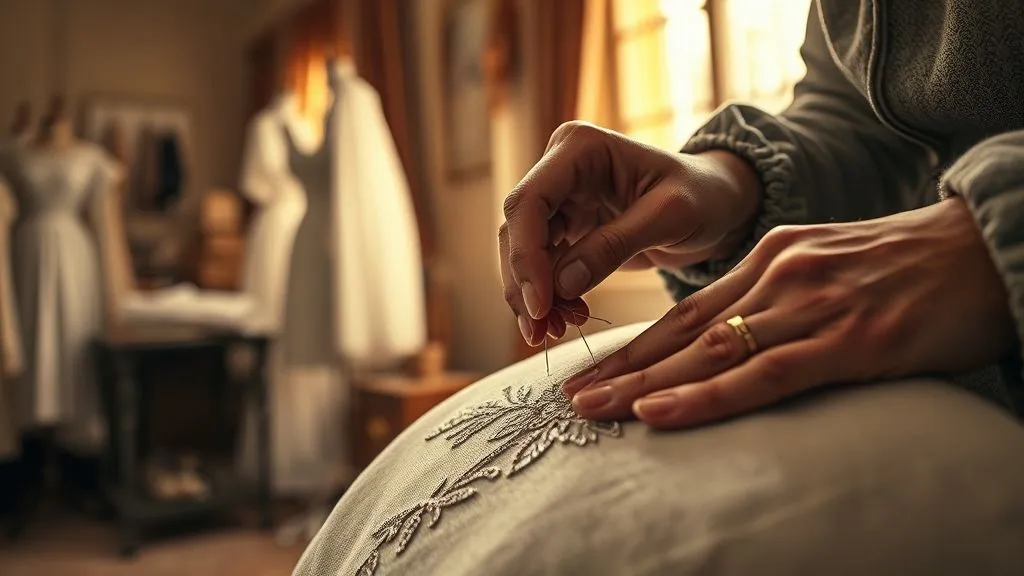
How to retain master artisans in a haute couture atelier?
For over 25 years, I've had the privilege of walking the hallowed halls of some of the world's most revered haute couture ateliers. I've witnessed firsthand the breathtaking artistry, the meticulous dedication, and the sheer magic woven into every stitch by master artisans. Yet, I've also seen the quiet crisis unfolding: the struggle to retain these irreplaceable talents, the very heart and soul of haute couture.
The problem isn't just about losing a skilled employee; it's about the erosion of institutional knowledge, the diminishing capacity for true bespoke craftsmanship, and ultimately, the threat to an atelier's legacy. In an era where mass production often overshadows bespoke artistry, the unique challenges of attracting and, more critically, retaining these highly specialized individuals are becoming increasingly acute.
This article isn't just a discussion; it's a framework born from decades of observation, collaboration, and deep immersion in the haute couture world. I will share actionable strategies, drawing on real-world insights and expert perspectives, to help you not just retain, but truly empower and celebrate your master artisans, ensuring the continuity of unparalleled craftsmanship.
Beyond Compensation: Crafting a Culture of Esteem and Respect
In my experience, financial compensation, while crucial, is rarely the primary driver for master artisans in haute couture. Their work is a calling, a profound expression of identity and skill. They seek more than a paycheck; they crave recognition, respect, and a deep appreciation for their mastery.
The Intrinsic Value of Recognition
True artisans are driven by the pursuit of perfection and the acknowledgment of their unique contribution. A culture that genuinely values their craft and their individual expertise acts as a powerful magnet, fostering loyalty and a sense of belonging that money alone cannot buy.
"The greatest gift you can give an artisan is not just remuneration, but reverence for their craft and recognition of their irreplaceable hands."
Here are actionable steps to cultivate such a culture:
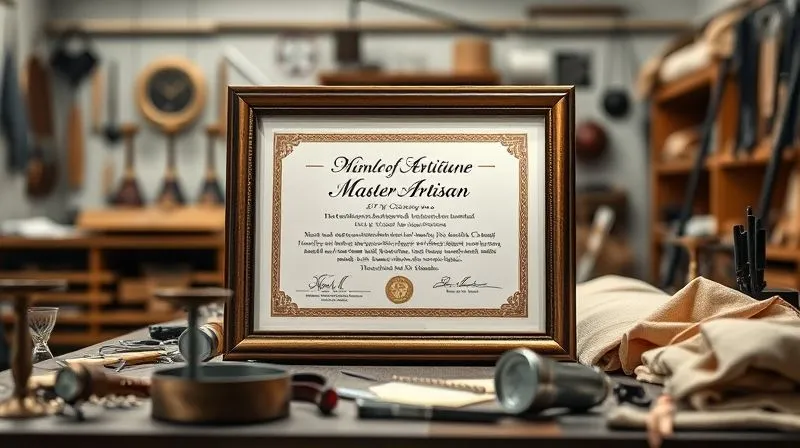
- Formal Recognition Programs: Implement structured programs that celebrate milestones, exceptional projects, and years of service. This could include annual awards, public acknowledgments in internal and external communications, or even named pieces in their honor.
- Public Acknowledgment: Ensure that the artisans behind iconic pieces are credited, perhaps through discreet atelier tags or mentions in press releases, where appropriate and desired by the artisan. This elevates their status and provides a sense of pride.
- Peer Appreciation Initiatives: Foster an environment where artisans recognize each other's contributions. Simple internal shout-outs, 'Artisan of the Month' features, or collaborative project showcases can strengthen team bonds and mutual respect.
Case Study: The House of Lumina's Legacy Program
The House of Lumina, a venerable Parisian atelier, faced a concerning trend of senior artisans retiring without adequate knowledge transfer, leading to a noticeable dip in certain specialized skills. After implementing a comprehensive 'Master's Legacy Program' – which included formal mentorship pairings, annual 'Artisan Spotlights' in their private client newsletters, and a dedicated fund for artisans to present their work at international craft exhibitions – they saw a remarkable turnaround. Within three years, voluntary departures among master artisans dropped by 15%, and the program successfully cultivated a new generation of highly skilled specialists, directly mentored by the very best.
Investing in Skill Perpetuation: Mentorship and Succession Planning
The skills of a haute couture artisan are often generational, passed down through painstaking apprenticeship. Neglecting this aspect is akin to letting a priceless library slowly decay. Effective mentorship and robust succession planning are not just about training; they are about preserving an art form.
Formalizing Knowledge Transfer
The unique techniques, the 'secrets' of an atelier's signature style, reside within the hands and minds of its masters. A structured approach to knowledge transfer ensures these invaluable assets are not lost to time or departure.
Consider these strategies:
- Structured Mentorship Programs: Pair senior artisans with promising junior talents. Define clear objectives for these relationships, including specific skill sets to be transferred, regular check-ins, and performance evaluations for both mentor and mentee.
- Cross-Training Initiatives: Encourage artisans to learn different facets of the atelier's work. A master embroiderer might spend time understanding pattern cutting, or a tailor might learn advanced draping. This broadens their skill set and deepens their appreciation for the entire creative process.
- Documentation of Techniques: While hands-on learning is paramount, creating a visual and textual archive of unique techniques – through detailed manuals, video tutorials, or even digital 3D scans of intricate constructions – can serve as an invaluable institutional resource.
As a Harvard Business Review article on mentorship highlights, these programs not only develop new talent but also significantly boost the morale and engagement of the mentors themselves, giving them a renewed sense of purpose and value.
Fostering Autonomy and Creative Freedom
Master artisans are not cogs in a machine; they are artists. They thrive on the challenge of creation, the subtle problem-solving inherent in bringing a design to life. Restricting their autonomy can stifle their passion and lead to disengagement.
Empowering the Makers
When you hire a master artisan, you are hiring their expertise, their intuition, and their unique artistic fingerprint. Providing them with a degree of creative freedom within the atelier's vision demonstrates trust and respect for their unparalleled skill.
"Trusting an artisan with creative latitude is like giving a maestro the freedom to interpret a symphony; it elevates the performance to something truly sublime."
Practical ways to empower your artisans include:
- Collaborative Design Input: Involve master artisans in the early stages of design conceptualization. Their practical knowledge of materials and construction techniques can offer invaluable insights, prevent costly errors, and make them feel integral to the creative process.
- Independent Project Opportunities: Allocate a small percentage of their time for personal projects or experimental work that aligns with the atelier's aesthetic. This allows them to explore new techniques, push boundaries, and maintain their creative edge.
- Research and Development Time: Provide dedicated time and resources for artisans to research new materials, tools, or historical techniques. This investment signals that their continuous learning and innovation are valued.

Competitive Compensation and Benefits: The Foundation, Not the Ceiling
While I've stressed that money isn't the sole motivator, it's a critical foundation. Master artisans, with their rare and highly specialized skills, deserve compensation that reflects their value and expertise. Underpaying them sends a clear message of undervaluation, regardless of other perks.
Benchmarking and Beyond
Ensuring your compensation packages are not just competitive but exemplary for the niche market of haute couture is paramount. This requires regular analysis and a willingness to invest in your most valuable assets.
Key considerations for compensation and benefits:
- Regular Salary Reviews: Conduct annual or biennial reviews to ensure salaries remain competitive with industry standards and account for inflation and experience growth. Consider performance-based increments that reward exceptional skill and dedication.
- Performance Bonuses Tied to Quality/Innovation: Beyond standard salaries, implement bonus structures that acknowledge superior craftsmanship, successful completion of challenging projects, or contributions to innovative techniques.
- Comprehensive Health and Retirement Benefits: Offer robust health insurance, retirement plans, and other benefits that provide security and peace of mind. These are often non-negotiable for experienced professionals.
- Work-Life Balance Initiatives: While not directly compensation, flexible working hours where feasible, generous paid time off, and support for personal well-being are increasingly valued benefits.
According to a recent McKinsey report on talent retention, competitive compensation is a hygiene factor; its absence is a strong dissatisfier, even if its presence isn't the sole motivator.
| Benefit Category | Examples |
|---|---|
| Financial | Competitive Salary, Performance Bonuses, Profit Sharing |
| Wellness | Health Insurance, Ergonomic Workstations, Mental Health Support |
| Professional Growth | Training Funds, Conference Attendance, Mentorship Programs |
Cultivating a Conducive Work Environment
The physical and psychological environment of an atelier profoundly impacts an artisan's well-being and productivity. A space that is poorly lit, cramped, or high-stress can quickly lead to burnout and dissatisfaction.
More Than Just a Space
A haute couture atelier should be a sanctuary for creativity and precision. It needs to be designed to support the intricate nature of the work and the mental focus required.
Focus on these aspects:
- Ergonomic Workspaces: Provide adjustable seating, appropriate lighting (natural light whenever possible), and tools that reduce physical strain. Prolonged periods of intricate work can take a toll, and proactive measures are essential.
- Natural Lighting and Air Quality: Maximize natural light and ensure excellent ventilation. A bright, fresh environment improves mood, reduces eye strain, and enhances overall comfort.
- Quiet Zones and Collaboration Areas: Balance the need for focused, quiet work with spaces that encourage collegial interaction and idea exchange.
- Promoting Work-Life Balance: Actively discourage excessive overtime and promote regular breaks. A well-rested artisan is a more productive and happier artisan.
- Open Communication Channels: Foster an environment where artisans feel comfortable voicing concerns, offering suggestions, and engaging in constructive dialogue with management.
In my discussions with atelier managers, I've seen that those who invest in superior working conditions often report significantly higher artisan satisfaction and lower absenteeism. As Forbes Human Resources Council points out, a positive work environment is a cornerstone of employee retention.
Professional Development and Continuous Learning
Even master artisans have a desire to learn and evolve. The world of fashion, even haute couture, is not static. New materials, technologies, and aesthetic trends emerge, and providing opportunities for continuous learning keeps artisans engaged and their skills sharp.
Keeping Skills Sharp and Relevant
Investing in professional development demonstrates a commitment to your artisans' long-term career growth, not just their immediate utility.
Consider these avenues for growth:
- Access to Specialized Workshops: Fund participation in external workshops focused on niche techniques, historical restoration, or avant-garde methods.
- Rare Material Sourcing Trips: Allow artisans to accompany designers or buyers on trips to source unique fabrics, embellishments, or historical pieces. This deepens their understanding of materials and inspires their craft.
- Inter-Atelier Exchanges: Facilitate short-term exchanges with other renowned ateliers (perhaps even in other countries) to expose artisans to different working methods and traditions.
- Digital Skill Updates: Provide training in relevant digital tools, such as advanced pattern-making software, 3D design for textile manipulation, or digital archiving techniques, which can augment their traditional skills.
Leveraging Technology Thoughtfully
The phrase 'haute couture' often conjures images of tradition, handcraft, and heritage. While these elements are non-negotiable, integrating technology thoughtfully can enhance, rather than diminish, the artisan's work, making processes more efficient and freeing up time for pure artistry.
Augmenting, Not Replacing, the Human Touch
The goal is to use technology as a powerful tool in the artisan's repertoire, allowing them to focus on the elements where human skill is truly irreplaceable.
Here’s how to approach it:
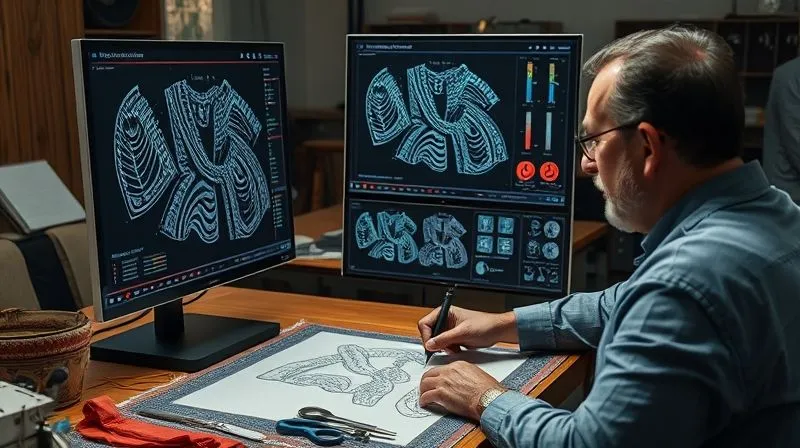
- Digital Pattern Making and Grading: Utilize advanced CAD software for initial pattern drafting and grading. This can save immense time, reduce material waste, and allow for quick iterations, while the final fitting and adjustments remain firmly in the artisan's hands.
- 3D Printing for Prototypes and Embellishments: For complex structural elements or intricate embellishments, 3D printing can be used to create prototypes or even final components that would be extraordinarily time-consuming or impossible to create by hand.
- Advanced Textile Research: Invest in understanding new smart textiles or sustainable material innovations. Artisans can then experiment with these materials, expanding the possibilities of haute couture.
- Digital Archiving and Knowledge Management: Use digital platforms to store designs, construction notes, and material specifications, making it easier for artisans to access historical data and build upon previous work.
Building a Community of Shared Purpose
An atelier is more than a workplace; it's a collective of individuals united by a shared passion for creation. Fostering a strong sense of community and shared purpose can significantly enhance loyalty and retention.
The Atelier as a Family
Many master artisans view their atelier as a second home, and their colleagues as an extended family. Nurturing this emotional bond is vital for long-term retention.
Strategies to build this community:
- Team-Building Events: Organize regular social gatherings, workshops, or outings that are not directly work-related. This helps foster personal connections and camaraderie.
- Celebrating Collective Achievements: When a collection is successfully presented or a challenging piece is completed, celebrate it as a team. Acknowledge the collective effort that went into the success.
- Involving Artisans in Brand Storytelling: Feature artisans in the brand's storytelling, whether through interviews on the website, social media posts, or client events. This connects their individual contributions to the larger brand narrative.
- Creating a Sense of Legacy: Emphasize that each artisan is contributing to the enduring legacy of the atelier and the broader art of haute couture. This appeals to their intrinsic desire for meaning and lasting impact.
Ultimately, retaining master artisans in a haute couture atelier isn't about implementing a single policy; it's about weaving a tapestry of respect, opportunity, and community. It's about recognizing that these individuals are not just employees, but custodians of an invaluable art form.
| Strategy | Impact on Retention |
|---|---|
| Recognition & Esteem | Boosts morale, fosters loyalty, enhances self-worth |
| Skill Perpetuation | Ensures legacy, provides growth paths for juniors and purpose for seniors |
| Creative Freedom | Enhances job satisfaction, encourages innovation, prevents burnout |
| Competitive Compensation | Establishes baseline satisfaction, removes financial stressors |
| Conducive Environment | Improves well-being, increases productivity, reduces physical strain |
| Professional Development | Keeps skills current, fosters personal growth, signals investment |
| Thoughtful Technology | Increases efficiency, allows focus on artistry, modernizes processes |
| Community & Purpose | Builds emotional bonds, fosters loyalty, strengthens collective identity |
Frequently Asked Questions (FAQ)
How do small ateliers compete with larger houses for talent? Small ateliers can leverage their unique strengths: a more intimate, family-like atmosphere, direct creative input, opportunities for artisans to work on a wider variety of projects, and the ability to offer more personalized recognition. While they might not match large salaries, they can offer unparalleled creative fulfillment and a stronger sense of belonging.
What role does generational difference play in artisan retention? Generational differences are significant. Younger artisans may prioritize work-life balance, digital integration, and clear career progression paths more explicitly than older generations. Ateliers must adapt by offering flexible work arrangements, integrating relevant technology, and clearly outlining growth opportunities and mentorship roles for all ages.
Is it possible to measure the ROI of artisan retention programs? Absolutely. While some benefits are qualitative, ROI can be measured through reduced recruitment and training costs for new hires, decreased error rates, improved project completion times due to experienced teams, enhanced brand reputation for quality and craftsmanship, and increased client loyalty driven by consistent excellence. Tracking artisan turnover rates and comparing them to program implementation is a direct measure.
How can an atelier identify artisans at risk of leaving? Proactive measures include regular one-on-one check-ins, anonymous feedback surveys, monitoring changes in performance or engagement, and observing subtle shifts in behavior or communication. Creating an open-door policy where artisans feel safe to express concerns before they escalate is crucial. Exit interviews, while reactive, also provide valuable insights.
What's the biggest mistake ateliers make regarding artisan retention? The biggest mistake is viewing artisans purely as skilled labor rather than as creative partners and custodians of invaluable heritage. Neglecting their intrinsic motivations – the desire for respect, creative freedom, continuous learning, and a sense of purpose – in favor of purely transactional relationships is a sure path to losing your best talent.
Key Takeaways and Final Thoughts
The question of 'How to retain master artisans in a haute couture atelier?' isn't merely an HR challenge; it's a strategic imperative for the future of bespoke fashion. It demands a holistic approach that acknowledges the unique psychology of the artisan and the profound value they bring.
- Prioritize a Culture of Esteem: Go beyond compensation to genuinely recognize and celebrate their mastery.
- Invest in Legacy: Implement robust mentorship and succession planning to ensure skills are passed down.
- Empower Creativity: Provide autonomy and opportunities for innovation within the atelier's vision.
- Ensure Foundational Support: Offer competitive compensation, comprehensive benefits, and a superior working environment.
- Embrace Continuous Growth: Facilitate professional development and thoughtful technological integration.
- Foster Community: Cultivate a strong sense of shared purpose and belonging within the atelier.
By consciously investing in the well-being, growth, and recognition of your master artisans, you are not just securing your atelier's future; you are safeguarding the very soul of haute couture. These skilled hands are a treasure, and their loyalty is earned through consistent, genuine commitment to their craft and their person. It's a journey, not a destination, but one that promises unparalleled rewards for those dedicated to preserving true artistry.
Recommended Reading
- 7 Savvy Ways to Update Classic Accessories Without Looking Outdated
- 7 Steps to Ethically Source Sustainable Luxury Fabrics for Bespoke Suits
- 7 Expert Tactics: Flatter Her Figure When She Hates Her Midsection
- 5 Proven Strategies to Halt Activewear Churn & Dominate Your Market
- Unlocking Time: How to Identify Authentic Retro Clothing Eras Like a Pro




Your email address will not be published. Required fields are marked *