


How to Adapt Current 'Chic' Trends for Diverse Professional Body Types Ethically
For over 15 years in the womenswear industry, I've witnessed a persistent disconnect: the aspirational 'chic' often showcased in fashion media rarely translates seamlessly to the diverse realities of professional women. This isn't just a style challenge; it's an ethical one, impacting confidence and workplace presence.
Many professional women feel pressured to conform to an idealized body type to embrace current trends, leading to frustration, discomfort, and a sense of being perpetually 'out of style.' This struggle can subtly undermine their professional confidence and impact how they present themselves in crucial settings.
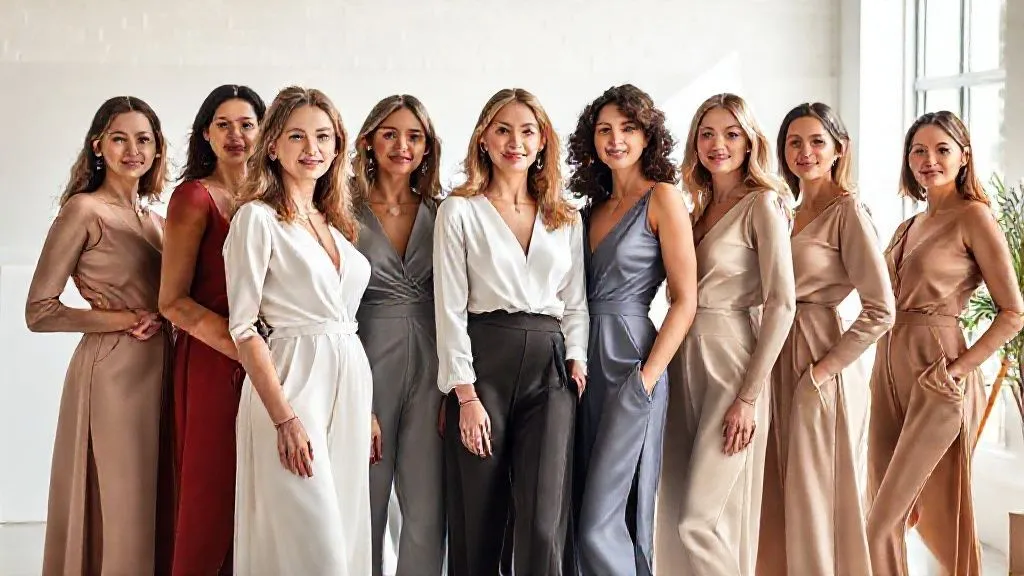
This comprehensive guide will equip you with actionable frameworks and expert insights to ethically adapt 'chic' trends for every professional body type. We'll explore how to build a powerful, inclusive wardrobe that celebrates individuality while maintaining a polished, authoritative presence.
Understanding 'Chic' Beyond the Runway: A Foundation of Inclusivity
When we talk about 'chic' in a professional context, we're not merely discussing fleeting runway trends. Instead, it embodies a timeless elegance, thoughtful curation, and an inherent sense of polish and confidence.
It’s about understanding proportion, quality, and how garments interact with the wearer's unique form, rather than rigidly adhering to a single silhouette. My experience shows that true chic emerges when a woman feels empowered and authentic in her attire, not constrained by it.
This redefinition allows us to approach fashion with an inclusive lens, focusing on adaptability and personal expression over conformity. It's about leveraging trends as inspiration, not as dictates.
The Ethical Imperative: Why Body Diversity Matters in Professional Fashion
The conversation around body diversity in fashion extends far beyond aesthetics; it's a critical component of workplace ethics and inclusivity. When professional attire options are limited or unflattering for certain body types, it sends a clear message of exclusion.
This can lead to significant psychological impacts, including reduced self-esteem and a feeling of not belonging, which can hinder career progression. As Harvard Business Review often highlights, attire significantly influences perception and self-efficacy.
Ethical adaptation means consciously choosing styles, fabrics, and fits that genuinely empower *all* women, fostering an environment where professional competence shines, unburdened by body image concerns. It’s about creating a level playing field through thoughtful sartorial choices.

Decoding Body Types: Moving Beyond Stereotypes to Empowered Silhouettes
For years, fashion has categorized body types into simplistic fruit or geometric shapes, which often feel reductive and unhelpful. In my practice, I encourage a more nuanced understanding: focusing on individual proportions, balance, and areas where you want to create emphasis or de-emphasis.
Every body is unique, and true empowerment comes from understanding your specific architecture, not from fitting into a predefined mold. This approach allows for a far more personalized and effective styling strategy.
Instead of 'apple' or 'pear,' consider your shoulders-to-hips ratio, the length of your torso versus legs, and where your natural waistline sits. These are the practical details that truly inform adaptation.
Key Proportional Considerations:
- Shoulder-to-Hip Balance: Are your shoulders broader, narrower, or roughly the same width as your hips? This dictates where to add volume or streamline.
- Torso-to-Leg Ratio: Do you have a longer torso and shorter legs, or vice-versa? This impacts where waistlines should hit and the length of tops and jackets.
- Natural Waistline: Is your waist well-defined, or is your midsection more straight? This guides choices for cinched, empire, or column silhouettes.
- Bust and Hip Volume: Understanding these areas helps in selecting necklines, fabric drapes, and skirt/trouser cuts that balance your figure.
These considerations are far more empowering than restrictive labels, allowing for fluid adaptation of trends. The goal is always to create visual harmony and a sense of effortless confidence.
Strategic Styling: Key Principles for Adapting Trends
Adapting current 'chic' trends ethically for diverse body types requires a strategic mindset, not a reactive one. It's about applying timeless styling principles to modern silhouettes, ensuring the trend serves you, not the other way around.
I always advise my clients to begin with understanding the *essence* of a trend. Is it about volume, sharp tailoring, a particular color palette, or a new proportion? Once you identify the core, you can then selectively integrate it.
Here are the fundamental principles that act as your styling compass:
- Proportion Play: This is perhaps the most crucial element. If a trend features exaggerated volume (e.g., wide-leg trousers), balance it with a more fitted top. Conversely, if the trend is sleek and minimal, ensure the lines complement your vertical and horizontal balance.
- Focus on Fit: A perfectly fitted garment, regardless of its trendiness, always looks more sophisticated and expensive. Invest in tailoring if off-the-rack doesn't quite hit the mark. It's an investment in your professional image.
- Strategic Embellishment & Detail: Use details like ruffles, pleats, pockets, or statement collars to draw attention to areas you wish to highlight. Avoid placing excessive detail on areas you prefer to de-emphasize.
- Color and Pattern Placement: Darker colors tend to recede, while lighter colors and bold patterns advance. Use this to your advantage to create visual interest and shape. A vertical stripe, for instance, can elongate, while a horizontal one can broaden.
- Fabric Drape and Texture: Stiffer fabrics hold shape and add structure, while softer, fluid fabrics drape and skim. Choose fabrics that complement your desired silhouette and the natural movement of your body.
By mastering these principles, you gain the agency to interpret trends authentically. You become the editor of your own style, selecting elements that enhance your professional presence.
| Principle | Application for Broader Shoulders | Application for Fuller Hips |
|---|---|---|
| Proportion Play | Pair wide-leg trousers with a V-neck top to balance proportions. | Opt for A-line skirts or straight-leg trousers with structured tops. |
| Focus on Fit | Ensure hemlines and sleeve lengths are precisely tailored to avoid overwhelming the frame. | Seek out extended lengths in trousers and sleeves to ensure full coverage and proper drape. |
| Strategic Embellishment | Use ruffles, pleats, or statement necklaces on the upper body. | Cinch jackets or dresses with a belt to highlight the narrowest part. |
| Color & Pattern | Monochromatic outfits or vertical stripes. | Horizontal stripes or color blocking on desired areas. |
Fabric, Fit, and Form: The Triple Crown of Professional Chic
In my years of consulting, I've seen that the difference between merely 'wearing clothes' and truly 'owning your style' often comes down to these three F's. They are the bedrock of any truly chic and professional wardrobe, especially when adapting trends ethically.
1. Fabric: The Foundation of Feel and Form
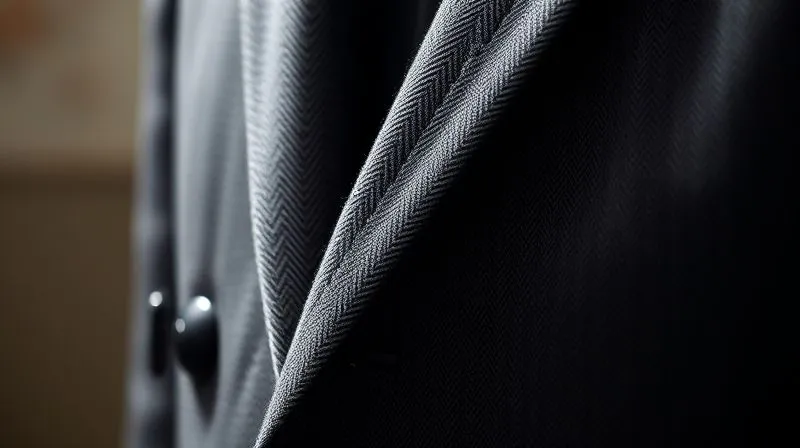
The choice of fabric dictates how a garment drapes, feels against the skin, and holds its shape. For professional wear, I always recommend natural fibers or high-quality blends that offer both comfort and structure. Think wool, silk, high-thread-count cotton, and quality linen blends.
These fabrics not only look more luxurious but also often adapt better to different body movements and climates. A structured wool blend blazer, for instance, provides a crisp silhouette for many body types, while a fluid silk blouse skims gracefully over curves.
Consider the weight and texture: a heavier fabric can provide more structure and camouflage, while a lighter, flowing fabric can create movement and softness. The ethical aspect here also involves choosing fabrics that are durable and sustainably sourced where possible.
2. Fit: The Secret to Sophistication
A garment that fits well is paramount, regardless of current trends. A good fit means the garment neither pulls nor sags, and it follows the natural contours of your body without restricting movement. This is where ethical adaptation truly shines.
For diverse body types, this often means embracing tailoring. Off-the-rack clothing is designed for standardized measurements, which rarely perfectly align with individual figures. A simple hem adjustment, taking in a waist, or adjusting sleeve length can transform a garment from 'okay' to 'outstanding.'
Pay attention to key areas: shoulders should align perfectly with the garment's seam, waistlines should hit at your natural waist or chosen empire/drop waist, and hemlines should be appropriate for your height and the garment's style. Remember, fit is about comfort and confidence, not about being tight.
3. Form: The Silhouette You Create
Form refers to the overall shape or silhouette that your outfit creates on your body. Current 'chic' trends might lean towards oversized blazers, wide-leg trousers, or column dresses. The ethical adaptation is to interpret these forms in a way that flatters *your* individual proportions.
If an oversized blazer trend feels overwhelming, choose one with a slightly more tailored shoulder or a lighter fabric. For wide-leg trousers, ensure the waist fits perfectly and the length is appropriate for your footwear, preventing a sloppy appearance.
The goal is to use the garment's form to create visual balance and harmony, emphasizing your strengths and creating a polished, professional presence. As renowned fashion expert Stacy London often emphasizes, 'It's not about the size you wear, but how you wear your size.'
Accessorizing with Intention: Elevating Your Professional Look
Accessories are not mere afterthoughts; they are powerful tools that can transform an outfit, inject personality, and strategically draw the eye. In professional settings, intentional accessorizing is crucial for elevating your 'chic' factor while maintaining decorum.
I've observed that the right accessories can instantly update a classic silhouette or add a touch of current trend without requiring a complete wardrobe overhaul. They offer a flexible and ethical way to participate in fashion trends.
Here’s how to accessorize with purpose:
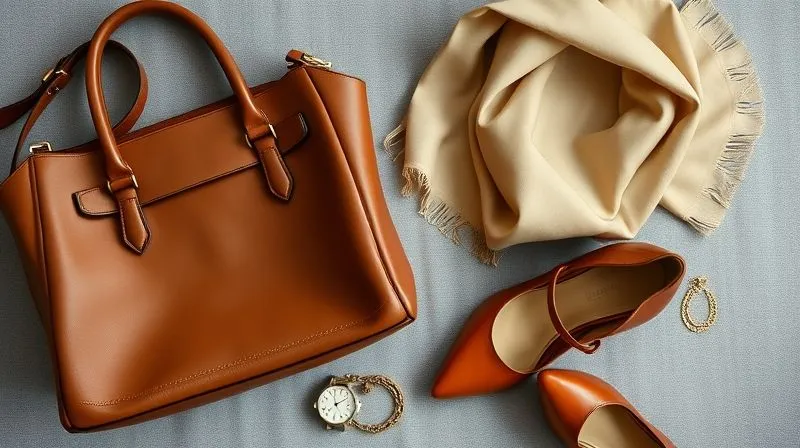
- Statement Jewelry: A well-chosen necklace or pair of earrings can draw attention to your face and neckline, away from areas you might prefer to de-emphasize. Keep it refined for professional settings, opting for quality over quantity.
- Belts: Belts are incredible for defining or creating a waist, especially useful when adapting boxier or oversized trends. A wider belt can create an hourglass silhouette on a straight figure, while a slim belt can subtly define a natural waist.
- Scarves: A silk scarf can add a pop of color, texture, or pattern, and can be styled in numerous ways around the neck, tied to a handbag, or even worn as a belt. They add a touch of European chic effortlessly.
- Handbags: Your professional bag should be structured and proportionate to your frame. A large bag can overwhelm a petite figure, while a tiny clutch might look out of place with a statuesque presence. Choose quality materials that convey professionalism.
- Footwear: Shoes complete the look and significantly impact your posture and stride. Opt for comfortable, elegant styles that complement your outfit's silhouette. A pointed-toe shoe can elongate the leg, while a block heel offers both style and stability.
Remember, less is often more in professional environments. Select one or two impactful accessories that enhance your overall look without distracting from your competence. The goal is subtle sophistication, not overt display.
Building a Versatile, Ethical Wardrobe: A Step-by-Step Approach
Creating a 'chic' and ethically adapted professional wardrobe is a journey, not a destination. It involves thoughtful planning and conscious choices. This systematic approach ensures your wardrobe is both functional and empowering.
- Audit Your Current Wardrobe: Begin by assessing what you already own. Identify pieces that fit well, make you feel confident, and align with your professional brand. Discard anything ill-fitting, worn out, or that no longer serves your purpose.
- Define Your Professional Aesthetic: What message do you want your clothes to convey? Is it approachable authority, creative innovation, or classic gravitas? This clarity guides your future purchases and helps you stay true to your unique style.
- Invest in Core Staples: These are the foundational pieces that form the backbone of your professional wardrobe. Think well-tailored blazers, versatile trousers and skirts, crisp shirts, and classic dresses. Choose neutral colors that can be easily mixed and matched.
- Incorporate Trend Adaptations Thoughtfully: Once your core is strong, selectively introduce current 'chic' elements. This might be a trendy color in a classic silhouette, a modern cut in a staple garment, or a statement accessory.
- Prioritize Quality and Durability: Investing in fewer, higher-quality pieces is more ethical and ultimately more cost-effective. These garments last longer, drape better, and maintain their appearance through many wears and washes. Look for ethical brands that prioritize fair labor and sustainable practices.
- Embrace Tailoring as an Investment: As discussed, tailoring is non-negotiable for a truly polished look. Factor it into your clothing budget.
- Develop a Capsule Wardrobe Mindset: Focus on pieces that can be styled in multiple ways, creating numerous outfits from a limited number of items. This reduces consumption and encourages creativity.
Case Study: How Apex Innovations Boosted Employee Confidence
Apex Innovations, a rapidly growing tech firm, recognized that their diverse workforce struggled with professional dress codes that felt generic and exclusionary. Their HR department reported a subtle but persistent dip in employee confidence during client-facing roles.
Working with an image consultant (much like myself), they implemented a new 'Empowered Professional Dress Guide' that moved beyond strict rules. The guide focused on principles of fit, fabric quality, and personal expression, explicitly demonstrating how to adapt current 'chic' trends for various body types, ages, and cultural backgrounds. They offered optional workshops on styling and even subsidized tailoring services.
Within six months, internal surveys showed a 25% increase in employees feeling 'confident and professionally represented' in their attire. Client feedback also noted a more polished and cohesive team appearance. This resulted in improved team morale, reduced anxiety around professional events, and ultimately, a more unified and confident brand image for Apex Innovations.
| Category | Ethical Staple | Trend Adaptation | Styling Tip |
|---|---|---|---|
| Tops | High-quality silk blouse | Oversized button-down in sustainable cotton | Tuck or half-tuck for definition, or wear open over a fitted camisole. |
| Bottoms | Tailored wool trousers | Wide-leg trousers in a rich jewel tone | Pair with a fitted top and a structured blazer for balance. |
| Outerwear | Classic trench coat | Relaxed-fit blazer in a textured fabric | Roll sleeves for a casual-chic look; belt to define the waist. |
| Dresses/Skirts | A-line midi skirt | Knitted midi dress with subtle ruching | Layer with a blazer or cardigan; use a belt to create shape. |
The Power of Personal Style: Confidence as Your Best Accessory
Ultimately, the most 'chic' outfit is one that makes you feel utterly confident and authentically yourself. Personal style is not about following every trend; it's about discerning which trends resonate with you and adapting them to enhance your unique professional identity.
When you dress with intention, respecting your body and your professional environment, that inner confidence radiates outwards. This is the true essence of ethical fashion: empowering the individual.
I always tell my clients, 'Your clothes should be a silent endorsement of your capabilities, not a distraction.' When you feel good, you perform better, and that's the most powerful statement you can make.
Frequently Asked Questions (FAQ)
Q: How do I ensure my adapted 'chic' outfits still look professional and not too casual? A: The key lies in balancing modern elements with classic professional standards. Focus on high-quality fabrics, impeccable fit (tailoring is crucial), and structured pieces. If you're adopting a relaxed trend, pair it with something more formal, like a crisp shirt or a structured blazer. For example, wide-leg trousers can be very professional when paired with a silk blouse and a tailored jacket, ensuring the overall impression remains polished and authoritative.
Q: I'm petite and feel overwhelmed by many current oversized trends. How can I adapt them? A: For petite frames, adapting oversized trends requires careful attention to proportion. Instead of fully embracing a voluminous piece, look for 'shrunken' oversized versions or choose items with strategic tailoring. For example, an oversized blazer might work if it has a defined shoulder and the sleeves are tailored to your arm length. Pair it with a more fitted bottom to maintain balance, or opt for monochromatic outfits to create an unbroken vertical line, which elongates the figure.
Q: What are some ethical considerations beyond body diversity when building a 'chic' professional wardrobe? A: Ethical considerations extend to the entire supply chain. Look for brands that prioritize fair labor practices, use sustainable materials, and have transparent production processes. Consider investing in durable, high-quality pieces that last longer, reducing waste. Additionally, supporting local designers or small businesses can be an ethical choice. The goal is a wardrobe that aligns with your values, both in how it looks and how it's made. For further reading, organizations like Fashion Revolution offer excellent resources on ethical sourcing.
Q: How can I incorporate 'chic' trends if my workplace has a very conservative dress code? A: In conservative environments, subtlety is your best friend. Focus on integrating trends through color palettes, textures, and accessories rather than dramatic silhouettes. A trending jewel tone in a classic sheath dress, a modern print on a silk scarf, or a unique architectural heel on a classic pump can introduce 'chic' elements without breaking dress code. Ensure fit is always perfect, as this inherently elevates any outfit, regardless of its trendiness. Small, thoughtful updates can make a big impact.
Q: Is it truly possible to look 'chic' without spending a fortune on designer clothes? A: Absolutely. 'Chic' is more about curation, fit, and confidence than brand labels or price tags. Focus on quality fabrics, even if they are from more affordable brands, and prioritize tailoring to achieve a custom fit. Building a versatile capsule wardrobe with interchangeable pieces, as discussed, is far more effective than chasing expensive trends. Thrift stores, consignment shops, and strategic sales can also yield high-quality, unique pieces that contribute to a truly chic and personal style. Remember, the true value is in how you style and wear your clothes, not just what they cost.
Key Takeaways and Final Thoughts
- Redefine 'Chic' Inclusively: It's about personal empowerment and thoughtful adaptation, not rigid conformity to idealized body types.
- Embrace Ethical Foundations: Body diversity in professional fashion is an ethical imperative, fostering confidence and inclusivity.
- Master Proportional Principles: Understand your unique body architecture to strategically adapt trends for visual harmony.
- Prioritize Fabric, Fit, and Form: These are the non-negotiables for a polished and sophisticated professional presence.
- Accessorize with Intention: Use accessories as powerful tools to elevate your look and draw attention strategically.
- Build a Thoughtful Wardrobe: Invest in quality staples, integrate trends selectively, and embrace tailoring as a key investment.
- Cultivate Personal Style: Your most powerful accessory is confidence, radiating from an outfit that truly makes you feel authentic and capable.
Navigating the world of professional fashion for diverse body types doesn't have to be a source of stress or ethical compromise. By applying these expert insights and adopting a mindful approach, you can curate a wardrobe that not only looks 'chic' but also genuinely empowers you. Step into your professional life with confidence, knowing your style reflects both your competence and your commitment to authentic self-expression. The industry is evolving, and so should our approach to professional dressing. Be the leader in your own style journey.
Recommended Reading
- Sweat-Free Workouts: 5 Keys to Optimal Moisture Wicking Activewear
- Unlock the Magic: How to Integrate Animatronics into Creature Costumes Seamlessly
- 7 Steps: Translating Brand Vision into Compelling Fashion Magazine Editorials
- 5 Agile Strategies: Rapid Trend Integration for Activewear Brands
- The Ultimate Guide: How to Keep Your Wedding Dress Wrinkle-Free on Your Big Day


Your email address will not be published. Required fields are marked *