

Unraveling the Science of Moisture Wicking: Your Guide to Dry, Comfortable Performance
For over 15 years in the activewear industry, I've seen countless innovations, but also persistent frustrations. One of the most common issues I encounter, both from athletes and everyday fitness enthusiasts, revolves around comfort – specifically, the discomfort caused by sweat-soaked clothing. It’s a problem that impacts performance, confidence, and even health.
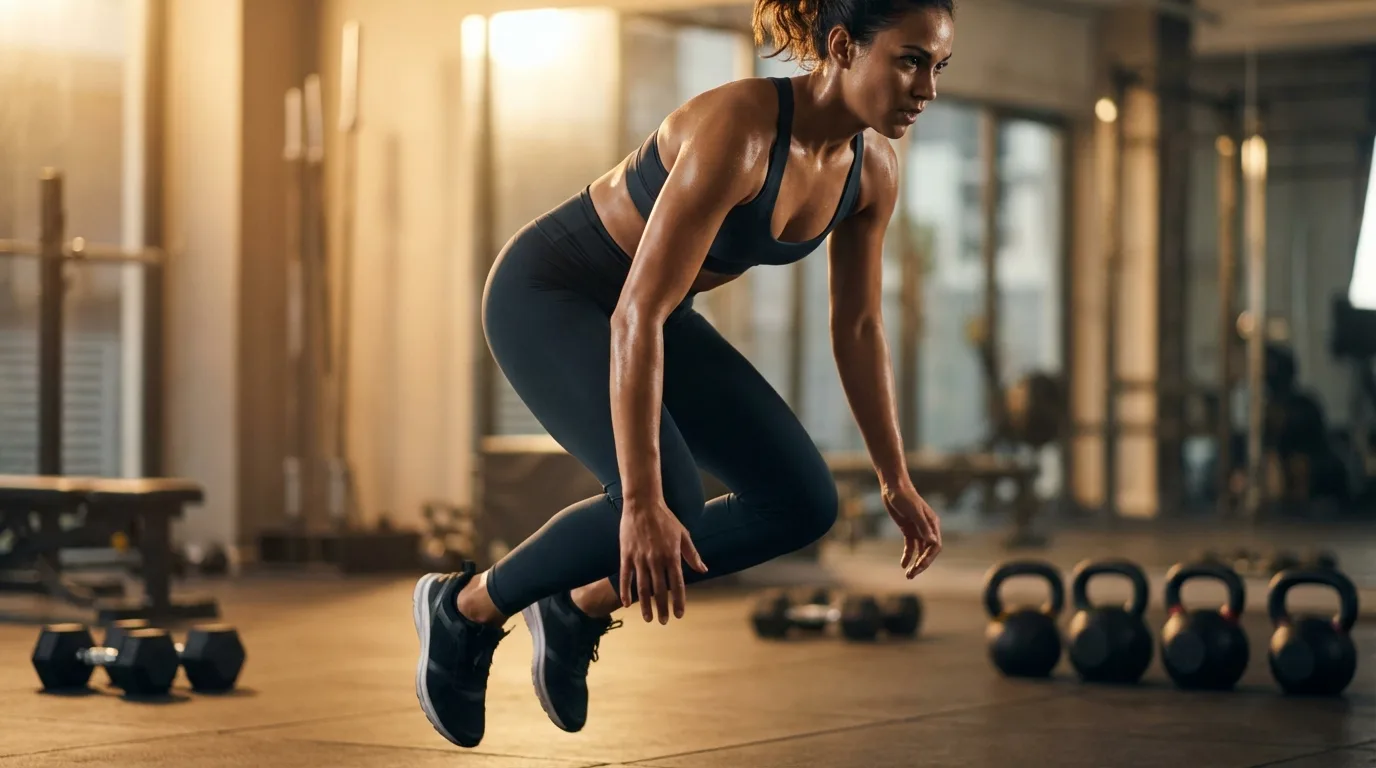
The pain point is palpable: that clammy, heavy feeling; the dreaded post-workout chill; the chafing caused by damp fabric rubbing against skin. Many assume all 'sportswear' is created equal, only to find themselves battling a soggy mess minutes into their activity. This isn't just an inconvenience; it can undermine your entire fitness journey.
This guide isn't just about understanding a buzzword. It's about equipping you with the expert knowledge to truly discern effective moisture wicking activewear. I’ll share actionable frameworks, real-world insights, and the science behind staying dry, comfortable, and performing at your absolute best.
Beyond the Buzzword: What Exactly is Moisture Wicking?
When I talk about moisture wicking, I’m not just talking about a fabric that 'absorbs' sweat. In fact, true wicking is almost the opposite. It’s a sophisticated process where moisture (your sweat) is drawn away from your skin and transported to the outer surface of the fabric, where it can evaporate quickly.
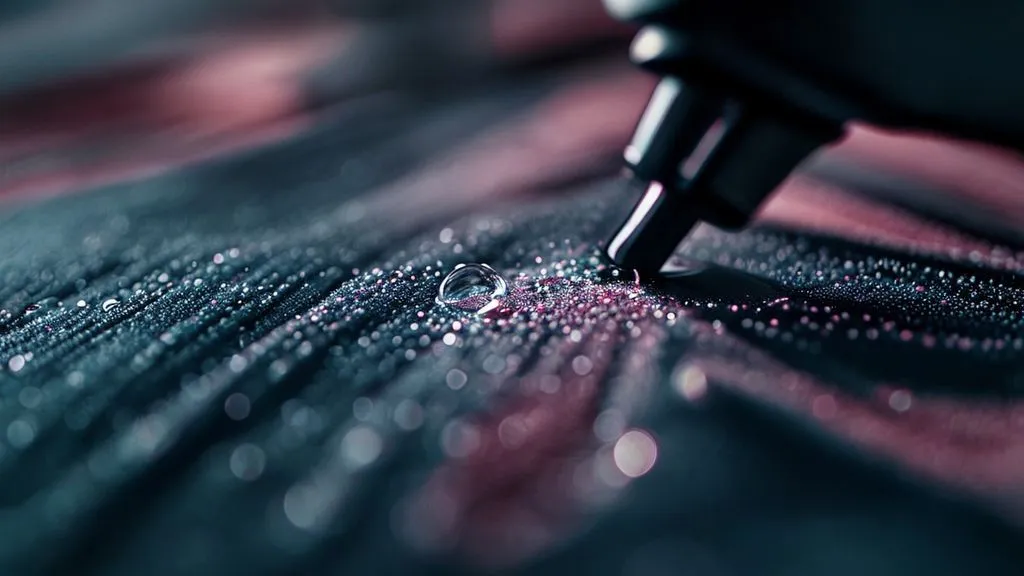
This phenomenon is primarily driven by capillary action. Think of a tiny straw: liquid travels up it against gravity. In wicking fabrics, microscopic channels within the fibers or the fabric structure itself create a similar effect, pulling moisture from the skin-facing side to the exterior. This isn’t about saturation; it’s about transportation.
The critical distinction for moisture wicking is not absorption, but transportation. An absorbent fabric might hold sweat, leaving you feeling wet. A wicking fabric actively moves sweat away, promoting rapid evaporation and keeping your skin dry.
The key benefits are immediate and profound:
- Enhanced Comfort: No more soggy, heavy clothing.
- Improved Thermoregulation: Facilitates your body's natural cooling process.
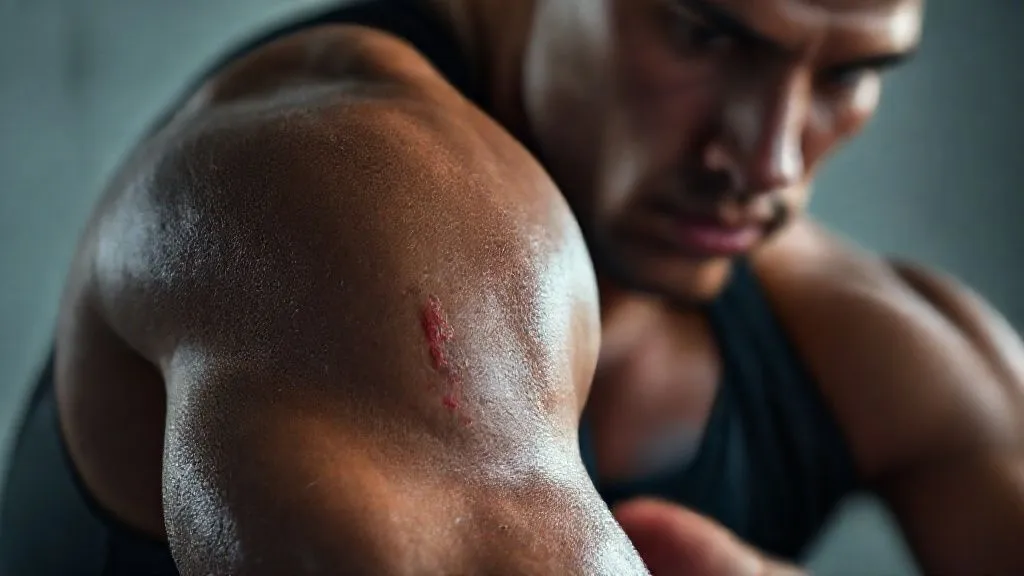
- Reduced Chafing: Dry skin and fabric minimize friction.
- Better Performance: Less distraction, more focus on your activity.
- Faster Drying: Garments dry quickly, even during intense workouts.
The Fabric Face-Off: Synthetic vs. Natural Wicking Power
The heart of any moisture wicking garment lies in its material composition. Over my career, I've seen brands experiment with countless fibers, but two main categories consistently dominate the high-performance activewear space: synthetics and certain specialized naturals.
Synthetic Superstars: Polyester, Nylon, Polypropylene
These are the workhorses of the activewear world, and for good reason. Their inherent hydrophobic (water-repelling) properties mean they don't absorb much water themselves. Instead, they excel at moving it.
- Polyester: The most common. It's durable, resistant to shrinking and stretching, and relatively inexpensive. Modern polyesters are engineered with specific cross-sections (like multi-lobal or channel fibers) to maximize surface area and capillary action.
- Nylon: Known for its exceptional strength, elasticity, and smooth feel. It often has a slightly softer hand than polyester and is excellent for form-fitting garments.
- Polypropylene: The most hydrophobic of the three, making it incredibly fast-drying. It's also very lightweight and durable, often found in base layers for extreme conditions.
While synthetics are champions of wicking, they do have drawbacks. They can sometimes retain odors more readily than natural fibers, and their environmental footprint is a growing concern. Many brands are now integrating recycled synthetics or advanced odor-control treatments to mitigate these issues. For a deeper dive into textile science, I often refer to academic resources like this University Textile Department's research.
Natural Wonders: Merino Wool, Bamboo, Cotton (and its limitations)
When it comes to natural fibers, the story of moisture wicking is more nuanced. While most natural fibers are absorbent, a select few have unique structures that allow them to wick effectively.
- Merino Wool: This is the undisputed king of natural performance fibers. Unlike traditional wool, merino fibers are incredibly fine, soft, and have a complex structure that can absorb moisture vapor *before* it condenses into liquid sweat. It also excels at regulating temperature and boasts exceptional natural odor resistance. It wicks, insulates, and breathes – making it ideal for a wide range of climates and activities, though it tends to be more expensive and slower drying than synthetics.
- Bamboo Viscose: Often touted for its softness and sustainability, bamboo viscose can offer decent moisture management. Its porous structure allows for good breathability and some wicking capability, though it's generally not as fast or efficient as synthetics or merino for high-output activities.
I cannot stress this enough: avoid cotton for activewear. While comfortable for everyday wear, cotton absorbs moisture and holds onto it, becoming heavy, wet, and cold. This 'cotton kills' phenomenon is well-documented in outdoor and athletic communities, leading to discomfort, chafing, and even hypothermia in cold conditions. It is the antithesis of effective moisture wicking.
To summarize the performance characteristics of these key materials, I've put together a comparative table based on my industry observations:
| Material | Wicking Speed | Odor Resistance | Durability | Cost | Feel |
|---|---|---|---|---|---|
| Polyester | Excellent | Moderate (requires treatment) | Excellent | Low to Moderate | Smooth, technical |
| Nylon | Excellent | Moderate (requires treatment) | Excellent | Moderate | Soft, smooth |
| Polypropylene | Superior | Moderate | Very Good | Moderate | Slightly textured |
| Merino Wool | Good (vapor & liquid) | Excellent (natural) | Good | High | Soft, luxurious |
| Bamboo Viscose | Fair to Good | Good | Moderate | Moderate | Very soft |
| Cotton | Poor | Poor | Good | Low | Soft, absorbent (becomes heavy when wet) |
The Anatomy of a High-Performance Wicking Garment
It's a common misconception that moisture wicking is solely about the fabric itself. In my experience, the garment’s construction, fit, and design play an equally critical role in its overall effectiveness. A premium wicking fiber can be undermined by poor garment engineering.
Weave and Knit Structures: The Hidden Engineering
How a fabric is constructed profoundly impacts its wicking efficiency. It's not just the fiber; it's how those fibers are arranged. For instance, some fabrics use a 'double-knit' construction, where the inner layer is designed to quickly pull moisture from the skin, and the outer layer is designed to spread it for faster evaporation.
Micro-channel designs, where tiny grooves or pathways are engineered into the fabric surface, are another example. These structures enhance the surface area and create more avenues for capillary action, accelerating moisture transfer. Fabrics with a slightly textured inner surface often perform better than completely smooth ones, as they create tiny air pockets that lift the fabric off the skin, allowing sweat to spread more efficiently.
Fit and Design: Why Loose Isn't Always Better
For optimal moisture wicking, the fabric needs to be in contact with your skin to initiate the capillary action. This is why many high-performance base layers are designed to be close-fitting. However, 'close-fitting' doesn't mean restrictive. There needs to be enough freedom of movement and, crucially, strategic ventilation.
Many advanced activewear designs incorporate 'body mapping,' where different fabric constructions or mesh panels are placed in high-sweat zones (like armpits, back, and inner thighs). These areas benefit from increased airflow and even faster wicking properties to manage localized perspiration hotspots.
Seam Construction and Anti-Chafe Technology
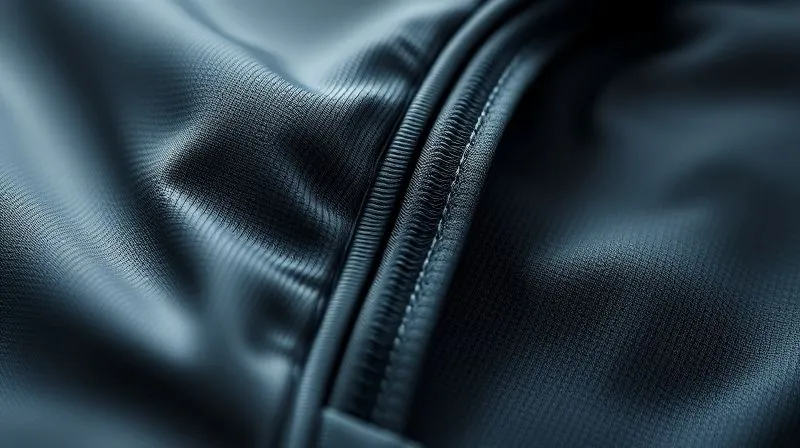
What good is a wicking fabric if the seams cause irritation? Traditional raised seams can rub against damp skin, leading to chafing and discomfort. High-quality activewear utilizes flatlock seams, which are stitched flat against the fabric, creating a smooth, low-profile finish. Seamless construction, achieved through advanced knitting techniques, takes this a step further, eliminating seams entirely in critical areas to maximize comfort and reduce friction points.
The Science of Sweat Management: How Wicking Keeps You Cool and Dry
Understanding moisture wicking is fundamentally about understanding how your body regulates its temperature. Your activewear isn't just a covering; it's an extension of your body's thermoregulatory system.
Evaporative Cooling: Your Body's Natural AC
Your body cools itself primarily through the evaporation of sweat. When sweat sits on your skin, it cools you as it turns from liquid to vapor. However, if that sweat is trapped by absorbent clothing, or if it can't evaporate quickly, your body's natural cooling mechanism becomes inefficient. This is where wicking fabrics shine.
By drawing sweat away from your skin and spreading it across a larger surface area on the fabric's exterior, wicking fabrics accelerate the evaporation process. This means your body can continue to cool itself effectively, preventing overheating during intense exercise.
Preventing the "Wet Cling" and Post-Workout Chill
I've seen athletes make the mistake of wearing cotton on a cold-weather run. They start warm, but as they sweat, the cotton gets soaked. When they stop, the wet fabric rapidly draws heat away from their body, leading to a dangerous post-workout chill. This 'wet cling' isn't just uncomfortable; it can be a health risk.
The effectiveness of moisture wicking is a cornerstone of performance and safety in activewear. It’s the difference between maintaining optimal body temperature throughout your activity and succumbing to discomfort or even hypothermia when conditions shift.
Properly wicking garments prevent this by keeping your skin dry. Even if the garment itself feels slightly damp on the outside, the critical layer next to your skin remains dry, allowing your body to regulate its temperature without the added challenge of cold, wet fabric.
Decoding Labels: How to Identify True Moisture-Wicking Activewear
Navigating the activewear market can be bewildering. Every brand claims 'performance' and 'comfort.' As an industry veteran, I've learned to look beyond the marketing fluff and focus on tangible indicators of genuine moisture wicking capability.
Beyond Marketing Hype: What to Look For
The first thing to scrutinize is the fiber content label. Look for percentages of polyester, nylon, polypropylene, or merino wool. High percentages of these are good indicators. Brands often use proprietary names for their wicking technologies (e.g., 'Dri-FIT,' 'Omni-Wick,' 'UA Tech'). While these can be effective, always check the underlying fiber composition. If a garment is 100% cotton and claims to be 'wicking,' be highly skeptical.
The "Touch Test" and Visual Inspection
When you're in a store, you can perform a quick tactile assessment. True wicking fabrics often feel smooth, slightly slick, or even a bit 'plastic-y' with synthetics, but they should never feel like a sponge. For merino, it will feel soft, almost luxurious. Visually, look for subtle textures or micro-patterns in the weave – these often indicate engineered channels for wicking.
Here are my actionable steps for making an informed purchase:
- Check the Fiber Content First: Prioritize garments with high percentages of polyester, nylon, polypropylene, or merino wool.
- Look for Specific Technology Claims: While some are marketing, terms like 'hydrophobic yarn,' 'capillary action fabric,' or 'quick-dry technology' can be genuine indicators when paired with appropriate fiber content.
- Examine the Fabric Structure: Look for subtle textures, micro-channels, or mesh zones that suggest engineered wicking and breathability.
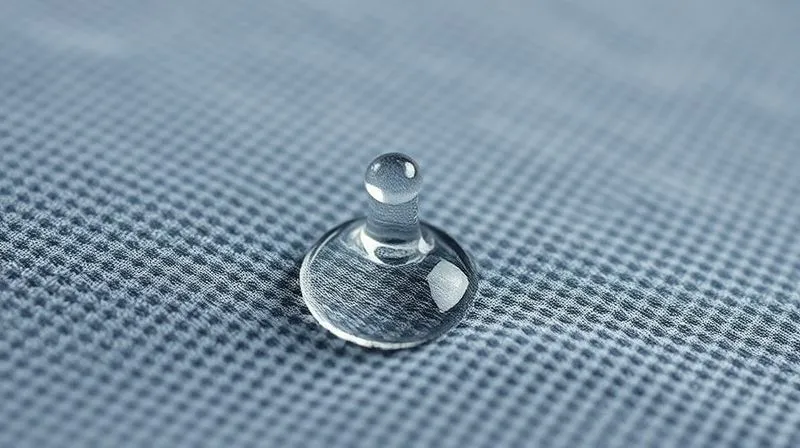
- Perform a Simple Water Droplet Test (if possible): If you can, place a tiny drop of water on the fabric. A truly wicking fabric will absorb and spread the droplet quickly across the surface, rather than letting it bead up or sit heavily.
- Consider the Garment's Intended Use: A lightweight polyester tee is great for a summer run, while a merino base layer might be better for winter hiking due to its insulating properties.
For those interested in the technical standards that define these properties, organizations like ASTM International provide testing methods for moisture management in textiles.
Maintaining Your Wicking Gear: Longevity and Performance
Even the best moisture wicking activewear can lose its effectiveness if not cared for properly. I've witnessed countless high-performance garments prematurely fail because of simple laundry mistakes. Your care routine is as crucial as your selection process.
Washing Wisdom: Detergents and Softeners
This is perhaps the most critical advice I can offer: **avoid fabric softeners at all costs** when washing activewear. Fabric softeners work by coating fibers with a thin layer of chemicals to make them feel softer. This coating, however, clogs the microscopic channels responsible for capillary action, effectively 'waterproofing' the fabric against sweat. It's like putting a barrier between your sweat and the wicking mechanism.
- DO: Use a mild detergent. Many brands now offer specialized sports detergents that are designed to clean activewear without residue and help remove odors.
- DON'T: Use fabric softeners, dryer sheets, or bleach. These are the enemies of wicking performance.
- DO: Wash activewear in cold water on a gentle cycle. Hot water can damage synthetic fibers and printed logos over time.
- DO: Wash inside out to protect outer surfaces and prints.
Drying Dilemmas: Heat and Fabric Integrity
High heat is another common culprit for reducing the lifespan and effectiveness of activewear. Excessive heat can break down the elastic fibers (like spandex or elastane) that give activewear its stretch and shape. It can also damage the integrity of synthetic fibers, reducing their wicking capabilities.
- DO: Air dry your activewear whenever possible. Hang it on a line or drying rack. This is the gentlest method and helps preserve fabric integrity.
- DON'T: Tumble dry on high heat. If you must use a dryer, opt for the lowest heat setting or 'air fluff' cycle.
- DO: Remove garments promptly from the dryer to prevent wrinkles and minimize heat exposure.
Case Study: Sarah's Marathon Gear Mishap
Sarah, an avid runner training for her first marathon, invested in a high-end moisture wicking top. She loved how it kept her dry during long training runs. However, after a few washes, she noticed it felt heavier and less effective. During her final long run, she experienced uncomfortable chafing and felt clammy, despite the weather being cooler. She later realized she had been washing it with fabric softener, thinking it would keep it feeling fresh. After switching to a sports detergent and air-drying, her top's wicking properties were largely restored, allowing her to complete her marathon comfortably. This resulted in her understanding that proper care is an extension of smart gear choice.
For specific care instructions, I always recommend checking the garment's label and consulting reputable brand care guides, such as Patagonia's fabric care guide, which offers excellent advice for technical apparel.
The Future of Wicking: Innovation on the Horizon
The activewear industry is constantly evolving, and moisture wicking technology is no exception. As an industry specialist, I'm excited by the innovations on the horizon, driven by both performance demands and a growing focus on sustainability.
Smart Textiles and Bio-based Solutions
We're seeing advancements in 'smart textiles' that can adapt to environmental conditions. Imagine fabrics with phase-change materials that absorb and release heat, or adaptive wicking structures that can adjust their capillary action based on sweat rate. These technologies promise even more precise thermoregulation.
On the sustainability front, there's a strong push for bio-based and recycled alternatives. Companies are exploring plant-derived polymers that mimic the performance of traditional synthetics, or developing advanced recycling processes for existing activewear. The goal is to create high-performance wicking fabrics that are less reliant on petrochemicals and have a reduced environmental footprint. This includes innovations like advanced textile engineering focused on sustainable wicking solutions.
Frequently Asked Questions (FAQ)
Question: Is natural cotton ever moisture-wicking? Answer: In short, no. While cotton is breathable and absorbent, it holds onto moisture rather than transferring it away from your skin. This makes it a poor choice for activewear, as it will leave you feeling wet, cold, and prone to chafing during exercise. There are some blended fabrics that might contain a small percentage of cotton, but for true wicking performance, you need synthetic fibers or merino wool.
Question: Can fabric softeners really ruin moisture-wicking properties? Answer: Absolutely. Fabric softeners work by coating the fibers of your clothing with a residue that makes them feel softer. This coating, however, clogs the microscopic channels within the fabric that are responsible for drawing sweat away from your skin. This effectively blocks the wicking process, making your activewear less effective and leaving you feeling damp. Always avoid fabric softeners for activewear.
Question: How often should I replace my moisture-wicking activewear? Answer: The lifespan of activewear varies greatly depending on usage, care, and quality. Generally, high-quality synthetic activewear can last for several years with proper care. Signs it's time to replace include loss of elasticity, persistent odor even after washing, significant pilling, or a noticeable decrease in its ability to keep you dry. Merino wool may show wear sooner due to its natural fibers but maintains its odor resistance for a very long time.
Question: Are "quick-dry" and "moisture-wicking" the same thing? Answer: They are closely related but not entirely synonymous. Moisture-wicking refers to the fabric's ability to pull moisture away from your skin. Quick-dry refers to how fast that moisture evaporates once it's on the surface of the fabric. Most truly effective moisture-wicking fabrics are also quick-drying because they spread the moisture out, increasing its surface area for evaporation. However, a fabric could be quick-drying (e.g., a very thin, non-absorbent material) without being particularly effective at actively wicking sweat away from your skin. For optimal performance, you want both properties working in tandem.
Question: What's the best moisture-wicking fabric for intense heat and humidity? Answer: For intense heat and humidity, lightweight synthetic fabrics like polyester or polypropylene blends are often the best choice. Their superior ability to move sweat quickly to the surface and facilitate rapid evaporation is crucial for keeping you cool and preventing overheating in such conditions. Look for fabrics with open weaves or mesh panels for maximum breathability. Merino wool is also excellent for temperature regulation, even in heat, but synthetic options typically offer faster drying and lighter weight for extreme humidity.
Key Takeaways and Final Thoughts
Navigating the world of activewear can be complex, but armed with the right knowledge about moisture wicking, you're now equipped to make truly informed choices. This isn't just about fashion; it's about optimizing your performance, enhancing your comfort, and protecting your well-being during any physical activity.
- Prioritize Fiber Content: Look for polyester, nylon, polypropylene, or merino wool. Avoid cotton for active use.
- Understand the Mechanism: True wicking transports, not just absorbs, sweat via capillary action.
- Consider Garment Construction: Weave, fit, and seam type all play a vital role in overall effectiveness.
- Master Care Routines: Avoid fabric softeners and high heat to preserve your gear's performance and longevity.
- Stay Informed: The industry is always innovating; keep an eye on new sustainable and smart textile solutions.
As I've seen in my years in this industry, the right gear can transform your experience. Don't settle for discomfort or subpar performance. By applying these insights, you'll not only choose activewear that works but also extend its life and ensure every workout is as dry, comfortable, and effective as possible. Here's to sweat-free success!
Recommended Reading
- Ultimate Guide: How to Style Fashion Lookbook Outfits
- 7 Proven Strategies: Cut Footwear Returns from Premature Material Failure by 25%
- 7 Steps to Ethically Source Sustainable Luxury Fabrics for Bespoke Suits
- 5 Proven Strategies to Conquer Kids Accessory Supply Chain Delays
- 7 Steps to Authenticate Holistic Ingredient Claims for Your Beauty Brand

Your email address will not be published. Required fields are marked *