

How to Accurately Price Ultra-Limited Haute Couture Collections?
For over two decades in the rarefied world of haute couture, I've witnessed the sheer brilliance of artisanal craftsmanship. From the intricate beadwork of a Parisian atelier to the architectural marvels presented on the runway, the dedication to perfection is undeniable. Yet, amidst this splendor, I've also observed a recurring challenge, a delicate tightrope walk that many incredible houses and emerging ateliers struggle with: the art and science of pricing their ultra-limited collections.
The problem isn't a lack of talent or vision; it's the inherent complexity of translating unparalleled artistry, countless hours of meticulous handwork, and the intangible allure of exclusivity into a precise monetary value. How do you quantify the soul poured into a garment, the legacy woven into its fabric, or the sheer rarity of a piece that might only exist once? Many brands, both established and new, inadvertently undervalue their masterpieces, missing critical opportunities to reinforce their prestige and secure their financial future.
In this definitive guide, I will share the frameworks, strategies, and insider insights I’ve cultivated over years of working with some of the most prestigious houses. We will delve into actionable steps, robust valuation models, and nuanced considerations that will empower you to accurately price your ultra-limited haute couture collections, ensuring both financial viability and the preservation of your brand’s unparalleled prestige. Prepare to master the economics of exquisite design.
Understanding the True Cost of Creation: Beyond Materials
When we talk about pricing haute couture, the first mistake many make is to simply tally up material costs. While exquisite fabrics, rare embellishments, and custom-made components are certainly a significant component, they often represent only a fraction of the true investment. The real value lies in the unseen, the intangible, and the irreplaceable human capital.
The Unseen Labor: Hours of Artisanal Craftsmanship
I've seen first-hand a single haute couture gown consume hundreds, sometimes thousands, of hours of highly specialized labor. This isn't just about a single seamstress; it involves a symphony of master artisans: pattern makers who sculpt fabric like clay, embroiderers whose needles paint with thread, feather workers, beaders, and sometimes even master jewelers. Their skills are honed over decades, often passed down through generations, and are incredibly rare. Each stitch, each hand-placed sequin, carries the weight of this unparalleled expertise and heritage.
"The true cost of haute couture is not in the fabric, but in the human touch, the legacy of skill, and the dedication of an artisan whose time is literally priceless."
When calculating this, consider not just the hourly wage for these specialized roles, but the significant overheads associated with maintaining such a highly skilled atelier, the continuous training, and the unique environment that fosters such creativity. This forms the bedrock of your comprehensive cost-based pricing.
Exclusivity and Rarity: The Scarcity Premium
Haute couture, by its very definition, is ultra-limited. Pieces are often one-of-a-kind or produced in extremely small numbers for a select, discerning clientele. This inherent scarcity creates a significant premium. The value of owning something truly unique, something that cannot be replicated, is immense for the discerning collector who seeks unparalleled distinction.
Understanding how to quantify this scarcity premium involves assessing demand, the absolute uniqueness of the design, and any historical or cultural significance it might carry. This isn't just about a dress; it's about a piece of wearable art, a potential heirloom, and a tangible expression of rare beauty.
| Cost Component | Contribution to Value | Notes |
|---|---|---|
| Premium Fabrics & Materials | 20-25% | Custom-woven silks, rare laces, exotic leathers, precious embellishments |
| Artisanal Labor Hours | 40-50% | Design conceptualization, pattern-making, hand-sewing, embroidery, finishing |
| Design & Creative Direction | 10-15% | Visionary concept development, lead designer's expertise and reputation |
| Atelier Overheads & Infrastructure | 10-15% | Prime location rent, specialized equipment, insurance, quality control |
| Marketing & Brand Building | 5-10% | Haute couture show production, exclusive PR, private client engagement |
The Art of Prestige Pricing: Perceived Value & Brand Equity
Beyond the tangible costs, haute couture operates heavily on perceived value. A brand's equity, its heritage, and the captivating story it tells are paramount. Pricing here isn't merely transactional; it's a profound reflection of its standing in the pinnacle of the luxury hierarchy.
Brand Heritage and Storytelling
A house with a century of history, dressing royalty and cultural icons, commands a different price point than a nascent atelier. The narrative woven around a collection—its inspiration, its connection to historical techniques, or its forward-thinking vision—adds immeasurable value. This compelling storytelling transforms a garment from mere clothing into a cultural artifact, a piece of living history.
As marketing guru Seth Godin often says, "People don't buy goods and services. They buy relations, stories, and magic." In haute couture, this 'magic' is a powerful pricing lever. Leverage your brand's unique narrative, its legacy, and its future vision to elevate perceived value and justify your premium.
Market Positioning and Competitive Analysis
Understanding precisely where your brand sits within the haute couture landscape is crucial. Are you positioned as an avant-garde disruptor, a bastion of traditional elegance, or something uniquely in between? Analyze the pricing strategies of peer houses, not to copy, but to understand current market expectations and to clearly identify and articulate your unique value proposition. This allows you to justify your pricing with unwavering confidence, highlighting what makes your creations singularly desirable.
Analyzing the Ultra-Limited Market: Demand and Desire
Pricing for ultra-limited haute couture isn't just about what it costs to make or what your brand is worth; it's profoundly influenced by the desires and demographics of your exclusive clientele. This market operates on a different, more nuanced set of rules than mass luxury, driven by aspiration and scarcity.
Client Demographics and Purchasing Power
Your target haute couture client is typically a high-net-worth individual, often a sophisticated collector of art, design, and luxury. They are not merely buying a dress; they are acquiring a unique piece of design, a statement of personal style, and often, an investment. Understanding their purchasing power, their motivations, and their specific expectations is fundamental. These clients appreciate exclusivity, discretion, and unparalleled service, all of which must be meticulously factored into the overall value proposition. A Forbes report on luxury market trends consistently highlights the evolving expectations of this elite demographic.
Anticipating Market Reception and Buzz
While haute couture isn't driven by fleeting trends in the same way ready-to-wear is, the buzz and critical reception surrounding a collection can significantly influence its perceived value and subsequent demand. A collection that garners widespread acclaim from influential fashion critics, discerning collectors, and global media can command a higher price. This is where strategic public relations and impeccable presentation become inextricably intertwined with your pricing strategy, generating an aura of desirability.
- Identify Your Core Clientele: Segment your existing and potential clients based on their purchasing history, unique preferences, and aspirational lifestyle.
- Conduct Discreet Surveys/Interviews: Engage with trusted clients or luxury consultants to gauge their perception of value and willingness to invest in truly unique pieces.
- Monitor Cultural & Economic Indicators: Keep a close eye on global wealth reports, comprehensive luxury market analyses, and significant cultural shifts that might influence the buying habits of your target demographic.
- Analyze Auction House Results: Study the prices fetched by vintage or archival haute couture pieces at major auction houses to understand the long-term investment value and historical precedents.
Strategic Pricing Models for Haute Couture
The beauty of pricing ultra-limited haute couture lies in the flexibility to employ sophisticated models that go beyond simple cost-plus. Here, we blend artistic intuition with astute business acumen to capture true value.
Value-Based Pricing: Aligning with Client Perception
This model focuses on what the customer believes the garment is worth, rather than just the cost of production. For haute couture, this is often the most effective approach. It considers the emotional value, the status conferred, the uniqueness, and the unparalleled artistry. To implement this successfully, you must have an intimate understanding of your client's aspirations and how your creation exquisitely fulfills them.
Cost-Plus with a Prestige Multiplier
While not the sole method, starting with a robust, detailed cost calculation (materials, labor, overheads) and then applying a significant prestige multiplier is a pragmatic approach. This multiplier accounts for brand equity, scarcity, design innovation, and market positioning. It ensures your operational costs are thoroughly covered while valuing the intangible aspects appropriately and profitably.
Auction or Bid-Based Pricing for Extreme Rarity
For truly exceptional, one-of-a-kind pieces that might possess historical significance or represent unprecedented craftsmanship, a private auction or bid-based pricing model can be considered. This allows the market to dictate the ultimate value, often resulting in prices that far exceed initial expectations, driven by intense collector desire and competitive bidding among a select few.
Case Study: Elysian Atelier's Masterpiece Collection
Elysian Atelier, a renowned haute couture house known for its ethereal gowns, faced the challenge of pricing its "Celestial Weave" collection – a series of five unique gowns, each incorporating rare, hand-spun fibers and thousands of hours of intricate embroidery. Instead of a simple cost-plus model, I advised them to implement a value-based pricing strategy. They conducted discreet consultations with their top clients, showcasing mood boards, fabric swatches, and design sketches to gauge initial interest and perceived value. By emphasizing the narrative of the ancient weaving techniques, the absolute rarity of the materials, and the exclusive experience of a private fitting with the head designer, they were able to set prices 30% higher than their previous collections. This resulted in all five gowns being pre-sold before the official launch, solidifying their position at the pinnacle of couture and demonstrating the power of understanding client perception and aspiration.
According to Harvard Business Review, value-based pricing focuses on the customer's perceived value of the product or service, rather than on the seller's cost, making it ideal for luxury goods.Factors Influencing Price Adjustments and Tiered Offerings
The pricing journey for haute couture is rarely static. Several dynamic factors can necessitate adjustments or the creation of tiered offerings to cater to different client needs and maximize revenue potential.
Customization and Bespoke Services
The very essence of haute couture often involves bespoke fitting and customization. The degree of personalization offered should directly influence the final price. A truly unique piece, tailored precisely to a client's measurements and preferences, with specific design modifications or material choices, naturally commands a higher premium than a standard collection piece that simply undergoes fitting adjustments. This personalization is a core value driver.
After-Sales Service and Client Experience
The haute couture experience extends far beyond the moment of purchase. Impeccable after-sales service, including meticulous alterations, specialized repairs, expert storage advice, and even personal styling consultations, adds significant value. This white-glove treatment is an integral part of the luxury proposition and should be meticulously factored into your overall pricing structure. It reinforces the exclusivity and unparalleled care associated with your brand, fostering lifelong client loyalty.
"In haute couture, the experience is as meticulously crafted as the garment itself. Every interaction, every service, is an extension of the brand's promise of unparalleled luxury and personal attention."
Leveraging Data and Analytics in an Art-Driven Field
While haute couture is undeniably an art form, smart businesses leverage data. Even in this niche, analytics can provide invaluable insights to inform and refine your pricing strategies for how to accurately price ultra-limited haute couture collections.
Tracking Past Collection Performance
Analyze sales data from previous ultra-limited collections with a keen eye. Which pieces sold fastest? Which designs garnered the most interest (even if not purchased)? What was the average price point achieved? Understanding these micro-trends can help you predict future demand, optimize pricing for upcoming collections, and identify successful design elements. This isn't about mass market metrics, but highly specific, qualitative data points for a discerning clientele.
Gathering Client Feedback and Insights
Direct, discreet feedback from your high-net-worth clients, even informal conversations during fittings or private viewings, can be a goldmine. What do they value most in a couture piece? What influences their decision to invest in a particular creation? Their insights can reveal opportunities for price adjustments, new service offerings, or even inspire future design directions. This is a continuous, personal dialogue, not a one-off survey.
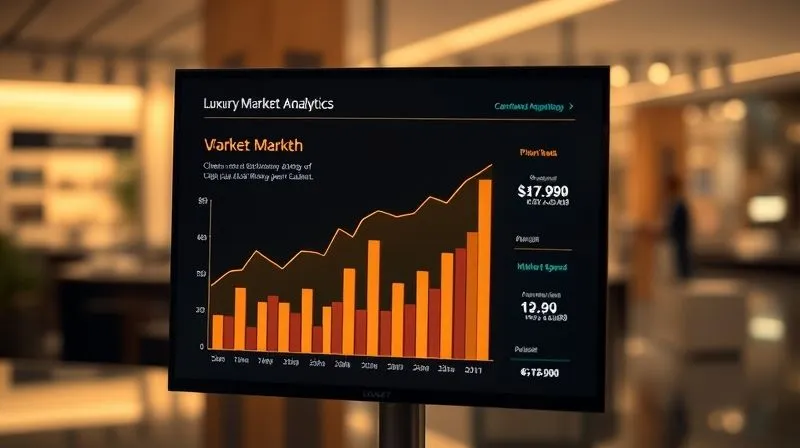
According to a report by Deloitte on the luxury market, understanding evolving consumer behaviors and preferences is paramount for sustained success, even for ultra-luxury brands, emphasizing the need for data-driven insights.
The Ethical Dimension of Haute Couture Pricing
In today's conscious luxury landscape, the 'how' behind your pricing is almost as important as the 'what'. Ethical considerations build invaluable trust, reinforce your brand's integrity, and resonate deeply with a growing segment of affluent consumers.
Fair Compensation for Artisans
It is imperative that your pricing reflects fair and generous compensation for the exceptional artisans who bring your visions to life. Undervaluing their skills not only damages their livelihoods but also risks the erosion of these precious, often centuries-old, crafts. Transparent and ethical labor practices are a cornerstone of modern luxury, and discerning clients are increasingly aware and appreciative of brands that uphold these values, ensuring sustainability for both people and craft.
Transparency with High-Net-Worth Clients
While the final price of haute couture is often a closely guarded secret, a degree of transparency with your high-net-worth clients about the value proposition can foster deeper trust. Explaining the intricate processes, the rarity of materials, and the thousands of hours of handwork involved helps them understand and appreciate the profound justification for the price. This isn't about revealing your cost breakdown, but educating them on the true investment they are making in art and expertise.
Building Long-Term Value and Legacy through Pricing
Strategic pricing for ultra-limited haute couture isn't just about the current collection; it's about safeguarding and enhancing your brand's legacy and desirability for decades to come. It’s a long-term vision.
The Role of Exclusivity in Brand Longevity
Maintaining ultra-exclusivity through judicious pricing is key to preserving the mystique and enduring desirability of your haute couture house. Over-producing or under-pricing can significantly dilute brand equity and diminish its perceived value over time, turning luxury into mere commodity. Each piece sold should reinforce the brand's elite status, ensuring that future generations of collectors continue to covet your extraordinary creations.
Preparing for Future Collections and Collaborations
Your current pricing strategy should also factor in the resources needed for continuous future innovation, investment in research into new techniques, and potential high-profile collaborations that elevate your brand. A healthy profit margin from your ultra-limited collections allows for sustained investment in creativity and craftsmanship, ensuring your atelier remains at the cutting edge of haute couture and continues to push artistic boundaries.
Frequently Asked Questions (FAQ)
How does 'cost of creation' differ for haute couture versus ready-to-wear? The difference is monumental. Ready-to-wear (RTW) focuses on scalability, industrial efficiency, and standardized production processes, with costs primarily driven by bulk material purchases and machine labor. Haute couture, by contrast, is defined by bespoke fit, unique design, thousands of hours of meticulous handwork by highly specialized artisans, and often uses extremely rare or custom-made materials. The 'cost of creation' in couture heavily weights human skill, time, and exclusivity, making direct comparisons almost irrelevant.
Is it possible to overprice haute couture? What are the risks? Yes, it is absolutely possible to overprice, even in haute couture. While the market is less price-sensitive than mass luxury, an exorbitant price without justifiable underlying value (unparalleled artistry, extreme rarity, strong brand equity, impeccable service) can alienate even the most affluent clients. Risks include pieces remaining unsold, damaging brand reputation for perceived arrogance or greed, and potentially losing market share to equally prestigious but more strategically priced competitors. It's a delicate balance of ambitious valuation and market reality.
How do global economic shifts impact haute couture pricing? While haute couture clients are generally more insulated from minor economic fluctuations, major global economic downturns or significant shifts in wealth distribution can have an impact. During recessions, even the ultra-wealthy may pause on discretionary luxury spending, leading to slower sales or a need for more compelling value propositions. Conversely, economic booms can increase demand and justify higher price points, especially for truly exceptional pieces. Geopolitical stability also plays a significant psychological role in client confidence and willingness to invest.
What role does digital presence play in pricing ultra-limited collections? Even for ultra-limited collections, a sophisticated and artfully curated digital presence is crucial for storytelling, brand building, and reaching a global clientele. While pieces aren't typically sold online, a strong digital narrative (high-quality imagery, behind-the-scenes content, virtual experiences, designer interviews) elevates perceived value and creates profound desire. It educates potential clients on the artistry, heritage, and exclusivity, thereby supporting premium pricing. It's about building aspiration and emotional connection, which indirectly justifies the high investment.
Should pricing be publicly disclosed for ultra-limited pieces? Generally, no. The long-standing tradition in haute couture is to keep pricing private, often discussed directly with the client during exclusive private appointments. This maintains an essential air of exclusivity and allows for bespoke pricing based on specific customization requests and client relationships. Public disclosure can detract from the mystique, potentially commoditize the art, and invite unwanted comparisons that don't capture the nuanced value proposition of each unique, handcrafted piece. Discretion is a hallmark of ultra-luxury.
Key Takeaways and Final Thoughts
- Quantify the Intangible: Recognize that the true cost of haute couture extends far beyond materials, encompassing unparalleled artisanal labor, design genius, and profound brand heritage.
- Embrace Value-Based Pricing: Align your pricing with the perceived value and aspirations of your discerning clientele, not just your internal production costs.
- Understand Your Exclusive Market: Deeply analyze the demographics, desires, and purchasing motivations of your high-net-worth collectors with precision.
- Strategize for Longevity: Use pricing not just for immediate revenue, but to reinforce exclusivity, build an enduring brand legacy, and fund future innovation.
- Champion Ethical Practices: Ensure your pricing reflects fair and transparent compensation for artisans and a degree of openness that builds trust with your clients.
Mastering the pricing of ultra-limited haute couture collections is a nuanced journey, blending artistic intuition with rigorous business strategy. It's about honoring the immense talent within your atelier, understanding the unique psychology of your clientele, and strategically positioning your brand for enduring prestige. By adopting these expert-backed frameworks, you're not just setting a price; you're articulating the true, profound value of your extraordinary creations and securing their place in history. Go forth and value your masterpieces with the confidence and precision they truly deserve.
Recommended Reading
- 7 Expert Steps: Authenticating Rare Vintage Designer Pieces Without Labels
- Runway Photography Redefined: Deliver High-Quality Images Quickly
- Petite Perfection: Your Guide to Classic Wardrobe Essentials
- 5 Keys to Compelling Storytelling in Fashion Portrait Photography
- 7 Proven Strategies: Ensuring Beauty Tech Delivers Measurable Client Results




Your email address will not be published. Required fields are marked *