

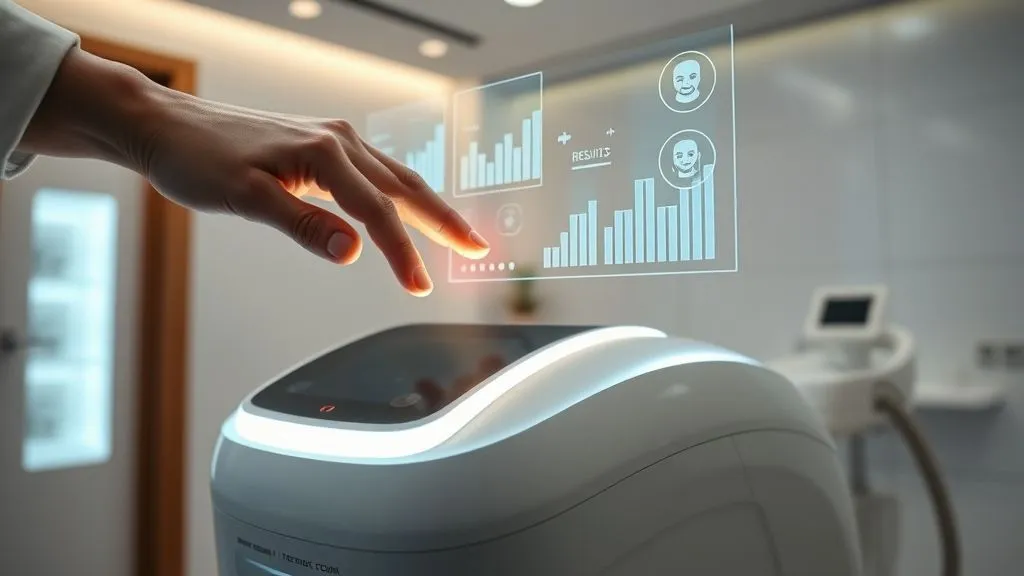
How to ensure new beauty tech device investments deliver measurable client results?
For over 15 years in the beauty and aesthetic industry, I've witnessed the exhilarating surge of innovation in beauty technology. New devices promise revolutionary treatments, enhanced client experiences, and significant revenue boosts. Yet, I've also seen the silent disappointment when these substantial investments, often ranging from tens to hundreds of thousands of dollars, fail to translate into tangible, measurable client outcomes or, worse, sit underutilized, gathering dust.
The core problem isn't the technology itself; it's often the gap between acquisition and effective implementation. Many clinics and salons fall into the trap of purchasing based on hype or perceived market demand without a robust strategy to integrate, track, and prove the efficacy of these devices. This leads to wasted capital, frustrated staff, and ultimately, clients who don't see the promised improvements, eroding trust and damaging reputation.
This article isn't just another guide; it's a strategic framework built on my extensive experience, designed to bridge that gap. I'll share actionable insights, proven methodologies, and critical considerations to ensure your next beauty tech investment doesn't just look good on paper but consistently delivers exceptional, measurable client results, securing your clinic's reputation and profitability.
1. Strategic Device Selection: Beyond the Hype and Towards Proven Efficacy
The allure of the latest beauty tech can be powerful, but a wise investment begins long before the purchase order. It starts with a deep understanding of your existing client base, their unmet needs, and how a new device truly aligns with your clinic's long-term vision and service portfolio.
The Due Diligence Checklist:
- Identify a Specific Client Need: Don't buy a device and then look for clients. What specific skin concern, body contouring goal, or hair removal challenge are your clients *currently* asking about that your existing services don't fully address?
- Research Clinical Validation: This is non-negotiable. Look for devices backed by peer-reviewed clinical studies, not just manufacturer claims. How many participants? What were the objective outcome measures? Were the results statistically significant?
- Evaluate Manufacturer Support & Training: A device is only as good as the team operating it. Does the manufacturer offer comprehensive, hands-on training, ongoing support, and access to educational resources? A strong partnership with the manufacturer is crucial.
- Assess ROI Potential & Business Model Fit: Can you realistically price treatments to cover the investment, consumables, and generate profit? How many treatments per day/week would you need to perform to break even within a reasonable timeframe (e.g., 12-18 months)?
- Consider Integration with Existing Services: Will the new device complement or compete with your current offerings? How can it be integrated into existing treatment plans to create synergistic results?
"Investing in beauty tech without rigorous due diligence is like building a house without a blueprint – you might get a structure, but it's unlikely to be sound or functional in the long run."
According to a recent report by Grand View Research, the global aesthetic devices market is projected to reach over $18 billion by 2030, highlighting the rapid pace of innovation. However, this growth also means a proliferation of options, making informed decision-making more critical than ever.
2. Comprehensive Staff Training and Certification: The Human Element of Tech Success
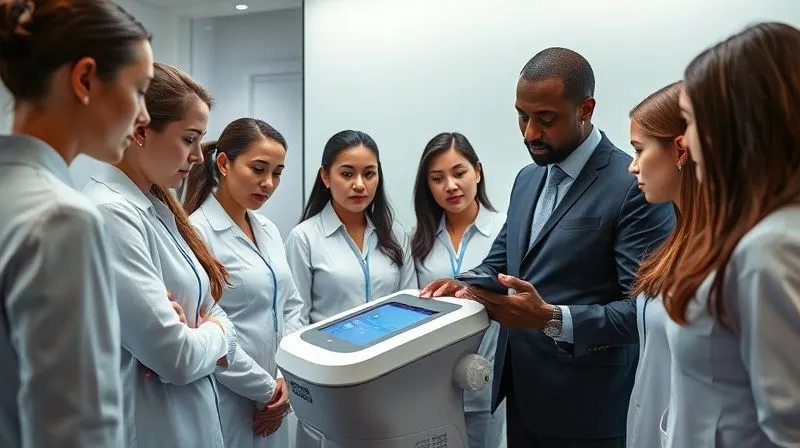
A state-of-the-art device is merely an expensive paperweight without highly skilled operators. The human element is paramount in translating technology into transformative client experiences. This goes far beyond a single training session upon installation.
Building a Competent & Confident Team:
- Initial Intensive Training: Ensure all primary operators receive in-depth, hands-on training directly from the manufacturer or certified trainers. This should cover device mechanics, safety protocols, treatment parameters, client consultation, and post-care instructions.
- Advanced Application Workshops: Once foundational skills are established, offer advanced workshops focusing on complex cases, combination therapies, and optimizing results for diverse client profiles.
- Certification & Competency Assessments: Implement a formal certification process where staff must demonstrate proficiency before operating the device independently. Regular competency assessments (e.g., quarterly) ensure skills remain sharp and up-to-date.
- Continuous Education & Peer Learning: Encourage staff to attend industry conferences, webinars, and participate in peer-to-peer learning sessions. Create a culture where knowledge sharing about best practices and troubleshooting is actively promoted.
- Protocol Development & Standardization: Develop clear, written standard operating procedures (SOPs) for every treatment protocol. This ensures consistency, reduces errors, and makes it easier to track and compare results across clients and operators.
I've seen this mistake countless times: a clinic invests heavily, but skimps on training, leading to suboptimal results, client complaints, and even safety concerns. Your team's expertise directly impacts client satisfaction and the device's perceived value.
3. Setting Clear, Measurable Outcome Metrics: Defining Success From Day One
How do you know if your beauty tech investment is delivering? You need to define what 'delivery' looks like. This involves establishing clear, quantifiable metrics that track both client progress and the device's performance.
Key Performance Indicators (KPIs) for Beauty Tech:
- Clinical Efficacy Metrics: These are direct measures of the treatment's effect on the client. Examples include reduction in wrinkle depth (measured by imaging), percentage decrease in hyperpigmentation (visual assessment scales or spectrophotometry), hair reduction percentage, or body circumference reduction.
- Client Satisfaction Scores: Utilize surveys, feedback forms, and Net Promoter Score (NPS) to gauge how clients feel about their results and overall experience.
- Client Retention Rates: Are clients returning for follow-up treatments or other services after experiencing the new device?
- Revenue per Device Hour: Tracks the financial output of the device.
- Treatment Package Uptake: How many clients are committing to a full course of treatments?
- Referral Rates: Are satisfied clients referring new business specifically for this device?
- Adverse Event Rate: Crucial for safety and operator proficiency.
Before launching a new service, sit down with your team and define 3-5 primary metrics you will track. These should be specific, measurable, achievable, relevant, and time-bound (SMART).
| Metric Category | Specific Metric | Target Goal | Measurement Tool | Reporting Frequency |
|---|---|---|---|---|
| Clinical Efficacy | % Reduction in Fine Lines (Imaging) | 25% average reduction over 3 sessions | Visia Complexion Analysis | Monthly |
| Client Satisfaction | Net Promoter Score (NPS) | Score of 8 or higher | Post-treatment survey | Quarterly |
| Financial Performance | Revenue per Device Hour | $250/hour | Clinic Management Software | Weekly |
| Operational Efficiency | Device Downtime | <2% of operational hours | Maintenance Logs | Monthly |
As marketing guru Seth Godin often says, "If you can't measure it, you can't improve it." This holds true for beauty tech. Without clear metrics, you're operating on guesswork, not evidence.
4. The Power of Personalized Client Journeys & Data Capture
Every client is unique, and their journey with a beauty tech device should reflect that. Personalization, combined with diligent data capture, is the cornerstone of proving efficacy and building client loyalty.
Crafting Data-Driven Client Experiences:
- Pre-Treatment Consultations: Conduct thorough consultations, capturing detailed client history, specific concerns, and realistic expectations. Use high-quality "before" photos and, if applicable, advanced diagnostic tools (e.g., skin analysis devices) to establish a baseline.
- Customized Treatment Plans: Based on the consultation, develop a tailored treatment plan, outlining the number of sessions, expected outcomes, and home care recommendations. Explain *how* the device will address their specific concerns.
- Consistent Data Recording: For every session, meticulously record treatment parameters (settings, duration, areas treated), any client feedback during the session, and immediate post-treatment observations. This data is invaluable for tracking progress and troubleshooting.
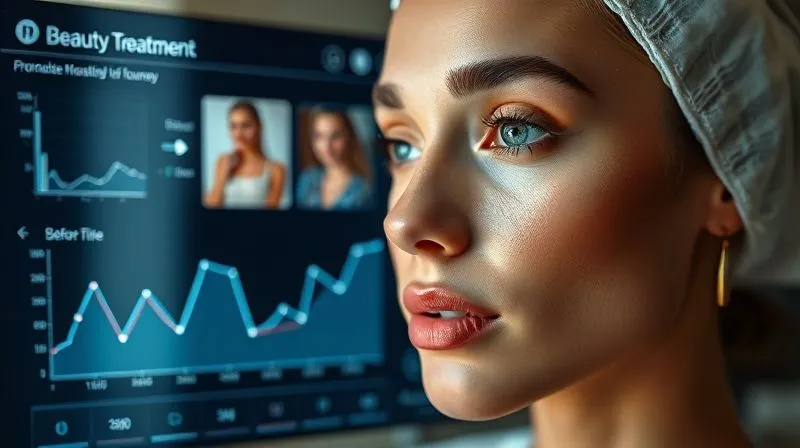
- Progress Tracking & "After" Photos: At regular intervals (e.g., mid-way through a treatment package, or at the end), take consistent "after" photos using the same lighting, angles, and expressions as the "before" shots. Present these to the client to visually demonstrate their progress.
- Client Portal/App: Consider implementing a client portal or app where they can access their personalized treatment plan, progress photos, and post-care instructions. This enhances engagement and reinforces their investment.
This systematic approach not only provides concrete evidence of results but also empowers clients by involving them in their own aesthetic journey. It transforms a generic treatment into a bespoke, results-oriented experience.
5. Implementing Robust Client Feedback Mechanisms
Beyond objective clinical data, subjective client experience is equally vital. How clients *feel* about their results, the process, and your service delivery can significantly impact their satisfaction, retention, and willingness to recommend your clinic.
Strategies for Effective Feedback Collection:
- Post-Treatment Check-ins: A day or two after a treatment, send a brief, automated email or SMS asking about their experience and any immediate concerns.
- Mid-Course Feedback Sessions: For multi-session packages, schedule a brief check-in after 2-3 sessions to discuss progress, address any questions, and adjust the plan if necessary. This shows proactive care.
- End-of-Course Surveys: Once a treatment package is complete, administer a comprehensive survey covering satisfaction with results, the device, the operator, the clinic environment, and overall value.
- Open-Ended Questions: While rating scales are useful, include open-ended questions that allow clients to express their thoughts in their own words. These qualitative insights are gold.
- Anonymous Feedback Options: Provide an option for anonymous feedback to encourage candid responses, especially for sensitive concerns.
- Act on Feedback: The most crucial step. Review feedback regularly, identify trends, and implement changes. Communicate these changes back to clients where appropriate, demonstrating that their voice matters.
Case Study: How Aura Aesthetics Boosted Client Retention with Feedback
Aura Aesthetics, a mid-sized clinic specializing in advanced skin treatments, introduced a new fractional laser. Initially, they focused solely on clinical outcomes. While results were good, client retention for follow-up treatments was only 60%. By implementing a structured mid-course feedback loop and an end-of-course survey, they discovered that some clients felt overwhelmed by post-treatment downtime and were unclear about the long-term maintenance plan. Aura Aesthetics responded by creating detailed post-care kits, offering virtual check-ins, and enhancing their consultation to set more realistic expectations regarding downtime. Within six months, their client retention for fractional laser treatments jumped to 85%, and positive online reviews specifically mentioning their supportive aftercare soared.
6. Marketing & Communicating Tangible Results: Showcasing Success
You've invested in the tech, trained your team, measured the results, and gathered glowing feedback. Now, it's time to leverage this evidence to attract new clients and reinforce your clinic's position as a leader in results-driven beauty.
Turning Data into Marketing Gold:
- Visual Testimonials: The most powerful tool. Showcase high-quality "before and after" photos (with client consent, of course). Use consistent lighting and angles to highlight the transformation clearly. Consider short video testimonials where clients share their journey and satisfaction.
- Data-Backed Claims: Instead of generic statements like "achieve younger-looking skin," use specific, measurable claims like "90% of our clients experienced a 25% reduction in fine lines after 3 sessions with our [Device Name]." Back this with your internal data.
- Educational Content: Create blog posts, social media content, and workshops that explain the science behind the device, how it works, and the types of results clients can realistically expect. Use your own client success stories as examples.
- Internal Communication: Ensure your front-desk staff and all practitioners are well-versed in the device's capabilities, success stories, and how to articulate the measurable benefits to prospective clients.
- Media & PR: Share your success stories with local media or industry publications. Position your clinic as an expert in delivering measurable results with cutting-edge technology.
"In an industry often driven by aspiration, concrete proof of efficacy is your most compelling differentiator. Don't just tell clients you get results; show them."
According to a survey by BrightLocal, 79% of consumers say they trust online reviews as much as personal recommendations. Your verifiable results and client testimonials are your most potent form of social proof.

7. Continuous Performance Monitoring & Iteration: The Path to Ongoing Excellence
The beauty tech landscape is ever-evolving, and so should your approach to device utilization. Investing in a device is not a one-time decision; it's an ongoing commitment to monitoring, evaluating, and refining your processes.
Strategies for Sustained Success:
- Regular Data Review Meetings: Schedule monthly or quarterly meetings with your team to review all collected data – clinical efficacy, client satisfaction, financial performance, and operational efficiency. What trends are emerging? Where are the successes? Where are the bottlenecks?
- Operator Performance Reviews: Independently assess operator consistency and adherence to protocols. Are there any discrepancies in results between different operators? This can highlight areas for additional training or protocol refinement.
- Competitor Analysis: Keep an eye on how competitors are utilizing similar or new technologies. What are their unique selling propositions? Are they achieving different results?
- Software & Firmware Updates: Ensure devices are always running on the latest software and firmware. Manufacturers often release updates that improve performance, add new features, or enhance safety.
- Refine Protocols: Based on your data and feedback, don't be afraid to adjust treatment protocols. Perhaps a slightly different setting or a longer course of treatment yields better results for a specific client demographic.
- Explore Combination Therapies: Consider how the device can be synergistically combined with other treatments or products to achieve even more dramatic and measurable results. This often unlocks new revenue streams and enhances client value.
This iterative process ensures that your beauty tech investments remain dynamic assets, continually optimized for maximum client benefit and business growth. It's about fostering a culture of continuous improvement, always striving for better outcomes.
"The most successful clinics aren't just early adopters of technology; they are masters of adaptation and optimization, constantly refining their approach based on real-world data and client insights."
According to a report by McKinsey & Company on the future of wellness, personalization and data-driven solutions will continue to dominate consumer preferences. Your ability to demonstrate measurable, personalized results positions you at the forefront of this trend.
Frequently Asked Questions (FAQ)
Q: How quickly should I expect to see ROI from a new beauty tech device? A: The timeline for ROI varies significantly based on the device's cost, treatment pricing, and client demand. Generally, clinics aim for a break-even point within 12-24 months. However, a robust marketing strategy, efficient scheduling, and consistent client results can accelerate this. It's crucial to have a detailed financial projection before purchase.
Q: What if clients aren't seeing the results we promised? A: This requires immediate investigation. Review the client's treatment history, ensure protocol adherence, check device calibration, and re-evaluate their expectations. It could be a combination of factors: incorrect parameters, insufficient sessions, or unrealistic initial expectations. Transparency and offering a revised plan or alternative solution are key to maintaining trust.
Q: How can I motivate my staff to consistently track client data? A: Motivation comes from understanding the 'why' and making the process easy. Explain how data benefits them (improves results, enhances client trust, showcases their skill). Integrate data capture into their workflow seamlessly, provide user-friendly tools, and offer incentives or recognition for accurate and consistent data entry. Lead by example.
Q: Is it necessary to invest in expensive diagnostic tools for every new device? A: While not always 'necessary' for every device, advanced diagnostic tools (e.g., skin analysis systems, body composition analyzers) significantly enhance your ability to measure subtle changes, personalize treatments, and visually demonstrate progress to clients. They elevate your clinic's professionalism and justify premium pricing by providing objective, data-driven proof of concept.
Q: How do I handle negative client feedback regarding a device? A: Address it promptly, empathetically, and professionally. Listen actively to their concerns without becoming defensive. Investigate the issue thoroughly. Offer a sincere apology, and if appropriate, propose a solution like a revised treatment plan, a partial refund, or an alternative service. Use negative feedback as a learning opportunity to improve processes and prevent future occurrences.
Key Takeaways and Final Thoughts
- **Strategic Selection is Paramount:** Don't buy on hype; choose devices that meet specific client needs and are clinically validated.
- **Invest in Your Team:** Comprehensive, ongoing training and certification are non-negotiable for operational excellence.
- **Define Success with Metrics:** Establish clear, measurable KPIs for both clinical efficacy and client satisfaction from the outset.
- **Personalize & Document:** Tailor client journeys and meticulously capture data to demonstrate individual progress.
- **Listen to Your Clients:** Implement robust feedback mechanisms and act on insights to continuously improve.
- **Showcase Your Results:** Leverage "before and afters" and data-backed claims in your marketing to build trust and attract new clients.
- **Embrace Continuous Improvement:** Regularly monitor performance, refine protocols, and adapt to stay at the forefront of beauty tech.
The beauty tech landscape offers incredible opportunities for innovation and client transformation. However, true success isn't measured by the number of devices you own, but by the tangible, measurable results you consistently deliver to your clients. By adopting a strategic, data-driven, and client-centric approach, you'll not only ensure your significant investments pay off but also solidify your clinic's reputation as a trusted leader in the ever-evolving world of beauty fashion. Embrace these strategies, and watch your beauty tech investments truly shine.
Recommended Reading
- Unlocking the Future: How Self-Healing Fabrics Extend Garment Lifespan
- Master Q4 Women's Shoe Trends: How to Avoid Outdated Buys Now
- 5 Steps to Guarantee Quality in Outsourced Fashion Photo Retouching
- 7 Steps to Advise Clients on Adapting Beauty for Fashion Trends
- Ultimate Guide: How to Style Fashion Lookbook Outfits


Your email address will not be published. Required fields are marked *