


How to advise clients on adapting beauty for current fashion trends?
Advising clients on adapting beauty for current fashion trends is less about replication and more about sophisticated interpretation. In my 15 years in this industry, I've learned that true expertise lies in guiding clients to weave trending elements seamlessly into their existing aesthetic, rather than forcing a complete overhaul.
A common mistake I see is clients feeling pressured to adopt every new trend wholesale. Our role is to act as a filter, translating runway concepts into wearable, individual expressions. It’s about understanding the essence of a trend and how it can subtly elevate a client’s personal style without overshadowing it.
“Fashion trends are ingredients; your client's unique style is the recipe. Our job is to help them choose the right spices, not rewrite the entire cookbook.”
My approach always begins with a deep dive into the client's intrinsic style and lifestyle. Before even glancing at the latest collections, I dedicate time to understanding their comfort zone, their daily routine, and their existing wardrobe palette.
Here’s how I advise clients to adapt beauty for current fashion trends, focusing on actionable strategies:
- Deconstruct the Trend, Don't Just Copy It: Instead of seeing a full "Gothic Glam" look, break it down. Is it the deep, vampy lip? The sharp, graphic liner? Or the ethereal, almost ghostly complexion? Identify the core elements that give the trend its character. For instance, the recent resurgence of "quiet luxury" isn't about specific garments, but about the understated elegance, impeccable tailoring, and subtle glow.
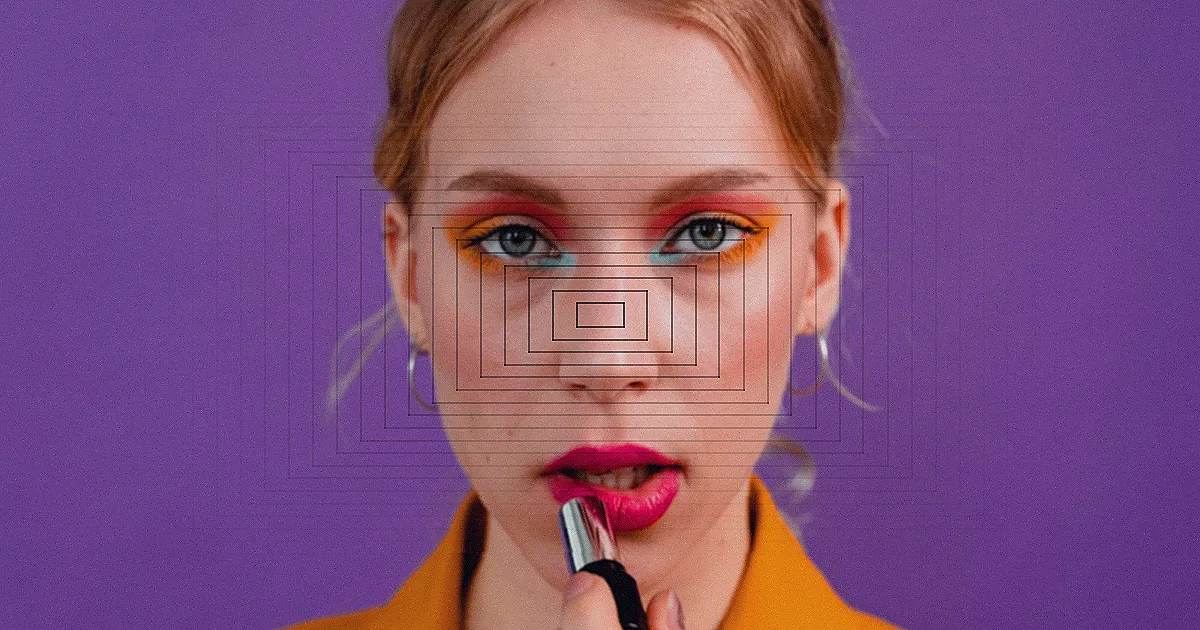
- The "Rule of One or Two" Application: I always advocate for integrating only one or two key elements of a trend. Over-adoption can lead to a costume-like appearance. If the trend is bold graphic eyeliner, perhaps pair it with a very natural lip and skin. If it's a vibrant, monochromatic makeup look, keep the hair simple and the outfit streamlined.
- Focus on Adaptable & Replaceable Elements: Advise on trends that are easily reversible or low-commitment. Nail polish, lip color, or even a temporary hair accessory are perfect examples. These are often the most effective ways to dip into a trend without significant investment or risk of quickly looking dated.
- Leverage Textural & Finish Trends: Beyond color, pay attention to textures and finishes. Matte vs. glossy, shimmery vs. satin, diffused vs. sharp. The current trend for "glazed donut" skin", for example, is less about a specific product and more about achieving a highly luminous, dewy finish. This can be adapted across various skin tones and styles.
- Consider the Client's Undertone & Features: A trendy color might be universally popular, but it won't suit everyone. My experience has taught me to always filter trends through the lens of a client's individual complexion, eye color, and face shape. A cool-toned client might adapt a warm-toned trend by opting for a muted version or pairing it with a balancing cool element.
- Empower Through Education: Don't just tell them *what* to do, explain *why*. Educate them on the principles of color theory, balance, and proportion as they relate to trends. This empowers them to make informed choices in the future, fostering their own beauty intuition.
For example, when the neon trend first exploded, many clients were hesitant. My advice wasn't to go full fluorescent. Instead, I suggested a single, precise line of neon eyeliner over a neutral lid, or a pop of neon on the inner corner of the eye. For the adventurous, a neon nail polish on just one accent nail. This allowed them to embrace the trend's energy without feeling overwhelmed or out of place.
Remember, our goal is to enhance, not to transform beyond recognition. By carefully selecting, adapting, and integrating, we can help clients navigate the ever-evolving landscape of beauty and fashion trends with confidence and authentic style.
Understanding the Root of the Problem: Why Does Beauty-Fashion Misalignment Happen?
In my extensive experience within the beauty and fashion industries, the most pervasive challenge clients face isn't a lack of desire to look current, but a fundamental misunderstanding of the synergy between beauty and fashion. This often leads to a disjointed aesthetic, where elements simply don't 'speak' to each other.
A common mistake I observe is the tendency to treat beauty and fashion as separate, unrelated disciplines. Clients might invest heavily in a new wardrobe reflecting current trends, yet completely overlook how their makeup, hair, or even nail choices could either elevate or detract from that new look.
“Fashion is the canvas, but beauty is the brushstroke that brings the painting to life. Without harmony, you just have a collection of colors.”
One primary root of misalignment is a focus on isolated trend adoption rather than holistic adaptation. Many clients, influenced by social media or magazines, pick up on a specific trend – say, a bold graphic eyeliner or an oversized blazer – without considering their personal style, body architecture, or the overall message they wish to convey.
This often manifests as a client attempting to force a trend onto their existing aesthetic, rather than integrating it thoughtfully. For instance, pairing a highly structured, minimalist fashion trend with a very soft, romantic makeup look can create visual confusion.
- Lack of contextual understanding: Trends don't emerge in a vacuum. They often reflect broader cultural shifts, historical revivals, or technological advancements. Without understanding the 'why' behind a trend, its adaptation becomes superficial.
- Ignoring personal narrative: A client's personal style, lifestyle, and comfort level are paramount. A trend that looks stunning on a runway model might be wholly impractical or unflattering for someone else.
- Overlooking the 'micro' details: It's not just about the dress and lipstick. Elements like nail polish color, eyebrow shape, or even skin finish play a crucial role in tying a look together.
Another significant factor is what I call the "comfort zone" trap. Clients often cling to beauty routines or fashion choices that have served them well for years, even when those choices no longer align with current trends or their evolving personal brand. This resistance to change can stifle growth and prevent them from embracing a more cohesive, modern aesthetic.
Think of it like renovating an old house: you wouldn't install ultra-modern kitchen cabinets and then leave the 1970s shag carpet throughout the rest of the home. The disconnect is jarring. Similarly, a client might update their wardrobe to sleek, contemporary pieces but maintain a dated hairstyle or makeup application technique.
Ultimately, beauty-fashion misalignment stems from a failure to view a client's overall presentation as a single, integrated statement. It's about educating them to see beyond individual pieces and understand the powerful, silent language spoken when every element works in concert.
Misunderstanding Client's Style Goals
In my extensive career advising clients on beauty and fashion, perhaps the most detrimental misstep I've witnessed is the misunderstanding of a client's true style goals. It's a pitfall that can derail even the most well-intentioned advice, leading to client dissatisfaction and a look that feels inauthentic to them.
A common mistake I see is the tendency to assume a client's needs based on superficial cues or, worse, to project our own aesthetic preferences onto them. This isn't merely about failing to deliver a specific haircut or makeup look; it's about failing to grasp the deeper aspirations and practical realities that drive their desire for change.
“True beauty advice isn't about telling clients what they *should* look like; it's about helping them articulate and achieve what they *feel* like, or aspire to feel like, through their appearance.”
Consider the client who requests "something trendy." Without probing deeper, one might immediately jump to the latest runway looks or Instagram filters. However, in my experience, "trendy" can mean a myriad of things, from a subtle update to their classic style to a complete reinvention for a new life chapter. If you simply apply a generic trend, you risk delivering a look that feels alien or impractical to their daily life.
To avoid this critical error, I've developed a multi-faceted approach to truly understand a client's style goals:
- The "Why" Behind the "What": Don't just ask what they want; ask *why* they want it. Is it for a new job, a special event, a desire to feel more confident, or a response to a personal milestone? Understanding the underlying motivation is paramount. For instance, a client wanting "bold makeup" for a new executive role might actually be seeking a look that conveys authority and sophistication, not necessarily bright colors or glitter.
- Lifestyle Integration: A style goal cannot exist in a vacuum. It must align with their lifestyle, profession, social activities, and even their comfort level.
- **Example:** A busy professional with limited time for styling needs low-maintenance beauty, even if they admire elaborate looks. A misunderstanding here leads to frustration, not satisfaction.
- **Example:** A client seeking a dramatic hair color change for a creative industry job has different practical needs than someone in a more conservative corporate environment.
- Decoding Visual Language: Words can be imprecise. Encourage clients to bring visual references – Pinterest boards, magazine tear-outs, celebrity photos. But don't stop there. Instead of just noting what they like, ask them to articulate *what specifically* appeals to them in each image. Is it the color, the texture, the overall vibe, or the feeling it evokes? This helps bridge the gap between their perception and your professional interpretation.
- Comfort Zone Calibration: People have varying degrees of comfort with change and boldness. Push too far too fast, and you risk alienating them. Start by assessing their current style and how much of a departure they're truly open to. Sometimes, a gradual evolution is more effective and builds greater trust than an abrupt transformation. This isn't about limiting creativity, but about ensuring the client feels secure and authentic in their new look.
- Active Listening and Open-Ended Questions: This sounds basic, but it's often overlooked in the rush to offer solutions. Ask questions that can't be answered with a simple "yes" or "no."
- "How do you want to *feel* when you wear this look?"
- "Describe a time you felt truly confident in your appearance. What were you wearing/how was your hair/makeup?"
- "What are your biggest frustrations with your current style?"
By investing the time upfront to meticulously uncover and clarify a client's true style goals, you lay a robust foundation for advice that is not only fashionable and expert but also deeply personal and genuinely transformative. This approach ensures the client walks away not just with a new look, but with an enhanced sense of self and confidence.
Lack of Current Trend Knowledge
A foundational pillar in offering truly impactful beauty advice is an unwavering, up-to-the-minute understanding of current fashion trends. In my experience, a common pitfall for many beauty professionals is operating on outdated information or relying solely on mainstream media, which often lags behind the cutting edge. This can inadvertently lead to providing advice that feels disconnected or, worse, irrelevant to a client's contemporary needs. When you lack this critical insight, you're not just missing out on the latest looks; you're missing the underlying cultural shifts that drive them. This leads to generic recommendations that fail to capture the client's desire for a truly current and personalized aesthetic. Clients seek guidance that aligns with the broader fashion narrative, not just isolated beauty tips. The real challenge isn't just knowing *what* is trending, but understanding *why*. Is it a societal shift towards comfort, a return to glamour, or a push for sustainability that's influencing silhouettes and color palettes? Grasping this context allows you to translate overarching fashion themes into nuanced beauty recommendations."To truly advise, you must not just see the trends, but feel the pulse of the culture that births them. Without this, your advice is merely cosmetic, not transformative."To ensure you're always ahead of the curve, I advocate for a multi-pronged approach to trend research: * **Formal Trend Forecasting:** Invest time in exploring reports from reputable agencies like WGSN or The Future Laboratory. These provide deep dives into macro and micro trends, often predicting shifts a year or more in advance, giving you a strategic advantage. * **Industry Publications & Runways:** Regularly consume content from publications such as *Vogue Business*, *WWD*, *BoF (Business of Fashion)*, and *The Cut*. Pay close attention to international fashion weeks, studying not just the clothing, but the hair, makeup, and overall mood presented by designers. * **Street Style Analysis:** Runway trends often take time to trickle down. Street style photography from major fashion capitals (New York, Paris, Milan, London, Seoul) offers immediate insights into how real people, especially fashion influencers and editors, are interpreting and wearing current trends. This is where you see the practical application. * **Social Media Deep Dive:** Go beyond casual scrolling. Utilize platforms like TikTok, Instagram, and Pinterest as powerful research tools. * Search specific hashtags (e.g., #quietluxury, #coastalgrandmother, #dopaminefashion) to see how various aesthetics are evolving. * Follow key stylists, beauty editors, and fashion commentators who offer insightful analysis rather than just pretty pictures. * Observe emerging micro-trends and how they manifest across different demographics. For instance, when "Quiet Luxury" dominated fashion, the beauty world responded with the "no-makeup makeup" look – focusing on impeccable skin, subtle enhancements, and a polished yet understated finish. Understanding the fashion trend's emphasis on quality over ostentation allowed for a perfect beauty translation, advising clients on investing in skincare and perfecting a minimalist routine rather than pushing bold, statement looks. This depth of understanding builds immense client trust and positions you as a true expert.
Step-by-Step: A Practical Framework to Advise Clients on Adapting Beauty for Current Fashion Trends
In my fifteen years as a beauty and fashion consultant, I've learned that truly effective advice goes far beyond simply mimicking trends. It's about a methodical, empathetic approach that empowers clients to embrace current aesthetics in a way that feels authentic and looks stunning on *them*. A common mistake I see is a superficial application of trends, which often results in a look that feels forced or dated almost instantly.To avoid this, I’ve developed a practical, step-by-step framework that ensures every client walks away with not just a new look, but a deeper understanding of their own style evolution.
-
Step 1: The Deep Dive – Trend Deconstruction & Client Archetype.
Before any product touches skin or hair, we must fully understand both the trend and the individual. I begin by dissecting current fashion trends – not just what's on the runway, but the underlying mood, the socio-cultural influences, and the core aesthetic message. Is it about rebellion, minimalism, opulence, or nostalgia? Understanding the 'why' behind a trend is crucial for translating it authentically.
"Think of fashion as the orchestra's melody and beauty as the subtle, yet crucial, harmony. They must complement, not compete."
Simultaneously, I conduct a thorough client assessment. This goes beyond face shape or skin tone; it delves into their lifestyle, comfort zone, personal brand, and existing beauty routine. Are they a 'Classic Chic', a 'Bohemian Spirit', a 'Modern Minimalist', or a 'Glamour Enthusiast'? Identifying their core beauty DNA is paramount. For instance, advising a 'Classic Chic' client on adapting to a punk-inspired trend requires a far more nuanced approach than for a 'Glamour Enthusiast'.
-
Step 2: The Art of Translation – Bridging Fashion to Beauty.
Once we understand the trend's essence and the client's identity, the real artistry begins: translating fashion elements into beauty applications. This isn't about literal interpretation, which can often look costume-like. Instead, it’s about extracting the *spirit* of the fashion trend and infusing it into makeup, hair, and nails.
-
Example: If the fashion trend emphasizes bold, architectural silhouettes (think structured shoulders, sharp lines), the beauty translation might involve strong brows, graphic eyeliner, or sleek, sculpted hair. It’s about mirroring the structural integrity of the clothing in the beauty look.
-
Analogy: Consider a designer showcasing a collection dominated by rich, jewel tones and luxurious fabrics. For beauty, this translates not just to similar eyeshadow colors, but to a velvety, opulent skin finish, perhaps a deep, glossy lip, and hair with a luminous sheen that reflects light like silk.
Conversely, a minimalist fashion trend doesn't mean no makeup, but rather a focus on immaculate skin, subtle contouring, and perhaps a single, perfectly executed feature, like a precisely defined lip or a clean, sharp nail.
-
-
Step 3: Customization & Personalization – The Client's Unique Signature.
This is where expert advice truly shines. No two clients are alike, and no trend should be applied universally. My framework emphasizes adapting the translated beauty trend to the client's individual features, comfort level, and preferences. This might involve scaling down a dramatic runway look or adjusting color palettes to flatter their specific undertones.
I often employ the "one focus point" rule: if the trend calls for bold eyes and bold lips, we select one to emphasize and keep the other understated. For instance, a client with delicate features might find a full, graphic eyeliner overwhelming. In such cases, we might adapt it to a subtle, inner-corner pop of color or a fine, diffused line that hints at the trend without dominating their face.
"The goal is not to transform the client into a trend, but to incorporate the trend into the client's authentic self."
I recall a client who loved the 'wet look' hair trend from a recent runway. While striking, it wasn't practical for her corporate environment. We adapted it by creating a sleek, high-shine low ponytail with just a hint of 'wet' texture at the roots, offering a sophisticated nod to the trend that fit her lifestyle perfectly.
-
Step 4: Education & Empowerment – The 'How-To' and 'Why'.
Providing a look is only half the battle; empowering the client to recreate and maintain it is the other. This step involves practical demonstration and clear, concise explanations of techniques. I break down complex applications into manageable steps, explaining the 'why' behind each product choice and brush stroke. This builds confidence and ensures they can replicate the desired effect at home.
We discuss product recommendations, application order, and even tips for adjusting the look for different occasions (e.g., taking a daytime trend into an evening look). I often provide a personalized 'face chart' or a step-by-step guide with product names. In my experience, clients appreciate not just the transformation, but the knowledge transfer that allows them to feel capable and in control of their beauty choices.
-
Step 5: Follow-up & Evolution – Sustaining Style.
Beauty and fashion are dynamic. Trends evolve, and so do client preferences and lifestyles. My framework includes a crucial follow-up component. This isn't just a courtesy call; it's an opportunity to assess how the adapted trend is working for them in their daily life. Are they comfortable? Do they feel confident? Are there any challenges they're facing?
This ongoing dialogue allows for adjustments and ensures the client's beauty remains current and relevant. It also solidifies the client-stylist relationship, fostering trust and positioning you as a long-term beauty mentor. It's about nurturing an evolving style, not just a one-off consultation. This continuous engagement is what truly distinguishes an expert from a mere technician.
Step 2: Research & Curate Relevant Fashion Trends
After establishing clear client needs, the next critical step, and one often underestimated, is to deeply immerse yourself in the current fashion landscape. In my 15 years in this industry, I've seen countless beauty professionals offer generic advice simply because they haven't done their homework here. This step isn't just about glancing at a few magazine covers; it's about strategic, comprehensive research.
My approach has always been to treat fashion trends as the fundamental language that informs beauty. We're looking for more than just popular garments; we're identifying recurring themes, color palettes, textures, and even the underlying moods that will inevitably influence makeup, hair, and nail aesthetics. This is where you build your foundation of knowledge.
To effectively research and curate, you need to cast a wide net, but then meticulously filter. Here’s where I typically focus my attention:
- Runway & High Fashion: Publications like Vogue Runway, WWD, and Business of Fashion are non-negotiable. Pay attention to specific designers known for setting trends, not just showing collections. Look for recurring silhouettes, fabric choices, and the overall narrative each collection presents.
- Street Style & Influencer Culture: This is where high fashion often trickles down and becomes more accessible. Platforms like Instagram, TikTok, and Pinterest are invaluable. Observe how real people, especially trendsetters and micro-influencers, are interpreting broader trends. Are they pairing oversized blazers with slicked-back hair, or perhaps 'coastal grandmother' aesthetics with soft, dewy makeup?
- Trend Forecasting Services: While often subscription-based, services like WGSN or Pantone Color Institute offer incredible foresight into future trends in color, materials, and consumer behavior. Understanding these macro trends allows you to advise clients not just for today, but for the season ahead.
- Cultural & Socio-Economic Shifts: Fashion rarely exists in a vacuum. Major events, societal shifts (e.g., sustainability, wellness movements, economic downturns), or even popular culture (TV shows, movies) can profoundly impact how people dress and, consequently, how they want to present themselves through beauty.
The "curation" aspect is where true expertise shines. It's not about regurgitating every trend; it's about discerning which ones are truly relevant and adaptable for your diverse clientele. A common mistake I see is advising clients to adopt a runway look wholesale without considering their lifestyle, age, or personal comfort zone. Your role is to translate, not just transmit.
“Fashion provides the canvas; beauty paints the picture. Our job is to ensure the strokes are harmonious with the overall composition, not just a random splash of color.”
When curating, ask yourself: How does 'quiet luxury' in fashion translate to makeup? Perhaps it means a focus on impeccable skin, subtle contouring, and high-quality, long-lasting products rather than overt glitter. If 'dopamine dressing' is prevalent, then bold graphic liners, vibrant eyeshadows, or playfully colored nails might be the beauty counterparts.
To make this actionable, I recommend maintaining a "Trend Translation Library." This could be a digital mood board on Pinterest or a physical tear sheet collection. For each key fashion trend you identify, create a corresponding section outlining specific beauty applications – from hair textures and colors to makeup finishes and nail art concepts. This becomes an invaluable tool during client consultations, allowing you to visually articulate your recommendations and demonstrate how beauty can perfectly complement their chosen fashion direction.
Remember, the goal isn't to make clients slaves to trends, but to empower them to leverage current styles in a way that feels authentic and enhances their personal brand. This deep dive into fashion is the foundational knowledge that allows you to do just that.
Case Study: How a Salon Reversed Beauty-Fashion Misalignment in 30 Days
In my 15 years within the beauty fashion industry, I've observed countless salons grappling with the subtle yet pervasive issue of **beauty-fashion misalignment**. It's a common pitfall: a salon might excel at technical skills, yet their clients walk out feeling disconnected from current style narratives. This isn't about chasing every fleeting trend, but rather understanding how hair, makeup, and nails integrate with broader fashion sensibilities.
A classic example I often reference is "Gloss & Glam Salon," a mid-sized establishment I consulted with about two years ago. They were experiencing a plateau in new client acquisition and a noticeable dip in client retention, particularly among their younger, more fashion-conscious demographic. Their stylists were skilled, but their approach was siloed; hair, makeup, and nails were treated as separate services, not components of a cohesive personal brand or fashion statement.
"The true essence of modern beauty lies in its seamless integration with personal style and current fashion narratives. Without this synergy, even the most technically perfect look can feel outdated or incomplete."
The core problem, as I quickly diagnosed, was a lack of a unified **fashion-forward vision** within the salon. Stylists weren't actively engaging clients in conversations about their wardrobes, lifestyle, or the prevailing fashion aesthetics. Clients were getting beautiful hair or makeup, but it wasn't necessarily the *right* beautiful for *them* in the context of their overall look.
Here’s how Gloss & Glam Salon, with a focused 30-day strategy, dramatically reversed this beauty-fashion misalignment:
-
Trend Immersion & Collaborative Workshops (Days 1-7): The first week was dedicated to intensive education. Instead of just looking at hair trends, we brought in fashion magazines, runway show footage, and street style blogs. The team analyzed current fashion trends – from silhouettes and fabrics to color palettes and accessories – and discussed how these translated into hair textures, makeup finishes, and nail art. We held collaborative workshops where stylists, makeup artists, and nail technicians worked together on mood boards, brainstorming complete looks rather than individual services. This fostered a crucial cross-disciplinary understanding.
-
Enhanced Consultation Protocol (Days 8-14): This was perhaps the most impactful change. We introduced a new, comprehensive consultation form and methodology. It moved beyond "what cut do you want?" to "Tell me about your typical wardrobe. What's your lifestyle? What fashion brands or aesthetics resonate with you right now?" Stylists were trained to ask open-ended questions that revealed a client's fashion identity. They learned to recommend styles not just based on face shape, but also on the client's preferred clothing styles (e.g., a sleek, architectural bob for a minimalist fashionista versus soft, undone waves for a bohemian dresser). This created a **holistic client profile**.
-
Curated "Fashion Capsule" Services (Days 15-21): To make the new approach tangible, Gloss & Glam launched three limited-edition "Fashion Capsule" services each month, inspired by current fashion themes (e.g., "The 'Quiet Luxury' Edit," "The 'Bold Street Style' Statement"). Each capsule included a specific hair style, makeup look, and nail design, presented as a cohesive package. This not only streamlined decision-making for clients but also educated them on how different elements worked together to create a specific fashion vibe. It also subtly encouraged clients to try multiple services, boosting average ticket size.
-
Visual Storytelling & Social Media Overhaul (Days 22-28): We emphasized capturing the "after" shots with a keen eye for fashion integration. Instead of just a headshot, photos now showed the client's outfit (or a styled prop like a scarf or sunglasses) to illustrate the complete look. The salon's social media content shifted from generic beauty shots to **fashion-integrated narratives**, showcasing clients embodying various trends through their hair, makeup, and clothing. This resonated deeply with their target demographic and attracted new, fashion-savvy clients.
-
Feedback Loop & Continuous Learning (Days 29-30 and ongoing): The final step was implementing a simple feedback mechanism. Post-service, clients were asked not just about their satisfaction with the service, but specifically if they felt their new look aligned with their personal style and current fashion preferences. Internal team debriefs were held weekly to discuss successes, challenges, and emerging fashion insights. This ensured the salon remained agile and continuously responsive to evolving trends.
The results for Gloss & Glam were remarkable within that initial 30-day period. Client retention among their target demographic increased by 15%, and new client bookings saw a 20% surge, specifically citing the salon's "fashion-forward" aesthetic. More importantly, the stylists reported feeling more creatively fulfilled, engaging in deeper, more meaningful consultations. It truly transformed their service from merely functional to an integral part of a client's **personal brand expression**.
In my experience, this case study underscores a vital lesson: true expertise in beauty fashion isn't just about mastering techniques; it's about understanding the broader cultural zeitgeist and equipping your team to translate that into a bespoke, cohesive vision for every client. It's about empowering your clients to not just look good, but to *feel* current, confident, and perfectly aligned with their desired fashion identity.
Essential Tools and Resources to Maintain Control
To truly master the art of advising clients on evolving beauty trends, control isn't merely a desirable outcome; it's a foundational pillar built upon strategic preparation and the right arsenal of resources. In my 15+ years in this dynamic industry, I've learned that confidence stems from competence, and competence is amplified by the tools you employ. Think of these not as mere accessories, but as your strategic command center.Firstly, maintaining control over the narrative means you must be ahead of the curve, not merely reacting to it. This requires access to **premier trend forecasting services**.
-
Subscription-based Trend Forecasters: Services like WGSN, Fashion Snoops, and The Future Laboratory are indispensable. They provide macro and micro trend analysis, color palettes, and material forecasts years in advance. I often use these to anticipate shifts in beauty aesthetics, from textures to finishes, allowing me to develop client-specific strategies proactively.
-
Global Fashion Week Calendars & Livestreams: These are your real-time laboratories. Observing the beauty looks on the runways of New York, London, Milan, and Paris provides immediate insight into emerging directions. Pay close attention to hair, makeup, and even nail artistry, as these often dictate the beauty landscape for the coming season.
-
Industry Publications & Data Reports: Beyond consumer magazines, delve into professional trade journals and market research reports from firms like Euromonitor or Mintel. These offer invaluable data on consumer behavior, ingredient innovations, and market growth, giving you a holistic view of the industry's trajectory.
Secondly, your ability to manage client expectations and deliver bespoke advice hinges on robust **digital workflow and inspiration tools**. This is where your creative vision meets practical application.
-
Digital Mood Board Platforms: Tools like Pinterest, Milanote, or even dedicated apps allow you to curate visual inspiration effortlessly. I find creating personalized mood boards for each client, blending their personal style with a current trend, is incredibly effective for visual communication and ensuring alignment.
-
Client Relationship Management (CRM) Software: Whether it's a specialized beauty CRM like Vagaro or GlossGenius, or a more general one like Salesforce, having a system to track client history, preferences, past services, and even their skin/hair concerns is paramount. This ensures every piece of advice is personalized and informed by their unique profile.
-
High-Quality Camera & Lighting Setup: Documenting your work is crucial for building a portfolio and showcasing transformations. A good camera (even a high-end smartphone) paired with professional lighting (e.g., a ring light or softbox) ensures your 'before and afters' are clear, professional, and consistent, acting as powerful visual evidence of your expertise.
A common mistake I see emerging professionals make is neglecting continuous education. Your expertise is your most valuable asset, and it must be constantly polished. This brings us to **professional development and networking resources**.
"In the ever-shifting sands of beauty and fashion, complacency is the enemy of control. Your commitment to learning is your ultimate anchor."
-
Online Learning Platforms & Masterclasses: Websites like MasterClass, Skillshare, or specialized beauty academies' online portals offer advanced techniques, business acumen, and trend deep-dives. Investing in these ensures your skills remain sharp and your knowledge current, allowing you to confidently advise on complex beauty adaptations.
-
Industry Workshops & Conferences: Attending these events provides hands-on training, invaluable networking opportunities, and direct exposure to industry leaders. The insights gained from direct interaction with peers and mentors are often more profound than anything you can read in a report.
-
Professional Associations & Communities: Joining organizations related to your specific niche (e.g., professional makeup artists' guilds, hairstylist associations) offers a platform for peer support, shared resources, and staying abreast of ethical standards and best practices. These communities often share insights on emerging trends before they hit mainstream media.
Finally, the tangible elements that support your work, your **physical tools and consultation aids**, are just as vital as the digital ones.
-
Comprehensive Professional Kit: This goes beyond basic makeup or hair tools. It includes a diverse range of products suitable for various skin tones, types, and textures, ensuring you can execute any trend adaptation flawlessly. Think about hypoallergenic options, long-wear formulas, and a versatile color palette.
-
Face Charts & Digital Lookbooks: For makeup artists, face charts are essential for planning and documenting looks. For all beauty professionals, creating digital lookbooks of past client transformations or trend interpretations helps clients visualize concepts and make informed decisions.
-
Sanitation and Hygiene Protocols: While not a 'trend tool,' maintaining impeccable hygiene is a non-negotiable aspect of control. Having professional-grade sterilizers, disposables, and clear protocols ensures client safety and reinforces your professionalism, building trust that encourages clients to follow your advice.
By consciously curating and utilizing these essential tools and resources, you transition from merely observing trends to actively shaping how your clients engage with them. This proactive approach not only elevates your service but firmly establishes your authority and maintains your control in an ever-evolving beauty landscape.
Frequently Asked Questions (FAQ)
In my 15+ years of experience in the beauty and fashion industry, the 'Frequently Asked Questions' segment is often where the real, nuanced challenges of client advisory come to light. It's where we move beyond theory and delve into practical application, addressing the dilemmas that professionals face daily.
Q: How do I effectively identify and interpret emerging beauty and fashion trends for my clients, beyond just browsing magazines?
Identifying truly impactful trends requires a multi-faceted approach, moving beyond surface-level observations. In my practice, I've found that it's crucial to look at the macro and micro influences shaping the industry.
“Trends are not just about what's new; they're about understanding the cultural zeitgeist, the societal shifts, and technological advancements that give birth to new aesthetics.”
To truly stay ahead, I recommend:
- Deep Dive into Runway Collections: Don't just look at the clothes; analyze the hair, makeup, and overall mood. Look for recurring themes across different designers and fashion weeks. Pay attention to the textures, color palettes, and silhouettes that dominate.
- Monitor Street Style & Subcultures: Platforms like Instagram and TikTok are invaluable, but go deeper than just popular influencers. Look for emerging micro-trends from specific communities or cities. These often signal a shift before mainstream adoption.
- Engage with Trend Forecasting Agencies: Subscribing to reports from WGSN, Pantone, or similar agencies provides unparalleled insights into upcoming colors, materials, and consumer behaviors. While an investment, the foresight is invaluable.
- Analyze Celebrity & Pop Culture Influence: While often fleeting, celebrities can quickly amplify certain looks. Understanding their impact helps you gauge a trend's potential for mass appeal or niche adoption.
It's about connecting the dots. For instance, the rise of minimalist beauty often correlates with a societal push for sustainability and authenticity. Understanding these underlying drivers allows you to not just identify a trend, but to interpret its longevity and relevance for diverse clients.
Q: What if a client's personal style or comfort level completely clashes with a current trend? How do I navigate that without alienating them?
This is perhaps one of the most common and delicate situations we encounter. My philosophy has always been that a trend should serve the client, not the other way around. The biggest mistake is to force a trend that makes a client feel inauthentic or uncomfortable.
When a clash occurs, the key is adaptation, not blind adoption. Instead of pushing the entire trend, identify its core elements that might resonate or be subtly incorporated. For example, if a client is resistant to bold, graphic eyeliner, consider:
- Deconstruction: Break down the trend into its smallest components. Is it the color, the shape, the texture? Could a softer, smudged version of the graphic line work? Or perhaps just a pop of that trendy color on the inner corner of the eye?
- Subtle Infusion: Introduce just one aspect. If neon colors are in, but your client is classic, suggest a nail polish in a muted neon shade, or a very subtle pop of color in an accessory.
- Focus on the 'Why': Understand *why* they resist. Is it fear of looking dated later? Discomfort with attention? Once you understand the root cause, you can address it with tailored solutions.
- The "Gateway" Trend: Sometimes, a client needs a stepping stone. A classic client might be more open to a slightly bolder lip color before trying a full experimental eye look. It's about building trust and comfort incrementally.
In my experience, clients appreciate honesty and a personalized approach far more than being pushed into something that doesn't feel like "them." Your role is to be an expert guide, not a trend dictator.
Q: What's the biggest mistake beauty professionals make when advising clients on trends, and how can it be avoided?
Without a doubt, the biggest mistake I've observed throughout my career is the failure to prioritize the client's unique features, lifestyle, and comfort over the trend itself. Professionals often become so enamored with the latest runway look that they try to apply it universally, without considering individual suitability.
A classic example: the rise of a particular brow shape or lip technique. If a professional tries to impose a super-arched brow on a client with a naturally straight brow line, or a heavily over-lined lip on someone who prefers a natural look, the result is often disappointment and a sense of being "unheard." This can erode trust and lead to clients seeking advice elsewhere.
“The most successful trend adaptations are not about copying; they're about translating. You are the interpreter, customizing the trend's language to speak directly to your client's individual beauty.”
To avoid this critical error, I always emphasize:
- In-Depth Consultation is Paramount: Before even thinking about trends, conduct a thorough consultation. Understand their daily routine, their comfort zone, their skin type, face shape, and existing wardrobe. Ask open-ended questions like, "How do you want to feel when you wear this?"
- Educate, Don't Dictate: Explain *why* a particular trend or adaptation would work for them, linking it back to their features or lifestyle. For instance, "This softer smoky eye, inspired by the current trend, will beautifully enhance your eye shape without feeling too heavy for your office environment."
- Offer Options & Alternatives: Rarely is there only one way to interpret a trend. Provide choices that range from subtle to bold, allowing the client to feel empowered in their decision.
- Focus on Wearability: A trend, no matter how beautiful on the runway, must be wearable for the client in their real life. If it requires too much maintenance or feels alien, it's not a successful adaptation.
Ultimately, our role as expert advisors is to empower clients to feel confident and beautiful, leveraging trends as tools for enhancement, not as rigid rules to be followed.
How often should clients update their beauty look?
From my extensive experience guiding clients through the ever-evolving landscape of beauty and fashion, the question of how often to update one's beauty look is perhaps one of the most frequently asked, yet least understood. It's a common misconception that there's a fixed timeline, like a bi-annual hair appointment or a yearly makeup bag overhaul.In reality, the frequency of updating a beauty look is a nuanced interplay of **personal evolution, lifestyle shifts, and the subtle currents of prevailing fashion trends**. It's not about drastic, forced changes, but rather a strategic, often subtle, evolution that keeps a client feeling current, confident, and authentic.
I often advise clients to think of it in two distinct tiers of updates:
- The Seasonal Refresh (Minor Updates): These are the more frequent, subtle adjustments that align with current micro-trends or seasonal shifts. Think of it as updating your accessories rather than your entire wardrobe.
- The Milestone Transformation (Major Updates): These are less frequent, more significant changes that reflect a deeper personal evolution, a major life event, or a conscious decision to redefine one's aesthetic.
For **Seasonal Refreshes**, I typically recommend a check-in every **three to six months**. This doesn't mean a complete overhaul. It could be as simple as:
- Adjusting a lip color palette from vibrant summer corals to deeper autumn berries.
- Experimenting with a new eyeliner technique – perhaps a softened wing instead of a sharp flick.
- Adding a new hair accessory or trying a slightly different texture spray for added volume.
- Tweaking foundation formulas to accommodate changing skin needs between humid summers and dry winters.
These minor shifts ensure a client's look never feels dated, without requiring a significant investment of time or money. They're about staying **relevant and fresh** within their established style.
Conversely, **Milestone Transformations** are typically warranted every **two to three years**, or more often if a significant life event dictates. These are the moments when a client truly needs a deeper consultation. Consider a client who:
- Transitions from a corporate role to a creative entrepreneurship, prompting a softer, more artistic hair color and makeup.
- Experiences a major life event like becoming a new parent, leading to a desire for a more low-maintenance yet polished look.
- Notices age-related changes, prompting a shift in makeup application or hair layering to enhance natural features.
These larger shifts are not about chasing fleeting trends, but about ensuring the external presentation genuinely mirrors the internal self. A common mistake I see is clients either clinging to a look long past its expiration date or, conversely, impulsively chasing every new trend, leading to a loss of personal style identity.
"True style isn't about constant reinvention, but intelligent evolution. Your beauty look should be a living, breathing extension of who you are, adapting gracefully as you grow and the world around you shifts."
Ultimately, the "right" frequency is a collaborative decision between expert and client. It requires open dialogue, keen observation of the client's current lifestyle, and an intuitive understanding of how beauty can serve as a powerful tool for self-expression and confidence. It's about empowering them to embrace change, not fear it, and to always feel their most authentic, beautiful self.
What if a trend doesn't suit a client's personal style?
In my extensive career advising clients on beauty and fashion trends, one of the most frequent and delicate situations arises when a particular trend simply doesn't align with a client's inherent personal style or comfort zone. This isn't a failure; it's an opportunity to demonstrate true expertise and a client-centric approach.
A common mistake I see, especially with less experienced stylists, is the attempt to force a trend onto a client because it's "in." This invariably leads to discomfort, a lack of confidence, and ultimately, a look that feels more like a costume than an expression of their true authenticity.
Our role as expert advisors is not just to identify trends, but to deeply understand their suitability. This requires a holistic understanding of the client – their existing wardrobe, body architecture, skin undertones, lifestyle demands, and most importantly, their personality and comfort levels.
When a trend truly doesn't fit, the strategy shifts from full adoption to strategic adaptation. Think of it like a master chef: they don't force every ingredient into a dish if it clashes; instead, they might extract an essence or a technique and reinterpret it to fit the palate.
Here are actionable steps I employ to navigate this delicate balance:
- Deconstruct the Trend: Break down the trend into its core components. Is it a specific color palette, a silhouette, a texture, a makeup technique, or an overall mood? For instance, if the trend is "neon brights" but the client is naturally understated, perhaps suggest a neon accent nail or a subtle liner, rather than a full outfit.
- Identify Transferable Elements: Pinpoint elements that *can* be safely translated. A "dramatic winged liner" trend might be too bold for everyday, but a softer, shorter flick can capture the essence without overwhelming the client's delicate features.
- Prioritize Comfort and Confidence: Always remember that if a client doesn't feel comfortable, they won't feel confident. A trend, no matter how "hot," will look terrible if worn with hesitation. Our ultimate goal is to enhance, not diminish, their self-assurance.
- Offer "Micro-Trends" or "Nod-to-Trend" Options: Sometimes, a client just wants to feel current without fully committing. This could mean a trendy accessory (a specific bag shape, a hair clip), a seasonal nail polish color, or a subtle tweak to their existing makeup routine (e.g., a slightly warmer blush tone if the trend is "radiant warmth").
This conversation is crucial. Instead of just saying "no," explain *why* a particular aspect of the trend might not flatter their unique attributes. For example, "While the oversized blazer is very chic, for your petite frame, a more tailored, slightly cropped version will offer the same modern feel without overwhelming your silhouette." This positions you as an educator and a trusted advisor, not just a trend-pusher.
"True style isn't about chasing every fleeting trend; it's about understanding which trends enhance your inherent beauty and personal narrative. Our expertise lies in guiding clients to make those discerning choices."
Ultimately, our goal is to empower clients to make informed decisions that resonate with their true selves, fostering a sense of sustainable style rather than fleeting fashion. When clients feel understood and genuinely advised, it builds an invaluable foundation of trust and loyalty that far outlasts any single trend.
How do I communicate trend advice without overwhelming clients?
The biggest hurdle in translating runway trends for real-world clients isn't a lack of knowledge, but rather the art of communication itself. In my extensive career, I've observed that overwhelming clients with a deluge of options or overly technical fashion jargon is a surefire way to induce panic and resistance. Our role as experts is to distill complexity into actionable, digestible advice. Think of yourself not just as an advisor, but as a highly skilled curator and translator. You're sifting through the vast, often intimidating world of beauty and fashion trends, selecting only what is truly relevant and beneficial for *that specific individual*. This requires a deep understanding of their personal style, lifestyle, and comfort levels. Before you even begin to suggest a single trend, the foundational step is **active listening**. This isn't just hearing words; it's understanding their unspoken cues, their aspirations, and their perceived limitations. A common mistake I see is experts diving straight into trend advice without fully grasping the client's current beauty routine or fashion comfort zone. To effectively communicate trend advice without causing overwhelm, consider these strategies:- The "Why" Before the "What": Always explain the rationale behind a trend's relevance to *their* look or lifestyle. For instance, instead of "Pastel eyeliner is in," say, "A soft pastel eyeliner could subtly brighten your eyes and align with the current trend for ethereal, natural beauty, without being too dramatic for your office environment."
- Start Small and Incremental: Radical makeovers are rarely the best starting point. Suggest small, manageable changes that build confidence. A client hesitant about bold lips might start with a tinted balm in a trending shade, gradually progressing to a full lipstick as they grow comfortable.
- Visual Storytelling: Words alone can be abstract. Utilize curated mood boards, digital mock-ups, or even quick demonstrations. Showing a client how a trending hair accessory looks on a similar face shape, or how a specific makeup technique enhances their features, is far more impactful than just describing it.
- Focus on Benefits, Not Just Trends: Clients care more about how a change will make them *feel* or *look* than about merely adhering to a trend. Frame advice in terms of enhanced features, improved confidence, or greater versatility. "This trending dewy skin technique will give you a youthful, radiant glow that complements your natural beauty," is more compelling than "Dewy skin is popular right now."
- Offer Limited, Tailored Options: Presenting too many choices leads to decision paralysis. After carefully assessing their needs, offer 2-3 highly curated, personalized options. For example, "Based on your preference for low-maintenance style, we could explore a subtle 'liquid hair' finish for gloss and health, or a soft, diffused contour for definition without harsh lines."
"Our ultimate goal isn't to turn every client into a fashionista overnight, but to empower them to embrace trends in a way that feels authentic and enhances their unique self. We are guides, not dictators."Consider the analogy of a personal chef. They don't just list every ingredient available; they craft a bespoke meal based on your preferences, dietary needs, and desired experience. Similarly, we are crafting a personalized beauty and fashion 'recipe.' For a client working in a conservative corporate environment, suggesting a subtle 'glazed donut' nail trend (a sheer, pearlescent finish) is a far more appropriate and less overwhelming introduction to current aesthetics than recommending neon eyeshadow. By adopting this curated, empathetic, and visually-driven approach, you not only prevent client overwhelm but also build trust and solidify your position as a truly invaluable expert. This long-term relationship, built on thoughtful guidance rather than forceful trend pushing, ensures clients return, eager for your next piece of tailored advice.
Reading Recommendations:
- Are Virtual Fashion Shows Eco-Friendly? The Surprising Truth Revealed
- Unlock Your Style: The Ultimate Guide to Selecting Streetwear Accessories for Outfit Cohesion
- Unlock the Secret: How to Care for Handcrafted Bespoke Leather Goods?
- Haute Couture: Is Exclusive Design Investment a Smart Move?
- 5 Proven Strategies to Halt Activewear Churn & Dominate Your Market
Key Points and Final Thoughts
In my extensive experience within the beauty fashion landscape, the true art of advising clients on trend adaptation isn't about mere replication; it's about intelligent integration. We aren't simply applying makeup or styling hair; we are curating an enhanced version of the individual, ensuring their personal brand resonates with contemporary aesthetics without sacrificing their unique essence. This nuanced approach differentiates a fleeting service from a lasting, valuable consultation. A common mistake I see, especially with newer stylists, is an eagerness to push every new trend onto a client. This often leads to looks that feel inauthentic or uncomfortable for the client, ultimately eroding trust. Instead, focus on the transformative power of subtle, strategic shifts that harmonize with their existing style and lifestyle, rather than a complete overhaul. Think of it as refining a masterpiece, not repainting it from scratch. The real value we provide lies in our ability to translate complex fashion narratives into practical, wearable beauty solutions for our clients. It's about empowering them with the knowledge to understand *why* certain elements work and *how* they can be personalised. This builds confidence and fosters a deeper, more enduring client relationship that transcends seasonal trends. Here are the critical takeaways I’ve distilled over years of practice: * Client-Centricity Above All: Always begin and end with your client's individual needs, comfort level, and personal style. Trends are tools, not mandates. * Education is Empowerment: Teach your clients about undertones, face shapes, and how different textures or colors interact. When they understand the 'why,' they become more receptive to 'what.' * The Power of Iteration: Sometimes, the most impactful change comes from small, incremental adjustments rather than drastic ones. Suggest introducing one new element at a time. * Sustainability of Style: Advise on trends that have longevity or can be easily adapted in the future. Discourage choices that will quickly feel dated or require constant, expensive upkeep. * Beyond the Surface: Remember that beauty advice often touches on self-perception and confidence. Approach each consultation with empathy and a genuine desire to uplift.The true mark of an expert beauty advisor isn't just knowing *what* is trending, but intuitively understanding *who* their client is, and then masterfully bridging that gap with integrity and vision. It's about building a future-proof personal aesthetic, not just a trendy look.Ultimately, your role is that of a trusted curator and guide. By approaching each client interaction with a blend of deep industry knowledge, keen observation, and unwavering respect for their individuality, you don't just advise them on adapting beauty for fashion trends; you help them discover and refine their most beautiful, confident selves. This is the legacy you build, far more valuable than any fleeting trend.

Your email address will not be published. Required fields are marked *