

How to Tell a Compelling Story Through Fashion Portrait Photography?
For over two decades, I've had the immense privilege of working at the intersection of fashion and photography, witnessing firsthand the transformative power of a truly compelling image. I've seen countless photographers with technical prowess, yet their work often fell flat, lacking that intangible spark that separates a mere picture from a profound narrative.
The core problem I’ve observed is a disconnect: many approach fashion portraiture as a showcase for clothing or a beautiful face, rather than a canvas for human emotion and intricate narratives. This often results in aesthetically pleasing but ultimately forgettable images that fail to resonate deeply with an audience, leaving both the photographer and the viewer feeling unfulfilled.
In this definitive guide, I will share the frameworks, actionable strategies, and expert insights I've honed over years in the industry. You will learn not just *what* makes a story, but *how* to infuse it into every facet of your fashion portrait photography, transforming your vision into evocative, memorable art that speaks volumes.
I. The Foundation: Understanding Narrative in Fashion
Before we even touch a camera, we must grasp the essence of narrative. A photograph, especially a portrait, can be a single frame of a much larger story. Our goal isn't just to show, but to evoke, to hint, to make the viewer ask 'what happened before?' or 'what happens next?'.
What Makes a Story 'Compelling'?
A compelling story in fashion portraiture is one that stirs emotion, provokes thought, and creates a sense of connection. It's not about complex plots, but about carefully curated elements that suggest a deeper meaning.
- Character: Who is this person? What are their aspirations, fears, or secrets?
- Setting: Where are they? How does the environment influence their story?
- Conflict/Mood: What tension or emotion is present? Is it joy, melancholy, defiance, or vulnerability?
- Resolution (implied): What is the underlying message or feeling you want to leave with the viewer?
“In my experience, the most resonant fashion portraits are those that tap into universal human experiences – love, loss, ambition, vulnerability. The clothes become a costume, the model an actor, and the frame a stage for these profound narratives.”
According to a study by the University of Southern California, emotional engagement is a primary driver of memorability. Our images must aim for this visceral connection.
II. Concept Development: From Idea to Visual Blueprint
This is where the magic begins, long before the shutter clicks. A strong concept is the backbone of any narrative-driven fashion shoot. It’s the blueprint that guides every subsequent decision.
Brainstorming & Inspiration
Inspiration can strike anywhere, but often it needs to be actively sought. I always encourage my mentees to keep a visual journal or a digital mood board.
- Art & Literature: Explore paintings, poetry, novels, and films. How do they convey emotion and story?
- Current Events & Social Issues: Fashion often reflects societal shifts. Can you interpret a contemporary theme?
- Personal Experiences: Your own life, dreams, or memories can be a rich source of authentic narratives.
- Music: The mood, tempo, and lyrics of a song can evoke powerful visual ideas.
Crafting Your Narrative Arc
Once you have a spark of an idea, develop it into a cohesive narrative. Think about the 'who, what, where, why, and how' of your story.
“Every great fashion story starts with a compelling 'what if?'. What if the clothes could speak? What if this person was on the edge of a great adventure? These questions unlock creative possibilities.”
- Define Your Core Message: What single emotion or idea do you want to convey?
- Develop Your Character: Give them a backstory, even if it's just for yourself. What are their motivations?
- Choose Your Setting: How does the environment enhance or contrast with your character's story?
- Select Key Visual Elements: What specific props, colors, or textures will reinforce your narrative?
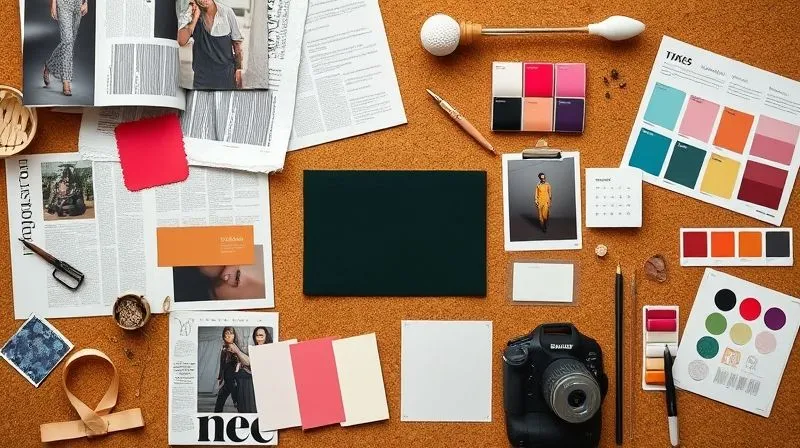
- Create a Detailed Mood Board: This is non-negotiable. Gather images for styling, posing, lighting, location, and overall mood. Share it with your team.
A well-crafted mood board acts as a visual contract, ensuring everyone on your team – models, stylists, makeup artists, and assistants – is aligned with your narrative vision. It's a critical step in translating abstract ideas into concrete visual goals.
Case Study: 'The Urban Wanderer' Series
I recall working with a client who wanted to launch a new line of avant-garde streetwear. Their initial brief was simply 'cool clothes in a city.' This, as I explained, wouldn't tell a story. Instead, we developed 'The Urban Wanderer' concept. The narrative centered on a lone individual navigating the anonymity and vastness of a metropolis, finding beauty and solitude amidst the chaos. The character was a dreamer, a silent observer. We focused on the juxtaposition of intricate, flowing fabrics against brutalist architecture, using muted tones with pops of vibrant color to symbolize hope. This clear story allowed us to select specific locations (rooftops, deserted alleyways, train stations), style the model with layers that suggested a journey, and use lighting that emphasized isolation and introspection. The resulting series wasn't just about the clothes; it was a poetic exploration of identity in the modern urban landscape, resonating far beyond a simple product shot.
III. The Collaborative Canvas: Model, Styling, & Location
Once your concept is solid, the next step is to bring together the right team and elements that will breathe life into your narrative. This is where collaboration becomes paramount.
Casting for Character: Beyond Just a Face
The model is your primary storyteller. They need to embody the character you've envisioned, not just wear the clothes. Look beyond conventional beauty.
- Expression & Emotion: Can they convey complex feelings with their eyes, posture, and facial muscles?
- Movement & Posing: Do they move naturally? Can they hold a pose that speaks volumes?
- Versatility: Are they capable of portraying different facets of your character?
- Professionalism: A good attitude and understanding of the brief are crucial for a smooth shoot.
As renowned casting director Douglas Perrett often emphasizes, 'It's not just about finding a beautiful face, it's about finding someone who can inhabit a role.' This is especially true for narrative fashion.
Styling as a Storyteller
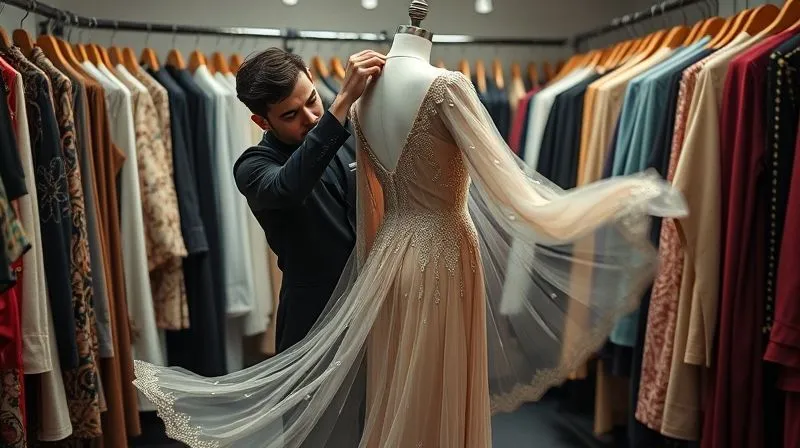
The wardrobe, accessories, hair, and makeup are not just aesthetic choices; they are visual cues that deepen your narrative. Each element should contribute to the character's persona and the story's context.
“Think of styling as your character's dialogue. Every garment, every accessory, every hair strand tells us something about who they are, where they've been, and where they're going.”
If your character is a defiant rebel, the styling might include ripped denim and bold accessories. If they are an ethereal dreamer, flowing fabrics and soft, natural makeup would be more appropriate. Consistency in styling across the entire shoot reinforces the narrative.
Location, Location, Location: Setting the Scene
The environment is more than just a backdrop; it's a character in itself. It sets the mood, provides context, and can even act as a symbolic element of your story.
- Relevance: Does the location naturally align with your narrative? A grand ballroom for a tale of opulence, a desolate beach for introspection.
- Visual Interest: Look for textures, colors, and architectural elements that add depth and intrigue.
- Lighting Potential: How does natural light interact with the space? Are there opportunities for dramatic shadows or soft glows?
- Logistics: Consider accessibility, permits, and privacy. A perfect location is useless if you can't shoot there effectively.
I've often found that the most unexpected locations can yield the most compelling narratives. A simple urban alleyway, when viewed through the lens of a specific story, can become a stage for profound human drama. This requires extensive scouting and a keen eye for potential.
IV. Mastering the Visual Language: Composition, Light, & Pose
With your concept, team, and location in place, it's time to execute. This is where your technical mastery as a photographer merges with your artistic vision to truly tell the story.
Composition: Framing Your Narrative
Composition is how you arrange elements within your frame to guide the viewer's eye and emphasize your narrative. It's about intentionality.
- Rule of Thirds: Place your subject or key elements at the intersections of imaginary lines to create balance and interest.
- Leading Lines: Use natural lines in the environment (roads, fences, architectural elements) to draw the viewer's eye towards your subject.
- Framing: Use natural frames (doorways, windows, branches) to isolate your subject and add depth.
- Negative Space: Don't be afraid of empty space. It can create a sense of scale, isolation, or quiet contemplation, allowing the viewer to focus on the subject's emotion.
- Point of View: Shooting from a low angle can make your subject appear powerful; a high angle can evoke vulnerability.
Lighting: Shaping Mood and Emotion
Light is perhaps the most powerful tool for conveying emotion and establishing the atmosphere of your story. It can be harsh or soft, warm or cool, direct or diffused.
“Light is not just about illumination; it's about emotion. It can reveal secrets, cast doubts, or bathe a scene in hope. Understanding how to sculpt with light is paramount to telling a compelling story.”
- Hard Light: Creates strong shadows and contrast, often used for dramatic, edgy, or mysterious narratives.
- Soft Light: Diffused and gentle, ideal for evoking tenderness, vulnerability, or dreams.
- Backlighting: Creates a halo effect and separation from the background, adding an ethereal or dramatic quality.
- Side Lighting: Emphasizes texture and depth, adding a sculptural quality to the face and form.
- Color Temperature: Warm tones (golden hour) evoke comfort or nostalgia; cool tones (blue hour) suggest solitude or melancholy.
Posing: The Silent Dialogue
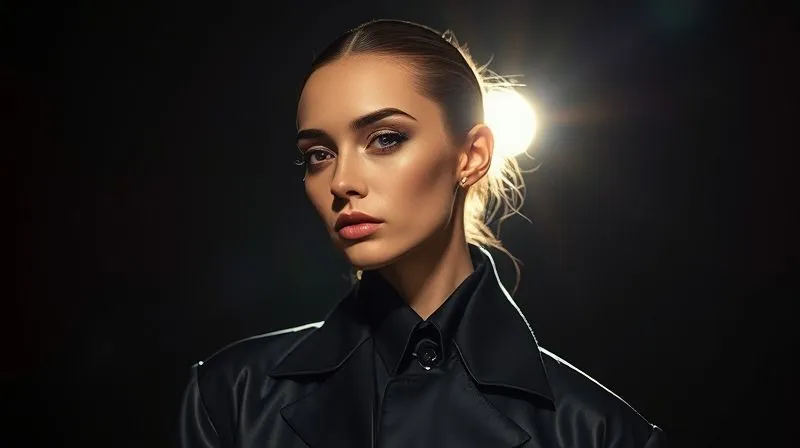
A model's pose is their non-verbal communication. It should align perfectly with the character's emotions and the story's context. Direct your model, but also allow them room to interpret the character.
- Open Poses: Arms uncrossed, body facing the camera – suggests openness, confidence, or welcome.
- Closed Poses: Arms crossed, body turned away – can convey shyness, defensiveness, or introspection.
- Dynamic Poses: Suggest movement, energy, or action, often used for adventurous or powerful narratives.
- Subtle Gestures: A hand brushing hair, a slight tilt of the head, a gaze – these small details can be incredibly powerful in conveying nuance.
- Interaction with Environment: How does the model relate to their surroundings? Leaning against a wall, sitting on the ground, looking out a window.
I often use a simple table to communicate desired poses and their emotional impact to my models, ensuring we're all on the same page during the shoot.
| Pose Type | Associated Emotions | Narrative Context |
|---|---|---|
| Open & Expansive | Confidence, Joy, Freedom | New beginnings, overcoming challenges |
| Closed & Protective | Vulnerability, Introspection, Sadness | Reflection, solitude, hidden pain |
| Dynamic & Active | Energy, Determination, Adventure | Journey, pursuit, rebellion |
| Subtle & Suggestive | Mystery, Longing, Thoughtfulness | Unspoken desires, quiet contemplation |
V. Post-Production: Enhancing the Narrative
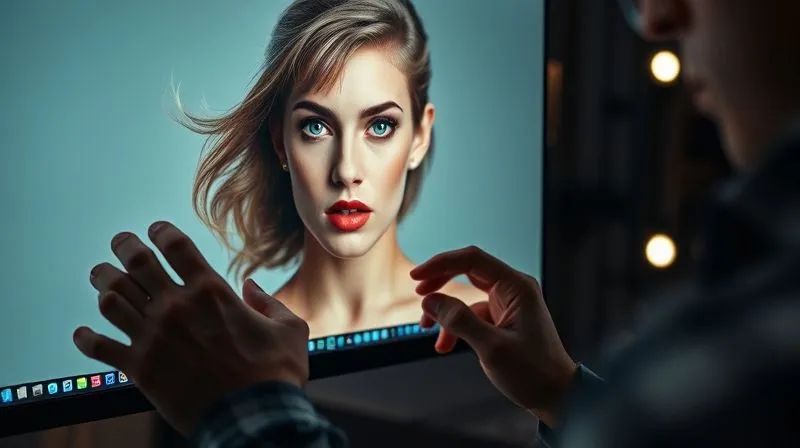
The story doesn't end when you click the shutter. Post-production is a crucial stage where you refine and enhance the narrative you've captured, ensuring every detail contributes to the overall message.
Color Grading: Setting the Emotional Tone
Color grading is far more than just adjusting colors; it's about manipulating the emotional temperature of your image. A warm, desaturated palette can evoke nostalgia, while a cool, high-contrast look might suggest a futuristic or dystopian narrative.
- Consistency: Maintain a consistent color palette across your series to reinforce the mood and theme.
- Symbolism: Use colors symbolically (e.g., reds for passion/danger, blues for calm/melancholy).
- Contrast & Saturation: Adjust these to either heighten drama or create a softer, dreamier feel.
Retouching with Purpose: Maintaining Authenticity
Retouching should serve the story, not distract from it. While technical perfection is often sought in fashion, narrative photography sometimes benefits from a more natural, even slightly imperfect, approach if it enhances authenticity.
“The best retouching is invisible. It enhances what's already there, removes distractions, and strengthens the narrative, without creating an artificial reality that undermines your story's credibility.”
- Remove Distractions: Clean up stray hairs, distracting background elements, or minor blemishes that pull focus from the narrative.
- Enhance Features: Subtly emphasize the model's eyes or lips if they are key to conveying emotion.
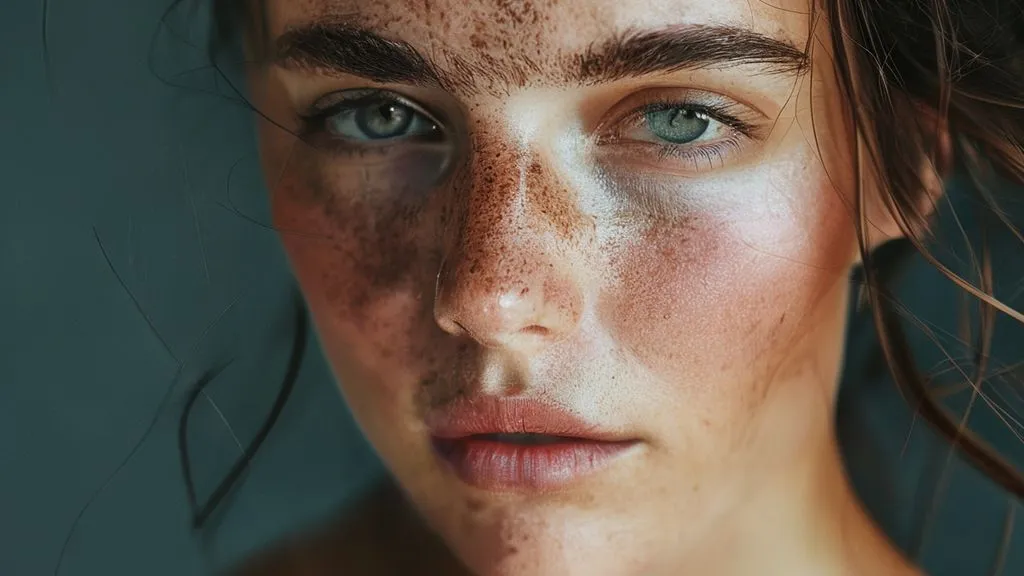
- Maintain Texture: Avoid over-smoothing skin to the point of looking plastic. Authenticity builds trust.
Remember, your goal is to tell a story, not necessarily to create an idealized, flawless image. Sometimes, a subtle imperfection can add character and depth to your narrative.
VI. Building a Portfolio of Stories: Consistency and Evolution
Your journey in storytelling through fashion portraiture is continuous. Each project is an opportunity to refine your voice and expand your narrative capabilities.
Curating Your Work
When presenting your portfolio, don't just show your best individual shots. Group images into cohesive series that demonstrate your ability to tell a story. This shows clients and collaborators that you understand the bigger picture.
- Thematic Grouping: Organize your work by narrative themes, not just by individual shoots.
- Showcase Process: If appropriate, include elements of your concept development, like mood boards, to demonstrate your thought process.
- Quality over Quantity: A smaller portfolio of strong, narrative-driven series is far more impactful than a vast collection of disconnected images.
As Seth Godin eloquently states in his work on marketing, 'People do not buy goods and services. They buy relations, stories and magic.' Your portfolio should reflect this understanding.
Learn more about Seth Godin's insights on storytelling.Seeking Feedback and Growth
Never stop learning. Share your work with trusted mentors, peers, and even your audience. Constructive criticism is invaluable for growth.
- Peer Reviews: Exchange work with other photographers and offer honest critiques.
- Mentor Guidance: If you have a mentor, leverage their experience to identify areas for improvement.
- Audience Reaction: Pay attention to how your audience responds. What emotions do your images evoke?
Embrace experimentation. Not every narrative will be a masterpiece, but every attempt is a step forward in honing your unique storytelling voice. The world of fashion is constantly evolving, and so too should your approach to narrative.
Frequently Asked Questions (FAQ)
How do I find inspiration when I'm stuck? When creative blocks hit, I often recommend stepping away from photography. Immerse yourself in other art forms – visit a museum, read a novel, watch a foreign film, or listen to a new genre of music. Sometimes, simply observing people in a bustling cafe or a quiet park can spark an idea. Keep a small notebook to jot down fleeting thoughts, emotions, or visual snippets. Don't force it; let inspiration find you when your mind is open.
What's the biggest mistake photographers make in narrative fashion? In my professional opinion, the biggest mistake is a lack of clear intention. Many photographers start a shoot without a defined story or character, hoping it will emerge during the process. While spontaneity has its place, a strong narrative requires a conceptual foundation. Without it, images often become disjointed, beautiful but ultimately meaningless. Define your 'why' before you start shooting.
How important is post-production in storytelling? Post-production is incredibly important – it's the final brushstroke on your narrative canvas. It allows you to refine the mood, enhance emotional impact, and ensure visual consistency across a series. Think of it as the editor of a film; they don't change the story, but they make it more impactful and cohesive. However, it should never be used to fix fundamental flaws in concept, lighting, or posing.
Can a single image tell a full story? Absolutely. A single image can encapsulate a powerful moment, implying a rich backstory and future events. Think of iconic historical photographs or famous paintings. The key is to pack that single frame with enough visual information – through expression, context, lighting, and composition – to ignite the viewer's imagination and provoke a narrative in their mind. It's about suggestion, not explicit detail.
How do I budget for a story-driven shoot? Budgeting for narrative shoots can be complex as it often involves more elements (specific locations, props, specialized styling). Start by prioritizing your concept's absolute necessities. Can you find a free, compelling location? Can you DIY some props? Collaborate with emerging stylists or makeup artists who are building their portfolios. Clearly define your vision to avoid unnecessary expenses. For larger projects, consider seeking grants or collaborating with brands whose aesthetics align with your story.
Key Takeaways and Final Thoughts
Crafting compelling stories through fashion portrait photography is an art that blends technical skill with profound creative vision. It demands intentionality, collaboration, and a deep understanding of human emotion. Here are the critical takeaways:
- Concept is King: Begin with a strong, well-defined narrative idea.
- Team Alignment: Ensure your entire team understands and contributes to the story.
- Visual Language: Master composition, lighting, and posing to communicate emotion.
- Purposeful Post-Production: Use editing to enhance, not distract from, the narrative.
- Continuous Growth: Always seek inspiration, feedback, and opportunities to evolve your craft.
I encourage you to embrace this approach not just as a technique, but as a philosophy. Let your camera be a pen, your subjects your characters, and your images the chapters of stories waiting to be told. The fashion world yearns for authenticity and depth, and by weaving compelling narratives into your portraits, you will not only elevate your own work but also contribute to a richer, more meaningful visual landscape. Go forth and tell your stories.
Explore more in fashion photography from Harper's Bazaar.
Recommended Reading
- Secure That Veil: 7 Expert Steps for Fine, Slippery Bridal Hair All Day
- 7 Ethical Tactics to Boost Fashion Affiliate Profit & Build Trust
- Washable Power in Smart Apparel: 7 Best Practices for Seamless Integration
- Unveiling the True Value: What Makes a Luxury Designer Brand Worth Buying?
- 7 Reasons Comfort Shoe Designs Fail User Acceptance Tests (And How to Fix Them)


Your email address will not be published. Required fields are marked *