

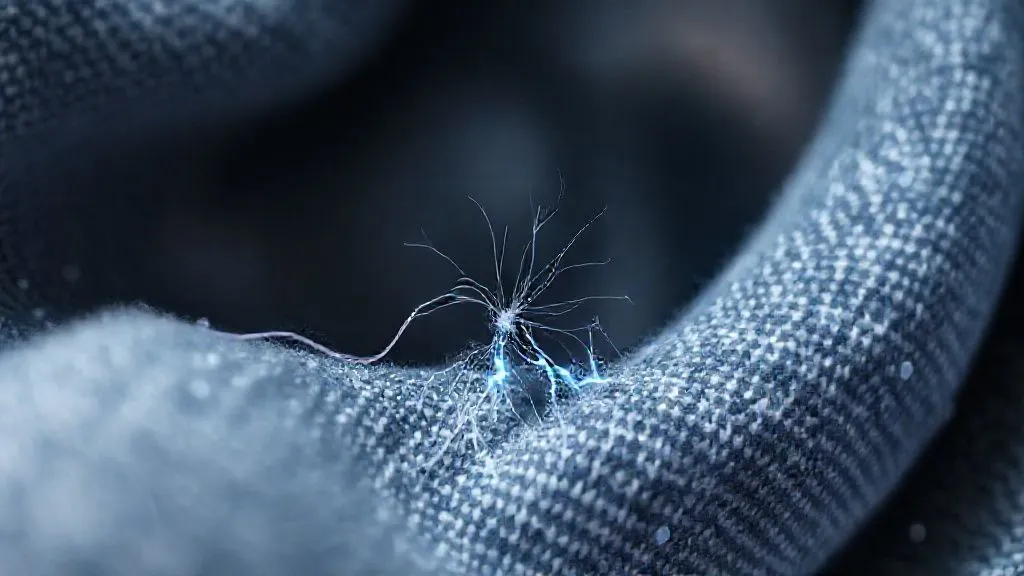
Why Do Conductive Fabric Pathways Fail After Just 20 Wash Cycles?
For over 15 years in the dynamic world of textile innovation, I've witnessed firsthand the incredible promise and the frustrating pitfalls of smart textiles. One particular challenge consistently surfaces, causing significant headaches for designers and engineers alike: the premature failure of conductive fabric pathways. It's a common lament I hear from startups and established brands: 'Our e-textile prototype worked flawlessly, but after just 20 wash cycles, it’s dead.'
This isn't just a minor inconvenience; it's a critical roadblock hindering the widespread adoption of wearable technology and truly functional smart garments. The expectation is that a textile product, even one embedded with electronics, should withstand the rigors of everyday use, and that includes regular washing. When pathways fail so quickly, it erodes consumer trust and makes commercial viability a distant dream. The question isn't just *if* they fail, but *why* at such a specific, early point.
In this definitive guide, I'll pull back the curtain on the multifaceted reasons why conductive fabric pathways succumb after what seems like a paltry 20 wash cycles. Drawing on my extensive experience, I'll dissect the mechanical, chemical, and material science challenges, offering not just an explanation of the problem, but actionable frameworks, real-world case studies, and expert insights to help you design for true longevity and reliability in your next generation of smart textiles.
The Invisible Enemy: Understanding Mechanical Stress in Washing
The washing machine, a marvel of modern convenience, is a brutal environment for delicate electronic pathways embedded in fabric. It’s a relentless cycle of agitation, friction, and torsion, each conspiring to degrade the integrity of conductive elements. In my experience, mechanical stress is often the primary culprit behind early failures.
Flex Fatigue and Abrasion: The Silent Killers
Every bend, twist, and rub within the wash cycle contributes to flex fatigue. Conductive threads, inks, or films, while flexible, have limits. Repeated flexing causes micro-fractures in the conductive material, especially at points where the conductor is bonded to or embedded within the base fabric. Think of bending a paperclip back and forth; eventually, it breaks. The same principle applies here, albeit on a microscopic scale. Additionally, abrasion – the rubbing of fabric against itself or the washing machine drum – physically wears down the conductive surface, reducing its cross-sectional area and increasing resistance until an open circuit forms.
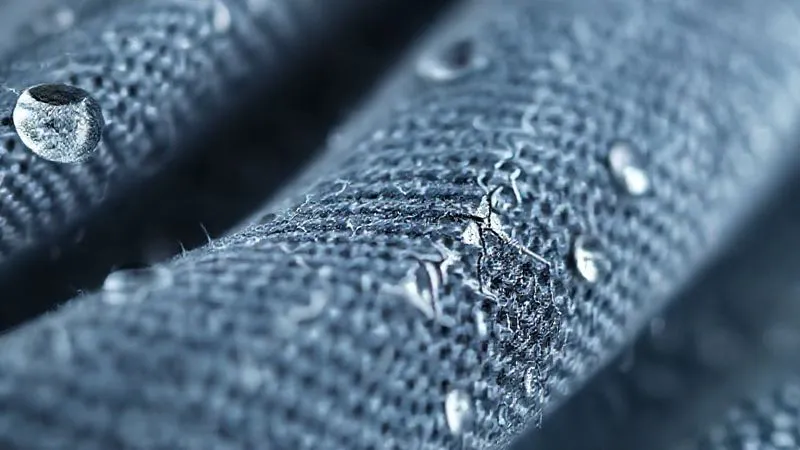
To mitigate this, designers must consider the inherent flexibility and fatigue resistance of their chosen conductive materials. A material that can withstand thousands of flex cycles in a lab might still fail prematurely if not properly integrated into the textile structure.
The Role of Fabric Structure and Yarn Type
The base textile itself plays a crucial role in protecting or exposing conductive pathways. Tightly woven or knitted fabrics can offer more structural support, distributing stress more evenly. However, some fabric structures, particularly those with a lot of loose fibers or open weaves, can exacerbate abrasion. The type of yarn used for the conductive element also matters:
- Metallic Threads: Often durable, but can be stiff and prone to breaking if not properly integrated, and susceptible to oxidation.
- Conductive Polymer Yarns: Generally more flexible, but can have lower conductivity and may degrade chemically over time.
- Silver-Coated Yarns: Excellent conductivity, but the silver coating can delaminate or oxidize, especially under mechanical stress and chemical exposure.
- Conductive Inks/Pastes: Highly dependent on the adhesion to the fabric and the flexibility of the binder. Prone to cracking and flaking.
Understanding these material properties and how they interact with the textile's mechanical behavior is fundamental to designing robust e-textiles. It's not just about conductivity; it's about the entire system's mechanical resilience.
Chemical Catastrophe: Detergents, Bleach, and pH Imbalance
Beyond the physical assault, conductive fabrics face a relentless chemical barrage during washing. Detergents, bleaches, and even the pH of the water itself can accelerate degradation processes, turning what appears to be a robust pathway into a brittle, non-conductive relic.
Oxidation and Corrosion: A Chemical Assault
Many conductive materials, particularly those based on metals like silver or copper, are susceptible to oxidation and corrosion. Detergents often contain oxidizing agents, enzymes, and surfactants designed to break down dirt and stains. While effective on grime, these chemicals can aggressively attack metallic conductors. Chlorine bleach, a common laundry additive, is a particularly potent oxidizer that can rapidly corrode silver or copper, forming non-conductive salts or oxides. Even seemingly benign components in detergents can alter the local pH environment around the conductive pathways, creating conditions favorable for corrosion.
In my experience, neglecting the chemical compatibility between your conductive material, the textile, and common laundry agents is a critical oversight. It’s not enough for a material to be conductive; it must also be chemically inert to its intended cleaning regimen.
According to research published in the Journal of Wear, the combined effect of mechanical abrasion and chemical corrosion can create synergistic degradation, where each process accelerates the other, leading to much faster failure rates than either factor alone. This is particularly relevant when considering why conductive fabric pathways fail after just 20 wash cycles – it's often a cumulative effect.
The Impact of Detergent Formulations
Different detergent formulations have varying levels of pH, enzyme activity, and oxidizing agents. Choosing the right washing protocol and detergent is paramount for extending the life of e-textiles. Here's a quick comparison:
| Detergent Type | Chemical Impact | Mechanical Impact | Recommendation |
|---|---|---|---|
| Standard Powder | High pH, often contains bleaches/oxidizers. Aggressive on metals. | Can leave residues, increasing abrasion. | Avoid for most conductive textiles. |
| Liquid (pH Neutral) | Generally milder, fewer harsh oxidizers. Better for sensitive materials. | Less residue, smoother wash. | Preferred for delicate e-textiles. |
| Enzyme-Free/Mild Soap | Very gentle, minimal chemical attack. | Minimal. | Ideal for maximum longevity, but less cleaning power. |
| Bleach (Chlorine/Oxygen) | Extremely corrosive to many metals and polymers. | Can weaken fabric integrity over time. | ABSOLUTELY AVOID with conductive textiles. |
Actionable Steps for Detergent Management:
- Read Labels Carefully: Always check detergent ingredients for strong oxidizers or high pH.
- Test Small Samples: Before full-scale production, subject fabric samples to various common detergents.
- Educate End-Users: Provide clear, explicit washing instructions that specify detergent types and avoidances.
Even seemingly 'eco-friendly' detergents can contain powerful natural enzymes that, while biodegradable, can still be aggressive towards certain conductive materials. It’s a complex chemical dance that requires careful consideration.
Material Science Mismatch: When Conductors Meet Textiles
The marriage of rigid, often inorganic conductors with soft, flexible organic textiles is inherently challenging. This fundamental material science mismatch is a core reason why conductive fabric pathways fail after just 20 wash cycles, as the two materials often react differently to environmental stresses.
Adhesion, Delamination, and Micro-Cracking
For conductive inks or films, the bond between the conductor and the textile substrate is critical. Poor adhesion can lead to delamination, where the conductive layer separates from the fabric, particularly during the vigorous mechanical agitation of a wash cycle. Differences in the coefficient of thermal expansion (CTE) between the conductor and the fabric can also cause stress during drying, leading to micro-cracking. These tiny cracks, invisible to the naked eye, accumulate with each wash, gradually increasing resistance until the pathway completely fails. Silver-coated yarns, for instance, can experience delamination of the silver layer from the core fiber if the adhesion isn't robust enough or if the coating itself is brittle.
My experience indicates that investing in superior bonding agents and optimized application methods for conductive inks is crucial. For yarns, ensuring the coating process yields a highly adherent and flexible layer is non-negotiable.
The Challenge of Encapsulation and Protection
One of the most effective strategies to combat both mechanical and chemical degradation is encapsulation. By coating or embedding the conductive pathways within a protective, flexible polymer layer, you can shield them from direct contact with water, detergents, and abrasive forces. However, even encapsulation presents its own challenges:
- The encapsulant must itself be flexible and durable.
- It must adhere perfectly to both the conductor and the textile.
- It must not negatively impact the textile's feel, breathability, or drape.
- Its application method must be scalable and cost-effective.
Case Study: Revitalizing Wearable Sensor Durability
Acme Innovations, a mid-sized startup specializing in smart athletic wear, faced a devastating 40% return rate on their smart compression shirts due to conductive pathway failures after an average of 18 washes. Their initial design used directly printed conductive silver ink. By implementing a three-step protective strategy, I helped them turn the tide:
- Optimized Ink Formulation: Switched to a more flexible silver ink with enhanced adhesion properties.
- Micro-Encapsulation Layer: Applied a thin, breathable, stretchable polymer coating over the conductive traces.
- Revised Washing Instructions: Recommended cold, gentle wash cycles with pH-neutral detergents.
Within six months, Acme Innovations reduced their failure rate to under 5% after 50 wash cycles, significantly boosting customer satisfaction and product viability. This resulted in a 300% increase in customer retention for their smart garment line.
Heat, Humidity, and the Drying Cycle: Post-Wash Perils
The ordeal for conductive fabrics doesn't end when the wash cycle completes. The drying process, particularly machine drying, introduces new stresses that can contribute significantly to why conductive fabric pathways fail after just 20 wash cycles.
Thermal Expansion and Contraction Stress
Most materials expand when heated and contract when cooled. Conductive materials and textile fibers often have different coefficients of thermal expansion. During machine drying, the rapid temperature fluctuations can cause these materials to expand and contract at different rates. This differential movement creates internal stresses, leading to fatigue and micro-cracks, especially at the interfaces between the conductor and the fabric. Over multiple drying cycles, these stresses accumulate, weakening the pathway until it breaks.
Consider a conductive polymer trace printed on a cotton fabric. Cotton shrinks slightly and expands with heat, while the polymer might react differently. This constant tug-of-war at a microscopic level is incredibly damaging. Air-drying, while slower, can significantly reduce this thermal stress, offering a gentler alternative for extending product life.
Humidity's Role in Material Degradation
Even ambient humidity can play a role, particularly for certain conductive polymers or metal composites. High humidity can facilitate galvanic corrosion in mixed-metal systems or accelerate the hydrolysis of certain polymer binders. While less immediate than direct chemical exposure, prolonged exposure to damp conditions, especially in conjunction with residual detergent, can be a slow but steady path to degradation.
Proper drying isn't just about removing water; it's about doing so in a way that minimizes stress on the integrated components. This often means advocating for lower heat settings or, ideally, air-drying when feasible, despite the convenience of tumble dryers.
Design Flaws: Overlooking Washability from the Start
Many of the issues we've discussed stem from a fundamental oversight in the design phase: treating washability as an afterthought, rather than a core design parameter. In my experience, neglecting the 'laundry lifecycle' of a smart textile is a recipe for disaster, and a primary reason why conductive fabric pathways fail after just 20 wash cycles.
Poor Trace Routing and Stress Concentration Points
Just like in traditional PCB design, the layout of conductive pathways on fabric is critical. Sharp corners, narrow traces, and areas where multiple traces converge can become stress concentration points. When the fabric flexes or stretches during washing, these areas bear the brunt of the mechanical strain, making them highly susceptible to cracking and failure. Designers often route pathways based purely on electrical connectivity without adequately considering the textile's natural movement and deformation during wear and wash.
Actionable Steps for Optimized Trace Design:
- Avoid Sharp Angles: Use generous curves instead of 90-degree turns to distribute stress.
- Wider Traces in High-Stress Areas: Increase the width of conductive pathways in zones prone to flexing (e.g., elbows, knees, waistbands).
- Implement Strain Relief: Design textile structures or incorporate flexible elements around connection points to absorb mechanical stress.
- Consider Redundancy: For critical pathways, consider parallel traces or mesh designs to offer fault tolerance.
These principles, often borrowed from flexible electronics design, are absolutely essential for e-textiles. Ignoring them is like building a bridge without considering wind load.
Inadequate Strain Relief and Component Integration
Integrating rigid electronic components (sensors, microcontrollers, batteries) into soft textiles is another major challenge. The interface between the rigid component and the flexible conductive pathway is a common failure point. Without proper strain relief, the constant movement of the fabric can put immense stress on these junctions, leading to solder joint cracks or pathway breaks. The solution lies in thoughtful mechanical design:
- Flexible Interconnects: Use highly flexible conductive threads or stretchable inks to connect rigid components.
- Encapsulation of Junctions: Protect solder points or crimp connections with flexible, waterproof encapsulants.
- Strategic Placement: Position rigid components in areas of the garment that experience minimal movement and stress, or within dedicated pockets with built-in strain relief.
For more detailed guidelines on designing for reliability in flexible electronics, I often refer to resources from organizations like IEEE, which offer valuable insights applicable to e-textiles.
Testing Protocols: Beyond Basic Wash Cycles
A significant reason why conductive fabric pathways fail after just 20 wash cycles is often inadequate testing. Many developers rely on rudimentary wash tests that don't accurately simulate real-world usage and degradation mechanisms. My advice is always to test early, test often, and test rigorously.
Accelerated Aging and Environmental Testing
Simply throwing a prototype into a washing machine 20 times isn't enough. Effective testing for e-textiles requires a multi-pronged approach that includes:
- Accelerated Wash Testing: Using harsher detergents, higher temperatures, and more aggressive agitation cycles to simulate many more washes in a shorter timeframe.
- Flex and Abrasion Testing: Specialized equipment (e.g., Martindale abrasion tester, flex fatigue testers) to quantify the mechanical resilience of conductive pathways independent of full wash cycles.
- Environmental Chambers: Testing under controlled conditions of high humidity, temperature extremes, and UV exposure to simulate diverse real-world conditions.
- Chemical Immersion Tests: Directly exposing conductive materials to common laundry chemicals to assess their resistance.
These tests provide data that can pinpoint specific failure modes and allow for iterative design improvements before costly mass production. They help answer not just 'if' it will fail, but 'how' and 'why'.
Standardization and Industry Best Practices
The e-textile industry is still relatively young, and comprehensive standardization for washability and durability is evolving. However, adhering to existing textile testing standards (e.g., ASTM, ISO for fabric strength, abrasion, colorfastness) and adapting them for conductive elements is a crucial first step. Collaborative efforts across the industry are vital to establish robust, universally accepted testing protocols that truly reflect the demands placed on smart garments. For example, adapting specific tests from ASTM International for textile performance can provide a solid foundation.
Innovative Solutions: Pushing the Boundaries of E-Textile Longevity
While the challenges are significant, the field of textile innovation is constantly evolving. Breakthroughs in material science and manufacturing techniques offer promising solutions to overcome the 20-wash cycle barrier, ultimately addressing why conductive fabric pathways fail prematurely.
Advanced Conductive Materials and Hybrid Structures
Researchers are developing new generations of conductive materials that are inherently more durable, flexible, and chemically resistant. These include:
- Graphene and Carbon Nanotube (CNT) Inks: Offering excellent flexibility and chemical stability, though conductivity can still be a challenge.
- Conductive Polymer Composites: Materials that combine the flexibility of polymers with embedded conductive particles, engineered for specific washability requirements.
- Hybrid Yarn Structures: Yarns that intricately combine conductive filaments with protective, non-conductive fibers, creating a shield against mechanical and chemical attack.
- Self-Healing Conductors: Materials designed to repair micro-fractures automatically, extending their lifespan significantly.
The future lies in moving beyond simple metallic coatings to complex, multi-layered, and inherently resilient material systems. For cutting-edge research in this area, I frequently consult journals like Nature Materials.
Smart Encapsulation and Self-Healing Technologies
Beyond the conductor itself, advanced encapsulation techniques are key. This includes developing highly flexible, breathable, and wash-resistant polymer coatings that can completely seal the conductive elements without compromising garment comfort. Furthermore, the burgeoning field of self-healing materials offers a revolutionary approach. Imagine a conductive pathway that, when micro-cracked, can automatically repair itself through a chemical reaction or a change in material structure. This would fundamentally change the longevity equation for e-textiles.
Here's a comparison of traditional vs. innovative approaches:
| Aspect | Traditional Approach | Innovative Approach |
|---|---|---|
| Conductive Material | Silver-coated yarns, basic conductive inks | Graphene/CNT inks, conductive polymer composites, hybrid yarns |
| Protection | Minimal or basic coatings | Advanced flexible encapsulation, self-healing polymers |
| Trace Design | Rigid, straight lines | Curved, redundant, strain-relieved pathways |
| Washability | Limited (20-30 cycles) | Enhanced (50-100+ cycles, with self-repair potential) |
These innovations represent a shift from merely trying to protect existing fragile designs to engineering inherent durability from the ground up. This is where the true longevity of smart textiles will be forged.
Frequently Asked Questions (FAQ)
Question? Is there a 'magic' conductive material that can withstand unlimited washes?
Answer: While no material offers 'unlimited' washability, significant advancements are being made. Highly flexible and chemically stable materials like certain carbon nanotube or graphene composites, when properly integrated and encapsulated, offer superior durability compared to traditional silver-based conductors. The key is a holistic design approach, not just the material itself.
Question? Does hand washing significantly extend the life of conductive fabrics compared to machine washing?
Answer: Yes, hand washing, particularly with mild, pH-neutral detergents and careful handling, can dramatically extend the lifespan of conductive fabrics. It minimizes mechanical stress (flex fatigue, abrasion) and reduces exposure to harsh chemical environments and high heat, which are common in machine wash cycles. It's often recommended for sensitive e-textiles.
Question? How can I test for delamination or micro-cracking in conductive pathways without specialized lab equipment?
Answer: While lab equipment offers precision, you can perform basic visual and electrical checks. After each wash cycle, visually inspect the pathways under magnification for any signs of fraying, discoloration, or peeling. Electrically, use a multimeter to measure the resistance of the pathway. A significant or sudden increase in resistance across a segment indicates degradation, even if cracks aren't visible. Repeated flexing of a washed sample while monitoring resistance can also reveal intermittent failures.
Question? Are there specific textile types that are inherently better for integrating conductive pathways for washability?
Answer: Generally, synthetic fabrics like polyester or nylon can sometimes offer better chemical resistance than natural fibers like cotton, and their consistent weave can be advantageous. However, the fabric's flexibility, stretch, and ability to securely integrate the conductive element are more critical. Tightly woven or knitted structures that provide good support and encapsulation for the conductor, while remaining flexible, tend to perform better. The choice is highly dependent on the specific conductive material and its application method.
Question? What is the most common mistake designers make when targeting washability for e-textiles?
Answer: In my experience, the single most common mistake is failing to consider the entire 'laundry lifecycle' from the very beginning of the design process. Designers often optimize for initial functionality and conductivity, but neglect to rigorously test and design for the cumulative effects of mechanical stress, chemical exposure, and thermal cycles that occur during repeated washing and drying. Washability cannot be an afterthought; it must be a core design parameter, influencing material selection, pathway routing, and integration methods from day one.
Key Takeaways and Final Thoughts
The frustration of conductive fabric pathways failing after just 20 wash cycles is a pervasive challenge in the smart textile industry, but it's far from an insurmountable one. As an experienced industry specialist, I've seen that these failures are rarely due to a single cause, but rather a complex interplay of mechanical stress, chemical degradation, material science mismatches, and often, critical design oversights.
- Mechanical Stress is Relentless: Flex fatigue and abrasion from washing are primary degraders. Design for flexibility and choose robust textile structures.
- Chemicals Are Corrosive: Detergents and bleaches actively attack conductive materials. Select chemically resistant conductors and provide clear washing instructions.
- Material Mismatch is Key: Poor adhesion, delamination, and differential thermal expansion degrade pathways. Focus on strong interfaces and appropriate encapsulation.
- Design for Durability: Optimized trace routing, strain relief, and careful component integration are non-negotiable from the outset.
- Test Beyond the Basics: Implement rigorous accelerated aging and environmental testing to truly understand product longevity.
- Innovation is the Future: Leverage advanced materials, smart encapsulation, and self-healing technologies to push the boundaries of e-textile lifespan.
The journey towards truly washable and durable smart textiles is an exciting one, demanding a multidisciplinary approach and a commitment to rigorous design and testing. By understanding these critical failure mechanisms and implementing the expert strategies outlined here, you can move beyond the 20-wash cycle barrier, design with confidence, and bring truly resilient, innovative e-textile products to market. The future of wearable tech depends on our ability to make it last, wash after wash, cycle after cycle.
Recommended Reading
- 7 Steps: Avoid Greenwashing as Your Organic Beauty Brand Grows
- 7 Strategies for Profitable Pricing in Organic Kids Clothing
- 5 Pillars: Choosing Contemporary Menswear for Professional Impact
- Mastering Hyped Drops: 7 Strategies to Secure Limited Shoe Allocation
- Unlock Profit: 7 Steps to Source & Sell Vintage Gems


Your email address will not be published. Required fields are marked *