

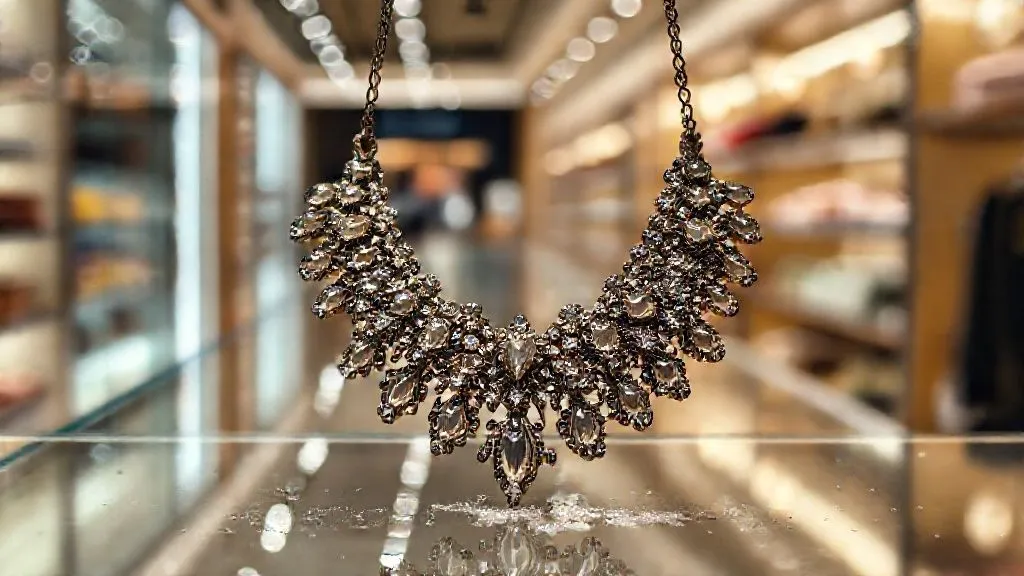
What to Do When Statement Accessory Inventory Isn't Moving Fast Enough?
For over 15 years in the fashion accessories industry, I've seen countless brilliant designs and meticulously crafted statement pieces end up gathering dust on shelves or languishing in backroom storage. It's a heartbreaking sight for any entrepreneur who poured their passion into their products, and frankly, it's a silent killer for many small to mid-sized businesses.
The pain of stagnant inventory isn't just about lost sales; it ties up capital, consumes valuable storage space, and can even dampen team morale. You might find yourself questioning your design choices, your pricing, or even your entire business model. It's a common, yet often unaddressed, challenge in the dynamic world of fashion retail.
But here's the good news: this isn't a death sentence. In this definitive guide, I'll share my battle-tested strategies and frameworks, derived from years of hands-on experience and observation. We'll dive deep into actionable steps, real-world case studies, and expert insights to help you understand what to do when statement accessory inventory isn't moving fast enough, transforming your slow-movers into sales success stories.
The Root Cause Analysis: Why Are Your Statement Pieces Stalling?
Before we can fix the problem, we must first understand its origins. Stagnant inventory rarely has a single cause; it’s often a confluence of factors. Pinpointing these issues is the crucial first step in developing an effective recovery plan for your statement accessories.
Market Misalignment & Trend Shifts
Fashion is fickle, and statement pieces, by their very nature, are often tied to specific trends or aesthetics. What was a must-have last season might feel dated now. Have you accurately assessed current market demand? Are your pieces still resonating with your target demographic's evolving tastes? Sometimes, a shift in broader fashion trends or even micro-trends within the accessories niche can leave a collection behind.
Pricing Pitfalls: Perceived Value vs. Actual Cost
Pricing is a delicate balance. If your statement pieces are priced too high, customers might perceive them as inaccessible or not offering enough value for the cost. Conversely, pricing them too low can devalue the craftsmanship and unique appeal, making them seem less 'statement-worthy'. It’s about understanding the psychology of luxury and the perceived value in your niche. Are customers truly understanding the quality, design effort, and uniqueness you offer?
Marketing & Storytelling Gaps
Statement accessories thrive on narrative. Each piece should tell a story, evoke an emotion, or represent a personal style. If your marketing isn't effectively communicating this unique value proposition, customers won't connect. Are you showcasing your pieces in aspirational contexts? Is your brand's voice compelling enough to make a customer stop and say, 'I need that'? Often, a lack of compelling imagery, inadequate product descriptions, or absent brand storytelling can leave even the most exquisite pieces overlooked.
Merchandising Missteps: Online & In-Store Presentation
How and where your statement pieces are displayed significantly impacts their perceived desirability. In-store, poor lighting, cluttered displays, or a lack of complementary styling can make a piece invisible. Online, low-quality photos, an unintuitive user experience, or a lack of dynamic content (like videos or lifestyle shots) can prevent customers from appreciating the accessory's full potential. A statement piece needs to stand out, not blend in.
| Common Inventory Problem | Potential Solution Path | Key Metric to Watch |
|---|---|---|
| Market Misalignment | Trend analysis, customer feedback surveys, re-styling | Sales velocity, website engagement |
| Pricing Issues | Competitive analysis, value proposition clarity, strategic markdowns | Conversion rate, profit margin |
| Marketing Gaps | Enhanced storytelling, influencer collaborations, targeted ads | Social media reach, traffic sources |
| Merchandising Issues | Visual display updates, professional photography, virtual try-ons | Time on page, bounce rate |
Strategy 1: Re-Evaluate & Re-Merchandise with Intent
Sometimes, the solution isn't about changing the product, but changing how it's perceived. Re-merchandising is a powerful, often overlooked, strategy for revitalizing slow-moving statement accessories. It's about creating a fresh context and a compelling visual narrative.
The Art of Visual Storytelling
Think about the last time you were captivated by an accessory – it likely wasn't just the piece itself, but the entire look, the mood, the story it conveyed. For your stagnant inventory, this means creating entirely new styling narratives. Pair a bold necklace with an unexpected, minimalist outfit to highlight its impact. Showcase earrings with a chic updo that emphasizes their design. Use diverse models or mannequins to demonstrate versatility and appeal to a broader audience.
Bundling & Cross-Selling Opportunities
Statement pieces can sometimes feel intimidating as standalone purchases. Make them more appealing by bundling them with complementary, faster-moving items. Offer a statement necklace with a simple chain extender, or a pair of earrings with a matching, understated bracelet at a special combined price. This not only adds perceived value but also helps move multiple items. Consider creating 'complete look' packages that include apparel items that perfectly complement the accessory.
- Audit Your Current Displays: Both online and in-store, take a critical look. Are pieces hidden? Is lighting poor? Are descriptions lacking?
- Create New Lifestyle Shots: Invest in fresh, high-quality photography and videography. Show your accessories in diverse settings, on different body types, and styled in innovative ways. Focus on aspirational lifestyle imagery.
- Develop Thematic Collections: Group slow-moving pieces into new, enticing mini-collections with a clear theme (e.g., 'Boho Chic Revival,' 'Modern Minimalist Edge').
- Optimize Online Product Pages: Ensure every product page has multiple angles, zoom features, videos, and compelling descriptions that highlight the craftsmanship, materials, and unique story of the piece.
- Train Your Sales Staff: Equip your in-store team with compelling talking points and styling tips for each statement piece. Empower them to be storytellers.
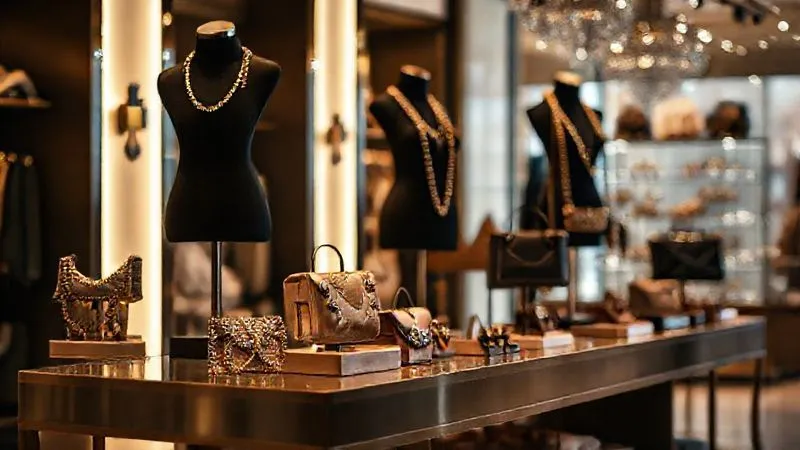
Strategy 2: Dynamic Pricing & Strategic Discounting – More Than Just a Sale
Discounting can feel like a last resort, but when executed strategically, it's a powerful tool to move inventory without devaluing your brand long-term. The key is 'strategic' – it’s not just about slashing prices, but about understanding the psychology behind the markdown.
The Psychology of Pricing
As Harvard Business Review often highlights, pricing isn't purely rational; it's deeply psychological. Instead of a blanket 50% off, consider tiered discounts (e.g., 'Buy one, get the second 30% off'), limited-time flash sales, or 'mystery discounts' that create excitement. The perceived exclusivity and urgency can be more effective than a simple price drop. Frame discounts as a special opportunity, not a desperate plea.
Flash Sales, Limited-Time Offers, & Tiered Discounts
These methods create urgency and excitement. A 48-hour flash sale on a specific collection can drive immediate traffic and conversions. Offering a tiered discount, like 'Save 20% on one, 30% on two, 40% on three statement pieces,' encourages higher average order values. Partnering with a complementary brand for a joint promotion can also introduce your pieces to a new audience while offering a perceived special deal.
"Discounting should be a surgical strike, not a carpet bombing. Understand what you're trying to achieve and preserve your brand's long-term perceived value." - Industry Expert Insight
Remember, the goal isn't just to sell, but to sell profitably and maintain brand integrity. Always calculate your break-even points and understand the minimum price you can accept without incurring losses. Transparent communication about why an item is on sale (e.g., 'Last chance to own this limited edition design' or 'End of season clearance') can also help manage customer perception.
Strategy 3: Amplify Your Marketing Message & Storytelling
Even the most stunning statement piece won't sell if no one knows about it or understands its allure. When inventory isn't moving, it's often a sign that your marketing message isn't reaching the right people, or isn't compelling enough. It's time to turn up the volume and refine your narrative.
Crafting Compelling Narratives
Every statement accessory has a story: its inspiration, the artisan's journey, the materials used, or the emotion it evokes. Dig into these stories. Instead of just listing features, describe the experience of wearing the piece. 'This necklace isn't just an accessory; it's a conversation starter, a bold declaration of confidence, inspired by the untamed beauty of the Amazon.' Use evocative language that paints a picture and connects emotionally with your audience.
Leveraging Influencers & User-Generated Content (UGC)
Authenticity sells. Collaborate with micro-influencers whose style aligns with your brand and who genuinely appreciate statement pieces. Their endorsement can introduce your inventory to a highly engaged and relevant audience. Encourage your existing customers to share photos of themselves wearing your accessories. User-generated content is incredibly powerful for building trust and demonstrating real-world appeal. Run contests or offer incentives for customers to share their 'statement style' moments.
Targeted Digital Campaigns
If your general campaigns aren't working, get specific. Utilize remarketing ads to target visitors who viewed slow-moving items but didn't purchase. Create lookalike audiences based on your best customers who have previously bought statement pieces. Use social media advertising to target interests like 'unique jewelry,' 'artisan accessories,' or specific fashion aesthetics. A/B test different ad creatives and copy to see what resonates best.
Case Study: How 'Glimmer & Grit' Revitalized Their Stalled Collection
Glimmer & Grit, a boutique known for its avant-garde statement rings, found a significant portion of their latest collection wasn't selling as anticipated. Their initial marketing focused on the intricate design. By implementing a revised strategy, they achieved remarkable results. First, they partnered with five micro-influencers known for their edgy, individualistic style, providing them with the rings and creative freedom. Second, they launched an Instagram campaign, #MyGlimmerStory, encouraging customers to share how they styled and felt wearing their rings, offering a monthly prize. Finally, they created short, high-energy video ads showcasing the rings in motion, paired with bold, confident outfits, targeting users interested in 'self-expression' and 'unique accessories.' Within three months, their slow-moving ring collection saw a 180% increase in sales velocity and a 35% boost in overall brand engagement, demonstrating the power of authentic storytelling and targeted outreach.
Strategy 4: Explore New Sales Channels & Partnerships
Sometimes, your existing channels might be saturated or simply not the right fit for specific statement pieces. Expanding your reach can open up entirely new customer segments and provide fresh avenues for moving inventory.
Pop-ups & Experiential Retail
Statement accessories often benefit from an in-person experience. Host pop-up shops in high-traffic areas, collaborate with local cafes or art galleries for a curated event, or participate in artisan markets. These experiential opportunities allow customers to see, touch, and try on pieces, and for your team to share the stories behind them directly. The exclusivity and temporary nature of a pop-up can also create a sense of urgency.

Consignment & Wholesale Opportunities
Consider partnering with other boutiques, art galleries, or gift shops on a consignment basis. This allows you to place your inventory in new retail environments without upfront costs to the partner, and you only pay a commission on what sells. For larger quantities, exploring wholesale opportunities with carefully selected retailers can be an effective way to clear significant stock, even if at a reduced margin. Focus on partners whose aesthetic complements your brand.
Online Marketplaces & Collaborations
Beyond your own e-commerce site, explore curated online marketplaces like Etsy (for artisan pieces), The RealReal (for luxury resale), or even specialized fashion accessory platforms. These platforms have built-in audiences looking for unique items. Additionally, collaborate with non-competing fashion brands (e.g., a clothing brand, a handbag designer) for joint promotions or cross-promotion campaigns, leveraging each other's customer bases.
Strategy 5: Repurpose, Reinvent, or Donate with Purpose
When all else fails, or if a piece is truly unsellable in its current form, don't just write it off. There are ethical and creative ways to manage dead stock that can even enhance your brand's reputation and sustainability efforts.
Upcycling & Customization Programs
Can a statement necklace be broken down into components to create new, smaller, more versatile pieces? Can you add new elements, change the finish, or combine parts of multiple unsold items to create an entirely new, limited-edition collection? Offer customization services where customers can choose elements from your existing stock to create a bespoke piece. This taps into the growing demand for unique, personalized items and reduces waste. This aligns with the principles of sustainable fashion, a growing concern for conscious consumers, as detailed by sources like Vogue Business.
Charitable Initiatives & Brand Goodwill
Donating slow-moving inventory to a relevant charity can generate positive PR and contribute to a good cause. Partner with organizations that support women's empowerment, fashion schools (for design projects), or local community initiatives. Frame it as a purposeful brand action, not just clearing stock. This builds significant brand goodwill and can even be a powerful story for your marketing efforts, demonstrating your commitment beyond profit.
"Waste isn't just an environmental problem; it's a missed opportunity for creativity and community impact. Every unsold item holds potential for new life or purpose." - Expert Advisory
Always consider the environmental impact of your inventory decisions. Disposing of perfectly good items contributes to landfill waste. By exploring repurposing or donation, you not only solve an inventory problem but also reinforce your brand's commitment to responsible business practices, which resonates deeply with today's consumers.
Strategy 6: Master Your Data – The Unsung Hero of Inventory Management
In the world of fashion, intuition is important, but data is king. When your statement accessory inventory isn't moving fast enough, the numbers will tell you why, and more importantly, how to prevent it from happening again. This is where your SEO expert hat comes on, as understanding data is crucial for future content and product decisions.
Key Metrics to Monitor Beyond Sales
Don't just look at sales figures. Dive deeper. Monitor product page views, time on page, add-to-cart rates, and bounce rates for each statement piece. Are people looking but not buying? This suggests a pricing, description, or marketing issue. Are they not even looking? That points to a visibility or discoverability problem. Track inventory turnover rate specifically for your statement pieces versus your core collection to identify discrepancies. Deloitte's retail insights often emphasize the importance of granular data analysis for retail success.
Predictive Analytics for Future Collections
Use insights from your slow-moving inventory to inform future buying and design decisions. Which colors, materials, or styles performed poorly? Which marketing messages fell flat? Apply these lessons to avoid repeating mistakes. Consider investing in inventory management software that offers predictive analytics based on historical sales data, seasonal trends, and even external market signals. This proactive approach can save you from future inventory headaches.
| Metric | Why it Matters | Actionable Insight |
|---|---|---|
| Inventory Turnover Rate | Indicates how quickly stock sells. Low rate = slow movers. | Identify specific products/categories for targeted interventions. |
| Product Page View Conversion | Measures how many views lead to purchase. Low rate = content/price issue. | Optimize descriptions, imagery, pricing, or calls-to-action. |
| Average Days in Stock | Directly shows how long an item sits before selling. | Prioritize oldest stock for promotions or bundling. |
| Customer Feedback (Surveys/Reviews) | Qualitative data on perception, fit, quality, or appeal. | Address specific customer concerns in marketing or product development. |
Strategy 7: Build a Community & Cultivate Exclusivity
Statement pieces are inherently about individuality and expression. Tapping into this by building a loyal community around your brand can create a powerful engine for moving inventory, even slow-moving items, by fostering a sense of belonging and desire.
Loyalty Programs & VIP Access
Reward your most loyal customers with exclusive access to sales, early previews of new collections, or special discounts on previously unreleased items. Make them feel like insiders. Offer 'VIP-only' shopping events where they can get first dibs on discounted statement pieces before the general public. This not only moves inventory but also strengthens customer loyalty, making them advocates for your brand.
Exclusive Previews & Limited Editions
Even for existing inventory, you can reframe it. Create 'limited edition' bundles from your slow-moving stock. Offer a 'designer's archive' sale where you bring back a few unique, previously unsold statement pieces for a short window. The perception of scarcity and exclusivity can drive demand, even for items that were once stagnant. This approach leverages the fear of missing out (FOMO) and the desire for unique possessions.

Frequently Asked Questions (FAQ)
Q1: How do I discount without devaluing my brand's perceived luxury? The key is strategic framing and limited availability. Avoid constant, deep discounts. Instead, opt for 'flash sales' for a very short duration (24-48 hours), 'exclusive VIP offers' for loyalty members, or bundle deals where the discount is tied to purchasing multiple items. Always communicate a clear reason for the discount (e.g., 'end of season,' 'designer's archive sale,' 'limited edition restock') rather than just 'everything must go.' Focus on value addition rather than just price reduction.
Q2: What's the ideal timeframe to decide an accessory is 'slow-moving' and needs intervention? This varies by product and brand, but a general rule of thumb for fashion accessories is to review inventory after 3-6 months. If a statement piece hasn't shown significant movement or met its initial sales projections within this period, it's time for intervention. For seasonal items, this window might be even shorter, perhaps 4-6 weeks into the season. Regular inventory audits are crucial to catch these issues early before they become critical dead stock.
Q3: Can I really repurpose statement pieces effectively, or is it too much effort for too little return? Absolutely, and it can be highly effective! While it requires creativity and potentially some labor, repurposing can transform unsellable items into fresh, unique pieces that resonate with current trends or offer personalization. It's not just about cost recovery; it's about reducing waste, showcasing your brand's commitment to sustainability, and creating new, limited-edition collections that can generate significant buzz and appeal to a conscious consumer base. Consider partnering with local artisans or design students for creative solutions.
Q4: How do I measure the success of these strategies beyond just sales numbers? While sales are critical, broader metrics provide a clearer picture. Track website engagement (time on page, bounce rate) for re-merchandised products. Monitor social media engagement (likes, shares, comments) and reach for new marketing campaigns. Measure customer feedback and sentiment through surveys or reviews. For pop-ups, track foot traffic and lead generation. Ultimately, look for improvements in inventory turnover rate, average days in stock, and the reduction of carrying costs associated with stagnant inventory.
Q5: What if my target audience isn't responding to current trends, and my designs are simply timeless? Even timeless pieces need dynamic presentation. If your audience isn't responding to current trends, perhaps your marketing is inadvertently aligning with them too much. Focus on the enduring qualities of your pieces: their craftsmanship, unique artistry, and heirloom potential. Emphasize their role as investment pieces or future classics. Highlight their versatility across different styles and ages. The 'timeless' narrative itself needs compelling storytelling, not just an assumption that its inherent quality will sell it. Seek out channels and communities that value longevity over fleeting trends.
Key Takeaways and Final Thoughts
Dealing with stagnant statement accessory inventory is a challenge almost every fashion brand faces at some point. It's not a sign of failure, but an opportunity for strategic re-evaluation and creative problem-solving. As an industry veteran, I've learned that agility, a deep understanding of your customer, and a willingness to adapt are your most valuable assets.
- Analyze Deeply: Understand the true root causes of your inventory issues, from market fit to merchandising.
- Reinvent Presentation: Give your pieces a fresh narrative and visual context through creative re-merchandising.
- Strategize Pricing: Use dynamic and psychological pricing strategies to create urgency without devaluing your brand.
- Amplify Your Message: Craft compelling stories and leverage targeted marketing, influencers, and UGC.
- Expand Your Reach: Explore new sales channels, pop-ups, and strategic partnerships.
- Embrace Sustainability: Consider repurposing or donating as ethical and brand-enhancing solutions.
- Trust the Data: Use metrics to guide your decisions and inform future inventory management.
- Build Community: Foster loyalty and exclusivity to create dedicated advocates for your unique pieces.
Remember, every piece of inventory represents an investment of time, creativity, and capital. By applying these expert-level strategies, you're not just clearing shelves; you're optimizing your business, reinforcing your brand's integrity, and paving the way for future success. Don't let your passion projects gather dust; empower them to shine and sell. Your next best-seller might just be a strategic shift away.
Recommended Reading
- Unlock Your Style: How to Build a Minimalist Casual Streetwear Wardrobe
- Project Authority: The Definitive Guide to Boardroom Shirt Collars
- Unlock Summer Style: How to Choose Breathable Streetwear for Ultimate Comfort
- 5 Keys to Stylish Blue Light Glasses for Your Professional Image
- 5 Emergency Fixes: Salvage Your Suit Before That Crucial Client Meeting




Your email address will not be published. Required fields are marked *