


What to do when seasonal hat inventory isn't selling fast enough?
For over 15 years in the fashion accessories industry, I've seen countless retailers, from bustling boutiques to global brands, grapple with the perennial challenge of seasonal inventory. It’s a delicate dance between forecasting trends and managing stock, and sometimes, despite our best efforts, those beautiful hats designed for sun-drenched beaches or crisp autumn days just sit there, gathering dust instead of delighting customers.
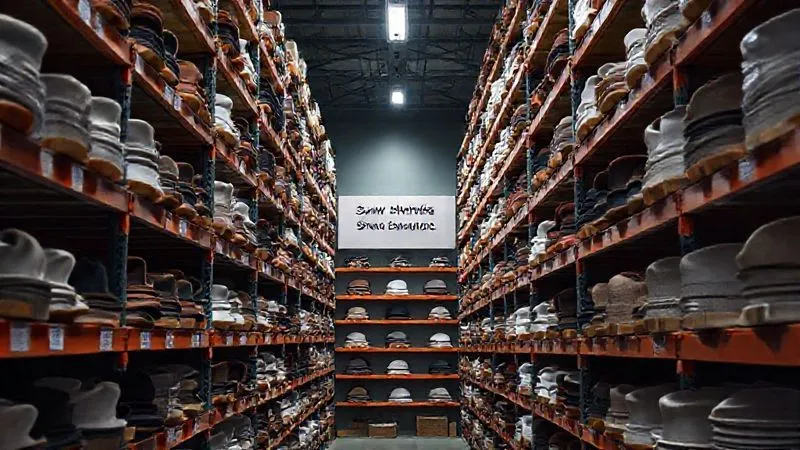
The sight of unsold seasonal hats can feel like a heavy weight, impacting cash flow, tying up valuable warehouse space, and frankly, dimming the sparkle of your brand. It’s a problem that can quickly snowball, turning a minor miscalculation into a significant financial drain if not addressed swiftly and strategically. I understand the frustration and the pressure to move that stock before it becomes obsolete.
But here's the good news: you’re not stuck. In this definitive guide, I'm going to share the exact frameworks, battle-tested strategies, and expert insights I’ve developed and witnessed in action to help you navigate this challenge. We’ll move beyond superficial discounts to explore actionable, impactful solutions for what to do when seasonal hat inventory isn't selling fast enough, transforming those stagnant shelves into opportunities for growth and learning.
Understanding the Inventory Iceberg: Why Hats Get Stuck
Before we dive into solutions, it’s crucial to understand the root causes. Often, the visible problem of unsold inventory is just the tip of a much larger iceberg. Identifying these underlying issues is the first step towards a sustainable fix.
The Pitfalls of Prediction
One of the biggest culprits in seasonal inventory woes is often a misjudgment in forecasting. Fashion is notoriously fickle, and hats, being highly trend-driven accessories, are particularly susceptible. Factors like unexpected weather patterns, sudden shifts in consumer tastes, or even global events can drastically alter demand for a specific style or color.
- Unpredictable Trends: A fedora that was hot last spring might be a non-starter this year.
- Weather Anomalies: A cold summer can decimate straw hat sales, just as a warm winter can leave beanies piling up.
- Supply Chain Issues: Over-ordering due to minimums or long lead times can exacerbate the problem.
Misaligned Marketing & Merchandising
Sometimes, the hats themselves aren't the problem; it's how they're presented and promoted. If your marketing isn't reaching the right audience, or if your in-store and online merchandising doesn't highlight their value and versatility, even the most stylish hats will struggle to find a home.
“Inventory isn't just a number on a spreadsheet; it's a story waiting to be told. If the story isn't compelling, the product won't move.”
This misalignment can manifest in poor product descriptions, uninspiring photography, or a lack of creative styling ideas that show customers how to integrate the hats into their wardrobes. It's about inspiring desire, not just offering a product.
Phase 1: Immediate Diagnostic & Data Deep Dive
When you realize your seasonal hat inventory isn't selling fast enough, the first step isn't to panic or slash prices indiscriminately. It's to become a detective. You need to understand precisely what's happening and why.
Analyze Sales Data & Customer Behavior
The numbers don't lie. Dig deep into your Point of Sale (POS) data and e-commerce analytics. Look beyond top-line sales figures.
- Identify Underperformers: Pinpoint specific SKUs that are moving slowly. Is it a particular style, color, size, or price point?
- Review Sales Velocity: Compare the current sales rate against historical data for similar items. How far off are you?
- Examine Customer Demographics: Are you attracting the right customers for these specific hats? Are they bouncing from product pages?
- Check Conversion Rates: Are people viewing the hats but not buying? This suggests a pricing, presentation, or perceived value issue.
Understanding these metrics is crucial for targeted interventions. For instance, a low conversion rate might indicate poor product photography, while a high bounce rate could signal a mismatch between your marketing message and the product itself.
| Metric | Current Season | Previous Season (Similar Item) | Variance |
|---|---|---|---|
| Sales Velocity (Units/Week) | 5 | 20 | -75% |
| Product Page Conversion Rate | 0.8% | 2.5% | -68% |
| Average Time on Page | 30s | 90s | -67% |
| Add-to-Cart Rate | 3% | 8% | -62.5% |
Assess Inventory Health & Ageing
Beyond sales, you need a clear picture of your physical inventory. How much do you have? How old is it? Where is it located?
- Quantity on Hand: Accurate stock counts are non-negotiable.
- Ageing Report: Categorize inventory by how long it's been in stock. The older it is, the more aggressive your strategy might need to be.
- Location: Is it sitting in a back storeroom or prominently displayed? Visibility matters.
This assessment helps you prioritize. Focus your efforts on the oldest, highest-quantity, and highest-value stagnant stock first.
Phase 2: Strategic Pricing & Promotion Overhaul
Once you know what you’re dealing with, it’s time to act. Price adjustments and promotions are often the first levers pulled, but they need to be strategic, not desperate.
Dynamic Pricing: Beyond Simple Discounts
Simply slapping a '50% off' sign on everything might move units, but it can also erode brand value and profit margins. Consider more nuanced approaches.
- Tiered Discounts: Offer increasing discounts for multiple purchases (e.g., 'Buy one, get 25% off the second').
- Flash Sales: Create urgency with short-duration, high-impact sales on specific styles.
- Customer Segmented Pricing: Offer exclusive discounts to loyal customers or those who previously showed interest but didn't convert.
- Loss Leaders: Price a few key stagnant items aggressively to drive foot traffic or website visits, hoping customers will purchase other full-price items.
The goal is to stimulate demand without devaluing your brand or setting a precedent for always waiting for sales.
Bundling & Value-Add Promotions
Instead of just reducing the price of the hat, increase its perceived value by pairing it with other items. This is a brilliant tactic when seasonal hat inventory isn't selling fast enough.
Case Study: 'Breeze & Beyond' Boutique
Breeze & Beyond, a small coastal boutique, found itself with an abundance of straw sun hats late in the season. Instead of deep discounts, they created 'Summer Escape Bundles.' They paired a slow-moving sun hat with a popular, lower-cost item like a stylish beach tote or a pair of trendy sunglasses. They also offered a free hat care kit with every purchase. This strategy not only moved nearly 70% of their excess hat inventory within three weeks but also boosted sales of the complementary items, achieving a 15% higher average transaction value than simple hat markdowns would have.

“Bundling isn't just about moving product; it's about creating an irresistible lifestyle package that adds value beyond the individual items.”
Consider pairing hats with scarves, gloves, t-shirts, or even gift cards for future purchases. The key is to create a compelling offer that makes the hat feel like a bonus, not a burden.
Phase 3: Creative Marketing & Merchandising Reimagination
Sometimes, the solution isn't about changing the price, but changing the narrative. How you present and market your hats can drastically impact their appeal.
Repositioning & Storytelling
Can you reframe the use case for your 'seasonal' hats? A winter beanie can become a 'cozy home accessory' for chilly mornings, or a straw hat can be 'your gardening companion' rather than just a beach item.
- New Photography: Shoot the hats in different, unexpected contexts. A sun hat in an urban setting, a winter hat on a cool indoor photoshoot.
- Highlight Versatility: Show how a single hat can be styled in multiple ways across different seasons or occasions.
- Focus on Craftsmanship/Sustainability: Shift the focus from seasonality to the enduring quality, ethical sourcing, or unique design elements.
- User-Generated Content (UGC) Campaigns: Encourage customers to share how they style your hats in unconventional ways.
This approach requires creativity but can breathe new life into stagnant stock without resorting to heavy discounts.
Collaborations & Pop-Ups
Think outside your usual retail space. Partnering with other businesses or creating temporary sales events can introduce your hats to a fresh audience.
- Cross-Promotional Events: Collaborate with local coffee shops, bookstores, or art galleries for joint promotions.
- Pop-Up Shops: Set up a temporary stall at local markets, festivals, or even within complementary businesses (e.g., a hat pop-up in a swimwear store for summer hats).
- Fashion Shows/Styling Workshops: Integrate hats into local fashion events or host workshops on 'How to Style Your Seasonal Hat' to create engagement and demonstrate value.
Leveraging Influencers & User-Generated Content
The power of social proof is immense. If your seasonal hat inventory isn't selling fast enough, sometimes all it takes is the right person wearing it.
Micro-influencers, who often have highly engaged niche audiences, can be incredibly effective. Send them free products in exchange for authentic posts showing how they wear your hats. Similarly, actively encourage and reshare user-generated content from your existing customers. A genuine testimonial or a stylish photo from a real person often resonates more than polished ad campaigns. According to Forbes, influencer marketing continues to be a crucial strategy for reaching engaged audiences and building brand trust.
Phase 4: Channel Diversification & Liquidation Strategies
Sometimes, despite your best efforts, certain items just won't move through your primary channels. It’s time to explore alternative avenues.
Exploring New Sales Channels
Don't limit yourself to your traditional storefront or e-commerce site. There's a vast world of potential buyers out there.
- Online Marketplaces: Consider selling on platforms like Etsy (for unique, artisanal hats), eBay, or even Amazon for broader reach.
- Off-Price Retailers/Outlets: Partner with stores specializing in discounted or clearance merchandise.
- Subscription Boxes: If appropriate, some hats might fit well into curated fashion or accessory subscription boxes.
- Wholesale to Niche Boutiques: Some smaller, specialized boutiques might be looking for unique, discounted items to round out their offerings.
Each channel has its own audience and pricing expectations, so tailor your approach accordingly. The goal here is to find new homes for your hats, even if it means accepting a lower margin.

Ethical Liquidation & Partnerships
When all else fails, or when you have a significant volume of unsellable stock, ethical liquidation is the responsible path. This isn't about throwing things away; it's about smart, sustainable disposal.
- Donation to Charities: Many charities accept new or gently used clothing and accessories. This is excellent for community relations and tax write-offs.
- Upcycling/Recycling Partnerships: Explore local artisans or organizations that can repurpose textile waste. A hat that isn't selling might find new life as part of a creative art project or a recycled material initiative.
- Employee Sales/Friends & Family: Offer internal sales at significant discounts. Your team might appreciate the perk, and it clears stock.
As Harvard Business Review emphasizes, sustainable business practices are increasingly important for brand reputation and long-term viability. Even in liquidation, aim for an approach that aligns with your brand's values.
Phase 5: Future-Proofing Your Inventory Management
The best way to address the problem of unsold seasonal hat inventory is to prevent it from happening in the first place. This requires a shift towards more agile and data-driven inventory practices.
Forecasting with AI & Advanced Analytics
Gone are the days of relying solely on gut feelings or basic spreadsheets. Modern inventory management leverages sophisticated tools.
- Predictive Analytics: Use AI-powered software to analyze historical sales data, market trends, social media sentiment, and even weather forecasts to create more accurate demand predictions.
- Scenario Planning: Run 'what-if' scenarios to understand the potential impact of different ordering decisions.
- Automated Reordering: Implement systems that can automatically suggest or execute reorders based on real-time sales and inventory levels.
Investing in these technologies can significantly reduce the risk of overstocking and ensure you have the right hats at the right time.
Agile Sourcing & Production
The traditional long lead times in fashion can be a major hurdle. Explore ways to become more nimble.
- Smaller Batch Production: Instead of one massive order, place smaller, more frequent orders. This allows you to test the market and react quickly to demand.
- Local Sourcing: If feasible, working with local manufacturers can drastically reduce lead times and shipping costs, allowing for greater flexibility.
- Drop Shipping/Made-to-Order: For certain unique or high-value items, consider models where the hat is produced or shipped only after a customer places an order, minimizing inventory risk.
As Deloitte highlights, supply chain agility is a cornerstone of resilience and responsiveness in today's volatile market.
| Aspect | Traditional Approach | Modern Approach |
|---|---|---|
| Forecasting Method | Historical Sales + Manual Adjustment | AI-Powered Predictive Analytics + Real-time Data |
| Production Model | Large Batch, Long Lead Times | Small Batch, Agile, Local Sourcing |
| Inventory Visibility | Periodic Manual Checks | Real-time, Integrated System Across Channels |
| Risk Management | Reactive Discounts | Proactive Scenario Planning + Diversified Channels |
Frequently Asked Questions (FAQ)
Q: How long should I wait before implementing a strategy for slow-moving hats? A: As soon as you identify a significant slowdown in sales velocity for a seasonal item, it's time to act. Don't wait until the season is completely over. Ideally, you should start planning interventions 2-4 weeks before the expected end of the season for that particular hat style to maximize your chances of recovery. Early intervention preserves more margin and reduces the need for drastic measures.
Q: Will heavy discounting damage my brand image in the long run? A: Potentially, yes. Consistent, deep discounting can train customers to wait for sales, eroding the perceived value of your full-price items. That's why I advocate for strategic promotions, bundling, and repositioning over blanket markdowns. If discounts are necessary, make them event-based, time-limited, or exclusive to specific customer segments to maintain an air of exclusivity and value.
Q: What's the most effective way to re-market a hat that isn't selling well? A: The most effective way is to change the narrative and visual context. Instead of showing the hat in its intended seasonal setting, photograph it in a new, unexpected way. Focus on its versatility, quality, or unique features that transcend seasonality. For example, a summer straw hat can be styled for a bohemian fall look with layered clothing, or a winter beanie shown as a chic accessory for indoor comfort. Storytelling around its craftsmanship or sustainable origin can also add new appeal.
Q: Should I completely avoid ordering highly seasonal or trendy hats in the future? A: Not necessarily. Highly seasonal or trendy hats can be excellent for driving excitement and capturing market share. The key is to manage the risk. Adopt an agile approach: order smaller initial quantities, monitor sales closely, and be prepared to reorder quickly if demand is high. Diversify your offerings with a mix of timeless classics and a limited selection of trendy items. This balances excitement with stability and ensures that what to do when seasonal hat inventory isn't selling fast enough becomes a less frequent question.
Q: How can I use customer feedback to prevent future inventory issues? A: Customer feedback is invaluable. Implement mechanisms like post-purchase surveys asking about satisfaction, product suggestions, and reasons for returns. Monitor social media comments and reviews for recurring themes. Engage with your sales staff, who are on the front lines and hear direct customer opinions. Use this qualitative data to inform your buying decisions, identify popular styles, and understand unmet needs, thereby improving future forecasting accuracy.
Key Takeaways and Final Thoughts
Navigating the challenges of unsold seasonal hat inventory is a rite of passage in fashion retail. It's a problem I've faced and helped countless businesses overcome. The journey requires a blend of data-driven analysis, creative marketing, strategic pricing, and a willingness to adapt.
- Act Swiftly & Strategically: Don't let inventory gather dust. Early intervention is key.
- Know Your Numbers: Dive deep into sales and inventory data to understand the 'why.'
- Innovate with Pricing: Move beyond simple discounts to value-add bundles and tiered offers.
- Reimagine Your Marketing: Reposition hats with new stories, visuals, and channels.
- Explore All Avenues: Diversify sales channels and consider ethical liquidation for true excess.
- Future-Proof Your Business: Invest in better forecasting and agile supply chain practices.
Remember, every challenge is an opportunity for growth. By implementing these strategies, you're not just moving hats; you're refining your business processes, strengthening your brand, and building a more resilient, responsive enterprise. So, take these insights, apply them with confidence, and turn those stagnant shelves into a springboard for your next successful season. You’ve got this.
Recommended Reading
- 7 Steps: Design Garments for Disassembly & Material Recovery
- Protecting Your Craft: 7 Steps When Artisan Jewelry Designs Are Copied
- Bridal Makeup That Lasts 15 Hours? Humidity-Proof Your Big Day!
- 7 Creative Ways to Revive Your Style When Outfit Ideas Run Dry
- 7 Steps: Rebuilding Luxury Brand Trust After a Scandal





Your email address will not be published. Required fields are marked *