

How to make bridal makeup last 15 hours in extreme humidity?
For over two decades in the dynamic world of beauty fashion, specializing in bridal makeup, I've witnessed firsthand the sheer joy on a bride's face – and, regrettably, the panic when her meticulously crafted look begins to falter. The stakes are incredibly high on a wedding day; every moment is captured, every glance cherished. A bride deserves to feel nothing short of absolute perfection, from the first kiss to the last dance.
Imagine planning for months, investing in a dream ensemble, only for your makeup to slide, crease, or melt away just a few hours in, especially when facing the relentless challenge of extreme humidity. It's a common nightmare for brides and a professional challenge for us artists. The combination of heat, moisture in the air, natural skin oils, and inevitable sweat creates a formidable foe against makeup longevity.
This isn't just about choosing 'waterproof' products; it’s about a holistic strategy, from meticulous skin preparation and strategic product layering to advanced application techniques and crucial environmental controls. I'm going to share the exact frameworks, product philosophies, and expert insights that I've honed over years to ensure bridal makeup not only survives but thrives for 15 hours, even in the most unforgiving climates. Prepare to build a truly bulletproof bridal look.
Understanding the Enemy: Humidity's Impact on Makeup
Before we dive into solutions, it's crucial to understand why humidity is such a formidable adversary for makeup. High humidity means there's a significant amount of water vapor in the air. This moisture interacts with your skin and your makeup products in several detrimental ways.
Firstly, it can cause your skin to feel suffocated, leading to increased natural oil production and sweating. These natural bodily responses are designed to regulate temperature, but they also act as potent solvents, breaking down makeup pigments and binders. The result? Foundation separation, a shiny T-zone, and a generally 'melted' appearance.
Secondly, the moisture in the air itself can prevent products from fully setting or can reactivate water-soluble components in your makeup, leading to smudging, creasing, and fading. Mascara might run, eyeliner might transfer, and even your perfectly applied lipstick can bleed. It’s a multi-faceted problem that demands a multi-pronged, strategic approach.
The Canvas is Key: Pre-Makeup Skin Prep for Longevity
In my experience, 80% of a long-lasting makeup look is determined before the first drop of foundation even touches the skin. Think of it like painting a masterpiece; you wouldn't start on a poorly prepared canvas. The skin is your canvas, and its condition dictates how well makeup adheres and endures.
Meticulous Cleansing and Toning
Start with a gentle yet effective cleanser to remove any impurities, excess oil, or residual products. Follow with a balancing toner. The goal is to create a clean, balanced surface. Avoid harsh astringents that can strip the skin, leading to overproduction of oil later.
Lightweight, Hydrating Moisturizer
Even oily skin needs hydration, especially in humidity. Dehydrated skin can produce more oil to compensate. Opt for a lightweight, oil-free, non-comedogenic gel or serum-based moisturizer that absorbs quickly. Allow it to fully sink in for at least 10-15 minutes before applying any other products. As dermatologists often emphasize, proper hydration is foundational to skin health and, by extension, makeup adherence.
The Power of Primer: Your Adhesion Anchor
This is non-negotiable for humidity. A high-performance primer creates a barrier between your skin and makeup, smooths texture, blurs pores, and most importantly, provides a 'grip' for your foundation. For extreme humidity, I favor silicone-based primers for their smoothing and blurring properties, or mattifying primers specifically designed to control oil.
| Primer Type | Key Benefit for Humidity | Ideal Skin Type | Application Note |
|---|---|---|---|
| Mattifying Primer | Controls excess oil, reduces shine, extends wear | Oily, Combination | Focus on T-zone |
| Silicone-Based Primer | Blurs pores, creates smooth canvas, makeup grip | All, especially textured | Apply sparingly, let set |
| Gripping/Hydrating Primer | Creates tacky surface for makeup adherence, adds light hydration | Normal, Dry (if not too heavy) | Press into skin, allow to become tacky |
Strategic Product Selection: The Humidity-Proof Arsenal
Choosing the right products is paramount. Forget 'dewy' or 'hydrating' foundations for a 15-hour humid wedding. We need long-wear, transfer-resistant, oil-free, and ideally, waterproof formulations. Think of your makeup bag as a specialized toolkit for extreme conditions.
Foundation & Concealer: The Unshakeable Base
Opt for an oil-free, full-coverage liquid foundation with a matte or natural-matte finish. Silicone-based formulas often offer superior longevity and resistance to water and sweat. Look for terms like '24-hour wear,' 'transfer-proof,' or 'sweat-resistant.' For concealer, choose a full-coverage, waterproof formula that sets quickly.
Powder Power: Setting and Baking for Hours
Translucent setting powder is your best friend. A micro-fine, finely milled powder is crucial as it won't look cakey. It sets liquid products, absorbs excess oil, and creates a matte finish. Baking (applying a generous layer of powder to oily areas like the T-zone and letting it sit before dusting off) is an advanced technique that provides an extra layer of oil control and longevity.
"In the battle against humidity, powder isn't just a finishing touch; it's a foundational shield. It locks everything in, creating a barrier that sweat and oil struggle to penetrate." - My personal mantra for humid climates.
Eye & Lip Endurance: Smudge-Proofing Your Features
-
Eyeshadow Primer: Always use an eyeshadow primer to prevent creasing and enhance shadow longevity and vibrancy.
-
Waterproof Mascara & Liner: This is non-negotiable. A truly waterproof mascara and a gel or liquid eyeliner that sets completely will prevent dreaded smudges and transfers.
-
Long-Wear Lip Products: Start with a lip primer. Outline and fill lips with a long-wear lip liner. Follow with a matte liquid lipstick, which tends to be the most transfer-resistant. If using traditional lipstick, blot, apply a thin layer of translucent powder, and reapply lipstick for a 'stain' effect.
Application Techniques for Extreme Durability: Building a Bulletproof Look
Even with the best products, flawed application can undermine everything. This is where the artistry and expertise really shine. It’s about building a resilient structure, layer by meticulous layer.
Layering Light: The Art of Thin Coats
Resist the urge to apply heavy layers of product. Thick layers are more prone to creasing, sliding, and feeling heavy in humidity. Instead, apply thin, well-blended layers, allowing each product to set slightly before moving to the next. This builds coverage and longevity without sacrificing comfort.
- Primer Application: Apply a pea-sized amount, pressing it into the skin, especially in oily areas. Allow 2-3 minutes to set.
- Foundation Application: Use a damp beauty sponge or a dense brush to press (not rub) thin layers of foundation onto the skin. Build coverage where needed.
- Concealer Application: Apply sparingly to areas needing extra coverage (under eyes, blemishes). Blend with a damp sponge, tapping gently.
- Setting Powder (Initial): Lightly dust translucent powder over the entire face with a fluffy brush to set liquid products.
- Baking (Optional but Recommended): Apply a generous amount of powder to the T-zone and under-eye area. Let it 'bake' for 5-10 minutes.
- Contour/Blush/Highlight: Use powder formulations over baked areas. If using cream products, ensure they are long-wear and applied before baking/heavy powder.
- Setting Powder (Final Dust): Lightly dust off any excess baking powder with a clean, fluffy brush.
The Power of Setting Sprays: More Than Just a Mist
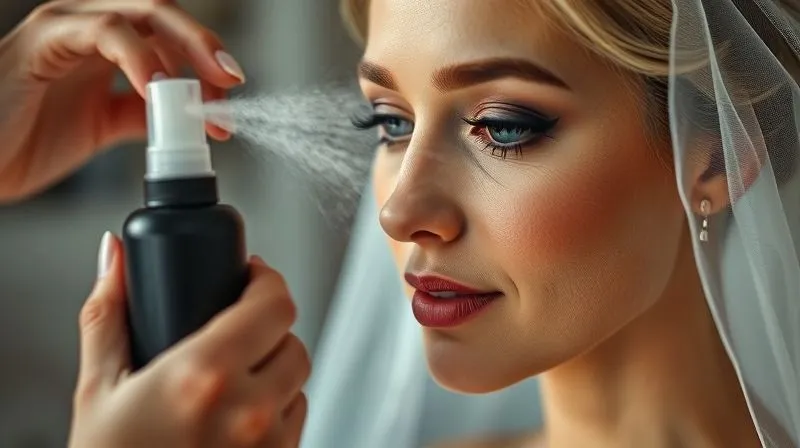
Not all setting sprays are created equal. For extreme humidity, you need a high-performance setting spray that contains film-forming polymers. These ingredients create a flexible, breathable barrier over your makeup, locking it in place and making it resistant to sweat and transfer. Think of it as a topcoat for your masterpiece.
I often use a 'sandwich' technique: a light mist after primer, another after foundation and concealer, and a final, generous spray once the entire look is complete. This multi-layered application ensures maximum adhesion and longevity. According to cosmetic chemists, these polymers are key to creating a lasting bond, forming an invisible mesh that holds pigments in place. Understanding the science behind these sprays is crucial for choosing the right one.
Strategic Blotting and Touch-Ups: Mid-Day Refresh
Even the most resilient makeup might need a little help after 8-10 hours in extreme humidity. Equip the bride with a small touch-up kit containing:
- Blotting Papers: These are essential. Gently press, don't rub, blotting papers onto oily areas to absorb excess shine without disturbing makeup.
- Pressed Powder (Optional): A very finely milled pressed powder can be used sparingly with a puff to touch up areas after blotting, but use with caution to avoid caking.
- Lipstick/Gloss: For reapplication.
Instruct the bride to avoid touching her face, rubbing her eyes, or wiping sweat. Dabbing gently is key.
Beyond the Products: Environmental Controls and Client Briefing
While products and techniques are critical, external factors and clear communication play a significant role in achieving 15-hour wear in humidity.
Optimizing the Bridal Suite Environment
On the wedding day, ensure the bridal suite or preparation area is cool and air-conditioned. Humidity can start affecting the makeup even before the bride leaves the room. Keep windows closed and the AC running at a comfortable, cool temperature. This allows products to set properly without immediate exposure to the elements.
Strategic Scheduling and Photography
If possible, advise on scheduling outdoor photography during cooler parts of the day, such as early morning or late afternoon, to avoid peak humidity and direct scorching sun. Brief the photographer to be mindful of the bride’s comfort and potential for overheating.
Client Education and Expectations
As the artist, it's my responsibility to educate the bride. Explain the techniques and products used and why. Provide clear instructions on how to blot, not wipe, and how to use her touch-up kit. Manage expectations: while we can achieve incredible longevity, 15 hours in extreme humidity is a marathon, not a sprint, and minor touch-ups are a sign of preparedness, not failure.
Case Study: Sarah's Beach Wedding in Bali
Case Study: Sarah's Beach Wedding in Bali
I recall a destination wedding for a client, Sarah, in Bali. The forecast was relentless: 90% humidity with temperatures soaring to 30°C (86°F), and a ceremony planned for late afternoon on the beach, followed by an outdoor reception. Sarah was naturally concerned about her makeup lasting through 15+ hours of celebration. My strategy was comprehensive:
- Pre-Consultation: We discussed her skin type (combination/oily) and tailored a skincare regimen for the weeks leading up, focusing on oil control and hydration.
- Product Selection: I opted for a full arsenal of silicone-based, oil-free, transfer-proof products, from primer to foundation, using a high-performance setting spray with heavy-duty film-forming polymers.
- Application: I employed the 'sandwich' setting spray technique and meticulous baking in her T-zone. Every layer was thin and pressed into the skin.
- Environmental Control: The bridal villa was kept arctic-cold during prep. I even had a small, portable fan to help set each layer of product.
- Touch-Up Kit: Sarah received a custom kit with blotting papers, a mini translucent pressed powder, and her liquid lipstick.
The Result: Sarah's makeup looked pristine for her sunset ceremony, endured through tearful vows, a lively outdoor reception, and even a dip in the pool (a spontaneous, joyful moment she told me about later!). When I saw photos from the after-party at 1 AM, over 16 hours after application, her makeup was still remarkably intact, a testament to the power of a strategic, holistic approach. She later told me, "I felt like a goddess, completely confident my makeup wouldn't budge. It was one less thing to worry about."
| Problem in Humidity | Expert Solution |
|---|---|
| Foundation separation/sliding | Oil-free, silicone-based foundation; thin layers; mattifying primer; baking |
| Mascara/Eyeliner smudging | Waterproof mascara/liner; eyeshadow primer; setting spray |
| Shiny T-zone/excess oil | Mattifying primer; translucent setting powder; blotting papers |
| Lipstick bleeding/fading | Lip primer; long-wear liquid lipstick; lip liner; powder over traditional lipstick |
Debunking Common Myths: What NOT to Do for Long-Lasting Makeup
Just as important as knowing what to do is understanding what common practices can actually hinder your efforts in humid conditions.
Myth 1: More Powder Equals More Longevity
Reality: Over-powdering can lead to a cakey, heavy look, especially as humidity mixes with sweat and oil. While powder is crucial, excessive application can settle into fine lines and pores, making makeup look older and more obvious. Focus on strategic, light layers and baking where truly needed, rather than a thick blanket over the entire face.
Myth 2: Heavy Moisturizers Provide a Better Base
Reality: Rich, heavy, or greasy moisturizers, while wonderful for dry skin, are counterproductive in humidity. They create a slick surface that makeup struggles to adhere to, encouraging sliding and breakdown. Always opt for lightweight, oil-free formulas that absorb completely.
Myth 3: Skipping Primer to 'Let Skin Breathe'
Reality: In extreme humidity, skipping primer is akin to building a house without a foundation. Primer is your essential barrier and grip. Modern primers are formulated to be lightweight and non-comedogenic; they don't suffocate the skin but rather protect it and ensure makeup longevity. The benefits of primer far outweigh any perceived 'breathing' concerns in this context.
Myth 4: Relying Solely on 'Waterproof' Labels
Reality: While 'waterproof' is a good indicator, it's not the only factor. Many products are water-resistant but not necessarily sweat-proof or oil-proof. Look for a combination of attributes: 'long-wear,' 'transfer-resistant,' 'oil-free,' and 'sweat-proof' to truly combat humidity.
The Expert's Toolkit: Must-Have Products I Swear By
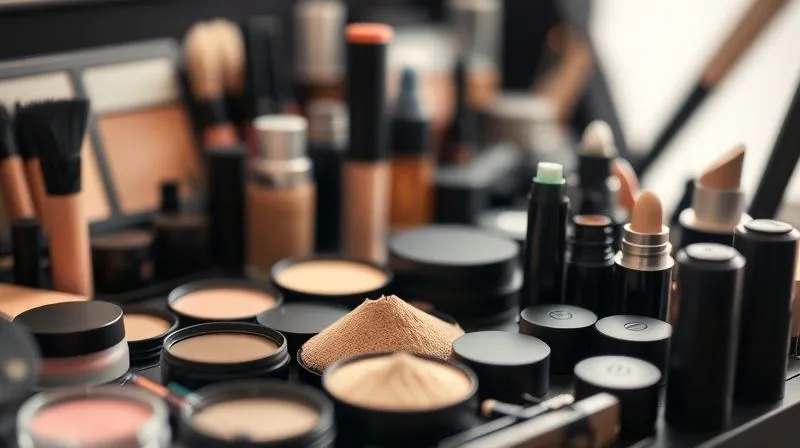
While I won't name specific brands, I can guide you on the types of products that consistently deliver under pressure. These are the workhorses in my kit for any bride facing extreme humidity:
- High-Performance Silicone-Based Primer: One that creates a smooth, almost velvety canvas, blurring imperfections and creating a tacky grip for foundation.
- Full-Coverage, Oil-Free, Matte Foundation: Look for formulas with a high concentration of pigments and film-forming agents that are designed to resist sweat and transfer.
- Micro-Fine Translucent Setting Powder: The finer the mill, the less detectable it is. Essential for setting liquids and controlling shine without adding texture.
- Waterproof Gel Eyeliner: A true gel formula that sets to an immovable, smudge-proof finish within seconds.
- Long-Wear Liquid Lipstick with Transfer-Proof Technology: These formulas, once dry, typically do not budge, offering unparalleled longevity.
- High-Performance Setting Spray with Film-Forming Agents: A spray that feels like it's creating an invisible, flexible shield over the makeup, not just a refreshing mist.
- Oil-Absorbing Blotting Papers: Simple, effective, and essential for mid-day touch-ups without adding more product.
Frequently Asked Questions (FAQ)
Q: Can I really achieve 15 hours of wear in 90% humidity? A: Yes, with the right combination of products and techniques, it's absolutely achievable. It's about building resilience into every layer of your makeup. While no makeup is truly 100% impervious to all conditions, the strategies outlined here significantly maximize longevity and resistance to heat and moisture. Success hinges on meticulous preparation and strategic product choices.
Q: What's the biggest mistake brides (or artists) make in humid conditions? A: Often, it's either over-hydrating the skin with rich, heavy moisturizers that prevent makeup from adhering, or using too many dewy/luminous products that break down quickly under heat and moisture. Another common error is underestimating the power of a truly effective setting spray or skipping it altogether. These seemingly small choices can dramatically impact overall wear time.
Q: How do I handle touch-ups without disturbing the base? A: The key is blotting, not wiping. Gently press blotting papers onto oily areas to absorb excess shine. If needed, a tiny amount of finely milled pressed powder can be pressed on with a puff or a small brush, but avoid rubbing or swiping, which can lift the underlying makeup. For lipstick, reapply directly. Less is always more when touching up in humidity.
Q: Are natural/organic makeup products suitable for extreme humidity? A: While the natural and organic beauty industry has made significant strides, many traditional long-wear, silicone-based, and film-forming formulas often offer superior longevity and humidity resistance due to their synthetic polymer structures. For 15-hour wear in extreme conditions, I typically lean towards high-performance conventional products that are specifically engineered for durability. If a bride insists on natural products, managing expectations regarding longevity is crucial.
Q: Should I avoid SPF in my foundation for humid weddings? A: While high SPF (especially physical sunscreens like zinc oxide and titanium dioxide) can sometimes cause flashback in flash photography and potentially feel heavier, a moderate SPF (up to 30) in modern chemical formulas is often fine. However, for extreme longevity and humidity, focus on a foundation specifically designed for long-wear without heavy SPF, and ensure your primer is also non-flashback. If sun protection is a major concern, a lightweight, non-comedogenic SPF applied *under* your primer is often a better strategy than relying on SPF in makeup for humid conditions, as it allows for better product layering.
Key Takeaways and Final Thoughts
Achieving bridal makeup that lasts 15 hours in extreme humidity is not a stroke of luck; it's a meticulously planned and executed strategy. As an experienced industry specialist, I've seen these principles transform a bride's confidence, ensuring her beauty endures as flawlessly as her memories.
- Preparation is Paramount: A clean, balanced, and properly primed canvas is the non-negotiable first step.
- Product Selection Matters: Choose oil-free, long-wear, transfer-resistant, and waterproof formulations specifically designed for durability.
- Technique is Everything: Master the art of thin layers, strategic setting, and the power of film-forming setting sprays.
- Control the Environment: A cool, dry prep area and smart scheduling can make a significant difference.
- Educate and Empower: Equip the bride with the knowledge and tools for subtle, effective touch-ups.
Your wedding day is a once-in-a-lifetime event, and your makeup should reflect that enduring beauty, regardless of the weather. By embracing these expert-level strategies, you're not just applying makeup; you're building a resilient, radiant vision that will withstand the elements and shine brightly through every cherished moment. Go forth and create unforgettable, humidity-proof bridal looks!
Recommended Reading
- 7 Ethical Scaling Strategies: Grow Your Fair Trade Apparel Brand Sustainably
- Unlock Effortless Elegance: How to Master Casual Chic Style for Any Occasion
- Dazzle on Your Day: Choosing the Best Jewelry for Strapless Dresses
- Mastering Costume Longevity: 7 Ways to Beat Stage Lighting Damage
- Unlock the Secrets: How to Create Dramatic Fashion Photography Lighting Outdoors?

Your email address will not be published. Required fields are marked *