

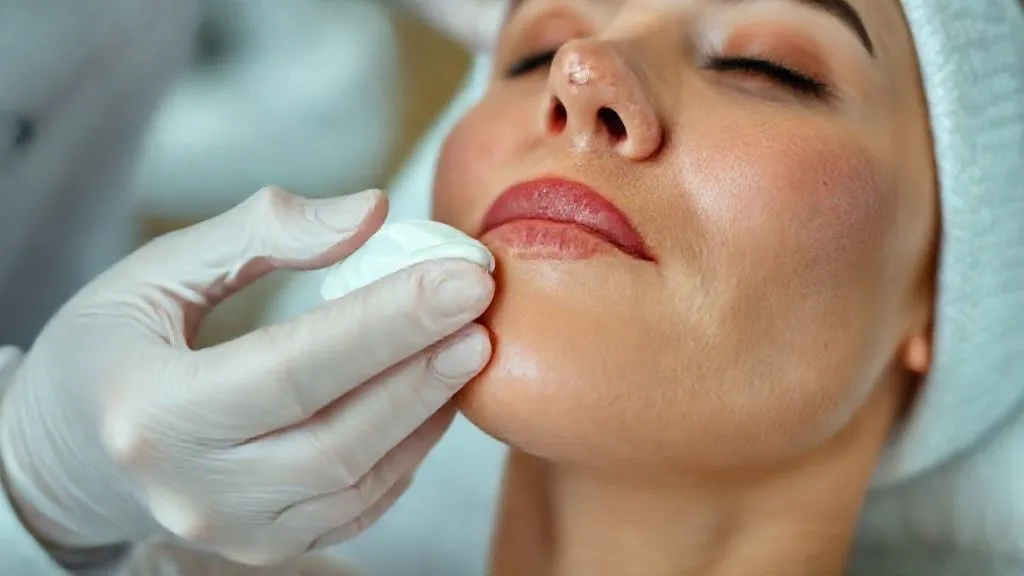
Urgent: How to Fix Client's Post-Treatment Anti-Aging Skin Irritation?
For over 15 years in the beauty and aesthetics industry, I've witnessed firsthand the delicate balance between achieving transformative anti-aging results and navigating the occasional, yet inevitable, post-treatment complications. There's a particular knot in the stomach that forms when a client presents with unexpected irritation after a procedure meant to rejuvenate their skin.
This isn't just about a minor redness; we're talking about discomfort, inflammation, and sometimes, genuine distress for both the client and the practitioner. It's a critical moment that can either solidify trust or erode it entirely, making swift, knowledgeable intervention absolutely paramount.
In this definitive guide, I'll share my proven, step-by-step framework to effectively address and resolve post-treatment anti-aging skin irritation. You'll gain expert insights, actionable strategies, and the confidence to not only fix the immediate problem but also strengthen client relationships and refine your protocols for future success.
1. Immediate Assessment: The First 15 Minutes Are Crucial
When a client contacts you with post-treatment irritation, the initial response sets the tone. Panic is not an option; a calm, methodical approach is. My first rule is always to gather as much information as possible without causing further alarm.
Identifying the Type and Severity of Irritation
Not all irritation is created equal. Is it mild redness, persistent itching, swelling, or even blistering? Understanding the specific symptoms helps determine the urgency and appropriate course of action. I always ask for clear, well-lit photographs if the client cannot come in immediately.
- Visual Inspection (if possible): Look for erythema (redness), edema (swelling), papules (small bumps), vesicles (small blisters), or pustules (pus-filled bumps). Note the distribution and severity.
- Client Feedback: Ask specific questions about sensations – burning, itching, stinging, tightness, pain. When did it start? Has it worsened? What, if anything, have they applied since the treatment?
- Treatment Review: Cross-reference with the exact procedure performed, products used, and client's pre-treatment history (allergies, sensitivities, medications).
- Rule Out Allergic Reaction: Differentiate between irritation (a localized, non-immune response) and an allergic reaction (immune-mediated, often more widespread and severe, potentially involving hives or difficulty breathing – requiring immediate medical attention).
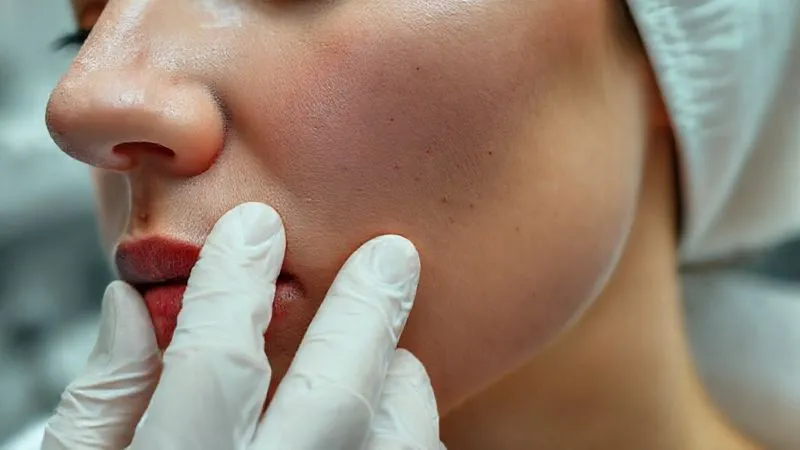
It's vital to categorize the irritation quickly to guide your next steps. For instance, a mild, generalized redness with slight warmth is often expected after certain anti-aging procedures like chemical peels or microneedling, but persistent burning or blistering is a red flag.
2. Calming the Storm: Gentle Cleansing and Soothing Agents
Once you've assessed the situation, the immediate priority is to alleviate discomfort and prevent further aggravation. This often involves guiding the client through a gentle, minimalist skincare regimen.
Recommended Ingredients and Formulations
The goal here is to reduce inflammation and provide comfort without introducing new potential irritants. Think 'less is more' and prioritize hypoallergenic, fragrance-free, and non-comedogenic formulations.
- Cool Compresses: Advise applying cool (not icy) compresses to the affected area for 10-15 minutes, several times a day. This helps reduce heat and inflammation.
- Gentle Cleansing: Instruct the client to use only a mild, pH-balanced, non-foaming cleanser. They should cleanse with lukewarm water and pat dry with a soft, clean cloth. Aggressive scrubbing or hot water will exacerbate the issue.
- Soothing Serums/Gels: Recommend products containing ingredients known for their calming properties. These include:
- Aloe Vera: A natural anti-inflammatory and hydrator.
- Centella Asiatica (Cica): Known for wound healing and soothing properties.
- Chamomile/Bisabolol: Potent anti-inflammatory agents.
- Oat Extract: Colloidal oatmeal is a well-documented skin protectant and anti-itch agent.
- Allantoin: Soothes and protects the skin.
- Avoid Active Ingredients: Crucially, instruct the client to cease all use of retinoids, AHAs/BHAs, Vitamin C, and any other active anti-aging ingredients until the irritation has completely resolved.
"In my experience, the biggest mistake clients make when their skin is irritated is over-treating it with more active products. Simplicity and gentle care are your strongest allies in the initial recovery phase."
3. Barrier Repair: Rebuilding Skin's Defenses
Many anti-aging treatments, by design, temporarily compromise the skin's natural barrier to stimulate renewal. When irritation occurs, it often signifies an impaired barrier that needs urgent repair. A healthy skin barrier is crucial for preventing moisture loss and protecting against environmental aggressors.
Key Ceramides, Fatty Acids, and Humectants
Focus on emollients that mimic the skin's natural lipid structure. These ingredients help to 'patch up' the compromised barrier, reducing transepidermal water loss (TEWL) and enhancing resilience.
Case Study: How Sarah Restored Her Barrier Post-IPL
Case Study: How Sarah Restored Her Barrier Post-IPL
Sarah, a 42-year-old client, experienced persistent dryness, flaking, and heightened sensitivity after an Intense Pulsed Light (IPL) treatment for sunspots. Her skin felt tight and uncomfortable, even weeks after the procedure. I advised her to switch to a barrier-repair focused regimen. This involved a gentle, ceramide-rich cleanser and a moisturizer containing a blend of ceramides, cholesterol, and fatty acids applied twice daily. We also incorporated a hyaluronic acid serum for hydration. Within two weeks, Sarah reported a significant reduction in dryness and sensitivity, and her skin barrier felt noticeably stronger. This resulted in a full recovery and successful continuation of her anti-aging journey.
Look for products that combine these essential components to provide comprehensive barrier support:
- Ceramides: These are lipid molecules found naturally in high concentrations within the cell membranes in the uppermost layer of the skin. They are essential for holding skin cells together, forming a protective layer that plumps the skin and retains moisture.
- Fatty Acids (e.g., Linoleic Acid, Oleic Acid): Crucial for maintaining skin integrity and flexibility, they work synergistically with ceramides and cholesterol.
- Cholesterol: Another vital lipid component of the skin barrier, working with ceramides and fatty acids to strengthen the skin's protective layer.
- Humectants (e.g., Hyaluronic Acid, Glycerin): These draw moisture from the air into the skin, providing crucial hydration to aid the healing process.
| Ingredient | Benefit | Application |
|---|---|---|
| Ceramides | Restores lipid barrier, prevents moisture loss | Daily moisturizer, serums |
| Hyaluronic Acid | Deep hydration, plumps skin | Hydrating serums, mists |
| Centella Asiatica (Cica) | Anti-inflammatory, wound healing | Soothing creams, balms |
| Niacinamide (Vitamin B3) | Reduces redness, strengthens barrier | Low-concentration serums (once irritation subsides) |
4. Anti-Inflammatory Strategies: Beyond Topical Creams
While topical treatments are crucial, addressing inflammation holistically can significantly accelerate recovery. I've found that considering systemic factors can make a profound difference, especially in persistent cases.
Oral Supplements and Lifestyle Adjustments
Sometimes, what we put inside our bodies is just as important as what we put on our skin. Certain supplements and lifestyle changes can bolster the body's natural anti-inflammatory responses.
- Omega-3 Fatty Acids: Found in fish oil or flaxseed oil, these are powerful anti-inflammatory agents that can help reduce systemic inflammation, which in turn can calm skin irritation. According to a study published in the Journal of Clinical and Aesthetic Dermatology, Omega-3s can play a role in maintaining skin health and reducing inflammatory responses.
- Vitamin D: Often deficient, Vitamin D plays a role in immune function and skin barrier health. Supplementation, under guidance, can be beneficial.
- Probiotics: A healthy gut microbiome is increasingly linked to skin health. Probiotic supplements or fermented foods can support this balance, potentially reducing skin inflammation.
- Hydration: Encourage clients to drink plenty of water. Dehydrated skin is more prone to irritation and takes longer to heal.
- Dietary Modifications: Advise avoiding inflammatory foods such as highly processed items, excessive sugar, and sometimes dairy or gluten, if the client suspects a sensitivity. Focus on anti-inflammatory foods like berries, leafy greens, and lean proteins.
- Stress Reduction: Stress can exacerbate skin conditions. Encourage relaxation techniques like meditation, deep breathing, or gentle exercise.
"True skin healing isn't just skin deep. It's a symphony of external care, internal nourishment, and emotional well-being. Neglecting any one of these can prolong recovery."
5. Managing Expectations and Communication: Building Trust During Crisis
A client experiencing post-treatment irritation is often anxious and needs reassurance. Your communication during this time is as critical as your treatment protocol. It's an opportunity to demonstrate your professionalism, empathy, and expertise.
Transparent Communication Protocols
Honesty, clarity, and consistent follow-up are paramount. Never downplay their concerns. Instead, validate their feelings and provide a clear path forward.
- Acknowledge and Empathize: Start by acknowledging their discomfort and reassuring them that their feelings are valid. Phrases like, "I understand this is concerning, and I'm here to help you through it," are powerful.
- Explain the Situation: Briefly explain what might be happening in their skin in simple terms. Avoid jargon. For example, "Your skin barrier might be temporarily compromised, which is why it feels sensitive."
- Outline the Action Plan: Clearly describe the steps you're recommending (e.g., "First, we'll focus on calming the inflammation, then on repairing your skin barrier..."). Provide written instructions if possible.
- Set Realistic Expectations: Be honest about the recovery timeline. Some irritation resolves in days, others may take weeks. Avoid making promises you can't keep.
- Regular Follow-Up: Schedule check-ins. This could be a phone call, a quick video consultation, or an in-person visit within 24-48 hours. Consistent follow-up shows you care and are monitoring their progress.
- When to Escalate: Clearly communicate when they should contact you immediately or seek medical attention (e.g., signs of infection, severe pain, spreading rash). Referrals to dermatologists are sometimes necessary and demonstrate responsible practice. For further guidance on client communication, refer to industry standards on client relationship management and empathy.
6. Adjunctive Therapies: When to Consider Advanced Support
For more stubborn or severe cases of irritation, or to accelerate healing, certain in-clinic adjunctive therapies can be incredibly beneficial. These should only be considered after the initial acute phase of inflammation has settled and the skin barrier is beginning to stabilize.
LED Therapy, Lymphatic Drainage, and Professional Modalities
These treatments work to support the skin's natural healing processes and reduce inflammation at a deeper level.
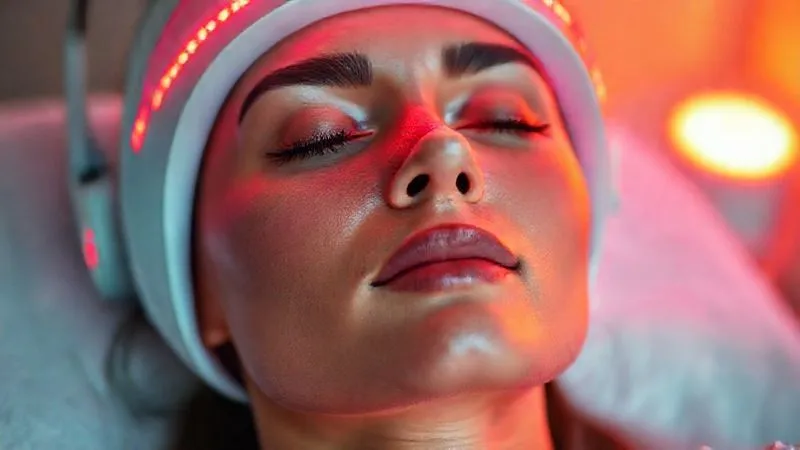
- LED Light Therapy (Low-Level Light Therapy - LLLT): Red and near-infrared LED light are renowned for their anti-inflammatory and wound-healing properties. Red light (630-700 nm) can help calm redness and stimulate cellular repair, while near-infrared (800-1000 nm) penetrates deeper to reduce pain and inflammation. This is a non-invasive, gentle option that I frequently recommend.
- Professional Lymphatic Drainage Massage: Gentle massage techniques can help reduce swelling and improve circulation, facilitating the removal of inflammatory byproducts and promoting healing. This must be performed by a trained professional and with extreme gentleness on irritated skin.
- Oxygen Therapy: Topical oxygen treatments can enhance cellular metabolism and accelerate the healing process, especially for compromised skin.
- Sterile, Calming Masks: In-clinic application of professional-grade, sterile, and intensely soothing masks (e.g., hydrogel masks infused with Cica or hyaluronic acid) can provide immediate relief and deep hydration.
Always assess the client's skin tolerance before introducing any new therapy. The goal is to assist healing, not to overwhelm already compromised skin. These modalities are particularly useful for persistent redness or delayed healing after more aggressive anti-aging treatments.
7. Preventative Measures: Learning from Every Incident
Every instance of post-treatment irritation, even resolved, is a learning opportunity. Refining your protocols and client education is key to minimizing future occurrences and enhancing client safety and satisfaction.
Pre-Treatment Protocols and Client Education
Prevention is always better than cure. A robust pre-treatment consultation and clear client instructions are your first line of defense against irritation.
- Thorough Consultation: Go beyond standard forms. Ask detailed questions about lifestyle, medications (including supplements), recent sun exposure, previous reactions to treatments or products, and any underlying health conditions.
- Patch Testing: For new products or treatments, especially those involving strong actives, consider a patch test on a discreet area of skin (e.g., behind the ear or inner forearm) at least 48-72 hours prior to full application.
- Pre-Treatment Skin Conditioning: For certain aggressive treatments, advise clients to prep their skin with barrier-strengthening ingredients (like ceramides or niacinamide) for a few weeks prior.
- Clear Aftercare Instructions: Provide detailed, written aftercare instructions. Explain what to expect (normal reactions) and what constitutes a concern (signs of irritation). Emphasize avoiding sun exposure, harsh cleansers, and active ingredients post-treatment.
- Product Recommendations: Be proactive in recommending appropriate post-procedure products (cleanser, moisturizer, SPF) that are specifically formulated for compromised skin.
- Follow-Up Protocol: Establish a clear follow-up schedule and instruct clients on how and when to contact you if they experience issues. This proactive approach builds confidence. For comprehensive best practices, refer to professional aesthetician guidelines from organizations like Aesthetician Education Resources.
| Action Step | Benefit | Implementation |
|---|---|---|
| Comprehensive Client Intake | Identifies potential risks and sensitivities | Detailed questionnaire, verbal consultation |
| Mandatory Patch Testing | Prevents widespread allergic/irritant reactions | 48-72 hr prior, discreet skin area |
| Pre-Conditioning Protocols | Strengthens skin barrier before treatment | Barrier-supportive skincare 2-4 weeks prior |
| Detailed Post-Care Instructions | Guides client for optimal healing & avoids complications | Written handout, verbal review, product recommendations |
Long-Term Recovery & Follow-Up
The journey doesn't end when the immediate irritation subsides. Long-term recovery involves carefully reintroducing active ingredients and ensuring the skin barrier remains robust. I always advise a gradual approach, starting with lower concentrations and less frequent applications, slowly building up as the skin adapts.
Monitoring Progress and Adapting Regimens
Regular check-ins, even brief ones, help you monitor the client's progress and adjust their at-home regimen. This might mean slowly incorporating a gentle antioxidant serum before reintroducing a mild retinoid. Education on sun protection is also paramount, as irritated skin is more susceptible to UV damage and post-inflammatory hyperpigmentation.
"Patience and consistent, gentle care are the unsung heroes of skin recovery. Rushing the process often leads to setbacks and further frustration for the client."
By implementing these strategies, you're not just fixing a problem; you're demonstrating unparalleled expertise and building unwavering trust with your clients. This urgent situation becomes an opportunity to showcase your commitment to their skin health and well-being.
Frequently Asked Questions (FAQ)
Q: How long should a client expect post-treatment irritation to last? A: The duration varies greatly depending on the treatment performed and the individual's skin sensitivity. Mild redness and warmth after a chemical peel might subside within 24-48 hours, while more intense treatments like ablative lasers could cause irritation for a week or more. If irritation persists beyond the expected downtime or worsens, immediate consultation is necessary.
Q: Can I use hydrocortisone cream for post-treatment irritation? A: Over-the-counter hydrocortisone (1%) can provide temporary relief for mild irritation and itching. However, it should be used sparingly (no more than a few days) and under professional guidance, as prolonged use can thin the skin and cause other side effects. For severe reactions, a dermatologist may prescribe stronger topical corticosteroids. Always consult before recommending.
Q: When should I refer my client to a dermatologist? A: You should refer a client to a dermatologist immediately if they exhibit signs of infection (pus, fever, severe pain, spreading redness), severe allergic reaction (hives, difficulty breathing), blistering, persistent or worsening pain, or if the irritation does not show signs of improvement with your recommended soothing protocol within a few days. Trust your judgment; when in doubt, refer.
Q: Is it normal for skin to peel after anti-aging treatments, and how is that different from irritation? A: Peeling is a common and often expected outcome of many anti-aging treatments like chemical peels or retinoid applications, indicating cellular turnover. Irritation, however, involves discomfort, excessive redness, burning, itching, or swelling beyond what is considered a normal, controlled inflammatory response. While both involve skin changes, irritation signifies a compromised or overstimulated response.
Q: Can diet or stress impact post-treatment healing and irritation? A: Absolutely. Systemic inflammation, often influenced by diet high in processed foods or sugar, can prolong healing and exacerbate irritation. Similarly, chronic stress can impair the immune system and skin barrier function, making the skin more reactive and slower to recover. Encouraging a healthy lifestyle is a crucial part of holistic post-treatment care.
Key Takeaways and Final Thoughts
- Assess Immediately & Accurately: Differentiate between normal post-treatment reactions and genuine irritation.
- Prioritize Soothing & Barrier Repair: Use gentle, non-irritating products rich in ceramides, fatty acids, and humectants.
- Communicate with Empathy & Clarity: Reassure your client, set realistic expectations, and provide clear aftercare instructions.
- Consider Adjunctive Therapies: LED light therapy and lymphatic drainage can accelerate healing for persistent issues.
- Focus on Prevention: Thorough consultations and detailed aftercare are your best defense against future complications.
Addressing urgent post-treatment anti-aging skin irritation is a test of your expertise and commitment. By following these structured, empathetic, and evidence-based steps, you not only resolve immediate discomfort but also reinforce your reputation as a trusted, skilled professional. Embrace these moments as opportunities to deepen client relationships and continuously refine your practice for truly exceptional results.
Recommended Reading
- Decoding Meticulous Tailoring: 7 Pillars of Haute Couture Perfection
- Unlock Your Star Style: How to Choose Celebrity Eyewear for Your Face Shape
- 7 Proven Strategies: Bio-Based Fashion Textiles & Performance Standards
- 7 Proactive Steps: Prevent Unsafe Kids Accessory Product Recalls
- Budget Brilliance: 7 Expert Ways to Source Authentic Historical Costume Materials


Your email address will not be published. Required fields are marked *