

The Art of Meticulous Tailoring: A Master Tailor's Perspective
For over two decades in the rarefied world of haute couture, I've had the immense privilege—and sometimes the challenge—of witnessing garments come to life, stitch by painstaking stitch. From the initial sketch to the final fitting, the journey of a truly exceptional piece is a testament to dedication, skill, and an unwavering commitment to perfection. This is where the concept of meticulous tailoring doesn't just apply; it defines the very essence of what we do.
Often, the term 'tailoring' is thrown around casually, implying a good fit or a neat seam. But in haute couture, it transcends mere construction. The true problem I frequently observe is a lack of deep understanding regarding the invisible architecture, the silent poetry of precision that elevates a garment from well-made to a wearable masterpiece. Without this meticulous approach, even the most beautiful design can fall flat, lacking the soul and integrity that defines true luxury.
Today, I want to pull back the curtain and share with you the foundational pillars of meticulous tailoring. We'll explore not just the techniques, but the philosophy, the mindset, and the actionable frameworks that distinguish the exceptional from the merely good. Prepare to gain an expert's insight into the artistry that makes a garment sing, offering you a new lens through which to appreciate and demand sartorial excellence.
Understanding the Foundation: Pattern Making as Blueprint
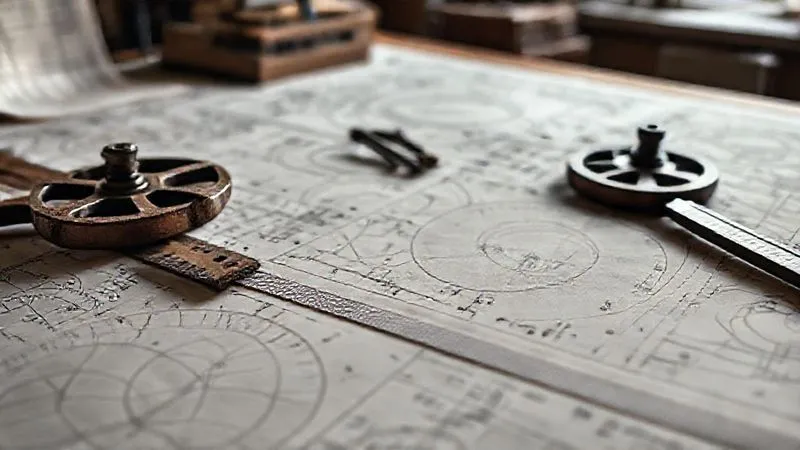
Every magnificent structure begins with an impeccable blueprint, and in haute couture, that blueprint is the pattern. I've always seen pattern making as the silent language between the designer's vision and the tailor's execution. Without a flawless pattern, even the most skilled hands are building on shaky ground. It's the critical first step in meticulous tailoring, dictating every curve, every seam, every proportion of the final garment.
The Geometry of Fit: Precision in Two Dimensions
The mastery of pattern making lies in its ability to translate a three-dimensional form—the human body—into a series of two-dimensional shapes that, when reassembled, perfectly envelop and enhance that form. This isn't just about taking measurements; it's about understanding anatomy, movement, and drape. I recall countless hours spent refining a single sleeve pattern, adjusting fractions of an inch, knowing that these minute changes would profoundly impact the garment's comfort and silhouette.
"A pattern is not just a guide; it is the garment's DNA. Any compromise here will ripple through every subsequent stage of creation, ultimately compromising the meticulous tailoring we strive for."
For a couturier, the process often involves creating a toile—a mock-up made from inexpensive fabric—to test the pattern's accuracy on the client's body. This iterative process allows for adjustments before any precious material is cut. It's a testament to the commitment to perfection that defines our craft, ensuring that the final garment embodies precision from its very inception.
Fabric as the Soul: Selection and Preparation
If the pattern is the blueprint, then the fabric is undeniably the soul of the garment. In the realm of haute couture, the choice of material is never an afterthought; it is a fundamental design decision that profoundly impacts the drape, texture, and longevity of the finished piece. I've always taught that understanding your fabric is as crucial as understanding your client's body. It's an indispensable element of meticulous tailoring.
The Dialogue Between Fabric and Form: Understanding Materiality
Each fabric possesses its own unique characteristics: its weight, drape, sheen, and how it responds to manipulation. A stiff duchess satin will hold architectural forms, while a fluid silk charmeuse demands bias cuts and soft contours. Ignoring these inherent qualities is a rookie mistake. We must listen to the fabric, allowing its natural tendencies to inform our design and construction decisions. This intuition comes from years of working with diverse materials, understanding their nuances and potential.
- Silk: Known for its luxurious feel, natural sheen, and excellent drape. Requires delicate handling and specialized stitching techniques.
- Wool Crepe: Offers beautiful drape and resilience, ideal for structured yet flowing designs, often used in elegant suiting.
- Brocade: Richly patterned woven fabric, often used for formal wear, demanding careful pattern matching and robust seam finishes.
- Tweed: Textured, durable wool, perfect for classic suiting and outerwear, requires precise seam finishing to prevent bulk.
- Lace: Intricate and delicate, often hand-applied, demanding invisible seams and meticulous placement to preserve its pattern.
Beyond selection, preparation is key. Fabrics are often pre-shrunk or relaxed before cutting to prevent distortion later. This seemingly small step is a hallmark of truly high-quality garment construction, ensuring the final garment maintains its shape and dimensions over time. As a veteran in this field, I can tell you that rushing this stage is a guaranteed path to disappointment and a compromise of the garment's integrity.
The Craft of Cutting: Zero Tolerance for Error
Once the pattern is perfected and the fabric chosen, we arrive at one of the most nerve-wracking stages: cutting. In the world of meticulous tailoring, there is absolutely no room for error here. A single miscut can ruin yards of expensive, often irreplaceable, material. I've personally overseen countless cutting processes, and the tension in the atelier during this phase is palpable, a silent acknowledgment of the irreversible nature of the task.
Mastering Grain and Bias: Directing the Fabric's Flow
The true artistry in cutting lies not just in following the pattern lines, but in understanding the fabric's grain and bias. The grain refers to the direction of the warp and weft threads, influencing how the fabric hangs. Cutting on the bias—diagonally across the grain—introduces stretch and drape, creating fluid, body-skimming silhouettes. A master cutter intuitively knows how to orient each pattern piece to leverage these properties, ensuring the garment moves gracefully with the wearer and maintains its intended shape.
- Lay Out Fabric Precisely: Ensure fabric is perfectly flat, without tension or wrinkles. Align selvage edges with utmost care.
- Pin Patterns Meticulously: Use fine, sharp pins to secure patterns, avoiding distortion of the fabric or creating pulls.
- Mark with Utmost Accuracy: Employ tailor's chalk or disappearing ink, marking all notches, darts, and seam allowances precisely and legibly.
- Cut with Sharp Tools: Utilize razor-sharp shears or rotary cutters, making clean, confident cuts along the marked lines with a steady hand.
- Handle Pieces Carefully: Once cut, handle each piece minimally to prevent stretching or fraying, especially when working with delicate fabrics like chiffon or lace.
"Cutting is not merely dividing fabric; it's a profound act of commitment. Each snip of the shears is a declaration of intent, locking in the design's potential. There is no undo button in haute couture."
This stage also involves cutting interlinings, facings, and other internal components with the same rigorous precision. These unseen elements are just as critical as the outer fabric, forming the structural integrity of the garment and contributing directly to its lasting shape and impeccable finish. They are the hidden architecture that supports the visible artistry.
Hand-Stitching: The Unseen Strength and Suppleness
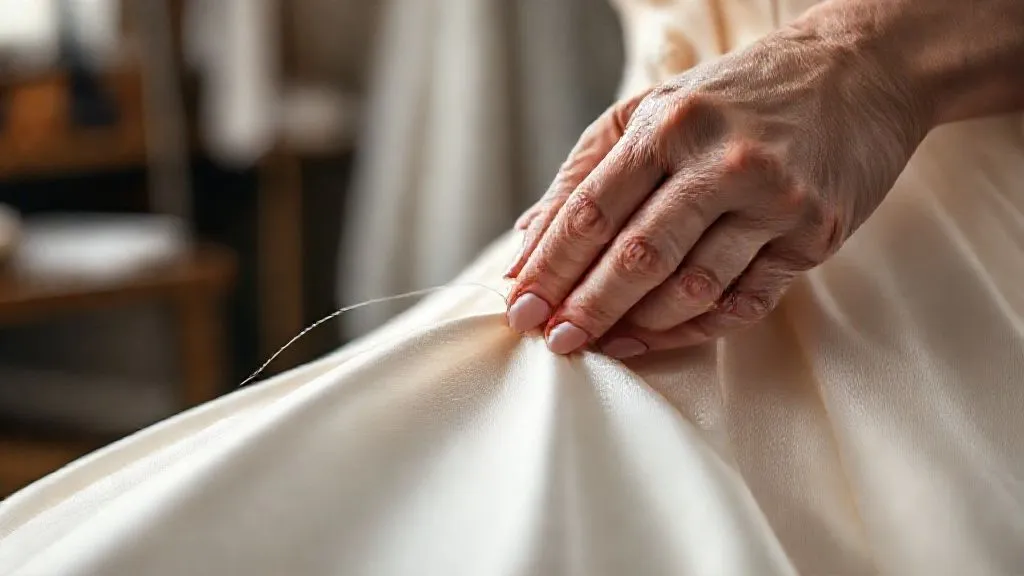
While machines have their place in garment production, in haute couture, the true magic of meticulous tailoring often lies in the hands. Hand-stitching is not a relic of the past; it is a deliberate choice, offering a level of control, subtlety, and resilience that no machine can replicate. I often tell my apprentices that a garment truly comes alive through the human touch, infused with the artisan's energy and precision.
Beyond the Machine: The Human Touch in Every Seam
Consider the delicate hand-rolled hem, the invisible catch stitch securing a lining, or the intricate pad stitching that gives a jacket lapel its perfect roll. These techniques are time-consuming, yes, but they impart an unparalleled suppleness, flexibility, and strength to the garment. Machine stitches, while fast, can sometimes appear rigid, creating tension that compromises the fabric's natural drape. Hand stitches, by contrast, allow for a nuanced 'give' that makes a couture garment feel like a second skin, moving fluidly with the wearer.
| Feature | Hand-Stitching | Machine Stitching |
|---|---|---|
| Flexibility & Drape | Allows fabric to move naturally, less tension, conforms to body contours | Can create stiffness, restrict natural drape, less adaptable to curves |
| Durability | Individual stitches offer localized strength, easier repair, less prone to unraveling | Continuous thread can unravel entire sections if broken, more susceptible to stress |
| Appearance | Often invisible, subtle, conforms beautifully to curves and edges | Can be visible, sometimes creates puckering on delicate fabrics, less refined |
| Time & Cost | Labor-intensive, higher production cost, requires specialized skill | Faster, lower production cost, suitable for mass production |
| Fabric Handling | Gentle on delicate fabrics, precise control over tension and placement | Can be aggressive, requires careful tension management, less control over intricate details |
"The quiet hum of a sewing machine is efficient, but the silent artistry of a hand-stitcher imbues a garment with a soul. It's the difference between mass production and individual creation, the hallmark of meticulous tailoring."
From basting to permanent seams, many steps in couture construction rely on hand-stitching. This approach allows for incredible precision, especially when working with challenging fabrics like chiffon or heavily embellished materials. It's a commitment to quality that is both seen and felt, contributing to the garment's longevity and its ability to age gracefully, becoming a cherished piece rather than a temporary trend.
Interlinings and Underpinnings: The Garment's Skeleton
In the world of haute couture, true beauty is often built from within. Just as a magnificent building requires a robust internal structure, a perfectly tailored garment relies on its interlinings and underpinnings. These unseen layers are the unsung heroes of meticulous tailoring, providing shape, support, and longevity. I consider them the garment's skeleton, giving it form, resilience, and an impeccable drape that wouldn't be possible otherwise.
Building Internal Architecture: Shape, Support, and Durability
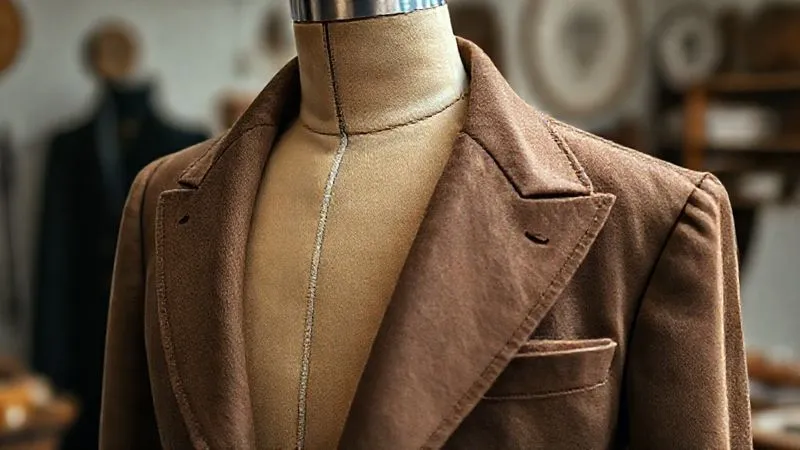
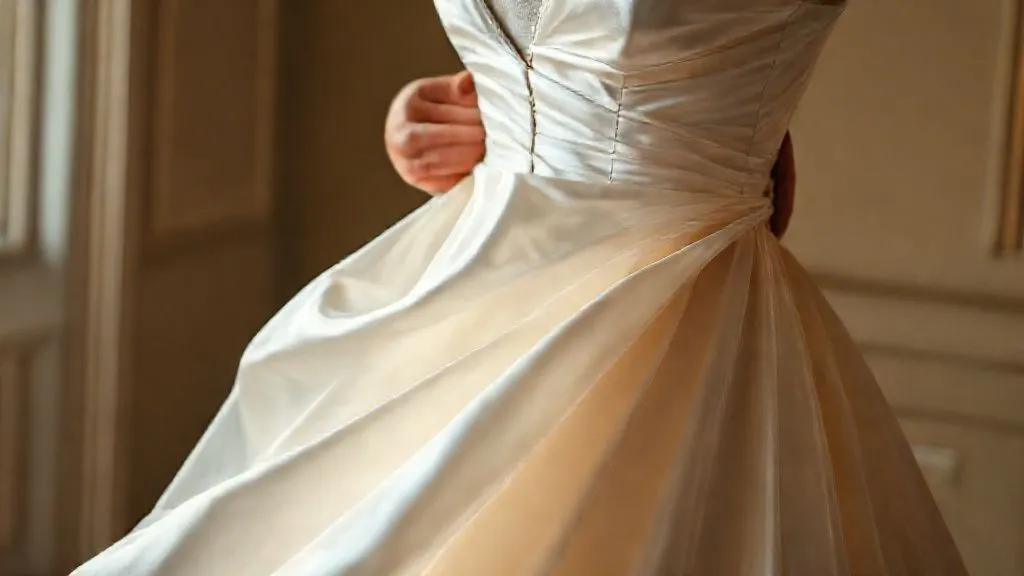
Interlinings are strategically placed layers of fabric, often silk organza, horsehair canvas, or fine cotton, that are sewn between the outer fabric and the lining. Their purpose is manifold: they provide stability to delicate fabrics, reinforce stress points, enhance drape, and help maintain the garment's intended silhouette. For instance, a beautifully tailored jacket owes much of its crisp lapel and structured shoulder to carefully sculpted interlinings, which are meticulously pad-stitched to create a permanent shape.
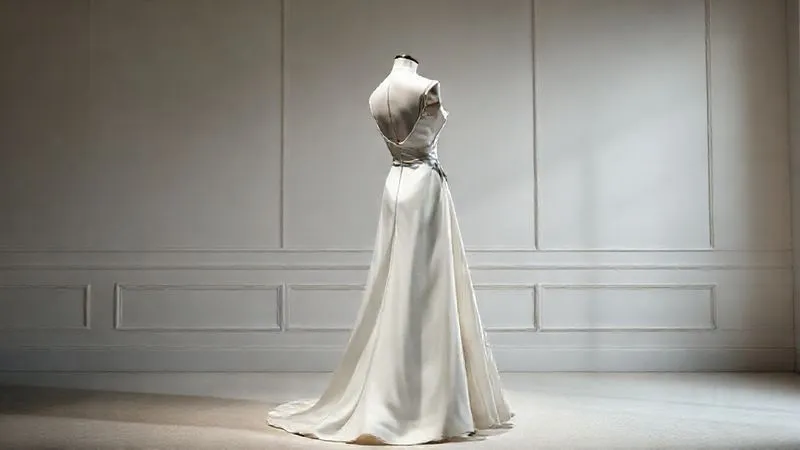
Underpinnings, such as bustiers, corsets, or crinolines, are sometimes integrated directly into the garment, especially in eveningwear or bridal couture. These components are designed to sculpt the body, creating the ideal foundation for the outer fabric to drape flawlessly. They are miniature garments in themselves, often requiring as much skill and precision in their construction as the main piece. The history of fashion is replete with examples of how these internal structures defined the silhouettes of entire eras, showcasing their timeless importance.
The selection and application of these internal components require an expert's eye and hand. The weight, stability, and drape of each interlining must be carefully matched to the outer fabric and the desired effect. Fusing (gluing) interlinings is common in ready-to-wear, but in haute couture, they are almost always hand-stitched, allowing for greater flexibility, breathability, and a more natural drape that moves with the body. This approach ensures the garment not only looks perfect but feels comfortable and luxurious.
The Art of Fitting: A Collaborative Sculpture
The fitting process is where the garment truly comes alive, transforming from a collection of fabric pieces into a bespoke creation that perfectly molds to the client's body. I consider it a collaborative sculpture, a dialogue between the tailor, the client, and the evolving garment. It is here that the nuances of meticulous tailoring are fine-tuned, ensuring not just a good fit, but an exceptional, personalized comfort and silhouette that is unique to the wearer.
Case Study: Elevating "Elegance Atelier"
Elegance Atelier, a renowned bespoke bridal house, faced a persistent challenge: while their designs were stunning, clients often required extensive post-delivery alterations, leading to delays and dissatisfaction. Their initial fitting process was perfunctory, focusing only on basic measurements. By implementing a more structured, multi-stage fitting cycle, incorporating the principles I advocate, they dramatically improved outcomes. They moved from 1-2 generic fittings to 3-4 detailed sessions, each focusing on specific aspects: initial silhouette, internal structure, and final details. This resulted in a 70% reduction in post-delivery alterations and a significant boost in client testimonials, highlighting the unparalleled comfort and fit of their gowns. Their reputation for truly meticulous tailoring soared, attracting a more discerning clientele and solidifying their market position.
A typical haute couture garment undergoes multiple fittings, each serving a distinct purpose:
- Toile Fitting: The first stage, using a mock-up fabric, to establish the foundational silhouette and make major pattern adjustments, testing the design's proportions.
- Fabric Fitting (First): The actual garment, partially constructed from the chosen fabric, is tried on. Focus is on drape, balance, and initial seam adjustments, observing how the fabric behaves.
- Fabric Fitting (Second): Further refinements are made, internal structures are checked and adjusted, and details like collars, cuffs, and pockets are positioned and pinned into place.
- Final Fitting: The nearly complete garment is worn, ensuring perfect fit, comfort, and the flawless execution of all finishing touches, making any last-minute, minute adjustments.
"The fitting room is our laboratory, our studio, and our confessional. It's where we translate measurements into movement, where empathy meets engineering, and where true meticulous tailoring finds its ultimate expression."
Throughout these fittings, every adjustment, however small, is carefully marked, documented, and then meticulously transferred back to the pattern pieces. This iterative process ensures that the garment is not just tailored to a body, but to a person, reflecting their unique posture, movements, and preferences. It's a deeply personal and precise undertaking, culminating in a garment that feels custom-made in every sense.
Finishing Touches: The Signature of True Couture
The final stages of garment creation, often referred to as finishing, are where the true artistry and dedication of meticulous tailoring shine brightest. These are the details that often go unnoticed by the untrained eye, yet they are the hallmarks of unparalleled quality and craftsmanship. I've always believed that the difference between a good garment and an extraordinary one lies in these subtle, impeccable details, which elevate the entire piece.
Invisible Hems and Bespoke Buttons: Elevating Every Detail
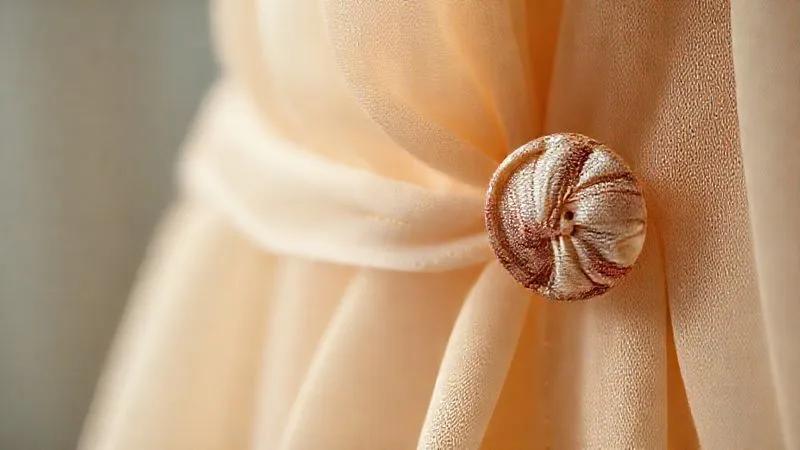
Consider the invisible hem: hand-stitched with thread matching the fabric, so it appears to float effortlessly, with no visible stitching on the outside. Or the perfectly aligned pattern matching across seams and pockets, a testament to thoughtful cutting and precise construction. Then there are the bespoke buttons, often custom-made or covered in the garment's own fabric, each one meticulously hand-sewn with a shank to allow for fabric movement, preventing puckering and ensuring durability.
Other critical finishing touches include:
- Lining Application: Linings should be cut and sewn with the same precision as the outer garment, often with ease pleats to allow for movement, and meticulously hand-attached for a seamless finish that doesn't pull or twist.
- Buttonholes: Hand-worked buttonholes are a dying art, but in haute couture, they are still prevalent, offering a level of refinement, durability, and a luxurious feel unmatched by machine-made alternatives.
- Pressing: Expert pressing throughout the construction process, and especially at the end, is crucial. It shapes the garment, sets the seams, and gives it a crisp, professional appearance, often using specialized tools.
- Embellishments: If present, embellishments like beading, embroidery, or appliqué are often hand-applied, requiring hours of intricate work to integrate seamlessly into the design, becoming an intrinsic part of the fabric.
These details are not merely decorative; they contribute to the garment's structural integrity, comfort, and overall aesthetic. They are the silent whispers of luxury, ensuring that the garment feels as exquisite as it looks. As Chanel's own ateliers famously demonstrate, every detail, no matter how small, is given the utmost attention, upholding the highest standards of the craft.
The Legacy of Meticulous Tailoring: Investing in Artistry
In a world increasingly driven by fast fashion and fleeting trends, the practice of meticulous tailoring stands as a defiant testament to enduring quality, artistry, and sustainability. It's more than just a method of garment construction; it's a philosophy, an investment in craftsmanship that transcends seasons and fads. I've observed that those who truly understand and appreciate this level of detail are investing in pieces that become heirlooms, not disposables.
Why Quality Endures: A Paradigm Shift from Consumption to Conservation
The longevity of a meticulously tailored garment is unparalleled. Because every seam, every cut, and every stitch is executed with precision and high-quality materials, these pieces are built to last, often for decades. This stands in stark contrast to the disposable nature of much contemporary fashion. As fashion historian Valerie Steele often points out, the value of haute couture lies not just in its aesthetic, but in its profound connection to human skill and heritage. It's a form of sustainable luxury, advocating for fewer, better things, and a deeper appreciation for craftsmanship.
Moreover, a garment crafted with such care offers an unparalleled wearing experience. The comfort, the way it drapes, the confidence it instills – these are intangible qualities that only emerge from true dedication to the craft. It's a celebration of the human body, designed to enhance rather than merely cover it, creating a harmonious relationship between wearer and garment.
The expertise required for this level of tailoring is honed over years, often decades, passed down through generations of artisans. It represents a living tradition, a continuity of skill that preserves the very soul of fashion. Supporting meticulous tailoring means supporting these artisans, their knowledge, and their commitment to excellence, ensuring that this invaluable art form continues to thrive. It's an investment not just in a garment, but in a legacy.
Frequently Asked Questions (FAQ)
What is the fundamental difference between bespoke and made-to-measure tailoring? The distinction lies in the origin of the pattern. Bespoke tailoring involves creating a unique pattern from scratch, specifically for an individual client, based on their exact measurements and body contours. This allows for unparalleled personalization and multiple fittings to perfect the fit, accommodating unique postural nuances. Made-to-measure, while also custom-fitted, starts with an existing block pattern that is then adjusted to the client's measurements. While it offers a good fit, it doesn't allow for the same degree of customization or the iterative pattern refinement inherent in bespoke, which is the epitome of meticulous tailoring.
How long does a truly meticulously tailored haute couture garment typically take to create? The creation of a haute couture garment, especially one employing meticulous tailoring, is a lengthy process, often taking hundreds, if not thousands, of hours. A simple day suit might take 100-200 hours, while an elaborate evening gown or bridal piece could easily exceed 500-1000 hours. This timeframe accounts for pattern development, fabric preparation, multiple fittings, extensive hand-stitching, and intricate finishing details. It's a testament to the dedication and precision involved, making each piece a work of wearable art, a true investment of time and skill.
Can advanced technology, like 3D printing or laser cutting, replace traditional hand tailoring? While technology certainly offers incredible advancements in speed and precision for certain aspects of garment production, it cannot fully replace the nuanced artistry of traditional hand tailoring, particularly in haute couture. Laser cutting can be precise, but it lacks the human judgment to adapt to fabric grain or delicate materials, or to make real-time adjustments for drape. 3D printing offers innovative forms, but it struggles to replicate the drape, suppleness, and hand-feel of traditional textiles and the intricate hand-finishing. In my experience, technology serves best as a tool to enhance, not replace, the irreplaceable human touch and intuitive understanding that define meticulous tailoring.
What specific details should I look for to identify truly meticulous tailoring in a garment? To identify meticulous tailoring, look for consistency and subtlety. Examine the seams: are they perfectly straight or smoothly curved without puckering? Are patterns matched precisely across seams, especially on plaids or stripes? Check the lining: is it hand-stitched, smooth, and does it allow for ease of movement without pulling? Look for invisible hems, perfectly aligned buttonholes (especially hand-worked ones), and buttons that are securely sewn with shanks. Observe how the garment drapes on the body: does it follow the contours naturally without pulling or buckling, feeling like a second skin? The absence of obvious flaws and the presence of thoughtful, often unseen, details are key indicators.
Is investing in meticulously tailored garments a sustainable choice in today's fashion landscape? Absolutely. In an era dominated by fast fashion and its significant environmental impact, choosing meticulously tailored garments is inherently a sustainable decision. These pieces are crafted with superior materials and construction techniques designed for longevity, meaning they last for decades rather than seasons. This reduces consumption, waste, and the demand for new resources. Furthermore, supporting haute couture and bespoke tailoring directly supports skilled artisans and traditional crafts, preserving invaluable human expertise and fostering a more mindful approach to fashion consumption. It's a commitment to quality over quantity, a cornerstone of true sustainability.
Key Takeaways and Final Thoughts
The journey through the world of meticulous tailoring reveals it to be far more than just a technical process; it is an art form, a philosophy, and a profound commitment to excellence. From the initial precise cut of the pattern to the final, invisible hand-stitch, every step is infused with intention, skill, and an unwavering pursuit of perfection. As someone who has dedicated their life to this craft, I hope you now appreciate the silent language of quality that truly defines haute couture.
- Precision is Paramount: Every stage, from pattern to finish, demands absolute accuracy and an uncompromising eye for detail.
- Fabric Dictates Form: Understanding and respecting the material's inherent qualities is crucial for achieving optimal drape and silhouette.
- The Human Touch Endures: Hand-stitching offers unparalleled flexibility, strength, and an artistic subtlety that machines cannot replicate.
- Internal Structure Matters: Underpinnings and interlinings are the unseen architects of shape, support, and lasting garment integrity.
- Fittings are Foundational: Collaborative sessions with the client ensure a bespoke, personalized fit that adapts to the wearer's unique form.
- Details Define Distinction: Impeccable finishing, often invisible, is the signature of true luxury and exceptional craftsmanship.
- Meticulous Tailoring is Sustainable: Investing in quality reduces waste, supports skilled artisans, and champions a mindful approach to fashion.
Embrace this elevated understanding. Whether you are a designer, a budding tailor, or simply a discerning enthusiast, recognize that true luxury lies in the integrity of construction, the artistry of the hand, and the enduring beauty of a perfectly tailored garment. These are not just clothes; they are stories, crafted with passion, designed to last, and imbued with the soul of true craftsmanship. Let us continue to champion this exquisite art form, ensuring its legacy for generations to come, enriching the world with beauty and excellence.
Recommended Reading
- 5 Steps to Navigate Customs for High-Value Bridal Attire Shipments
- Verifying Vintage: 7 Steps to Prove Genuine Sustainability Claims
- 7 Proven Strategies: What to Do When Fashion Affiliate Sales Decline?
- Restore Scuffed Luxury Heels: 7 Expert Steps to Preserve Value
- 7 Proven Strategies to Differentiate Your Bridal Brand in a Saturated Market


Your email address will not be published. Required fields are marked *