

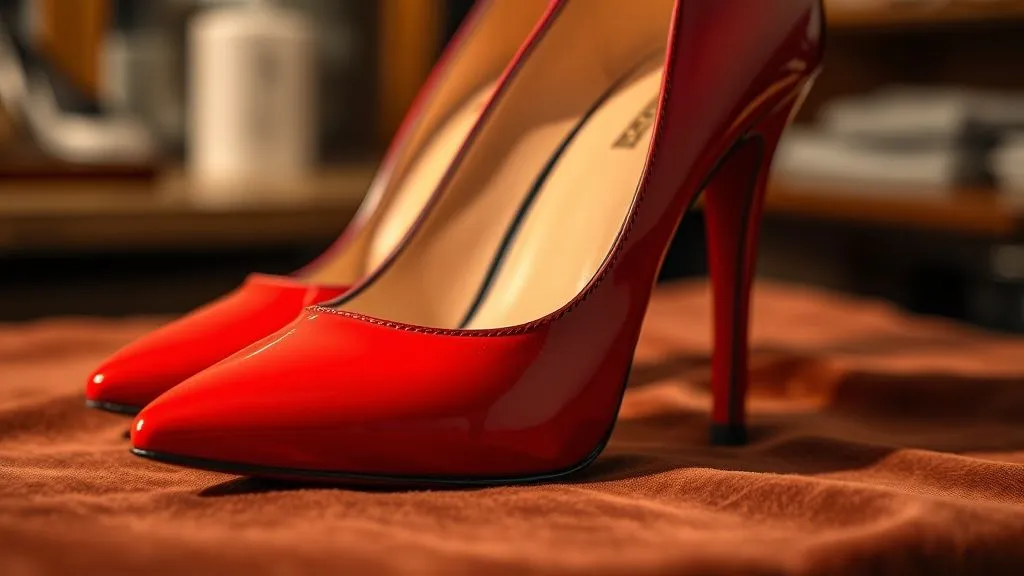
How to Restore Scuffed Luxury Designer Heels Without Devaluing Them?
For over two decades in the luxury footwear industry, I've witnessed the sheer agony that flashes across a client's face the moment their cherished designer heels acquire that first, dreaded scuff. It’s more than just a mark; it’s a perceived blemish on an investment, a dent in their confidence, and a question mark over their shoe's future value. This isn't just about footwear; it's about preserving artistry, craftsmanship, and a piece of personal style.
The problem is universal: scuffs are an inevitable part of wearing beautiful shoes. The real dilemma, however, lies in how one approaches their restoration. Many instinctively reach for quick fixes, or worse, ignore the issue, fearing any intervention might further damage or, critically, devalue their prized possessions. The internet is awash with well-meaning but often disastrous DIY advice that can turn a minor imperfection into a permanent detriment.
But what if I told you there’s a nuanced, expert-vetted approach to restoration that not only fixes the damage but actively preserves, and in some cases, enhances the inherent value of your luxury heels? In this definitive guide, I will share the frameworks, actionable steps, and insider insights I’ve gathered over years of working with the world's finest footwear, empowering you to confidently restore your scuffed luxury designer heels without devaluing them, ensuring they remain timeless treasures.
Understanding Your Luxury Heel's Anatomy and Materials
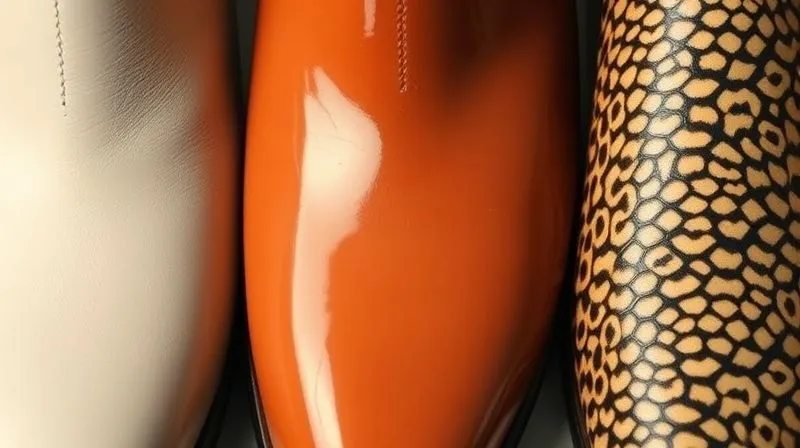
Before any restoration work begins, it's paramount to understand the specific material and construction of your luxury heels. Not all scuffs are created equal, and a 'one-size-fits-all' approach is the quickest way to disaster. Different materials react differently to damage and require distinct care protocols. My experience has taught me that the material dictates the method, and respecting that is the first step in successful, value-preserving restoration.
Common Luxury Heel Materials and Their Vulnerabilities
- Leather (Calfskin, Lambskin, Goatskin): These are the most common and versatile. They are supple and breathable but prone to surface abrasions, scratches, and drying out. Finer leathers like lambskin are incredibly soft but also more delicate and susceptible to deeper marks.
- Patent Leather: Known for its high-gloss, mirror-like finish, patent leather is essentially a regular leather coated with a plastic-like lacquer. While water-resistant, it shows scratches and scuffs very easily, and the coating can crack or peel if not cared for properly.
- Suede & Nubuck: These are leathers with a napped, velvety finish. Suede has a coarser nap, while nubuck is finer. Both are highly absorbent, making them prone to water stains, oil marks, and crushing of the nap, which can look like discoloration or scuffs. They require specialized cleaning tools.
- Exotic Skins (Python, Alligator, Lizard): These materials boast unique textures and patterns, making them highly desirable. However, they are incredibly delicate and require specialized care to prevent scales from lifting, drying, or cracking. Any restoration on these should almost always be professional.
- Satin & Fabric: Often used for evening wear, these delicate materials are susceptible to snags, pulls, water spotting, and general discoloration. Cleaning them without causing further damage is a fine art.
- Solids (Heel & Sole): The actual structure of the heel can be wood, plastic, or metal, often wrapped in one of the above materials. The sole is typically leather or a thin rubber. Scuffs here are often deep and can compromise the structural integrity or the aesthetic wrapping.
The Golden Rule: Assess, Don't Assume
Before you even think about applying a single product or taking your heels to a repair shop, a thorough and honest assessment is non-negotiable. This is the critical juncture where you differentiate a superficial scuff from deep, underlying damage. In my experience, rushing this step leads to more problems than it solves, often exacerbating the issue and making professional restoration more complex and costly.
The key is to understand the depth and nature of the damage. A light surface scuff might only affect the top layer of pigment or finish, whereas a deep gouge could penetrate the material, expose the underlying base, or even compromise the structural integrity of the heel wrap. Use good lighting, and even a magnifying glass, to get a clear picture.
This assessment will guide your decision: Is this something you can tackle yourself with careful DIY methods, or does it unequivocally require the hands of a seasoned professional? Misjudging this can lead to irreversible damage and, inevitably, a significant reduction in your heel's value. My advice is always to err on the side of caution when in doubt. An ounce of prevention (or proper assessment) is worth a pound of cure.
| Damage Type | Material Affected | DIY Feasibility | Professional Needed |
|---|---|---|---|
| Surface Scuff (light abrasion) | Most leathers, patent, some fabrics | High (with caution) | No (usually) |
| Deep Scuff/Gouge (material loss) | Leather, Patent, Exotic | Low (risk of devaluing) | Yes (recommended) |
| Color Loss/Fade (significant) | Leather, Suede, Fabric | Medium (requires expertise) | Recommended (for precise matching) |
| Structural Damage (heel break, sole separation) | All (heel, sole) | Very Low (safety concern) | Absolutely Essential |
| Water Stain/Oil Mark (deep) | Suede, Nubuck, Fabric | Medium (requires specific cleaners) | Recommended (for delicate materials) |
DIY Restoration Techniques for Minor Scuffs (The 'First Aid' Kit)
For those minor, superficial scuffs that haven't penetrated deeply into the material, careful DIY restoration can be incredibly effective and empowering. Think of this as the 'first aid' kit for your luxury heels – appropriate for small, contained issues, but not for major injuries. The goal here is gentle correction, not aggressive intervention. Always test any product on an inconspicuous area first, such as the inside of the strap or a hidden part of the sole.
Leather Scuffs: The Gentle Touch
For most smooth leathers, minor scuffs are often just surface disturbances or a slight loss of pigment. The key is to recondition and re-pigment subtly.
- Clean Gently: Begin by wiping the entire heel with a soft, damp cloth to remove any surface dirt. Allow it to air dry completely.
- Condition and Color: Apply a tiny amount of high-quality leather conditioner or a leather cream that closely matches the color of your heel. Use a clean, soft cloth or cotton swab. Gently rub the cream into the scuff in small, circular motions. The conditioner helps to rehydrate the leather, while the pigment in the cream helps to blend the scuff.
- Buff to Shine: Once the cream has absorbed (typically a few minutes), use a clean, dry cloth to buff the area gently. This will remove excess product and bring out the leather's natural sheen. Repeat if necessary, but remember, less is more. Over-application can lead to a sticky residue or uneven finish.
Patent Leather: Mirror-Like Finish Restoration
Patent leather scuffs are tricky because they often appear as dark marks on the glossy surface. These are usually material transfer rather than actual damage to the patent coating itself.
- Mild Cleaning: Wipe the scuffed area with a soft cloth dampened with a very mild soap solution (e.g., a tiny drop of dish soap in water). This helps remove surface grime.
- Targeted Removal: For stubborn scuffs, apply a tiny dab of petroleum jelly, a non-gel toothpaste (avoiding abrasive types), or a specialized patent leather cleaner to a cotton swab. Gently rub the scuff in small, circular motions. The idea is to lift the transferred material from the patent surface.
- Buff to a High Shine: Once the scuff is gone, wipe off any residue with a clean, damp cloth, then buff the entire patent surface with a dry, soft microfiber cloth to restore its brilliant shine.
Warning: Never use abrasive cleaners, alcohol, or acetone on patent leather, as these will permanently dull or damage the finish.
Suede & Nubuck: The Delicate Brush
These napped leathers require a very different approach, focusing on lifting the nap and gently removing marks.
- Dry Brush First: Use a specialized suede brush (often with brass bristles and a rubber side) to gently brush the scuffed area in one direction. This lifts the flattened nap and can remove light surface marks.
- Suede Eraser: For more stubborn marks, use a suede eraser (a special rubber block). Gently rub the eraser over the scuff, much like you would erase a pencil mark. This helps to lift dirt and scuff marks without damaging the nap.
- Specialized Cleaner (for stains): If the scuff is accompanied by a stain, use a suede and nubuck cleaner designed to penetrate and lift without saturating the material. Follow the product instructions carefully, typically applying with a sponge or cloth and then brushing the nap back into place once dry.
Important: Always protect suede and nubuck from water and moisture. A good protective spray is essential for these materials.
"The greatest mistake in luxury heel restoration is underestimating the power of patience and overestimating the efficacy of harsh chemicals. Always start gentle, observe the material's reaction, and know when to stop."
When to Call the Experts: Signs Your Heels Need Professional Care
While DIY methods are great for superficial blemishes, there comes a point when only a specialist can truly restore your luxury heels without devaluing them. Recognizing this threshold is paramount to preserving the integrity and investment of your footwear. My rule of thumb is this: if you have any doubt, seek professional advice. A minor DIY misstep can quickly turn into irreparable damage, stripping your heels of their value and allure.
Deep Gouges and Tears
These are not merely surface-level issues. A deep gouge or tear indicates actual material loss or severe structural damage to the heel's wrapping. Professionals have the tools and expertise to fill, re-texture, and meticulously color-match the affected area, making the damage virtually invisible. Attempting to fill these yourself with off-the-shelf products often results in an uneven texture, poor color match, and a visibly amateur repair that screams 'devalued'.
Significant Color Loss or Fading
If your heels have suffered extensive fading due to sun exposure, chemical spills, or general wear, or if a large area of color has been lost due to a deep scuff, professional re-dyeing or color restoration is necessary. This isn't simply painting over the problem; it involves stripping the old pigment, carefully mixing custom colors to match the original shade, and applying it evenly with specialized techniques. This process requires a deep understanding of dyes, pigments, and material absorption to ensure a durable, factory-grade finish.
Structural Damage (Heel Breakage, Sole Separation)
Any compromise to the structural integrity of your heel – a loose heel, a broken heel, or a separating sole – is a non-negotiable professional job. These issues affect not only the aesthetics but also the safety and wearability of the shoe. Professionals have the jigs, glues, and knowledge of shoe construction to repair these elements securely, often reinforcing them to prevent future issues. DIY attempts here can lead to unstable heels, further damage, and even personal injury.
Exotic Materials and Embellishments
As discussed, exotic skins, delicate fabrics like satin, intricate beading, or crystal embellishments require highly specialized care. The techniques for cleaning, conditioning, or repairing these materials are unique and often proprietary to expert restorers. Attempting to clean or repair these yourself risks damaging the unique texture, causing scales to lift, or dislodging precious embellishments. The value of such pieces is often tied directly to their pristine condition and the integrity of their unique features.
Choosing the Right Professional: A Discerning Eye
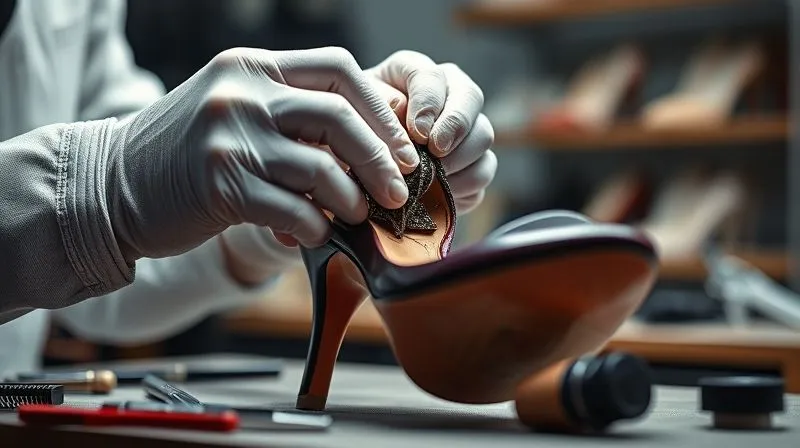
Just as not all luxury heels are created equal, neither are all cobblers. For your prized possessions, you need more than just a shoe repair shop; you need a luxury footwear specialist. This distinction is crucial for ensuring your heels are restored, not merely repaired, and that their value is meticulously preserved. I've seen countless instances where a lack of discernment in choosing a professional led to disappointing, or even catastrophic, results.
When seeking out a specialist, it's vital to conduct your due diligence. Don't be afraid to ask probing questions, as you would when entrusting any high-value item for repair. Look for specific indicators that set a true luxury footwear restorer apart from a general cobbler. This isn't about snobbery; it's about safeguarding your investment and ensuring the craftsmanship of your heels is respected.
What to Look For in a Luxury Footwear Specialist:
- Experience with Luxury Brands: Do they specifically advertise experience with brands like Christian Louboutin, Manolo Blahnik, Jimmy Choo, Chanel, etc.? Ask for examples of their work on similar brands or materials.
- Specialized Equipment and Materials: Luxury restoration requires specific dyes, glues, leathers, and tools. They should have access to high-quality, brand-appropriate materials, not generic replacements.
- References and Portfolio: A reputable specialist will be proud to show you before-and-after photos, testimonials, or even physical examples of their work.
- Transparent Consultation and Pricing: They should offer a detailed assessment, explain the proposed restoration process, and provide a clear, itemized quote. Be wary of vague estimates.
- Insurance and Guarantees: Ensure they are insured against damage and offer a guarantee on their work. This provides peace of mind.
- Attention to Detail: A true specialist understands the nuances of luxury, from matching thread colors perfectly to preserving original branding.
Case Study: The Chanel Stiletto Saved
I recall a client, Sarah, who brought in a pair of vintage Chanel lambskin stilettos with a deeply scuffed heel cap and significant color fade along the sides. She'd tried a DIY leather repair kit, which unfortunately left a sticky, uneven patch and further discolored the delicate lambskin. She was heartbroken, convinced the heels were ruined and their value decimated. After my initial assessment, which confirmed the damage was beyond simple DIY, I referred her to a specialist atelier I trust implicitly.
The expert meticulously assessed the material and damage, explaining that a full re-dye of the lambskin and a precise heel cap replacement were necessary. They used a proprietary pigment matching system, carefully applied the custom-mixed dye in multiple thin layers, and then heat-set it to ensure durability and a seamless finish. The heel cap was replaced with an identical material, shaped and polished to factory specifications. The result? The heels looked brand new, retaining their original allure and value, even with the history of damage. Sarah was absolutely thrilled, having almost given up on them. This case perfectly illustrates that professional intervention, when done correctly, doesn't devalue; it restores and preserves.
According to a survey by the Council of Fashion Designers of America (CFDA), consumers are increasingly seeking sustainable practices, including quality repair over replacement, making expert restoration a vital service for luxury items. This shift highlights the growing importance of skilled artisans in extending the lifecycle of high-value fashion. CFDA Sustainability Resource Hub.
Maintaining the Value: Beyond Restoration
Restoring your scuffed luxury designer heels is a significant step, but it's only one part of the equation. True value preservation lies in consistent, diligent care that extends far beyond fixing a single scuff. Think of your luxury heels as an investment, much like a classic car or a piece of fine art. They require ongoing maintenance to retain their beauty, structural integrity, and, crucially, their resale value. Neglect after restoration is akin to patching a leak and then ignoring the rising damp – the problem will inevitably return, often worse than before.
Preventive Measures: The Foundation of Longevity
Proactive care is always more effective and less costly than reactive repair. Implementing these simple habits can dramatically extend the life and pristine condition of your heels:
- Heel Protectors: For stilettos, clear or color-matched heel protectors can be a lifesaver. They shield the delicate heel tip from scuffs, pavement cracks, and general wear. They are easily replaceable and a small price to pay for significant protection.
- Proper Storage: Always store your luxury heels in their original dust bags to protect them from dust, light, and accidental scuffs from other items. Use cedar shoe trees for closed-toe styles to maintain their shape, absorb moisture, and prevent creasing.
- Avoid Harsh Conditions: Be mindful of where you wear your heels. Avoid rough terrains, excessive moisture, or situations where they might get stepped on or caught. Save your most delicate pairs for appropriate occasions.
- Regular Cleaning: A quick wipe-down with a soft, dry cloth after each wear can remove surface dust and dirt before it becomes embedded or causes abrasion. For leather, a gentle conditioning every few months keeps the material supple and less prone to cracking.
- Protective Soles: Consider having a thin, clear rubber protective sole added to your leather soles by a professional cobbler. This protects the original leather sole from wear and tear, greatly extending its life and preserving the shoe's overall condition without altering its aesthetic.
The Investment Mindset: Nurturing Your Assets
Luxury heels are not merely accessories; they are often significant investments, chosen for their craftsmanship, design, and enduring style. Proper care ensures not only their longevity but also their potential for future resale. A pair of well-maintained, professionally restored designer heels will always command a higher price on the secondary market than a neglected or poorly repaired pair. This is a critical factor for anyone considering their luxury purchases as part of a broader asset portfolio.
As fashion economist Dr. Emily Thorne often emphasizes, "The true cost of luxury isn't solely the purchase price, but the cost of its neglect. Maintenance is value preservation, ensuring that an item appreciates, or at least retains, its worth over time." Forbes article on luxury fashion. Embracing this mindset transforms the chore of shoe care into a strategic act of asset management.

The Ethics of Restoration: Authenticity vs. Enhancement
In the world of luxury goods, restoration sometimes treads a fine line between preserving authenticity and inadvertently 'enhancing' or altering the original item. When you seek to restore scuffed luxury designer heels without devaluing them, the underlying principle must always be to return the item as closely as possible to its original condition, not to modify or fundamentally change its character. This nuanced approach is vital, especially for highly collectible or vintage pieces where originality significantly impacts value.
Preserving Originality: The Guiding Principle
The goal of luxury heel restoration is to mend, repair, and refresh, ensuring that the original design, materials, and craftsmanship are honored. This means using materials that match the original as closely as possible, employing techniques that don't leave obvious signs of repair, and maintaining the shoe's unique silhouette and aesthetic. A good restorer will aim for an 'invisible' repair, where the scuff or damage disappears, but the essence of the original designer's work remains untouched.
For instance, if a heel is wrapped in a specific type of leather from a particular tannery, a specialist will strive to source a similar grade and finish, rather than using a generic alternative. Similarly, color matching isn't just about getting 'close'; it's about achieving an exact match that blends seamlessly with the untouched areas of the shoe. This meticulous attention to detail is what separates value-preserving restoration from mere repair.
Documenting the Process: Transparency for Trust
For exceptionally high-value or rare designer heels, documenting the restoration process can be a crucial step in maintaining transparency and trust, especially if you ever intend to resell them. A reputable restorer can often provide photos of the 'before' and 'after' condition, along with a detailed description of the work performed, including materials used. This documentation serves as a verifiable record of professional care, assuring future buyers that the restoration was executed with integrity and expertise, thus protecting the item's value.
This ethical approach to restoration aligns perfectly with the growing 'slow fashion' movement and the principles of a circular economy. By extending the life of luxury items through high-quality repair and restoration, we reduce waste, support skilled craftsmanship, and promote a more sustainable consumption model. It's about cherishing what we own and making conscious choices to preserve its beauty and utility for as long as possible. Business of Fashion on Circular Economy.
Frequently Asked Questions (FAQ)
Can I use nail polish to fix a scuff on patent leather? No, absolutely not. While it might seem like a quick fix, nail polish is a temporary solution that will likely crack, peel, and discolor over time, leaving a worse mess and significantly devaluing your patent leather. It can also dry out or react negatively with the specific patent finish. Always use products specifically designed for patent leather restoration, or seek professional help for anything beyond a superficial mark.
How do I know if a 'cobbler' is qualified for luxury heels? It's crucial to ask specific questions. Inquire about their experience with high-end brands (e.g., Christian Louboutin, Manolo Blahnik, Jimmy Choo). Ask to see examples of their work, especially on similar materials. A reputable luxury shoe repair specialist will often have dedicated sections for designer brands, use specific glues and dyes, and understand the nuances of construction that differentiate a designer heel from a mass-produced one. Don't hesitate to ask for references or check online reviews focusing on luxury item repairs.
Will restoring my heels affect their resale value? Done correctly by a professional, restoration can significantly increase or maintain resale value. A well-restored pair of designer heels will always fetch a higher price than a heavily damaged or poorly repaired pair. However, a botched DIY job or using non-specialized services can severely diminish value. Transparency about professional restoration when reselling is often appreciated by buyers. Think of it like restoring a vintage car; a professional job adds value.
What's the difference between a 'repair' and a 'restoration'? A 'repair' typically addresses a specific functional issue, like replacing a worn heel tap or reattaching a sole. A 'restoration,' especially in the luxury context, is a more comprehensive process aimed at bringing the item back to its original aesthetic and structural glory. This can include deep cleaning, re-dyeing, material conditioning, addressing multiple scuffs and abrasions, and sometimes even replacing significant portions of the material or embellishments to restore its 'like-new' appearance and preserve its intrinsic value.
Are there any brands that are notoriously difficult to restore? Yes, some brands or specific designs present unique challenges. For instance, heels with intricate embellishments (beading, crystals), delicate fabrics like satin, or highly specialized leathers (e.g., certain exotic skins with unique finishes) often require extraordinary care and very specific expertise. Christian Louboutin's iconic red soles also require specific, often patented, methods for restoration to maintain their look without devaluing the shoe. Always consult a specialist for these particular items.
Key Takeaways and Final Thoughts
Restoring your scuffed luxury designer heels without devaluing them is an art and a science, demanding a discerning eye and a patient hand. It's a journey from initial assessment to meticulous care, ensuring that your treasured investment continues to shine for years to come. Based on my extensive experience, here are the critical takeaways:
- Prioritize Assessment: Always differentiate between superficial scuffs and deep damage before attempting any restoration. This crucial step dictates the appropriate course of action.
- Understand Your Materials: Each luxury material (leather, patent, suede, exotic skins) requires specific, tailored care. A universal approach will only lead to further damage.
- Distinguish DIY from Professional Needs: Embrace DIY for minor, superficial scuffs, but never hesitate to seek professional expertise for deep damage, structural issues, or delicate materials.
- Invest in Professional Expertise: When professional intervention is needed, choose a reputable luxury footwear specialist. Their specialized knowledge and tools are indispensable for preserving value.
- Implement Ongoing Preventative Care: Beyond restoration, consistent care through proper storage, protection, and regular cleaning is the most effective way to maintain the beauty and value of your heels.
Restoring your luxury designer heels isn't just about fixing a scuff; it's about preserving an investment, honoring craftsmanship, and extending the life of a cherished piece. With the right knowledge, a discerning approach, and a commitment to quality care, you can ensure your beloved heels continue to exude elegance and value, gracing your steps with confidence and style for many seasons to come. Cherish them, care for them, and they will reward you with enduring beauty.
Recommended Reading
- Oily Skin & Makeup Oxidization: 5 Pro Fixes for Flawless Wear
- Unraveling the Truth: Is Organic Cotton Truly Sustainable for Fashion?
- Unlock Profit: 7 Strategies for Sourcing Unique Gift Accessories
- Unlock Peak Performance: Why Arch Support is Crucial in Athletic Footwear
- 7 Steps: Evolve Iconic Luxury Fashion Brand Legacies Digitally


Your email address will not be published. Required fields are marked *