


How to evolve iconic luxury fashion brand's legacy digitally?
The evolution of an iconic luxury fashion brand's legacy into the digital realm is not merely an option; it's an imperative for sustained relevance and growth. In my experience, this delicate dance requires a profound understanding of the brand's heritage, coupled with a fearless embrace of innovation. It's about translating the intangible essence of luxury—craftsmanship, exclusivity, storytelling, and aspiration—into a medium that, at first glance, seems antithetical to these very principles.
The true art lies in expanding the brand's universe without diluting its core identity. This isn't about slapping a logo onto a new platform; it’s about creating authentic, immersive digital experiences that resonate with both loyal patrons and a new generation of discerning consumers. A common mistake I see is treating digital as purely transactional, rather than a powerful new canvas for brand expression and relationship building.
To genuinely evolve, brands must focus on several key pillars:
-
Mastering Digital Storytelling and Heritage Preservation: Digital platforms offer an unparalleled opportunity to delve into a brand's rich history, its master artisans, and the intricate processes behind each creation. Think beyond static images. Brands like Hermès, for instance, utilize captivating video content to showcase their ateliers, allowing viewers a rare glimpse into the painstaking artistry that defines their products. This isn't just content; it's an education, fostering deeper appreciation and loyalty.
I advise my clients to invest in high-fidelity visual and narrative content that evokes the same emotional response as a physical encounter with their products. This could involve interactive timelines, virtual tours of historical archives, or even short documentary-style films about key figures in the brand's legacy.
-
Crafting Exclusive Digital Experiences: Luxury thrives on exclusivity, and the digital space can paradoxically enhance this. This goes far beyond basic e-commerce. Consider private virtual appointments for high-net-worth clients, offering personalized styling sessions or early access to capsule collections. Balenciaga’s foray into gaming with their Afterworld: The Age of Tomorrow collection, or Gucci's presence in Roblox, demonstrate how luxury can engage new audiences in unexpected, yet highly exclusive, digital realms. The goal is to make the digital interaction feel as privileged as a visit to a flagship boutique.
-
Building Curated Digital Communities and Personalization: The digital sphere allows for unprecedented levels of personalization and community engagement, provided it's done with discretion and taste. Leveraging data analytics to offer highly curated product recommendations, personalized digital lookbooks, or even bespoke virtual styling services can elevate the online experience. Brands can create private online forums or digital clubs for their most loyal customers, fostering a sense of belonging and direct dialogue, akin to a private members' club in the real world.
-
Strategic Innovation and Technology Adoption: Embrace emerging technologies not for their novelty, but for their ability to enhance the brand experience. Augmented Reality (AR) can allow customers to virtually 'try on' items at home, bridging the gap between screen and reality. Blockchain technology offers transparency and authenticity for high-value items, crucial for combating counterfeits and reassuring discerning buyers. AI can power sophisticated clienteling tools, enabling sales associates to provide hyper-personalized service both online and offline.
However, it's critical to remember that technology should always serve the brand, not overshadow it. The human touch, the legacy of craftsmanship, and the emotional connection remain paramount.
-
Seamless Omnichannel Integration: The digital and physical worlds of luxury must coalesce into a fluid, cohesive customer journey. A client should be able to browse online, reserve an item for an in-store viewing, receive personalized recommendations based on their online activity during a boutique visit, and complete their purchase with ease, whether online or offline. This integration ensures that every touchpoint reinforces the brand's values and delivers a consistently elevated experience.
- For example, clienteling apps that allow sales associates to access a customer's digital profile, past purchases, and preferences instantly, elevate the in-store experience by making it highly personalized.
- Conversely, in-store digital displays or virtual try-on mirrors can bridge the physical shopping experience with the broader digital product catalog, offering more choices without increasing physical inventory.
Ultimately, evolving an iconic luxury fashion brand's legacy digitally is an ongoing journey of respectful innovation. It demands a visionary approach that honors the past while boldly shaping the future, ensuring the brand's enduring allure for generations to come.
Understanding the Root of the Problem: Why Does Digital Stagnation Happen in Luxury?
In my over fifteen years navigating the intricate landscape of luxury fashion, I've observed a recurring paradox: brands built on innovation and aspirational vision often find themselves surprisingly hesitant when it comes to digital evolution. This stagnation isn't born from ignorance, but from deeply ingrained beliefs and operational structures. A common misconception I encounter is the belief that digital channels inherently dilute the aura of exclusivity. Many legacy brands grapple with the fear that widespread online presence will somehow diminish their unique allure, reducing their products to mere commodities. This often leads to a reactive, rather than proactive, digital strategy. The root of this problem often lies in what I call the **"Exclusivity Paradox"**. Luxury's core tenet is scarcity and aspiration, yet digital thrives on accessibility and connection. Reconciling these two seemingly opposing forces is where many brands falter, opting for limited digital engagement rather than innovative approaches to maintain mystique online. Consider the internal resistance. For decades, the luxury experience was meticulously crafted around physical touchpoints: the boutique, the personal shopper, the exclusive event. Shifting this mindset to a screen, where the tactile is absent and the personal connection feels less tangible, presents a significant cultural hurdle within organizations.Another profound issue is the **"Heritage Trap"**.
"The weight of legacy, while an undeniable asset, can become an anchor if not viewed as a springboard for future innovation, rather than a justification for stasis."Many luxury houses, rightly proud of their centuries-old craftsmanship and traditions, mistakenly believe that their heritage alone is sufficient to thrive in the digital age. This leads to a reluctance to experiment, a fear of 'getting it wrong' and tarnishing a pristine brand image. This resistance often manifests in several critical areas: * **Siloed Digital Strategies:** Digital initiatives are often treated as an isolated department, rather than an integrated component of the overall brand experience. Marketing, e-commerce, and brand communication teams might operate independently, leading to disjointed customer journeys. * **Underinvestment in Digital Talent & Infrastructure:** While large sums are allocated to flagship stores and advertising campaigns, investment in cutting-edge digital platforms, data analytics capabilities, and skilled digital strategists often lags. This results in clunky user experiences or missed opportunities for personalization. * **Misunderstanding the Digital Luxury Consumer:** The assumption that the online luxury shopper behaves identically to their offline counterpart is a grave mistake. Digital consumers expect seamless experiences, authentic engagement, and often, a deeper narrative beyond just product features. They are not merely browsing; they are seeking connection and validation. For instance, I've seen brands pour millions into beautiful websites that lack robust back-end analytics, failing to capture crucial customer data for personalized outreach. Or, they might create stunning social media content but neglect the direct-to-consumer conversational aspect that younger luxury buyers crave. The problem isn't always a lack of effort, but a fundamental misdirection of it. It’s about being online, but not truly being *digital*.
Outdated Digital Infrastructure
In my 15 years navigating the intricate landscape of luxury fashion, one foundational issue consistently surfaces as a major impediment to digital evolution: outdated digital infrastructure. This isn't merely about an aesthetically unappealing website; it's about the very backbone of a brand's digital operations, often comprising a patchwork of legacy systems.
A common mistake I see brands make is focusing solely on the customer-facing front-end, while neglecting the archaic engines humming behind the scenes. This leads to a myriad of critical problems, from glacial site speeds that deter discerning luxury clientele to fractured customer data that prevents true personalization.
Consider the analogy of a high-performance luxury vehicle. You wouldn't put an outdated, sputtering engine into a meticulously crafted chassis. Yet, many iconic luxury brands attempt to deliver a seamless, personalized digital experience on a technological infrastructure designed for a bygone era. This manifests as:
- Siloed Data: Customer profiles, purchase histories, and engagement metrics are fragmented across disparate systems, making a holistic view impossible.
- Poor Scalability: Inability to handle peak traffic during collection launches or adapt quickly to new market demands, leading to frustrating user experiences.
- Lack of Omnichannel Cohesion: Disconnects between online, in-store, and mobile interactions, eroding the seamless journey luxury clients expect.
- Security Vulnerabilities: Older systems are often more susceptible to cyber threats, risking invaluable customer data and brand reputation.
The inertia to address this stems from several factors: the perceived high cost of migration, the fear of disrupting existing operations, and sometimes, a lack of internal expertise. However, the cost of inaction far outweighs the investment. Brands that delay this crucial modernization risk not only losing market share but also diminishing the very essence of their luxury appeal.
I recall working with a renowned European leather goods house that, despite its exquisite craftsmanship, struggled immensely with online conversions. Their e-commerce platform was a decade old, their CRM was separate, and their inventory system couldn't communicate efficiently. This resulted in customers seeing out-of-stock items, slow checkouts, and no personalized recommendations – a jarring experience for a brand promising exclusivity and bespoke service.
To truly evolve, luxury brands must embark on a strategic overhaul of their digital foundations. This begins with a comprehensive audit to identify bottlenecks and vulnerabilities, followed by a clear roadmap for adopting modern, agile technologies. Prioritizing cloud-native solutions, headless commerce architectures, and integrated CRM systems is no longer optional; it's imperative.
Embracing a unified digital ecosystem allows for real-time data insights, dynamic personalization at scale, and the agility to deploy innovative features like virtual try-ons or NFT integrations. It transforms the digital presence from a mere transactional portal into an immersive, personalized extension of the brand's physical boutiques.
"In the realm of luxury, digital infrastructure is not just a utility; it's the invisible loom weaving the fabric of future brand experiences. Neglect it, and watch your legacy unravel in the digital age."
The transition requires foresight, investment, and a willingness to embrace change, but the payoff is immense: a resilient, future-proof digital legacy capable of captivating the next generation of luxury consumers.
Resistance to Digital Innovation
In my experience across countless boardrooms and strategy sessions, one of the most significant hurdles luxury fashion brands face in their digital evolution isn't technological, but psychological: the deep-seated **resistance to digital innovation**. This isn't merely skepticism; it's often a profound apprehension rooted in the very DNA of luxury. A common misconception I encounter is the belief that embracing digital will inevitably dilute a brand's exclusivity and mystique. For decades, luxury has thrived on scarcity, controlled access, and an almost sacred separation from the mass market. The thought of bringing this heritage onto open, accessible digital platforms can feel like a direct threat to its intrinsic value. This fear often manifests as a reluctance to engage deeply with e-commerce, social media, or emerging technologies like NFTs. Brands worry that widespread digital presence will cheapen their image, making them too accessible and diminishing the allure of a physical, curated experience. This perspective, while understandable given the industry's history, overlooks the immense potential for digital to *enhance* exclusivity, not erode it. Consider the prevailing mindset that **craftsmanship and heritage** are inherently incompatible with the fast-paced, often ephemeral digital realm. I've witnessed countless internal debates where the meticulous process of creating a haute couture gown or a bespoke watch is pitted against the perceived superficiality of a TikTok campaign. This dichotomy is false; digital tools can, in fact, amplify the story of craftsmanship, offering unprecedented transparency and intimacy into the creation process."The true challenge isn't whether digital can carry the weight of luxury's heritage, but whether luxury leaders can see digital as a canvas for storytelling rather than a marketplace for commoditization."Another critical point of resistance stems from a **lack of internal digital fluency** at the executive level. Many established luxury houses are led by individuals whose careers predated the digital revolution, leading to a natural discomfort with new paradigms. This can result in:
- Underestimating the impact: A failure to grasp the scale and speed at which digital shifts consumer behavior and market dynamics.
- Misallocating resources: Investing in outdated digital strategies or, conversely, being paralyzed by the perceived complexity of new technologies.
- Fear of the unknown: A reluctance to experiment with platforms or strategies that don't have a clear, immediate ROI, which is often the nature of early digital adoption.
Step-by-Step: A Practical Framework to Evolve Iconic Luxury Fashion Brand Legacies Digitally
Navigating the digital evolution of an iconic luxury fashion brand is less about simple adaptation and more about a meticulous, strategic metamorphosis. In my experience, it requires a practical framework that respects heritage while boldly embracing innovation. This isn't just about launching an e-commerce site; it's about re-imagining the very essence of luxury for the digital age. The journey begins with a profound internal reflection, followed by calculated, forward-looking steps. A common mistake I see brands make is rushing into digital trends without first understanding their core identity and how it translates authentically online.Step 1: The Heritage & Digital Footprint Audit – Unearthing the Digital Soul.
Before any significant digital stride, a comprehensive audit is paramount. This isn't merely a technical review; it's an archaeological excavation of your brand's DNA, assessing how its values, craftsmanship, and exclusivity are currently, or could be, represented in the digital realm.
- Deep Dive into Brand Archives: Identify the foundational stories, design codes, and historical moments that define your legacy. How can these be digitally immortalized and made accessible? For instance, a brand known for intricate embroidery might explore AR experiences showcasing the artisan's handiwork.
- Comprehensive Digital Ecosystem Audit: Evaluate your existing website, social media presence, CRM systems, and digital content. Where are the inconsistencies? Does your Instagram truly convey the same sense of exclusivity as your flagship boutique?
- Consumer Digital Behavior Analysis: Understand how your existing and aspirational luxury consumers interact with digital platforms. Are they engaging with video, short-form content, or long-form storytelling? This data is crucial for crafting relevant experiences.
"True digital evolution for a luxury brand isn't about chasing fleeting trends, but about finding the digital equivalent of its timeless artistry and exclusivity."
Step 2: Strategic Digital Vision & Audience Redefinition – Blueprinting the Future.
With the audit complete, the next phase is to articulate a clear digital vision that bridges your heritage with future aspirations. This involves not just *what* you'll do, but *why* and for *whom*.
- Crafting the Digital Brand Narrative: Define how your brand's core values will be translated into compelling digital stories. This might involve curating immersive historical journeys online or showcasing sustainable practices through interactive content.
- Redefining the Digital Luxury Consumer: The digital luxury consumer is discerning and expects seamless, personalized experiences. Segment your audience by digital behavior, preferences, and platform usage to tailor your approach. Consider the nuances between Gen Z's metaverse interests and older generations' preference for curated editorial content.
- Phygital Strategy Development: Plan for the convergence of physical and digital experiences. How will your online presence enhance the in-store visit, and vice versa? Think about virtual try-ons that lead to showroom appointments, or exclusive digital content unlocked by physical product purchases.
Step 3: Crafting Immersive Digital Experiences – The Atelier Online.
This is where the vision comes to life. It's about moving beyond static product displays to create dynamic, engaging, and exclusive digital environments that mirror the luxury experience.
- Next-Generation E-commerce & Content Platforms: Your online store should be an extension of your flagship boutique – curated, intuitive, and visually stunning. Integrate high-definition visuals, 360-degree views, and interactive lookbooks. Consider bespoke digital styling services.
- Experiential Content & Storytelling: Leverage video, AR, VR, and even metaverse activations to tell your brand's story. Think of Balenciaga's groundbreaking video game fashion shows or Gucci's virtual gardens. These aren't just marketing; they are brand experiences.
- Exclusive Digital Offerings: Introduce digital-only collections, NFT art pieces, or virtual fashion assets that cater to the new digital collector. This creates scarcity and desirability in a purely digital realm, mirroring the physical luxury model.
Step 4: The Intelligent Thread – Data, Personalization & AI Integration.
In the luxury space, data is not just about sales; it's about understanding individual desires to offer unparalleled personalization without being intrusive. AI and data analytics are your unseen concierges.
- Hyper-Personalized Clienteling: Utilize AI to analyze purchase history, browsing behavior, and stated preferences to offer bespoke product recommendations, exclusive early access, or personalized digital styling sessions. This mimics the one-to-one attention of a personal shopper.
- Predictive Analytics for Trend Forecasting: AI can help identify emerging trends, optimize inventory, and even inform design decisions by analyzing vast amounts of consumer data and social signals, ensuring your collections remain at the forefront.
- Seamless Customer Journey Optimization: Deploy AI-powered chatbots for instant, intelligent customer service, guiding clients through their digital journey efficiently. This ensures the luxury experience extends to every touchpoint, from initial inquiry to post-purchase care.
Step 5: Nurturing the Digital Atelier – Community, Co-creation & Feedback Loops.
Luxury is inherently about community and shared values. Digitally, this translates to fostering engaged audiences and even inviting them into the creative process.
- Cultivating Exclusive Digital Communities: Create private online forums, membership programs, or social groups where loyal clients can connect, share experiences, and receive exclusive content. This builds a sense of belonging akin to a private members' club.
- Embracing User-Generated Content (UGC) & Co-creation: Encourage clients to share their experiences with your brand, perhaps through curated campaigns or challenges. Some brands have even experimented with co-creation initiatives, allowing select clients to influence design elements or name products, fostering deep engagement.
- Establishing Robust Feedback Mechanisms: Actively listen to digital conversations, conduct surveys, and analyze sentiment. Use this feedback to continually refine your digital offerings and ensure they meet the evolving expectations of your discerning clientele. This iterative process is vital for sustained relevance.
Step 1: Digital Heritage Audit and Vision Setting
In my extensive experience guiding iconic luxury brands through digital transformations, the most critical initial misstep I observe is the failure to truly understand their existing digital footprint. Before any grand strategies for evolution can be laid, a meticulous Digital Heritage Audit and Vision Setting is absolutely paramount.
This isn't merely about taking stock of what’s online; it’s a profound exploration into how your brand’s legacy has already manifested, or perhaps been inadvertently diluted, within the digital realm.
Think of this audit as an archaeological dig into your brand’s digital past. You are unearthing every piece of content, every interaction, and every platform where your brand has ever existed digitally, from its earliest forays to its most recent campaigns.
A comprehensive audit typically involves:
- Archival Deep Dive: Cataloging old website versions, digital press releases, early e-commerce platforms, and internal digital campaign assets. This includes historical imagery, videos, and even forgotten brand narratives that may hold untapped value.
- Social Media Footprint Analysis: Reviewing all past social media campaigns, content performance, engagement metrics, and audience sentiment across platforms – from early Facebook pages to nascent TikTok experiments.
- Digital PR & Media Mentions: Identifying how your brand has been portrayed by digital media, influencers, and user-generated content over time. Are there consistent narratives, or is the message fragmented and off-brand?
- E-commerce Data & Customer Journey Mapping: Analyzing historical sales data, customer behavior patterns, and the evolution of the online purchasing experience, identifying points of friction or delight.
A common mistake I see is focusing solely on current assets. The true value lies in understanding the evolution of your digital narrative. For instance, how did Louis Vuitton’s early digital presence, though rudimentary, lay the groundwork for their sophisticated online storytelling today, or where did they deviate from their core values?
Once cataloged, the next phase of the audit is critical assessment. You must scrutinize these assets for consistency, quality, alignment with core brand values, and, crucially, for any glaring gaps or missed opportunities that could inform future strategies.
"Your brand's digital heritage is not just a collection of files; it's a living archive of its online identity. Ignoring it is akin to building a new wing on a historic mansion without first inspecting its foundations."
Are there significant periods where your brand was digitally silent, leaving a void for competitors to fill? Were there campaigns that resonated deeply but were never fully leveraged or adapted for new platforms? Identifying these points is key to understanding where your digital legacy is strong, and where it needs reinforcing or re-articulation.
With a clear understanding of your digital past and present, the stage is set for Vision Setting. This is where you articulate precisely what your iconic brand’s digital future looks like, ensuring it's not just a transient trend adoption but a thoughtful, enduring extension of your legacy.
This vision must be audacious yet meticulously grounded in your brand’s DNA. It should address:
- Desired Digital Presence: How do you want your brand to *feel* and *be perceived* online in 5, 10, or even 20 years? Is it about immersive experiences, exclusive access, or a seamless blend of physical and digital luxury?
- Audience Engagement: How will your digital platforms foster deeper, more meaningful connections with both existing connoisseurs and a new generation of luxury consumers, particularly digital natives?
- Technological Integration: Which emerging technologies (e.g., Web3, AI-driven personalization, augmented reality, the metaverse) will genuinely enhance your brand story and customer experience, rather than just being superficial novelties?
- Narrative Cohesion: How will your digital channels consistently tell your brand’s unique story, showcasing its craftsmanship, heritage, and unparalleled values across every single touchpoint, from social media to bespoke digital experiences?
This foundational step demands a highly collaborative, cross-functional approach. It's not a task for the marketing department alone. I always advocate for assembling a dedicated internal task force to ensure a holistic perspective.
Key stakeholders should include:
- Brand Archivists/Historians: To provide critical context and ensure historical accuracy and reverence for the brand's origins.
- Marketing & Digital Leads: To understand current performance, market trends, and define future digital strategies.
- E-commerce & IT Teams: For technical insights into existing platforms, data capabilities, and future technological feasibility.
- Creative Directors: To ensure the aesthetic and narrative vision aligns seamlessly with the brand’s overarching artistic and design direction.
- Leadership: To champion the initiative, provide strategic oversight, and ensure the digital vision aligns with broader business objectives.
The tangible output of this step should be a detailed audit report and a robust digital vision statement, complete with clear, measurable objectives. This comprehensive document serves as the immutable compass, guiding all subsequent digital evolution strategies for your iconic brand.
Step 2: Crafting an Immersive Digital Storytelling Strategy
Crafting an immersive digital storytelling strategy is not merely about translating print campaigns to screens; it's about reimagining the very essence of your luxury brand for a boundless, interactive, and often ephemeral digital landscape. In my experience, this step is where iconic legacies either flourish or falter in the modern era. It demands a profound understanding of your brand's heritage, an acute awareness of digital consumption habits, and the courage to innovate without compromising exclusivity.
The goal is to evoke the same sense of wonder, aspiration, and tactile quality online that a physical boutique or a meticulously crafted garment does in person. This isn't just about selling; it's about captivating, educating, and fostering an emotional connection that transcends a transaction. A common mistake I see is brands simply digitizing their lookbooks. True digital storytelling for luxury requires a narrative arc, a compelling protagonist (the brand itself, its founder, its artisans), and a world-building approach that invites the audience deeper.
To truly immerse your audience, consider these foundational elements that elevate digital presence from transactional to transformative:
- Authenticity and Heritage Amplification: Digital platforms offer an unprecedented opportunity to reveal the craftsmanship, the untold stories behind iconic pieces, and the human element that defines luxury. Think behind-the-scenes glimpses into ateliers, interviews with master artisans, or digital archives showcasing historical designs. For instance, brands like Hermès meticulously document their leather-making process, turning a simple handbag into a testament to generations of skill.
- Sensory Engagement (Digitally Translated): Luxury is inherently sensory. While you can't replicate the touch of silk or the scent of fine leather online, you can use high-fidelity visuals, evocative sound design, and subtle animations to hint at these qualities. Consider cinematic video production, 360-degree product views, or even ASMR-style content that focuses on the sounds of materials.
- Exclusivity and Rarity in a Digital Realm: How do you maintain luxury's core tenets of scarcity and bespoke experiences online? This involves creating limited-edition digital drops, offering virtual styling appointments, or providing exclusive access to virtual events and collections for loyal clientele. Burberry, for example, has experimented with 'B-Series' product drops that generate immediate demand and conversation.
- Interactive and Personalized Journeys: Move beyond passive viewing. Develop interactive experiences like virtual showrooms, AR filters that allow customers to 'try on' products, or quizzes that guide them to curated content. Personalization, from tailored email narratives to custom homepage experiences, makes the user feel seen and valued, mirroring the bespoke service of a high-end boutique.
In my experience, the most impactful strategies leverage diverse digital channels, each playing a distinct role in the overarching narrative. Your website can serve as the grand archive and long-form storytelling hub, featuring mini-documentaries or editorial content that delves deep into brand lore. Social media, conversely, becomes the canvas for micro-narratives – short, visually arresting snippets that pique curiosity and drive engagement. Consider platforms like TikTok for showcasing the dynamic movement of fabric, or Instagram Reels for quick glimpses into creative processes.
“The luxury consumer doesn't just buy a product; they buy into a dream, a legacy, a feeling. Digital storytelling is your most potent tool for weaving that dream into the fabric of their online experience, making them not just a buyer, but an intrinsic part of your brand's continuing saga.”
A crucial aspect often overlooked is consistency of voice and aesthetic across all digital touchpoints. Every tweet, every Instagram story, every email newsletter must resonate with the brand's established identity. A disjointed digital presence can quickly erode the carefully constructed image of luxury and heritage. Remember, digital storytelling is not a one-off campaign; it's an ongoing, evolving dialogue with your audience, continually enriching their perception of your iconic brand.
Step 3: Elevating E-commerce and Omnichannel Experiences
The digital realm is no longer an optional add-on for luxury; it is the primary gateway for a new generation of discerning consumers. In my 15 years witnessing the evolution of luxury retail, the shift from a physical-first mentality to a seamless digital integration has been profound, demanding that e-commerce platforms become as exquisite and exclusive as a flagship boutique.A common mistake I see brands make is treating their e-commerce site merely as a transactional portal. In luxury, it must be an immersive brand experience, a digital sanctuary that captivates and delights. Think of it as your most exclusive showroom, accessible globally, 24/7, where every pixel reflects your brand's heritage and craftsmanship.
To truly elevate, your e-commerce platform must embody the pinnacle of user experience (UX) and visual storytelling. This means investing in more than just product listings; it requires a holistic approach to presenting your narrative digitally.
- High-Fidelity Visuals: Beyond static images, incorporate cinematic videos showcasing craftsmanship, 360-degree product views, and interactive lookbooks. The goal is to convey texture, drape, and detail as palpably as if the client were holding the item.
- Intuitive Navigation & Search: Luxury clients expect effortless discovery. Implement intelligent search functions, personalized recommendations, and curated pathways that guide them through collections rather than overwhelming them with options.
- Enriched Product Storytelling: Each product page should be a narrative. Detail the inspiration, the artisanal process, the provenance of materials, and the legacy behind the piece. This educates and connects the client emotionally, justifying the investment.
The true mark of digital sophistication lies in replicating the personalized, white-glove service of an in-store experience online. This is where digital clienteling becomes paramount, moving beyond generic interactions to deeply personal engagements.
"In luxury, personalization isn't a feature; it's the foundation of enduring client relationships. Online, it requires an intelligent blend of data, technology, and human empathy."
Consider how leading brands are achieving this at scale. This is about understanding individual client preferences and delivering bespoke service, whether through advanced algorithms or dedicated human connection.
- AI-Powered Recommendations: Leverage artificial intelligence to analyze browsing history, purchase patterns, and stated preferences, offering highly relevant product suggestions and style advice.
- Virtual Personal Shoppers: Offer scheduled one-on-one video consultations with brand stylists who can provide bespoke advice, present collections, and facilitate purchases, mirroring the boutique experience from a distance.
- Proactive Customer Service: Utilize live chat, WhatsApp, or dedicated client advisors to provide instant, knowledgeable support. This isn't just about problem-solving; it's about anticipating needs and offering assistance before it's requested.
The concept of omnichannel seamlessness is no longer a buzzword; it's a fundamental expectation that clients move fluidly between online and offline touchpoints, demanding your brand operates as a unified entity.
In my experience, the brands that excel truly understand that the client journey is rarely linear. They empower clients to start a journey online and complete it in-store, or vice-versa, without friction.
- Click-and-Collect / Reserve-in-Store: Allow clients to purchase or reserve items online for in-store pickup, leveraging the convenience of digital with the immediacy and service of physical retail.
- Unified Client Profiles: Ensure that a client's purchase history, preferences, and interactions are accessible to sales associates whether the client is online, in a boutique, or engaging via social media. This enables truly personalized service across all touchpoints.
- Endless Aisle Capabilities: Empower boutique associates with tablets to access the brand's full online inventory, allowing them to order out-of-stock items for direct home delivery, ensuring no sale is lost due to limited physical stock.
Emerging technologies offer unprecedented opportunities to enhance this digital journey, transforming how clients interact with and perceive your luxury offerings. Augmented Reality (AR) and Virtual Reality (VR), for instance, are revolutionizing product visualization.
Imagine a client using an AR app to virtually "try on" a luxury watch or handbag in their own environment, seeing how it looks and fits before committing to a purchase. Brands like Gucci have successfully deployed AR try-on features for their sneakers, significantly boosting engagement and conversion rates by bridging the perception gap.
Finally, the post-purchase experience must be an extension of the luxury journey, not merely a logistical endpoint. This is where the physical manifestation of your digital sale reinforces your brand's commitment to excellence.
- Exquisite Packaging: The unboxing experience should be a ritual. Custom boxes, tissue paper, ribbons, and personalized notes elevate the delivery from a package to a gift.
- Seamless Returns & Exchanges: While not glamorous, a frictionless return process is crucial. Provide clear instructions, pre-paid labels, and efficient processing to maintain client satisfaction and trust.
- Proactive Communication: Keep clients informed at every stage of delivery, from dispatch to estimated arrival. Offer premium delivery options, including white-glove service where appropriate.
Ultimately, elevating e-commerce and omnichannel experiences is an ongoing process fueled by data. Regularly analyze user behavior, conversion funnels, and customer feedback to continually refine and optimize. This iterative approach ensures your digital legacy evolves dynamically with your discerning clientele.
Step 4: Engaging New Generations Through Relevant Platforms
Navigating the digital landscape to connect with younger generations is, in my experience, one of the most critical yet delicate balancing acts for iconic luxury fashion brands. It's not merely about being present on platforms like TikTok or Roblox; it’s about understanding the unique cultural codes and consumption habits of Gen Z and Gen Alpha, and then engaging them authentically without diluting centuries of heritage.
A common mistake I observe is brands treating new digital spaces as just another advertising channel. These generations crave genuine connection, participatory experiences, and transparency, demanding a shift from top-down messaging to a more conversational and immersive approach. The key lies in identifying platforms where your brand's narrative can naturally resonate, rather than forcing a fit.
Consider the rise of short-form video platforms like TikTok. While seemingly informal, they offer unparalleled opportunities for showcasing the human element and intricate craftsmanship behind your collections. Rather than polished campaigns, I've seen tremendous success with behind-the-scenes glimpses of artisans at work, or the journey of a garment from sketch to runway, framed through a lens of authenticity.
- Dior's "Savoir-Faire" series, for instance, masterfully uses short videos to highlight the meticulous handwork involved in creating haute couture pieces, transforming complex processes into digestible and awe-inspiring content that resonates deeply with a curious and visually-driven audience.
- Similarly, brands can leverage trending audio or formats to subtly integrate their heritage, perhaps by contrasting archival footage with modern interpretations, demonstrating timelessness.
The burgeoning gaming and metaverse ecosystems represent another frontier where luxury brands must plant their flag strategically. These immersive digital worlds, such as Roblox, Fortnite, and Decentraland, are native environments for younger consumers, offering a canvas for unprecedented brand experiences that transcend physical limitations.
- Gucci's highly successful Gucci Garden on Roblox allowed users to explore a virtual garden and purchase limited-edition digital items, generating significant buzz and millions of visits. This wasn't just about selling digital goods; it was about fostering a playful, interactive relationship with the brand in a space where these consumers feel most at home.
- Balenciaga's foray into Fortnite with digital skins and a virtual fashion show showcased how high fashion can seamlessly integrate into popular culture, democratizing access to the brand's aesthetic in a highly engaging way.
Beyond broad social platforms, the shift towards more intimate, community-driven spaces like Discord is profound. Here, brands can cultivate exclusive, engaged communities, offering early access, behind-the-scenes insights, and even opportunities for co-creation. This fosters a sense of belonging and ownership, turning consumers into genuine brand advocates.
In my advisory role, I consistently emphasize that engaging new generations isn't about chasing fleeting trends, but about building genuine relationships. It's about inviting them into your world, rather than just broadcasting to them.
The evolution of the influencer and creator economy also demands a nuanced approach. While celebrity endorsements still hold sway, younger audiences often gravitate towards micro- and nano-influencers whose authenticity and niche expertise feel more relatable. Partnering with creators who genuinely embody your brand's values, and allowing them creative freedom to tell your story in their voice, yields far greater dividends than prescriptive campaigns.
- Instead of simply gifting products, consider long-term collaborations that involve creators in the conceptualization or storytelling process, making them true brand collaborators.
- This strategy moves beyond transactional marketing to build a network of passionate advocates who organically amplify your message to their highly engaged followers.
Finally, leveraging interactive technologies like Augmented Reality (AR) and Virtual Reality (VR) can bridge the gap between digital engagement and tangible desire. Virtual try-on features for eyewear or apparel, or immersive AR experiences that bring a handbag to life in a consumer's living room, offer practical utility alongside novel engagement. These tools provide a low-friction way for new generations to interact with products before committing to a purchase, enhancing both discovery and confidence.
The overarching principle for success in this domain is radical authenticity and a willingness to learn. It requires brands to be agile, to experiment, and to listen intently to the conversations and cultural shifts happening within these digital native communities. Ultimately, it’s about evolving your legacy by embracing new forms of expression, ensuring your brand remains vibrant and relevant for centuries to come.
Step 5: Leveraging Data for Personalized Luxury Journeys
In the rarefied air of luxury, the digital transformation isn't merely about establishing an online presence; it's about translating the bespoke, intimate experience of a private salon into the digital realm. This is where **leveraging data for personalized luxury journeys** becomes not just a strategic advantage, but an absolute imperative. In my experience, the brands that truly thrive understand that data isn't just numbers; it's the digital echo of a client's desires, preferences, and lifestyle. The art of personalization in luxury is subtle. It’s about anticipating needs and desires before they are even articulated, much like a seasoned personal shopper who instinctively knows what will delight their most esteemed client. This requires a sophisticated approach to collecting, analyzing, and acting upon **rich, holistic client data**. A common mistake I see is brands focusing solely on transactional data. While purchase history is valuable, true luxury personalization delves much deeper, encompassing: * **Behavioral Data:** Website navigation, content consumption, engagement with digital campaigns. * **Zero-Party Data:** Explicit preferences shared by the client, often through interactive quizzes, preference centers, or direct consultations. * **Psychographic Data:** Insights into values, aspirations, and lifestyle, often inferred from engagement patterns or provided through surveys. * **Offline Interactions:** Boutique visits, client advisor notes, attendance at exclusive events. By synthesizing these diverse data points, brands can construct a **360-degree view of the luxury client**. This comprehensive profile allows for the creation of truly unique and memorable interactions, moving far beyond generic recommendations. It's about crafting a digital journey that feels as curated and exclusive as a private atelier visit."Data, in the luxury context, is not about surveillance; it's about sincere understanding. It's the digital intuition that allows us to serve our clients with unparalleled precision and respect for their individuality."Practical applications of this data leverage are manifold and transformative: * **Hyper-Curated Product Discovery:** Instead of broad category suggestions, clients receive highly relevant new arrivals or limited editions based on their style, previous purchases, and even desired future acquisitions. Imagine being notified of a specific gemstone collection because your data indicates an affinity for unique pieces. * **Personalized Content Experiences:** Delivering bespoke editorial content, styling advice, or heritage stories that resonate directly with the client's interests, fostering deeper emotional connection and brand loyalty. * **Exclusive Access & Invitations:** Tailoring invitations to virtual trunk shows, private previews, or intimate brand events based on location, purchasing power, and demonstrated interest in specific product categories. * **Proactive Client Service:** Anticipating service needs, such as sending a timely reminder for watch servicing or offering early access to repair slots for a beloved handbag, transforming service into a seamless, anticipatory delight. * **Optimized Omnichannel Journeys:** Ensuring a consistent and personalized experience whether the client is interacting online, via an app, or in a physical boutique, with data flowing seamlessly between touchpoints. The ethical collection and transparent use of data are paramount in luxury. Clients expect discretion and respect for their privacy. Brands must communicate clearly how data enhances their experience, building trust rather than eroding it. When done correctly, leveraging data doesn't automate away the human touch; it empowers it, allowing client advisors to engage with a level of insight that elevates every interaction. This ultimately ensures that the digital evolution of an iconic brand legacy remains true to its core tenets of exclusivity, craftsmanship, and unparalleled client service.
Step 6: Exploring Web3, NFTs, and Metaverse Opportunities
As an expert in luxury fashion's digital evolution, I've observed a palpable shift in recent years: the undeniable pull of Web3, NFTs, and the Metaverse. This isn't just a fleeting trend; it represents a fundamental redefinition of ownership, experience, and community in the digital realm. For iconic luxury brands, exploring these frontiers isn't an option, it's a strategic imperative to ensure their legacy thrives in the next era.
My advice is always to approach this space with a blend of curiosity and strategic foresight, not just chasing hype. Web3, at its core, champions decentralization, transparency, and true digital ownership. These principles align remarkably well with luxury's inherent values of authenticity, provenance, and exclusivity. Imagine a world where the authenticity of a bespoke handbag is immutable on a blockchain, verifiable by anyone, anywhere.
The first tangible entry point for many brands has been through Non-Fungible Tokens (NFTs). A common mistake I see is viewing NFTs merely as digital art. While they can certainly be that, their true power for luxury lies in their utility and their ability to forge deeper connections. Think of an NFT as a programmable digital asset, a key that unlocks a new dimension of brand engagement.
- Digital Twins and Authentication: Pairing a physical luxury item with a unique NFT serves as a verifiable certificate of authenticity and ownership. This combats counterfeiting and enhances the resale market, providing immutable provenance. Louis Vuitton's "VIA" Treasure Trunks, for example, leverage NFTs to offer exclusive access and experiences tied to physical items.
- Exclusive Access and Community: NFTs can act as membership passes to exclusive clubs, events (both physical and virtual), or even priority access to future product drops. They foster a sense of belonging and create a highly engaged, loyal community of brand patrons.
- Gamification and Collectibles: Brands can release limited-edition digital collectibles or wearables for avatars in gaming environments or metaverses. Burberry's partnership with Mythical Games for Blankos Block Party allowed players to purchase and use branded NFT characters and accessories, tapping into a new, younger audience.
- Enhanced Loyalty Programs: Move beyond points systems. NFTs can represent tiered loyalty, granting holders unique benefits, personalized experiences, or even co-creation opportunities with the brand, making loyalty a tangible, tradable asset.
In my experience, the most successful NFT strategies are not about selling digital images, but about selling access, utility, and a deeper connection to the brand's heritage and future.
Beyond NFTs, the Metaverse offers an immersive canvas for luxury brands to extend their narrative and create entirely new revenue streams. Consider it a new, interconnected global city where your brand needs a strategically designed flagship presence. This isn't just about recreating physical stores virtually; it's about crafting unique, experiential destinations.
- Virtual Flagship Stores and Experiences: Brands can design architecturally stunning virtual spaces in platforms like Decentraland, The Sandbox, or Roblox. These spaces can host virtual fashion shows, art exhibitions, or interactive brand histories, offering an unparalleled level of global accessibility and immersion.
- Digital Wearables and Avatars: The burgeoning market for digital fashion allows consumers to express their style through their avatars. Brands like Ralph Lauren and Gucci have successfully launched digital collections for platforms like Roblox and Zepeto, generating significant revenue and brand visibility among digital natives.
- Community Hubs and Co-Creation: The Metaverse can serve as a persistent gathering place for brand enthusiasts. Imagine a virtual atelier where customers can participate in the design process, or a luxury lounge where they can socialize and attend exclusive talks by brand designers.
- Brand Storytelling Reimagined: Leverage the interactive nature of the Metaverse to tell your brand's story in non-linear, engaging ways. Create quests, challenges, or historical journeys that immerse users in the brand's legacy and craftsmanship.
The critical element here is authenticity. Any foray into Web3 or the Metaverse must feel organic to your brand's DNA. It's not about being everywhere; it's about being strategically present where your values can truly shine and resonate with an evolving consumer base. Furthermore, consider the environmental impact of blockchain technologies and opt for more sustainable chains where possible, aligning with modern luxury's commitment to responsibility.
Ultimately, embracing Web3, NFTs, and the Metaverse is about future-proofing your brand's legacy. It's about providing new avenues for exclusivity, enhancing authenticity, and cultivating a more engaged, digitally native community. While the landscape is still evolving, the brands that thoughtfully and strategically step into this space today will undoubtedly be the iconic leaders of tomorrow's luxury market.
Step 7: Fostering a Culture of Continuous Digital Innovation
Having guided numerous luxury houses through their digital evolutions, I can unequivocally state that the ultimate step – the one that truly secures your legacy in the digital age – is fostering a culture of continuous digital innovation. This isn't a project with a start and end date; it's a fundamental shift in your brand's DNA, essential for sustained relevance and growth.
A common mistake I see is brands treating "digital" as a separate department, an isolated silo. In my experience, for true innovation to flourish, digital must permeate every facet of your organization, from design and supply chain to marketing and clienteling.
True digital evolution isn't about adopting technology; it's about embedding a mindset of perpetual curiosity and audacious experimentation into your brand's very soul.
To cultivate this environment, leadership must champion a shift from risk aversion to calculated experimentation. Luxury, by its nature, values heritage and perfection, which can sometimes stifle the rapid iteration digital demands. However, the most iconic brands understand that innovation is the very engine of legacy.
Consider the haute couture atelier: it embraces relentless experimentation with new materials, techniques, and silhouettes, knowing that some ideas will fail, but those failures inform the next groundbreaking success. This same spirit must be applied to digital innovation.
Here’s how you can actively foster this culture:
-
Establish Innovation Hubs or "Digital Sandboxes": Dedicate small, cross-functional teams with specific budgets and mandates to explore emerging technologies like Web3, AI-driven personalization, or advanced AR/VR experiences. Crucially, these teams must be empowered to fail fast and learn faster.
-
Promote Cross-Functional Sprints: Break down departmental barriers by organizing short, intensive sprints focused on solving specific digital challenges. Include team members from diverse backgrounds – product development, retail, e-commerce, and even finance – to bring fresh perspectives.
-
Invest in Continuous Digital Literacy: Digital skills aren't just for the marketing team. Provide ongoing training for all employees, from boutique associates to senior executives, ensuring a shared understanding of digital trends and their potential impact on the luxury client journey.
-
Incentivize and Recognize Digital Champions: Actively seek out and celebrate employees who propose innovative digital solutions, regardless of their role. Create internal recognition programs for successful digital pilots or impactful contributions to digital transformation.
Furthermore, it’s vital to redefine your metrics for success in experimental digital initiatives. Not every pilot will yield immediate ROI; some will primarily generate invaluable insights. Leadership must understand and support this, allowing space for learning over purely short-term financial gains.
Finally, always remember that digital innovation in luxury must remain deeply client-centric. Every new technology or platform should enhance the exclusivity, personalization, and emotional connection that define your brand. It’s not about novelty for novelty’s sake, but about enriching the bespoke luxury experience your discerning clientele expects and deserves, perpetually adapting to their evolving digital lifestyles.
Case Study: How Heritage Brand X Mastered Digital Evolution
When advising luxury brands on their digital transformation, I often point to the hypothetical, yet perfectly illustrative, journey of **Heritage Brand X**. This venerable maison, known for its exquisite leather goods and timeless apparel, faced a common dilemma: how to embrace the digital age without diluting centuries of exclusivity and artisanal heritage.For decades, Brand X thrived on an aura of mystique, relying on word-of-mouth, exclusive in-store experiences, and traditional print campaigns. Their initial foray into digital was, frankly, rudimentary – a basic e-commerce site that felt more transactional than experiential. This approach was quickly becoming unsustainable in a world where the next generation of luxury consumers lives online.
In my experience, a common mistake I see is luxury brands viewing digital purely as a sales channel. Brand X initially fell into this trap. The turning point came when their leadership recognized that digital was not just about selling more products, but about extending the brand's narrative, fostering deeper connections, and creating new forms of exclusivity in a globally connected landscape.
“The true challenge for heritage luxury isn't merely adapting to digital, but redefining what 'luxury' means in a digital context – it’s about access, intimacy, and a curated narrative, not just price point.”
Their multi-pronged strategy was remarkably effective, showcasing how tradition and innovation can coalesce. They focused on several key pillars:
-
Authentic Storytelling & Content Mastery: Brand X understood that their rich history was their greatest asset. Instead of just showcasing products, they invested heavily in digital content that told the story behind each stitch, each design, each artisan. This included short documentaries on craftsmanship, virtual tours of their ateliers, and archival content brought to life through interactive timelines. They used high-definition video and immersive imagery to convey the tactile quality of their goods online, something many brands struggle with.
-
Personalized Digital Experiences: Leveraging advanced analytics, Brand X began to segment its online audience with unprecedented precision. They moved beyond basic demographics to psychographics, understanding individual preferences and browsing behaviors. This allowed them to deliver highly personalized content, from bespoke product recommendations to exclusive invitations for virtual trunk shows or early access to new collections. This fostered a sense of individual recognition and privilege, mirroring the in-store VIP experience.
-
Omnichannel Harmony: Perhaps their most significant achievement was the seamless integration of their online and offline presences. Customers could start a wishlist online and have a sales associate in their nearest boutique ready to discuss it upon arrival. They introduced "click-and-collect" services that felt luxurious, offering a private lounge experience for pick-ups. Virtual try-on technologies were piloted for accessories, bridging the gap between digital discovery and physical interaction. This created a continuous, frictionless luxury journey.
-
Cultivating Digital Communities: Brand X cautiously embraced social media, not as a broadcast channel, but as a platform for curated engagement. They launched exclusive online forums for top-tier clients, offering direct access to designers and master artisans for Q&A sessions. Limited-edition digital assets, such as unique wallpapers or digital artwork inspired by their collections, were distributed to loyal followers, reinforcing their sense of belonging to an elite circle. This demonstrated that exclusivity could be digitally amplified, not diminished.
-
Strategic Innovation Adoption: While not rushing into every new tech trend, Brand X strategically adopted innovations that enhanced their narrative. They experimented with augmented reality (AR) apps that allowed customers to visualize products in their homes or learn about the intricate details of a handbag through interactive overlays. They even explored NFTs, not as a primary revenue stream, but as a certificate of authenticity or a digital twin for their most exclusive physical pieces, adding a layer of verifiable provenance and digital collectibility.
The results for Brand X were compelling. Within three years, they reported a 35% increase in online engagement metrics (time on site, repeat visits), a significant uplift in direct-to-consumer online sales, and crucially, a noticeable shift in their customer demographic towards a younger, digitally native audience without alienating their traditional clientele. Their brand perception scores, particularly for innovation and relevance, saw a marked improvement.
What Brand X's journey unequivocally proves is that digital evolution for luxury brands isn't about abandoning heritage; it's about reimagining how that heritage is experienced and shared in the contemporary world. It requires courage, strategic investment, and a deep understanding that the essence of luxury lies in connection and aspiration, regardless of the medium.
Essential Tools and Resources for Digital Legacy Evolution
Navigating the intricate landscape of digital transformation for an iconic luxury brand demands more than just a strategic vision; it requires a meticulously curated arsenal of **essential tools and resources**. In my fifteen years advising the world's most discerning houses, I've observed that the right technological infrastructure acts as the very bedrock upon which a timeless legacy can seamlessly evolve into the digital realm. These aren't mere software subscriptions; they are strategic investments designed to preserve exclusivity, enhance experience, and secure future relevance. One of the absolute cornerstones, often underestimated by those new to this scale, is a robust **Digital Asset Management (DAM) system**. For a luxury brand, where every visual and auditory element speaks volumes, a DAM ensures unparalleled consistency, rapid deployment of campaign assets globally, and secure archiving of invaluable brand heritage. Imagine instantly accessing high-resolution imagery from a 1950s archive or deploying a new campaign video across all channels simultaneously, error-free; this is the power a sophisticated DAM unlocks. Beyond mere e-commerce, **luxury-centric commerce platforms** are indispensable. These are not off-the-shelf solutions but highly customizable, headless architectures that allow for bespoke user interfaces, seamless integration with clienteling tools, and the creation of truly unique digital flagship experiences. The goal is to replicate the intimacy and personalized service of a private salon online, ensuring the digital journey feels as exclusive as the physical one. Crucial for maintaining the personalized touch is an advanced **Customer Relationship Management (CRM) system, specifically tailored for High-Net-Worth Individuals (HNWI)**. This goes far beyond tracking purchases; it's about capturing nuances of preference, anticipating desires, and enabling proactive, hyper-personalized outreach. In my experience, a truly effective luxury CRM integrates historical client interactions, wish lists, and even lifestyle data to inform every brand touchpoint. The era of intuition alone is long past; **data analytics and Artificial Intelligence (AI) tools** are now non-negotiable for competitive advantage. These platforms provide deep insights into client behavior, market trends, and campaign efficacy, transforming raw data into actionable intelligence. AI, for instance, can predict future demand for certain product categories or identify emerging style preferences among your target demographic, allowing for unparalleled agility in design and marketing. To truly push the boundaries of digital legacy, embracing **emerging technologies like Blockchain and immersive AR/VR platforms** is paramount. Blockchain offers irrefutable provenance for high-value items, combating counterfeiting and enhancing trust through verifiable digital certificates, a critical concern for collectors. Meanwhile, AR/VR facilitates unparalleled virtual try-ons, digital showrooms, and nascent metaverse experiences that extend the brand's aesthetic into new, interactive dimensions."The future of luxury isn't just about what you own, but what you experience. Digital tools are the architects of these new realities, extending brand legacy into every pixel and interaction."Finally, while tools are pivotal, the most critical resource is often overlooked: **specialized human talent and expertise**. A common mistake I see is investing heavily in technology without equally investing in the teams who will master and innovate with these tools. From digital archivists to metaverse strategists, and data scientists fluent in luxury consumer behavior, cultivating an internal team or securing expert consultants is paramount to truly harness the power of these digital enablers.
Frequently Asked Questions (FAQ)
One of the most frequent questions I encounter from luxury brand executives is how to navigate the inherent paradox of digital transformation: maintaining exclusivity in an age of unprecedented accessibility. In my experience, the key lies in understanding that digital accessibility doesn't equate to mass-market dilution. Instead, it's about curating highly personalized, intimate digital experiences that mirror the bespoke nature of in-store interactions.
For instance, consider brands that leverage private online communities or invitation-only digital events. These platforms create a sense of belonging and exclusivity for their most valued clients, offering early access to collections, virtual styling sessions, or even direct conversations with creative directors. It’s about creating digital scarcity, not just physical scarcity.
- Curated Digital Journeys: Design website and app experiences that guide clients through a narrative, rather than a mere product catalog. Think editorial content, brand heritage stories, and behind-the-scenes glimpses that are unique to the digital realm.
- Hyper-Personalization: Utilize data to offer tailored recommendations, pre-orders, and exclusive content. This isn't just about 'you might like this'; it's about anticipating desires and offering solutions before the client even articulates them.
- Limited Digital Drops: Mimic the allure of physical limited editions with digital-exclusive releases or NFT collections. This generates buzz and reinforces the perception of rarity and desirability.
A common mistake I see luxury brands make when embarking on their digital journey is focusing too heavily on pure e-commerce transactions, neglecting the very essence of what makes luxury, luxury: the experience and the narrative. They often treat their digital channels merely as an extension of their sales floor, rather than a unique space for brand building and immersive storytelling.
"The digital realm for luxury isn't just another point of sale; it's a new canvas for storytelling, a stage for immersive experiences, and a conduit for building deeper, more meaningful relationships with a global audience."
This oversight can lead to a flat, uninspiring online presence that fails to convey the brand's heritage, craftsmanship, or emotional resonance. In my view, the biggest pitfall is a lack of authenticity and a failure to translate the brand's unique DNA into the digital landscape. It's not enough to simply put your products online; you must bring your brand's soul with them.
The role of data analytics in luxury is absolutely crucial, yet it must be wielded with a nuanced understanding to avoid losing the 'human touch'. Data, when used correctly, doesn't dehumanize; it allows for unprecedented levels of personalization and service, enhancing the human connection rather than replacing it.
For instance, analyzing purchasing patterns and browsing behavior can help a brand anticipate a client's needs, offering a bespoke product suggestion or an invitation to a private event that genuinely aligns with their preferences. This moves beyond generic marketing to a form of digital concierge service.
However, the ethical use of data is paramount. Luxury clients value privacy and discretion. Brands must be transparent about data collection and use, ensuring that insights gained are used to augment, not dictate, client interactions. It's about empowering human intuition and service excellence with data, allowing sales associates to have more informed, personalized conversations.
Emerging technologies like AI, AR, VR, and the Metaverse are not just fleeting trends; they are integral to the future of luxury's digital evolution. They offer unprecedented opportunities to enhance the customer experience, streamline operations, and create entirely new avenues for brand engagement.
- Augmented Reality (AR): Think virtual try-on experiences for eyewear or jewelry, allowing clients to visualize products in their own environment. Brands like Gucci have successfully integrated AR filters into their apps, blurring the lines between digital play and purchase intent.
- Virtual Reality (VR): Offers immersive brand experiences, such as virtual tours of ateliers, fashion shows, or even brand museums. Imagine a client in New York experiencing a private viewing of a collection in Paris without leaving their home.
- Artificial Intelligence (AI): Powers hyper-personalization engines, predictive analytics for trend forecasting, and optimizing supply chains for bespoke production. AI chatbots, when sophisticated enough, can also offer 24/7 personalized customer service.
- Metaverse & NFTs: Represent a new frontier for brand expression and community building. NFTs can serve as digital collectibles, authenticity certificates, or keys to exclusive experiences. The Metaverse offers a space for brands to build virtual flagships, host events, and engage with a new generation of digital-native luxury consumers.
Balancing tradition with digital innovation is perhaps the core challenge for heritage luxury brands. It's not about abandoning your legacy for the sake of novelty; it's about leveraging digital tools to amplify and celebrate that legacy in new, compelling ways. The goal is evolution, not revolution.
For example, a brand renowned for its artisanal craftsmanship can use high-definition video and interactive digital experiences to tell the story of its ateliers, showcasing the intricate details and human skill that go into each piece. This makes the tradition accessible and engaging for a global, digitally-savvy audience, fostering a deeper appreciation for the brand's roots.
In my experience, the most successful brands are those that view digital innovation as a means to reinforce their core values and heritage. They use technology to enhance the narrative of quality, exclusivity, and timelessness, ensuring that the digital experience feels authentically 'them'. It's about finding the sweet spot where your brand's DNA meets digital possibility.
How can luxury brands maintain exclusivity in the digital space?
The digital realm, by its very nature, promotes accessibility and democratisation, which presents a fascinating paradox for luxury brands built on scarcity and exclusivity. In my fifteen years navigating this intersection, I've observed that maintaining an aura of distinction online isn't about shunning digital, but rather about mastering its nuances to cultivate a new form of digital scarcity and privilege. It requires a strategic pivot from broad visibility to **curated visibility**.
A common misconception I encounter is that digital presence equates to mass appeal. On the contrary, the most effective luxury brands leverage digital tools to enhance, not dilute, their exclusivity. It’s about creating an experience so bespoke and refined that it feels inherently limited, even when accessible to a wider audience.
“Exclusivity in the digital age is not about who you exclude, but about who you invite, and how uniquely you treat them.”
Here’s how luxury brands can effectively maintain and even amplify their exclusivity in the digital space:
-
Mastering Digital Scarcity & Controlled Access: This is perhaps the most direct translation of physical luxury into the digital realm. It involves deliberately limiting availability, creating anticipation, and managing who gets access to what.
-
Limited Digital Drops & Waitlists: Much like a physical collection, digital products or experiences can be released in extremely limited quantities. Consider Burberry's early adoption of "see now, buy now" with immediate, limited-edition digital access, or the highly anticipated NFT drops from brands like Tiffany & Co. Their "NFTiff" collection, limited to 250 pieces, exemplified digital scarcity for a specific audience.
-
Token-Gated Experiences: Leveraging blockchain technology, brands can create exclusive digital spaces or content accessible only to holders of specific NFTs or digital tokens. This transforms ownership into a key for private digital clubs, virtual events, or early access to new collections, as seen with some Web3 initiatives by brands like Prada and Gucci.
-
Exclusive Digital Previews & Private Sales: Offering top-tier clients or loyal community members private links to upcoming collections, virtual trunk shows, or bespoke customisation options before general release. This mirrors the traditional VIP pre-sale experience in a digital format.
-
-
Hyper-Personalized Digital Journeys: Generic digital experiences erode exclusivity. True luxury lies in making each interaction feel uniquely crafted for the individual.
-
AI-Powered Bespoke Recommendations: Beyond basic product suggestions, AI can analyse deep behavioural data to offer highly curated product selections, styling advice, or even suggest virtual appointments with personal shoppers who already understand their taste profile.
-
Virtual Private Appointments: Offering one-on-one virtual consultations with brand experts, stylists, or even artisans. Brands like Cartier have successfully implemented high-touch virtual appointments for their most discerning clients, replicating the intimacy of an in-store experience.
-
Customisation & Co-creation Platforms: Providing digital tools that allow clients to design their own unique pieces, from customisation of materials and colours to engraving and bespoke fit. This elevates the consumer from buyer to co-creator, deepening their emotional investment.
-
-
Elevated Digital Storytelling & Immersive Experiences: The digital space is not just for transactions; it's a powerful canvas for narrative, heritage, and emotion. Superficial product shots won't suffice.
-
Virtual Ateliers & Brand Heritage Tours: Using high-definition video, VR, or AR to transport consumers into the heart of the brand – showcasing the craftsmanship, the history, the intricate details of creation. Imagine a virtual tour of a haute couture atelier or a watchmaking manufacture, complete with artisan interviews.
-
Cinematic Content & Documentaries: Investing in high-quality, long-form video content that delves into the brand's philosophy, its muses, its impact, or the journey of its iconic pieces. This fosters a deeper emotional connection and appreciation for the brand's value beyond the tangible product.
-
Augmented Reality (AR) Experiences: Allowing customers to virtually "try on" products, place furniture in their homes, or even interact with digital art installations tied to the brand. This blends the physical and digital, making the brand's presence more intimate and interactive.
-
-
Uncompromising Digital Service Excellence: The post-purchase experience is as critical online as it is offline. Any friction points can quickly undermine the perception of luxury.
-
Dedicated Digital Concierge Services: Providing a readily available, highly knowledgeable, and responsive human point of contact via chat, video call, or dedicated email for inquiries, styling advice, or after-sales support. This replicates the personal touch of a boutique associate.
-
Seamless & Premium Delivery: Ensuring that the unboxing experience is as luxurious as the purchase itself, with elegant packaging, personalised notes, and expedited, reliable shipping. Digital doesn't mean forsaking the physical delight of receiving a luxury item.
-
Digital Authentication & Provenance: Using blockchain or other secure digital methods to provide irrefutable proof of authenticity and a detailed history of the product. This adds a layer of trust and value, especially for high-value items or collectibles.
-
Ultimately, maintaining exclusivity in the digital space boils down to understanding that luxury is an experience, not just a product. The digital realm offers unprecedented tools to craft these experiences with precision, intimacy, and controlled access, ensuring that the brand's legacy of distinction continues to thrive.
What role does Web3 play in luxury fashion's digital evolution?
In my 15 years observing the luxury fashion landscape, it’s clear that the digital evolution isn't merely about e-commerce or social media presence anymore. We are now firmly in the era of Web3, a paradigm shift that redefines ownership, community, and interaction.
For iconic luxury brands, Web3 isn't just a buzzword; it represents the next frontier for deepening client relationships and safeguarding brand heritage in an increasingly digital-first world.
One of Web3’s most compelling roles lies in its ability to provide irrefutable authenticity and provenance. Blockchain technology, underpinning Web3, creates an immutable ledger that can track a product’s entire lifecycle.
This is critical for luxury, a sector constantly battling counterfeits. Imagine a client scanning an NFC tag embedded in their designer handbag, instantly verifying its origin, materials, and ownership history through an NFT.
The LVMH Aura Blockchain Consortium, backed by brands like Bulgari, Cartier, and Prada, is a prime example of this in action, leveraging blockchain to provide unparalleled transparency and trust for high-value goods.
Luxury thrives on exclusivity and a sense of belonging. Web3 offers novel mechanisms for cultivating hyper-exclusive communities through token-gating and Decentralized Autonomous Organizations (DAOs).
Brands can issue unique NFTs that act as digital keys, granting holders access to members-only content, early product drops, virtual events, or even input into future collection designs.
This transforms passive consumers into active stakeholders, fostering a deeper, more loyal connection. A common mistake I see is brands treating NFTs as just collectibles; they are powerful tools for building verifiable, engaged communities.
The metaverse, powered by Web3 technologies, opens up unprecedented avenues for immersive brand experiences. It allows luxury houses to extend their physical aesthetics and narratives into vibrant, interactive virtual worlds.
Think beyond simple digital storefronts; this encompasses virtual try-ons, exclusive metaverse activations, and the creation of unique digital fashion assets that complement or even precede physical collections.
Gucci Garden on Roblox and Balenciaga’s collaboration with Fortnite showcased early glimpses of this potential, demonstrating how iconic brands can engage new, digitally native audiences on their own terms.
Beyond direct sales of digital assets, Web3 introduces innovative revenue streams and ownership models. Brands can earn royalties on secondary market sales of their NFTs, creating a perpetual income stream from digital collectibles.
Furthermore, the concept of fractional ownership of ultra-rare physical assets, enabled by NFTs, could democratize access to exclusive items while maintaining their value and brand prestige.
Successfully integrating Web3 isn't about chasing every trend; it’s about strategic alignment with core brand values. It requires understanding that Web3 is less about technology and more about a fundamental shift in user interaction and digital ownership.
"The true power of Web3 for luxury lies not in selling a JPEG, but in forging an unbreakable digital thread between the brand, its legacy, and a new generation of empowered, digitally-native patrons."
Luxury brands must approach Web3 with a long-term vision, focusing on utility, exclusivity, and authentic engagement to genuinely evolve their iconic legacies into the digital future.
Is social media effective for high-end luxury brand engagement?
Is social media effective for high-end luxury brand engagement? Unquestionably, yes, but with a significant caveat: it is not a 'plug-and-play' solution. In my experience, for luxury brands, social media transcends mere marketing; it becomes a sophisticated extension of their brand universe, a digital salon where exclusivity and aspiration meet curated interaction.
The traditional apprehension among luxury houses stemmed from a fear of dilution, a concern that the mass accessibility of social platforms would erode their coveted mystique and exclusivity. However, this perspective overlooks the profound opportunity to sculpt narratives, cultivate desire, and engage a global audience in unprecedented ways, provided the strategy is meticulously crafted.
A common mistake I see is treating social media for luxury like a direct sales channel or a vehicle for broad, undifferentiated reach. For high-end brands, it’s not about driving immediate transactions, but rather about cultivating desire, reinforcing brand values, and building deep, lasting relationships with both existing and prospective clientele.
The effectiveness hinges entirely on strategic intent. Your digital presence must mirror the meticulous craftsmanship and bespoke experience associated with your physical products and services. It's about creating an immersive environment that evokes the same sense of wonder and privilege.
Here are the key pillars of truly effective luxury social media engagement:
- Curated Storytelling: This is paramount. Instead of product shots, showcase the heritage, the artisans, the meticulous process, the inspiration, and the lifestyle. Think of it as a digital atelier tour or a private viewing.
- Exclusivity & Scarcity: Leverage social media to amplify, not dilute, exclusivity. This could involve exclusive content for followers, early access to collections, virtual private events, or glimpses of limited-edition pieces.
- Platform Precision: Not every platform is suitable. Instagram and Pinterest excel for visual storytelling, YouTube for longer-form narrative and craftsmanship videos, and platforms like WeChat are indispensable for engaging the discerning Chinese luxury consumer with tailored content and direct services.
- Engagement, Not Just Reach: Focus on metrics that matter for luxury: depth of engagement, sentiment, time spent with content, direct messages from potential clients, and RSVP rates for digital or hybrid events. It's about quality interactions over sheer quantity of followers.
- White-Glove Digital Service: Social media can be a direct line for impeccable customer service. Responding thoughtfully, personalizing interactions, and even offering concierge-level support digitally reinforces the luxury experience.
“For luxury, social media is less about broadcasting and more about whispering. It’s about inviting the audience into an inner circle, making them feel part of an exclusive narrative rather than just a target market.”
Consider how iconic brands have masterfully navigated this landscape:
- Chanel: Their Instagram strategy is a masterclass in blending heritage with modernity. They showcase archival images alongside contemporary runway looks, behind-the-scenes glimpses of haute couture, and short films that evoke the brand's mystique. It's about brand universe expansion, not product pushing.
- Hermès: Known for its understated elegance, Hermès uses social media, particularly WeChat in China, not just to display products but to host interactive experiences, virtual exhibitions, and even allow clients to book private appointments or inquire about specific pieces. Their content is artistic, subtle, and deeply rooted in craftsmanship.
- Louis Vuitton: This brand excels at leveraging collaborations and artistic partnerships to maintain relevance while honoring its heritage. Their social channels are vibrant, showcasing immersive campaigns, celebrity endorsements that feel authentic, and a dynamic blend of fashion, art, and travel that resonates with an aspirational audience.
Conversely, a misstep on social media can be more damaging for a luxury brand than for a mass-market counterpart. Here are pitfalls to meticulously avoid:
- Dilution of Exclusivity: Over-posting generic content, engaging in mass-market trends, or offering discounts openly on social media can quickly devalue the brand's perception.
- Inauthentic Influencer Partnerships: Collaborating with influencers whose audience or persona doesn't genuinely align with the brand's values can backfire, appearing transactional and inauthentic.
- Neglecting Community Management: Ignoring comments, providing generic responses, or failing to address concerns promptly erodes the expectation of premium service that luxury clients anticipate.
- Focusing Solely on Sales Metrics: If the primary goal is direct sales, the content often becomes pushy and loses its aspirational allure. The focus should be on brand building and long-term loyalty.
In conclusion, social media is not just effective for high-end luxury brand engagement; it is an indispensable tool for cultivating legacy, fostering deep emotional connections, and extending the bespoke experience into the digital realm. When executed with precision, reverence for heritage, and an unwavering commitment to quality, it transforms from a mere platform into a powerful conduit for brand evolution.
Reading Recommendations:
- Unlock High-Paying Wearable Art Commissions: 7 Expert Strategies
- 7 Proven Strategies to Differentiate Your Bridal Brand in a Saturated Market
- Safeguarding Biometrics: 7 Pillars for Secure Personalized Fashion
- 7 Proven Ways: Build Buyer Trust for Authentic 1920s Vintage Pieces
- Beat Digital Eye Strain: 7 Stylish Eyewear Solutions for Professionals
Key Points and Final Thoughts
Having navigated the intricate world of luxury fashion for over fifteen years, I've witnessed firsthand the transformative power – and the inherent challenges – of digital evolution. The core message remains clear: for iconic luxury brands, digital is not merely an alternative channel, but a vital extension of their legacy. It's about translating the intangible essence of craftsmanship, exclusivity, and heritage into a new, dynamic medium.
One of the most critical insights I can offer is that authenticity must remain your North Star. Digital tools are powerful, but they are only effective when used to amplify, not dilute, your brand's unique story. Think of it not as replacing the grand atelier or the intimate boutique experience, but as extending its exquisite craftsmanship and personalized service into a global, accessible dimension. This means leveraging technology to enhance, for instance, a bespoke tailoring service through virtual fittings, or offering a behind-the-scenes look at artisanal processes via immersive video.
Another key point, often underestimated, is the absolute necessity of data-driven decision-making. In my experience, many luxury brands, accustomed to intuition-led strategies, are hesitant here. However, consumer data, when ethically collected and intelligently analyzed, provides unparalleled insights into preferences, engagement patterns, and emerging desires. This allows for hyper-personalization, from tailored product recommendations to exclusive digital experiences that resonate deeply with individual clients, mimicking the one-on-one attention of a personal shopper.
A common mistake I see is the tendency to treat digital channels in isolation. The future of luxury is undeniably omnichannel integration. Your digital presence must seamlessly intertwine with your physical touchpoints, creating a cohesive, frictionless journey for the client. Imagine a client browsing a collection online, reserving an item for in-store viewing, and then receiving personalized follow-up via their preferred digital channel – this is the elevated experience modern luxury consumers expect.
The true mastery in digital luxury lies not in merely adopting new technologies, but in artfully weaving them into the very fabric of your brand's narrative, ensuring every digital touchpoint echoes the same unparalleled quality and exclusivity as its physical counterpart.
Finally, embrace agility and thoughtful experimentation. The digital landscape is constantly evolving, and what works today might be obsolete tomorrow. This doesn't mean chasing every fleeting trend; it means strategically investing in pilot programs, testing new technologies (like NFTs for provenance or virtual reality for immersive brand storytelling), and learning from both successes and failures. A brand that recently used blockchain to verify the authenticity of its limited-edition handbags, for example, not only enhanced trust but also created a new layer of digital storytelling around each piece.
In conclusion, evolving an iconic luxury fashion brand digitally is an intricate dance between preserving heritage and embracing innovation. It demands a holistic strategy that prioritizes authenticity, leverages data intelligently, ensures seamless omnichannel experiences, and fosters a culture of informed adaptability. The brands that master this balance will not only survive but truly thrive, cementing their legacies for generations to come in a perpetually connected world.

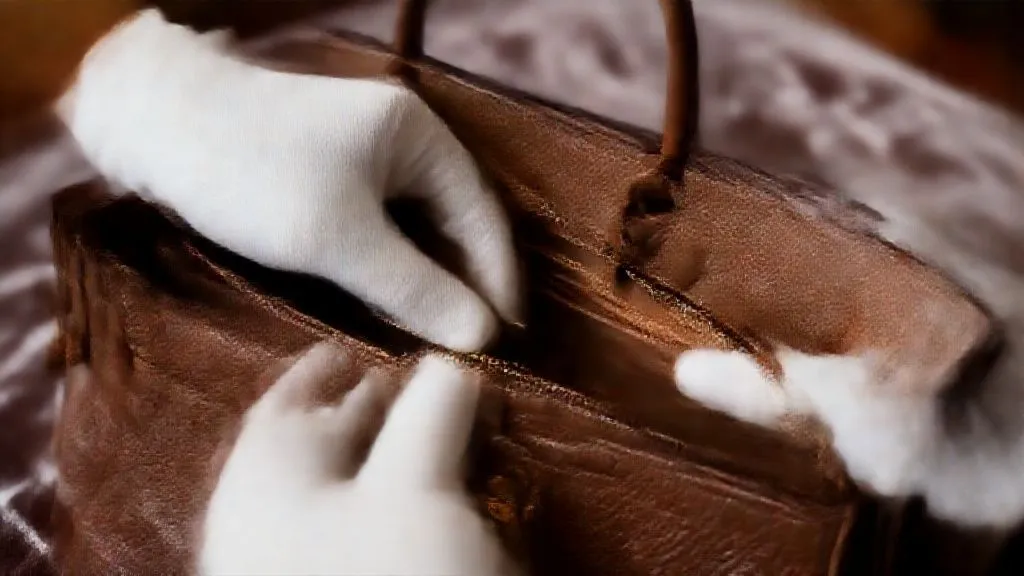
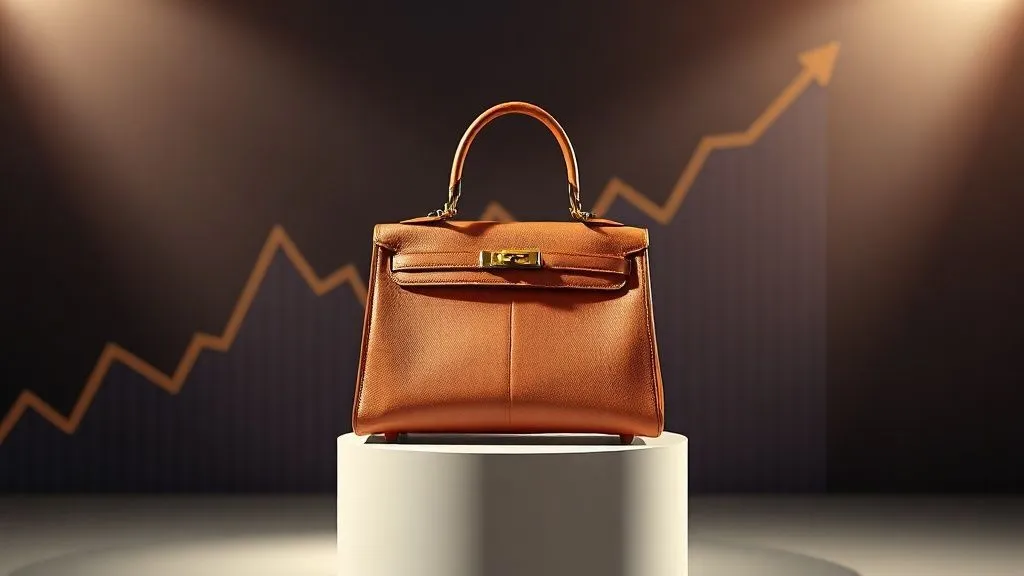
Your email address will not be published. Required fields are marked *