

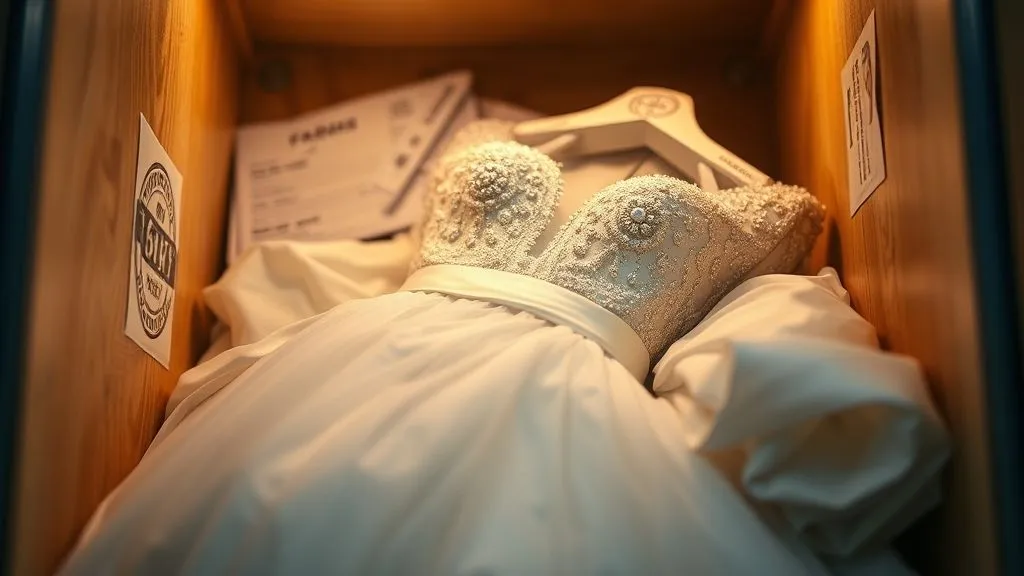
Solving Customs Hurdles for High-Value Bridal Attire Shipments
For over two decades in the bridal fashion industry, I've had the distinct privilege of witnessing countless brides find their dream gowns. But I’ve also seen the heartbreaking panic when those dreams hit a snag – specifically, when a high-value bridal gown, destined for a breathtaking overseas wedding, gets entangled in the labyrinthine world of international customs.
The sheer emotional and financial investment in a designer wedding dress makes it far more than just 'clothing' to customs officials. It's a luxury item, often hand-embellished, sometimes custom-made, and almost always irreplaceable. The pain points are palpable: unexpected duties, agonizing delays, the risk of damage during inspection, or even worse, seizure due to improper documentation. These aren't just logistical headaches; they're potential wedding day disasters.
Through years of advising designers, boutiques, and despairing brides, I've developed a robust framework for navigating these treacherous waters. In this definitive guide, I’ll share my expert insights, actionable strategies, and real-world wisdom to ensure your high-value bridal attire arrives safely, on time, and without unwelcome surprises, effectively Solving customs hurdles for high-value bridal attire shipments.
Understanding the Stakes: Why High-Value Bridal Attire is Different
A wedding gown is not merely a garment; it's a masterpiece of design, craftsmanship, and emotion. For customs, however, it's a commodity, albeit a complex one. The 'high-value' aspect triggers a different level of scrutiny and requires specific handling protocols that differ significantly from standard apparel.
Firstly, the intrinsic value – often thousands, if not tens of thousands, of dollars – means higher potential duties and taxes, and a greater incentive for customs to verify its declared value. Secondly, the delicate nature of fabrics like silk, lace, intricate beadwork, and delicate embroidery demands specialized packaging and handling to prevent damage during transit or inspection. Lastly, the time-sensitive nature of a wedding means delays are catastrophic, transforming a minor shipping issue into a major crisis.
I've personally witnessed situations where a unique, hand-dyed gown was held for weeks because the dye certificate wasn't included, or a pearl-encrusted dress was opened for inspection without proper care, leading to irreparable damage. These experiences underscore the critical need for a meticulous, proactive approach.
The Foundation: Proactive Planning and Documentation
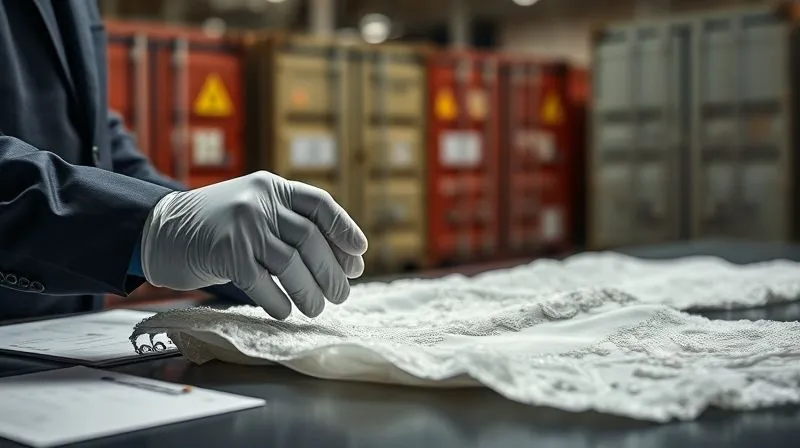
The cornerstone of a successful high-value bridal attire shipment lies in meticulous pre-shipment planning and impeccable documentation. This isn't just about filling out forms; it's about providing an irrefutable narrative for your gown.
1. Accurate Valuation and Harmonized System (HS) Codes
Under-declaring the value of a high-value item like a wedding gown is a common, yet grave, mistake. It can lead to severe fines, seizure, and permanent blacklisting with customs authorities. Always declare the true retail value. If it's a custom piece, provide a detailed breakdown of costs (materials, labor, design fees).
Equally crucial is the Harmonized System (HS) code. This international standard classifies products, dictating duties, taxes, and regulations. A wedding dress falls under specific textile categories, often 6204.42 (for women's dresses of cotton) or 6204.43 (of synthetic fibers). However, specific embellishments or materials might require a more granular code. Incorrect HS codes are a leading cause of delays and incorrect duty assessments. Consult the World Customs Organization (WCO) database or a customs broker for precision. The WCO website is an invaluable resource.
2. Detailed Commercial Invoice and Packing List
Your commercial invoice must be a masterclass in clarity. Include:
- Shipper and Consignee details (full addresses, contact numbers, tax IDs).
- Detailed description of goods (e.g., "Custom-made Ivory Silk Organza Bridal Gown with Hand-embroidered Swarovski Crystal Bodice").
- Quantity (1 unit).
- Unit Price and Total Value (matching the declared value).
- Currency.
- HS Code.
- Country of Origin.
- Reason for Export (e.g., "Sale," "Personal Use for Wedding").
- Incoterms (e.g., DDP - Delivered Duty Paid, if duties are prepaid by shipper).
The packing list should mirror the invoice but focus on physical contents: number of boxes, weight, dimensions, and contents of each package. Ensure these documents are easily accessible, preferably in a clear pouch attached to the exterior of the package.
3. Certificates of Origin and Authenticity
For designer gowns, a Certificate of Authenticity from the designer or boutique is highly recommended. This document verifies the gown's provenance and often its value, lending credibility to your declaration. A Certificate of Origin (COO), if required by the destination country or for specific trade agreements, confirms where the gown was manufactured and can impact duty rates. Always check the specific import requirements of the destination country well in advance.
Choosing Your Allies: Freight Forwarders and Customs Brokers
While DIY shipping for a standard parcel is feasible, for a high-value, time-sensitive item like a wedding gown, engaging professionals is not just advisable – it's often essential. These specialists are your navigators through the complex customs landscape.
When to Engage a Specialist
I always recommend engaging a specialist when:
- The gown's value exceeds a certain threshold (often $2,500-$5,000 USD, depending on the country).
- The destination country has notoriously complex import regulations.
- You're under a tight deadline.
- The gown has unique materials (e.g., rare furs, protected leathers that might have CITES restrictions).
A reputable freight forwarder handles the logistics of transportation, while a customs broker specializes in clearing goods through customs on your behalf. Many international carriers (like FedEx, DHL, UPS) offer integrated customs brokerage services, which can streamline the process.
Vetting Your Partners: Key Questions to Ask
When selecting a freight forwarder or customs broker, don't shy away from asking pointed questions:
- Do you have specific experience with high-value fashion or bridal wear shipments?
- What is your success rate for customs clearance in [Destination Country]?
- Can you advise on the correct HS codes and duty/tax calculations for my specific item?
- What documentation will you require from me, and what forms will you prepare?
- What is your protocol for handling customs inspections or queries?
- Do you offer door-to-door service, including final mile delivery?
- What insurance options are available for the full declared value of the gown?
- What are your communication channels and how frequently will I receive updates?
Case Study: How 'Bridal Bliss Boutique' Streamlined International Shipments
Bridal Bliss Boutique, a high-end atelier in New York, frequently shipped custom gowns to international clients. They initially handled customs in-house, leading to frequent delays and one instance where a gown was held for 10 days in Paris due to a missing import license. By partnering with a specialized customs broker, they implemented a pre-clearance protocol, ensuring all documentation, HS codes, and duty payments were handled proactively. This reduced their average customs clearance time by 70%, eliminated delays, and provided clients with real-time tracking, significantly enhancing their brand reputation and client satisfaction. Their broker even advised on temporary import bonds for gowns sent for international photoshoots, a nuance they hadn't considered.
Navigating Duties, Taxes, and Tariffs
Understanding the financial implications is paramount. Duties, taxes, and tariffs can add a significant percentage to the gown's value, and unexpected charges are a major source of frustration.
Understanding De Minimis Values and Free Trade Agreements
Many countries have a 'de minimis' value – a threshold below which imported goods are exempt from duties and taxes. For high-value bridal attire, this threshold is almost always exceeded. However, Free Trade Agreements (FTAs) can significantly reduce or even eliminate duties if the gown qualifies under the agreement's rules of origin. For example, a gown manufactured in a country with an FTA with the destination country might benefit from preferential duty rates. This is where your Certificate of Origin becomes crucial.
Calculating Potential Costs
Duties are typically calculated as a percentage of the declared value (Cost, Insurance, Freight – CIF value). Value Added Tax (VAT) or Goods and Services Tax (GST) is then applied to the sum of the CIF value plus duties. These rates vary wildly by country and by HS code. A customs broker can provide an accurate estimate. Always budget for these costs, and decide whether the sender (DDP - Delivered Duty Paid) or the recipient (DDU - Delivered Duty Unpaid) will bear them. For bridal attire, DDP is often preferred to avoid surprising the bride with unexpected fees upon delivery.
| Country of Import | HS Code Example (6204.43) | Estimated Total Tax (on $10k gown) |
|---|---|---|
| France | 5% Duty + 20% VAT | $2,600 |
| Australia | 5% Duty + 10% GST | $1,550 |
| Canada | 18% Duty + 5% GST (Federal) | $2,390 |
| Japan | 9.6% Duty + 10% Consumption Tax | $2,056 |
Packaging for Protection and Compliance
The way your high-value bridal attire is packaged is critical for both its physical safety and its journey through customs. Proper packaging minimizes damage and makes inspection easier for officials.
Beyond the Box: Materials and Methods
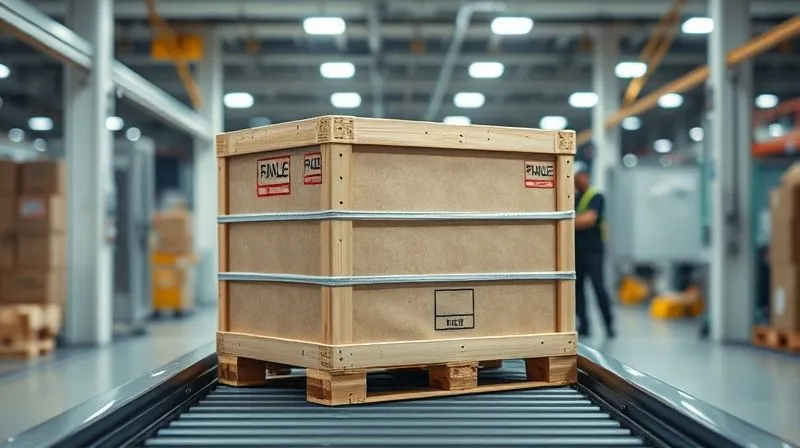
Think of the packaging as a fortress for your gown. Start with acid-free tissue paper to protect delicate fabrics from discoloration. The gown should be carefully folded or rolled to minimize creasing, ideally placed in a breathable garment bag. This entire ensemble then goes into a sturdy, double-walled shipping box or, for ultimate protection, a custom-built wooden crate. Consider using shock-absorbing materials like foam inserts or bubble wrap around the garment bag to prevent shifting during transit. For very delicate items, a 'box-within-a-box' method provides an extra layer of insulation against impact.
Visible Labeling and Handling Instructions
Clear, prominent labeling is non-negotiable. Affix 'Fragile,' 'Handle with Care,' 'Do Not Bend,' and 'This Side Up' stickers on all sides of the outer packaging. If the gown is susceptible to temperature or humidity, specific warnings can also be added. Crucially, ensure the commercial invoice and packing list are in a clearly marked, waterproof pouch on the exterior of the box, ideally with a duplicate inside.
The Import/Export Declaration Process: What to Expect
Once your gown leaves its origin, it enters a structured, yet often unpredictable, declaration process. Knowing what to expect can alleviate anxiety and help you respond effectively to any issues.
Pre-Arrival Notification and Clearance
Many advanced customs systems utilize pre-arrival notification, where electronic documentation is submitted before the physical goods even reach the border. This allows customs to review and pre-clear shipments, or flag them for inspection, significantly speeding up the process. Work with your freight forwarder to ensure all electronic declarations are submitted accurately and on time. This proactive step is crucial for avoiding initial delays.
Potential for Inspection and Valuation Challenges
Even with perfect documentation, high-value items are more prone to physical inspection. Customs officials may open the package to verify contents, materials, and declared value. This is why robust, protective packaging is vital. If they challenge the declared value, you'll need to provide additional proof, such as purchase receipts, designer invoices, or even independent appraisals. Be prepared to provide these promptly to avoid prolonged holds.
Dealing with Customs Holds and Queries
Should your gown be held, swift and accurate communication is key. Here’s my advised protocol:
- Stay Calm: Panic rarely helps.
- Contact Your Broker/Forwarder Immediately: They are your primary point of contact and have direct channels to customs.
- Understand the Reason: Ask for the exact reason for the hold – is it missing documentation, a valuation query, or a random inspection?
- Provide Requested Information Promptly: Have all supporting documents (invoices, certificates, communication logs) ready to share.
- Follow Up Regularly: Maintain consistent, polite communication without being overbearing.
According to a report by Deloitte, inefficient customs processes cost businesses billions annually in delays and storage fees. Proactive engagement with your shipping partner and providing all necessary information upfront can significantly mitigate these risks.
Post-Clearance and Delivery: The Final Stretch
Customs clearance isn't the absolute end of the journey; safe and timely delivery to the bride is the ultimate goal.
Tracking and Communication
Ensure you have robust tracking capabilities, ideally with real-time updates. Share this tracking information with the bride or her designated contact person. Clear, proactive communication about the gown's status, especially after customs clearance, builds trust and manages expectations. If there are any unforeseen delays, communicate them immediately with a clear explanation and revised timeline.
Insurance Claims and Contingency Plans
Despite all precautions, accidents can happen. Ensure the gown is insured for its full declared value, including any duties and taxes paid. Understand the insurance policy's terms, particularly regarding damage during customs inspection. Have a contingency plan: research local bridal boutiques or alteration specialists at the destination in case of last-minute repairs, or even a rental option as a dire emergency backup. While rare, having a 'Plan B' can be a huge stress reliever.
Common Pitfalls and How to Avoid Them
In my years, I've seen recurring mistakes that trip up even the most organized individuals. Avoiding these pitfalls is as crucial as following best practices.
Under-declaration of Value
This is the cardinal sin of international shipping. The temptation to reduce duties by declaring a lower value is strong, but the consequences are severe: fines often far exceeding the saved duties, seizure of goods, and potential legal action. It's simply not worth the risk. Always declare the true, full retail value.
Incomplete Documentation
A missing signature, an incorrect HS code, or an omitted Certificate of Origin can bring a shipment to a grinding halt. Double-check, triple-check, and then ask a third party to review all your documentation. A fresh pair of eyes can catch errors you've overlooked.
Ignoring Local Regulations
What's permissible in one country might be illegal or highly regulated in another. Certain materials (e.g., specific furs, exotic leathers) might be prohibited entirely or require special permits. Always research the specific import regulations of the destination country. This extends to things like labeling requirements (e.g., language requirements for care labels).
In the world of high-value bridal fashion, due diligence isn't a suggestion; it's a non-negotiable requirement. The cost of prevention is always, always less than the cost of remediation.
Frequently Asked Questions (FAQ)
Q1: Can I declare my wedding dress as a "gift" to avoid duties? No, this is highly ill-advised and often illegal. Customs officials are adept at identifying mislabeled items, especially high-value ones. Declaring a high-value item as a 'gift' can lead to fines, seizure, and significant delays. Always declare the true nature and value of the item.
Q2: What if my dress is delayed by customs and my wedding is imminent? This is a nightmare scenario, but not uncommon. First, contact your customs broker or freight forwarder immediately for an expedited resolution. They can often escalate the issue. If time is truly critical, you might need to explore local rental options at the destination as a backup, or even consider having a trusted friend or family member hand-carry a less expensive, temporary dress. Prevention through meticulous planning is the best defense.
Q3: Should I carry my dress as hand luggage instead? For many brides, especially those traveling directly, carrying the gown as hand luggage (often in a dedicated garment bag that can be hung in a first-class closet) is the preferred method for ultimate peace of mind. However, this is only feasible if the bride is traveling with the gown and if the airline allows it. It still requires careful packing to fit within cabin baggage dimensions and may still require declaration upon arrival if its value exceeds personal import allowances.
Q4: How do I handle repairs or alterations that might require re-shipment? If a gown needs to be sent back for alterations or repairs and then re-imported, you may be able to use a 'temporary import' or 're-importation' process to avoid paying duties twice. This often involves specific customs declarations (e.g., an ATA Carnet for temporary admission of goods) and strict timelines. Consult a customs broker for guidance on this complex procedure.
Q5: What's the role of temporary import bonds? A temporary import bond (TIB) allows you to import goods into a country for a specific purpose (like a photoshoot, exhibition, or even personal use for a short period) without paying duties, provided the goods are re-exported within a set timeframe. For high-value bridal attire, especially for professional use, a TIB can save significant costs. However, failing to re-export within the specified period results in forfeiture of the bond and payment of full duties and penalties.
Key Takeaways and Final Thoughts
Navigating the complexities of international customs for high-value bridal attire shipments might seem daunting, but with the right knowledge and proactive strategies, it's entirely manageable. Remember these critical takeaways:
- Prioritize Proactive Documentation: Accurate valuation, HS codes, and detailed invoices are your first line of defense.
- Leverage Expert Partners: Freight forwarders and customs brokers are invaluable for their expertise and connections.
- Understand Financial Implications: Budget for duties and taxes, and decide on DDP vs. DDU early.
- Invest in Superior Packaging: Protect your precious cargo from physical damage and facilitate inspections.
- Communicate and Track: Keep all parties informed and monitor the shipment's progress diligently.
The journey of a wedding gown to its destination wedding is more than just logistics; it's about safeguarding a dream. By adopting these expert-backed strategies, you're not just shipping a dress; you're ensuring peace of mind for one of life's most cherished moments. Approach this process with the same care and attention to detail that went into creating the gown itself, and you'll undoubtedly achieve a seamless, stress-free delivery.
Recommended Reading
- 5 Pillars: Updating Heritage Luxury Appeal for Modern Consumers
- 7 Keys: How to Make Sportswear Streetwear Truly Authentic?
- 7 Proven Ways to Stop Costume Jewelry Allergic Reactions & Irritation
- The Ultimate Guide: Repairing Small Tears in Cashmere Gloves Yourself
- The Ultimate Guide: Best Strategies for Copping Streetwear Drops





Your email address will not be published. Required fields are marked *