

How to Prevent Unsafe Kids Fashion Accessory Product Recalls? 7 Proactive Steps
For over two decades in the kids' fashion industry, I've witnessed firsthand the devastating ripple effect of a product recall. It's not just a logistical nightmare; it's a catastrophic blow to a brand's reputation, a financial drain that can cripple even established businesses, and most importantly, a profound breach of trust with parents who rely on us to keep their children safe. I've seen companies, both large and small, make critical missteps that could have been entirely avoidable with the right preventative framework in place.
The problem is often multifaceted: a lack of comprehensive understanding of evolving safety standards, shortcuts in material sourcing, or an insufficient focus on quality assurance throughout the product lifecycle. The stakes are incredibly high when it comes to children's products; a small choking hazard, a chemical irritant, or a sharp edge can have severe, even tragic, consequences. Parents expect, and deserve, absolute peace of mind when they purchase accessories for their little ones.
This article isn't just about avoiding penalties; it's about building a legacy of safety and trust. I'm going to share a definitive framework, drawing from my extensive experience, offering actionable insights, practical strategies, and real-world examples to guide you through the complexities of preventing unsafe kids' fashion accessory product recalls. By the end, you'll have a clear roadmap to embed safety into the very DNA of your brand.
1. Establish a Robust Design & Development Protocol with Safety at Its Core
The journey to a safe product begins long before manufacturing. It starts on the drawing board. I always emphasize that safety by design is non-negotiable. Every decision, from concept to prototype, must be filtered through a lens of potential hazards.
Design for Durability and Age Appropriateness
One of the most common oversights I've observed is failing to consider the typical wear and tear a child's accessory will endure. Kids are rough! They pull, chew, twist, and drop things. Designs must account for this. Furthermore, an accessory suitable for a teenager is often a hazard for a toddler.
- Hazard Identification: Begin each design project with a thorough hazard assessment. Think about small parts, sharp edges, pinch points, strangulation risks (long cords/loops), chemical composition, and flammability.
- Age Grading: Clearly define the target age group for each accessory. This dictates material choices, size, strength, and testing requirements. A headband for a 10-year-old has different safety considerations than one for a 6-month-old.
- Durability Testing in Design Phase: Don't wait for the final product. Prototype materials and constructions should undergo preliminary stress tests. Can that bow come undone? Will that clasp break easily into small pieces?
- Functionality vs. Safety: Always prioritize safety over aesthetic trends. If a design element poses even a minor risk, it needs to be re-evaluated or eliminated.
"Safety isn't an add-on; it's the foundation upon which trust is built in kids' fashion. Design flaws are often the most expensive to fix post-production."
According to the Consumer Product Safety Commission (CPSC), small parts are a leading cause of choking hazards in children under three. This underscores the absolute necessity of rigorous small parts testing during the design and prototyping phases.
2. The Critical Role of Material Sourcing and Supplier Vetting
You are only as strong as your weakest link, and in manufacturing, that's often your supply chain. I've seen brands face recalls due to toxic dyes in fabrics or lead content in metal components, issues that originated many tiers deep in their supplier network.
Establishing a Vetted Supplier Network
Transparency and accountability are paramount. Don't just pick the cheapest option; choose partners who share your commitment to safety.
- Supplier Audits: Conduct regular, in-depth audits of all material suppliers. This includes reviewing their own quality control processes, chemical management policies, and certifications.
- Material Specifications: Provide clear, unambiguous material specifications to all suppliers. This should detail not only aesthetic requirements but also chemical composition limits (e.g., lead, phthalates, cadmium, flame retardants) and physical properties (e.g., tensile strength, abrasion resistance).
- Certification Verification: Request and verify certifications for all raw materials. Look for Oeko-Tex Standard 100 for textiles, or REACH compliance for chemicals, where applicable. Don't just take their word for it; ask for test reports from accredited labs.
- Traceability: Implement a system for full traceability of all materials, from their origin to the finished product. In the event of an issue, you need to quickly identify and isolate affected batches.
Case Study: How 'Tiny Trinkets' Transformed Supplier Safety
Case Study: How 'Tiny Trinkets' Transformed Supplier Safety
Tiny Trinkets, a burgeoning kids' jewelry brand, faced a near-recall when a batch of metal charms tested positive for trace amounts of lead, despite their supplier's assurances. The scare prompted a complete overhaul of their sourcing strategy. They implemented a mandatory 3rd-party lab testing program for *every* incoming material batch, regardless of supplier history. Furthermore, they began conducting unannounced site visits to their key suppliers' facilities and required annual declarations of chemical compliance. Within 18 months, their material-related quality control issues dropped by 90%, solidifying their reputation as a trusted brand dedicated to child safety, even if it meant slightly higher initial material costs.
3. Implementing Rigorous Testing and Quality Assurance Protocols
Even with the best design and sourcing, testing is your final line of defense. This isn't a one-time event; it's a continuous process throughout production.
A Multi-Stage Testing Strategy
I advocate for a multi-stage approach, combining in-house checks with independent third-party verification.
- Pre-Production Sample Testing: Before mass production begins, every component and the assembled product must undergo comprehensive testing by an accredited third-party laboratory. This includes physical, mechanical, and chemical tests relevant to the product's age grade and intended use.
- In-Process Quality Checks: Implement checkpoints at various stages of the manufacturing process. This could involve visual inspections for sharp edges, functional checks for fasteners, or small parts testing on a percentage of items as they come off the line.
- Post-Production Batch Testing: Even after initial approvals, randomly select samples from each production batch for re-testing. This catches potential variations or issues that may arise during mass production.
- Accredited Laboratories: Always use ISO/IEC 17025 accredited laboratories. Their results are recognized globally and provide an independent, unbiased assessment of your product's safety.
"Testing isn't a cost; it's an investment in your brand's future and, more importantly, in a child's safety."
| Hazard Type | Relevant Standard | Test Method |
|---|---|---|
| Choking Hazard (Small Parts) | ASTM F963, EN 71-1, CPSC 16 CFR 1501 | Small Parts Cylinder Test, Torque/Tension Test |
| Chemical Hazard (Lead, Phthalates) | CPSIA, REACH, CA Prop 65 | XRF Screening, GC-MS, ICP-OES |
| Sharp Points/Edges | ASTM F963, EN 71-1 | Sharp Point Tester, Sharp Edge Tester |
| Flammability | CPSC 16 CFR 1610 | Flammability of Clothing Textiles Test |
| Strangulation Hazard (Loops/Cords) | ASTM F963, EN 71-1 | Loop/Cord Measurement, Entanglement Test |
4. Navigating Regulatory Compliance: A Global Perspective
The regulatory landscape for kids' products is complex and ever-changing. What's compliant in the US might not be in the EU, and vice-versa. Staying informed is a full-time job.
Understanding and Adhering to International Standards
Ignorance is not bliss; it's a liability. I've advised many companies on setting up systems to track these evolving mandates.
- Identify Relevant Regulations: For the US, this primarily means the Consumer Product Safety Improvement Act (CPSIA), which includes requirements for lead, phthalates, and toy safety standards like ASTM F963. For the EU, it's the Toy Safety Directive (EN 71 series) and REACH regulations. Other markets like Canada, Australia, and Japan have their own specific requirements.
- Stay Updated: Regulations are not static. Subscribe to newsletters from regulatory bodies (e.g., CPSC, European Commission), industry associations, and testing labs. Attend webinars and industry conferences.
- Technical Files/Documentation: Maintain a comprehensive technical file for every product. This should include design specifications, material datasheets, test reports, risk assessments, and declarations of conformity. This documentation is crucial during audits or in the event of a recall.
- Legal Counsel: For complex international markets, it's wise to consult with legal experts specializing in product safety and international trade.
As Seth Godin often says regarding compliance, "It's not about doing enough to get by; it's about doing enough to be proud." This applies directly to the stringent world of children's product safety.

5. Building an Effective Post-Market Surveillance System
Your responsibility doesn't end when a product leaves the factory. Post-market surveillance is crucial for catching unforeseen issues or design flaws that only emerge during real-world use.
Monitoring and Responding to Feedback
Listen to your customers. They are often your earliest warning system.
- Customer Feedback Channels: Establish clear and accessible channels for customer feedback, including dedicated email addresses, phone lines, and social media monitoring.
- Complaint Management System: Implement a robust system for logging, categorizing, and investigating all product-related complaints. Even seemingly minor issues should be recorded and analyzed for patterns.
- Retailer Feedback: Work closely with your retail partners. They are on the front lines and can provide invaluable insights into common issues or customer concerns.
- Social Media and Online Reviews: Actively monitor social media, online marketplaces, and review sites for mentions of your products. Negative feedback, especially concerning safety, requires immediate attention.
- Trend Analysis: Regularly analyze complaint data for emerging trends. Are certain components failing consistently? Are there specific age groups experiencing issues? This data can inform design improvements or trigger further investigations.
"The absence of complaints is not proof of safety; it's merely the absence of reported problems. Proactive monitoring turns potential crises into opportunities for improvement."
6. Cultivating a Culture of Safety within Your Organization
Product safety isn't just the responsibility of the QC department; it's a shared mindset that must permeate every level of your organization, from design to marketing.
Embedding Safety into Your Company DNA
I've seen companies with excellent processes still falter because safety wasn't truly ingrained in their culture. It needs to be a core value.
- Leadership Commitment: Safety starts at the top. Senior management must visibly champion product safety, allocate necessary resources, and hold teams accountable.
- Employee Training: Provide regular, comprehensive training for all employees involved in product development, manufacturing, sales, and customer service. This includes understanding regulations, internal safety protocols, and how to identify potential hazards.
- Whistleblower Policy: Create an environment where employees feel safe and empowered to raise concerns about potential safety issues without fear of reprisal.
- Cross-Functional Safety Team: Establish a dedicated team comprising representatives from design, engineering, sourcing, quality control, legal, and marketing to regularly review safety performance and proactively address risks.
- Incentivize Safety: Integrate safety metrics into performance reviews and recognition programs. Reward teams for identifying and mitigating risks, not just for meeting production targets.
7. Leveraging Technology for Proactive Risk Management
In today's fast-paced world, manual processes are often insufficient. Technology can be a powerful ally in preventing recalls.
Digital Tools for Enhanced Safety Management
From CAD software to data analytics, technology offers unparalleled opportunities to enhance safety protocols.
- Product Lifecycle Management (PLM) Software: Implement PLM systems to manage all product data, from design specifications and material lists to test reports and compliance documents, in a centralized, accessible platform. This ensures everyone is working with the latest, approved information.
- Supplier Management Platforms: Use software to track supplier performance, audit results, certifications, and material traceability. This allows for proactive identification of high-risk suppliers.
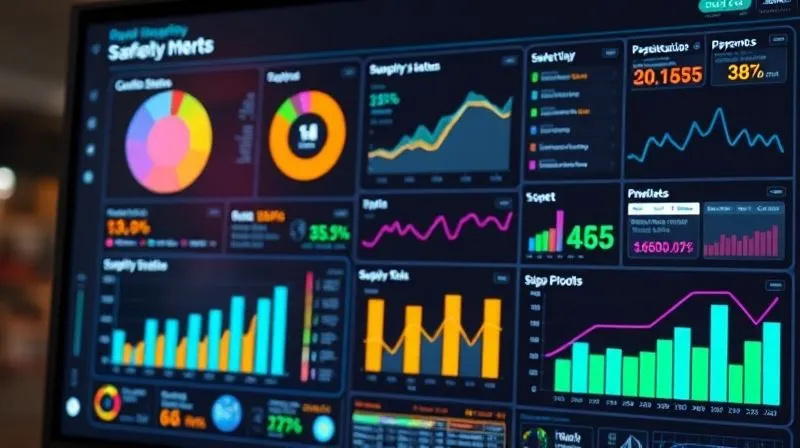
- Data Analytics and AI: Leverage data analytics to identify patterns in customer complaints, testing failures, or supplier non-conformities. AI tools can even predict potential failure points based on design parameters and material properties.
- Digital Checklists and Workflows: Replace paper-based checklists with digital workflows that ensure all safety checks and approvals are completed at each stage of the product development and manufacturing process.
- Automated Regulatory Monitoring: Explore services that provide automated alerts and summaries of changes in relevant product safety regulations across different markets.
According to a Deloitte study on supply chain resilience, companies leveraging advanced analytics and digital platforms are significantly better equipped to anticipate and mitigate risks, including product safety issues.
| Technology Solution | Benefit for Safety |
|---|---|
| PLM Software | Centralized data, version control, full traceability |
| Supplier Management Platforms | Performance tracking, audit management, risk scoring |
| Data Analytics/AI | Predictive risk identification, trend analysis of complaints |
| Automated Regulatory Monitoring | Real-time alerts on compliance changes |
| Digital Workflows/Checklists | Ensures process adherence, reduces human error |
Frequently Asked Questions (FAQ)
What are the most common hazards in kids' accessories that lead to recalls? The most frequent hazards include small parts posing choking risks for children under three, excessive levels of lead or phthalates in materials, sharp points or edges, and strangulation hazards from cords or loops. Less common but equally dangerous are flammability issues and chemical irritants.
How often should product testing be conducted for kids' accessories? Testing should be a continuous process. This includes initial pre-production sample testing by accredited third-party labs, in-process quality checks during manufacturing, and post-production batch testing for ongoing verification. For materials, testing should occur with each new batch from a supplier, or at minimum, annually.
What's the difference between mandatory and voluntary safety standards? Mandatory standards are legal requirements enforced by government agencies (like the CPSC in the US). Non-compliance can result in fines, recalls, and legal action. Voluntary standards (like ASTM F963 for toys) are developed by industry bodies and are not legally binding unless explicitly referenced in a mandatory regulation or adopted by a company as best practice. However, adhering to voluntary standards is often crucial for demonstrating due diligence and meeting consumer expectations.
How can small businesses afford comprehensive safety measures and testing? While safety measures require investment, they are far less costly than a recall. Small businesses can start by prioritizing basic compliance testing for their specific product type and age range. They can also leverage resources from industry associations, utilize accredited testing labs that offer tiered service packages, and focus on building strong relationships with vetted suppliers who already have safety protocols in place. Integrating safety by design from the outset also reduces later testing costs.
What role does design play in preventing recalls? Design is foundational. By incorporating safety considerations from the initial concept phase – such as designing out small parts for younger children, ensuring durable construction, avoiding sharp elements, and selecting inherently safe materials – many potential hazards can be eliminated before they ever reach production. A safety-first design approach significantly reduces the likelihood of future recalls.
Key Takeaways and Final Thoughts
Preventing unsafe kids' fashion accessory product recalls is not a task; it's a profound commitment to child safety and a strategic imperative for brand longevity. As I've outlined, it requires a holistic approach, integrating safety into every facet of your operation:
- Design with Intent: Embed safety from the very first sketch, considering age-appropriateness and durability.
- Vet Your Supply Chain: Know your materials and your suppliers intimately, ensuring transparency and compliance.
- Test, Test, Test: Implement rigorous multi-stage testing protocols with accredited laboratories.
- Stay Compliant: Master the complex landscape of global regulatory standards and stay continually updated.
- Listen and Learn: Establish robust post-market surveillance to quickly identify and address emerging issues.
- Cultivate a Safety Culture: Make safety a core value, championed by leadership and embraced by every employee.
- Embrace Technology: Leverage digital tools for enhanced data management, risk assessment, and compliance tracking.
The journey to zero recalls is ongoing, requiring vigilance, continuous improvement, and an unwavering dedication to the well-being of the children who wear your products. By adopting these proactive strategies, you're not just avoiding penalties; you're building a brand synonymous with trust, quality, and, most importantly, safety. Your commitment today safeguards the smiles of tomorrow.
Recommended Reading
- 7 Proven Ways to Manage Unrealistic Expectations in Fashion Shoots
- 5 Steps to Ethically Source Sustainable Fabrics for Streetwear Drops
- Unveiling the Secret: How to Clean Delicate Theatrical Stage Costumes Like a Pro
- 7 Proven Strategies: Turn Beauty Influencer Content into Direct Sales
- Unlock Your Star Style: How to Choose Celebrity Eyewear for Your Face Shape




Your email address will not be published. Required fields are marked *