

How to Source Authentic Historical Costume Materials on a Tight Budget?
For over two decades in the demanding world of costume design, I've witnessed countless aspiring designers and independent creators grapple with a perennial challenge: achieving historical authenticity without breaking the bank. The allure of perfectly replicated period garments is strong, but the reality of sourcing genuine silks, wools, and linens from bygone eras often clashes with a limited budget.
This isn't just about finding cheap fabric; it's about navigating a complex landscape where historical accuracy, material availability, and financial constraints constantly collide. The pressure to deliver a convincing portrayal, whether for stage, screen, or living history, can lead to compromises that detract from the overall integrity of the design.
But what if I told you that achieving authentic historical costume materials on a tight budget is not only possible but can also lead to more creative and resourceful solutions? In this definitive guide, I'll share my battle-tested strategies, offering actionable frameworks, real-world insights, and expert advice to transform your approach to sourcing.
Mastering the Art of Material Deconstruction and Repurposing
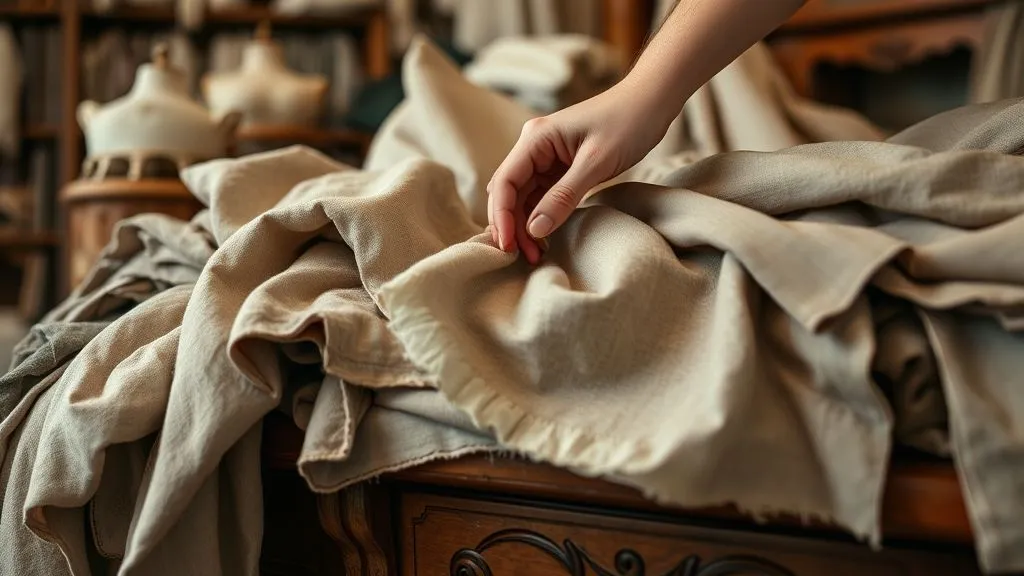
One of the most valuable lessons I've learned in historical costume design is that 'new' isn't always 'best,' and 'old' certainly doesn't mean 'useless.' The first step to finding authentic historical costume materials on a tight budget is to look at existing garments and textiles not as finished products, but as raw material waiting to be reborn.
The Hidden Value in Secondhand Garments and Linens
Think beyond the fabric store. Charity shops, vintage boutiques, and even your grandmother's linen closet can be treasure troves. I've found exquisite silk scarves, sturdy wool blankets, and beautifully aged linen tablecloths that, with a little creativity, became integral parts of historically accurate costumes.
- Identify Natural Fibers: Prioritize garments made from 100% natural fibers like cotton, linen, wool, and silk. These are the foundations of historical textiles. Avoid synthetics unless a specific historical period allows for early synthetics, which is rare for true 'historical' costumes.
- Assess Fabric Condition: Look for textiles that are structurally sound. Minor stains can often be treated, or strategically cut around. Fading can even be a desirable quality, adding to the aged look.
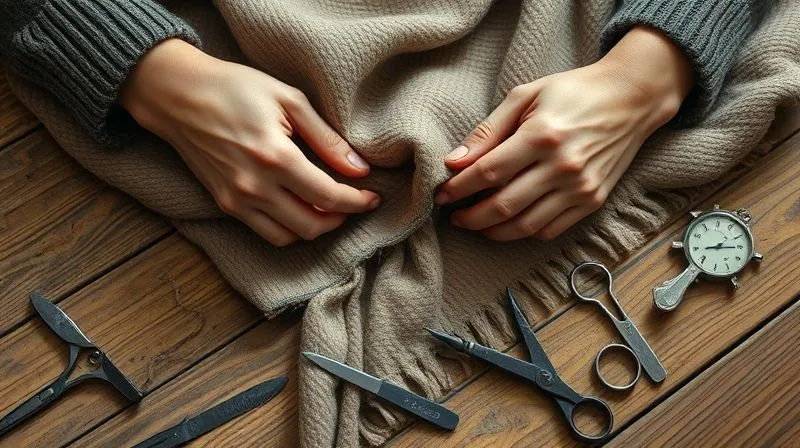
- Deconstruct Carefully: Once acquired, carefully unpick seams. You'll be surprised how much usable fabric can be salvaged from a large skirt, a pair of trousers, or a duvet cover. Ironing out old seam lines is crucial for a clean new canvas.
- Consider Dyes and Treatments: Many repurposed fabrics might need to be overdyed to achieve a period-appropriate color. Natural dyes or even modern fabric dyes can be employed. Research historical dyeing techniques for an added layer of authenticity.
This approach not only saves significant money but also often yields fabrics with a unique character and drape that modern, off-the-roll textiles simply don't possess. It's a sustainable practice that connects you more deeply with the materials themselves.
Strategic Sourcing: Beyond the Fabric Store
While mainstream fabric stores have their place, they are rarely the primary source for truly authentic historical costume materials on a tight budget. My expertise has taught me to cast a wider net, exploring avenues that many overlook.
Estate Sales, Auctions, and Antique Fairs
These venues are goldmines for vintage textiles, notions, and even complete garments. People often clear out old family estates, and you can find incredible pieces for a fraction of their historical value. I once found a box of genuine Victorian lace trim at an estate sale for less than the cost of a modern synthetic equivalent.
- Do Your Research: Understand the typical pricing for historical items to recognize a good deal.
- Inspect Thoroughly: Always check for moth damage, sun fading, or irreparable tears.
- Haggle Respectfully: Especially at the end of a sale, sellers might be more open to negotiation.
Online Marketplaces and Specialist Forums
The internet has revolutionized sourcing. Websites like eBay, Etsy, and even specialized historical reenactment forums often have individuals selling off fabric remnants, vintage patterns, or deconstructed garments. You can often find small quantities of high-quality, period-appropriate materials at surprisingly low prices.
Expert Insight: "The key to successful online sourcing isn't just about finding a listing; it's about building relationships. Join historical costume forums and engage with the community. Often, fellow enthusiasts will share leads or even sell materials directly, fostering a network of mutual support."
Here's a comparison of common sourcing channels and their budget-friendliness for historical materials:
| Source Channel | Authenticity Potential | Budget Friendliness | Notes |
|---|---|---|---|
| Major Fabric Chains | Low to Medium | Medium to High (for basic) | Good for basic cotton/linen, limited historical variety. |
| Specialty Historical Fabric Stores (Online) | High | Low | Excellent quality, but premium pricing. |
| Thrift/Charity Stores | Medium to High | Very High | Requires patience & eye for natural fibers. Hit-or-miss. |
| Estate Sales/Auctions | High | Medium to High (can find bargains) | Best for unique finds & notions, requires time & local knowledge. |
| Online Marketplaces (eBay, Etsy) | Medium to High | Medium | Wide variety, good for remnants, careful vetting of sellers needed. |
Embracing 'Period-Appropriate' Over 'Period-Exact'
When the budget is tight, striving for 'period-exact' can be an insurmountable hurdle. My advice? Focus on 'period-appropriate.' This distinction is crucial for how to source authentic historical costume materials on a tight budget without sacrificing overall historical feel.
Understanding Fiber Blends and Weaves
While a pure silk brocade from the 18th century might be out of reach, a modern silk-blend taffeta with a similar drape and sheen can be a very effective substitute. The key is understanding the visual and tactile qualities of historical fabrics and finding modern equivalents that mimic them closely. For example, a crisp cotton twill can often stand in for a heavier wool twill in certain applications, especially for undergarments or less prominent costume elements.
- Focus on Weight and Drape: How does the fabric fall? Is it stiff, flowing, heavy, light? These characteristics often impact the silhouette more than the exact fiber content.
- Examine Weave Patterns: Can you find a modern plain weave, twill, or satin that visually matches a historical example? Small patterns or textures can often be more convincing than a perfectly smooth, modern fabric.
- Consider the 'Hand' of the Fabric: How does it feel? Historical fabrics often had a different texture due to less refined processing. Look for fabrics that feel substantial, not flimsy.
The Art of Dyeing and Finishing
The color and finish of a fabric are just as important as its fiber content. Many historical textiles had natural, muted tones, or were dyed with specific, often less vibrant, natural pigments. You can take a modern, affordable natural fiber fabric and transform its appearance through dyeing, distressing, or other finishing techniques.
- Research Historical Color Palettes: Understand what colors were available and fashionable in your chosen period.
- Experiment with Dyeing: Fabric dyes can turn a cheap white cotton into a convincing period linen. Natural dyes (e.g., madder root for red, indigo for blue) can add an extra layer of authenticity if you have the time and resources.
- Distressing Techniques: For certain costume types (e.g., working class, military), subtle distressing, weathering, or even tea-staining can give a brand-new fabric an aged, lived-in look.
Forging Relationships with Local Artisans and Suppliers
In my experience, some of the most extraordinary finds and cost-effective solutions for historical costume materials come from building connections within your local community. This is a strategy that often gets overlooked in our digital age, but its value is immense.
Supporting Small Businesses for Unique Finds
Seek out local weavers, spinners, dyers, or even small, independent fabric shops. These artisans often work with natural fibers, produce unique textiles, or have access to deadstock (leftover fabric from larger productions) that would be perfect for historical costumes. While their per-yard price might seem higher than a discount store, the quality and uniqueness often justify the investment, especially for smaller, key costume elements.
- Visit Farmers' Markets and Craft Fairs: Often, local fiber artists sell their wares here.
- Explain Your Project: Be open about your budget and the historical context. They might have remnants or be willing to offer a discount for a creative project.
- Consider Bartering or Collaboration: If you're a skilled artisan yourself, perhaps you can exchange services.
Case Study: How 'The Gilded Thread' Project Sourced Affordable Period Buttons
The independent film project, 'The Gilded Thread,' faced a significant challenge in sourcing hundreds of period-appropriate buttons for their 18th-century costumes. Traditional suppliers were quoting exorbitant prices for authentic horn and bone buttons. The lead costume designer, drawing on my advice, visited a local antique restoration workshop. The owner, a hobbyist button collector, had a vast personal collection of damaged or incomplete period garments from which he'd salvaged countless buttons over the years. Understanding the film's budget constraints and artistic vision, he offered a bulk rate for hundreds of historically accurate buttons that would have been impossible to acquire otherwise. This personal connection saved the production thousands of dollars and added an invaluable layer of authenticity to the costumes, demonstrating the power of local collaboration. For more on the value of local sourcing, see this Harvard Business Review article on local economies.
The Power of Smart Pattern Adaptation and Material Economy
Sourcing materials is only half the battle; how you use them is equally critical for achieving historical accuracy on a budget. This involves intelligent pattern choices and a rigorous approach to fabric conservation.
Maximizing Fabric Yield
Historical patterns often require specific fabric widths and quantities, but with clever adaptation, you can make less fabric go further. This is particularly important when you're working with limited quantities of rare or expensive authentic historical costume materials.
- Scale Down Non-Essential Elements: If a pattern calls for a full skirt, consider if a slightly less voluminous one would still convey the correct silhouette for your specific character or scene.
- Utilize Scraps: Even small pieces of fabric can be used for facings, piping, small details, or even patched together for undergarments where the joins won't be visible.
- Consider Seam Allowance Adjustments: Sometimes, slightly reducing seam allowances (if safe for construction) can save precious inches across multiple pattern pieces.
- Layout Optimization: Spend extra time laying out your pattern pieces on the fabric. Experiment with different orientations, especially for pieces that don't have a strong grainline requirement, to minimize waste.
Layering and Undergarments as Cost-Savers
Historical costumes are built in layers. Often, the outermost, most visible garments demand the highest authenticity and quality. This means you can be more flexible with the materials used for undergarments or less visible layers.
- Cheaper Linings: Use more affordable cotton or linen for linings that won't be seen.
- Basic Underpinnings: Petticoats and shifts can often be made from very basic, unbleached cotton or repurposed bed sheets, as their primary function is to provide shape and protect the outer garment, not to be a display piece themselves.
- Strategic Fabric Placement: Reserve your most authentic or beautiful fabric for the most prominent parts of the garment – the bodice front, sleeves, or a visible overskirt. Use a more budget-friendly, period-appropriate fabric for the back of a skirt, or for elements that will be covered by other costume pieces.
Research, Documentation, and the Ethical Imperative
A truly expert costume designer understands that sourcing isn't just about finding materials; it's about understanding their historical context, properties, and even their ethical implications. This deep knowledge empowers you to make informed, budget-friendly choices without compromising integrity.
Diving Deep into Historical Textiles
Before you even begin to look for fabric, immerse yourself in the textile history of your chosen period. What fibers were available? How were they woven, dyed, and finished? What did they feel like? This knowledge is your most powerful tool for identifying appropriate modern substitutes or recognizing genuine vintage finds. Museums, academic papers, and historical textile archives are invaluable resources.
- Study Primary Sources: Look at extant garments in museum collections, historical paintings, and written descriptions from the period.
- Understand Technological Limitations: Recognize that certain weaves, dyes, or fabric treatments simply didn't exist in earlier eras. This prevents costly mistakes.
- Build a Reference Library: Collect swatches of modern fabrics that approximate historical ones, noting their fiber content, weave, and price point.
A deep understanding of historical textiles, their production, and their use is paramount for anyone aiming to create accurate period costumes. It allows you to discern what is truly authentic and what is merely a modern approximation. For an excellent resource, explore the Metropolitan Museum of Art's Textile Collection online.
Ethical Sourcing and Sustainability
As an industry specialist, I also emphasize the ethical dimension of sourcing. While finding authentic historical costume materials on a tight budget, consider the environmental and social impact of your choices. Repurposing, buying secondhand, and supporting local artisans are inherently more sustainable practices.
Expert Insight: "True authenticity in historical costume design extends beyond visual accuracy; it encompasses respect for the materials and the methods of their creation. Prioritizing repurposed or ethically sourced materials not only aligns with historical resourcefulness but also contributes to a more sustainable future for our craft."
This approach isn't just about feeling good; it often leads to more unique, characterful materials that inherently possess a story, adding depth to your costumes. It also aligns with the historical reality of pre-industrial societies, which were inherently more resourceful and less wasteful with their textiles.
Collaborative Solutions: Sharing Resources and Knowledge
The costume design community is rich with talent, passion, and often, shared struggles regarding budget. Leveraging this community can be an incredibly effective way to source authentic historical costume materials on a tight budget.
Community Workshops and Costume Swaps
Many historical reenactment groups, theatre companies, and independent costume guilds organize material swaps or communal workshops. These events are fantastic opportunities to:
- Exchange Materials: Trade fabric remnants, notions, or even entire garments with fellow designers. What might be a small unusable scrap for one person could be the perfect historical trim for another.
- Pool Resources: For larger projects, consider pooling funds with others to buy a bolt of expensive, authentic fabric at a wholesale price, then dividing it.
- Share Knowledge: Learn about new sourcing avenues, dyeing techniques, or pattern adaptations from experienced members of the community.
These collaborative environments foster a sense of camaraderie and shared learning, which is invaluable in a niche field like historical costume design. It's a testament to the idea that we are stronger and more resourceful together. For more on the benefits of collaborative economies, read this Forbes article.
Frequently Asked Questions (FAQ)
Q: Is it ever acceptable to use synthetic fabrics for historical costumes if the budget is extremely limited? A: While I always advocate for natural fibers for true authenticity, for background characters or very specific modern interpretations on a shoestring budget, a well-chosen synthetic can sometimes mimic the drape or sheen of a historical fabric. The key is careful selection – look for matte finishes, avoid obvious plastic-y textures, and ensure the color is period-appropriate. It's a compromise, but sometimes a necessary one, especially for distant shots or non-speaking roles.
Q: How can I tell if a vintage fabric is truly natural fiber without destroying a piece? A: The 'burn test' is the most definitive, but if you can't destroy a sample, rely on touch and visual cues. Natural fibers often feel cooler to the touch, have a less uniform texture (especially linen and wool), and often have a subtle sheen rather than a bright, artificial glint. Old cottons and linens will often show slight irregularities in the weave. Experience is your best teacher here; handle as many known natural fibers as possible to train your senses.
Q: What are the most common historical costume materials that are difficult to source on a budget, and what are their best alternatives? A: Silk brocades and velvets (especially silk velvet) are notoriously expensive. For brocade, look for silk-blend taffetas with embroidered or woven patterns, or even printed cottons or linens if the pattern is convincing. For silk velvet, a good quality cotton velvet or even a plush velour (again, carefully chosen) can sometimes work for less prominent pieces. Fine wool broadcloths can also be pricey; look for repurposed wool blankets or consider fulled (felted) wool from thrifted coats.
Q: How important is thread and notions authenticity when the fabric is already a compromise? A: Very important! Even if your fabric isn't 100% period-exact, using period-appropriate threads (e.g., silk, linen, cotton, not polyester) and notions (buttons, hooks, eyes) can significantly elevate the overall authenticity. These small details are often what keen observers notice, and they are usually much more affordable to source accurately than large quantities of fabric. Handmade buttonholes or hand-sewn finishes with appropriate thread can make a world of difference.
Q: Are there any ethical considerations when sourcing from antique markets or estate sales? A: Absolutely. While repurposing is generally sustainable, be mindful of items that might have cultural or historical significance beyond their material value. Always respect the provenance of items. Additionally, be aware of the labor practices behind any new textiles you purchase, even if they are natural fibers. Supporting local, ethical producers is always preferable.
Key Takeaways and Final Thoughts
Navigating the intricate world of historical costume design on a tight budget demands creativity, resourcefulness, and an unwavering dedication to research. As I've outlined, it's not merely about cutting costs, but about making informed, strategic choices that honor historical accuracy while respecting financial limitations. To effectively source authentic historical costume materials on a tight budget, remember these critical points:
- Repurpose and Deconstruct: Look at existing garments and textiles as raw material.
- Expand Your Sourcing Horizons: Explore beyond traditional fabric stores to estate sales, online marketplaces, and local artisans.
- Embrace 'Period-Appropriate': Focus on the visual and tactile qualities of historical fabrics rather than strict fiber-for-fiber exactness.
- Master Dyeing and Finishing: Transform modern fabrics into historically convincing ones through color and texture manipulation.
- Build Relationships: Connect with local suppliers and the wider costume community.
- Optimize Usage: Employ smart pattern adaptation and material economy to make every inch count.
- Prioritize Research and Ethics: Deep understanding of textile history and responsible sourcing are non-negotiable.
Ultimately, your budget doesn't have to be a barrier to historical authenticity; it can be a powerful catalyst for innovation. By adopting these expert strategies, you'll not only save money but also cultivate a deeper appreciation for materials, techniques, and the rich tapestry of textile history. Go forth, create, and let your resourcefulness be your greatest asset!
Recommended Reading
- 7 Proven Strategies: How to Mitigate Financial Risks at Luxury Fashion Week
- Ethical Gems: 5 Strategies to Retain UHNW Clients Questioning Sourcing
- Unlock Your Worth: The Ultimate Guide to Negotiating Rates for Fashion Blog Collaborations
- Unveiling the Secret: How to Clean Delicate Theatrical Stage Costumes Like a Pro
- Unlock the Secrets: How to Create Dramatic Fashion Photography Lighting Outdoors?

Your email address will not be published. Required fields are marked *