

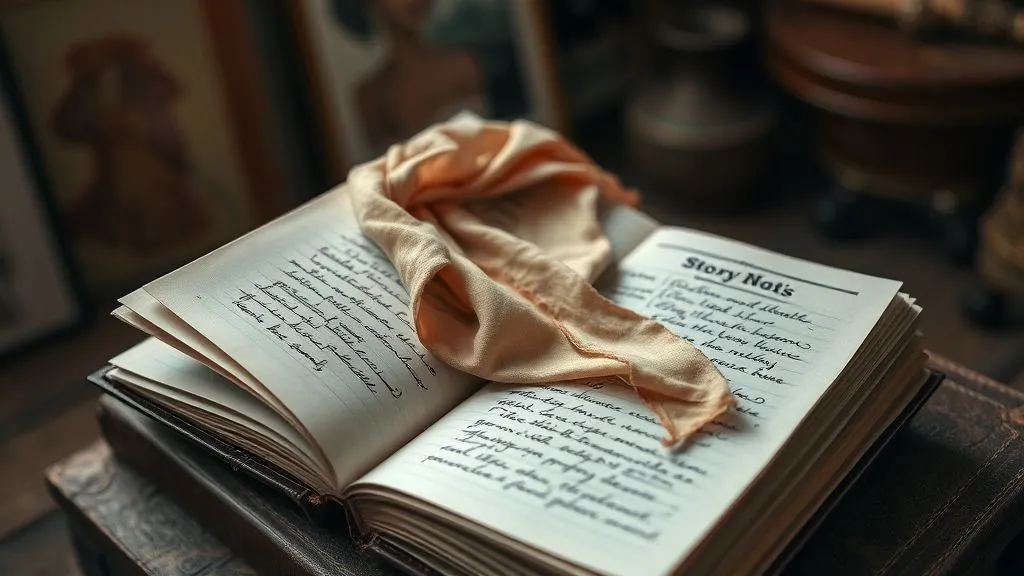
Solving the lack of narrative depth in fashion editorial shoots?
For over two decades navigating the intricate world of fashion photography, I’ve witnessed countless editorials that are undeniably beautiful – stunning garments, impeccable styling, breathtaking locations. Yet, many leave a hollow feeling, a sense that something crucial is missing: a story, a soul, a genuine connection that transcends mere aesthetics.
The problem is pervasive. In an industry often fixated on the 'next big thing' and rapid consumption, the art of crafting a profound narrative can be overlooked, reducing shoots to a collection of pretty pictures rather than a cohesive visual journey. This superficiality not only diminishes the impact of the work but also fails to engage the viewer on a deeper, more memorable level.
This article isn't just about identifying the issue; it’s about providing you with a robust framework and actionable strategies for solving the lack of narrative depth in fashion editorial shoots. We'll delve into the foundational elements of storytelling, from concept development to post-production, equipping you with the tools to transform your visuals into compelling, resonant narratives that captivate and endure.
The Core Problem: Beyond Pretty Pictures
We've all seen them: the technically flawless fashion spreads that, despite their perfection, feel utterly forgettable. This phenomenon stems from a fundamental misunderstanding of what makes an image truly powerful. It's not just about the clothes or the model; it's about the unspoken dialogue, the emotional resonance, and the underlying message that weaves through every frame.
Without a narrative, a fashion editorial is simply a display – a catalogue. With it, it becomes an experience, an invitation into a world, a reflection of human emotion or a societal commentary. The lack of this narrative depth is often the biggest hurdle preventing a shoot from becoming iconic, from truly standing out in a saturated visual landscape.
“Fashion photography, at its best, isn't just about selling clothes; it's about selling a dream, an emotion, a lifestyle. And dreams are built on stories, not just surfaces.”
Deconstructing the Narrative: What Makes a Story?
Before we can build a compelling visual story, we must understand its constituent parts. A narrative, whether written or visual, typically comprises several key elements that work in synergy to create meaning and evoke emotion. In fashion photography, these elements are translated through styling, location, model direction, and post-production.
Think of your editorial as a short film or a silent play. Each frame is a scene, and together they build a progression. Understanding these components allows us to intentionally craft a narrative rather than stumble upon it.
- Protagonist (The Model): Who is this person? What are their aspirations, their mood, their journey?
- Setting (The Location): Where does this story unfold? Does the environment complement or contrast with the protagonist's journey?
- Conflict/Tension (The Narrative Arc): What challenge or emotional state is being explored? It doesn't have to be dramatic; it can be subtle, internal.
- Theme (The Underlying Message): What deeper idea or concept are you exploring – identity, rebellion, solitude, joy?
- Resolution (The Emotional Payoff): How does the story conclude, or what feeling is left with the viewer?
Pre-Production is Paramount: The Storyboard as Your Blueprint
In my experience, the most impactful fashion editorials are born long before the camera even leaves its bag. They are meticulously planned, conceptualized, and storyboarded. This pre-production phase is where you lay the narrative groundwork, ensuring every element serves the overarching story.
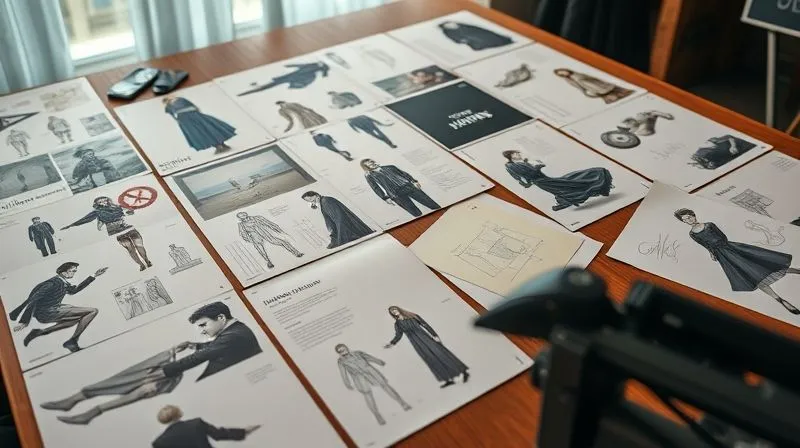
A detailed storyboard is more than just a shot list; it’s a visual script. It forces you to think through the progression, the mood changes, the model's expressions, and how each garment contributes to the narrative. This collaborative tool ensures everyone on set – stylist, makeup artist, model, and assistants – is aligned with the vision.
- Brainstorm the Core Concept: Start with a single word, an emotion, a piece of music, or a historical era. Let it evolve into a concise theme.
- Develop Character Profiles: Create a backstory for your model's persona. What is their name, their age, their inner world? This informs styling and direction.
- Location Scouting with Narrative in Mind: Don't just pick a pretty place. Choose a location that inherently tells part of your story or provides a powerful backdrop for it.
- Wardrobe & Prop Storytelling: Select garments and props that visually reinforce your character's journey and the editorial's theme. Every accessory should have a reason to be there.
- Sketch Out Key Shots: Draw rough thumbnails of your desired frames, focusing on composition, lighting, and model posing. Include notes on emotion and narrative beats.
- Create a Mood Board: Compile images, textures, colors, and references that capture the aesthetic and emotional tone of your story.
Character, Setting, and Conflict: Crafting Your Visual Arc
Once your storyboard is in place, it's time to delve deeper into how the fundamental elements of storytelling translate into visual cues. These aren't abstract concepts; they are tangible tools that shape every frame.
The Protagonist: The Model as Your Storyteller
Your model isn't just a mannequin; they are the embodiment of your narrative's protagonist. Their gaze, posture, and subtle gestures are critical. Direct them not just on where to stand, but on what to feel and express. Discuss their character's backstory with them, allowing them to inhabit the role genuinely. This authenticity is what truly connects with the viewer.
The Setting: More Than Just a Backdrop
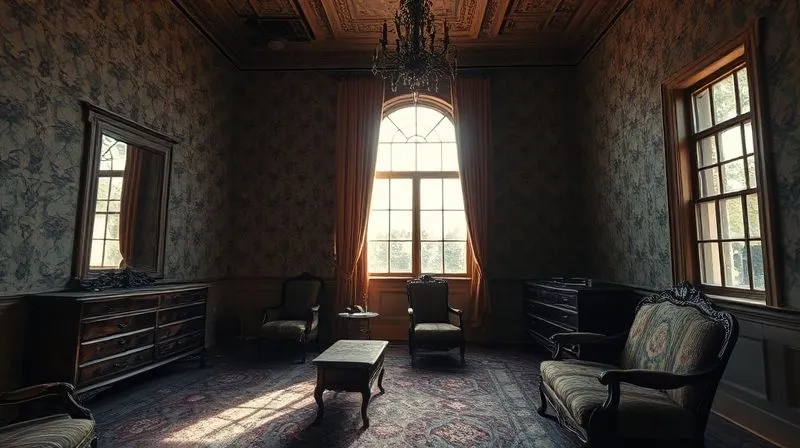
The chosen location is a silent character in itself. It can provide context, create mood, or even introduce a subtle conflict. A dilapidated mansion can speak of decay and forgotten grandeur, while a bustling city street might convey anonymity or ambition. Consider how the environment interacts with your model and the clothing. Does it create harmony or tension? As visual communication expert Donis A. Dondis stated, “The power of an image lies in its ability to communicate without words.”
The Conflict: The Heart of the Story
Every compelling story needs a driving force, a conflict. In fashion editorial, this doesn't have to be a dramatic clash. It can be an internal struggle, a moment of contemplation, a feeling of isolation or triumph. This 'conflict' provides the emotional weight and gives the viewer something to ponder. It’s the tension that makes the narrative engaging. For more on developing narrative arcs, consider exploring resources on story structure and conflict in screenwriting.
The Power of Styling and Prop Storytelling
Styling extends far beyond simply putting clothes on a model. It's a nuanced art form that, when approached with narrative intent, can elevate a shoot from good to extraordinary. Every garment, accessory, and prop becomes a word in your visual sentence, contributing to the overall story.
I’ve often seen stylists who are masters of aesthetics but miss the narrative thread. The key is to ensure every item chosen is not just beautiful, but meaningful. Does that vintage locket suggest a past love? Does that worn suitcase imply a journey? These details are subtle but incredibly potent in building narrative depth.
- Layering for Depth: Use layers of clothing to suggest complexity, transformation, or protection, reflecting the character's emotional state.
- Texture and Fabric as Metaphor: A rough texture might convey resilience, while flowing silk could suggest fluidity or vulnerability.
- Color Psychology: Employ color palettes intentionally to evoke specific emotions or themes – muted tones for melancholy, vibrant hues for joy.
- Props as Character Extensions: A prop should never feel arbitrary. It should be something the character would own, interact with, or that symbolically represents their journey.
- Hair and Makeup as Narrative Tools: These elements are crucial for defining character and mood, from a wild, untamed hairstyle for rebellion to a minimalist look for introspection.
Case Study: 'Echoes of the Past' Editorial
A few years ago, I collaborated on an editorial titled 'Echoes of the Past' for a boutique fashion magazine. The brief was simple: showcase a new collection of vintage-inspired gowns. Instead of just shooting beautiful dresses, we decided to craft a narrative around a young woman discovering her grandmother's attic, filled with heirlooms and forgotten memories.
The stylist sourced not only the gowns but also antique lace, faded photographs, and a tarnished silver hand mirror. The model, portraying the granddaughter, was directed to interact with these props, sometimes with wonder, sometimes with melancholy. A shot of her looking into the mirror, her reflection juxtaposed with a faded photo of her grandmother, spoke volumes about identity and legacy without a single caption. This narrative approach made the collection feel deeply personal and resonated powerfully with readers, leading to significant engagement and positive feedback, proving that narrative sells more than just clothes – it sells stories.
Directing for Emotion: Guiding Your Models to Tell the Tale
The model is your primary visual storyteller. Their ability to convey genuine emotion and embody a character is paramount for solving the lack of narrative depth in fashion editorial shoots. This requires more than just posing; it demands empathetic and clear direction from the photographer.
I’ve found that the best results come from fostering a safe, collaborative environment where the model feels empowered to explore the character. Don't just tell them to 'look sad'; explain *why* their character is sad in that moment, what they've experienced, or what they're longing for. This deeper understanding translates into authentic expressions.
- Pre-Shoot Discussion: Share the full narrative concept, character profile, and storyboard with your model before the shoot day.
- Provide Emotional Prompts: Instead of technical pose directions, give emotional cues. "Imagine you've just received a letter from a lost love," or "You're reflecting on a profound decision."
- Encourage Improvisation: Allow the model space to move and react naturally within the scene. Sometimes the most powerful moments are unscripted.
- Use Music: Curate a playlist that aligns with the mood and theme of your editorial. Music can be an incredibly powerful tool for evoking emotion.
- Lead by Example (Subtly): Demonstrate emotions or gestures if necessary, but primarily guide them with words and atmosphere.
- Review and Adjust: Periodically show the model images from the back of the camera, discussing what's working and how to refine the expression or gesture.
“Authenticity in front of the lens comes from genuine feeling, not just perfect posture. Your job as a director is to unlock that feeling.”
For further insights into guiding performance, look into techniques from acting coaching and theatrical direction, which can be surprisingly applicable to still photography.
Post-Production as a Narrative Tool: Color, Mood, and Sequence
The story doesn't end when the shutter clicks. Post-production is a critical phase for refining, enhancing, and even defining the narrative. Color grading, retouching, and the sequencing of images all play vital roles in shaping the viewer's emotional journey.
Think of post-production as the final polish on your narrative. It can amplify the mood, draw attention to key details, and ensure a cohesive visual language throughout the entire editorial. A consistent color palette and tone can bind disparate images into a single, flowing story.
| Narrative Element | Before Post-Production | After Post-Production |
|---|---|---|
| Color Palette | Flat, generic, inconsistent | Rich, thematic, mood-driven |
| Mood & Tone | Ambiguous, superficial | Evocative, dramatic, emotional resonance |
| Visual Flow | Disjointed, static | Dynamic, guiding the viewer's eye |
| Impact on Story | Limited emotional connection | Profound, memorable narrative |
Selective retouching can enhance the storytelling by drawing the eye to the model's expression or a crucial prop, rather than distracting imperfections. Color grading can dramatically shift the mood, transforming a bright scene into something melancholic or a mundane setting into an ethereal dreamscape. It’s about creating a visual language that speaks volumes.
Beyond the Single Frame: The Editorial Sequence
An editorial is a series, not just a collection of individual shots. The order in which images are presented is crucial for building and sustaining a narrative. This sequencing creates rhythm, builds anticipation, and guides the viewer through the story you've meticulously crafted.
Consider the pace: do you start with a wide, establishing shot, then move to intimate details, or vice-versa? How do you use negative space and close-ups to punctuate emotional beats? A well-sequenced editorial is like a perfectly edited film, where each cut serves the story.
- Establishing Shots: Begin with images that set the scene and introduce the overall mood and location.
- Character Introduction: Show your protagonist in various states, revealing their personality and the conflict.
- Rising Action: Build tension or develop the character's journey through progressively intense or revealing images.
- Climax: Present the most impactful or emotionally charged image (or sequence of images) that represents the peak of your narrative.
- Resolution/Denouement: Conclude with images that offer a sense of closure, reflection, or a lingering question, leaving the viewer with a lasting impression.
- Pacing: Mix wide shots with close-ups, dynamic poses with contemplative moments, to create visual interest and control the flow of the story.
Understanding visual rhythm is key to effective storytelling in a series. For inspiration, explore the work of renowned photojournalists and their long-form essays, often featured in publications like Magnum Photos or National Geographic, where sequencing is an art form.
Frequently Asked Questions (FAQ)
How do I convince clients to invest in more conceptual, narrative-driven shoots? The best way is to present a strong, compelling visual proposal that clearly outlines the narrative and its potential impact. Show them how a deeper story will resonate more with their audience, create stronger brand recall, and ultimately lead to better engagement and sales than purely aesthetic images. Highlight the uniqueness and memorability of a narrative-rich campaign. Use examples of successful campaigns that leveraged storytelling.
What if my model isn't a trained actor? How can I still get genuine emotion? You don't need a trained actor. Focus on creating an authentic atmosphere on set. Talk to your model, understand their personality, and build rapport. Instead of asking for specific emotions, give them scenarios or open-ended questions related to the character's feelings. Play mood-setting music. Encourage them to move freely and express themselves naturally. Sometimes, the most genuine expressions come from moments of quiet reflection or playful interaction.
Can a single image truly tell a story, or does narrative depth only apply to a series? While a series allows for a more developed narrative arc, a single image can absolutely possess profound narrative depth. This is achieved through strong symbolism, evocative composition, powerful lighting, and a model's intensely expressive gesture or gaze. Think of iconic portraits or fine art photography – they often imply a whole backstory or a moment of significant emotional weight, inviting the viewer to create their own narrative around it.
How do I balance showcasing the fashion with telling a story? Won't the narrative overshadow the clothes? This is a common concern. The key is integration, not competition. The fashion should be an integral part of the story, not just an afterthought. The garments can define the character, enhance the mood, or even serve as a symbolic element within the narrative. Ensure your styling choices directly support the story, and direct your model to interact with the clothing in a way that feels natural to the character. The goal isn't to hide the fashion but to give it context and meaning.
What if my budget is limited for elaborate locations or props? Narrative depth isn't solely dependent on lavish resources. Creativity often thrives under constraints. A powerful story can be told in a simple studio with clever lighting and a single, symbolic prop. Focus on the human element – the model's expression, the subtle interplay of light and shadow, the emotional core. Sometimes, minimalism can make the narrative even more potent by stripping away distractions and focusing on raw emotion.
Key Takeaways and Final Thoughts
Solving the lack of narrative depth in fashion editorial shoots is not an overnight fix; it's a commitment to a more thoughtful, conceptual approach to your craft. It requires moving beyond the superficial and embracing the power of storytelling at every stage of your photographic process.
- Embrace Pre-Production: Your storyboard and concept development are the bedrock of a compelling narrative.
- Think Like a Director: Guide your models to embody characters and express genuine emotion.
- Every Element Tells a Story: From styling to location, ensure every detail contributes to the overarching narrative.
- Post-Production Refines the Tale: Use color, mood, and sequencing to amplify your story's impact.
- Connect, Don't Just Display: Aim for emotional resonance that makes your work memorable and impactful.
Remember, the most iconic fashion photography isn't just about what you see, but what you feel. By intentionally weaving narratives into your editorials, you're not just taking pictures; you're crafting experiences, evoking emotions, and leaving an indelible mark on your audience. Embrace the storyteller within, and watch your fashion photography transcend the ordinary.
Recommended Reading
- Slash Kids' Character Apparel Dead Stock: 7 Expert Strategies
- 7 Pro Strategies: Preventing Color Fade on Vibrant Red Hair for Professional Shoots?
- Luxury PR: 7 Digital Shifts for Declining High Fashion Print Media
- 5 Agile Strategies: Rapid Trend Integration for Activewear Brands
- Mastering Progressive Lenses: 5 Ways to Stop Distortion During Public Speaking


Your email address will not be published. Required fields are marked *