

Preventing Color Fade on Vibrant Red Hair for Professional Shoots?
For two decades, I've stood behind the camera and in the stylist's chair, witnessing the sheer artistry and the heartbreaking fragility of vibrant red hair. It’s a color that demands attention, exudes passion, and captivates lenses like no other. Yet, I've seen countless professional shoots jeopardized, and creative visions dimmed, by the insidious creep of color fade. That luminous crimson, that fiery copper, that electric magenta – it can dull, shift, or completely vanish faster than you can say 'reshoot,' leaving models, photographers, and stylists utterly frustrated.
The challenge of maintaining vibrant red hair, especially under the intense scrutiny and demands of a professional photoshoot, is unique. Red pigment molecules are notoriously larger and more prone to escaping the hair cuticle, making them susceptible to rapid fade from washing, UV exposure, heat styling, and even environmental pollutants. The pressure to deliver flawless, consistent color across multiple looks or an extended shooting schedule only amplifies this inherent vulnerability, turning what should be a triumphant display of color into a high-stakes race against time.
But what if there was a comprehensive, expert-backed strategy to not just slow, but significantly prevent color fade on vibrant red hair for professional shoots? In this definitive guide, I will unveil a multi-faceted approach, honed over years in the trenches of beauty fashion. We'll dive deep into the science, explore actionable pre-shoot protocols, master the art of in-shoot preservation, and establish robust post-shoot care routines. You'll gain access to frameworks, real-world analogies, and expert insights that promise to transform your vibrant reds from fleeting moments of brilliance into enduring masterpieces.
Understanding the Science of Red: Why It Fades So Fast
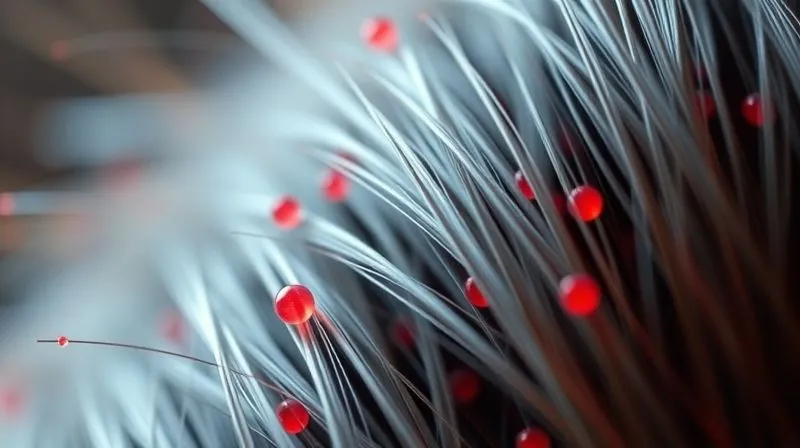
Before we can truly prevent red fade, we must understand its molecular Achilles' heel. Red hair color, whether natural or artificial, is primarily dictated by pheomelanin, a type of melanin. Unlike the smaller, more stable eumelanin (which creates black and brown tones), pheomelanin molecules are larger. When you color hair red, especially with oxidative dyes, these larger pigment molecules are deposited deep within the hair cortex. However, their size also makes them more prone to washing out through the hair's cuticle layer.
The Molecular Challenge: Porosity and Pigment Escape
The hair's cuticle, the outermost layer, acts like a protective shingle. When hair is porous – often due to chemical processing, heat damage, or even genetics – these 'shingles' are raised or damaged, creating wider gaps. It's through these gaps that the large red pigment molecules literally escape with every wash. Furthermore, red dyes often require higher levels of developer, which can further open the cuticle, exacerbating the problem. It's a cruel paradox: the more vibrant the red, the more open the cuticle often needs to be, and thus, the more vulnerable it becomes.
Environmental Aggressors: The Silent Strippers
Beyond the internal structure, external factors are relentless adversaries. UV radiation from the sun (or even studio lights) breaks down pigment molecules, causing oxidation and fading. Heat styling, without proper protection, not only damages the cuticle but also literally bakes the color out. Even the water we wash with plays a role: hard water contains minerals that can deposit on the hair, dulling color, while chlorine in swimming pools or even harsh tap water can strip it. Pollution, too, can create free radicals that degrade hair proteins and color. According to a study published in the Journal of Cosmetic Science, hair exposed to environmental stressors like UV radiation and pollutants shows significant changes in color stability and structural integrity.
“Red isn't just a color; it's a commitment to a specific molecular structure that demands specialized care. Ignoring its unique chemistry is a guaranteed path to fade.”
Pre-Shoot Protocol: Laying the Foundation for Lasting Vibrancy
The fight against fade begins long before the first click of the camera. A robust pre-shoot protocol is the bedrock upon which lasting red vibrancy is built. This isn't just about a quick color application; it's about meticulous preparation that considers hair health, porosity, and the specific demands of the shoot.
Consultation & Hair Health Assessment
My first step with any red-haired model slated for a professional shoot is an in-depth consultation. This isn't just about desired shade; it's a forensic examination of hair history, current health, and porosity. Damaged, overly porous hair will never hold red color well. Here’s my typical assessment process:
- Deep Conditioning & Hydration: Two weeks leading up to the color application, I recommend intensive deep conditioning treatments. Well-hydrated hair has a smoother cuticle, which helps to lock in color.
- Protein Treatments (If Needed): For hair that feels overly elastic or mushy when wet, a protein treatment can help rebuild the hair's internal structure, providing a stronger foundation for the color. However, be cautious not to over-proteinize, which can lead to brittle hair.
- Strand Test & Porosity Check: Always perform a strand test to gauge how the hair will react to the dye and how quickly it absorbs moisture. A simple float test in water can indicate porosity: hair that sinks quickly is highly porous.
The Right Dye Choice: Direct vs. Oxidative & Custom Formulas
Not all reds are created equal, nor are all coloring methods. For maximum vibrancy and longevity in a professional shoot setting, I often employ a multi-layered approach:
- Permanent Oxidative Dye Base: This provides the foundational, long-lasting red. Choosing a high-quality, professional-grade dye with conditioning agents is crucial.
- Semi-Permanent/Direct Dye Overlay: For an extra punch of vibrancy and to reinforce the red tones, I often apply a semi-permanent or direct dye over the permanent color. These dyes don't penetrate the cortex as deeply but sit on the cuticle, offering incredible shine and color saturation. They are also excellent for refreshing color between washes without causing further damage.
- Custom Formulation: Don't be afraid to mix and match. Sometimes, a blend of a copper base with a touch of a violet-red direct dye creates a truly unique and resilient shade.
Pre-Color Treatment: Porosity Equalization
Uneven porosity is a red hair colorist's nightmare. It leads to patchy, uneven color that fades inconsistently. To combat this, I utilize porosity equalizers or protein fillers before applying color. These products help to fill in the gaps in highly porous areas, ensuring a more even canvas for the dye. This step is often overlooked but is critical for uniform, long-lasting red. Here’s how porosity dictates treatment:
| Porosity Level | Characteristics | Pre-Color Treatment |
|---|---|---|
| Low Porosity | Cuticle tightly packed, resists moisture absorption, product buildup | Clarifying shampoo, gentle heat for product penetration |
| Normal Porosity | Balanced moisture absorption, good elasticity, healthy shine | Minimal prep, light conditioning mask |
| High Porosity | Cuticle raised/damaged, absorbs moisture quickly but loses it fast, prone to frizz and breakage | Protein filler, porosity equalizer, deep conditioning treatment |
The Wash Day Wisdom: Cleansing Without Stripping
Every wash is a potential threat to vibrant red hair. The goal is to cleanse effectively without stripping the precious pigment. This requires a complete overhaul of traditional washing habits.
Sulfate-Free & Color-Safe Shampoos: Your Non-Negotiables
Sulfates are harsh detergents that create lather but are notorious for opening the hair cuticle and stripping color. For vibrant red hair, a 100% sulfate-free and color-safe shampoo is non-negotiable. Look for formulations specifically designed for color-treated hair, often enriched with botanical extracts and UV filters. Brands like Pureology, Olaplex, and Oribe offer excellent options. As industry research from L'Oréal Professionnel consistently shows, using appropriate color-care products significantly extends color longevity.
Conditioning & Masking Rituals: Replenish and Seal
Following a gentle shampoo, robust conditioning is paramount. Use a rich, color-safe conditioner, focusing on the mid-lengths and ends. Once or twice a week, replace your conditioner with a deep conditioning mask specifically formulated for color-treated hair. These masks provide intensive hydration and often contain ingredients that help to seal the cuticle.
- Color-Depositing Masks: These are game-changers for red hair. They infuse a small amount of red pigment with each use, subtly refreshing the color and extending the time between salon visits. Brands like Moroccanoil and Overtone offer fantastic options.
The Gentle Wash Technique: A Step-by-Step Guide
The way you wash is just as important as what you wash with:
- Lukewarm Water Only: Hot water opens the cuticle, allowing color to escape. Use lukewarm water for washing and rinsing.
- Gentle Massage: Focus shampoo on the scalp, gently massaging with fingertips. Avoid aggressive scrubbing of the hair strands, which can rough up the cuticle.
- Rinse Thoroughly but Gently: Ensure all product is rinsed out, but don't blast the hair with high-pressure water.
- Cold Rinse Finish: A final rinse with cool water helps to close the hair cuticle, sealing in moisture and color.
“Every wash is a battle for red hair. Choose your weapons wisely: sulfate-free formulas, lukewarm water, and a conditioning arsenal are your best allies.”
Advanced Protection: Shields Against Environmental Threats
Once the color is perfected, the next step is to create an invisible shield against the relentless environmental factors that cause fade. This is where advanced protection products become indispensable for professional shoots.
UV Protection: Your Hair's Sunscreen
Just as skin needs sunscreen, vibrant red hair needs UV protection. Sunlight, even indirect, rapidly breaks down red pigment. For outdoor shoots or shoots under intense studio lighting, this is critical. Look for:
- UV Protection Sprays: Apply these lightweight mists before any outdoor exposure.
- Leave-in Conditioners with SPF: Many modern leave-ins now incorporate UV filters.
- Hats & Scarves: For downtime between shots, encourage models to cover their hair.
Heat Protectants: A Non-Negotiable Barrier
Heat styling is an unavoidable part of most professional shoots. However, direct heat without protection is a prime culprit for color fade and damage. I always ensure:
- High-Quality Heat Protectant: Apply a generous amount of a professional-grade heat protectant spray or cream to damp hair before blow-drying and to dry hair before using curling irons or flat irons.
- Lower Heat Settings: Whenever possible, use the lowest effective heat setting on styling tools. High heat not only damages the cuticle but also literally evaporates moisture and color.
- Ceramic/Tourmaline Tools: These tools distribute heat more evenly and can reduce damage.
Anti-Pollution & Antioxidant Formulas
Cities are rife with pollutants that can dull hair color and damage its structure. Increasingly, hair care brands are incorporating anti-pollution and antioxidant ingredients into their formulas. These help to neutralize free radicals and prevent environmental damage, keeping red hair brighter for longer.
Styling Strategies: Preserving Color During Production
On set, every styling choice can either contribute to or detract from color longevity. The pressure is high, but smart styling strategies can make all the difference, ensuring the vibrant red stays true from the first frame to the last.
Low-Heat Styling & Air Drying: Minimizing Stress
My golden rule on set: if you don't need heat, don't use it. When heat is necessary, use it judiciously.
- Embrace Air Drying: If the schedule allows, air drying or partial air drying before a gentle blow-dry can significantly reduce heat exposure.
- Velcro Rollers & Pin Curls: For volume and waves, consider heatless methods like velcro rollers or pin curls, set with a light hold spray.
- Diffusers: When blow-drying curly red hair, always use a diffuser on a low-heat, low-speed setting to prevent frizz and minimize direct heat impact.
Product Selection: Silicone-Free, Alcohol-Free for Redheads
The styling products you choose matter immensely. Many common styling products can be detrimental to vibrant red hair:
- Avoid Heavy Silicones: While some silicones can provide shine, heavy, non-water-soluble silicones can build up on the hair, making it dull and preventing moisture from penetrating.
- Steer Clear of Drying Alcohols: Many hairsprays and mousses contain alcohols that can be very drying, leading to a rougher cuticle and faster color fade. Look for alcohol-free formulas.
- Opt for Lightweight, Hydrating Formulas: Choose styling creams, serums, and sprays that offer hold and shine without weighing down the hair or containing harsh ingredients.
The Power of Gloss & Shine Sprays: Instant Vibrancy Boost
For that extra pop of color and reflective shine that looks incredible on camera, gloss and shine sprays are your secret weapon. These products don't typically contain color but create a smooth, reflective surface that enhances the hair's natural luminosity, making the red appear even more vibrant.
“A flawless shot begins with thoughtful prep and meticulous product selection, not just on-set magic. Every spray, every pass of a tool, must be a conscious decision to preserve that vibrant red.”
Post-Shoot Care: Extending the Life of That Perfect Red
The shoot is wrapped, but the journey to preserve that vibrant red is far from over. Post-shoot care is crucial for repairing any stress the hair may have endured and extending the color's life until the next session.
Immediate Rehydration & Repair: Masks and Oils
After a day (or days) of intense styling, lighting, and product application, hair needs immediate replenishment. I always recommend:
- Deep Repair Mask: A nourishing, protein-rich mask (if needed for damage) or a deeply hydrating mask should be applied immediately after the shoot, left on for at least 10-15 minutes.
- Hair Oils & Serums: Post-mask, a few drops of a high-quality hair oil (like argan, jojoba, or camellia oil) can seal in moisture and add shine, protecting the hair until the next wash.
Color-Depositing Conditioners & Glazes: Bridging the Gap
To maintain vibrancy between professional shoots or salon visits, color-depositing products are invaluable. These are not permanent dyes but rather subtle color boosts that can be incorporated into a regular wash routine.
- Weekly Color-Depositing Conditioner: Use a red-toned conditioner once a week to refresh fading tones.
- At-Home Glaze: For a more intense shine and minor color correction, an at-home clear or red-tinted glaze can work wonders.
Case Study: Elevating 'Crimson Muse' Campaign
How 'Crimson Muse' Campaign Conquered Red Fade
A prominent fashion brand, 'Crimson Muse,' was launching a new line of avant-garde clothing, featuring a model with breathtaking, vibrant ruby-red hair. The initial test shoots were plagued by rapid color fade, forcing costly reshoots and delaying the campaign launch. The model's hair, while naturally healthy, was struggling under the repeated styling, hot lights, and frequent washing. I was brought in to consult.
We implemented a rigorous post-shoot and interim care plan based on the principles outlined above. Immediately after each shoot day, the model's hair received a K18 bond-repair treatment followed by a custom-mixed deep hydrating mask. Her at-home routine was completely revamped to include only sulfate-free, color-safe products, supplemented by a red color-depositing conditioner used every third wash. Crucially, we also introduced a high-quality UV and heat protectant that she used diligently even on non-shoot days.
The results were transformative. The model's vibrant red maintained its intensity and shine for the entire three-week campaign, eliminating the need for any reshoots due to fade. The brand saved significant budget and time, and the final campaign imagery showcased the model's hair as a true highlight, perfectly complementing the clothing line. This demonstrated the immense power of a holistic, proactive approach to red hair care.
| Day | Action | Product Focus |
|---|---|---|
| Day 1 (Post-Shoot) | Bond-repair treatment + Deep hydrating mask | Repair & intense hydration |
| Day 2-3 | Minimal styling, apply leave-in conditioner with UV protection | Protection & light hydration |
| Day 4 (Wash Day) | Sulfate-free shampoo, red color-depositing conditioner, cool rinse | Color refresh & gentle cleanse |
| Day 5-6 | Limit heat, use hair oil for shine and protection | Nourishment & environmental shield |
| Day 7 | Re-assess, consider a light at-home glaze if needed | Vibrancy boost |
Professional Insights: When to Call in the Big Guns
While at-home care and on-set vigilance are crucial, there are times when professional intervention is essential to truly maintain and revive vibrant red hair, especially under the demands of a professional schedule.
Salon Glazes & Toners: The Expert Touch
Between major color services, a salon glaze or toner can be a lifesaver for red hair. These semi-permanent treatments are applied by a professional to:
- Boost Shine: They seal the cuticle, creating an incredibly reflective surface.
- Refresh Tone: They can neutralize unwanted undertones (e.g., brassiness) or intensify the existing red, giving it a fresh, 'just-colored' look without the commitment or damage of a full dye.
- Deep Condition: Many glazes have conditioning properties that leave hair feeling soft and healthy.
Bond-Building Treatments (e.g., Olaplex, K18)
For hair that has undergone significant chemical processing (like lightening before red application) or frequent heat styling, bond-building treatments are revolutionary. Products like Olaplex and K18 work at a molecular level to repair broken disulfide bonds within the hair shaft, strengthening the hair from the inside out. Stronger hair holds color better and is less prone to fade and breakage. I often recommend these as a pre-color service or as a post-shoot restorative treatment.
The Role of Water Filters: An Unsung Hero
This is often overlooked but can make a monumental difference. Hard water, prevalent in many areas, contains minerals like calcium and magnesium that can deposit on hair, causing dullness and faster color fade. A shower filter can significantly reduce these mineral deposits, ensuring that your expensive color-safe shampoos and conditioners can work more effectively. Investing in a good shower filter is a small cost for a big return on your vibrant red hair.
“Sometimes, the best DIY is knowing when to trust a master colorist. Their expertise, combined with advanced salon-grade treatments, can resurrect or elevate red vibrancy in ways at-home care simply can't.”
Frequently Asked Questions (FAQ)
Q: How often should red hair be washed for minimal fade, especially when preparing for shoots? A: Ideally, wash vibrant red hair as infrequently as possible. For professional shoots, I recommend washing every 3-4 days at most. Use dry shampoo between washes to absorb oil and refresh roots. For models with very oily scalps, a co-wash (conditioner-only wash) can be a gentler alternative to shampoo on non-shoot days. The less water and friction, the better for color retention.
Q: Are color-depositing shampoos effective or just a gimmick for maintaining red hair? A: Color-depositing shampoos can be quite effective as a supplementary tool, but they are not a replacement for professional color or color-depositing conditioners/masks. They offer a subtle, temporary refresh of tone and can help neutralize brassiness or boost vibrancy. Their effectiveness depends on the quality of the product, the hair's porosity, and consistency of use. Use them sparingly, perhaps once a week, to avoid over-depositing color or uneven results.
Q: Can swimming in chlorinated water really strip vibrant red color, and what can be done to prevent it? A: Absolutely, chlorine is a major culprit for stripping hair color, especially red. It's a powerful bleaching agent. To prevent this, saturate the hair with clean tap water or a leave-in conditioner before entering the pool. This fills the hair shaft, reducing the amount of chlorinated water it can absorb. Wearing a swimming cap is the ultimate protection. Immediately after swimming, rinse hair thoroughly with clean water and follow with a color-safe clarifying shampoo (if necessary) and a deep conditioner.
Q: What's the difference between a salon glaze and an at-home gloss, and which is better for red hair? A: A salon glaze is typically a professional-grade, semi-permanent treatment applied by a colorist. It offers superior shine, can subtly adjust tone, and lasts longer (4-6 weeks). At-home glosses are consumer-friendly versions, often clear or tinted, providing a temporary shine boost and very light toning. For serious color preservation and maximum impact for professional shoots, a salon glaze is far superior due to its professional formulation and application expertise. At-home glosses are good for maintenance between salon visits.
Q: How do I choose the right heat protectant for vibrant red hair, and how much should I use? A: Choose a heat protectant specifically formulated for color-treated hair, often containing ingredients like silicones (good ones!), polymers, and natural oils that form a barrier. Look for products that offer protection up to 450°F (232°C). As for quantity, it depends on hair length and thickness. For damp hair before blow-drying, spray evenly until hair feels slightly coated but not saturated. For dry hair before using hot tools, a lighter mist is sufficient. Always ensure even distribution, and remember, more isn't always better – too much can weigh hair down.
Key Takeaways and Final Thoughts
Maintaining vibrant red hair for professional shoots is an art form, a science, and a meticulous dance between prevention and preservation. It demands a holistic approach, starting long before the model steps onto the set and continuing long after the cameras stop clicking. By understanding the unique molecular challenges of red pigment and arming yourself with the right tools, techniques, and expert insights, you can conquer the notorious fade and ensure your red hair remains a show-stopping masterpiece.
- Prioritize Hair Health: A healthy canvas holds color best. Invest in pre-color treatments and regular deep conditioning.
- Smart Washing: Embrace sulfate-free, color-safe products and cold water rinses.
- Shield from Elements: UV and heat protection are non-negotiable for vibrant red longevity.
- Strategic Styling: Minimize heat, choose alcohol-free products, and leverage gloss for shine.
- Post-Shoot Recovery: Immediate repair and color-depositing products are crucial for extending vibrancy.
- Professional Support: Don't shy away from salon glazes and bond-builders for expert intervention.
The journey with vibrant red hair is a commitment, but one that yields breathtaking rewards. By implementing these expert strategies, you're not just preventing color fade; you're preserving the integrity of your artistic vision, ensuring that every professional shoot showcases the true, enduring brilliance of red. Go forth, create, and let that vibrant red shine without compromise!
Recommended Reading
- Unlock the Secret: Tips for Long-Lasting Professional Stage Makeup?
- 5 Pillars: Updating Heritage Luxury Appeal for Modern Consumers
- 7 Proven Strategies: Solving Textile Art Degradation in Theatrical Costumes
- Safeguard Digital Fashion: 5 Blockchain Strategies for Design Rights
- Future Eyewear: 5 Lens Innovations Shaping Tomorrow's Fashion Trends

Your email address will not be published. Required fields are marked *