

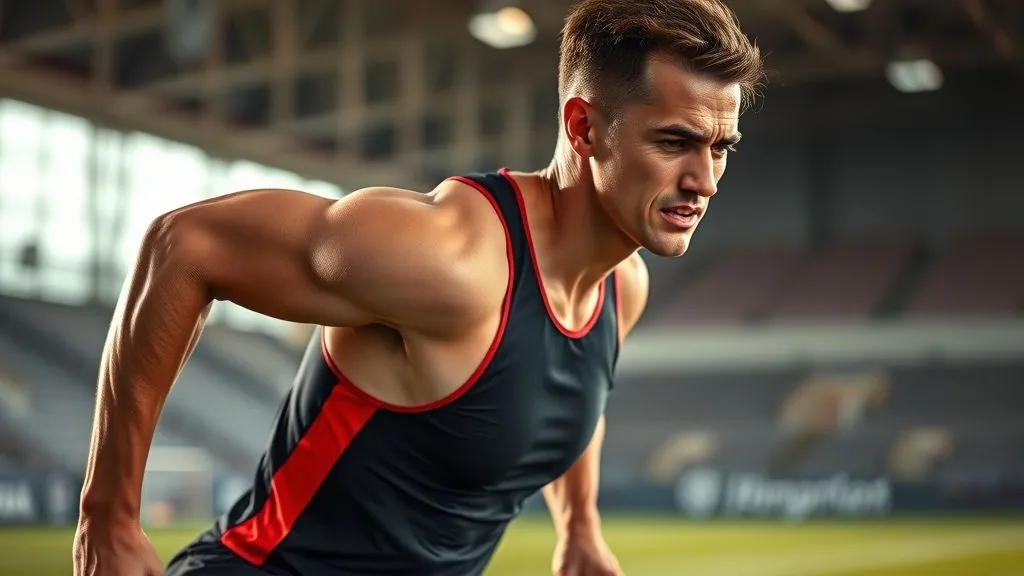
Solving Discomfort from Ill-Fitting Specialized Activewear for Elite Athletes?
For over two decades in the activewear industry, I've witnessed firsthand the meticulous dedication elite athletes pour into their craft. Every second, every movement, every ounce of energy counts. Yet, I've also seen a recurring, insidious problem undermine their efforts: the silent agony of ill-fitting specialized activewear. It’s a challenge often overlooked, dismissed as a minor inconvenience, but its impact on performance, injury risk, and psychological well-being is profound.
Elite athletes operate at the razor’s edge of human capability. Their bodies are finely tuned instruments, and any external factor that disrupts that harmony – especially something as intimate as their clothing – can have detrimental consequences. From chafing and restricted movement to compromised blood flow and altered biomechanics, discomfort isn't just annoying; it's a performance inhibitor and a potential pathway to injury.
This article isn't just about identifying the problem; it's a deep dive into actionable solutions. Drawing on my extensive experience, I will guide you through the intricacies of specialized activewear design, the science of optimal fit, and the innovative strategies elite athletes and their support teams can employ for solving discomfort from ill-fitting specialized activewear. We'll explore everything from precision measurement techniques to material science and the critical role of athlete feedback, ensuring every garment becomes an extension of their peak potential.
Understanding the 'Elite' Difference: Beyond Off-the-Rack
When we talk about 'specialized activewear' for elite athletes, we're not discussing your average gym shorts. We're talking about garments engineered for specific physiological demands, often sport-specific, and designed to enhance performance, aid recovery, or provide protection. Think aerodynamic skinsuits for cyclists, advanced compression gear for recovery, or impact-resistant apparel for contact sports.
The needs of an elite athlete are vastly different from those of a recreational enthusiast. Their movements are more extreme, their body temperatures fluctuate more dramatically, and their exposure to stress on fabric and seams is exponentially higher. A minor imperfection in fit that a casual wearer might tolerate becomes a critical flaw for an athlete pushing boundaries, impacting their focus and physical output.
"In high-stakes competition, every detail matters. Discomfort from activewear is not just a physical distraction; it's a mental drain that can erode confidence and disrupt flow state."
I've observed that many brands, even those targeting the elite market, still rely on standardized sizing charts that fail to account for the incredible diversity in elite athletic builds. A swimmer's shoulders, a weightlifter's quads, a gymnast's flexibility – these demand a level of tailored consideration that mass production often struggles to provide. This gap is precisely where discomfort takes root.
The Science of Fit: Biomechanics, Compression, and Material Dynamics
Optimal activewear fit is a complex interplay of biomechanics, material science, and individual physiology. It’s not just about feeling snug; it’s about supporting the body's natural movement, managing temperature, and in many cases, providing targeted compression.
Biomechanics and Movement Freedom
The primary function of specialized activewear should be to facilitate, not hinder, movement. Ill-fitting gear can restrict range of motion, alter gait, and even lead to compensatory movements that increase injury risk. For example, a tight seam across the shoulder of a baseball pitcher could subtly affect their throwing mechanics, leading to strain over time.
Understanding the body's kinetic chains and how different fabrics behave under stretch and stress is paramount. The placement of seams, the stretch direction of the fabric, and the overall garment construction must align with the natural lines of muscle and joint movement. This requires a deep understanding of sports-specific biomechanics.
Targeted Compression: A Double-Edged Sword
Compression activewear is popular for its purported benefits in muscle support, blood flow, and recovery. However, 'compression' is not a one-size-fits-all concept. Too little compression offers no benefit; too much can restrict blood flow, cause nerve impingement, and lead to significant discomfort. The ideal compression level is specific to the body part, the activity, and the individual athlete.
I recall working with a marathon runner who experienced persistent numbness in their toes. After extensive investigation, we traced it back to overly compressive socks that, while marketed for performance, were constricting a crucial nerve bundle due to a slight sizing mismatch and the runner's unique foot shape. The solution was a custom-fitted sock with graduated compression, dramatically improving their comfort and performance.
According to a study published in the Medicine & Science in Sports & Exercise journal, while compression garments can reduce muscle oscillation and improve proprioception, their benefits are highly dependent on correct pressure application. Incorrect fit can negate these benefits and introduce new problems.
Diagnostic Discomfort: Pinpointing the Root Cause
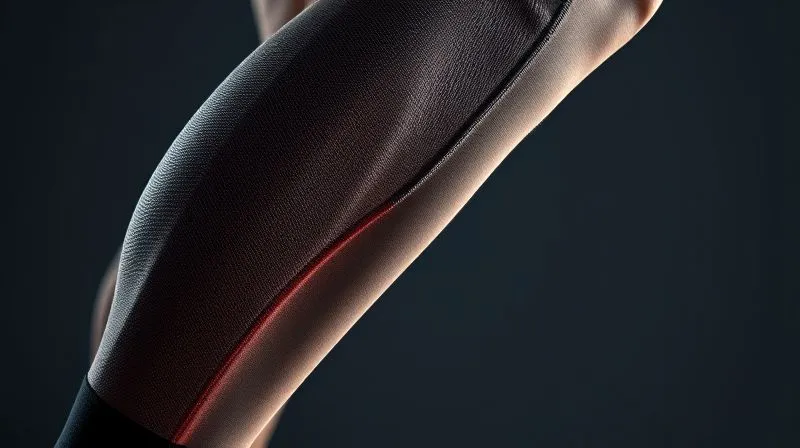
Before a solution can be found, the problem must be accurately diagnosed. Discomfort is often vague, and athletes, accustomed to pushing through pain, might not articulate it precisely. My approach has always been to treat discomfort as a critical data point, not merely a complaint.
A Structured Approach to Identifying Fit Issues:
- Athlete Interview & Activity Analysis: Begin with detailed questions about when, where, and what kind of discomfort occurs. Is it chafing, pinching, restriction, overheating, or a feeling of being 'off'? Correlate this with specific movements or phases of their sport.
- Visual & Tactile Inspection: Observe the athlete performing their sport in the activewear. Look for fabric bunching, pulling, straining seams, or areas where the garment doesn't conform. Feel for pressure points, tightness, or looseness.
- Movement Assessment: Use motion capture or simple video analysis to see if the activewear is impacting their natural range of motion or causing compensatory movements. Pay attention to how the fabric stretches and recovers during peak exertion.
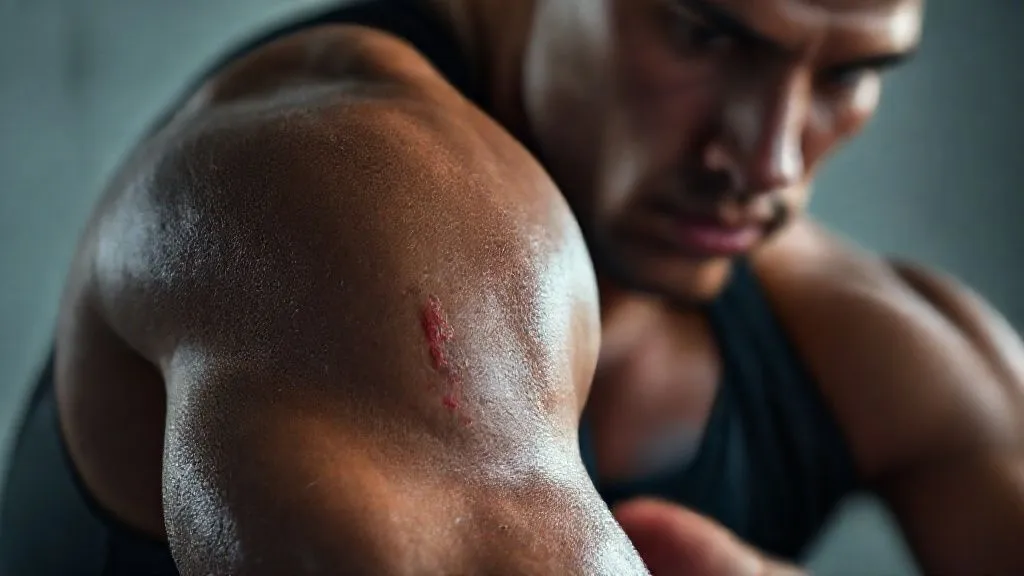
- Post-Activity Review: Examine the athlete's skin for redness, irritation, or impressions left by seams or elastic. This provides objective evidence of pressure points or friction.
I've found that often, the athlete's verbal description might point to one area, but visual inspection reveals the true root cause elsewhere. For instance, a cyclist complaining of shoulder discomfort might actually have a jersey that's too tight across the chest, pulling on the shoulders when in an aggressive riding position.
Precision Measurement & Customization: The Gold Standard
The era of 'S, M, L, XL' for elite athletes is, frankly, outdated for specialized gear. Precision measurement and, where possible, customization are the future for solving discomfort from ill-fitting specialized activewear.
Leveraging Advanced Measurement Techniques:
- 3D Body Scanning: This technology captures hundreds of thousands of data points, creating a precise digital avatar of the athlete's body. It identifies asymmetries and unique contours that traditional tape measurements miss.
- Dynamic Measurement: Rather than just static measurements, some advanced systems measure the body in various athletic postures, accounting for muscle flexion and extension.
- Sport-Specific Anthropometry: Focusing on measurements critical to the athlete's sport. For a rower, arm length and torso rotation are paramount; for a sprinter, quad circumference and hip flexibility.
| Measurement Method | Pros | Cons | Suitability for Elite Athletes |
|---|---|---|---|
| Standard Tape Measure | Accessible, inexpensive | Prone to human error, static, misses subtle contours, limited data points | Low, insufficient for specialized fit |
| 3D Body Scanner | Highly accurate, captures complex contours, dynamic potential, vast data points | Expensive, requires specialized equipment | High, ideal for bespoke and precision sizing |
| Athlete Feedback & Iteration | Directly addresses comfort, incorporates dynamic movement, invaluable for fine-tuning | Subjective, requires multiple prototypes | Essential, complements technical measurements for optimal fit |
Mini Case Study: Optimizing a Track Sprinter's Skinsuit
A national-level sprinter, let's call her Anya, was consistently experiencing mild chafing around her hip flexors and a feeling of restriction in her quadriceps when wearing her standard-sized skinsuits. This led to subtle alterations in her stride, impacting her top-end speed.
We implemented a process involving 3D body scanning, not just in a static standing position, but also in a crouched 'blocks' stance. The scan revealed her unique hip-to-thigh ratio and muscle bulge during maximal flexion, which was not accounted for by off-the-rack sizing. Working with a specialized designer, we developed a bespoke pattern. The new skinsuit featured laser-cut, bonded seams in critical areas instead of traditional stitching, and a slightly modified fabric paneling system to allow for greater stretch where her quads peaked.
The result? Anya reported zero chafing and a feeling of 'unrestricted power.' Her coach noted a fractional but consistent improvement in her acceleration phase, directly attributable to the enhanced freedom of movement and confidence provided by the perfectly fitted gear. This minor adjustment in activewear translated into significant performance gains and a reduced risk of groin strains.
Material Innovation & Strategic Seaming: The Fabric of Performance
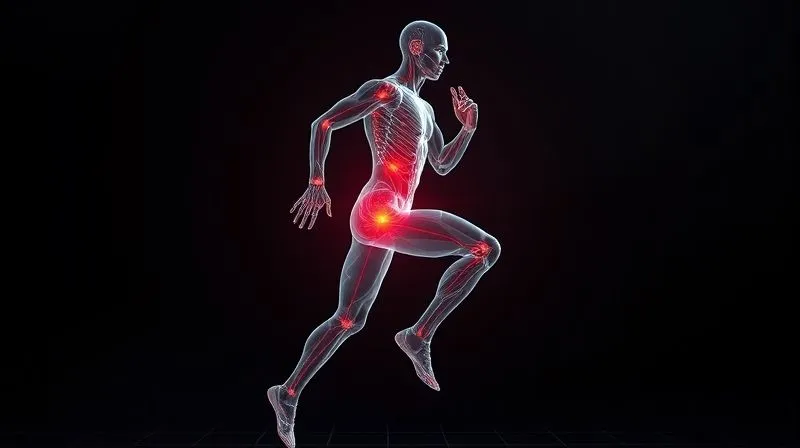
The choice of fabric and the construction of seams are as critical as the fit itself. Modern activewear materials are marvels of engineering, but their properties must be leveraged correctly.
Advanced Fabric Technologies:
- Moisture-Wicking & Breathable Fabrics: Essential for thermoregulation. Advanced blends can move sweat away from the body more efficiently, preventing chafing caused by dampness and reducing the risk of overheating.
- Stretch & Recovery: Fabrics with multi-directional stretch (4-way stretch) allow for maximum freedom of movement, while excellent recovery ensures the garment maintains its shape and supportive qualities over time and repeated use.
- Anti-Microbial & Anti-Odor: Important for hygiene and comfort during prolonged training sessions.
- Seamless & Bonded Technologies: Moving away from traditional stitched seams, which can be bulky and cause irritation, technologies like ultrasonic welding and laser cutting create smooth, flat surfaces, drastically reducing chafing.
I've seen brands invest heavily in proprietary fabric blends designed for specific sports. For instance, a fabric engineered for triathlon suits needs to be hydrophobic, quick-drying, and resistant to chlorine, while also providing compression and aerodynamic properties. The interplay of these features with the athlete's body is complex.
The Art and Science of Seam Placement:
Poorly placed seams are a primary culprit of discomfort. Seams should be strategically positioned to avoid high-friction areas, major nerve pathways, and points of extreme muscle contraction. Flatlock seams are a common improvement over traditional seams, but bonded or laser-cut edges offer the ultimate in smooth, non-irritating construction.
Consider a rower: seams running along the inner thigh or under the armpit would cause excruciating chafing with repetitive motion. Intelligent design routes these seams away from high-contact zones, often along the natural muscle lines where movement is less abrasive. This requires designers to think like an athlete, anticipating every stretch, bend, and rub.
"The fabric is the skin of the garment; the seams are its skeleton. Both must work in perfect harmony with the athlete's body to achieve true performance enhancement."
For more insights into material science in activewear, I often refer to studies found in journals like the Journal of Sports Sciences, which frequently feature research on textile properties and athletic performance.
The Iterative Design Process: Athlete Feedback Loops
Even with the most advanced measurement and material science, the human element—the athlete's subjective experience—remains irreplaceable. An iterative design process, deeply integrated with athlete feedback, is crucial for perfecting specialized activewear.
Implementing a Robust Feedback Cycle:
- Initial Prototype & Baseline Testing: Create a first-generation garment based on precision measurements. Have the athlete perform a range of movements and initial training sessions.
- Detailed Feedback Collection: Use structured questionnaires, video analysis, and one-on-one discussions. Ask specific questions: "Where do you feel pressure during this movement?", "Does the fabric bunch here?", "How does it feel after 60 minutes of high-intensity activity?"
- Design Refinement & Second Prototype: Incorporate feedback into design modifications. This might involve adjusting seam lines, changing fabric panels, altering elastic tension, or even modifying the cut in subtle ways.
- Re-testing & Comparative Analysis: The athlete tests the revised prototype, ideally comparing it directly against the previous version or their existing gear. Document improvements and identify any new issues.
- Repeat Until Optimal: This cycle continues until the athlete reports optimal comfort, unrestricted movement, and enhanced confidence. It's a partnership between designer and athlete.
This process demands patience and a willingness to iterate. I've personally overseen projects that went through 5-7 prototypes before achieving the 'perfect' fit for an Olympic athlete. It's an investment that pays dividends in performance and athlete longevity.
Post-Purchase Optimization: Small Adjustments, Big Impact
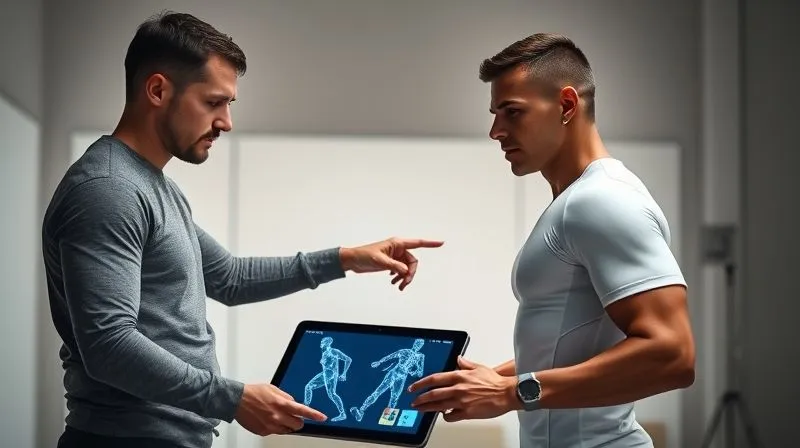
Even with perfectly designed and fitted activewear, ongoing maintenance and minor adjustments can significantly impact long-term comfort and performance. This is where athletes and their support staff can take proactive steps.
Practical Tips for Maintaining Optimal Fit & Comfort:
- Proper Care & Washing: Follow garment care instructions meticulously. Incorrect washing can degrade fabric elasticity, shrink materials, or damage bonded seams, leading to fit issues.
- Strategic Undergarments: The base layer matters. Seamless, moisture-wicking undergarments can significantly reduce friction and chafing, especially in high-movement areas, acting as a second skin.
- Anti-Chafe Balms & Creams: For extreme activities or sensitive skin, anti-chafe products can create an additional barrier against friction, preventing irritation in areas like inner thighs, armpits, or necklines.
- Regular Inspection: Periodically inspect specialized activewear for signs of wear and tear, stretched-out elastic, or compromised seams. Address these issues promptly or replace the garment.
- Body Changes: Elite athletes' bodies can change over time due to training cycles, injury recovery, or growth. Re-evaluate fit regularly, especially if significant body composition changes occur.
I advise athletes to keep a 'comfort journal' for their gear. Noting down how different garments feel under various conditions can provide valuable data for future purchases or modifications. It's about being acutely aware of your body and how your gear interacts with it.
Psychological Impact: The Mental Edge of Comfort
Beyond the physical ramifications, the psychological impact of ill-fitting activewear is often underestimated. For elite athletes, mental fortitude is as crucial as physical prowess. Discomfort can be a profound distraction.
How Comfort Fuels Mental Performance:
- Enhanced Focus: When an athlete isn't constantly aware of a rubbing seam or a restrictive band, their mental energy can be fully directed towards their performance, strategy, and execution.
- Increased Confidence: Knowing that every piece of gear is perfectly optimized instills a powerful sense of confidence. It removes doubt and allows the athlete to feel fully prepared and supported.
- Flow State Facilitation: The elusive 'flow state' – where an athlete is fully immersed and performing at their peak – is easily disrupted by external stimuli, including physical discomfort. Seamless comfort helps maintain this critical mental state.
- Reduced Anxiety: Pre-competition nerves are amplified by worries about equipment failure or discomfort. Optimal activewear removes one significant source of anxiety, allowing for calmer, more focused preparation.
I've heard countless stories from athletes who attribute a significant portion of their performance to the sheer comfort and 'second skin' feeling of their gear. It's not just about speed or power; it's about the mental freedom to excel. As sports psychologists often emphasize, the mind-body connection in elite sport is absolute. Discomfort is a wedge in that connection.
Further reading on the psychology of sport and equipment's role can be found through associations like the Association for Applied Sport Psychology.

Frequently Asked Questions (FAQ)
Q: How often should elite athletes get re-measured for their specialized activewear? A: While there's no fixed rule, I recommend re-evaluating measurements at least once a year, or more frequently if there are significant changes in training regimen, body composition (e.g., muscle gain/loss), or recovery from injury. For rapidly developing young athletes, twice a year might be appropriate. Consistent monitoring is key.
Q: Can ill-fitting activewear genuinely lead to injury, or is it just discomfort? A: Absolutely. Beyond immediate chafing or blisters, ill-fitting activewear can alter biomechanics, leading to compensatory movements that strain muscles, ligaments, and joints over time. For example, restrictive compression can impede blood flow, and constantly adjusting gear can break an athlete's focus, increasing accident risk. It's a serious factor in long-term athlete health.
Q: What's the biggest mistake brands make when designing activewear for elite athletes? A: In my experience, the biggest mistake is prioritizing aesthetics or generic trends over true functional fit and athlete-specific needs. Many rely on scaled-up commercial patterns instead of developing bespoke designs informed by deep biomechanical analysis and iterative athlete feedback. They underestimate the micro-differences that make a macro impact at the elite level.
Q: Is custom-made activewear always necessary for elite athletes, or are there off-the-rack options that can suffice? A: While custom-made is the gold standard for peak performance and eliminating discomfort, it's not always feasible for every piece of gear. High-quality off-the-rack brands that invest in extensive R&D, offer a wide range of sizes (including 'tall' or 'athletic cut' variations), and use advanced materials can often provide excellent solutions. The key is thorough testing and being prepared to invest in custom solutions for critical, performance-defining garments.
Q: How can an athlete or coach initiate a conversation with an activewear brand about fit issues? A: Approach it with specific, objective feedback. Document the exact points of discomfort, the movements affected, and the impact on performance. If possible, provide photos or video. Frame it as a partnership for improvement, rather than a complaint. Many reputable brands are eager for elite athlete feedback to refine their products; present data, not just anecdotes.
Key Takeaways and Final Thoughts
- Precision is Paramount: Standard sizing falls short for elite athletes. Invest in advanced measurement techniques and sport-specific anthropometry.
- Science & Design Synergize: Optimal fit is a blend of biomechanics, material science, and strategic garment construction.
- Athlete Feedback is Gold: An iterative design process, driven by detailed athlete input, is essential for truly solving discomfort from ill-fitting specialized activewear.
- Discomfort is a Performance Killer: Don't dismiss minor irritations. They impact physical health, mental focus, and overall athletic potential.
- Proactive Care Pays Off: Proper garment care and ongoing fit evaluation contribute significantly to sustained comfort and performance.
As an industry specialist, I've seen the transformative power of perfectly fitted specialized activewear. It moves beyond mere clothing to become an integral part of an athlete's arsenal, an extension of their body, allowing them to focus entirely on their performance without distraction. It's an investment in their health, their confidence, and ultimately, their ability to achieve greatness. By embracing these principles, we can ensure that every elite athlete is equipped not just to compete, but to truly excel, free from the silent burden of discomfort.
Recommended Reading
- Stop Costume Tears: 5 Resilient Fabrics for Intense Dance Sequences
- Fashion's Power: How Does It Empower Women at Work?
- 7 Expert Tactics: Flatter Her Figure When She Hates Her Midsection
- Authenticating Pre-1900 Garments: 7 Expert Steps to Resolve Disputes
- 5 Rapid Methods: Urgent Costume Breakdown to Age Denim Fast Realistically


Your email address will not be published. Required fields are marked *