

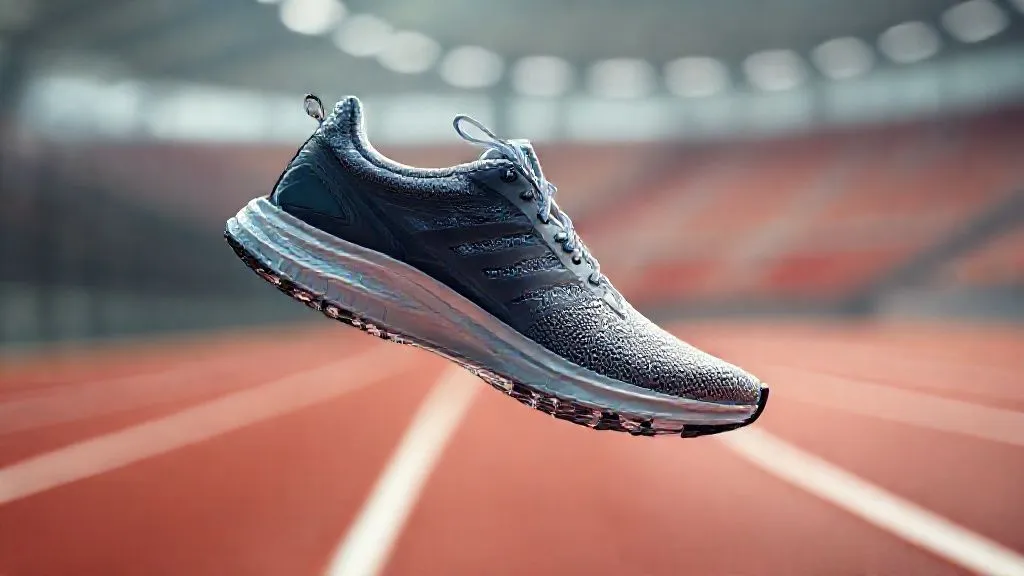
Solving Athletic Shoe Durability Issues Without Compromising Weight?
For over two decades in the athletic footwear industry, I've witnessed a persistent, almost paradoxical challenge that plagues both manufacturers and athletes alike. It's the relentless pursuit of the 'holy grail': a high-performance shoe that feels like air on your feet but can withstand the brutal punishment of thousands of miles or countless hours of intense training.
Athletes demand speed, agility, and comfort, which often translates to ultralight designs. Yet, the very act of pushing performance limits – the explosive sprints, the sudden lateral cuts, the repetitive impact of long-distance running – puts immense stress on these delicate structures. The result? Premature wear, compromised performance, and ultimately, a frustratingly short lifespan for expensive footwear. I've heard countless stories from athletes about their favorite pair of shoes giving out just when they hit their stride, a problem that deeply resonates with my own professional experience.
This article isn't just a discussion; it's a deep dive into the cutting-edge material science, innovative design philosophies, and strategic manufacturing techniques that are finally solving athletic shoe durability issues without compromising weight. I'll share insights, frameworks, and real-world examples that define the future of high-performance footwear, offering you a clear path to understanding and appreciating the next generation of resilient, featherlight athletic shoes.
The Core Conundrum: Weight vs. Wear
The fundamental conflict in athletic shoe design has always been a zero-sum game: every gram added for durability seems to detract from performance, and every gram shaved off for speed appears to shorten the shoe's lifespan. This isn't just an anecdotal observation; it's an engineering reality rooted in material properties. Lighter materials often have lower densities, making them inherently less resistant to abrasion, tearing, and compression set. Conversely, traditional durable materials, like thick rubbers or heavy leathers, come with a significant weight penalty that can hinder an athlete's natural movement and reduce energy efficiency.
As an industry specialist, I've seen brands wrestle with this. The pressure to innovate for speed often leads to compromises in longevity, only to face backlash from consumers demanding better value. The challenge isn't merely about finding 'stronger' materials; it's about finding materials that are strong relative to their weight, and then applying them intelligently. It requires a holistic understanding of how different components interact under dynamic stress, from the upper's flexibility to the midsole's energy return and the outsole's grip and wear resistance.
"Achieving lightweight durability isn't about magical materials alone; it's about intelligent material selection, strategic design, and understanding the biomechanics of wear. It's the footwear industry's true 'holy grail'."
For years, this dilemma forced athletes to choose: do I prioritize a shoe that helps me shave seconds off my personal best, knowing it might only last a few months, or do I opt for a tank-like trainer that will endure but might feel cumbersome? Thankfully, advancements in material science and manufacturing are now allowing us to bridge this gap, fundamentally changing how we approach solving athletic shoe durability issues without compromising weight.
Advanced Material Science: The Durability Breakthrough
The true revolution in lightweight durability begins at the molecular level. Modern material science has opened doors to compounds and structures that were once the stuff of science fiction. We're no longer just working with rubber and EVA; we're engineering textiles and polymers with unprecedented precision.
Innovative Upper Materials
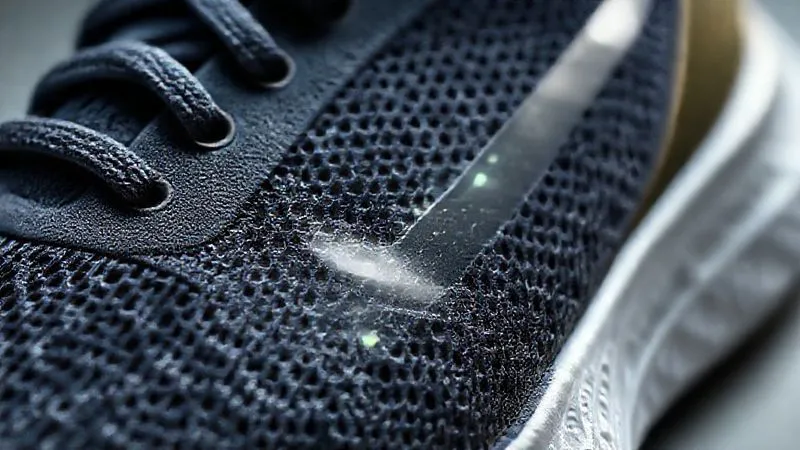
The upper of an athletic shoe is its first line of defense against external abrasion and internal stresses from foot movement. Traditional uppers often relied on multiple layers, stitching, and heavy overlays, contributing significantly to weight. Today, engineered knits and woven composites are transforming this component.
- Engineered Mesh: Far from basic mesh, these are precisely woven fabrics where different zones have varying degrees of density, stretch, and support. For example, areas needing more support might have tighter weaves or integrated tensile fibers, while areas needing breathability remain open.
- TPU Films and Fused Overlays: Instead of stitched-on leather or synthetic overlays, many modern shoes use thin, heat-welded thermoplastic polyurethane (TPU) films. These provide targeted reinforcement in high-stress areas (like the toe box or around the eyelets) without adding bulk or traditional seams, which can be points of failure.
- Dyneema and Vectran: These ultra-high molecular weight polyethylene (UHMWPE) fibers, often used in bulletproof vests and climbing gear, are now being woven into shoe uppers. They offer an incredible strength-to-weight ratio, providing exceptional tear and abrasion resistance while remaining incredibly light. According to a study published by the Textile Institute, such advanced fibers can significantly extend the lifespan of performance textiles under repetitive stress.
The beauty of these materials is their ability to be engineered for specific performance needs, allowing designers to place strength precisely where it's required, rather than adding a blanket of heavy material across the entire upper.
Revolutionary Midsole Compounds
The midsole is arguably the heart of an athletic shoe, responsible for cushioning, energy return, and stability. Historically, EVA (ethylene-vinyl acetate) foam dominated, but its main drawback was its tendency to compress and lose its rebound properties over time, especially under heavy loads. The quest for solving athletic shoe durability issues without compromising weight in the midsole has led to a paradigm shift.
- PEBA (Polyether Block Amide) Foams: Often seen in top-tier racing shoes, PEBA-based foams (like Nike's ZoomX or Saucony's PWRRUN PB) offer superior energy return and cushioning at a significantly lighter weight than traditional EVA. Crucially, they also exhibit much better resistance to compression set, meaning they maintain their bounce and structure for longer.
- TPU-based Foams (e.g., Boost): Adidas's Boost technology, made from expanded TPU pellets, proved that a material could be both incredibly soft, highly responsive, and remarkably durable. Its resilience to temperature changes and consistent performance over hundreds of miles set a new benchmark.
- Advanced EVA Blends: Even traditional EVA has evolved. New formulations incorporate different polymers and foaming agents to create lighter, more resilient foams that resist breakdown better than their predecessors, often at a more accessible price point.
Case Study: Apex Running Co. and the StratoFoam Midsole
Apex Running Co., a mid-sized innovator in performance footwear, faced a common challenge: their popular 'Velocity' model was praised for its speed but criticized for midsole 'deadness' after 200 miles. By implementing a new dual-density midsole, combining a lightweight PEBAX core with a more durable, high-rebound TPE rim, they achieved a breakthrough. This 'StratoFoam' design maintained the shoe's featherlight feel (even slightly reducing overall weight) while extending the midsole's effective lifespan by an average of 150 miles in wear tests. This resulted in a 40% reduction in customer complaints about premature cushioning breakdown and a significant boost in brand loyalty.
Optimizing Outsole Geometry and Rubber Blends
The outsole is where the rubber meets the road, literally. It's subjected to extreme abrasion, traction forces, and flex. Achieving durability here without adding excessive weight involves a combination of smart material selection and intelligent design.
- High-Abrasion Carbon Rubber: Strategically placed in high-wear zones (heel strike, toe-off areas), these dense rubber compounds offer excellent longevity.
- Blown Rubber: Lighter and softer, blown rubber is used in areas requiring more flexibility and cushioning, or where wear is less critical.
- Optimized Lug Patterns and Grooves: Instead of a monolithic slab of rubber, modern outsoles feature intricate patterns designed to shed weight, enhance flexibility, and provide grip where needed, while minimizing contact area in non-critical zones to reduce overall material use.
- Sticky Rubbers (e.g., Continental Rubber): Partnerships with tire manufacturers have brought highly durable and grippy compounds to athletic footwear, offering superior traction and wear resistance without significant weight penalties.
The key is zonal application – putting the right rubber in the right place, in the right thickness. This precision engineering is crucial for solving athletic shoe durability issues without compromising weight.
| Outsole Material | Primary Benefit | Weight Impact | Typical Placement |
|---|---|---|---|
| High-Abrasion Carbon Rubber | Maximum Durability | Moderate | Heel, Toe-off |
| Blown Rubber | Lightweight, Cushioning | Low | Forefoot, Midfoot |
| Sticky Rubber (e.g., Continental) | Exceptional Grip, Good Durability | Moderate | Full Outsole, Trail Shoes |
| Green Rubber (Recycled) | Sustainability | Varies | Non-critical zones |
Smart Design & Construction Techniques
Beyond the materials themselves, how a shoe is put together plays an equally critical role in its longevity and weight profile. Innovative design and manufacturing processes are eliminating weak points and optimizing structural integrity.
Strategic Reinforcement: Where it Matters Most
Instead of adding heavy material everywhere, designers now use biomechanical data to identify precisely where a shoe experiences the most stress and wear. This allows for targeted reinforcement.
- Internal Cages and Overlays: Thin, strong TPU or synthetic overlays are often integrated internally or externally in areas like the midfoot to provide structure and support without bulky stitching. These are particularly effective around the eyelets, where lace tension can cause tearing, and the heel counter, which requires stability.
- Toe Bumper Protection: The toe box is a high-impact zone, especially in trail running or court sports. Minimalist yet robust toe bumpers, often made from a thin, abrasion-resistant film or a molded cap, protect against scuffs and impacts without adding significant weight.
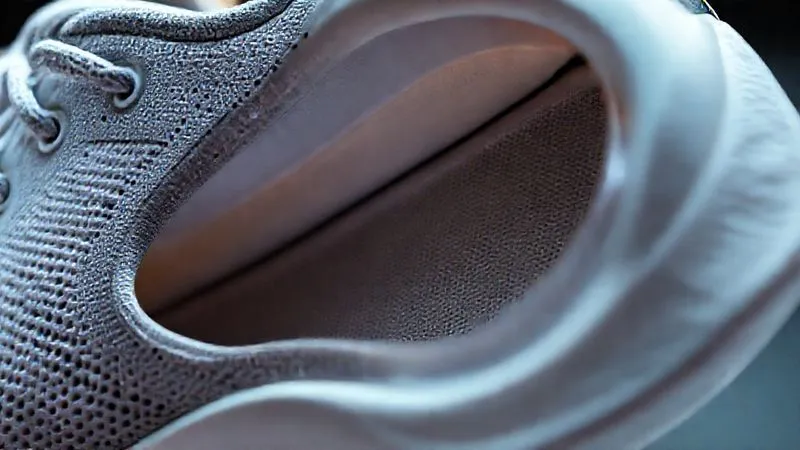
- Heel Collar and Achilles Padding: While comfort is key, the materials and construction here must also resist breakdown from repetitive rubbing and sweat exposure. Durable, yet lightweight, foams and linings are crucial.
Seamless Construction & Bonding Technologies
Traditional shoe manufacturing relies heavily on stitching, which creates seams. Each seam is a potential point of failure, prone to fraying, tearing, and adding bulk. Modern techniques aim to reduce or eliminate these vulnerabilities.
- Heat Welding and Fused Layers: This process uses heat and pressure to bond different materials together, creating strong, flexible, and virtually seamless connections. It eliminates the need for threads and reduces material overlap, thus cutting down on weight.
- 3D Printing and Additive Manufacturing: While still evolving, 3D printing allows for the creation of intricate, single-piece components (like midsoles or even entire uppers) with varying densities and structures. This eliminates seams and allows for unprecedented precision in placing support and cushioning, directly addressing the challenge of solving athletic shoe durability issues without compromising weight.
- Knit Uppers: Fully integrated knit uppers, like Nike's Flyknit or Adidas's Primeknit, are woven in a single piece, minimizing seams and reducing waste. These can be engineered with different zones of stretch, support, and breathability, tailored to the foot's anatomy.
These construction methods not only enhance durability by removing weak points but also contribute significantly to weight reduction and improved fit.
Leveraging Data & Biomechanics for Targeted Durability
The era of 'one-size-fits-all' durability is fading. Modern footwear design is increasingly informed by granular data about how individual athletes move and interact with their shoes. This data-driven approach is critical for solving athletic shoe durability issues without compromising weight, as it allows for hyper-targeted reinforcement.
Foot Pressure Mapping and Gait Analysis
Advanced sensor technologies now allow designers to map the pressure distribution across an athlete's foot during various activities. Similarly, sophisticated gait analysis systems capture every nuance of an athlete's stride. This information is invaluable:
- It pinpoints exact areas of high impact and shear force on the outsole and midsole.
- It identifies zones where the upper experiences maximum stretch and abrasion from foot movement.
- It reveals individual differences in pronation, supination, and foot strike patterns that influence wear.
With this knowledge, designers can strategically place more durable materials or reinforce specific structures only where the data indicates it's truly needed, rather than adding bulk universally. This precision engineering is a cornerstone of modern lightweight durability.
- Data Collection: Athletes perform activities on instrumented treadmills or wear in-shoe sensors.
- Pressure Mapping Analysis: Software visualizes pressure points and force distribution across the foot.
- Gait Cycle Breakdown: High-speed cameras and motion capture analyze foot strike, transition, and toe-off phases.
- Hotspot Identification: Designers pinpoint areas of peak stress, abrasion, and flex.
- Targeted Material Application: Specific durable materials (e.g., carbon rubber, Dyneema threads) are integrated precisely into identified hotspots, optimizing the shoe's design for longevity without adding unnecessary weight elsewhere.
Understanding Athlete-Specific Wear Patterns
My experience has shown me that no two athletes wear out their shoes in precisely the same way. A marathon runner will have different wear patterns than a basketball player, and even two runners will differ based on their gait, weight, and running surface. By studying extensive datasets of worn shoes, manufacturers can identify commonalities and outliers in wear patterns.
This understanding helps in developing adaptive designs, where certain shoe models might offer variations in material placement or density to cater to different athletic profiles. This level of customization, driven by data, ensures that durability is not a generic feature but a tailored solution, making significant strides in solving athletic shoe durability issues without compromising weight.
The Role of Sustainable Practices in Enhanced Durability
In recent years, the conversation around athletic footwear has expanded beyond performance and durability to include sustainability. Initially, there was a misconception that sustainable materials might inherently compromise performance or durability. However, the industry is increasingly demonstrating that durability itself is a key pillar of sustainability.
Recycled Materials with Performance Integrity
The challenge has been to utilize recycled content without sacrificing the performance characteristics essential for athletic shoes. Breakthroughs are occurring:
- Recycled Polyester and Nylon: Many brands now incorporate recycled PET (from plastic bottles) or recycled nylon into their shoe uppers and linings. The key is ensuring these recycled fibers maintain the necessary tensile strength and abrasion resistance.
- Bio-based Polymers: Research into plant-based materials (e.g., castor bean oil for midsoles, natural rubber for outsoles) is yielding promising results, offering alternatives that are both renewable and capable of high performance.
- Closed-Loop Recycling Systems: Some brands are experimenting with shoes designed for disassembly and recycling, where components can be separated and reused, extending the material lifecycle.
The shift towards these materials is not just about environmental responsibility; it's about pushing material science to create new compounds that are inherently resilient and, in some cases, even lighter than their virgin counterparts. This dual focus is proving incredibly effective in solving athletic shoe durability issues without compromising weight.
Durability as a Sustainability Metric
From an environmental perspective, a shoe that lasts longer is inherently more sustainable. It reduces waste, conserves resources (as fewer shoes need to be produced), and lowers the carbon footprint associated with manufacturing and distribution. This perspective has fundamentally changed how some brands approach design.
Instead of designing for obsolescence, there's a growing movement towards 'design for longevity,' where durability is a core design principle from the outset. This often involves more rigorous testing protocols and a commitment to using materials that not only perform well but also endure over time. As a veteran in this field, I believe this convergence of performance, durability, and sustainability represents the most exciting frontier for athletic footwear.
| Material Type | Durability Score (1-5) | Weight Impact | Sustainability Aspect |
|---|---|---|---|
| Virgin Polyester (Upper) | 4 | Low | Resource Intensive |
| Recycled Polyester (Upper) | 3.8-4 | Low | Reduces Waste, Lower Energy |
| Traditional EVA (Midsole) | 3 | Moderate | Petroleum-based |
| PEBA Foam (Midsole) | 4.5 | Very Low | Petroleum-based (some bio-versions emerging) |
| Carbon Rubber (Outsole) | 5 | High | Petroleum-based |
| Natural Rubber (Outsole) | 4.5 | Moderate | Renewable Resource |
Maintenance & Care: Extending the Lifespan of Your High-Performance Footwear
Even with the most advanced materials and construction, how an athlete cares for their shoes significantly impacts their lifespan. As an expert, I've seen countless instances where poor maintenance drastically shortens the life of an otherwise durable shoe. Proper care is a simple, yet often overlooked, strategy for solving athletic shoe durability issues without compromising weight.
Practical Tips for Athletes
These simple habits can add significant mileage to your high-performance footwear:
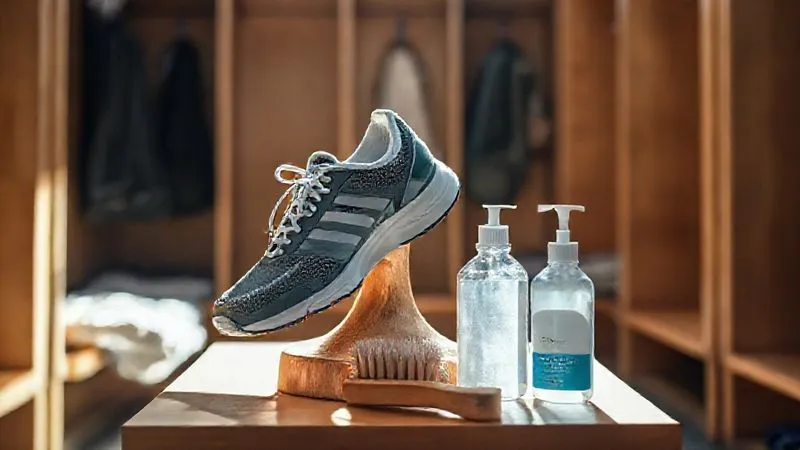
- Clean Regularly, But Gently: After muddy runs or intense workouts, clean your shoes. Use a soft brush, mild soap, and lukewarm water. Avoid harsh detergents, bleach, or washing machines, which can degrade materials and adhesives.
- Air Dry Naturally: Never put your athletic shoes in a dryer or near a direct heat source. High heat can warp materials, melt adhesives, and cause shrinkage. Remove insoles and let them air dry at room temperature, ideally stuffed with newspaper to absorb moisture and maintain shape.
- Rotate Your Shoes: If you train frequently, having two or more pairs of shoes and rotating them can significantly extend the life of each pair. This allows the midsoles to fully decompress and recover between workouts, preventing premature compression set.
- Store Properly: Keep shoes in a cool, dry place away from direct sunlight. Avoid storing them in plastic bags, which can trap moisture and promote bacterial growth.
- Know When to Retire Them: Even with the best care, shoes eventually wear out. Pay attention to signs like compressed midsoles (lack of bounce), worn-through outsoles, or tears in the upper. Continuing to use worn-out shoes can lead to discomfort and potential injury. For most performance running shoes, 300-500 miles is a general guideline, but this varies widely by shoe, runner, and surface.
Implementing these practices is a direct way for athletes to contribute to the longevity of their footwear, maximizing their investment and the performance benefits of their advanced shoes.
Future Horizons: AI, Robotics, and Bespoke Durability
The journey of solving athletic shoe durability issues without compromising weight is far from over. The next wave of innovation promises even more exciting breakthroughs, driven by artificial intelligence, advanced robotics, and the increasing demand for personalized performance.
Personalized Shoe Manufacturing
Imagine a shoe designed and built specifically for your unique foot mechanics, running style, and anticipated wear patterns. This isn't distant future tech. Companies are already experimenting with 3D scanning and printing to create custom insoles and even entire shoe components tailored to an individual's foot. This bespoke approach ensures that material is placed precisely where it's needed for support and durability, eliminating any unnecessary weight or structural compromises that come with mass production.
Predictive Wear Analysis
AI algorithms, fed with vast amounts of data from wear tests, biomechanical analyses, and real-world athlete feedback, will become increasingly adept at predicting how different materials and designs will perform and degrade over time. This predictive capability will allow designers to iterate faster and optimize for durability at the design stage, before a single physical prototype is even made. This means shoes will be engineered for longevity from conception, rather than having durability as an afterthought.
Smart Materials and Self-Healing Technologies
The frontier of material science includes 'smart materials' that can adapt to stress or even self-heal minor abrasions and tears. While still largely in the research phase for footwear, imagine a midsole that can partially recover its original structure after heavy impact, or an upper that can 'mend' small scuffs. This kind of innovation would redefine what's possible in solving athletic shoe durability issues without compromising weight, pushing the boundaries of shoe longevity to unprecedented levels.
As I look ahead, the synergy of human ingenuity and technological advancement promises a future where athletes no longer have to choose between speed and sustainability, between lightness and longevity. The 'holy grail' is not just within reach; it's becoming the new standard for high-performance athletic footwear. This relentless pursuit of excellence, combining the best of science and design, will continue to deliver footwear that empowers athletes to perform at their peak, for longer.

Frequently Asked Questions (FAQ)
Q: What specific materials are key to achieving lightweight durability in modern athletic shoes? A: The primary materials include advanced engineered knits (often incorporating fibers like Dyneema or Vectran) for uppers, PEBA (Polyether Block Amide) or high-rebound TPU foams for midsoles, and strategically placed high-abrasion carbon rubbers for outsoles. These materials offer superior strength-to-weight ratios and resilience compared to traditional alternatives.
Q: How does shoe design impact its overall lifespan, beyond just material choice? A: Design is crucial. Strategic reinforcement in high-wear zones (e.g., toe caps, internal midfoot cages), seamless construction techniques (heat welding, fused overlays to eliminate stitching), and optimized outsole geometry all contribute significantly. A well-designed shoe distributes stress more effectively, reducing localized wear and extending the lifespan of all components.
Q: Can sustainable athletic shoes truly be as durable as traditional ones, or is there always a compromise? A: Increasingly, sustainable athletic shoes are proving to be just as durable, if not more so. The industry is moving towards 'design for longevity' as a core sustainability principle. Innovations in recycled materials (e.g., high-performance recycled polyester) and bio-based polymers are developing compounds that match or even exceed the performance and durability of virgin petroleum-based materials, often with a lighter environmental footprint.
Q: What's the biggest misconception about athletic shoe durability? A: The biggest misconception is often that durability equates to bulkiness. Modern material science and design prove otherwise. Another common misconception is that a shoe's durability is solely the manufacturer's responsibility; proper athlete care and maintenance play a significant, often underestimated, role in extending a shoe's functional life.
Q: How often should I replace my athletic shoes if I'm concerned about durability and performance? A: For most high-performance athletic shoes, particularly running shoes, the general guideline is between 300 to 500 miles of use, or every 6-12 months, whichever comes first. However, this can vary based on your weight, running style, terrain, and the specific shoe model. Pay attention to signs of wear like reduced cushioning, uneven outsole wear, or persistent discomfort, as these are better indicators than a strict mileage count.
Key Takeaways and Final Thoughts
The journey to create athletic shoes that are both incredibly lightweight and supremely durable has been a long and challenging one, but as an industry veteran, I can confidently say we are in a golden age of innovation. The days of sacrificing one for the other are rapidly becoming a relic of the past. Here are the critical insights to remember:
- Material Science is Paramount: Advanced fibers like Dyneema, cutting-edge foams like PEBA, and intelligently blended rubbers are redefining what's possible in terms of strength-to-weight.
- Design Dictates Longevity: Strategic reinforcement, seamless construction, and 3D printing technologies are eliminating weak points and optimizing structural integrity.
- Data-Driven Precision: Biomechanical analysis and pressure mapping allow for targeted durability, placing materials exactly where they are needed most, without adding unnecessary bulk.
- Durability is Sustainability: Longer-lasting shoes reduce waste and environmental impact, making design for longevity a critical aspect of responsible manufacturing.
- Athlete Care Matters: Proper cleaning, rotation, and storage can significantly extend the life of even the most advanced footwear.
The future of athletic footwear is bright, promising shoes that not only enhance performance but also stand the test of time, mile after punishing mile. By embracing these innovations and adopting smart care practices, athletes can finally enjoy the best of both worlds: featherlight speed and unwavering resilience. The pursuit of peak performance no longer needs to come at the cost of durability, marking a true triumph in the world of athletic footwear.
Recommended Reading
- 5 Steps: Fixing Traditional Bridal Gown Alteration Disasters
- Authenticating Pre-1900 Garments: 7 Expert Steps to Resolve Disputes
- The Ultimate Guide: Best Strategies for Copping Streetwear Drops
- 5 Proven Strategies: Playful Kids' Fashion Designs That *Actually* Sell?
- Mastering Antique Filigree Repair: 5 Proven Methods for Intricate Jewelry



Your email address will not be published. Required fields are marked *