


Solving Aesthetic Fit Issues for Clients with Narrow Faces?
For over two decades in the dynamic world of eyewear fashion, I've witnessed a persistent challenge that often leaves both clients and optical professionals frustrated: the elusive perfect fit for those with narrow faces. It’s a nuanced problem, far more complex than simply scaling down a frame. I've seen countless individuals compromise on style or comfort, settling for frames that slide, pinch, or simply look disproportionate.
This isn't just about finding a frame that stays on; it's about achieving an aesthetic harmony, where the eyewear enhances facial features rather than overpowering them. The discomfort of ill-fitting glasses can lead to headaches, visual fatigue, and a significant drop in confidence, transforming a necessary accessory into a daily burden.
In this definitive guide, I will share my expert insights and practical frameworks for solving aesthetic fit issues for clients with narrow faces. You'll learn not just what to look for, but how to meticulously assess, select, and adjust frames to achieve unparalleled comfort, style, and visual balance. Prepare to transform the eyewear experience for yourself or your clients, moving beyond mere functionality to genuine aesthetic excellence.
Understanding the Unique Anatomy of a Narrow Face
Before we dive into solutions, it's crucial to understand the specific anatomical characteristics that define a narrow face and how they impact eyewear fit. It's not just about overall width; it's a combination of several key measurements that differentiate a truly narrow face from one that simply appears small.
In my experience, the primary culprits for poor fit on narrow faces are often:
- Narrow Pupillary Distance (PD): The distance between the centers of the pupils. A low PD means lenses need to be centered more closely, impacting frame width.
- Shallow or Narrow Bridge: The area of the nose where the frames rest. A shallow bridge means frames sit too high, while a narrow bridge causes them to slide down.
- Short Temple Length: The arms of the glasses. If too long, they can poke behind the ears or cause the frames to slip forward.
- Overall Reduced Facial Width: The distance between the temples. This dictates the overall width of the frame required to prevent it from extending too far beyond the face.
Overlooking any of these factors can lead to frames that are either too wide, too loose, or simply don't sit correctly, creating both aesthetic and comfort issues. This foundational understanding is the first step in effectively solving aesthetic fit issues for clients with narrow faces.
The Science of Frame Geometry for Optimal Narrow Face Fit
Frame geometry is a critical, often underestimated, factor when fitting narrow faces. It's not just about the numbers on the frame; it's about how the various components interact with the unique contours of a smaller facial structure. Let's break down the key elements:
Bridge Design: The Foundation of Fit
The bridge is arguably the most important element for a narrow face. A poorly fitting bridge will cause the frames to slide down the nose, rest uncomfortably, or sit too high. Here are bridge types that work best:
- Keyhole Bridge: Offers a wider opening at the bottom, resting on the sides of the nose rather than directly on the top. This is excellent for those with a shallow nose bridge or a slightly wider bridge that tapers.
- Adjustable Nose Pads: Essential for metal frames and increasingly available on acetate. These allow for precise customization of how the frame sits on the nose, accommodating varying bridge widths and depths.
- Low Bridge Fit / Asian Fit: Specifically designed for lower, wider nose bridges. These frames have a higher bridge placement and more curvature, preventing them from sliding down.
- Saddle Bridge: Distributes weight evenly across the nose, ideal for sensitive skin or those who find direct pressure uncomfortable, provided the width is appropriate.
When assessing the bridge, I always look for a snug, yet comfortable, fit that prevents sliding without leaving red marks. A good bridge fit ensures the frames stay centered, allowing the wearer to look through the optical center of the lenses.
Frame Width and Lens Size: Proportion is Key
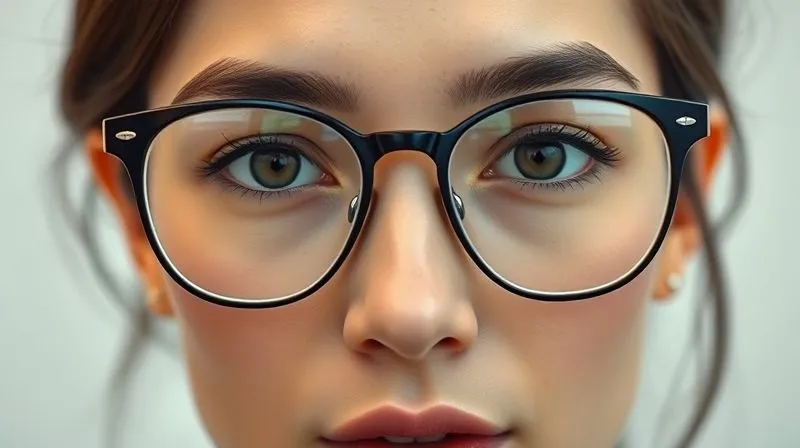
The overall width of the frame should ideally match the width of the wearer's face at the temples. Frames that are too wide will extend beyond the temples, creating a disproportionate look and potentially causing them to slip. Conversely, frames that are too narrow will pinch and be uncomfortable.
"The secret to eyewear elegance on a narrow face isn't just a small frame; it's a perfectly proportioned frame. Every millimeter matters in achieving that seamless extension of one's personal style."
Lens size also plays a crucial role. Oversized lenses on a narrow face can look comical or overwhelming. Aim for lens widths that are proportionate to the face, ensuring that the eyes are centered within the lens aperture. Consider frames with smaller eye sizes (e.g., 46-50mm) and a corresponding smaller bridge width (e.g., 16-20mm).
Beyond Size: Aesthetic Considerations for Narrow Faces
While fit is paramount for comfort and function, aesthetics determine how a client feels about their eyewear. For narrow faces, the goal is to create visual balance and enhance features, not overshadow them. This is where the art of eyewear styling comes in.
Frame Shapes that Harmonize
Certain frame shapes naturally complement narrow faces better than others:
- Round or Oval: These softer shapes can beautifully balance angular features often found on narrow faces, adding a touch of classic elegance without overwhelming.
- Rectangular or Square (with softened edges): If the face is very narrow and long, a slightly wider rectangular frame (within the face's width) can add visual breadth. However, avoid overly sharp or heavy rectangles.
- Cat-Eye (subtle): A gentle upsweep can lift and widen the appearance of the eyes, adding a stylish flair without being too bold.
- Aviator (smaller versions): While traditionally large, smaller, more refined aviator styles can work, especially if they have adjustable nose pads.
Avoid overly large or dramatic frames that extend far beyond the temples or drop too low on the cheeks. This can make the face appear even smaller and the frames disproportionately dominant. According to a recent industry trend report by Luxottica Group, the demand for more minimalist and perfectly proportioned frames is growing, especially for diverse facial anatomies.
Color and Material Choices
Lighter colors and thinner frame materials can be more forgiving on narrow faces, offering a less imposing presence. Translucent acetates, thin metals, or rimless designs can create a delicate, understated look that enhances rather than dominates. Dark, thick frames can sometimes appear too heavy on a smaller face, although this can be a deliberate style choice if executed carefully with perfect fit.
Expert Fitting Techniques: A Step-by-Step Guide
Even with the right frame choice, expert adjustment is non-negotiable for solving aesthetic fit issues for clients with narrow faces. This is where the optical professional's skill truly shines.
The Precision Adjustment Protocol
- Initial Assessment: Begin with a thorough face shape and measurement assessment. Note PD, bridge width, temple length, and overall facial width. Discuss the client's current fit issues.
- Bridge Adjustment: For plastic frames, gentle heating and molding of the bridge area can create a more custom fit. For metal frames with nose pads, adjust the pads' height, angle, and width to ensure even pressure distribution and optimal frame height. The goal is for the frame to sit snugly without sliding or pinching.
- Temple Bend Adjustment: Ensure the temple arms curve gently behind the ear, following the natural contour. If they're too straight, the frames will slip; if too tight, they'll pinch. The bend should start just after the ear, holding the frame securely.
- Pantoscopic Tilt: Adjust the angle of the frame front relative to the temples. A slight tilt (typically 8-12 degrees) ensures the bottom of the frame doesn't rest on the cheeks and provides a better viewing angle through the lenses.
- Vertex Distance: Ensure the distance from the back surface of the lens to the front of the cornea is optimal (typically 12-14mm). This impacts optical clarity and field of view, particularly for higher prescriptions.
- Final Aesthetic Check: Step back and assess the overall look. Do the frames sit centrally? Is the top rim below the eyebrow? Do they align with the facial width? Does the client feel confident and comfortable?
This meticulous approach ensures not just comfort, but also optimal visual performance and aesthetic satisfaction. As optical expert Dr. Gary Heiting from All About Vision often emphasizes, "A well-fitted frame is an extension of the individual, not just a device for vision correction."
| Fit Issue | Root Cause (Narrow Face) | Solution |
|---|---|---|
| Frames slide down nose | Shallow/narrow bridge, wide frame PD | Adjustable nose pads, keyhole bridge, low bridge fit frames |
| Frames too wide, extend beyond temples | Overall facial width too small for frame | Smaller eye size, narrower frame total width, higher bridge placement |
| Frames pinch at temples | Frame too narrow | Select frames with appropriate temple width, adjust temple length carefully |
| Frames rest on cheeks | Insufficient pantoscopic tilt, low bridge fit not used | Increase pantoscopic tilt, adjustable nose pads to lift frame |
Case Study: Reclaiming Confidence with Custom Fit
Case Study: How Sarah Found Her Perfect Pair
Sarah, a 32-year-old architect, had always struggled with finding eyewear. With a very narrow face and a shallow bridge, every pair of glasses she tried would slide down her nose, leaving red marks and constantly needing to be pushed up. She felt self-conscious and unprofessional, often opting for contact lenses despite preferring glasses.
When Sarah came to my practice, I applied the Precision Adjustment Protocol. We started by identifying frames with a smaller eye size (48mm) and a low bridge fit design, crafted from lightweight titanium with adjustable nose pads. Through careful manipulation of the nose pads, I was able to lift the frame slightly, preventing it from resting on her cheeks, and center it perfectly on her face. I then adjusted the temple bends to ensure a secure, yet gentle, grip behind her ears.
The transformation was immediate. For the first time, Sarah experienced glasses that stayed in place, felt comfortable, and aesthetically complemented her features. "I finally feel like myself," she exclaimed, "These glasses don't just help me see; they make me feel confident and elegant." This experience perfectly illustrates the profound impact that diligently solving aesthetic fit issues for clients with narrow faces can have on an individual's self-perception and daily life.
Material Matters: Choosing Frames for Comfort and Durability
The material of the frame significantly influences comfort, weight, and adjustability—all crucial factors for narrow faces. A heavy frame, even if technically sized correctly, can feel burdensome on a smaller face.
Top Materials for Narrow Faces:
- Titanium: Incredibly lightweight, durable, and hypoallergenic. Titanium frames are often thin, making them less visually imposing, and can be easily adjusted for a custom fit.
- Stainless Steel: Another lightweight and durable option, often more affordable than titanium. It offers good adjustability and a sleek, minimalist aesthetic.
- High-Quality Acetate (Thinner profiles): While acetate can be thicker, many brands offer thinner, lightweight acetate frames. These can be heat-adjusted for bridge and temple fit. Look for Japanese or Italian acetate for superior quality and flexibility.
- TR90 (Thermoplastic Polyamide): Extremely lightweight, flexible, and durable. TR90 frames are excellent for active individuals and offer great comfort, though they may have less precise adjustability than metal.
When selecting materials, always consider the client's lifestyle. A student might benefit from the durability of TR90, while a professional might prefer the refined elegance of titanium or thin acetate. The right material choice contributes significantly to the long-term satisfaction of solving aesthetic fit issues for clients with narrow faces.
Common Pitfalls and How to Avoid Them
Even seasoned professionals can fall into common traps when fitting narrow faces. Being aware of these can save time and prevent client dissatisfaction.
Mistakes to Sidestep:
- Solely Relying on Frame PD: While important, frame PD (distance between lens centers) doesn't account for bridge design or temple length, which are equally critical for narrow faces.
- Ignoring Pantoscopic Tilt: Frames that sit too flat can rub on cheeks or cause optical distortion, particularly for progressive lenses.
- Overlooking Temple Length: Temples that are too long will cause frames to slip forward, while those too short will pinch or not reach the ear properly.
- Compromising on Bridge Fit: A common mistake is to select a frame that's otherwise perfect but has a bridge that's too wide or shallow, leading to constant sliding. This is the primary reason for discomfort.
- Pushing Trendy Oversized Frames: While fashion is important, forcing an oversized trend onto a narrow face often results in an unbalanced and uncomfortable fit.
By actively avoiding these pitfalls, you can elevate your fitting expertise and ensure a superior experience for every client. A proactive approach to these details differentiates a good fit from a truly exceptional one.
Advanced Solutions: Customization and Bespoke Eyewear
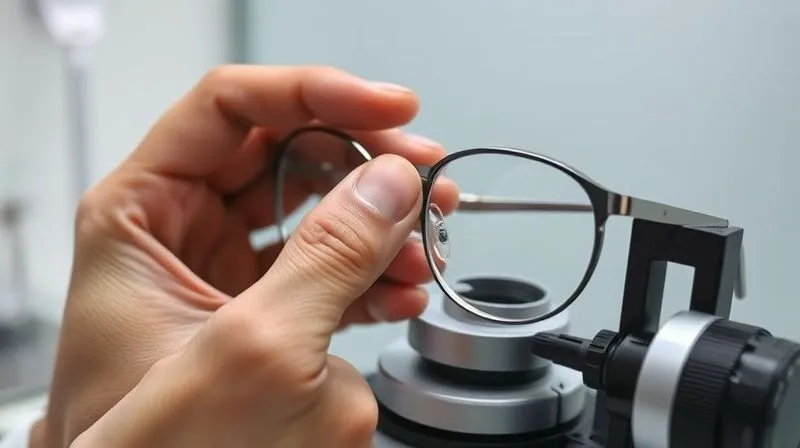
For some clients, off-the-shelf solutions, even with expert adjustments, may not be enough. This is where bespoke or customized eyewear comes into play. While a higher investment, it offers the ultimate solution for truly challenging narrow face fits.
When to Consider Customization:
- Extreme Facial Asymmetry: When one side of the face is noticeably different from the other, making standard frames sit crookedly.
- Unique Bridge Anatomy: Some individuals have very specific nose shapes that standard bridges cannot accommodate comfortably.
- Very Low or High PD: When the pupillary distance falls outside the typical range for available frame sizes.
- Desire for Unique Aesthetics: Beyond fit, some clients simply want a truly unique frame that reflects their personality, built from scratch.
Custom eyewear involves taking precise measurements and sometimes even 3D scans of the client's face. The frame is then designed and manufactured to exact specifications, ensuring an unparalleled fit and aesthetic. While this niche market is growing, resources like Forbes have highlighted its increasing importance in the luxury and specialized optical sectors. It represents the pinnacle of solving aesthetic fit issues for clients with narrow faces.
Frequently Asked Questions (FAQ)
Question: My glasses always slide down my narrow nose, even after adjustments. What else can I do? This is a common issue! First, ensure the frame has adjustable nose pads; if it's plastic, a keyhole bridge or a 'low bridge fit' design might be necessary. Sometimes, the frame's overall weight is too high for your bridge. Consider switching to a lightweight material like titanium. If all else fails, a custom-molded nose pad attachment or bespoke frame might be the ultimate solution.
Question: Are there specific brands that specialize in eyewear for narrow faces? Absolutely. While many brands offer smaller sizes, some are known for a wider selection in petite fits. Look for brands that specifically market 'petite,' 'narrow fit,' or 'Asian fit' collections. Brands like ProDesign Denmark, Silhouette, and often luxury brands with extensive collections, will have more options. Always check the frame measurements (eye size, bridge width, temple length) rather than just relying on brand reputation.
Question: How can I tell if a frame is too wide for my narrow face without trying it on? The simplest way is to measure your facial width at the temples and compare it to the total width of the frame (usually listed in specifications, or by adding lens width + bridge width + endpiece widths). Ideally, the frame's total width should be roughly equal to or slightly less than your facial width. If the frame extends significantly beyond your temples, it's likely too wide. Also, check the bridge width; a smaller bridge (e.g., 16-18mm) is usually a good indicator for narrow faces.
Question: My optometrist says my PD is very small. How does this affect frame choice for a narrow face? A small PD (Pupillary Distance) is crucial. It means the optical centers of your lenses need to be closer together. If you choose a frame that's too wide, even if it fits your face width, the optical centers will be too far apart from your pupils. This can lead to prism effect, eye strain, and headaches. You'll need frames with a smaller eye size and a narrower bridge to ensure the lenses can be properly centered for your PD, preventing optical distortion.
Question: Can I adjust my own glasses at home if they're sliding? While minor adjustments to plastic frames (e.g., gently bending temples with warm water) or tightening screws on metal frames can be attempted with caution, I strongly advise against significant adjustments. Improper heating of plastic can damage the frame, and incorrect bending of metal can weaken it or misalign the optics. Professional opticians have specialized tools and expertise to make precise, safe adjustments without damaging your frames or compromising your vision. Always seek professional help for persistent fit issues.
Key Takeaways and Final Thoughts
Solving aesthetic fit issues for clients with narrow faces is an art and a science, requiring meticulous attention to detail and a deep understanding of facial anatomy and frame geometry. It's a journey from frustration to ultimate comfort and confidence. Here are the most critical takeaways:
- Prioritize Bridge Fit: It's the cornerstone of stability and comfort. Look for adjustable nose pads, keyhole designs, or low bridge fits.
- Mind Proportion: Frame width and lens size must harmonize with overall facial dimensions. Avoid frames that are too wide or too large.
- Embrace Expert Adjustments: Even the perfect frame needs a professional touch to achieve an impeccable, personalized fit.
- Consider Material: Lightweight materials like titanium or thin acetate enhance comfort and minimize visual bulk.
- Don't Fear Customization: For truly unique challenges, bespoke eyewear offers the ultimate solution.
As an industry veteran, I've seen the profound impact a perfectly fitted pair of glasses can have on a client's life. It's not just about seeing clearly; it's about feeling seen, confident, and comfortable in your own skin. By applying these expert strategies, you can transform the eyewear experience, ensuring every narrow-faced client walks away with a frame that feels tailor-made and looks absolutely spectacular. Invest the time, hone your skills, and watch the confidence bloom.
Recommended Reading
- How to Select Women's Formal Wear for High-Stakes Client Pitches: 7 Steps
- Navigating Budget Cuts: 7 Smart Strategies for Fashion Photography
- 7 Proven Strategies to Optimize Production Costs for Extendable Kids' Clothing
- Authenticating Vintage Chanel: 7 Expert Steps Without Original Papers
- 7 Strategies: Scaling Unique Kids Fashion Production, Preserving Identity



Your email address will not be published. Required fields are marked *