

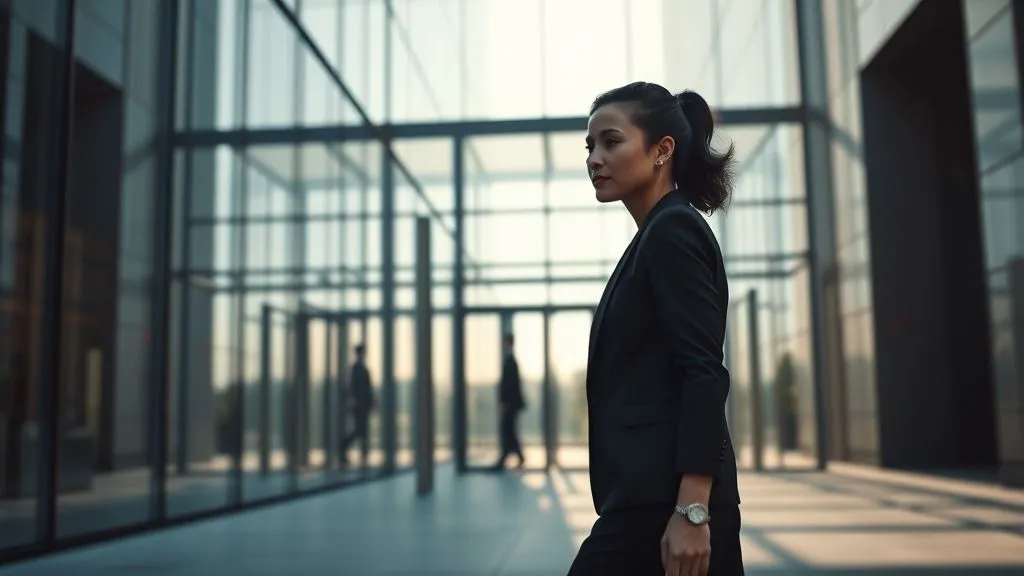
How to Select Women's Formal Wear for a High-Stakes Client Pitch?
For over two decades in the fashion industry, specializing in womenswear, I've witnessed firsthand how a single outfit can dramatically shift the trajectory of a career or a crucial business deal. I recall a pivotal moment early in my career, advising a brilliant but understated executive who was continually overlooked for top-tier projects. A strategic overhaul of her formal wardrobe, focusing on structure, quality, and subtle authority, transformed how she was perceived, opening doors that had previously remained shut. It wasn't about vanity; it was about visual communication.
The pressure to impress during a high-stakes client pitch is immense. You need to project competence, trustworthiness, and an unwavering commitment to excellence. Many women struggle with the nuances of formal wear, often defaulting to safe but uninspired choices, or worse, making subtle missteps that inadvertently undermine their credibility before they even utter a word. The stakes are too high to leave your visual narrative to chance.
This comprehensive guide will equip you with a strategic framework, drawing from psychological insights, industry best practices, and my own extensive experience, to confidently select women's formal wear for a high-stakes client pitch. We’ll delve into everything from decoding industry expectations to mastering the art of accessorizing, ensuring you walk into that room not just dressed, but empowered to win, leaving an indelible mark of professionalism and capability.
Understanding the Psychology of Power Dressing
Your attire is a powerful non-verbal communicator, often speaking volumes before you do. In a high-stakes client pitch, first impressions are everything, shaping perceptions of your competence, trustworthiness, and authority. This isn't about conforming to rigid rules; it's about leveraging visual cues to your advantage, creating an aura of confidence and professionalism that resonates with your audience.
Decades of research in social psychology confirm that what we wear significantly impacts how others perceive us, and crucially, how we perceive ourselves. A well-chosen formal outfit can boost your self-assurance, improve your posture, and even enhance your cognitive performance. As a Harvard Business Review article highlights, specific clothing choices can make us feel more powerful and, in turn, act more effectively.
“Power dressing isn't about extravagance; it’s about strategic intentionality. Every element of your outfit, from fabric to fit, contributes to the narrative you wish to convey. It's about dressing not for the job you have, but for the impact you intend to make.”
Case Study: The 'Invisible' Innovator's Transformation
Sarah, a brilliant but soft-spoken tech innovator, consistently found her groundbreaking ideas overshadowed during client pitches. Despite her undeniable expertise, her casual, albeit neat, attire often led clients to perceive her as less authoritative than her more formally dressed male counterparts. Recognizing this pattern, I advised Sarah on a strategic wardrobe transformation. We focused on investing in two impeccably tailored pantsuits in charcoal and navy, pairing them with silk blouses and subtle, high-quality accessories. The change was immediate: clients began to engage with her more directly, their body language shifted to one of respect, and her pitch conversion rate soared by 35% within six months. Sarah didn't change her ideas; she simply changed how she presented them, visually aligning her external presence with her internal prowess.

Decoding Your Audience and Industry: The Context is King
Before selecting a single garment, your first and most critical step is to deeply understand your client and their industry. A high-stakes pitch for a conservative financial institution demands a different approach than one for a cutting-edge creative agency. Ignoring this context is a common misstep that can subtly communicate a lack of understanding or respect for their culture.
Consider the client's corporate culture, their typical dress code, and even the personality of the specific individuals you'll be meeting. Research their website, LinkedIn profiles, and recent public appearances for clues. Are they traditional and buttoned-up, or more innovative and relaxed? Your goal is to dress in a way that signals you belong, that you understand their world, without losing your authentic professional identity.
Key Questions to Guide Your Outfit Choice:
- What is the client's industry? (e.g., Finance, Tech, Creative, Legal, Healthcare)
- What is the general dress code of their senior leadership? (Look at their 'About Us' page.)
- Is this a first meeting or an ongoing relationship? (First meetings often warrant a higher level of formality.)
- What message do I want to send about my company? (Are you innovative, reliable, luxurious, approachable?)
- Where is the meeting taking place? (Their office, a conference room, a casual co-working space?)
| Industry Type | Recommended Attire | Avoid |
|---|---|---|
| Traditional Finance/Law | Tailored pantsuit/skirt suit, classic dress, neutral colors, minimal accessories. | Bright patterns, overly trendy pieces, open-toed shoes. |
| Tech/Start-up (Conservative client) | Smart blazer with tailored trousers/dark jeans, professional dress, refined separates. | Overly casual t-shirts, distressed denim, sneakers (unless clearly acceptable). |
| Creative/Marketing | Stylish but professional dress, well-fitted separates, thoughtful use of color/texture. | Sloppy silhouettes, excessive casualness, anything that distracts from your message. |
| Healthcare/Pharma | Conservative suit or dress, comfortable but polished shoes, minimal jewelry. | Anything that could be perceived as unhygienic or overly revealing. |
The Core Components of a Winning Formal Wardrobe
Building a robust formal wardrobe for high-stakes pitches doesn't require an endless budget, but it does demand strategic investment in quality, versatile pieces. Think of these as your foundational elements, designed to be mixed, matched, and adapted to various scenarios while always projecting polish and authority.
Focus on timeless silhouettes and superior fabrics that drape well and resist wrinkling. A well-constructed garment not only looks better but also lasts longer, making it a wise investment. The goal is to create a capsule wardrobe of formal wear that is both functional and impeccably stylish, allowing you to focus on your pitch, not your outfit.
Essential Pieces for Your Power Wardrobe:
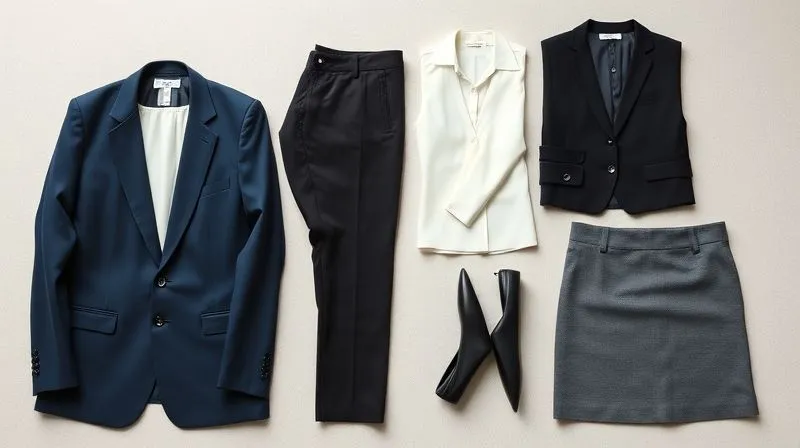
- The Tailored Suit (Pantsuit or Skirt Suit): This is your ultimate power play. Invest in at least one, preferably two, high-quality suits in classic neutral colors like charcoal grey, navy blue, or black. Ensure the fit is impeccable – a poorly fitting suit undermines its authority.
- Versatile Blazers: Beyond the suit, a standalone blazer in a complementary color (e.g., a cream blazer with black trousers) can elevate a dress or smart separates. Look for structured shoulders and a flattering cut.
- Professional Dresses: A sheath dress or an A-line dress in a solid color or subtle pattern offers a streamlined, elegant alternative. Ensure the length is appropriate (knee-length or slightly below) and the neckline is modest.
- Crisp Blouses and Shell Tops: Opt for silk, high-quality cotton, or refined blends. White, cream, light blue, or soft pastels are excellent choices. Avoid anything too sheer or with excessive ruffles; simplicity speaks volumes.
- Tailored Trousers/Pencil Skirts: Having these as separates allows for greater flexibility. Ensure trousers are well-hemmed and skirts are comfortable for sitting.
Color Psychology and Fabric Choices for Impact
The colors and fabrics you choose are not merely aesthetic decisions; they are psychological tools. Certain colors evoke specific emotions and perceptions, while fabric quality communicates attention to detail and value. Understanding these nuances allows you to fine-tune your visual message for maximum impact in a high-stakes setting.
Generally, for formal pitches, stick to a palette of sophisticated neutrals and deep, rich tones. These colors convey seriousness, stability, and professionalism. Bright, overly vibrant colors can be distracting and may be perceived as less authoritative, depending on the industry. When in doubt, lean towards understated elegance.
Strategic Color Selection:
- Navy Blue: Conveys trust, stability, and authority. It’s a softer alternative to black and often perceived as highly professional.
- Charcoal Grey: Projects sophistication, wisdom, and practicality. It’s less stark than black but equally authoritative.
- Black: The ultimate power color, signaling formality, elegance, and seriousness. Use sparingly if the client culture is less formal, or if you want to appear more approachable.
- White/Cream: For blouses or shell tops, these colors communicate cleanliness, clarity, and professionalism.
- Burgundy/Forest Green: Can be used as accent colors in a blouse or accessory to add a touch of personality and richness, while maintaining professionalism.
Fabric choice is equally crucial. High-quality wool blends, silk, and structured cotton are excellent choices. They drape well, resist wrinkling, and convey a sense of luxury and attention to detail. Avoid overly shiny fabrics, thin knits that cling, or anything that looks inexpensive. Forbes often emphasizes the role of fabric quality in projecting a polished professional image.
Accessorizing with Purpose: Beyond the Bling
Accessories are the finishing touches that can elevate or detract from your formal ensemble. For a high-stakes pitch, the mantra is "less is more," focusing on quality, subtlety, and functionality. Each accessory should serve a purpose, either by completing the look or by adding a touch of understated elegance without causing distraction.
Think of your accessories as strategic accents rather than focal points. They should complement your outfit and reinforce your professional image, not compete with your message. Over-accessorizing can appear cluttered and unprofessional, pulling focus away from your words and ideas.
Thoughtful Accessory Choices:
- Shoes: Closed-toe pumps or elegant flats in a neutral color (black, navy, nude) are ideal. Ensure they are polished, comfortable, and in excellent condition. Avoid overly high heels, sandals, or anything too casual.
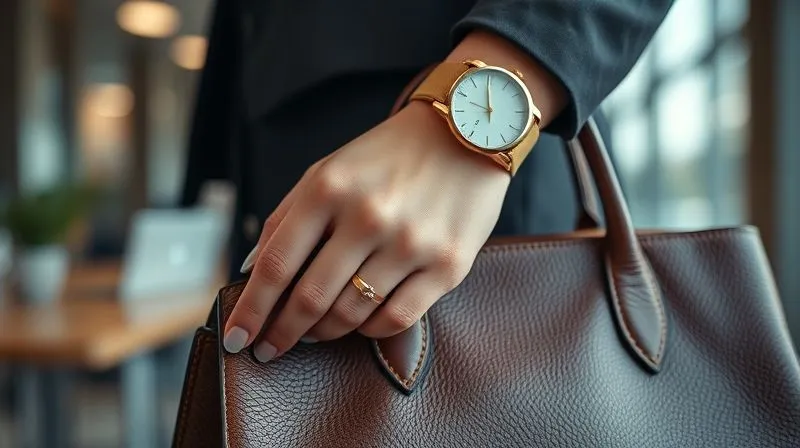
- Handbag: A structured, medium-sized leather tote or shoulder bag in a classic color is perfect. It should be large enough to carry your essentials (notes, tablet) but not cumbersome. Avoid oversized or casual bags.
- Jewelry: Opt for minimalist, high-quality pieces. A delicate necklace, stud earrings, or a classic watch are appropriate. Avoid large, dangling, or noisy jewelry that could be distracting.
- Scarves: A silk scarf can add a touch of color and sophistication, tied neatly around the neck or on your handbag. Ensure the pattern is subtle and professional.
- Eyewear: If you wear glasses, ensure they are clean, well-fitting, and have a professional frame that complements your face.
Fit, Comfort, and Confidence: Your Secret Weapons
No matter how expensive or well-chosen your formal wear, if it doesn't fit perfectly or isn't comfortable, it will undermine your confidence and distract from your pitch. An ill-fitting garment can make you appear disheveled, even if it's brand new. Conversely, a perfectly tailored outfit can make a modest piece look luxurious and elevate your entire presence.
Comfort is paramount. A high-stakes pitch can last hours, often involving sitting, standing, and presenting. If you're constantly tugging at your skirt, adjusting your blazer, or wincing in uncomfortable shoes, your focus will be divided. Your attire should feel like a second skin, allowing you to move freely and command the room with ease.
The Pillars of Confident Attire:
- Impeccable Tailoring: This is non-negotiable. Invest in alterations for all your formal wear. Sleeves should hit at the wrist, trouser hems should skim the top of your shoes, and blazers should fit snugly but allow for movement.
- Freedom of Movement: Ensure you can sit, stand, and gesture comfortably without your clothes pulling, gaping, or riding up. Test your outfit in various positions before the pitch.
- Fabric Comfort: Choose fabrics that breathe and feel good against your skin. Avoid anything scratchy or restrictive.
- Comfortable Footwear: Your shoes should be broken in and comfortable enough to stand in for extended periods. There's nothing more distracting than visible discomfort.
“True confidence radiates from within, but it is undeniably bolstered by feeling impeccably put-together on the outside. When your clothes fit perfectly and feel comfortable, you're free to fully inhabit your expertise and project unwavering self-assurance.”

The Pre-Pitch Ritual: Ensuring Impeccable Presentation
The selection of your outfit is only half the battle. The final presentation of that outfit, along with your personal grooming, completes the picture of professionalism. A meticulous pre-pitch ritual ensures that no detail is overlooked, allowing you to step into the room feeling fully prepared and polished.
This ritual should extend beyond your clothing to encompass your hair, makeup, and overall demeanor. Every element contributes to the cohesive image you present. A last-minute rush or a forgotten detail can introduce unnecessary stress and detract from your overall impact.
Your Impeccable Presentation Checklist:
- Full Outfit Review: Try on your entire outfit several days before the pitch. Check for stains, loose threads, missing buttons, or any fit issues.
- Iron/Steam: Ensure everything is perfectly pressed and wrinkle-free. A steamer is a great investment for quick touch-ups.
- Clean and Polished Shoes: Scuffed shoes can ruin an otherwise perfect outfit. Give them a good polish.
- Hair: Styled neatly and professionally. Avoid anything that might fall into your face or require constant adjustment.
- Makeup: Subtle, professional, and long-lasting. The goal is to enhance your features, not distract from them.
- Nails: Clean, neatly trimmed, and polished in a neutral color. Chipped polish or dirty nails are absolute no-gos.
- Minimal Fragrance: A light, subtle scent is acceptable; strong perfumes can be overwhelming and distracting.
- Empty Pockets: Avoid bulky items in your pockets that can disrupt the clean lines of your outfit.
- Pack Your Pitch Bag: Ensure all necessary documents, technology, and a small emergency kit are ready.
| Category | Checklist Item | Status |
|---|---|---|
| Attire | Outfit laid out, wrinkle-free? | Complete |
| Attire | Shoes clean and polished? | Complete |
| Attire | Accessories chosen and ready? | Complete |
| Grooming | Hair styled neatly? | Complete |
| Grooming | Makeup professional and subtle? | Complete |
| Grooming | Nails trimmed and clean? | Complete |
| Logistics | Pitch materials organized? | Complete |
| Logistics | Emergency kit packed? | Complete |
Navigating Common Pitfalls and Last-Minute Fixes
Even with the most meticulous planning, unforeseen circumstances can arise. Being aware of common formal wear pitfalls and having a strategy for last-minute fixes can save you from unnecessary stress and maintain your polished image. A true expert anticipates challenges and prepares accordingly.
One of the most frequent mistakes I've observed is underestimating the impact of small details. A tiny stain, a loose hem, or a scuffed shoe can disproportionately detract from an otherwise perfect presentation. Similarly, choosing an outfit that is simply 'too much' or 'too little' for the specific client context is a pitfall to actively avoid.
Avoiding and Addressing Pitfalls:
- Over-Accessorizing: Resist the urge to wear too many pieces of jewelry or overly flashy items. When in doubt, take one item off.
- Ill-Fitting Garments: Never wear anything that is too tight, too loose, or too short/long. If it doesn't fit, don't wear it.
- Inappropriate Footwear: Avoid open-toed shoes, overly casual flats, or stilettos that make walking difficult or noisy.
- Visible Undergarments: Ensure bras, slips, and shapewear are seamless and invisible under your chosen outfit.
- Wrinkles and Stains: Always double-check your outfit for these. Keep a travel-sized steamer or stain remover pen handy.
For last-minute emergencies, a small 'pitch emergency kit' is invaluable. This might include a mini sewing kit, safety pins, a lint roller, an instant stain remover pen, extra hosiery, breath mints, and pain relievers. Being prepared for minor wardrobe mishaps allows you to handle them discreetly and maintain your composure, reflecting a calm and resourceful professional.
Remember, your goal is to be memorable for your ideas and your expertise, not for a fashion faux pas. By meticulously planning and anticipating potential issues, you ensure that your attire supports your message, rather than distracting from it. Studies, such as those often referenced by leading consultancies like Deloitte, consistently show that a polished professional image significantly enhances perceived credibility and influence.
Frequently Asked Questions (FAQ)
Can I wear pants instead of a skirt suit for a high-stakes client pitch? Absolutely. Tailored pantsuits are not only acceptable but are often preferred by many professional women for their comfort, practicality, and undeniable air of authority. Ensure the trousers are impeccably tailored, with a crisp crease, and paired with a well-fitted blazer and professional top. The choice between a skirt and pants often comes down to personal preference, comfort, and the specific industry or client culture.
What if my industry is more casual, but the client is very formal? How do I bridge the gap? When there's a significant disconnect between your industry's typical dress code and your client's formality, always err on the side of the client's expectations. Your attire should signal respect for their environment. You can bridge the gap by selecting a formal outfit in a slightly more modern cut or with subtle, contemporary detailing, rather than a strictly traditional one. For example, a well-fitted navy pantsuit with a silk camisole instead of a button-down shirt, or a structured dress with a modern blazer.
How do I ensure my outfit is comfortable for a long pitch or travel? Comfort is key to maintaining focus. Prioritize fabrics with a slight stretch, like wool blends, that resist wrinkling and allow for movement. Choose shoes that are broken in and supportive. Layering is also important; a well-fitted blazer can be removed if the room gets warm. Always do a 'test run' of your outfit, including shoes, to ensure it feels good for extended periods.
Are bold colors ever appropriate for a high-stakes client pitch? Generally, for high-stakes pitches, it's safer to stick to professional neutrals and deep, rich tones. However, a bold color can be used strategically as an accent – perhaps a vibrant silk blouse under a neutral suit, or a colorful but sophisticated scarf. The key is moderation and ensuring the color enhances your presence without overwhelming or distracting from your message. Know your client; some creative industries might be more receptive to thoughtful color choices.
What's the one non-negotiable item for a powerful formal look? If I had to pick just one, it would be an impeccably tailored blazer. A well-constructed, perfectly fitting blazer instantly elevates any outfit, adding structure, professionalism, and an undeniable sense of authority. It can transform a simple dress or even smart separates into a powerful formal ensemble, making it the most versatile and impactful piece in your formal wear arsenal.
Key Takeaways and Final Thoughts
Navigating the complexities of women's formal wear for a high-stakes client pitch can feel daunting, but with a strategic approach, it becomes a powerful asset in your professional toolkit. Remember, your attire is not just clothing; it's a critical component of your non-verbal communication, signaling your competence, trustworthiness, and respect for the opportunity at hand. By mastering this aspect, you empower yourself to focus entirely on delivering your message with clarity and conviction.
- Context is King: Always research your client and their industry to align your attire with their expectations.
- Invest in Quality: Prioritize well-tailored, high-quality pieces in classic silhouettes and professional fabrics.
- Strategic Color & Fabric: Leverage color psychology and choose fabrics that convey sophistication and attention to detail.
- Subtle Accessorizing: Opt for minimalist, high-quality accessories that enhance, rather than distract from, your professional image.
- Fit & Comfort: Ensure your outfit is perfectly tailored and comfortable, allowing you to move with ease and exude confidence.
- Meticulous Preparation: A thorough pre-pitch ritual for your outfit and grooming is non-negotiable for a polished presentation.
- Anticipate Pitfalls: Be aware of common mistakes and have an emergency plan for last-minute fixes.
As you prepare for your next high-stakes client pitch, remember that your confidence is your most powerful accessory. The right formal wear simply amplifies that confidence, allowing your expertise and vision to shine through unobstructed. Step into that room not just dressed for success, but embodying it, ready to conquer and impress. Your journey to impactful presentation begins with intentional dressing.
Recommended Reading
- Why Advanced Skincare Fails? 5 Secrets to Unlock Lasting Radiance
- Unlock Your Radiance: Discovering Your Unique Personalized Beauty Needs
- 7 Pro Strategies: Navigating Unrealistic Bridal Beauty Client Expectations
- The Ultimate Guide: How to Store Handmade Jewelry to Prevent Damage?
- 7 Steps: How to Avoid Greenwashing Allegations in Eco Clothing Marketing


Your email address will not be published. Required fields are marked *