

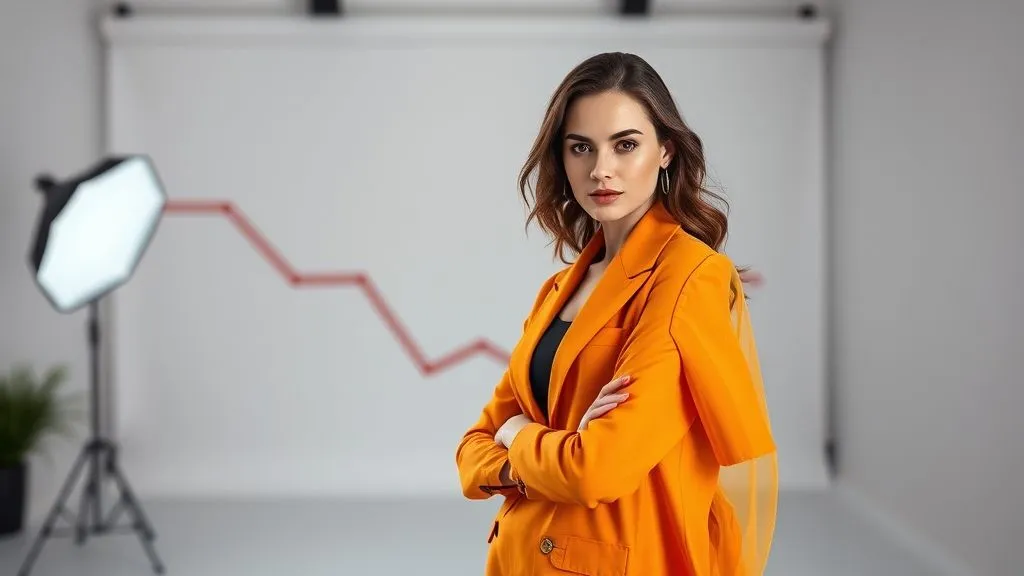
Reducing impact of commercial fashion photography budget cuts?
For over two decades in the dynamic world of fashion photography, I've navigated countless economic shifts, technological revolutions, and creative challenges. One constant, however, has been the cyclical nature of budget constraints. I've witnessed firsthand how both seasoned agencies and emerging brands grapple with the seemingly impossible task of maintaining high-quality visuals when the purse strings tighten.
It’s a familiar, frustrating scenario: you have a vision, a brand identity to uphold, and a market demanding excellence, but the allocated funds are shrinking. The immediate temptation is often to cut corners, compromise on talent, or scale back on essential production elements, leading to a visible drop in quality that ultimately harms the brand’s image and sales.
But what if budget cuts weren't a death knell for creativity or quality? What if they were an invitation to innovate, optimize, and rethink your approach? In this definitive guide, I'll share my proven frameworks, actionable strategies, and expert insights to not just survive but thrive when facing commercial fashion photography budget cuts, ensuring your visuals remain impactful and your brand shines.
The New Reality: Understanding the Landscape of Budget Constraints
Budget cuts in commercial fashion photography aren't always a sign of failure; they're often a reflection of broader economic pressures, shifting market priorities, or evolving brand strategies. Brands might be reallocating funds to digital marketing, sustainability initiatives, or new product development, leaving less for traditional campaign imagery.
The danger lies in a reactive, rather than a proactive, response. Simply slashing line items without a strategic overhaul can lead to a domino effect of diminished returns. Poor quality photography directly impacts consumer perception, conversion rates, and ultimately, brand equity.
In my experience, the true cost of 'saving' money by compromising quality is always far greater than the initial savings. It erodes trust and diminishes perceived value, which are incredibly difficult to rebuild.
Understanding the 'why' behind the cuts is crucial. Is it a temporary measure, or a long-term shift? This insight will inform your strategy for reducing the impact of commercial fashion photography budget cuts effectively. It's about finding smarter ways to allocate resources, not just less.

Strategic Pre-Production: Laying the Foundation for Efficiency
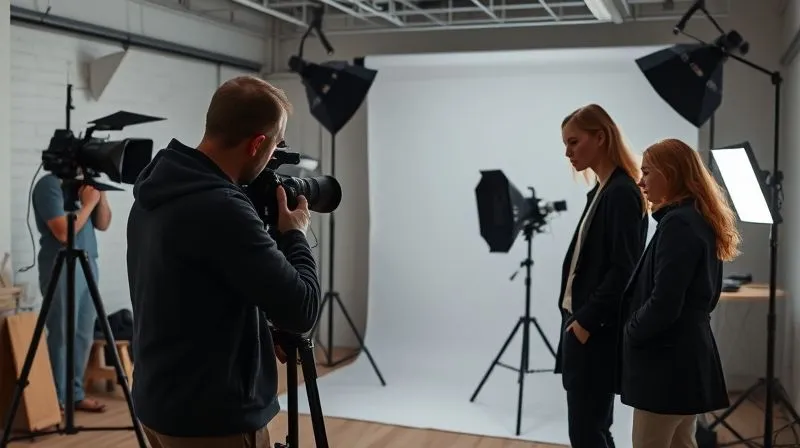
The most significant savings in any fashion shoot often come long before the camera even clicks. Meticulous pre-production is your secret weapon against budget overruns and inefficiencies.
Meticulous Planning & Concept Development
Every minute on set costs money. Therefore, every detail should be ironed out in advance. This means developing hyper-detailed mood boards, comprehensive shot lists, and a precise shooting schedule that accounts for every look, every angle, and every transition.
Client alignment is paramount here. Ensure the client is fully on board with the creative direction, expected deliverables, and logistical plan. Any ambiguity before the shoot can lead to costly reshoots or on-set changes. I always advocate for over-communication at this stage.
- Reduced time on set: Knowing exactly what to shoot means less trial-and-error.
- Optimized crew utilization: Everyone understands their role and the flow.
- Minimized unforeseen expenses: Fewer last-minute rentals or props.
- Consistent brand message: Ensures all visuals align with the brand's vision.
Smart Location & Talent Scouting
Don't automatically default to expensive studios or exotic locations. Explore options like utilizing natural light in accessible public spaces (with permits, of course), collaborating with local businesses for unique backdrops, or even leveraging a brand's own facilities if appropriate. Think creatively about what's available.
For talent, consider working with emerging models or stylists who may offer more competitive rates while still delivering exceptional quality. Diversify your casting calls and look beyond the usual suspects. According to a Forbes article on budget optimization, leveraging new talent can significantly reduce costs without compromising creative vision.
| Pre-Production Task | Potential Savings | Impact on Quality |
|---|---|---|
| Detailed Mood Boards | Reduced reshoots, clear vision | High, ensures brand alignment |
| Comprehensive Shot Lists | Efficient on-set time, fewer wasted shots | High, ensures all required content is captured |
| Client Sign-off Meetings | Avoids major revisions post-shoot | High, client satisfaction and brand fidelity |
| Strategic Location Scouting | Lower rental costs, unique backdrops | Medium to High, can enhance creativity |
| Emerging Talent Casting | Reduced model/stylist fees | Medium to High, fresh faces can be impactful |
Optimizing On-Set Operations: Maximizing Every Minute
Once you're on set, time is truly money. Every delay, every miscommunication, and every inefficient process eats directly into your budget. This is where meticulous planning meets agile execution.
Streamlined Workflow & Crew Management
A clear, concise call sheet is non-negotiable. Ensure every crew member knows their role, the schedule, and key contact information. Empower your team leads – the stylist, the makeup artist, the assistant – to manage their respective domains efficiently. I've found that pre-briefing the entire team on the day's goals and potential challenges can significantly boost efficiency.
Consider multi-tasking where appropriate and safe. For example, while one look is being shot, the next outfit can be prepped. Keep breaks scheduled and adhered to. A well-fed and rested crew is a productive crew, so don't skimp on basic comforts, but keep them within budget.
Leveraging Technology & Equipment Wisely
Do you really need the latest, most expensive camera body for every shoot? Often, a well-maintained, slightly older model or a versatile prime lens can achieve stunning results. Renting specialized equipment only when necessary is almost always more cost-effective than purchasing. This also allows you to scale up or down based on project needs.
Invest in efficient lighting solutions that are versatile and easy to set up, reducing the need for extensive rigging and large grip teams. As PPA often advises, understanding your equipment's full capabilities can unlock creative solutions without additional expenditure.
Post-Production Prowess: Value-Driven Editing & Retouching
Post-production is often where budgets quietly inflate if not managed correctly. It's a critical stage where quality can be either preserved or eroded.
Prioritizing Key Images & Batch Processing
Not every image needs extensive, high-end retouching. Work closely with the client to identify the 'hero' shots that will be used for primary campaigns, social media headers, or print ads. These warrant the most detailed attention. For supporting images, explore batch processing techniques for color correction, cropping, and basic clean-up.
Standardize your post-production workflow. Create presets and actions for common tasks to ensure consistency and speed. This significantly reduces the per-image time investment, which directly impacts costs. I've seen teams reduce their post-production hours by 20-30% simply by implementing a disciplined approach.
Outsourcing Strategically & Negotiating Rates
Consider outsourcing specialized retouching or editing tasks to skilled freelancers, especially if they can offer competitive rates without compromising quality. The global talent pool has expanded dramatically, offering excellent opportunities for cost savings. However, always ensure a clear brief, establish quality benchmarks, and review portfolios thoroughly.
Post-production isn't just about fixing flaws; it's about enhancing the narrative. Strategic investment here means focusing resources on images that truly tell the brand's story, rather than over-processing every single frame.
Don't be afraid to negotiate rates with your post-production partners. Explain your budget constraints and look for win-win scenarios, perhaps by offering consistent work or longer-term contracts in exchange for better pricing.
Building Stronger Client Relationships: Value Beyond the Invoice
In times of budget cuts, clients are looking for partners, not just vendors. Demonstrating your value beyond the immediate project cost is crucial for long-term survival and success.
Transparent Communication & Proactive Solutions
When budget cuts are on the table, be upfront and transparent. Explain the implications of reduced budgets on deliverables and propose creative solutions. Instead of just saying 'no, we can't do that,' offer alternatives. 'We can't afford a celebrity model, but we can achieve a similar aspirational feel with a rising influencer and strategic styling.'
Educate your clients on the value of quality photography and its ROI. Show them how professional imagery drives engagement, conversions, and brand perception. Offer tiered packages that allow them flexibility while still delivering strong results at different price points.
The Power of Portfolio & Testimonials
Your portfolio is your most powerful selling tool. Continuously update it with your most impactful, budget-conscious work. Showcase projects where you've delivered exceptional quality under constraints. These stories resonate deeply with clients facing similar pressures. Gather strong testimonials that speak to your problem-solving abilities and your capacity to deliver value.
Focus on building long-term partnerships. A client who trusts your expertise and believes in your value proposition is more likely to work with you through lean times. As marketing guru Seth Godin often says, "People do not buy goods and services. They buy relations, stories, and magic."

Innovative Approaches: Thinking Outside the Traditional Shoot
The fashion industry is always evolving, and so too should our approach to content creation. Budget cuts can be a catalyst for embracing exciting new technologies and strategies.
Embracing Digital Fashion & 3D Rendering
The rise of digital fashion and 3D rendering offers incredible opportunities to reduce costs associated with physical production. Virtual samples, CGI models, and digitally created environments can eliminate the need for physical samples, elaborate sets, and even some talent fees. This not only saves money but also aligns with sustainability goals.
While the initial investment in learning or software might seem daunting, the long-term savings for certain types of imagery can be substantial. For product shots or conceptual campaigns, this is a game-changer. A Vogue Business report highlights the growing importance of digital fashion in reducing production costs and environmental impact.
User-Generated Content (UGC) Integration
Authentic user-generated content can be a powerful, cost-effective addition to your content strategy. Encourage customers to share their experiences with the brand's products. Curate and repurpose the best UGC (with permission and proper attribution) across your channels. This not only provides fresh content but also builds community and trust.
While UGC shouldn't replace all professional photography, it can significantly supplement your content calendar and reduce the overall need for new, expensive shoots. It's about blending high-production value with raw authenticity.
Micro-Influencer Collaborations
Instead of large-scale celebrity endorsements, consider collaborating with micro-influencers. These individuals often have highly engaged, niche audiences and are more affordable. Their authentic connection with their followers can yield impressive results at a fraction of the cost of traditional campaigns.
Establish clear expectations and creative briefs, but also give them creative freedom to showcase the product in a way that resonates with their audience. This is a smart way of reducing the impact of commercial fashion photography budget cuts by diversifying your content sources.
Innovation isn't a luxury; it's a necessity when resources are scarce. Embrace new technologies and creative partnerships to redefine what's possible within your budget.
Case Study: Aura Apparel's Smart Savings
Aura Apparel, a mid-sized athleisure brand, faced a 25% reduction in their annual photography budget. Instead of cutting their campaign quality, they pivoted. They invested 10% of their remaining budget into 3D rendering software and training for a junior designer, allowing them to create virtual samples for new product lines. This eliminated the need for several physical sample shoots. Simultaneously, they launched a successful UGC campaign, incentivizing customers to share outfit-of-the-day posts with their new collection. This resulted in a 30% reduction in overall photography production costs, a richer content library, and a 15% increase in social media engagement, proving that strategic innovation can turn a constraint into an advantage.
Mastering Negotiation and Contract Management
Negotiation is an art, especially when working with tighter budgets. It's not about demanding discounts but finding mutually beneficial solutions.
Art of the Deal: Smart Budget Allocation
Break down your project costs into granular detail. Understand where every dollar is going. This transparency allows you to identify areas where you might have flexibility. Instead of quoting a lump sum, present a detailed proposal showing how each component contributes to the final vision. This helps clients understand the value proposition.
Consider offering value-based pricing rather than just hourly rates. Focus on the tangible outcomes and ROI your photography will deliver. For instance, 'This package includes 20 high-resolution images optimized for e-commerce, designed to boost your conversion rates by X%,' rather than 'This is a 2-day shoot for $Y.'
Clear Contracts and Deliverables
A well-defined contract is your best friend. It should clearly outline the scope of work, deliverables, usage rights, payment terms, and a precise timeline. This prevents 'scope creep' – where additional requests are made without additional compensation – which can quickly inflate costs. Be explicit about revisions and additional services.
Negotiate payment schedules that work for both parties. For larger projects, consider staggered payments tied to milestones. This helps manage cash flow for both you and the client. Building trust through clear agreements is paramount for reducing the impact of commercial fashion photography budget cuts in the long run.
| Negotiation Point | Benefit | Impact on Budget |
|---|---|---|
| Transparent Cost Breakdown | Client understands value, identifies flexible areas | Allows for strategic adjustments |
| Value-Based Pricing | Focuses on ROI, not just hours | Justifies investment, potentially higher perceived value |
| Tiered Service Packages | Offers client choice based on budget | Accommodates different financial capacities |
| Clear Scope & Deliverables | Prevents scope creep, manages expectations | Avoids unforeseen costs and delays |
| Flexible Payment Terms | Helps client cash flow, builds trust | Supports project continuation despite constraints |
Continuous Learning & Adaptability: Staying Ahead of the Curve
The photography industry, especially fashion, is in constant flux. To effectively navigate budget cuts and remain competitive, continuous learning is not optional; it's essential.
Stay abreast of industry trends, new technologies, and evolving consumer behaviors. This includes everything from the latest editing software to the nuances of social media algorithms. The more versatile your skill set, the more value you can offer, often with fewer resources.
Network with peers, attend workshops, and read industry publications. Learning from others' experiences and adapting your own strategies will not only help you reduce the impact of commercial fashion photography budget cuts but also position you as a thought leader in your niche. As Harvard Business Review suggests, adaptability is key to strategic survival during economic downturns.

Frequently Asked Questions (FAQ)
Q: How do I justify my rates when clients are cutting budgets? A: Focus on demonstrating the tangible ROI of your work. Instead of just listing services, articulate how your photography drives sales, enhances brand perception, or improves engagement. Provide case studies or data points that show the value you bring. Offer tiered options that allow clients to choose what fits their budget while still receiving high-quality output, emphasizing the long-term cost of poor visuals.
Q: What's the biggest mistake photographers make when facing budget cuts? A: The biggest mistake is panicking and immediately slashing their rates or compromising quality without a strategic plan. This devalues their work and can lead to a race to the bottom. Instead, photographers should focus on optimizing efficiency, innovating their approach, and clearly communicating the value they deliver, even if it means doing less for more impact.
Q: Can AI tools genuinely help reduce costs without sacrificing quality? A: Absolutely, when used strategically. AI tools can automate repetitive tasks like culling, basic retouching, and background removal, freeing up valuable time for more creative work. They can also assist with generating virtual samples or concept art. The key is to leverage AI to enhance your workflow and efficiency, not to replace the critical human creative touch that defines high-quality fashion photography.
Q: How important is a strong portfolio in securing budget-conscious clients? A: Extremely important. A strong, diverse portfolio that showcases your ability to create stunning visuals across different styles and, crucially, demonstrates projects executed efficiently or innovatively under constraints, is invaluable. It builds trust and confidence that you can deliver exceptional results even with limited resources, proving your adaptability and expertise.
Q: What are some quick wins for immediate cost reduction on a shoot? A: Immediate wins include: optimizing your shot list to reduce on-set time, utilizing natural light and existing location features instead of complex lighting setups or expensive rentals, working with emerging talent, and streamlining your post-production workflow with presets and batch processing. These small adjustments can collectively yield significant savings.
Key Takeaways and Final Thoughts
Navigating budget cuts in commercial fashion photography is undeniably challenging, but it's also a powerful opportunity for growth, innovation, and demonstrating true expertise. It's about working smarter, not just harder, and consistently proving your value.
- Prioritize Pre-Production: Meticulous planning is your first line of defense against budget overruns.
- Optimize On-Set Efficiency: Maximize every minute with streamlined workflows and smart equipment choices.
- Strategize Post-Production: Focus resources on key images and leverage efficient techniques.
- Build Strong Client Relationships: Communicate transparently and offer value-driven solutions.
- Embrace Innovation: Explore digital fashion, UGC, and micro-influencers to expand your creative toolkit.
- Master Negotiation: Understand your costs and present value-based proposals.
- Commit to Continuous Learning: Stay adaptable and informed to remain competitive.
By adopting these strategies, you won't just reduce the impact of commercial fashion photography budget cuts; you'll transform them into a catalyst for stronger client relationships, more innovative work, and a more resilient, profitable business. The future of fashion photography isn't about unlimited budgets; it's about unlimited creativity and strategic execution within any given constraint. Go forth and create impact, regardless of the budget.
Recommended Reading
- Why Dress Styles Fail Online? 5 Proven Ways to Skyrocket E-commerce Sales
- 7 Essential Steps: Verify Self-Cleaning Fabric for New Apparel Effectively
- Unlock Your Style: How to Build a Minimalist Casual Streetwear Wardrobe
- Unlock Camera Confidence: The Ultimate Guide to Posing for Fashion Bloggers
- 7 Secrets: How Beauty Pros Spot Emerging Makeup Trends Early




Your email address will not be published. Required fields are marked *