


Reducing Returns from Ill-Fitting Adaptable Kids Clothing? Let's Fix It.
For over two decades in the kids' fashion industry, I've witnessed countless brands, both startups and established giants, grapple with a persistent and costly challenge: the return rate. This isn't just about 'buyer's remorse' anymore; it's often a direct symptom of a fundamental disconnect between product promise and actual fit, especially prevalent in the burgeoning 'grow-with-me' adaptable clothing sector.
The pain points are clear: disappointed parents, logistical nightmares for businesses, and a significant dent in profitability. When a parent invests in an adaptable piece, they expect it to truly adapt, to fit comfortably across multiple growth stages, not just loosely at one end and too tight at the other. Ill-fitting adaptable kids clothing, intended to be a sustainable solution, often becomes part of the problem, leading to unnecessary returns and waste.
In this definitive guide, I'll draw upon my extensive experience to provide you with a robust framework for significantly reducing returns from ill-fitting adaptable kids clothing. We'll move beyond superficial fixes to explore actionable strategies in design, data analytics, customer education, and material innovation. My goal is to equip you with the insights and tools to not only minimize returns but also to build stronger customer loyalty and a more sustainable business model.
The Adaptable Apparel Paradox: Why 'Grow-With-Me' Often Leads to 'Send-It-Back'
The concept of 'grow-with-me' clothing is inherently brilliant. It promises longevity, sustainability, and value for money – a single garment that spans multiple sizes as a child grows. Yet, the reality for many brands falls short, leading to the frustrating paradox where the very flexibility intended to reduce consumption often triggers returns due to poor execution.
The Allure and the Pitfall of Longevity
Parents are increasingly conscious consumers, seeking products that align with their values of sustainability and practicality. Adaptable clothing taps directly into this desire, offering a compelling narrative of reduced waste and extended wear. However, the technical complexities of designing for genuine adaptability are frequently underestimated.
A garment designed to fit a 2-year-old and a 4-year-old simultaneously requires sophisticated pattern making and material choices. When these elements are compromised, the 'adaptable' features can feel clunky, uncomfortable, or simply ineffective. This directly impacts customer satisfaction and, inevitably, leads to returns, undermining the very premise of the product.
Understanding the Core Disconnect: Sizing, Fit, and Expectation
The root cause of ill-fitting adaptable kids clothing returns often lies in a fundamental disconnect. Brands might oversimplify sizing, assuming a wide range can be covered by basic elastic or roll-up cuffs. Parents, on the other hand, expect a near-perfect fit at each stage within the promised range, not a compromise.
This gap in expectation versus reality is exacerbated by a lack of clear communication and often, insufficient internal quality control. As an industry veteran, I've seen firsthand how a small oversight in pattern grading or fabric selection can snowball into a significant return problem, eroding trust and profitability.
Strategy 1: Masterful Design & Pattern Engineering for True Adaptability
True adaptability isn't an afterthought; it's woven into the very fabric of the design process. It demands meticulous attention to detail from concept to prototype. This is where brands differentiate themselves, moving beyond basic adjustments to genuinely seamless 'grow-with-me' functionality.
Beyond the Basic Seam: Innovative Construction for Seamless Adjustment
For me, the magic of adaptable clothing lies in its engineering. It's about designing in intelligence. Think about how a garment needs to expand in length, width, and sometimes even circumference. This requires innovative approaches to:
- Grading & Nesting: Don't just scale; understand how a child's body changes. Shoulders don't just get wider; their slope changes. Torso length isn't linear. Invest in advanced grading software and skilled pattern makers who understand pediatric anthropometry.
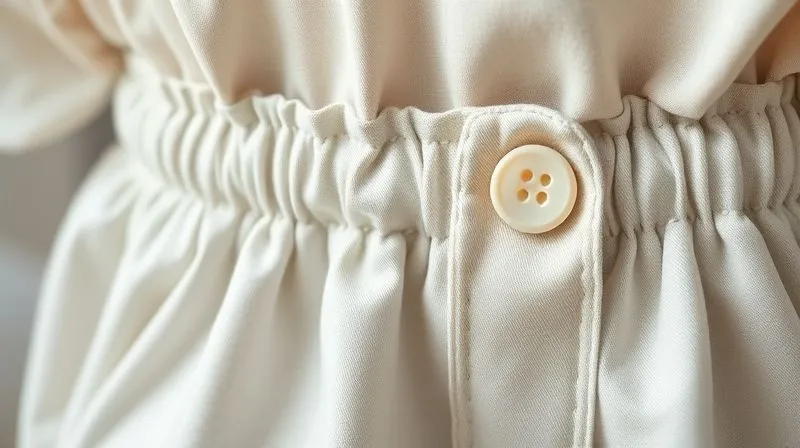
- Integrated Adjustment Mechanisms: Move beyond visible drawstrings or bulky buttons. Consider hidden elastic channels, clever snap tape systems, or extendable cuffs that blend seamlessly. For instance, a hidden button placket in a romper's crotch can offer two full sizes of length adjustment without compromising aesthetics.
- Strategic Seam Placement: Seams can be your allies. Placing them in areas that allow for natural expansion or contraction without distorting the garment's drape is crucial. Raglan sleeves, for example, offer more flexibility around the shoulder and armhole than traditional set-in sleeves.
- Differential Stretch Zones: Some areas need more stretch than others. Incorporating panels of varying stretch fabrics or using strategic gathering and shirring can allow for growth without feeling restrictive or looking oversized.
It's about making the adaptability feel intuitive and comfortable, almost invisible to the wearer. This level of design excellence is paramount for reducing returns from ill-fitting adaptable kids clothing.
Strategy 2: Revolutionizing the Sizing Experience with Advanced Guidance
A common pitfall I've observed is the assumption that parents instinctively understand how adaptable clothing should fit. This is rarely the case. We need to empower them with clear, actionable sizing guidance that goes far beyond a generic chart.
From Static Charts to Dynamic Fit Consultations
The traditional size chart is a good starting point, but for adaptable wear, it's insufficient. Parents need to visualize how the garment will fit at different stages of their child's growth. Consider implementing:
- Interactive Sizing Guides: Instead of just measurements, show illustrations or even short videos of children at the lower and upper end of the size range wearing the garment. Highlight how the adjustable features work in practice.
- 'Fit Predictor' Tools: Leverage simple algorithms that ask for a child's current age, height, and weight, then recommend the optimal 'grow-with-me' size and provide an estimated wear duration.
- Comparative Sizing: Allow parents to compare the adaptable garment's measurements to a favorite, well-fitting item they already own. This provides a tangible reference point.
- Detailed Product Photography: Showcase the garment on models of varying sizes within its adaptable range. Crucially, photograph the adjustment mechanisms in action.
According to a study published by Harvard Business Review, enhanced product information, particularly visual aids and interactive tools, can significantly reduce online returns by managing customer expectations more effectively. This is particularly true for complex products like adaptable clothing.
| Feature | Effectiveness for Adaptable Wear | Actionable Improvement |
|---|---|---|
| Standard Size Chart | Low | Add interactive visual aids |
| Virtual Try-On (Basic) | Medium | Integrate growth projection |
| Detailed Adjustment Demo Videos | High | Embed on product pages |
| Customer Fit Reviews (with child's age/size) | High | Curate and highlight relevant feedback |
Strategy 3: Harnessing Data & Feedback to Predict and Prevent Returns
Returns aren't just a cost center; they're a goldmine of information waiting to be analyzed. Every returned item tells a story about fit, expectation, or quality. My approach has always been to treat returns as invaluable feedback loops for product improvement.
The Goldmine in Return Data: Uncovering Fit Flaws
Don't just process returns; analyze them. Categorize return reasons meticulously. Is it 'too small' at the lower end of the adaptable range? 'Too bulky' at the upper end? 'Fabric uncomfortable'? These insights are crucial for reducing returns from ill-fitting adaptable kids clothing. Look for patterns:
- Specific Garment Types: Are rompers returned more than pants?
- Size Ranges: Is there a disproportionate return rate for 0-12m adaptable items versus 2-4Y?
- Geographic Trends: Do fit issues vary by region, perhaps due to different average child growth curves?
- Customer Feedback Keywords: Use text analysis on return comments to identify recurring issues like 'tight waist' or 'short sleeves'.
Case Study: How 'EverGrow Apparel' Slashed Returns by 22%
EverGrow Apparel, a mid-sized brand specializing in sustainable children's wear, faced a 28% return rate on their popular adaptable rompers, primarily cited as 'ill-fitting' or 'not adapting as expected'. By implementing a robust data analytics strategy, they began categorizing return reasons beyond generic labels. They discovered that a significant portion of returns (40%) for their 0-24 month romper was due to the leg length being too short for children at the 18-24 month mark, despite the adjustable shoulder straps. This was a critical design flaw in their pattern grading for the lower body. By adjusting the leg length in their next production run and adding a subtle, internal ankle cuff extension, they reduced the return rate for that specific product by 22% within six months, significantly improving customer satisfaction and profitability. This demonstrates the power of granular data analysis in addressing the core problem of ill-fitting adaptable kids clothing.
As marketing guru Seth Godin often says, "The market is a conversation." Your return data is a conversation your customers are trying to have with you about your product. Listen intently. According to Forbes, companies that actively listen to and act on customer feedback see significantly higher customer retention rates.

Strategy 4: Empowering Parents with Education and Realistic Expectations
Even the most perfectly designed adaptable garment can lead to a return if parents don't understand how to use its features or have unrealistic expectations about its fit. Education is a powerful tool in your arsenal.
Making Parents Part of the Fit Solution
Think of parents not just as consumers, but as partners in maximizing the utility of your adaptable clothing. Provide them with:
- Clear 'How-To' Guides: Detailed instructions, preferably visual (videos or infographics), on how to adjust each feature of the garment. Show them how to roll cuffs, adjust waistbands, or extend hemlines.
- Fit Expectations: Be transparent about what 'adaptable fit' means. Explain that while it accommodates growth, it might not offer the identical tailored fit of a single-size garment at every stage. Emphasize comfort and functionality over rigid aesthetic perfection.
- Washing and Care Instructions: Proper care ensures the garment maintains its shape and adaptability. Fabric shrinkage or stretching due to incorrect washing can quickly turn a perfectly designed item into an ill-fitting one.
- Community & Support: Create a platform (e.g., a Facebook group or a dedicated section on your website) where parents can ask questions, share tips, and see how other children are wearing the adaptable clothing.
"In my experience, the more informed a customer is about a product's capabilities and limitations, the less likely they are to be disappointed. For adaptable kids' clothing, this means guiding them to truly understand and utilize the 'grow-with-me' features, turning potential frustrations into moments of triumph." - Industry Specialist
Strategy 5: Material Innovation and Rigorous Quality Control
The best design can be undermined by poor material choices or inconsistent manufacturing. For adaptable clothing, fabric properties are incredibly important, and quality control must be stringent.
The Unsung Heroes: Fabrics with Memory and Resilience
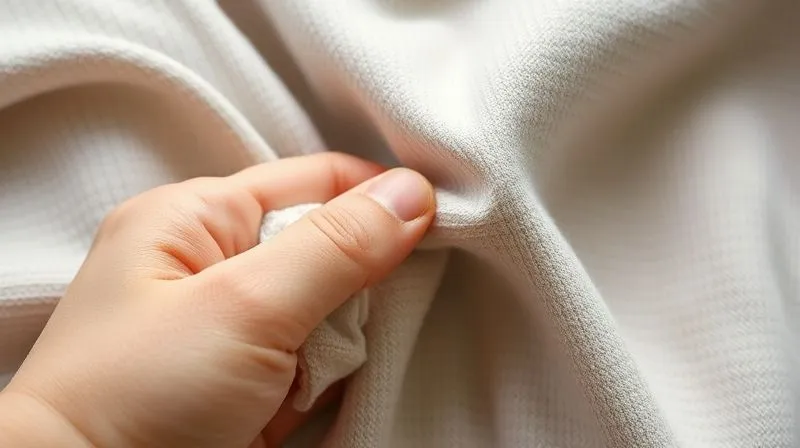
When selecting fabrics for adaptable kids clothing, I always prioritize those that offer both stretch and excellent recovery. This means the fabric can expand to accommodate growth but will return to its original shape without sagging or losing integrity. Key considerations include:
- High-Quality Blends: Organic cotton with a percentage of Lycra or Spandex provides comfort, breathability, and essential stretch. Avoid cheap synthetics that can stretch out permanently.
- Knits vs. Wovens: Knitted fabrics generally offer more natural stretch and drape, making them ideal for adaptable designs. If using wovens, ensure they have mechanical stretch or are strategically cut on the bias.
- Durability: Kids are tough on clothes. The fabric must withstand repeated washing and wear without pilling, fading, or losing its adjustable functionality.
Rigorous quality control at every stage – from fabric inspection to final garment check – is non-negotiable. This includes testing the adjustable mechanisms for ease of use and durability, as well as ensuring consistent sizing across batches. Inconsistent sizing is a silent killer for brands trying to minimize returns from ill-fitting adaptable kids clothing.
Textile innovations continue to offer exciting possibilities. For instance, new research into smart fabrics with responsive properties could further enhance adaptability. Resources like WGSN provide excellent insights into future fabric trends and sustainable textile innovations.
Implementing Your Holistic Return Reduction Framework
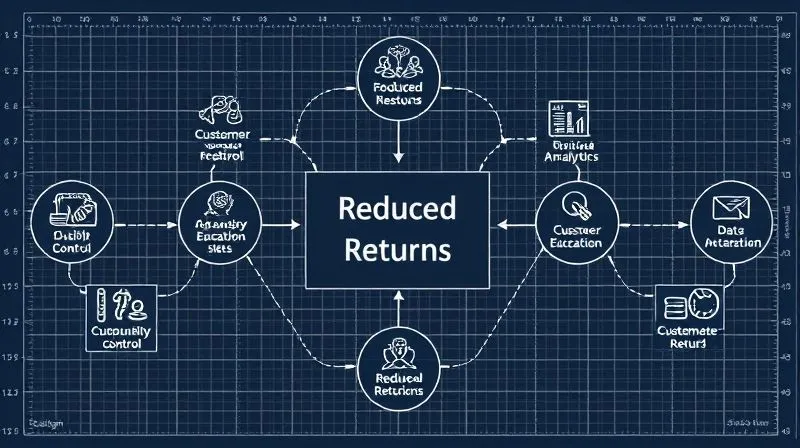
Tackling returns from ill-fitting adaptable kids clothing isn't about isolated fixes; it requires a holistic, integrated strategy. Here’s a framework I’ve used successfully to guide brands toward significant improvements:
A Phased Approach to Sustainable Fit Excellence
- Phase 1: Audit & Analyze (Weeks 1-4):
- Conduct a deep dive into existing return data. Identify top-performing and worst-performing adaptable products.
- Gather qualitative feedback: conduct surveys, focus groups with parents, and internal team interviews.
- Review current design patterns and sizing guides for specific adaptable items.
- Phase 2: Redesign & Refine (Weeks 5-12):
- Based on audit findings, implement targeted design and pattern adjustments for problematic products.
- Develop enhanced sizing tools (e.g., interactive guides, virtual try-on concepts).
- Pilot new adjustment mechanisms or fabric choices in small batches.
- Phase 3: Educate & Empower (Weeks 13-20):
- Roll out comprehensive parent education materials (videos, FAQs, blog posts).
- Train customer service teams on adaptable fit nuances and troubleshooting.
- Launch new, clearer product descriptions and photography highlighting adaptability.
- Phase 4: Monitor & Optimize (Ongoing):
- Continuously track return rates, focusing on the impact of implemented changes.
- Collect ongoing customer feedback and conduct A/B testing on sizing tools.
- Foster a culture of continuous improvement, where design, marketing, and customer service teams collaborate regularly on fit challenges.
This phased approach ensures that you're not just reacting to returns, but proactively building a system that minimizes them. It's about creating a virtuous cycle of feedback and improvement, where every return contributes to a better product and a more satisfied customer base.
| Phase | Key Action | Expected Outcome |
|---|---|---|
| Audit & Analyze | Return data deep dive | Identified root causes of fit issues |
| Redesign & Refine | Pattern adjustments, new sizing tools | Improved garment fit, clearer guidance |
| Educate & Empower | Parent 'how-to' guides | Reduced 'misuse' or 'misunderstanding' returns |
| Monitor & Optimize | Continuous tracking, feedback loops | Sustained low return rates, high satisfaction |
Frequently Asked Questions (FAQ)
Q: How much extra cost is involved in implementing these advanced design and data strategies? A: Initially, there might be an investment in specialized pattern makers, data analytics tools, or interactive sizing software. However, this upfront cost is almost always offset by the significant reduction in return processing costs, improved customer lifetime value, and stronger brand reputation. Think of it as investing in prevention rather than constantly paying for the cure.
Q: Can small businesses effectively implement these strategies without a large team? A: Absolutely. While large brands might have dedicated departments, small businesses can start by focusing on the most impactful areas. Prioritize meticulous pattern making, clear product photography, and actively soliciting and analyzing customer feedback. Many tools exist now that are accessible for smaller budgets, and a focused approach can yield significant results.
Q: What's the single most important factor for reducing returns from ill-fitting adaptable kids clothing? A: If I had to pick just one, it would be understanding your customer's expectations and addressing them proactively through transparent communication and superior design. Many returns stem from a mismatch between what the customer anticipates and what the product delivers. Bridging that gap with honesty and quality is paramount.
Q: How long does it typically take to see a noticeable reduction in return rates after implementing these changes? A: While immediate impacts can be seen with improved communication, significant shifts in return rates typically materialize over 3-6 months. This allows time for new product batches to enter the market, for customers to engage with new sizing tools, and for the data feedback loop to provide meaningful insights. Consistency and patience are key.
Q: Should I offer free returns to encourage sales, even if I'm trying to reduce them? A: This is a nuanced decision. While free returns can boost initial sales, they can also mask underlying product issues. My advice is to first focus on improving product fit and customer education to reduce the *need* for returns. Once your confidence in your product's fit is high, then consider how free returns might fit into your overall customer experience strategy, perhaps with clear guidelines to minimize abuse. The goal is to make returns rare, not just easy.
Key Takeaways and Final Thoughts
The journey to significantly reducing returns from ill-fitting adaptable kids clothing is a strategic one, requiring dedication across your entire operation. It's about moving beyond simply accepting returns as a cost of doing business and instead, transforming them into powerful catalysts for innovation and improvement.
- Prioritize Design Excellence: Invest in sophisticated pattern engineering and integrated adjustment mechanisms that truly work.
- Empower with Information: Provide dynamic, visual, and interactive sizing guides that manage expectations.
- Leverage Data: Treat return data as invaluable feedback to identify and rectify fit flaws.
- Educate Your Customer: Guide parents on how to properly use and care for adaptable garments.
- Insist on Quality: Choose resilient fabrics and maintain stringent quality control.
By embracing these strategies, you're not just cutting down on logistical headaches and lost revenue; you're building a more trustworthy, sustainable, and customer-centric brand. This isn't just about avoiding returns; it's about delivering on the promise of adaptable clothing, fostering loyalty, and ensuring that every child who wears your garments feels comfortable, confident, and perfectly fitted as they grow.
Recommended Reading
- Unearth Hidden Gems: 7 Steps to Spot High-Profit Vintage Thrift Finds
- 5 Steps to Ethically Source Sustainable Fabrics for Streetwear Drops
- 7 Proven Strategies: Maximize Profit Selling Rare 1970s Vintage Apparel
- Bridal Emergency: 7 Quick Fixes for a Gown Tear Before 'I Do'
- 5 Proven Steps: Ensure Wash Fastness for Thermochromic Dyes in Performance Wear




Your email address will not be published. Required fields are marked *