

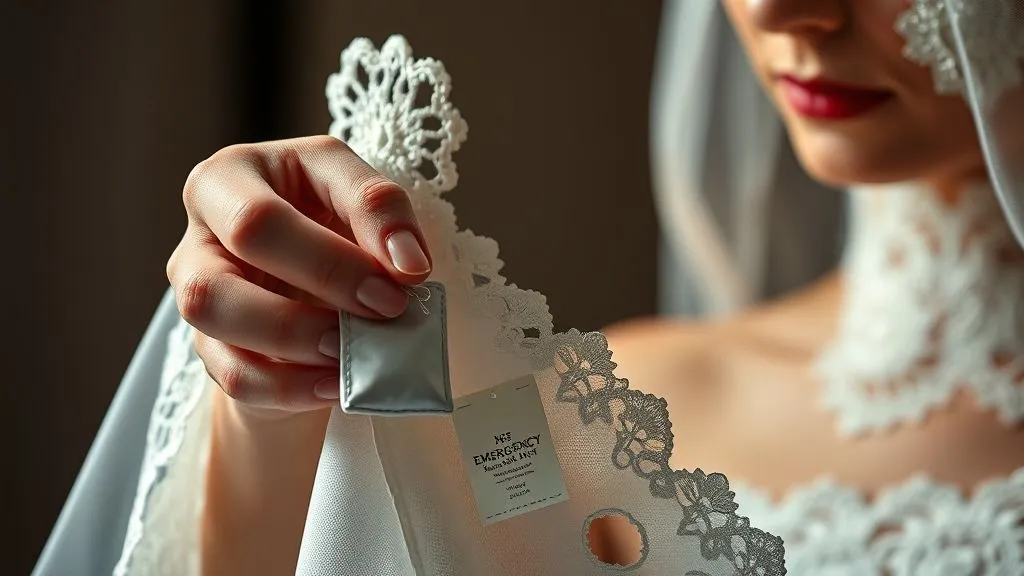
How to Discreetly Fix a Bridal Gown Tear Minutes Before Ceremony?
For over 15 years in the bridal fashion industry, I've witnessed firsthand the meticulous planning, the joyful anticipation, and yes, the occasional moments of sheer panic that can precede a wedding ceremony. One such heart-stopping scenario that I've seen countless times, and have personally helped resolve, is the dreaded last-minute bridal gown tear. It's a moment when time seems to stand still, and a bride's dream ensemble suddenly feels compromised.
The problem is profoundly simple yet devastating: a beautiful, often expensive, wedding gown suffers an unexpected snag or tear just moments before the bride is meant to walk down the aisle. The fear of an imperfect dress, the worry of what guests might notice, and the pressure of a ticking clock can be overwhelming, turning what should be a serene preparation into a high-stakes emergency.
But fear not. In my extensive experience, almost every bridal gown tear, no matter how daunting it seems in the moment, has a discreet, often surprisingly simple, solution. This guide will walk you through expert-backed, actionable frameworks and insights to tackle this specific challenge, ensuring your gown looks flawless and your peace of mind remains intact, allowing you to focus on the joy of your big day.
Understanding the Anatomy of a Gown Tear: Prevention & Assessment
Before diving into fixes, it's crucial to understand why tears happen and how to quickly assess the damage. Most tears occur due to sharp objects, high heels catching delicate fabric, or accidental pulls. Prevention often involves mindful movement and a trusted bridal attendant. When a tear occurs, the first step is always calm assessment.
Assess the Damage:
- Location: Is it visible from the front, back, or hidden in a fold?
- Size: Is it a small snag, a clean rip, or a frayed hole?
- Fabric Type: Is it lace, silk, satin, chiffon, or tulle? Each requires a different approach.
- Severity: Is it just the top layer, or has it gone through multiple layers of fabric?
I've often advised brides to have a designated 'emergency kit' well in advance. This kit is your first line of defense against any last-minute wardrobe malfunction. According to a survey by The Knot, nearly 60% of brides experience at least one unexpected wardrobe issue on their wedding day, highlighting the importance of preparedness.
The Essential Bridal Emergency Kit: Your Arsenal Against Mishaps
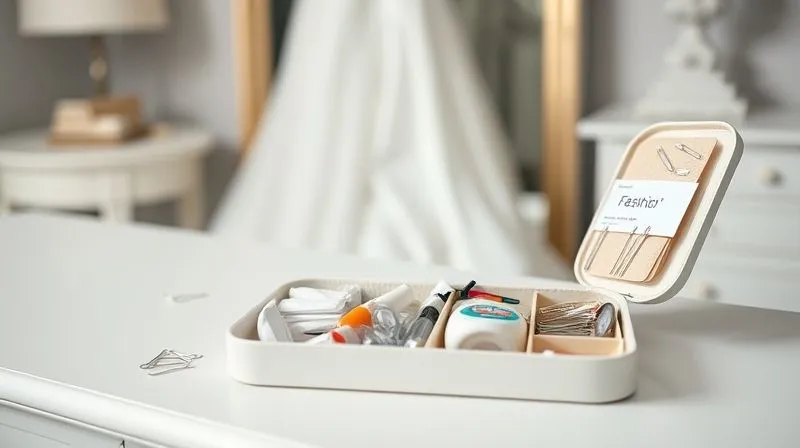
A well-stocked emergency kit is not just good practice; it's a necessity. Think of it as your bridal gown's personal paramedic. Having these items on hand can turn a potential disaster into a minor hiccup.
What Your Kit Must Contain:
- Small Sewing Kit: Include needles (various sizes), white and ivory thread (match your gown's color), small scissors.
- Fabric Glue: A clear, fast-drying fabric adhesive (ensure it's suitable for delicate fabrics).
- Safety Pins: Various sizes, including small, discreet ones.
- Fashion Tape: Double-sided tape designed for fabric.
- Hem Tape: Iron-on or no-sew hem tape.
- Stain Remover Wipes: For any accidental spills.
- White Chalk or Eyeshadow: For camouflaging small marks or discolored areas.
- Clear Nail Polish: Can prevent small snags from running on sheer fabrics.
"The best way to handle a crisis is to prepare for it before it even happens. A well-curated emergency kit is not an expense; it's an investment in your peace of mind on the most important day of your life." – Industry Specialist Insight
Method 1: The Quick Stitch – For Clean Rips and Seam Separations
This is often the most effective and discreet method for clean tears, especially along seams or straight rips in non-lace fabrics. It requires a steady hand and calm demeanor.
Step-by-Step for a Discreet Stitch:
- Gather Supplies: Needle, thread matching your gown's color, small scissors.
- Prepare the Thread: Cut a manageable length of thread (about 18-24 inches), thread your needle, and tie a small, secure knot at the end.
- Align the Edges: Carefully bring the torn edges of the fabric together, ensuring the pattern or weave aligns as perfectly as possible.
- The Invisible Stitch: From the inside of the gown, push the needle through one edge of the tear, then across to the other edge, picking up only a few threads of fabric. Make very small stitches, ideally less than 1/8 inch.
- Work Slowly: Continue stitching back and forth, keeping the stitches tight and close together. The goal is to make the seam look as natural as possible.
- Secure the Stitch: Once you've covered the tear, tie off the thread on the inside of the gown with a double knot, trim excess thread.
This method is particularly effective for satin or silk where a clean edge can be easily rejoined. Practice a few stitches on a scrap fabric beforehand if you're nervous.
Method 2: Fabric Glue – The No-Sew Savior for Delicate Fabrics
When sewing isn't an option, or the fabric is too delicate (like chiffon or tulle) for a quick stitch without causing further damage, fabric glue is your best friend. It's fast, strong, and can be remarkably discreet.
How to Apply Fabric Glue for an Invisible Fix:
- Test First: If possible, test a tiny dot of glue on an inconspicuous inner seam to ensure it dries clear and doesn't stain the fabric.
- Prepare the Area: Lay the gown flat. Carefully align the torn edges.
- Apply Sparingly: Apply a very thin, fine line of fabric glue along one edge of the tear, focusing on the very edge. Less is more here to avoid stiffness or visible residue.
- Press and Hold: Gently press the other torn edge onto the glued edge. Hold firmly for 30-60 seconds, or as directed by the glue's instructions.
- Allow to Dry: Give it a few minutes to set. A hairdryer on a cool setting can help speed up the drying process, but be cautious not to overheat delicate fabrics.
- Check for Excess: If any glue seeps out, try to gently dab it with a clean, damp cloth before it dries, or use a cotton swab.
This technique is ideal for lace appliqués that have come loose or sheer overlays. For instance, if a delicate lace sleeve catches on something and rips, a tiny dot of fabric glue can reattach the torn lace pieces without the bulk of a stitch.
Method 3: Strategic Pinning – The Emergency Camouflage
Sometimes, time is of the absolute essence, or the tear is in a complex, multi-layered area. In such cases, strategic pinning can be your most immediate and effective solution for how to discreetly fix a bridal gown tear minutes before ceremony.
Tips for Invisible Pinning:
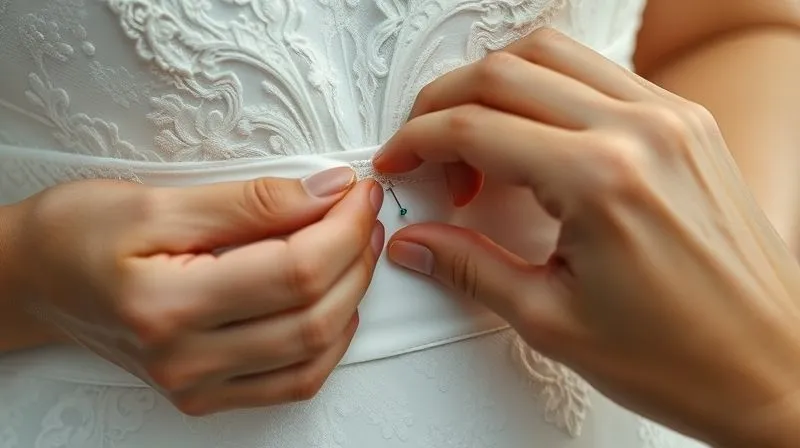
- Choose the Right Pins: Use small, sharp, rust-proof safety pins or even tiny, clear plastic garment pins if available.
- Internal Pinning: Whenever possible, pin from the inside of the gown. Fold the torn edges inward and secure them with pins, ensuring no part of the pin is visible from the outside.
- Layered Approach: If the gown has multiple layers, use the inner layers to hide the pins and pull the outer layer smoothly over the repair.
- Strategic Placement: For tears near embellishments, use the embellishment (beading, lace appliqué) as a natural place to hide a pin.
- Test Movement: Once pinned, have the bride gently move to ensure the pins hold and don't poke or cause discomfort.
Method 4: Fashion Tape & Hem Tape – For Edges and Minor Snags
Fashion tape and hem tape are often overlooked but incredibly versatile tools for last-minute repairs, particularly for frayed edges or minor snags that don't constitute a full tear.
Using Tapes for Discreet Repairs:
- Fashion Tape for Edges: If a small section of a hem or an overlay has detached, fashion tape can temporarily re-secure it. Apply the tape to the underside of the detached edge and press it firmly onto the gown.
- Hem Tape for Fraying: For a small fraying area, especially on a hem, a small piece of no-sew hem tape can be ironed on (if an iron is available and safe for the fabric) or simply pressed firmly to contain the fray.
- Securing Loose Embellishments: If a bead or a small appliqué is coming loose, a tiny piece of fashion tape can hold it in place until a more permanent fix can be made after the ceremony.
These tapes are excellent for quick fixes because they don't require drying time and are designed to be fabric-friendly. Just ensure the tape is clear and won't leave any residue.
Method 5: The Camouflage Technique – Blending Imperfections
Sometimes, a tear isn't fully repairable in minutes, but it can be effectively camouflaged. This is especially useful for small holes or areas where the fabric is heavily textured or embellished.
Expert Camouflage Strategies:
- Lace Appliqué Overlay: If you have a spare piece of lace from alterations (or even a small piece from a veil), you can strategically place it over a tear and secure it with tiny stitches or fabric glue. This turns a flaw into a feature.
- Embellishment Repositioning: If there are existing beads, pearls, or sequins on the gown, can you carefully move one or two to cover the tear? A tiny dab of fabric glue will hold them.
- White Chalk/Eyeshadow: For very minor scuffs or discolored areas near a tear, a gentle dab of white chalk or a matte white eyeshadow can help blend it into the gown's color, making the flaw less noticeable.
This approach requires a creative eye and a willingness to adapt. As bridal designer Vera Wang once noted, "A wedding dress is a work of art," and sometimes, art requires clever improvisation.
Mini Case Study: The Chiffon Catastrophe & The Fabric Glue Rescue
Case Study: How Emily's Chiffon Gown Was Saved
Emily, a bride I worked with last year, had a stunning, flowing chiffon gown. Ten minutes before her grand entrance, her heel caught the delicate outer layer of the skirt, creating a jagged 3-inch tear. Panic set in. Knowing chiffon is notoriously difficult to sew cleanly and quickly without puckering, I immediately reached for the fabric glue from her emergency kit.
We carefully laid the gown flat, aligning the torn edges as perfectly as possible. Using a fine-tipped applicator, I applied a microscopic bead of E6000 Fabri-Fuse along one edge, then gently pressed the other edge over it. We held it for a minute, then used a cool hairdryer to ensure it was completely dry. The result? The tear was virtually invisible, the fabric remained soft, and Emily walked down the aisle radiant and tear-free (the gown, that is!). This quick, no-sew intervention saved the day, proving that sometimes, the simplest solution is the most effective.
Post-Ceremony Considerations and Professional Repair
While these methods are designed for emergency, discreet fixes, it's important to remember they are often temporary. After the ceremony and celebrations, consider a professional repair, especially if the gown is to be preserved or worn again.
| Fix Method | Durability | Visibility | Recommended For |
|---|---|---|---|
| Quick Stitch | High (if done well) | Low | Clean rips, seam separations |
| Fabric Glue | Medium-High | Very Low | Delicate fabrics, lace, sheer overlays |
| Strategic Pinning | Temporary | Very Low (if internal) | Urgent, multi-layered tears |
| Fashion/Hem Tape | Temporary | Low | Frayed edges, minor snags |
| Camouflage | Permanent (if appliqué) | Medium (depends on method) | Small holes, textured areas |
A professional seamstress specializing in bridal wear can often make a permanent, truly invisible repair that maintains the integrity and beauty of your gown for years to come. Bridal Guide offers excellent advice on post-wedding gown care, emphasizing the importance of expert attention.
Frequently Asked Questions (FAQ)
Q: What if the tear is on a heavily beaded or embellished section? A: For beaded sections, avoid stitching directly through beads if possible, as it can damage them or pull the thread. Your best bet is often careful fabric glue application to reattach torn fabric edges, or strategically using a tiny safety pin on the underside to pull the tear together. If a bead has fallen off, reattach it with a tiny drop of fabric glue or thread if you have time and a very fine needle. Sometimes, simply covering the tear by shifting existing embellishments is the most discreet option.
Q: Can I use super glue instead of fabric glue? A: Absolutely NOT. Super glue is typically too harsh for delicate bridal fabrics, dries hard, can leave a visible residue, and may even discolor the fabric. Always use a clear, flexible fabric glue specifically designed for textiles, or one that explicitly states it's safe for delicate materials.
Q: What if the tear is very large, say over 6 inches? A: A very large tear presents a significant challenge for a discreet, last-minute fix. Your primary goal will be containment and camouflage. Internal pinning to hold the edges together as much as possible, combined with strategic draping of veils or other accessories, might be necessary. If it's on a skirt, can the tear be rotated to the back or side where it's less visible? This is where a talented bridal attendant or a professional on-site tailor (if available) becomes invaluable. Martha Stewart Weddings also advises on handling major gown emergencies.
Q: How can I prevent tears from happening in the first place? A: Prevention is key! Firstly, ensure your gown is properly hemmed to avoid tripping. Practice walking in your gown and shoes. Assign a trusted bridal attendant or maid of honor to help you navigate stairs, doorways, and crowds, especially with a train. Be mindful of sharp jewelry or objects that could snag the fabric. And, as always, have that emergency kit ready!
Q: What if I don't have white or ivory thread that matches exactly? A: If you don't have an exact match, opt for the lightest available neutral color, like a very pale grey or a translucent nylon thread. If the tear is small, a slightly off-color thread used with very tiny stitches will be far less noticeable than a gaping hole. For some fabrics, a single strand of dental floss (unwaxed, unflavored) can even serve as an emergency thread in a pinch due to its strength and neutral color, though it's not ideal.
Key Takeaways and Final Thoughts
A bridal gown tear minutes before the ceremony is undeniably stressful, but it doesn't have to ruin your special day. With the right tools and a calm, strategic approach, you can discreetly fix a bridal gown tear minutes before ceremony, ensuring your walk down the aisle is as perfect as you envisioned.
- Preparation is paramount: Always have a comprehensive emergency kit on hand.
- Assess calmly: Understand the tear's location, size, and fabric type before acting.
- Choose wisely: Select the best repair method – stitching, glue, pins, or tape – based on the tear and available time.
- Camouflage creatively: Don't underestimate the power of blending and strategic placement.
- Seek professional help: Remember these are emergency fixes; consider professional repair post-ceremony.
Remember, your wedding day is about love, joy, and the start of a beautiful journey. A small imperfection in your gown is a minor detail in the grand tapestry of your celebration. Trust in your preparation, breathe deeply, and know that you are radiant, regardless of any tiny, expertly hidden flaw. Go forth and enjoy your magnificent day! Brides.com offers more comprehensive advice on navigating wedding day emergencies, reminding us that grace under pressure is the most beautiful accessory of all.
Recommended Reading
- Killer Fashion Blog Posts: Your Ultimate Writing Guide!
- The Ultimate Guide: How to Break in New Formal Dress Shoes Without Pain
- 5 Proven Strategies: Make Your Fashion Style Tips Truly Unique & Engaging
- Iconic Haute Couture Houses: Unveiling the Secrets & History!
- The Ultimate Guide: How to Get Your Fashion Photos Published in Top Magazines




Your email address will not be published. Required fields are marked *