


Reducing Production Costs for Truly Sustainable Accessories?
For over 15 years in the sustainable accessories niche, I've seen countless brands grapple with a fundamental dilemma: how do you create truly ethical, eco-friendly products without pricing yourself out of the market or sacrificing profitability? It’s a tightrope walk that often feels impossible, leading many to compromise on their sustainability goals or, worse, to a premature end.
The prevailing myth is that 'sustainable' inherently means 'expensive.' This misconception often paralyzes entrepreneurs, creating a barrier to entry for innovative brands and limiting the scalability of existing ones. The pain point is real: navigating complex supply chains, investing in ethical labor, and sourcing responsible materials can indeed inflate initial production outlays, making profitability seem like a distant dream.
But what if I told you that not only is it possible to significantly reduce production costs for truly sustainable accessories, but that these strategies can actually become powerful drivers of long-term business value and brand loyalty? In this definitive guide, I'll share actionable frameworks, real-world analogies, and expert insights to help you transform your cost structure, proving that sustainability and profitability are not mutually exclusive, but rather, interdependent.
1. Redefining Sustainable Sourcing: Beyond Raw Material Price
When we talk about reducing costs, the first instinct is often to haggle on raw material prices. However, in the realm of sustainable accessories, this approach is shortsighted and often counterproductive. True cost reduction in sourcing comes from strategic partnerships, localized supply chains, and understanding the full lifecycle value of your materials.
Strategic Supplier Partnerships
I've learned that a transactional relationship with suppliers is a recipe for instability and hidden costs. Instead, cultivate long-term, collaborative partnerships. Work with suppliers who share your sustainability vision, are transparent about their practices, and are willing to innovate with you. This can lead to:
- Volume Discounts: Consistent orders over time can secure better pricing.
- Co-Development: Collaborating on new materials or processes can lead to cost-effective, bespoke solutions.
- Reduced Risk: Reliable, ethical suppliers minimize the risk of supply chain disruptions, quality control issues, and reputational damage.
According to a report by Deloitte, companies with highly collaborative supply chains experience 2x higher revenue growth than those with less collaborative ones. This isn't just about raw material cost; it's about operational efficiency and shared innovation.
Local Sourcing & Reduced Logistics
While global sourcing can sometimes offer lower per-unit material costs, it often comes with significant hidden expenses: long lead times, complex logistics, higher carbon footprints, and increased shipping costs. I always encourage brands to explore local or regional sourcing options whenever feasible.
- Map Your Current Supply Chain: Identify all points of origin for your materials and components.
- Research Local Alternatives: Look for suppliers within a reasonable geographic proximity who meet your sustainability criteria.
- Calculate Total Landed Cost: Factor in not just material price, but also shipping, customs, insurance, lead time impact on inventory, and potential carbon taxes.
- Negotiate for Local Value: Local suppliers might have slightly higher unit costs but offer faster turnaround, lower minimum order quantities (MOQs), and reduced shipping expenses, ultimately leading to a lower total cost and greater agility.
"The cheapest material isn't always the most cost-effective. Consider the entire journey from earth to consumer, and you'll uncover true value in sustainable, localized sourcing."

2. Optimizing Design for Durability and Disassembly (DfDD)
One of the most powerful yet often overlooked strategies for reducing long-term costs in sustainable accessories is integrating Design for Durability and Disassembly (DfDD) principles from the outset. This isn't just about making products last longer; it's about designing them to be easily repaired, upgraded, or recycled, drastically extending their lifecycle and reducing the need for new raw material inputs.
Modular Design for Repair & Upcycling
Think about accessories not as monolithic items, but as collections of components. Can a strap on a bag be easily replaced? Can a charm on a necklace be swapped out? Modular design allows for simple repairs, encouraging customers to maintain their items rather than discarding them. It also opens doors for upcycling programs or offering replacement parts as a revenue stream.
- Standardized Components: Using universal fasteners or connectors reduces complexity and cost in repair.
- Accessible Joints: Design for easy separation of materials, simplifying end-of-life recycling.
- Material Compatibility: Ensure components can be separated into their constituent materials for efficient recycling or composting.
Material Efficiency in Patterning
For accessories made from textiles, leather, or other sheet materials, optimizing your cutting patterns is critical. I've seen brands reduce material waste by 10-15% simply by refining their pattern nesting. This directly translates to less material purchased and less waste to manage.
- Digital Patterning Software: Invest in software that optimizes nesting for minimal waste.
- Zero-Waste Design Principles: Explore design techniques that utilize every scrap of material.
- Upcycling Scraps: Develop secondary product lines (e.g., small keychains from leather offcuts, patchwork elements) to turn waste into revenue.
3. Embracing Circularity: Waste as a Resource
The linear 'take-make-dispose' model is inherently unsustainable and costly. Embracing circular economy principles, where waste is designed out of the system and products and materials are kept in use, is a game-changer for cost reduction. For sustainable accessories, this means viewing 'waste' not as an expense, but as a potential resource.
From Waste Stream to Value Stream
This strategy involves proactively seeking out industrial or post-consumer waste streams that can be upcycled or recycled into new accessory components. This not only reduces your raw material costs but also diverts waste from landfills, offering a compelling brand story.
I recall working with a brand that transformed discarded fishing nets into stylish, durable watch straps. The initial investment in the recycling process was offset by significantly lower material costs compared to virgin plastics, and the unique story resonated deeply with their target audience.
Case Study: Eco-Chic Collective's Upcycled Jewelry
Case Study: Eco-Chic Collective's Upcycled Jewelry
Eco-Chic Collective, a small startup specializing in unique accessories, faced high costs for ethically sourced metals and gemstones. By implementing a circular strategy, they partnered with local electronics recyclers to source discarded circuit boards and wiring. Their design team developed innovative techniques to transform these materials into visually striking, modern jewelry pieces. This approach reduced their raw material costs by an astonishing 40% within the first year and positioned them as a leader in sustainable innovation, attracting a loyal customer base willing to pay a premium for their unique, story-rich products. Their initial 'waste' became a core part of their brand identity and profitability.
| Waste Type | Before Reduction (%) | After Reduction (%) | Annual Savings Estimate |
|---|---|---|---|
| Textile Scraps | 20% | 5% | $15,000 |
| Leather Offcuts | 15% | 3% | $10,000 |
| Packaging Waste | 10% | 2% | $5,000 |
4. Investing in Efficient, Green Production Technologies
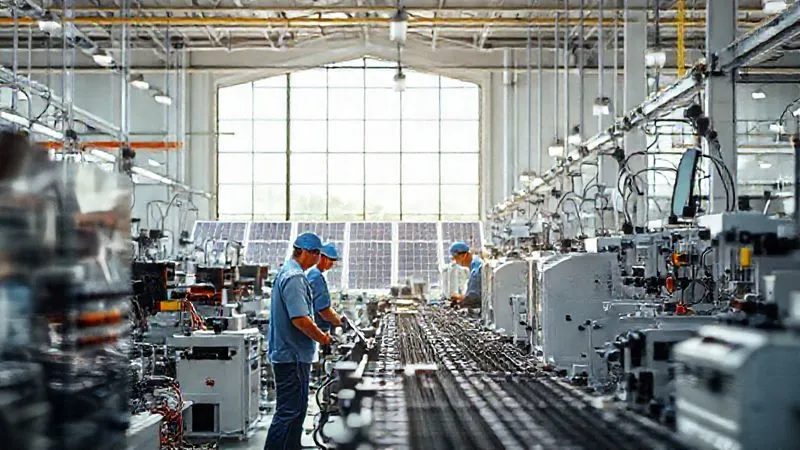
While it might seem counterintuitive to invest in new equipment when trying to reduce costs, strategic investment in efficient, green production technologies offers significant long-term savings. These technologies reduce energy consumption, minimize waste, and often improve labor efficiency, directly impacting your bottom line.
Smart Manufacturing & Renewable Energy
Modern manufacturing equipment is designed for precision, speed, and efficiency. Automated cutting machines, for instance, can optimize material usage far beyond what manual processes can achieve, reducing waste and labor hours. Furthermore, transitioning to renewable energy sources for your production facilities, even partially, can stabilize and eventually lower energy costs.
- LED Lighting: Simple switch from traditional lighting to energy-efficient LEDs can drastically cut electricity bills.
- Energy-Efficient Machinery: When purchasing new equipment, prioritize models with high energy efficiency ratings.
- Solar Panels: Consider installing solar panels on your factory roof for a long-term, stable energy supply.
Lean Principles for Sustainable Production
Applying lean manufacturing principles, which focus on eliminating waste in all forms, is inherently aligned with sustainable production and cost reduction. Identifying and removing non-value-adding activities from your production process not only saves money but also reduces your environmental footprint.
- Value Stream Mapping: Visually map out your entire production process to identify bottlenecks and waste.
- Just-In-Time (JIT) Inventory: Minimize inventory holding costs and waste by producing only what's needed, when it's needed.
- Continuous Improvement (Kaizen): Foster a culture where employees are empowered to identify and implement small, incremental improvements.
5. Transparent Supply Chains: Building Trust & Reducing Risk
Transparency in your supply chain is not just a moral imperative for sustainable brands; it’s a powerful tool for cost reduction and risk mitigation. Knowing exactly where your materials come from and under what conditions they are produced allows you to identify inefficiencies, avoid costly ethical missteps, and build unparalleled consumer trust.
The ROI of Transparency
I've observed that brands with transparent supply chains often command higher prices and foster stronger customer loyalty. This isn't just a 'feel-good' factor; it translates directly into a healthier bottom line. Furthermore, transparency helps you proactively address potential issues – whether it's a sudden material shortage, a quality control problem, or an ethical concern – before they escalate into expensive crises.
"In today's market, opacity is a liability. Transparency is an asset that builds trust, mitigates risk, and unlocks premium value for sustainable accessories."
Certifications & Standards as Cost-Savers
While obtaining certifications (e.g., Fair Trade, GOTS, B Corp) might involve initial investment, they are invaluable for reducing the long-term costs associated with due diligence and marketing. These third-party verifications provide instant credibility, reducing the need for extensive internal auditing and reassuring consumers about your claims. This can also open doors to new markets and partnerships.
For more insights on the business value of supply chain transparency, I recommend exploring resources from organizations like Harvard Business Review, which frequently publish on the topic.
6. Demand Forecasting & Inventory Optimization
One of the silent killers of profitability for any business, especially in sustainable fashion, is overproduction. Producing more than you can sell leads to dead stock, storage costs, potential markdowns, and ultimately, waste. Accurate demand forecasting and smart inventory management are crucial for reducing production costs for truly sustainable accessories.
Data-Driven Production Schedules
Leverage sales data, market trends, and even external factors (like seasonal changes or social media buzz) to refine your production forecasts. This means moving beyond gut feelings and embracing analytics. Tools for inventory management and sales forecasting can help you predict demand more accurately, allowing you to produce closer to actual need.
- Analyze Historical Sales Data: Identify patterns, peak seasons, and slow periods.
- Monitor Market Trends: Keep an eye on emerging styles and consumer preferences.
- Incorporate Customer Feedback: Use surveys and reviews to gauge interest in new products or existing lines.
- Adjust Production Flexibly: Build agility into your production process to scale up or down based on real-time data.
Pre-Orders & Made-to-Order Models
For smaller brands, or for limited edition sustainable accessory lines, a pre-order or made-to-order model can virtually eliminate the risk of overproduction. This approach ensures that every item produced has a confirmed buyer, dramatically reducing waste and inventory holding costs. It also fosters a sense of exclusivity and anticipation among your customers.
Explore how leading companies manage their inventory and supply chains effectively by looking at reports from industry analysts like Gartner Supply Chain.
7. Marketing Sustainability: Premium Pricing & Brand Loyalty
Finally, a crucial aspect of reducing production costs for truly sustainable accessories is often found not in the factory, but in your marketing strategy. By effectively communicating the value of your sustainable practices, you can justify premium pricing, build fierce brand loyalty, and reduce the need for costly discounting.
Educating the Conscious Consumer
Don't assume your customers automatically understand the value behind your sustainable choices. Educate them. Explain *why* your materials cost more, *how* your production methods are better for the planet and people, and *what* makes your accessory truly unique and durable. This transparency builds trust and allows consumers to make informed choices that align with their values.
- Storytelling: Share the journey of your materials and the artisans who craft your products.
- Impact Reports: Provide clear data on your environmental and social impact.
- Behind-the-Scenes Content: Show your ethical factories and sustainable processes.

Brand Storytelling & Value Proposition
Your brand's story is your most powerful asset. For sustainable accessories, this story is intrinsically linked to your production costs. Frame your higher ethical costs not as a burden, but as an investment in quality, longevity, and a better world. This narrative justifies a premium price point and attracts a loyal customer base willing to pay for genuine value. As marketing guru Seth Godin often says, "People do not buy goods and services. They buy relations, stories, and magic."
"The true cost of sustainability is often outweighed by the intangible value it creates: trust, loyalty, and a compelling brand narrative that resonates deeply with today's conscious consumer."
By effectively communicating your commitment to sustainability, you can shift the conversation from mere price comparison to value proposition. This reduces the pressure to constantly lower costs and instead allows you to focus on delivering unparalleled quality and impact, thereby ensuring the long-term viability and profitability of your brand.
Frequently Asked Questions (FAQ)
Is it truly possible to achieve both low cost and high sustainability in accessory production? Absolutely, though it requires a shift in perspective from short-term cost-cutting to long-term value creation. By focusing on circularity, efficient design, strategic sourcing, and transparent practices, brands can reduce waste, optimize resource use, and build a stronger, more resilient business model that is both profitable and genuinely sustainable. It's about smart investment and innovation, not compromise.
What's the biggest barrier for small brands in reducing sustainable production costs? Often, the biggest barrier for small brands is the upfront investment required for sustainable innovation or the lack of leverage for negotiating MOQs with ethical suppliers. However, this can be overcome by starting small, focusing on one or two key areas (like waste reduction in design), building strong local partnerships, and leveraging pre-order models to manage inventory risk. Collaboration with other small brands can also help achieve better terms.
How can I convince investors that sustainable practices are cost-effective long-term? Focus on the data: highlight reduced waste disposal costs, lower energy bills from efficient tech, increased brand loyalty leading to higher customer lifetime value, reduced reputational risk, and access to new markets. Frame sustainability as a strategic business imperative that drives innovation, resilience, and aligns with growing consumer demand and regulatory trends, thereby enhancing long-term shareholder value.
What role does technology play in reducing these costs? Technology is pivotal. Digital design software optimizes material usage. Smart manufacturing equipment reduces energy consumption and labor costs. Blockchain enhances supply chain transparency, mitigating risks. Data analytics improves demand forecasting, preventing overproduction. Investing in the right technology is an investment in efficiency, waste reduction, and ultimately, cost savings for sustainable production.
How do I measure the ROI of sustainable cost reduction efforts? Measuring ROI involves tracking direct savings (e.g., reduced material waste, lower energy bills) and indirect benefits (e.g., increased sales from enhanced brand reputation, higher customer retention, reduced compliance costs). Implement clear metrics for each initiative, such as waste reduction percentages, energy consumption per unit, customer acquisition cost vs. lifetime value, and track them consistently to demonstrate tangible financial returns over time.
Key Takeaways and Final Thoughts
- Shift Your Mindset: View sustainability not as a cost center, but as an investment in efficiency, innovation, and brand value.
- Strategic Sourcing: Build long-term partnerships and explore local options to reduce hidden costs and enhance supply chain resilience.
- Design with Purpose: Embrace DfDD and material efficiency to extend product lifecycles and minimize waste.
- Embrace Circularity: Turn waste into a valuable resource, creating new revenue streams and reducing material inputs.
- Invest Wisely in Tech: Leverage green technologies and lean principles to optimize production and reduce operational costs.
- Master Your Inventory: Utilize data-driven forecasting and flexible production models to prevent costly overproduction.
- Communicate Your Value: Educate consumers and tell your brand's story to justify premium pricing and foster deep loyalty.
The journey to truly reducing production costs for truly sustainable accessories is not a sprint, but a marathon of continuous improvement and strategic rethinking. It demands commitment, creativity, and a willingness to challenge conventional wisdom. But as I've seen firsthand, the rewards are immense: a more profitable business, a stronger brand, and a positive impact on our planet. Start implementing these strategies today, and watch your sustainable accessory brand thrive.
Recommended Reading
- Unlock the Future: Do Self-Cleaning Clothes Truly Eliminate Laundry?
- How to Curate a Cohesive Luxury Fragrance Collection for Your Brand
- 5 Strategies: Prevent Streetwear Dead Stock Amid Rapid Trend Shifts
- 7 Pro Strategies: Preventing Color Fade on Vibrant Red Hair for Professional Shoots?
- 7 Steps to Earn Consumer Trust in New Cosmetic Innovations





Your email address will not be published. Required fields are marked *