

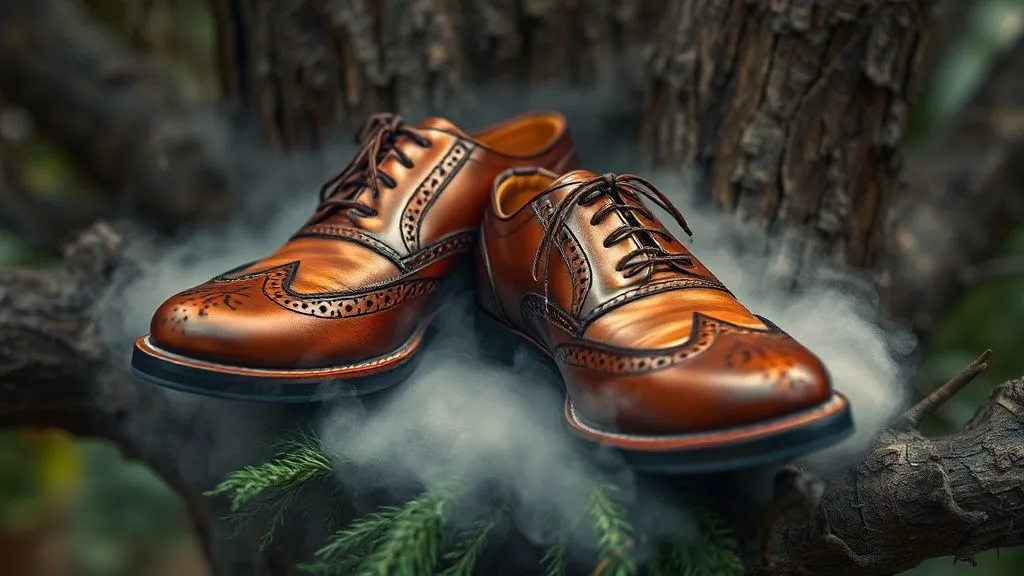
Mastering Mold Prevention: Storing Vintage Leather Shoes in Humidity
For decades, I've walked countless miles in the footwear industry, witnessing the evolution of styles, materials, and most importantly, the art of preservation. There's a particular heartache I've seen far too often: the discovery of a cherished pair of vintage leather shoes, perhaps a family heirloom or a rare find, tragically marred by the insidious creep of mold. It's a silent destroyer, often striking when we least expect it, especially in environments where humidity becomes an unwelcome guest.
The allure of vintage leather lies in its history, its unique patina, and the craftsmanship of a bygone era. But this very heritage also presents a unique vulnerability. Leather, being an organic material, is a prime candidate for mold and mildew growth, particularly when exposed to the trifecta of darkness, stagnant air, and, critically, high humidity. The problem isn't just aesthetic; mold actively degrades the leather fibers, leading to irreversible damage and a musty odor that's notoriously difficult to eradicate.
But fear not, fellow enthusiasts and collectors. In my extensive experience, preventing mold growth on stored vintage leather shoes in humidity isn't a mystical art but a science, a diligent practice of understanding and control. I'm here to share a definitive framework, born from years of hands-on work and expert insights, designed to safeguard your precious collection. We'll dive into actionable strategies, from environmental control to advanced protective measures, ensuring your vintage treasures remain pristine for generations to come.
Understanding the Enemy: What is Mold and Why Leather?
Before we can effectively combat mold, we must first understand it. Mold isn't just a dirty smudge; it's a living organism, a type of fungus that thrives on organic matter. Its microscopic spores are ubiquitous, floating in the air around us constantly. They only need the right conditions to settle, germinate, and begin to flourish, forming visible colonies.
The Science of Spores and Moisture
The primary catalysts for mold growth are moisture, a food source, and suitable temperatures. For our vintage leather shoes, the leather itself provides the perfect food source – rich in organic compounds. The "suitable temperature" range for most molds is broad, often between 68-86°F (20-30°C), which is typical for many storage areas. However, the most critical factor, and the one we have the most control over, is moisture. Relative humidity levels above 60-65% create an ideal breeding ground for mold spores to activate and spread rapidly. According to the EPA, controlling moisture is key to preventing mold.
Vintage Leather: A Unique Vulnerability
Why are vintage leather shoes particularly susceptible? Modern leathers often undergo extensive treatments and finishes that offer some resistance to moisture and microbial growth. Vintage leathers, on the other hand, especially those from pre-synthetic eras, might have been tanned and finished using methods that leave them more porous and less protected. Over time, original protective coatings may have worn off, and the leather itself can become drier, making it more prone to absorbing ambient moisture. This combination makes them a prime target, underscoring the importance of rigorous prevention strategies for preventing mold growth on stored vintage leather shoes in humidity.
Expert Insight: "Prevention is not just better than cure; in the case of vintage leather and mold, it's often the *only* cure for preserving the original integrity and value. Once mold sets in deeply, complete restoration without trace is incredibly challenging, if not impossible."
The Crucial First Step: Thorough Cleaning Before Storage
You wouldn't store dirty dishes, would you? The same principle applies, with even greater urgency, to vintage leather shoes destined for long-term storage. Any dirt, dust, or residual moisture on the surface or within the leather provides additional organic matter and moisture pockets for mold spores to latch onto.
A Deep Clean for Deep Protection
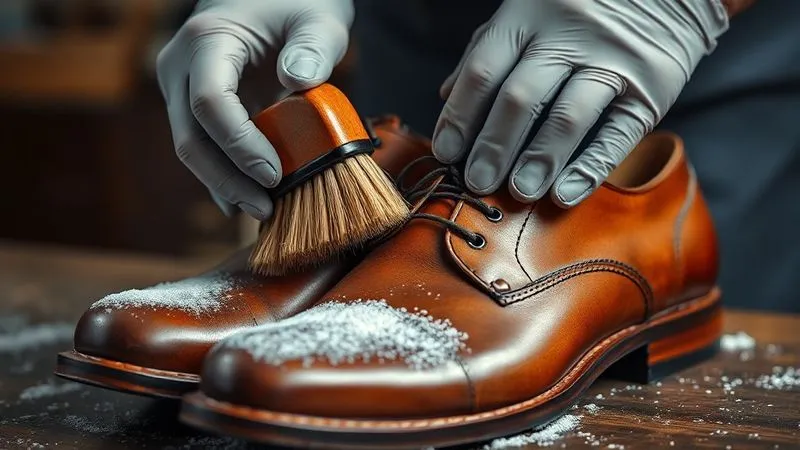
Before placing any vintage leather shoes into storage, a meticulous cleaning process is paramount. This isn't just about making them look good; it's about removing potential food sources for mold and ensuring the leather is in the best possible condition to resist moisture.
- Initial Dusting and Brushing: Use a soft-bristled horsehair brush to gently remove any loose dirt, dust, or debris from the entire shoe, paying close attention to seams, crevices, and the sole edges.
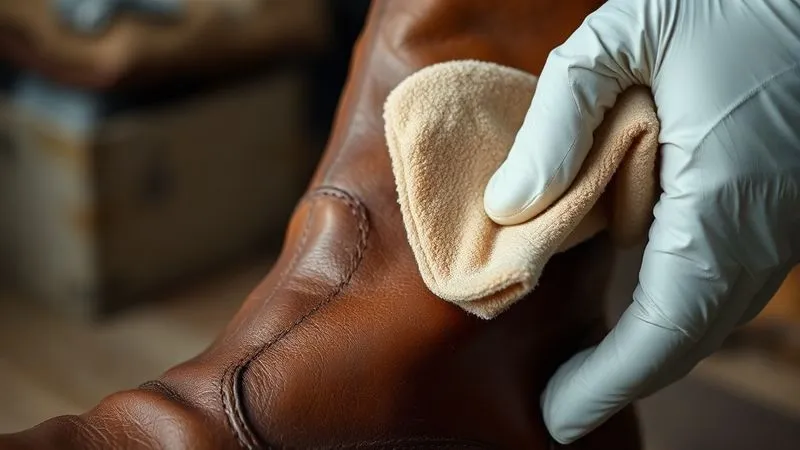
- Surface Wipe-Down: Dampen a clean, soft cloth (microfiber works well) with a very small amount of distilled water. Gently wipe down the entire leather surface. For tougher grime, a specialized pH-neutral leather cleaner can be used sparingly, following product instructions precisely.
- Drying, Naturally: This is perhaps the most critical step. Allow the shoes to air dry completely in a well-ventilated area, away from direct sunlight or heat, for at least 24-48 hours. Ensure every crevice is dry.
- Conditioning (Optional, but Recommended): Once thoroughly dry, apply a high-quality, non-greasy leather conditioner designed for vintage or delicate leathers. This replenishes natural oils, keeps the leather supple, and can create a slight barrier against moisture. Always test on an inconspicuous area first.
- Insert Shoe Trees: Use unvarnished cedar shoe trees. Cedar is excellent for absorbing residual moisture and imparting a pleasant aroma, deterring pests.
Case Study: The Collector's Revival
Case Study: How Eleanor Saved Her Grandfather's Brogues
Eleanor inherited a stunning collection of her grandfather's 1930s brogues, stored for years in a humid attic. Upon discovery, some showed early signs of mildew. Instead of panicking, she meticulously followed a deep cleaning protocol, removing every speck of dust and dirt, gently wiping them, and then allowing them to air dry for three days with cedar shoe trees inserted. She then applied a museum-grade leather conditioner. This diligent initial cleaning, before proper environmental storage, was credited with preventing further mold development and restoring the leather's health, allowing her to preserve these irreplaceable pieces of family history.
Mastering the Storage Environment: Humidity Control is Key
Once your vintage leather shoes are pristine, the next frontier is their immediate environment. This is where preventing mold growth on stored vintage leather shoes in humidity becomes a strategic battle. Humidity is the single greatest enemy, and controlling it is your most powerful weapon.
Ideal Temperature and Humidity Ranges
For long-term preservation of leather, the consensus among archivists and conservators suggests a stable environment. Aim for a relative humidity (RH) between 40% and 55%, and a temperature between 60-70°F (15-21°C). Fluctuations are almost as damaging as consistently high levels, so stability is paramount. The American Institute for Conservation (AIC) provides extensive guidelines on environmental controls for organic materials.
Desiccants and Dehumidifiers: Your Allies
Depending on the scale of your collection and the ambient humidity, you have several options:
- Silica Gel Packets: Small, effective for individual shoe boxes or smaller containers. They absorb moisture from the air. Ensure they are indicating silica gel (often blue to pink or orange to green) so you know when they are saturated and need to be recharged (usually by baking them in a low oven).
- Desiccant Canisters: Larger versions of silica gel, often rechargeable, suitable for small closets or display cases.
- Room Dehumidifiers: For larger storage areas or entire rooms, a portable electric dehumidifier is a wise investment. Look for models with a humidistat that can maintain a target RH automatically.
- Cedar Blocks/Balls: While primarily known for deterring moths, cedar also has natural moisture-absorbing properties and helps keep the storage area smelling fresh.
| Desiccant Type | Primary Use | Rechargeable | Key Benefit |
|---|---|---|---|
| Silica Gel Packets | Individual shoes/boxes | Yes (oven) | Localized moisture absorption |
| Desiccant Canisters | Small closets/cabinets | Yes (oven) | Larger capacity, reusable |
| Electric Dehumidifier | Rooms/large areas | N/A (electric) | Automated, consistent RH control |
| Cedar Blocks/Balls | Within shoe/storage area | Yes (light sanding) | Moisture absorption & pest deterrent |
Ventilation and Airflow: Don't Suffocate Your Soles
It's a common misconception that airtight storage is the best for preservation. While it can protect against dust and pests, it creates a stagnant, unventilated microclimate where humidity can build up, becoming a perfect incubator for mold. Good airflow is just as crucial as humidity control for preventing mold growth on stored vintage leather shoes in humidity.
The Problem with Airtight Containers
Imagine a sealed plastic container. If there's any residual moisture in the shoes or the air trapped inside, that moisture has nowhere to go. It will condense, raise the internal humidity, and create a warm, damp environment that mold spores adore. This is why I always caution against storing vintage leather in sealed plastic bags or fully airtight plastic bins for extended periods.
Smart Storage Solutions
The goal is protective yet breathable storage:
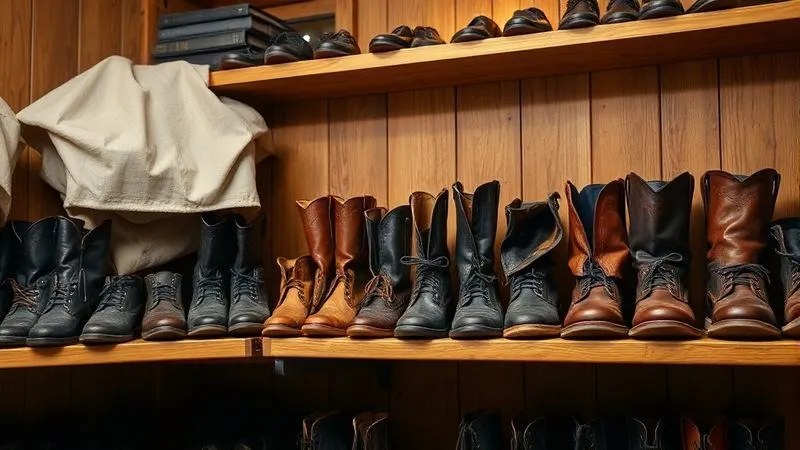
- Breathable Shoe Bags: Opt for shoe bags made from natural, breathable materials like cotton flannel or unbleached muslin. These protect against dust and light, while still allowing air circulation.
- Acid-Free Boxes: If using boxes, ensure they are acid-free archival quality. These prevent chemical degradation of the leather over time and offer protection, but still pair them with breathable inner bags.
- Open Shelving or Well-Ventilated Closets: The ideal scenario is storing shoes on open shelves in a climate-controlled room or in a closet with good air circulation. If your closet is prone to stuffiness, consider leaving the door ajar or using a small fan on a timer to circulate air periodically.
- Elevate from the Floor: Always store shoes on shelves, not directly on the floor, especially in basements or garages where cold concrete floors can draw up moisture.
Regular Inspection and Maintenance: The Vigilant Collector's Routine
Even with the best preventative measures, vigilance is key. A routine inspection schedule allows you to catch any potential issues early, long before they become significant problems. This proactive approach is vital for preventing mold growth on stored vintage leather shoes in humidity.
Spotting Early Signs of Trouble
Mold doesn't appear overnight as a fuzzy green patch. Early signs are often subtle:
- Musty Odor: This is usually the first indicator. If you open a storage box or closet and detect a damp, earthy, or stale smell, investigate immediately.
- Powdery Residue: A fine, white, or greenish-white powdery film on the leather surface can be early mold or mildew.
- Discoloration: Slight changes in leather color, often darker or with faint spots, can indicate moisture absorption and potential mold.
- Damp Feel: If the leather feels clammy or unusually cool to the touch, it's absorbing moisture.
Your Inspection Action Plan
I recommend a quarterly inspection, at minimum, for any stored vintage leather items. More frequently if you live in a particularly humid climate or if your storage conditions are not perfectly stable.
- Remove from Storage: Take each pair out of its bag or box.
- Visual Check: Examine all surfaces, inside and out, under good lighting. Pay attention to seams, folds, and areas around eyelets.
- Olfactory Check: Gently smell the shoes. Any mustiness is a red flag.
- Tactile Check: Feel the leather for any dampness or unusual textures.
- Air Out: Even if no issues are found, allow the shoes to air out for a few hours in a well-ventilated, dry space before returning them to storage.
- Clean and Condition (as needed): If any dust or dryness is noted, give them a quick brush or a light application of conditioner. Saphir's comprehensive leather care guides offer excellent advice for routine maintenance.
Beyond the Basics: Advanced Protection Strategies
For truly invaluable vintage pieces, or if you consistently battle high humidity, it might be time to consider more advanced protective measures. These go beyond standard environmental control to offer an extra layer of defense for preventing mold growth on stored vintage leather shoes in humidity.
Anti-Fungal Treatments (Use with Caution)
Some specialized leather care products contain mild anti-fungal agents. These can be beneficial, but it's crucial to exercise extreme caution with vintage leather. Always:
- Test First: Apply to a tiny, inconspicuous area to check for discoloration or adverse reactions.
- Opt for Professional Grade: Avoid generic household anti-mold sprays, which can be too harsh or contain chemicals detrimental to leather. Seek out products specifically formulated for delicate leathers.
- Apply Sparingly: Less is more. A very light, even application is sufficient.
Specialized Storage Units
If you have a significant collection or exceptionally rare items, consider investing in:
- Archival Storage Cabinets: These are often made of inert materials and designed to maintain a stable microclimate.
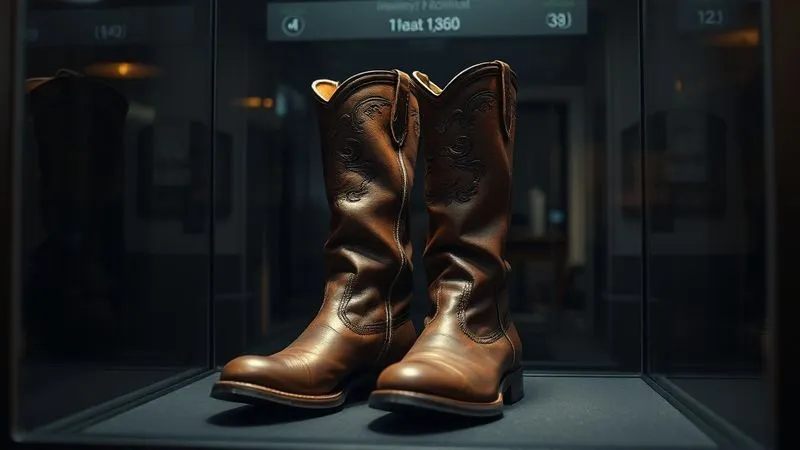
- Climate-Controlled Display Cases: For display and protection, these cases can precisely regulate temperature and humidity.
- Professional Storage Facilities: Some high-end storage services offer climate-controlled units specifically designed for delicate collectibles. This can be a worthwhile investment for museum-quality pieces.
Expert Insight: "When in doubt about applying any chemical treatment or embarking on a complex restoration, always consult a professional leather conservator. Their expertise can save a priceless item from irreversible damage."
Reviving the Affected: A Guide to Safe Mold Removal (If the Worst Happens)
Despite our best efforts, sometimes mold can still make an appearance. The key is to act quickly and correctly. Aggressive cleaning can damage vintage leather, so a gentle, informed approach is essential. This section focuses on safe methods for preventing further mold growth on stored vintage leather shoes in humidity, even after an initial outbreak.
Gentle Cleaning Methods for Mild Mold
For superficial mold or mildew, follow these steps:
- Isolate and Ventilate: Take the shoes outdoors or to a well-ventilated area to prevent spores from spreading indoors. Wear gloves and a mask.
- Brush Off Dry Mold: Using a soft-bristled brush (a dedicated one for mold, not your regular shoe brush), gently brush off any visible dry mold from the surface. Do this outside to avoid inhaling spores.
- Damp Wipe with Alcohol: Lightly dampen a clean cloth with rubbing alcohol (isopropyl alcohol, 70%). Gently wipe the affected areas. Alcohol is a mild disinfectant and evaporates quickly, helping to kill spores without oversaturating the leather.
- Saddle Soap (Carefully): For more stubborn spots, a very small amount of saddle soap applied with a barely damp cloth can be used. Work up a light lather, then wipe clean with a separate damp cloth. Immediately follow with a dry cloth.
- Thorough Drying: Air dry the shoes completely in a well-ventilated area for several days, ensuring they are bone dry before considering re-storage.
- Condition and Monitor: Once dry, re-condition the leather. Monitor the shoes closely for several weeks to ensure the mold does not return.
When to Seek Professional Restoration
If the mold is extensive, deeply embedded, has caused significant discoloration, or if you're dealing with exceptionally rare or valuable items, it's always best to consult a professional leather conservator. They have specialized tools, chemicals, and techniques to safely remove mold and restore leather without causing further damage. Attempting aggressive DIY solutions on severely affected vintage leather can often do more harm than good. The University of Delaware's Art Conservation Department can offer referrals to qualified conservators.
| Mold Severity | Recommended Action | Risk of Damage | Professional Help |
|---|---|---|---|
| Mild/Surface | Brush, alcohol wipe, saddle soap | Low (if done correctly) | Optional |
| Moderate/Embedded | Repeat gentle cleaning, extended drying | Medium | Recommended |
| Severe/Extensive | Do NOT DIY, professional intervention only | High (if DIY) | ESSENTIAL |
Frequently Asked Questions (FAQ)
Question? Can I use regular household bleach or vinegar to kill mold on vintage leather?
Answer: Absolutely not. Household bleach is far too harsh and will severely damage, discolor, and dry out vintage leather, leading to cracking and irreversible degradation. While vinegar has anti-fungal properties, its acidity can also be detrimental to leather over time, potentially altering its pH balance and causing damage. Stick to specialized leather cleaners or diluted rubbing alcohol for mild cases, and always test first.
Question? How often should I replace or recharge my silica gel packets for effective mold prevention?
Answer: The frequency depends on the humidity levels in your storage area. In very humid environments, they might need recharging every few weeks. In drier climates, every few months might suffice. Many silica gel packets contain indicator beads that change color when saturated (e.g., blue to pink, orange to green), signaling that they need to be replaced or regenerated. Always monitor these indicators.
Question? Is it safe to store vintage leather shoes in a basement or attic if I have a dehumidifier?
Answer: While a dehumidifier can significantly help control humidity, basements and attics are generally not ideal for long-term storage of vintage leather. They are prone to extreme temperature fluctuations, pest infestations, and can have hidden moisture sources (like leaky pipes or roof issues) that a dehumidifier might not fully mitigate. If these are your only options, ensure the area is impeccably clean, sealed against pests, and that your dehumidifier is robust and regularly maintained. Elevate all items off the floor.
Question? What's the difference between mold and mildew, and does it matter for prevention?
Answer: Both mold and mildew are types of fungi. Mildew typically refers to a superficial, powdery, or downy growth that often appears white, gray, or yellowish on surfaces, while mold can be more deeply rooted, often fuzzy, and can appear in various colors (green, black, blue). From a practical prevention standpoint for vintage leather, the distinction is less critical than the fact that both are fungal growths driven by moisture. The prevention strategies for both are identical: control humidity, ensure airflow, and keep surfaces clean.
Question? Can I use a fan to increase airflow in my storage area?
Answer: Yes, absolutely! A small oscillating fan, perhaps on a timer, can be very effective at circulating air in a closet or storage room, preventing the stagnant air pockets where humidity can build up and mold thrives. Just ensure the fan isn't blowing directly onto the shoes for extended periods, as this could potentially dry out the leather excessively over time. The goal is gentle, consistent air movement.
Key Takeaways and Final Thoughts
- Clean Meticulously: Always begin with a thorough, gentle cleaning and complete drying before storage.
- Control Humidity: Maintain a stable relative humidity between 40-55% using desiccants or dehumidifiers.
- Ensure Airflow: Avoid airtight containers; opt for breathable bags and well-ventilated storage spaces.
- Inspect Regularly: Implement a quarterly inspection routine to catch early signs of mold.
- Use Cedar: Cedar shoe trees and blocks help absorb moisture and deter pests.
- Know When to Call a Pro: For severe mold or highly valuable items, don't hesitate to consult a professional conservator.
The journey of preserving vintage leather shoes is one of dedication and informed care. By understanding the enemy – mold – and implementing these expert strategies for preventing mold growth on stored vintage leather shoes in humidity, you're not just protecting footwear; you're safeguarding history, craftsmanship, and memories. Treat your vintage treasures with the respect they deserve, and they will continue to tell their stories for generations to come. Happy collecting, and may your leather remain ever pristine!
Recommended Reading
- 5 Steps to Ethically Source Sustainable Fabrics for Streetwear Drops
- 7 Budget Hacks: Crafting Historically Accurate Film Costumes
- 7 Proven Strategies: Differentiating Your Kids' Boutique with Unique Styles
- Unlock the Secret: How to Spot Quality Vintage Items for Timeless Wear
- 7 Essential Checks: Identify Truly Durable Classic Menswear for Retail


Your email address will not be published. Required fields are marked *