

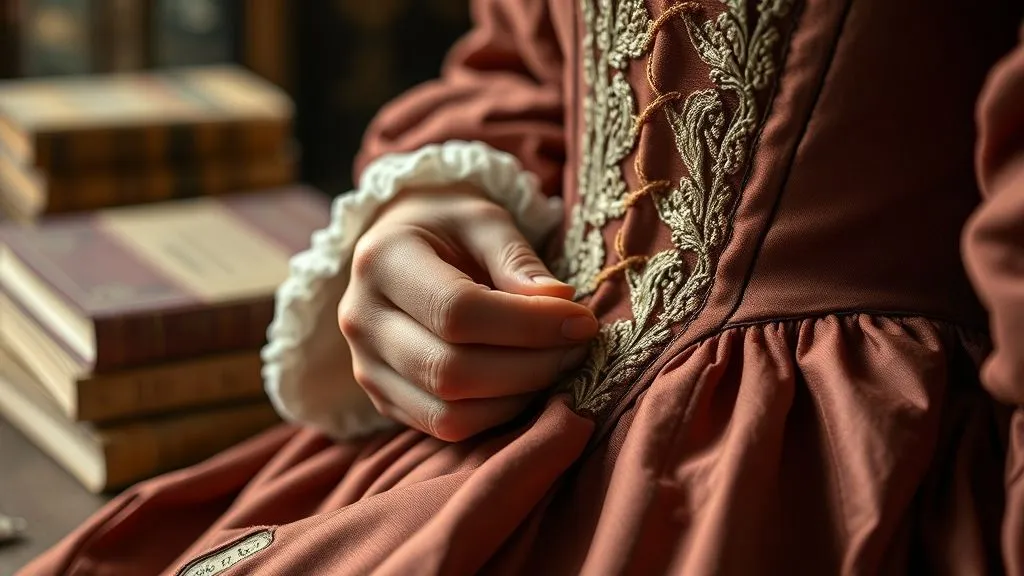
How to Create Historically Accurate Film Costumes on a Tight Budget?
For over 20 years in the demanding world of film costume design, I've witnessed countless productions grapple with a universal dilemma: the relentless pursuit of historical accuracy clashing head-on with an often anemic budget. It's a tightrope walk where one misstep can either shatter the illusion on screen or bankrupt the production.
The problem is profound. Audiences today are savvier than ever, with an instant connection to historical data and visual references. A single anachronistic button or an ill-fitting silhouette can pull them out of the story, eroding trust and undermining the entire creative effort. Yet, the cost of period-appropriate fabrics, skilled labor, and authentic accessories can feel insurmountable.
But here’s the truth I’ve learned: historical accuracy on a tight budget isn't just possible; it's an art form born of resourcefulness, strategic thinking, and a deep understanding of both history and the filmmaking process. In this guide, I'll share my battle-tested frameworks, actionable strategies, and expert insights to help you master the challenge of creating historically accurate film costumes on a tight budget, ensuring your vision shines without breaking the bank.
The Unseen Power of Deep Research & Smart Storytelling
Before a single stitch is made or a fabric swatch is ordered, your most potent budget-saving tool is rigorous research. Many believe research is just about finding images, but I argue it's about understanding the *why* behind historical clothing, which then informs *how* you can replicate its essence affordably.
Beyond the Books: Visual & Material Culture
Don't just look at portraits; delve into everyday life. Examine fashion plates, extant garments in museum collections, and even satirical cartoons of the era. These provide invaluable insights into common materials, construction techniques, and how clothing was actually worn, often revealing simpler, less ornate realities than grand oil paintings suggest.
Focus on primary sources where possible. Look at photographs, diaries, and even inventories of estates from the specific period and social class you're portraying. This deeper understanding allows you to distinguish essential period markers from optional embellishments, guiding your budget allocation.
Costuming for Narrative, Not Just Exhibit
Remember, you're designing for a moving picture, not a museum exhibit. Not every detail needs to be 100% historically accurate if it doesn't serve the narrative or won't be visible on screen. My philosophy is to achieve narrative accuracy – ensuring the costumes effectively tell the character's story within their historical context, even if some unseen elements are simplified.
"True historical accuracy in film costuming isn't about perfectly replicating every seam; it's about capturing the authentic spirit and silhouette of an era in a way that serves the story and resonates with the audience."
Prioritize elements that define the silhouette, the social status, and key character traits. A peasant's roughspun tunic needs to look like a peasant's roughspun tunic, but the exact weave of the unseen linen might be less critical than the visible texture and cut.
- Targeted Research: Focus on specific social strata, geographic locations, and timeframes relevant to your script.
- Visual Deconstruction: Analyze historical images to identify key silhouettes, fabric textures, and color palettes.
- Material Culture Studies: Understand the availability and typical usage of materials during the period.
- Historical Context: Research economic conditions and social norms that influenced clothing choices.
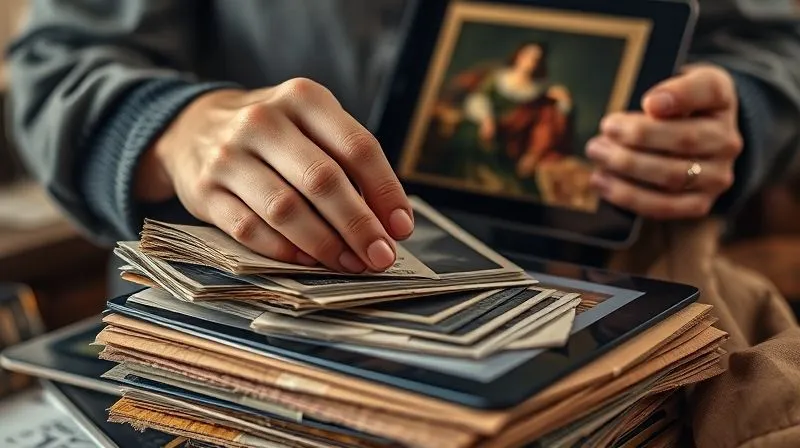
Strategic Sourcing: Your Budget's Best Friend
Once your research foundation is solid, strategic sourcing becomes the next critical phase in creating historically accurate film costumes on a tight budget. This is where creativity truly meets frugality, turning limitations into innovative solutions.
The Art of Thrifting and Vintage Finds
My first stop is rarely a fabric store. Instead, I scour thrift stores, vintage markets, and online second-hand platforms. You'd be amazed at what can be repurposed. A modern bridesmaid dress can be transformed into a Regency gown with clever alterations. Old curtains can become robust historical cloaks. Look for quality fabrics and interesting textures, regardless of the garment's original purpose.
Patience is key in this process. Regular visits and a keen eye for potential are essential. Always consider the fabric content first; natural fibers like cotton, linen, wool, and silk are often easier to work with and dye than synthetics, and they drape more authentically.
Fabric Alternatives and Smart Dyeing
Don't be afraid to use modern fabrics that *mimic* historical ones. For example, a heavy cotton twill can stand in for a simpler wool, or a linen blend can evoke the texture of historical linen without the higher cost. Experiment with natural dyeing techniques using tea, coffee, or even vegetable scraps to achieve period-appropriate muted tones and aged appearances.
According to textile historian Sarah Fee, "The perception of historical color is as important as the exact chemical composition. Achieving the right visual effect can often be done with modern, accessible dyes if applied thoughtfully." The Metropolitan Museum of Art's Heilbrunn Timeline of Art History provides excellent context on historical textiles.
Renting vs. Buying: A Cost-Benefit Analysis
This is a perpetual debate. Renting can be excellent for unique, high-cost items like elaborate ball gowns or military uniforms needed for only a few scenes. It saves on storage, maintenance, and the initial outlay. However, buying allows for greater alteration, distressing, and long-term reusability for future productions, especially for core wardrobe pieces.
Here’s a simplified decision-making process for your team:
- Assess Necessity: Is the item unique and highly specific to a character/scene, or a generic background piece?
- Determine Usage Frequency: Will it be used once, or multiple times across many scenes/characters?
- Consider Alterations: Does it need significant modification? Renting often limits this.
- Calculate Total Cost: Include rental fees, shipping, cleaning, and potential alteration costs versus purchase price, storage, and long-term value.
| Option | Pros | Cons |
|---|---|---|
| Renting | Lower upfront cost, less storage, access to specialized items | Limited alterations, rental fees accrue, less control over wear, no long-term asset |
| Buying | Full control over alterations/distressing, long-term asset, potential for reuse | Higher upfront cost, storage required, maintenance responsibility |
Mastering the Art of Adaptation and Breakdown
Once you've sourced your materials, the real magic begins with adaptation and breakdown. This process is crucial for transforming modern or generic items into believable historical garments and making new pieces look authentically old and worn.
Modifying Off-the-Rack Garments
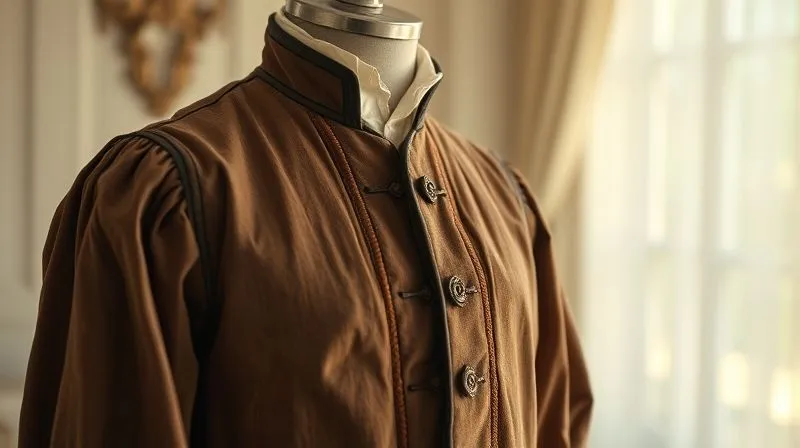
This is where your sewing skills truly shine. A modern shift dress can become the foundation for a 1920s flapper dress with added beadwork and a dropped waist. A contemporary blazer can be reshaped into a Victorian jacket by adjusting the lapels, adding shoulder pads, and changing the button configuration. Focus on changing the silhouette first, as that's often the most defining characteristic of a period.
Key areas for modification: Shoulders (padding, shape), waistline (raising/lowering), sleeves (volume, cuff detail), and collars. Even adding internal boning to a modern bodice can dramatically alter its period feel.
The Magic of Distressing and Aging
Few historical garments were pristine. Life was hard, and clothes were worn until they fell apart. Distressing is the art of making costumes look lived-in, adding realism that money alone can't buy. This is particularly vital for lower-class characters or battle-worn soldiers.
"Distressing isn't about making a costume look dirty; it's about telling a story through its wear and tear, adding layers of authenticity that ground a character in their historical reality."
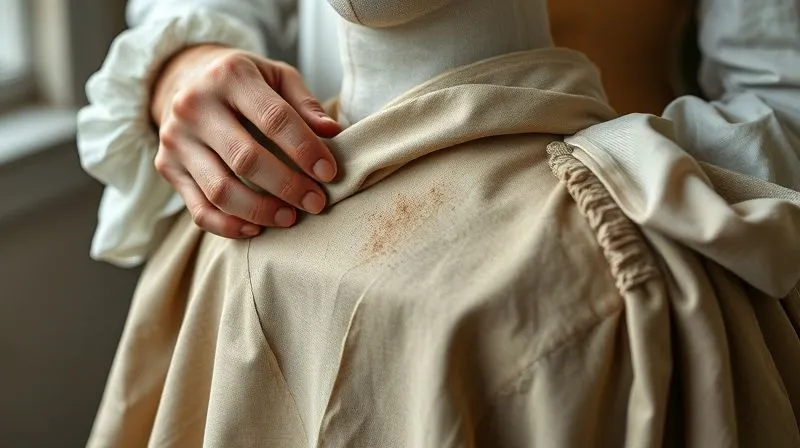
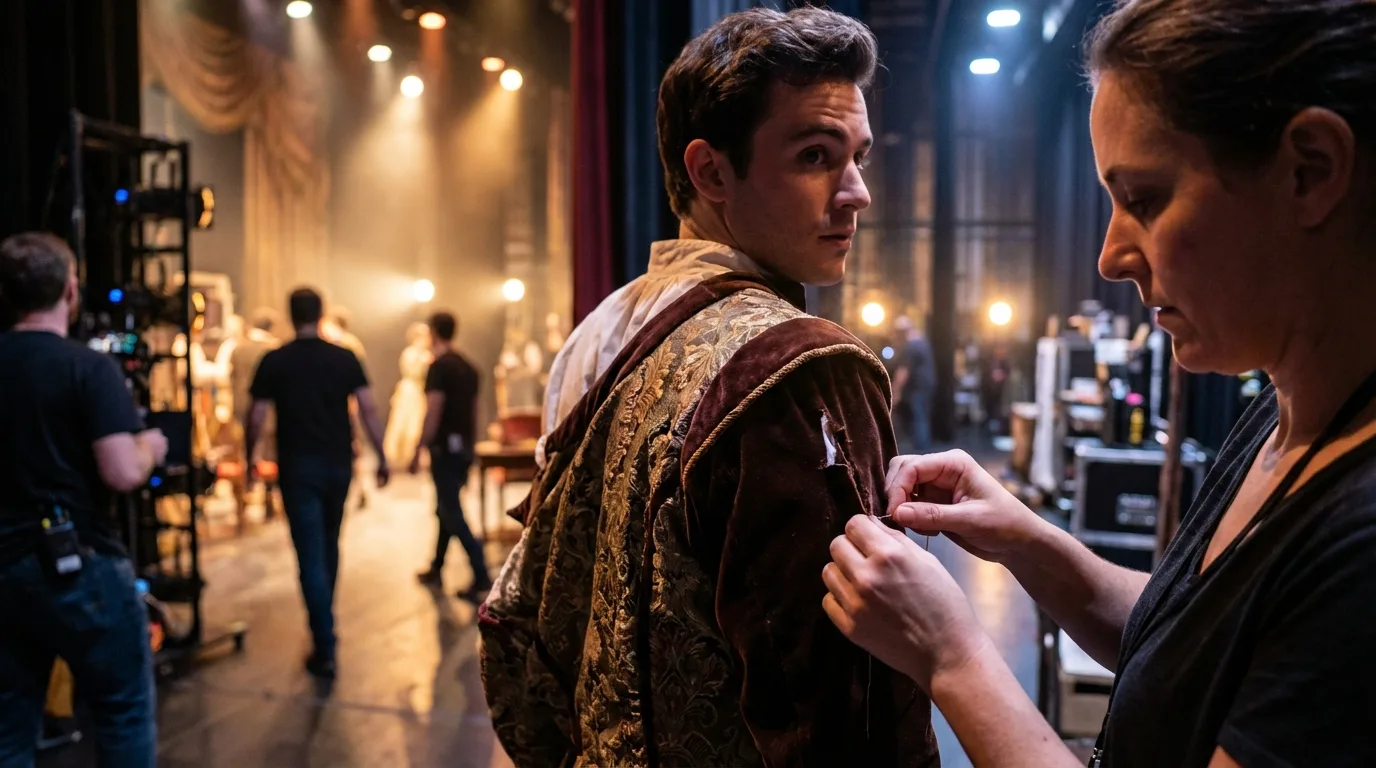
Techniques include sanding fabric to thin it, tea or coffee staining for an aged look, applying diluted paint for dirt and grime, and carefully tearing or fraying edges. Always test these techniques on scrap fabric first to achieve the desired effect without damaging the garment irreversibly. Remember that different historical periods and social classes would have had different levels of wear on their clothing.
The Collaborative Advantage: Leveraging Your Team & Community
In my experience, no costume designer is an island, especially when operating on a tight budget. Building a strong, collaborative network can unlock resources and expertise you might not otherwise afford.
Engaging Local Artisans and Students
Reach out to local universities with fashion or theater programs. Students are often eager for real-world experience and may work for lower rates or even as volunteers for portfolio-building opportunities. Local artisans—seamstresses, leatherworkers, jewelers—might be willing to collaborate on specific pieces, sometimes even bartering services or offering discounted rates for film credits.
I've found that these partnerships not only save money but also infuse fresh perspectives and energy into the team. They can be invaluable for specialized skills that would otherwise require hiring expensive full-time staff.
Volunteer Power and Community Resources
Don't underestimate the power of community. Local historical societies, reenactment groups, or even skilled hobbyists can be incredible resources. They often possess extensive knowledge, personal collections of period items, or a willingness to volunteer their time for a project they believe in. VolunteerMatch or local community centers can help you find willing hands.
Consider putting out calls for specific skills or even donations of fabric remnants or period-appropriate items. A well-communicated vision can inspire people to contribute to something bigger than themselves.
Smart Construction Techniques for Maximum Impact, Minimum Spend
When you're building costumes from scratch or heavily modifying them, how you construct them directly impacts both accuracy and cost. It's about working smarter, not harder, to achieve the desired visual effect.
Prioritizing Visible Elements
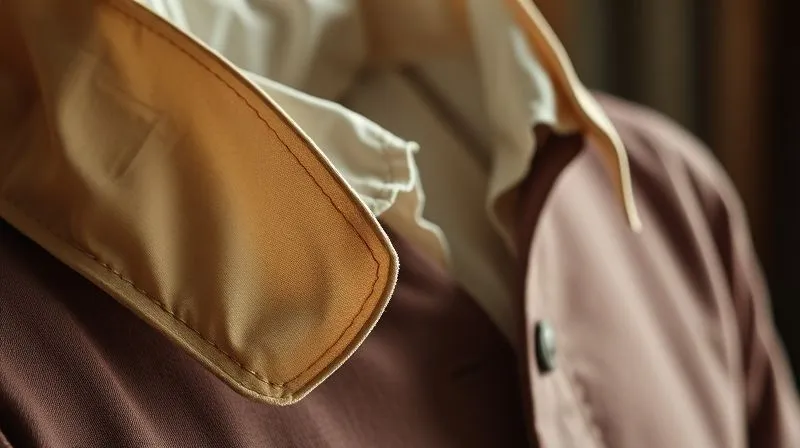
The camera sees what it sees. Focus your budget, time, and detail on the parts of the costume that will be most visible on screen. This includes collars, cuffs, bodices, hats, and the overall silhouette. The inner lining of a coat, for instance, might not need to be period-accurate silk if it's never seen, allowing you to use a more affordable cotton or synthetic.
This principle extends to fabric quality. Use higher-quality, more historically appropriate fabrics for areas that will be in close-up or have significant screen time. For background characters or distant shots, more budget-friendly alternatives are perfectly acceptable.
Simplified Construction Methods
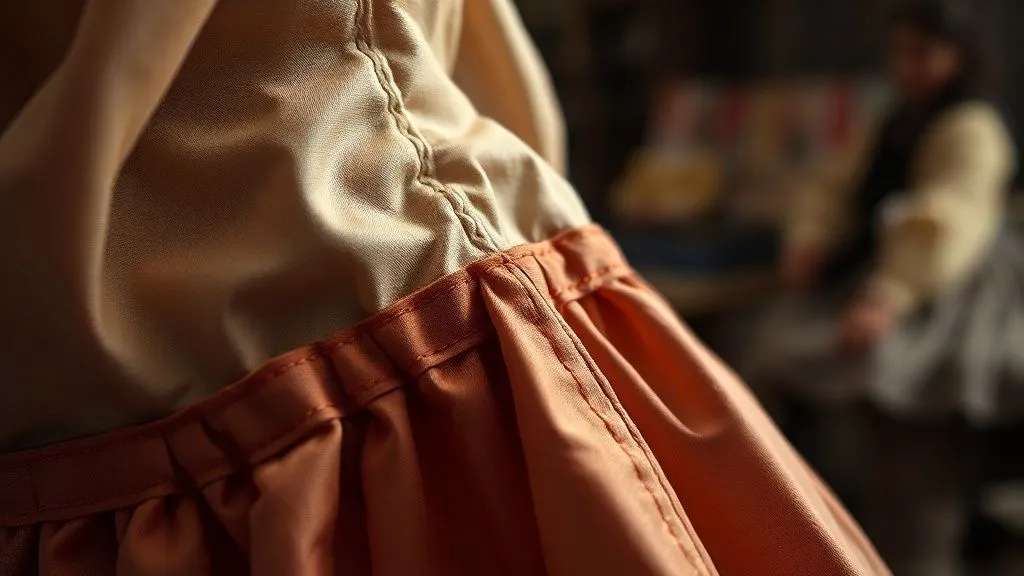
While historical garments often involved complex hand-sewing techniques, modern machine sewing can achieve the same structural integrity much faster, and often with greater durability. Unless a hand-stitched detail is explicitly visible and crucial to the period look (e.g., buttonholes on a finely tailored coat), use machine methods for speed and efficiency.
- Machine Stitching for Structure: Use modern sewing machines for all internal seams and structural elements that won't be seen.
- Hand Finishing for Detail: Reserve hand-sewing for visible top-stitching, button attachment, and delicate embellishments that require a period touch.
- Interfacing & Underlinings: Use modern interfacing materials to give structure and body where historical garments might have used multiple layers of linen or buckram, saving time and bulk.
- Pattern Adaptation: Utilize modern commercial patterns as a starting point, adapting them to historical silhouettes rather than drafting entirely from scratch.
Reusability and Modular Design
Think beyond the current production. Can a costume piece be easily altered for another character or even a future project? Design elements to be modular. A detachable collar or set of cuffs can transform a basic dress into multiple looks. A waistcoat might be used across several characters in different scenes, perhaps with minor distressing or accessory changes.
Investing in well-made, versatile core pieces that can be endlessly adapted is a long-term budget strategy. This also contributes to more sustainable costume design practices, a growing concern in the industry.
The Power of Accessories and Details
It's often the small things that make the biggest difference, especially when you're trying to achieve historically accurate film costumes on a tight budget. Accessories can instantly define a period and character without the prohibitive cost of an entire custom-made garment.
Small Touches, Big Impact
A well-chosen hat, a pair of historically appropriate gloves, period jewelry, or even the right style of spectacles can transport an audience to a different era. These items are often easier and cheaper to source than complex garments. Thrift stores, antique shops, and online marketplaces are treasure troves for these finishing touches.
Shoes are another critical element. While period shoes can be expensive, sometimes a modern shoe with a simple alteration (like adding a buckle or changing the color) can pass muster, especially if it's only seen briefly or from a distance. The Victoria and Albert Museum's fashion collection offers a wealth of inspiration for accessories.
DIY Props and Embellishments
Don't overlook the power of crafting your own embellishments. Buttons, buckles, brooches, and even trims can be made or modified from inexpensive materials. Polymer clay, resin, or even painted cardboard can be surprisingly effective for creating custom elements. Think about the general 'feel' of historical embellishments – their size, texture, and material – and then find creative ways to replicate that with affordable resources.
Case Study: The 'Regency Ball' Gowns – A Budget Triumph
On a recent period drama set in 1815, we faced the challenge of dressing 50 extras for a grand ball sequence, with a minuscule budget for their costumes. Buying or even renting 50 authentic Regency gowns was out of the question. My solution involved a multi-pronged approach to creating historically accurate film costumes on a tight budget:
We sourced inexpensive white and pastel modern dresses from fast-fashion retailers during clearance sales. These dresses often had empire waists, which was a good starting point. For each dress, we focused on simple, period-appropriate alterations: adding a narrow, contrasting ribbon sash just below the bust, creating simple puffed sleeves from leftover fabric, and designing a few modest necklines with lace trim.
The real magic came from the accessories. We made simple fabric turbans from voile scraps, adorned with feathers sourced from craft stores. Costume jewelry was thrifted and spray-painted gold or silver. Each extra received a pair of white or cream gloves, and we even crafted small, simple reticules (drawstring purses) from fabric remnants. The cumulative effect was stunning. While no single gown was a perfect historical replica, the overall impression of a Regency ball, complete with its characteristic silhouette and accessorizing, was achieved convincingly and for a fraction of the expected cost.
Budgeting Beyond the Fabric: Planning & Logistics
A tight budget doesn't just mean less money for fabric; it means every aspect of your operation needs to be meticulously planned and optimized. Effective budgeting is a holistic approach, encompassing not just materials but time, labor, and logistics.
The Detailed Costume Budget Spreadsheet
This might sound obvious, but a hyper-detailed budget spreadsheet is your best friend. Break down every single item and process: fabric, notions, labor (if applicable), alterations, cleaning, storage, transportation, and contingency. Track every penny. Knowing exactly where your money is going allows you to identify areas for savings and reallocate funds efficiently.
I recommend building in a 10-15% contingency fund. Unexpected issues are a given on any film set, and having that buffer prevents last-minute budget crises that often lead to compromises on accuracy.
Inventory Management for Reusability
Even on a tight budget, invest time in excellent inventory management. Catalogue every costume piece, noting its condition, size, and any alterations. This makes it easy to identify items that can be repurposed for different characters or scenes, or even saved for future productions. A well-maintained inventory reduces the need to buy new items constantly.
| Category | Budget Allocation | Notes |
|---|---|---|
| Research & Design | 5% | Access to databases, reference books, design software |
| Sourcing Materials | 35% | Fabric, notions, trims, second-hand finds |
| Construction & Alterations | 30% | Labor (if hired), machine/hand-sewing supplies |
| Accessories & Props | 15% | Hats, shoes, jewelry, DIY elements |
| Logistics & Maintenance | 5% | Cleaning, storage, transportation |
| Contingency | 10% | Unforeseen expenses, last-minute needs |
Embracing Imperfection: When "Good Enough" is Historically Accurate
Finally, I want to address a crucial mindset shift: the pursuit of absolute, unyielding historical perfection can be both financially crippling and, ironically, sometimes historically inaccurate. Real people in history didn't live in pristine, museum-quality garments.
Their clothes were worn, mended, altered, and passed down. They faded, stained, and sometimes didn't fit perfectly. The idea of a perfectly tailored, brand-new costume for every character in every scene is a modern construct. Embracing a degree of 'imperfection' can actually enhance authenticity.
"Authenticity in historical costuming isn't about flawless replication; it's about conveying the spirit, the wear, and the narrative of clothing as it was genuinely experienced by people in their time."
This doesn't mean being sloppy. It means understanding where to apply your resources for maximum impact, and where a slightly less-than-perfect solution still communicates the intended historical truth. A slightly mismatched button, a visible mend, or a faded dye lot can all contribute to a more believable, lived-in aesthetic that resonates deeply with an audience, especially when creating historically accurate film costumes on a tight budget.
Frequently Asked Questions (FAQ)
Q: How do I balance historical accuracy with creative license on a budget? The key is to understand the non-negotiable elements of a period's silhouette and social markers. Once those are established, you have more freedom for creative interpretation in less visible areas or with fabric choices. Always prioritize narrative impact – if a creative choice enhances the story without jarring the audience historically, it's often a good compromise. Think 'spirit of the era' over 'exact replica'.
Q: What are the most common budget pitfalls in historical costume design? One major pitfall is underestimating the cost of notions (buttons, zippers, trims) and labor. Another is failing to account for material wastage or unexpected fabric needs. Also, not researching thoroughly enough can lead to expensive mistakes, like buying the wrong fabric type only to realize it doesn't drape correctly for the period. Poor inventory management also leads to unnecessary re-purchases.
Q: Are there specific periods that are easier/harder to costume on a budget? Generally, periods with simpler silhouettes and widespread use of natural, undyed fabrics (e.g., early medieval, frontier eras, some peasant clothing) can be more budget-friendly. Periods requiring complex tailoring, elaborate embellishments, or highly structured undergarments (e.g., Victorian crinolines, Rococo court dress, intricate Renaissance styles) tend to be harder and more expensive due to specialized skills and materials.
Q: How important is fabric choice for accuracy when money is tight? Fabric choice is crucial for conveying texture, drape, and light reflection, all of which contribute to historical authenticity. While you might not afford period-exact silks or wools, aim for modern fabrics that *mimic* the look and feel. A heavy linen blend can be a good stand-in for wool, and a matte cotton can often work for simpler silks. Avoid shiny synthetics for periods where they didn't exist, as they can instantly break the illusion.
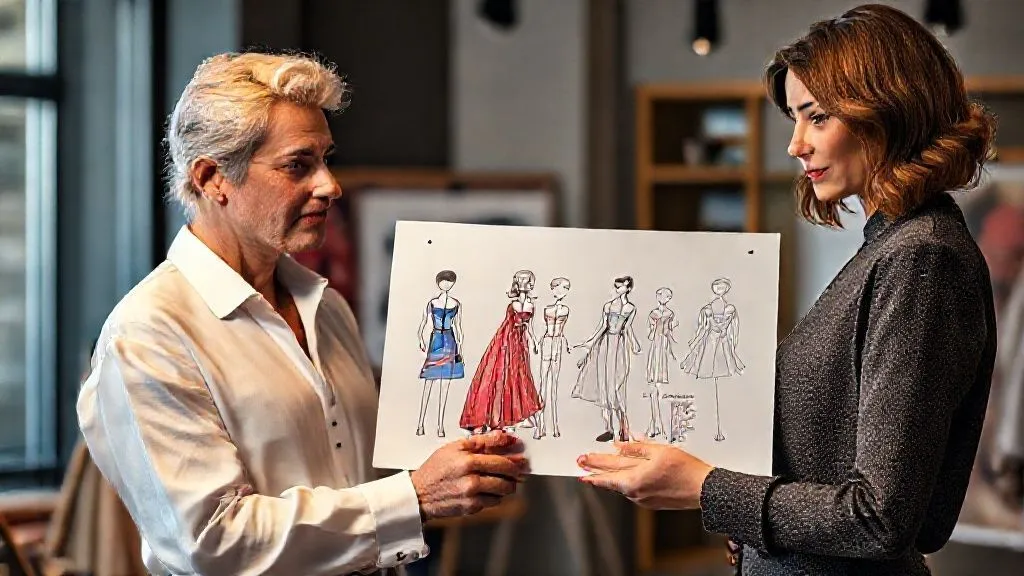
Q: What's the role of digital tools in budget-conscious historical costume design? Digital tools are incredibly valuable. Programs like Photoshop or Procreate allow you to digitally design, sketch, and even 'try on' costume ideas before committing to physical materials, saving time and money on prototypes. Online research databases, digital museum archives, and virtual fabric libraries are also indispensable for cost-effective research. Some designers even use 3D modeling for complex patterns.
Key Takeaways and Final Thoughts
Creating historically accurate film costumes on a tight budget is a formidable challenge, but it's one that seasoned costume designers embrace with creativity and strategic thinking. It's about more than just saving money; it's about intelligent design that respects history while serving the demands of modern filmmaking.
- Research is Your Foundation: Deep dives into material culture and narrative purpose will guide your most cost-effective choices.
- Strategic Sourcing is Key: Embrace thrifting, repurposing, and smart fabric alternatives.
- Master Adaptation & Breakdown: Transform existing garments and age new ones to perfection.
- Collaborate & Leverage: Build a strong team and tap into community resources.
- Prioritize Smart Construction: Focus detail where it counts and simplify where it doesn't.
- Don't Underestimate Accessories: Small details can make a huge period impact.
- Budget Meticulously: Track every penny and plan for contingencies.
- Embrace Authentic Imperfection: Real historical garments weren't always pristine.
Remember, your goal isn't just to dress characters; it's to build a believable world. By approaching your budget constraints not as limitations, but as creative prompts, you'll not only achieve stunning historical accuracy but also develop a reputation for resourcefulness and ingenuity. Go forth and create cinematic history, one thoughtfully crafted, budget-friendly costume at a time!
Recommended Reading
- 6 Data Challenges Hindering AI Fashion Design & How to Conquer Them
- 7 Critical Steps: How to Avoid Losing USDA Organic Status for Beauty Products
- Authenticity in Fashion: 5 Ways to Thrive with Constant Brand Deals
- 7 Proven Steps: Preventing Irreversible Damage to Vintage Textiles
- 7 Ways High Fashion Magazines Balance Print Heritage & Digital Growth

Your email address will not be published. Required fields are marked *