

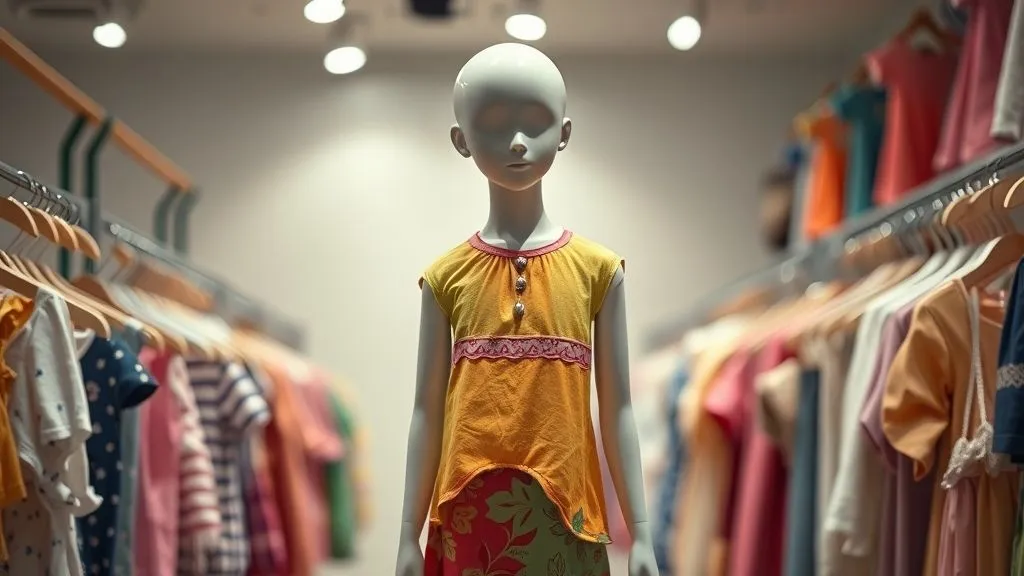
How to Differentiate Boutique with Truly Unique Kids Clothing Styles?
For over 15 years in the dynamic world of kids' fashion, I've witnessed countless boutiques emerge with grand aspirations, only to falter because they struggled to carve out a genuinely unique identity. The market is saturated, and simply stocking 'cute' clothes isn't enough anymore. What truly sets a boutique apart isn't just its inventory, but the soul behind its curation.
The core problem isn't a lack of effort; it's often a lack of a clear, actionable framework for differentiation. Many fall into the trap of following trends too closely, sourcing from the same handful of wholesalers, and ultimately blending into the crowded digital and physical landscape. Your customers, especially discerning parents, are looking for more than just clothes – they're seeking stories, values, and styles that reflect their child's individuality.
In this definitive guide, I will share the strategies, insights, and frameworks I've cultivated over nearly two decades, showing you precisely how to differentiate your boutique with truly unique kids clothing styles. We'll delve into everything from defining your brand's DNA to mastering curated sourcing, crafting exclusive collections, and building an engaged community. Prepare to transform your boutique from 'just another store' into a celebrated destination for distinctive children's fashion.
The Core Problem: The Illusion of Uniqueness in Kids Fashion Retail
Many boutique owners believe they are offering unique styles simply because they avoid major department stores. However, the reality is that the wholesale market itself can be incredibly homogeneous. Dropshipping trends, easily accessible online catalogs, and the pressure to keep up with fleeting social media fads often lead to a 'copycat' conundrum where multiple boutiques end up stocking strikingly similar items.
This creates a perceived lack of originality for the customer. When parents see the same 'unique' dress or 'exclusive' print appearing across several local or online stores, the magic quickly fades. Your goal isn't just to be different from the big box stores; it's to be genuinely different from everyone else in your niche, offering something that truly can't be found just anywhere.
The 'Copycat' Conundrum
The ease of global sourcing has democratized access to products, which is a double-edged sword. While it opens up opportunities, it also means that what was once an exclusive find can quickly become commonplace. The challenge lies in moving beyond readily available options to discover or create something truly distinctive.
"True uniqueness in fashion isn't about being different for difference's sake; it's about an authentic expression of identity that resonates deeply with a specific audience. It's about vision, not just variation."
Step 1: Defining Your Boutique's Unique Style DNA and Niche
Before you can differentiate your boutique with truly unique kids clothing styles, you must first understand what 'unique' means for *your* brand. This isn't about chasing every trend, but about establishing a core identity that guides every decision, from sourcing to marketing. Your brand's DNA is its fingerprint – inimitable and deeply personal.
Start by asking fundamental questions: What values does your boutique embody? What kind of childhood experience do you want to evoke? Who is your ideal customer, and what are their aspirations for their children's wardrobes? The clearer you are on these points, the more focused and impactful your differentiation strategy will be.
- Identify Core Values: Are you about sustainability, playful whimsy, classic elegance, or cutting-edge design? List 3-5 non-negotiable values that define your brand.
- Define Your Target Customer Avatar: Go beyond demographics. What are their lifestyle choices, parenting philosophies, and aesthetic preferences? Create a detailed profile.
- Research Micro-Trends vs. Fleeting Fads: Understand the difference. Micro-trends are subtle shifts in consumer preference that align with deeper cultural movements (e.g., gender-neutral clothing, sensory-friendly textures), while fads are short-lived crazes. Focus on integrating micro-trends that align with your DNA.
A strong brand identity allows you to communicate consistently and authentically, attracting customers who genuinely connect with your vision. As Harvard Business Review often emphasizes, authentic branding builds lasting loyalty.
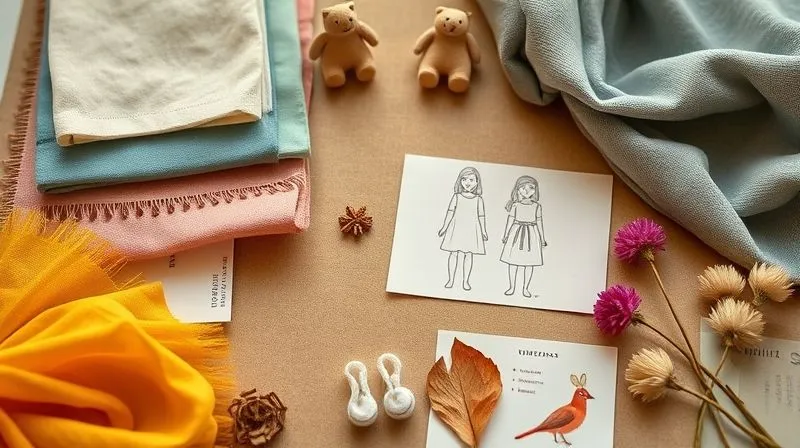
Step 2: Mastering the Art of Curated Sourcing: Beyond the Wholesale Catalog
This is where the rubber meets the road in your quest to differentiate your boutique with truly unique kids clothing styles. Relying solely on large, conventional wholesale platforms will inevitably lead to product overlap. True uniqueness comes from proactive, often unconventional, sourcing methods that uncover hidden gems and exclusive partnerships.
I've always advised my clients to think of sourcing as treasure hunting. It requires patience, a keen eye, and a willingness to look where others aren't. This often means connecting directly with independent designers, small-batch artisans, and ethical manufacturers who prioritize craftsmanship and distinctive design over mass production.
Discovering Indie Designers and Artisans
These are the creators whose passion translates into truly original pieces. They might not have large marketing budgets or extensive distribution networks, but their work often carries a unique story and an unparalleled level of detail. Building relationships with these creators can lead to exclusive lines or custom designs that no other boutique will have.
- Attend Niche Trade Shows: Look for smaller, specialized trade shows focused on handmade goods, sustainable fashion, or regional designers, rather than just the largest industry events.
- Scour Online Platforms: Beyond typical B2B sites, explore platforms like Etsy, Instagram, and even local craft markets online. Use specific hashtags to find emerging talent (e.g., #indiekidsfashion, #smallbatchkids, #ethicalkidsclothes).
- Direct Outreach and Collaboration: Don't be afraid to reach out to designers whose work you admire. Propose collaborations for limited-edition collections or exclusive patterns.
Ethical sourcing is not just a trend; it's a core value for many modern parents. Prioritizing brands with transparent supply chains and sustainable practices can further distinguish your boutique. Forbes highlights the growing importance of ethical sourcing for consumer trust.
| Sourcing Method | Typical Characteristics | Impact on Uniqueness |
|---|---|---|
| Mass-Produced Wholesale | High volume, lower cost, common designs, limited exclusivity | Low differentiation, risk of product overlap |
| Independent Artisans/Designers | Small batch, higher cost per unit, unique designs, high exclusivity | High differentiation, strong brand story, potential for custom lines |
| Ethical/Sustainable Brands | Transparent supply chain, eco-friendly materials, often higher price point | Adds value proposition, attracts conscious consumers, builds trust |
Case Study: "Willow & Whimsy" – A Boutique's Journey to Distinctive Style
How Willow & Whimsy Achieved Uniqueness
A few years ago, I consulted with Sarah, the owner of "Willow & Whimsy," a charming kids' boutique struggling in a competitive urban market. Sarah was passionate but frustrated; her inventory, while lovely, felt indistinguishable from several other local shops. Her sales were stagnant, and she worried about long-term viability.
The problem was clear: Sarah was sourcing primarily from a handful of well-known children's wear wholesalers, leading to an 'illusion of uniqueness.' We embarked on a radical shift. First, we redefined her brand's DNA to focus on 'Playful Scandinavian Minimalism' – a blend of clean lines, natural materials, and subtle, imaginative details. Then, we overhauled her sourcing strategy.
Instead of relying on catalogs, Sarah started attending smaller, regional craft fairs and actively sought out independent designers on Instagram. She discovered a mother-daughter duo creating hand-knitted animal sweaters, a small brand specializing in organic cotton basics with unique, hand-dyed patterns, and a local artist who designed exclusive prints for her store's private label collection. She also began collaborating with a sustainable toy maker for complementary items.
The result? Within 18 months, Willow & Whimsy transformed. Her average transaction value increased by 25%, and she cultivated a fiercely loyal customer base who specifically sought out her unique finds. Her store became known as the go-to for parents seeking distinctive, high-quality, and ethically made children's clothing that truly reflected their aesthetic values. This success story perfectly illustrates how to differentiate a boutique with truly unique kids clothing styles through strategic sourcing and brand vision.
Step 3: Crafting Exclusive Collections and Custom Collaborations
To truly differentiate your boutique with truly unique kids clothing styles, you need to move beyond simply buying what's available to actively shaping what you sell. This means exploring private label options, developing limited-edition collections, and engaging in custom collaborations with designers and artists. This level of involvement ensures that pieces are not just unique, but exclusive to your brand.
I've found that customers are increasingly drawn to scarcity and originality. When they know a piece can only be found in *your* boutique, it creates a powerful sense of desire and value. It also allows you to infuse your brand's specific aesthetic into every stitch, making your offerings an authentic extension of your identity.
The Power of Private Label and Limited Editions
Private labeling allows you to put your own brand name on garments designed and manufactured to your specifications. This can range from subtly modifying existing patterns to creating entirely new lines. Limited editions, on the other hand, create urgency and excitement, encouraging quicker purchasing decisions and fostering a collector's mentality among your clientele.
- Identify Potential Collaborators: Look for designers whose style complements your brand's DNA but offers a fresh perspective. They might be textile artists, illustrators, or small-scale clothing designers.
- Define Clear Terms and Creative Briefs: Ensure both parties understand the scope, design vision, production timeline, and intellectual property arrangements. A clear brief is crucial for a successful collaboration.
- Market Exclusivity: When promoting these collections, emphasize their limited nature and the unique story behind the collaboration. Highlight the designer and their craft.
Consider partnering with local artists to create exclusive prints for your brand, or working with a small manufacturer to produce a capsule collection of basics in your unique color palette. This not only offers exclusive products but also strengthens your connection to the community. As The Business of Fashion often discusses, collaboration is a cornerstone of innovation.
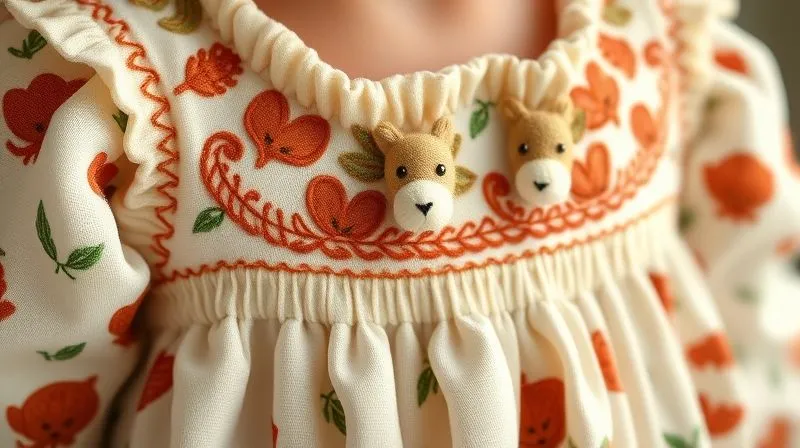
Step 4: Storytelling as Your Strategic Differentiator
In a world of mass consumption, people crave connection and meaning. To truly differentiate your boutique with truly unique kids clothing styles, you must master the art of storytelling. Every unique piece in your collection has a narrative – where it came from, who made it, what inspired its design, and the values it represents. Sharing these stories transforms a mere transaction into an emotional connection.
I've observed that customers are willing to pay a premium not just for quality, but for the story and values embedded in a product. This is particularly true for parents who are conscious about the choices they make for their children. Your boutique isn't just selling clothes; it's selling a lifestyle, a philosophy, and a piece of art with a soul.
Weaving Narratives into Your Brand Experience
Integrate these stories across all touchpoints: your website, social media, in-store displays, product tags, and even your conversations with customers. Make it easy for them to understand the 'why' behind each item and your brand.
- Vendor Stories: Share anecdotes about the independent designers and artisans you work with. Highlight their passion, their process, and their commitment to quality.
- Material Stories: If a garment is made from organic cotton, recycled materials, or a unique fabric, explain its origin, benefits, and the environmental impact.
- Designer Inspiration: Detail the creative spark behind a particular collection or item. Was it inspired by nature, a classic children's book, or a cultural tradition?
"Customers don't just buy products; they buy the stories those products tell and the emotions they evoke. In kids' fashion, this translates to dreams, values, and the desire for something truly special for their little ones."
Step 5: Visual Merchandising and Digital Presentation that Sings Uniqueness
Once you've meticulously curated unique items, the next critical step is to present them in a way that amplifies their distinctiveness. Your visual merchandising, both in-store and online, must tell a cohesive story that reinforces your boutique's unique style DNA. Generic displays or poor photography can undermine even the most extraordinary collections, making them blend in rather than stand out.
In my experience, many boutiques invest heavily in sourcing but fall short in presentation. Remember, your visual presence is often the first, and sometimes only, impression you make. It needs to be captivating, professional, and authentically reflect the unique spirit of your brand and the clothing you offer.
Creating an Immersive In-Store and Online Experience
Think beyond simply hanging clothes on racks. Create vignettes, use props that align with your brand's aesthetic, and ensure your online photography is professional, well-lit, and showcases the unique details and textures of each garment.
- In-Store: Design your boutique's layout to create a journey of discovery. Use creative displays, themed sections, and props (e.g., vintage toys, natural elements) that complement your clothing. Ensure lighting highlights key pieces and creates a welcoming atmosphere.
- Online: Invest in high-quality product photography. Show garments on diverse children models, styled creatively. Use lifestyle shots that evoke emotion and tell a story. Ensure your website design is clean, intuitive, and visually appealing, consistent with your brand's aesthetic.
Consider interactive elements, like a 'designer spotlight' section on your website or in-store signage that shares the story behind a particular collection. This elevates the shopping experience beyond mere transaction. Industry experts like Bob Phibbs consistently emphasize the power of compelling visual merchandising.
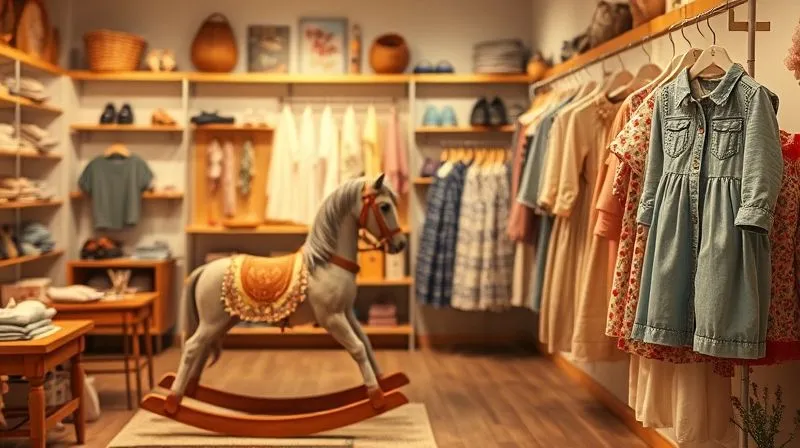
Step 6: Building a Community Around Your Distinctive Aesthetic
Differentiation isn't just about products; it's about people. To truly differentiate your boutique with truly unique kids clothing styles, you need to cultivate a loyal community that shares your brand's values and aesthetic. These aren't just customers; they are advocates, collaborators, and the beating heart of your brand. Building a community fosters loyalty, generates authentic word-of-mouth marketing, and provides invaluable feedback.
In my years in the industry, I've seen that the most successful boutiques aren't just selling clothes; they're selling belonging. They create spaces, both physical and digital, where like-minded parents can connect, share, and celebrate their children's unique styles.
Engagement Strategies for Your Unique Audience
Engage your audience beyond sales notifications. Create opportunities for interaction, education, and shared experiences that reinforce your brand's unique identity.
- Host Themed Events/Workshops: Organize creative workshops for kids (e.g., DIY accessory making, storytelling sessions) or parenting talks that align with your brand's values (e.g., sustainable living, mindful parenting).
- Encourage User-Generated Content (UGC): Run contests or campaigns asking customers to share photos of their children wearing your unique styles. Feature their content prominently on your social media and website.
- Create an Exclusive Membership/Loyalty Program: Offer early access to new collections, exclusive discounts, or private events for your most loyal customers. Make them feel like insiders.
Social media is a powerful tool for community building. Use platforms like Instagram and Pinterest to showcase your unique aesthetic, share behind-the-scenes glimpses of your sourcing process, and interact directly with your followers. Ask questions, solicit opinions, and respond genuinely. This direct engagement builds trust and strengthens connections.
| Engagement Metric | Description | Target Growth |
|---|---|---|
| Social Media Reach | Number of unique users who saw your content. | 15-20% quarterly |
| UGC Submissions | Number of customer-generated photos/posts. | 10-15% monthly |
| Event Attendance | Number of participants in workshops/events. | Consistent 80% capacity |
| Loyalty Program Sign-ups | New members joining your exclusive program. | 5-10% monthly |
Step 7: Continuous Evolution: Staying Ahead in a Dynamic Market
The journey to differentiate your boutique with truly unique kids clothing styles is not a one-time effort; it's a continuous process of evolution and adaptation. The kids' fashion landscape is constantly shifting, influenced by new trends, changing consumer values, and emerging technologies. What makes you unique today might be commonplace tomorrow if you become complacent.
As a specialist, I’ve seen boutiques that initially soared with their unique offerings eventually lose their edge because they failed to innovate. Staying ahead means maintaining a pulse on the market, actively seeking feedback, and being willing to refine your approach while staying true to your core brand DNA.
Adapting Without Losing Your Core Identity
This balance is crucial. Evolution doesn't mean abandoning your unique identity and chasing every fleeting trend. It means understanding how your core values can manifest in new and exciting ways, continuously delighting your existing customers and attracting new ones.
- Regular Market Research: Beyond just fashion trends, monitor shifts in parenting philosophies, sustainability concerns, and technological advancements that could impact your niche.
- Customer Feedback Loops: Actively solicit feedback through surveys, direct conversations, and social media polls. What are customers loving? What are they wishing for?
- Experimentation: Don't be afraid to test new product categories (e.g., unique accessories, eco-friendly toys), new designers, or new marketing approaches. Start small, gather data, and scale what works.
"Uniqueness is not a destination; it's a journey of relentless curiosity, thoughtful curation, and unwavering commitment to your brand's authentic voice. The moment you stop evolving, you start blending in."
Frequently Asked Questions (FAQ)
How do I identify truly unique styles versus just trendy ones? Truly unique styles often possess a timeless quality, distinctive craftsmanship, or a narrative that transcends seasonal fads. Look for pieces with unusual cuts, innovative textures, hand-finished details, or prints that are not widely replicated. Trendy items, while popular now, often lack this depth and widespread availability. A unique style aligns with your brand's core DNA, while a trend might just be a temporary deviation.
What's the biggest mistake boutiques make when trying to be unique? The biggest mistake is confusing 'different' with 'unique.' Many boutiques try to be different by stocking quirky items that don't align with a cohesive brand identity, or by simply offering a slightly different version of what everyone else has. True uniqueness comes from a deep understanding of your brand's DNA, a meticulous sourcing strategy, and a commitment to storytelling, not just random novelty.
Is unique kids clothing more expensive to source, and how do I justify the price? Yes, unique, small-batch, or artisan-made clothing often comes with a higher wholesale cost due to quality materials, ethical production, and specialized craftsmanship. To justify the retail price, focus on storytelling. Highlight the designer's background, the ethical production process, the quality of materials, and the exclusivity of the design. Educate your customers on the value proposition beyond just the garment itself – they are investing in art, ethics, and individuality.
How can a small boutique compete with larger retailers offering 'unique' collections? Small boutiques have an inherent advantage: agility, personality, and the ability to build genuine relationships. Larger retailers often struggle with true exclusivity and personalized service. Leverage your ability to offer highly curated, genuinely unique items, provide exceptional customer service, and build a strong community. Your authenticity and direct connection to customers are your greatest competitive assets.
What role does sustainability play in differentiating a unique kids clothing boutique? Sustainability is a powerful differentiator. For many modern parents, ethical and eco-friendly choices are paramount. By sourcing sustainable materials, supporting brands with transparent supply chains, and promoting longevity in clothing, your boutique can appeal to a conscious consumer base. This commitment to sustainability isn't just a trend; it's a core value that can profoundly differentiate your brand and build trust.
Key Takeaways and Final Thoughts
- Define Your DNA: Start with a clear, authentic brand identity that guides all decisions.
- Curate Actively: Look beyond standard wholesalers to find independent designers, artisans, and exclusive collaborations.
- Tell Your Story: Weave compelling narratives about your products, designers, and values into every customer interaction.
- Present with Purpose: Ensure your visual merchandising, both in-store and online, reinforces your unique aesthetic.
- Build Community: Foster loyalty and advocacy by engaging your customers beyond transactions.
- Embrace Evolution: Continuously adapt and innovate while staying true to your core identity.
Differentiating your boutique with truly unique kids clothing styles is an ongoing journey that requires passion, strategic thinking, and a deep commitment to authenticity. It's about creating a destination where parents can discover pieces that resonate with their values and celebrate their children's individuality. By implementing these expert-level strategies, you're not just selling clothes; you're cultivating a brand that stands out, thrives, and leaves a lasting, positive impression in the hearts and wardrobes of your cherished customers. Go forth and create something truly extraordinary!
Recommended Reading
- Mastering Remote Haute Couture: 7 Steps for Perfect Client Fit & Satisfaction
- 7 Proactive Ways: Preventing Membrane Failure in Waterproof Breathable Textiles
- Unlocking Streetwear Gold: 7 Steps to Pinpoint Profitable Accessory Trends
- Fashion Affiliate Slump? 7 Steps to Recover Commissions Post-Update
- Verify Vintage: 7 Steps to Ethically Authenticate Apparel for Profit




Your email address will not be published. Required fields are marked *