

Preventing Irreversible Damage During Vintage Bridal Gown Alterations?
For over two decades in the world of bridal fashion, I've witnessed countless brides embark on the magical journey of finding their perfect gown. But when that gown is a cherished vintage piece, perhaps an heirloom passed down through generations, the excitement often comes with a palpable undercurrent of anxiety.
The fear of 'what if it gets damaged?' during alterations is incredibly real. These aren't modern, mass-produced garments; they are often fragile, unique works of art with historical significance, made from delicate silks, laces, and embellishments that simply cannot be replaced. One wrong snip, one ill-placed stitch, and a piece of history, along with a bride's dream, can be irreversibly altered for the worse.
That's why I've dedicated this guide to empowering you with the knowledge and strategies for Preventing Irreversible Damage During Vintage Bridal Gown Alterations? My goal is to equip you with expert insights, practical frameworks, and real-world advice to ensure your vintage treasure is handled with the utmost care and transformed beautifully for your special day.
Understanding the Unique Challenges of Vintage Fabrics & Construction
The Delicate Nature of Aged Textiles
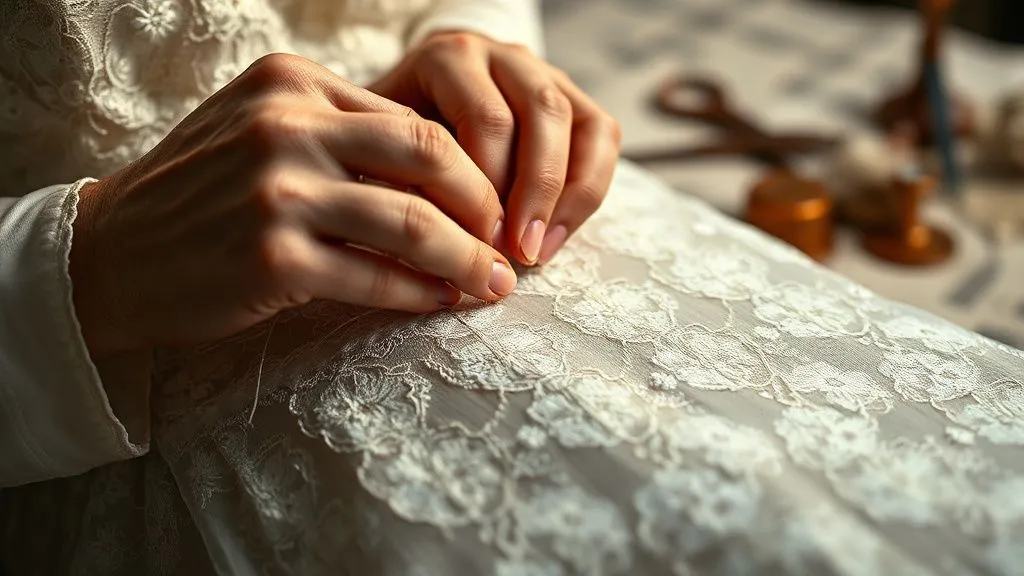
Unlike contemporary fabrics engineered for durability and stretch, vintage textiles have lived a life. They've been exposed to light, varying humidity levels, and the natural process of aging, all of which can significantly reduce their tensile strength and elasticity. Silks can become brittle, satins can develop 'shattering' along stress points, and delicate laces can fray with the slightest pressure. I've seen beautiful organzas that look pristine on the surface but are incredibly weak beneath, ready to tear at a moment's notice.
Understanding this inherent fragility is your first step in prevention. It means treating every inch of the fabric with reverence, recognizing that what feels strong in a new garment might be incredibly vulnerable in a piece decades old. Key Insight: Vintage fabrics often have reduced tensile strength and elasticity compared to their modern counterparts, making them highly susceptible to damage from conventional alteration methods.
"The true artistry of vintage alteration lies not in forcing a modern fit, but in coaxing an aged fabric to elegantly conform, respecting its inherent limitations and history."
Original Construction & Embellishments
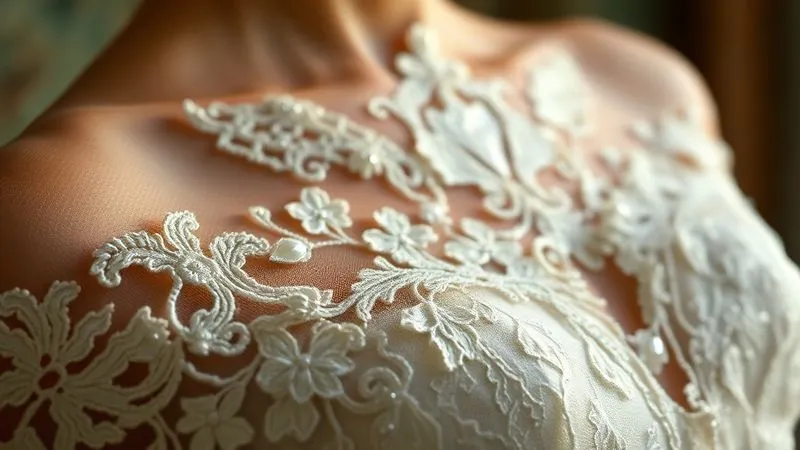
Vintage gowns also present unique challenges in their construction. Seam allowances might be smaller, stitching methods (often hand-sewn) can be different, and internal structures like boning or linings may have degraded. Embellishments, from intricate hand-beading to delicate embroidery and appliqués, are often sewn with threads that have weakened over time or with techniques that are not easily replicated. Attempting to remove or reattach these without specialized knowledge can lead to irreparable loss.
- French Seams: Common in vintage pieces, these tiny, enclosed seams offer little allowance for adjustment.
- Covered Buttons & Loops: Often handmade, these can be incredibly fragile.
- Glass Beads & Sequins: Unlike modern plastic versions, these can be sharp, heavy, and prone to falling off.
The integrity of these original elements is paramount. A skilled specialist will approach these details with a conservationist's mindset, aiming to preserve as much of the original work as possible while ensuring the gown is wearable and secure. This often involves meticulous hand-stitching and reinforcement techniques that go far beyond standard alterations.
The Non-Negotiable Pre-Alteration Assessment: Your First Line of Defense
Before a single stitch is made, a comprehensive assessment is the most critical step in preventing irreversible damage. This isn't just a quick look; it's a forensic examination of the gown's entire being. I always advise brides to be present for this initial consultation, taking an active role in understanding the gown's condition.
Comprehensive Fabric & Structural Analysis
This detailed inspection helps identify potential weak spots, areas needing reinforcement, and limitations before any work begins. It’s about being proactive, not reactive, to potential issues.
- Visual Inspection: Examine every inch for hidden tears, discoloration, stains, and areas of extreme wear, especially around armholes, necklines, and stress points. Use natural light.
- Touch Test: Gently feel the fabric. Does it feel brittle, stiff, or unusually thin in certain areas? Does it 'shatter' slightly when gently crinkled? This indicates significant degradation.
- Seam Stress Test: Carefully, and very gently, tug at hidden seams (like those inside the lining or a dart that won't be altered). This helps gauge the fabric's remaining tensile strength.
- Embellishment Security Check: Lightly jiggle or tap all beads, sequins, and appliqués to ensure they are securely attached. Note any loose or missing elements.
- Original Construction Mapping: Document how the gown was originally put together – the type of seams, closures, and internal support structures. This informs how it can be carefully deconstructed and reconstructed.
Expert Tip: Always assess the gown in natural light, as artificial lighting can mask subtle discolorations or weaknesses. Take detailed photographs from all angles.
Setting Realistic Expectations
This assessment will form the basis for a candid conversation with your specialist about what alterations are truly feasible. Not every alteration is possible or advisable, especially if it compromises the gown's integrity. Sometimes, the goal isn't just a perfect fit, but a perfect fit that respects the garment's history and inherent limitations. Be prepared to prioritize preservation over drastic changes.
"A skilled vintage specialist will tell you not just what *can* be done, but what *should* be done to honor the gown's integrity."
| Assessment Area | Check For | Risk Level |
|---|---|---|
| Fabric Condition | Tears, stains, brittleness, sun damage | High |
| Seam Integrity | Loose stitches, fraying, stress points | Medium |
| Embellishments | Loose beads, broken threads, missing pieces | High |
| Original Structure | Unique closures, internal boning, lining condition | Medium |
Finding & Vetting Your Vintage Bridal Alteration Specialist
This is, without a doubt, the single most crucial decision you will make in Preventing Irreversible Damage During Vintage Bridal Gown Alterations? The right specialist is not just a tailor; they are a textile conservator, a historical fashion expert, and a meticulous artisan.
Why a General Tailor Isn't Enough
Many brides, understandably, assume any experienced tailor can handle a wedding dress. While true for modern gowns, this assumption can be disastrous for vintage pieces. General tailors often lack specific knowledge in aged textiles, historical construction methods, and the delicate hand-skills required. They might use modern machines, synthetic threads, or aggressive techniques that could tear fragile fabrics, distort original lines, or damage irreplaceable embellishments. Their focus is often efficiency and modern fit, not preservation.
As Harper's Bazaar highlights, choosing the right expert for a vintage gown is paramount to its successful transformation.
Qualities of an Expert Vintage Specialist
When searching for your specialist, look for someone who embodies these characteristics:
- Experience with Historical Garments: They should have a proven track record of working with antique or vintage clothing, not just modern bridal wear.
- Textile Conservation Knowledge: An understanding of how different fabrics age, how to reinforce them, and what materials are safe for long-term preservation.
- Specialized Tools & Techniques: Proficiency in hand-sewing, delicate machine work, and the use of appropriate needles, threads, and reinforcement materials.
- Portfolio of Vintage Work: Ask to see examples of their previous vintage bridal gown alterations, ideally with before-and-after photos.
- References: Don't hesitate to ask for testimonials or contact previous clients.
- Insurance: Ensure they have adequate insurance coverage for valuable garments.
Interviewing Potential Specialists
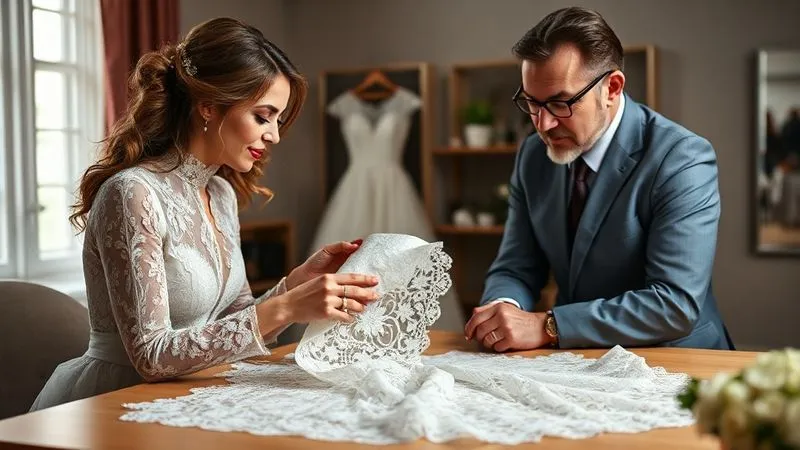
Treat this like an interview for a highly skilled position. Come prepared with a list of questions, and observe their reaction and responses carefully.
- "How many vintage gowns have you altered, and what specific era/fabric types are you most experienced with?"
- "What specific challenges do you anticipate with *my* gown, based on its fabric, age, and construction?"
- "What are your methods for reinforcing fragile areas, such as old seams or delicate lace?"
- "Can you provide references or show examples of similar vintage work you've completed?"
- "What is your approach to cleaning and storage of the gown during the alteration process?"
- "What is your policy regarding unexpected damage or issues that may arise during alterations?"
Their answers will give you invaluable insight into their expertise and approach. Look for confidence, transparency, and a genuine respect for the garment's history.
Strategic Planning: Minimal Intervention, Maximum Impact
Once you've chosen your specialist, the next step is to plan the alterations with a 'less is more' philosophy. Vintage gowns often have a distinct silhouette and charm that can be lost with overly aggressive modernization. My experience has taught me that the most successful vintage alterations are those that enhance the gown's original beauty while making it wearable for today.
Embracing the "Less is More" Philosophy
The goal is to achieve a perfect fit without fundamentally changing the gown's character. This means working *with* the gown's original lines and construction, rather than fighting against them. Think of it like restoring an antique painting – you aim to preserve its original beauty, not repaint it entirely to suit modern tastes. Drastic changes to necklines, sleeve styles, or overall silhouette should generally be avoided unless absolutely necessary and carefully considered for their impact on the garment's integrity.
Prioritizing Essential Alterations
Focus on the core alterations that are essential for comfort and fit. These typically include:
- Hem: Adjusting the length to suit your height and chosen shoes.
- Bust: Ensuring a comfortable and supportive fit in the bodice.
- Waist/Hips: Taking in or letting out to create the desired silhouette.
Avoid drastic changes to sleeves, necklines, or the overall structure unless the original is truly unwearable or damaged beyond repair. Vogue's insights into wedding dress alterations often echo this sentiment of thoughtful, purposeful changes.
Case Study: Eleanor's 1960s Silk Organza Gown
Eleanor inherited her mother's exquisite 1960s silk organza gown, featuring delicate floral embroidery. The gown was a size too large and needed a slight hem adjustment. Her initial thought was to modernise the neckline. However, after consulting with a vintage specialist, they discovered the organza was showing early signs of weakness around the original neckline seams. The specialist advised against altering the neckline, explaining that adding new stress points could lead to irreparable tearing. Instead, they focused on carefully taking in the side seams and gently raising the hem, reinforcing the original seams with silk organza backing. They also suggested adding discrete, removable shoulder pads to subtly enhance the silhouette without touching the fragile neckline. This minimalist approach preserved the gown's integrity and original design, allowing Eleanor to wear a piece of her family history without risk, proving that sometimes, the best alteration is the one *not* made.
Reinforcement Techniques
A crucial aspect of minimal intervention is strategic reinforcement. This might involve:
- Underlining: Adding a hidden layer of period-appropriate or conservation-grade fabric (like silk organza or cotton batiste) beneath fragile areas to provide support without altering the exterior look.
- Backing: Applying small, invisible patches to reinforce weak points or small tears from the reverse side.
- Invisible Mending: Meticulously reweaving threads or fibers to repair small holes or snags, making them virtually undetectable.
These techniques are labor-intensive but vital for strengthening the gown for wear, ensuring Preventing Irreversible Damage During Vintage Bridal Gown Alterations? remains the top priority.
Mastering the Art of Gentle Handling & Storage During Alterations
Once the gown is in the specialist's care, how it's handled and stored between fittings and during the alteration process is paramount. Rough handling, improper hanging, or exposure to environmental factors can cause significant damage to fragile vintage textiles.
The Alteration Environment
A professional vintage specialist will maintain an appropriate environment for your gown:
- Clean & Dust-Free: To prevent new stains or particulate matter from settling on the fabric.
- Temperature & Humidity Controlled: Extreme fluctuations can cause fabrics to contract, expand, or become brittle.
- Avoiding Direct Sunlight: UV rays are a major culprit in fabric degradation and discoloration.
Proper Handling Protocols
Even during fittings, specific protocols should be followed:
- Wearing Cotton Gloves: To prevent oils and dirt from hands transferring to the delicate fabric.
- Minimizing Direct Skin Contact: Especially with delicate silk or lace.
- Supporting the Gown's Weight Evenly: Never pull or tug. When moving the gown, always support its full weight, ideally with two people if it's heavy, to avoid stressing seams.
As the Smithsonian Institution's conservators demonstrate, handling precious artifacts requires specific, gentle techniques.
Interim Storage Solutions
Between fittings, your gown should be stored with the utmost care:
- Acid-Free Tissue Paper: Used to pad folds and prevent creasing.
- Archival Garment Bags: Breathable, acid-free bags protect against dust and light while allowing air circulation.
- Avoiding Hanging for Extended Periods: For very heavy or delicate gowns, prolonged hanging can cause stress on shoulder seams. Laying the gown flat in an archival box is often preferred. If hanging, use a padded, acid-free hanger that supports the shoulders evenly.
These measures might seem overly cautious, but they are essential for safeguarding your vintage treasure throughout the alteration journey.
Protecting Delicate Embellishments & Structural Elements
The intricate details of a vintage gown are often its most charming, yet most vulnerable, features. Protecting them during alterations requires a keen eye and specialized techniques.
Securing Beads, Sequins & Embroidery
Many vintage gowns feature elaborate hand-sewn embellishments. Over time, the original threads can weaken, causing beads or sequins to become loose or fall off. A skilled specialist will:
- Individual Re-stitching: Meticulously re-sew loose beads or sequins, often individually, using period-appropriate or conservation-grade silk thread that matches the original.
- Backing Fragile Areas: Add a sheer, invisible backing behind heavily embellished sections to provide extra support and prevent further loss.
- Matching or Invisible Threads: Ensure any new stitching blends seamlessly with the original work.
Working with Lace & Appliqués
Vintage lace, whether point de Venise, Chantilly, or Alençon, is incredibly fragile. Alterations involving lace require exceptional care:
- Careful Removal & Reapplication: If lace needs to be moved, it must be painstakingly unpicked and then re-applied by hand, often with invisible stitching.
- Invisible Mending Techniques: For small tears or holes in lace, a specialist can employ techniques that reweave or graft new threads to make the damage virtually undetectable.
- Consideration: Can new lace be sourced that matches the vintage piece? Often not perfectly, making preservation of the original even more critical.
Bonings, Linings & Closures
Internal elements also require attention:
- Replacing Fragile Boning: Original boning, often made of baleen or plastic that has become brittle, may need to be carefully replaced with modern, flexible, and durable alternatives while maintaining the original shape.
- Mending or Replacing Linings: Linings often degrade faster than the outer fabric. They may need mending or replacement with breathable, archival fabrics that won't cause friction or acidic damage to the outer layer.
- Securing or Replacing Vintage Zippers/Buttons: Old zippers can fail, and vintage buttons can be fragile. These may need reinforcement or careful replacement, always aiming for a period-appropriate look.
The Importance of Regular Communication & Documentation
Even with the most skilled specialist, open and continuous communication is key to Preventing Irreversible Damage During Vintage Bridal Gown Alterations? You are the guardian of your gown's legacy, and your specialist is its artisan. A strong partnership built on trust and clear understanding is essential.
Clear Communication Channels
Establish a rhythm for communication with your specialist:
- Scheduled Check-ins: Agree on regular updates or check-in calls, especially if the alteration process is lengthy.
- Asking Questions: Never hesitate to ask questions, no matter how small they seem. A good specialist will welcome your engagement.
- Expressing Concerns: If something doesn't feel right or you have anxieties, voice them immediately and respectfully.
My Advice: Don't be afraid to voice your anxieties. A good specialist will appreciate your involvement and transparency, as it helps them understand your expectations and concerns better.
Detailed Documentation
Documentation serves as a safeguard and a record of the gown's transformation:
- Before & After Photos: Take detailed photos of the gown from all angles before any work begins, and continue to document progress at various stages. This provides visual proof of its original condition and any changes made.
- Written Agreement of Alterations: Ensure you have a clear, written agreement outlining the specific alterations to be performed, the estimated cost, and the timeline. This protects both you and the specialist.
- Fabric Samples: If any new material is introduced (e.g., for lining replacement or reinforcement), ask for a small sample and note where it was used.
- Care Instructions: Upon completion, obtain detailed care and storage instructions for your now-altered vintage gown.
| Milestone | Action | Date |
|---|---|---|
| Initial Consultation | Comprehensive assessment, discuss vision, get quote | TBD |
| First Fitting | Review proposed changes, check fit, approve adjustments | TBD |
| Second Fitting (if needed) | Fine-tune fit, check details | TBD |
| Final Pick-up | Final inspection, verify all changes, receive care instructions | TBD |
Emergency Protocols: When the Unexpected Happens
Even with the most meticulous planning and the most skilled hands, accidents can, on rare occasions, occur. Knowing how to react can significantly mitigate further damage and stress.
Immediate Action for Minor Issues
If you notice a small issue – a loose bead, a tiny snag, or a slightly frayed seam – during a fitting or after taking the dress home:
- Do NOT Attempt a DIY Fix: Resist the urge to fix it yourself, especially with glue or aggressive stitching. This can often worsen the problem.
- Contact Your Specialist Immediately: Inform them of the issue as soon as possible. Take clear photos of the problem area.
- Handle with Extreme Care: Avoid touching the damaged area further. If possible, gently place acid-free tissue around it and store the gown safely.
Dealing with Significant Damage
In the rare and unfortunate event of significant damage during the alteration process, your prior documentation becomes invaluable:
- The Importance of Documentation: Your before-and-after photos and written agreements will be crucial for any discussions regarding responsibility or potential insurance claims.
- Seeking a Second Opinion: If you feel the damage is severe or the specialist's proposed solution is inadequate, consider consulting an independent textile conservator for an unbiased assessment.
- Understanding Your Rights: Be clear on the terms of your agreement regarding damage and liability.
"Even with the utmost care, accidents can occur. Your preparation and choice of specialist become paramount in mitigating their impact."
Remember: Prevention is always better than cure, especially with irreplaceable vintage items. By being informed, proactive, and discerning in your choices, you significantly reduce the risk of any irreversible damage to your treasured vintage bridal gown.
Frequently Asked Questions (FAQ)
Question: Can every vintage gown be successfully altered? Answer: While many vintage gowns can be beautifully adapted, it's not a universal guarantee. The success largely depends on the gown's original condition, the stability of its fabrics, and the extent of desired changes. Extremely fragile materials, significant sun damage, or complex original structures may limit what's possible. A thorough pre-alteration assessment by a specialist is crucial to determine feasibility and set realistic expectations, prioritizing preservation over drastic alterations.
Question: What are the biggest red flags to look for in an alteration specialist for a vintage gown? Answer: Several red flags should prompt caution. A specialist who doesn't ask about the gown's history, doesn't thoroughly inspect the fabric and seams, or immediately suggests aggressive modern techniques (like machine-sewing delicate lace without reinforcement) is a concern. A lack of specific experience with vintage textiles, no portfolio of similar work, or an unwillingness to discuss potential risks and conservative approaches are also major warning signs. Always seek someone who understands textile conservation principles.
Question: Should I have my vintage gown professionally cleaned before or after alterations? Answer: Generally, it's advisable to have the gown professionally cleaned *before* alterations, especially if there are visible stains or odors. Cleaning can sometimes reveal hidden weaknesses in the fabric or alter the fabric's drape slightly, which is important to know before cutting or stitching. However, ensure your cleaner specializes in vintage and delicate textiles, using preservation-grade methods. Discuss this with your alteration specialist, as they might have specific recommendations based on the gown's condition.
Question: How much more expensive are vintage gown alterations compared to modern ones? Answer: Vintage gown alterations are almost invariably more expensive than those for modern dresses. This is due to the specialized expertise required, the meticulous hand-sewing, the time-intensive nature of working with delicate and aged materials, and the need for conservation-grade techniques and materials. You're not just paying for a service; you're investing in the preservation of a historical garment. Expect costs to reflect this higher level of skill and care, often ranging from several hundred to over a thousand dollars, depending on the complexity.
Question: What if a part of my vintage gown is too damaged to be used, but I want to keep the aesthetic? Answer: This is a common challenge. An expert vintage specialist can often source period-appropriate or complementary materials to replace or patch damaged sections, or they might suggest creative solutions. For example, a heavily damaged sleeve might be removed and its lace repurposed as an appliqué on the bodice, or a new sleeve could be crafted from a matching, modern silk that is then dyed and treated to blend seamlessly. The key is finding a specialist with an artistic eye and extensive knowledge of textiles and historical fashion to ensure the repair enhances, rather than detracts from, the gown's original charm.
Key Takeaways and Final Thoughts
The journey of altering a vintage bridal gown is a beautiful blend of history, artistry, and personal dream. While the fragility of these cherished garments can evoke anxiety, knowledge and the right expertise are your most powerful allies in Preventing Irreversible Damage During Vintage Bridal Gown Alterations?
- Prioritize Expert Assessment: A thorough pre-alteration analysis is non-negotiable for identifying vulnerabilities.
- Choose a Vintage Specialist: Their unique blend of textile conservation and historical fashion knowledge is irreplaceable.
- Embrace Minimal Intervention: Focus on enhancing, not overhauling, the gown's original charm.
- Practice Gentle Handling: Every touch, every storage decision, must be made with the utmost care.
- Maintain Open Communication: A strong partnership with your specialist and clear documentation are your best safeguards.
Your vintage gown is more than just a dress; it's a living piece of history, a whisper from the past, and a profound symbol of love. By approaching its alterations with knowledge, respect, and the right expertise, you ensure its legacy continues, beautifully and safely, into your own cherished memories. Trust your instincts, ask the right questions, and let your unique piece of fashion history shine brightly on your special day.
Recommended Reading
- 7 Proven Strategies to Reignite Engagement on Your Beauty Channel
- The Definitive Guide: How to Verify if a Fabric is Truly Biodegradable?
- Mastering Succession: How to Retain Aging Haute Couture Artisans' Rare Skills
- 7 Steps to Conquer Natural Fiber Supply Chain Hurdles for Innovation
- Unlocking Feminine Style: The Essential Characteristics You Need to Know

Your email address will not be published. Required fields are marked *