

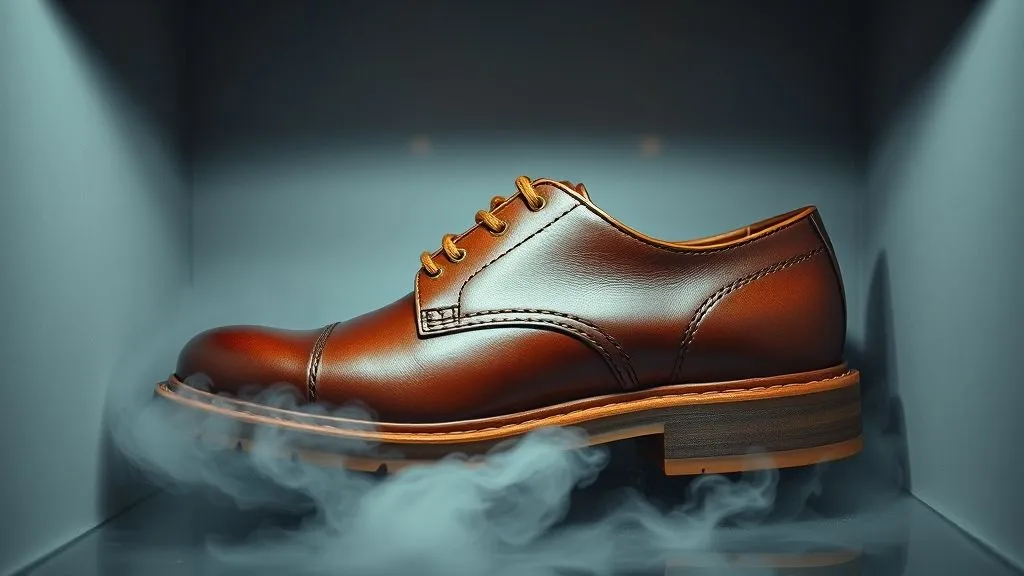
Preventing Hydrolysis in PU Soles for Long-Term Storage
For over two decades in the footwear industry, I've witnessed countless enthusiasts and brands alike suffer the heartbreak of seeing cherished, high-quality shoes crumble right before their eyes, often after years of careful storage. It’s a frustratingly common scenario: you pull out a pair of sneakers or boots you’ve meticulously kept, only to find the soles have turned sticky, brittle, or completely disintegrated. This isn't just wear and tear; it's the insidious work of hydrolysis, a chemical reaction that silently destroys polyurethane (PU) soles.
The problem of crumbling PU soles, especially in vintage or rarely worn footwear, is a genuine pain point for collectors, designers, and anyone who values the longevity of their shoe investments. It feels like a betrayal when a material designed for durability fails prematurely, often rendering the shoes unwearable. This degradation isn't always obvious until it's too late, leaving many wondering if there's anything they could have done differently.
In this definitive guide, I will share my deep insights and actionable strategies for preventing hydrolysis in PU soles for long-term storage. We'll delve into the science, expose the environmental culprits, and equip you with expert-backed methods to preserve your footwear, ensuring your prized possessions remain intact and wearable for years to come. Consider this your essential blueprint for combating sole degradation.
Understanding the Enemy: What Exactly is Hydrolysis?
Before we can effectively combat it, we must understand hydrolysis. In simple terms, hydrolysis is a chemical reaction where water molecules react with a material, causing its breakdown. For polyurethane, specifically the polyester-based PU commonly used in shoe soles, this reaction targets the ester bonds within the polymer chain.
Imagine the PU sole as a long chain of molecules. Over time, and particularly in the presence of moisture (even atmospheric humidity) and heat, water molecules literally begin to snip these chains. As these chains break into smaller segments, the material loses its structural integrity. It transitions from being resilient and flexible to becoming brittle, sticky, soft, or even powdery – the tell-tale signs of a sole succumbing to hydrolysis.
This process is often accelerated by certain environmental conditions and the specific chemical composition of the PU itself. It's a slow, relentless attack that doesn't discriminate based on brand or initial quality. As a footwear specialist, I've seen it affect everything from high-end designer sneakers to robust hiking boots, proving that no PU sole is truly immune without proper intervention.

The Silent Killers: Environmental Factors Accelerating Hydrolysis
While water is the primary antagonist, its destructive power is amplified by other environmental factors. Understanding and controlling these elements are paramount in preventing hydrolysis in PU soles for long-term storage.
Humidity: The Most Dangerous Catalyst
High humidity is the arch-nemesis of PU soles. Even seemingly dry air contains enough moisture to initiate and sustain the hydrolysis process. The higher the relative humidity, the faster the water molecules can penetrate the PU material and begin their destructive work. Basements, attics, and garages, often perceived as convenient storage spaces, are frequently hydrolysis hotspots due to fluctuating and often elevated humidity levels.
Temperature: Speeding Up the Reaction
Chemical reactions, including hydrolysis, generally accelerate with increased temperature. Storing shoes in hot environments – such as direct sunlight, unventilated attics, or near heat sources – dramatically speeds up the rate at which water molecules attack the PU's ester bonds. Conversely, cooler temperatures can significantly slow down this degradation process.
Poor Ventilation: Trapping the Enemy
Lack of air circulation exacerbates both humidity and temperature issues. In enclosed, unventilated spaces, any moisture present becomes trapped, creating a consistently damp microclimate around the shoes. This stagnant, humid air is the perfect breeding ground for hydrolysis.
"In my experience, simply moving shoes from a damp basement to a well-ventilated, climate-controlled closet can add years to their lifespan. Environmental control isn't just a recommendation; it's a necessity for PU sole preservation."
Strategic Storage: Your First Line of Defense
Effective storage is the cornerstone of preventing hydrolysis. It’s not just about finding a spot for your shoes; it’s about creating an optimal environment.
1. Choose the Right Location
Avoid basements, attics, and garages unless they are specifically climate-controlled. Ideal storage locations are typically interior closets or dedicated storage rooms within your main living space, where temperature and humidity are more stable.
2. Control Humidity Levels
- Use a Dehumidifier: For larger storage areas, a dehumidifier is invaluable. Aim for a relative humidity (RH) between 40-50%. This range is generally considered safe for most materials, including PU.
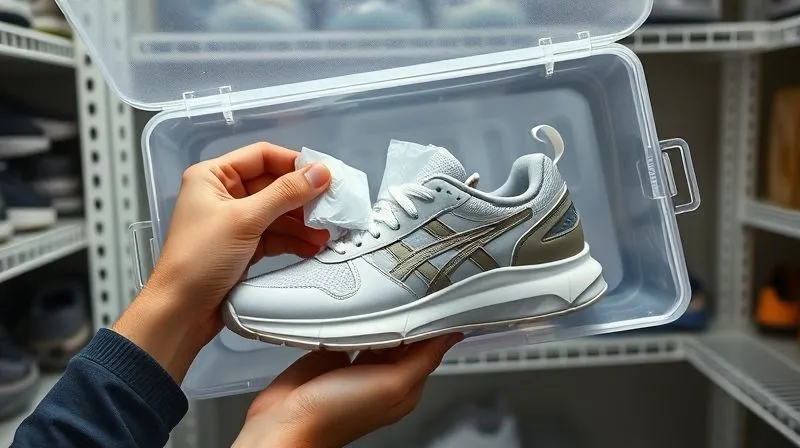
- Employ Desiccants: For individual shoe boxes or smaller containers, silica gel packets are highly effective. Replace or recharge them regularly (check indicators on reusable types) as they absorb moisture.
- Avoid Plastic Bags: While seemingly protective, non-breathable plastic bags can trap moisture and accelerate hydrolysis if the shoes aren't completely dry or if the ambient humidity is high. Opt for breathable shoe bags made of cotton or non-woven fabric.
3. Maintain Stable Temperatures
Store shoes in a cool, dark place. Consistent temperatures between 15-20°C (59-68°F) are ideal. Avoid extreme fluctuations. Direct sunlight is particularly damaging due to heat and UV radiation, which can also degrade materials.
4. Utilize Proper Storage Containers
Breathable shoe boxes or clear plastic containers with ventilation holes are excellent for individual pairs. Ensure they are clean and dry before use. Stacking shoes directly on top of each other can restrict airflow and potentially transfer moisture or chemicals.
Below is a comparison of common storage environments and their associated risks for PU sole hydrolysis, based on typical conditions:
| Storage Location | Typical RH Range | Typical Temp Range | Hydrolysis Risk | Notes |
|---|---|---|---|---|
| Damp Basement | 60-80%+ | Variable, often cool | Very High | Often poorly ventilated, high moisture content. |
| Uninsulated Attic | Variable, often low to high | Extreme (hot in summer, cold in winter) | High | Temperature extremes accelerate degradation. |
| Main Living Area Closet | 40-60% | Stable room temperature | Moderate | Generally better, but still needs monitoring. |
| Climate-Controlled Unit | 40-50% | 18-22°C (64-72°F) | Low | Optimal conditions, ideal for long-term preservation. |
Chemical Warfare: Pre-Treatment and Post-Treatment Solutions
Beyond environmental control, certain chemical approaches can offer an additional layer of defense against sole degradation.
1. Antihydrolysis Additives in Manufacturing
As marketing guru Seth Godin often says, "The best way to change the future is to build it." In this context, the best prevention starts at the manufacturing stage. Many modern PU formulations incorporate antihydrolysis additives (e.g., carbodiimides) that act as 'scavengers' for water molecules, protecting the ester bonds. When purchasing new shoes with PU soles, researching brands known for using advanced, hydrolysis-resistant PU can be a proactive step. While not always explicitly advertised, reputable brands often invest in these technologies.
2. Protective Sprays and Coatings (Limited Efficacy)
While there are sprays designed to offer water resistance to shoe uppers, their efficacy in truly preventing hydrolysis within the sole material itself is limited. These are primarily surface treatments. However, a good quality waterproofing spray can help prevent external moisture from easily penetrating the sole's surface layers, offering a minor supplementary benefit. Always test on an inconspicuous area first.
3. Desiccants: Your Best Friend in Prevention
I mentioned desiccants earlier, but their role is so critical that they deserve a deeper dive. Silica gel packets, molecular sieves, or even DIY solutions like rice (though less effective and potentially messy) actively absorb moisture from the air. Placing these inside shoe boxes or alongside shoes in storage containers is a simple yet powerful strategy.
- Placement: Place several packets inside each shoe, and a few more in the storage container.
- Monitoring: Many silica gel packets change color when saturated. Replace or reactivate them (usually by baking in a low oven) regularly, especially in humid climates.
- Quantity: Don't skimp. More desiccants mean more effective moisture absorption, creating a drier microclimate around your PU soles.
The Role of Usage: How Wearing Your Shoes (Occasionally) Helps
This might sound counterintuitive, but for some types of PU, occasional use can actually be beneficial. The term "use it or lose it" applies here, though with caveats.
Flexibility and Material Stress
When shoes are stored for extended periods without being worn, the materials can become stiff. PU, while flexible, can lose some of its elasticity. Gentle flexing during occasional wear can help maintain the material's integrity and prevent it from becoming overly brittle, which might make it more susceptible to catastrophic failure once hydrolysis has begun.
Air Circulation and Moisture Release
Wearing shoes, even briefly, exposes them to air circulation. This can help release any trapped moisture within the material that might have accumulated during storage. However, it's crucial that the shoes are completely dry before being returned to storage, and that they aren't exposed to excessively humid conditions during wear.
The "Walk Test"
For vintage or valuable shoes, I often recommend a gentle "walk test" every 6-12 months. This involves wearing them around the house for a few minutes. This isn't just for material flexing; it's also a chance to inspect the soles for early signs of degradation. Early detection means you can adjust your storage strategy or consider professional intervention before it's too late. According to a Polymer Degradation and Stability journal study, continuous static storage can sometimes accelerate localized degradation in certain polymer types.
Material Matters: Identifying Hydrolysis-Resistant PU Formulations
Not all PU is created equal. The type of polyol (a key component in PU manufacturing) significantly influences its resistance to hydrolysis. This is where understanding the material science becomes crucial for long-term preservation.
Polyester-based vs. Polyether-based PU
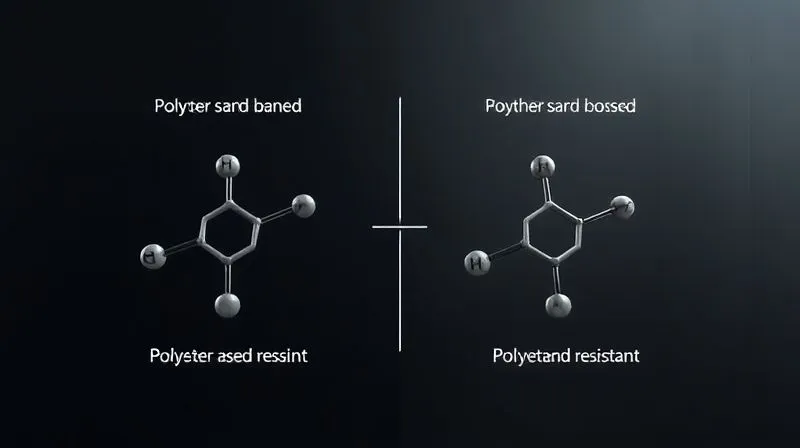
The vast majority of PU soles prone to hydrolysis are **polyester-based polyurethane**. The ester linkages in these polymers are inherently susceptible to attack by water molecules. This is the material we are primarily concerned with preventing hydrolysis in PU soles for long-term storage.
On the other hand, **polyether-based polyurethane** uses ether linkages, which are far more resistant to hydrolysis. While polyether PU is generally more expensive and might have slightly different mechanical properties (e.g., often less abrasion resistance than polyester PU for the same hardness), it is significantly more stable in humid environments. Some high-end outdoor footwear or safety boots might use polyether PU for enhanced durability in harsh conditions.
The Role of Additives and Curing
As mentioned, manufacturers can incorporate antihydrolysis additives like carbodiimides during the polymerization process. These chemicals react with water, essentially 'scavenging' it before it can attack the PU's ester bonds. Additionally, the quality of the curing process during manufacturing plays a role. A well-cured, fully reacted PU will generally be more stable than one that is under-cured or has residual unreacted components.
Case Study: How Vintage Kicks Co. Saved Their Archive Collection
Case Study: How Vintage Kicks Co. Saved Their Archive Collection
Vintage Kicks Co., a renowned online retailer specializing in rare and vintage sneakers, faced a significant challenge with their extensive archive of 1980s and 90s models. Many of these prized possessions featured classic polyester-based PU soles, and they were beginning to show early signs of hydrolysis – slight stickiness and a noticeable loss of elasticity. Their initial storage was in a climate-controlled warehouse, but the humidity, while stable, was hovering around 55-60%.
Upon my consultation, we implemented a multi-pronged strategy. First, we relocated all PU-soled inventory to a dedicated section where the ambient humidity was strictly maintained at 45% using industrial-grade dehumidifiers. Second, each individual shoe was placed in a breathable, acid-free archival box with two large, rechargeable silica gel packets. Third, a monthly "rotation and inspection" protocol was established, where team members would gently flex and inspect each shoe, replacing saturated desiccants. Within six months, the progression of hydrolysis visibly slowed, and the existing degradation stabilized, preventing further crumbling. This proactive approach not only saved their valuable inventory but also reinforced their reputation for expert preservation. This demonstrates the power of meticulous environmental control and consistent monitoring.
Restoration vs. Prevention: When It's Too Late and What to Do
While this article focuses on prevention, it's important to address what happens when hydrolysis has already set in. The unfortunate truth is that once the chemical bonds within the PU have significantly degraded, true restoration of the material's original properties is generally not possible.
Identifying Advanced Hydrolysis
Signs of advanced hydrolysis include:
- Stickiness: The sole feels tacky to the touch.
- Brittleness: The sole cracks or crumbles easily under light pressure.
- Disintegration: Parts of the sole literally fall apart.
- Loss of Cushioning: The sole feels hard and offers no shock absorption.
When Prevention Becomes Repair
At this stage, your options shift from prevention to repair or sole replacement. For highly valuable or sentimental shoes, professional shoe repair services can often perform a "sole swap." This involves carefully removing the degraded PU sole and replacing it with a new, often more durable, sole unit made from materials like rubber or EVA, or even a custom-made PU sole if possible. This is a skilled process and can be costly, but it's often the only way to save the upper of a beloved pair of shoes.
"Think of hydrolysis like rust on metal. You can slow it down, you can prevent it with proper care, but once the metal is significantly compromised, you can't restore its original strength without replacing the rusted parts. The same principle applies to PU soles."
Frequently Asked Questions (FAQ)
Question: Can hydrolysis be reversed once it starts? Unfortunately, no. Once the chemical bonds in the polyurethane have been broken by water molecules, the process is irreversible. You can slow down further degradation by controlling environmental factors, but the damage already done cannot be undone. This is why preventing hydrolysis in PU soles for long-term storage is so critical.
Question: Are all PU soles susceptible to hydrolysis? Polyester-based PU soles are highly susceptible. Polyether-based PU soles are significantly more resistant but not entirely immune under extreme conditions. Most common shoe soles use polyester-based PU due to its cost-effectiveness and good initial performance characteristics, making the majority of PU soles prone to this issue over time.
Question: What is the ideal humidity and temperature for storing PU-soled shoes? The ideal relative humidity (RH) is between 40-50%, and the ideal temperature is a stable 15-20°C (59-68°F). Consistency is key; avoid wild fluctuations in both humidity and temperature.
Question: How often should I check my stored shoes for signs of hydrolysis? For valuable or vintage PU-soled shoes, I recommend a visual inspection every 3-6 months. For less critical pairs, an annual check is usually sufficient. Pay attention to any stickiness, discoloration, or hardening of the sole material. Regular checks allow for early intervention.
Question: Are there any specific brands known for using more hydrolysis-resistant PU? While brands rarely advertise their specific PU formulations, those that focus on durability, outdoor performance, or use proprietary sole technologies (e.g., some hiking boot brands, safety footwear manufacturers) are more likely to invest in hydrolysis-resistant polyether-based PUs or incorporate advanced antihydrolysis additives. Researching product reviews and manufacturer specifications for 'long-lasting' or 'durable' sole materials can provide clues. For general guidance, you can refer to resources like Footwear News for industry trends and material innovations.
Question: Can I use vacuum sealing for long-term storage? While vacuum sealing can eliminate air and, consequently, oxygen and some moisture, it's not universally recommended for PU soles. If any moisture is trapped inside the PU material before sealing, vacuum sealing could actually accelerate localized hydrolysis as the trapped moisture becomes concentrated. Furthermore, the extreme compression might deform the shoe over very long periods. A climate-controlled, breathable environment with desiccants is generally safer and more effective. For more technical insights on material preservation, consider resources from organizations like the American Institute for Conservation.
Key Takeaways and Final Thoughts
Preventing hydrolysis in PU soles for long-term storage is not a myth; it's an achievable goal through diligent application of expert strategies. Here are the critical takeaways:
- Understand the Enemy: Hydrolysis is a water-driven chemical breakdown of PU, primarily affecting polyester-based formulations.
- Control the Environment: Maintain stable humidity (40-50% RH) and temperature (15-20°C) in your storage area.
- Utilize Desiccants: Silica gel packets are your best defense against ambient moisture within storage containers.
- Consider Occasional Use: Gentle, brief wear can help maintain flexibility and allow for moisture release, but always ensure shoes are dry before returning to storage.
- Be Proactive: Choose shoes with hydrolysis-resistant PU when possible, and conduct regular inspections of your stored footwear.
- Accept Limitations: Once hydrolysis is advanced, true material restoration is impossible; focus shifts to professional sole replacement.
As an industry veteran, I've seen the disappointment of degraded collections and the triumph of perfectly preserved vintage pairs. The difference almost always lies in meticulous care and a deep understanding of the materials. By implementing these strategies, you're not just storing shoes; you're actively preserving history, craftsmanship, and your investment. Take these steps seriously, and your PU-soled footwear will thank you by remaining wearable and pristine for years to come. Remember, prevention is always less costly and less heartbreaking than repair or replacement. Protect your soles, protect your investment, and enjoy your footwear for the long haul. For further reading on footwear material science, a great resource is The Journal of The Textile Institute.
Recommended Reading
- Fashion Blogging: Social Media Style Tips to Explode Your Brand
- 7 Expert Steps: Repair Fragile Vintage Dresses Without Devaluing Them
- 7 Proven Steps: Crafting Editorial Fashion Narratives for Publication Success
- 7 Pro Strategies: Preventing Color Fade on Vibrant Red Hair for Professional Shoots?
- Predicting Viral Dress Styles: 7 Steps to Prevent Womenswear Stockouts


Your email address will not be published. Required fields are marked *