


How to Predict Viral Dress Styles for Womenswear to Prevent Stockouts?
For over two decades in the dynamic world of womenswear, I've witnessed firsthand the exhilarating highs of a viral hit and the crushing lows of missed opportunities due to stockouts. The fashion industry, particularly in womenswear, operates at a dizzying pace, and the difference between triumph and tribulation often hinges on one critical capability: predicting what will go viral before it actually does.
The pain point is palpable: you invest heavily in a collection, only for a specific dress style to explode in popularity, leaving you scrambling to replenish stock while your competitors capitalize. Conversely, misjudging a trend can lead to mountains of unsold inventory, eating into margins and damaging brand reputation. This isn't just about sales; it's about brand loyalty, market share, and the very health of your business.
In this definitive guide, I'm going to share the actionable frameworks, real-world insights, and expert strategies I've cultivated over my career. We’ll delve into how to leverage data, technology, and keen market observation to not just react to trends, but to anticipate them, ensuring your shelves are stocked with the next must-have womenswear piece and those dreaded stockouts become a relic of the past.
1. The Unpredictable Nature of Fashion: Why Prediction is Crucial
Fashion has always been cyclical and somewhat enigmatic, but the digital age has amplified its volatility. What was once a slow burn, dictated by seasonal runways and glossy magazines, can now ignite overnight on TikTok or Instagram. This rapid acceleration makes traditional forecasting methods less effective and places immense pressure on brands.
I've seen countless brands, even established ones, stumble because they underestimated the power of micro-trends or failed to identify the early signals of a macro shift. The challenge isn't just to spot a trend, but to understand its trajectory, its potential for virality, and its specific appeal within the womenswear demographic. This requires a proactive, rather than reactive, approach.
"In the fast-paced fashion landscape, waiting to see what sells is waiting to lose. Proactive trend prediction is not a luxury; it's a necessity for survival and growth."
2. Harnessing Data: The Foundation of Viral Trend Prediction
At the heart of accurate prediction lies robust data analysis. Gone are the days of relying solely on gut feelings. Today, data is your most powerful ally in understanding consumer behavior and market dynamics. But it's not just about collecting data; it's about knowing which data points matter and how to interpret them.
Actionable Steps for Data Collection & Analysis:
- Sales Data Deep Dive: Analyze historical sales data, not just for volume, but for patterns. Look for spikes, geographical variations, and cross-category influences. Which dress styles sold out quickly? Which lingered?
- Website Analytics: Track product page views, conversion rates, time spent on page for specific dress styles, and search queries. What are customers actively looking for, even if you don't stock it yet?
- Market Research Reports: Subscribe to industry trend forecasting services like WGSN or Fashion Snoops. These provide macro trend insights that can inform your womenswear strategy. WGSN, for instance, offers invaluable foresight.
- Competitor Analysis: Monitor what successful competitors are selling, what they're promoting, and what their customers are saying about specific styles.
- Customer Feedback: Don't underestimate direct feedback. Surveys, reviews, and social media comments can reveal hidden desires and unmet needs.
This comprehensive data approach allows you to build a clearer picture of demand signals. For example, if you see a surge in searches for 'puff-sleeve midi dresses' on your site, combined with strong sales in a similar, but not identical, style, that's a powerful signal.

3. Social Listening: Your Ear to the Ground
Social media isn't just for marketing; it's a massive, real-time focus group for emerging trends. Viral moments often start here, driven by influencers, celebrities, or even everyday users. Mastering social listening is paramount for predicting viral dress styles.
Leveraging Social Media for Trend Spotting:
- Influencer Tracking: Identify key micro and macro influencers in the womenswear space. What are they wearing? What styles are they promoting? Tools like HypeAuditor can help.
- Hashtag Analysis: Monitor trending fashion hashtags on platforms like Instagram, TikTok, and Pinterest. Look beyond obvious fashion tags to discover niche communities.
- Visual Search Tools: Utilize platforms that offer visual search capabilities to identify specific garment styles appearing frequently across various users.
- Engagement Metrics: Pay attention to which posts and styles are generating the most likes, comments, and shares. High engagement often precedes virality.
Case Study: 'GlowUp Boutique' Avoids a Stockout Crisis
GlowUp Boutique, a mid-sized online womenswear retailer, was preparing their summer collection. Traditionally, they focused on floral sundresses. However, their social listening team noticed a significant uptick in discussions around 'linen blend tiered maxi dresses' among fashion micro-influencers and on Pinterest's 'summer style' boards, particularly with a focus on comfort and sustainability. This was a subtle but growing trend not yet reflected in mainstream fashion magazines.
Acting on this early signal, GlowUp's buying team allocated a larger portion of their budget to linen blend tiered maxi dresses, even reducing orders for some traditional sundress styles. They also worked with their suppliers to secure faster production cycles. When summer hit, the linen blend maxi dresses exploded in popularity, driven by their comfort in heat and their versatile aesthetic. GlowUp Boutique, thanks to their proactive social listening, had ample stock and captured a significant market share, while competitors struggled with stockouts on similar styles. This resulted in a 40% increase in Q3 sales for that specific category and a significant boost in brand perception as a trend-savvy retailer.
4. AI & Machine Learning: The Future of Fashion Forecasting
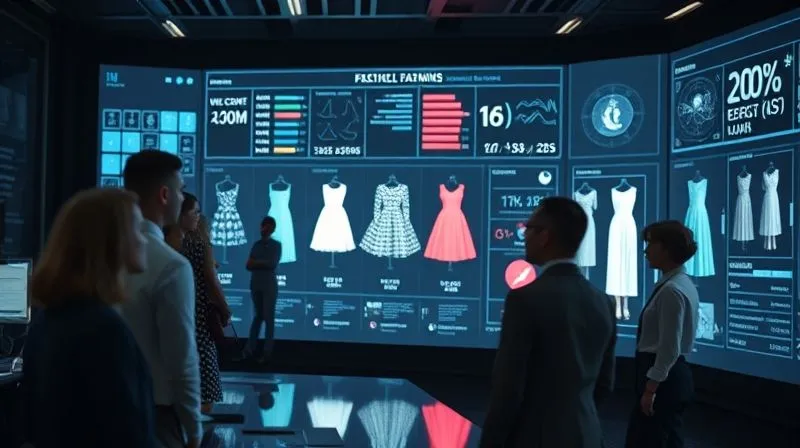
Artificial intelligence and machine learning are no longer futuristic concepts; they are powerful tools transforming fashion prediction. These technologies can process vast amounts of data—from social media images to sales figures and even weather patterns—to identify subtle correlations and predict trends with remarkable accuracy.
How AI Augments Prediction:
- Predictive Analytics: AI algorithms can analyze historical data to forecast future demand for specific dress styles, factoring in seasonality, promotions, and external events.
- Image Recognition: AI can scan millions of images from social media, runways, and e-commerce sites to identify emerging patterns in silhouettes, colors, fabrics, and details.
- Sentiment Analysis: Natural Language Processing (NLP) can gauge public sentiment around specific styles or trends from text data on social media and reviews.
- Supply Chain Optimization: AI can help optimize inventory levels and supplier relationships based on predicted demand, minimizing both stockouts and overstock. A recent report by Deloitte highlights AI's growing role in fashion supply chains.
While AI tools can be a significant investment, the insights they provide can lead to substantial ROI by preventing costly errors. Think of AI as an incredibly powerful magnifying glass and calculator for your trend team.
5. Supply Chain Agility: Responding to Predicted Demand
Predicting a viral dress style is only half the battle; the other half is being able to respond swiftly. An agile supply chain is crucial for translating predictions into stocked shelves and avoiding stockouts. This means fostering strong relationships with suppliers and building flexibility into your production processes.
Building an Agile Supply Chain:
- Supplier Relationships: Cultivate strong, transparent relationships with a diverse set of manufacturers. This allows for faster communication and negotiation of quick turnarounds.
- Modular Design: Where possible, design dress styles with modular components (e.g., interchangeable sleeves, different skirt lengths for the same bodice) that can be quickly adapted based on emerging trends.
- Fabric & Trim Pre-ordering: Based on macro trends, pre-order versatile fabrics and trims that can be used across multiple potential viral styles.
- Nearshoring/Onshoring: Explore manufacturing closer to your markets to drastically reduce lead times for hot-ticket items.
- Buffer Stock Strategy: Maintain a strategic, small buffer stock of un-dyed or unfinished core garments that can be quickly finalized based on the latest trend.
As Harvard Business Review often emphasizes, supply chain resilience is key to competitive advantage. For womenswear, this means being able to pivot quickly when a trend emerges.
| Strategy | Benefit | Cost Implication |
|---|---|---|
| Nearshoring | Reduced lead times, faster response | Potentially higher unit cost |
| Modular Design | Increased flexibility, reduced waste | Initial design complexity |
| Buffer Stock | Prevents stockouts on key items | Storage costs, risk of obsolescence |
6. Building a Trend Prediction Team: Roles & Responsibilities
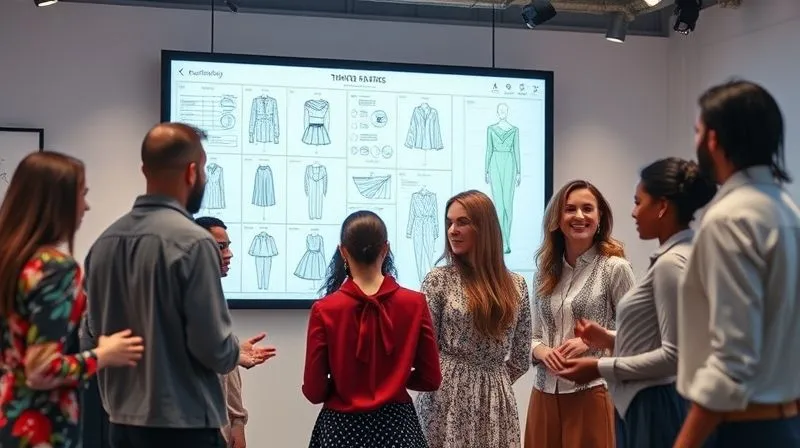
Effective trend prediction isn't a one-person job; it requires a cross-functional team with diverse skills. I've found that the most successful companies integrate insights from various departments to create a holistic view of the market.
Key Roles in Your Prediction Team:
- Data Scientist/Analyst: Responsible for collecting, cleaning, and interpreting quantitative data (sales, web analytics).
- Fashion Researcher/Forecaster: Stays abreast of macro trends, runway shows, and industry reports (e.g., WGSN).
- Social Media Strategist/Listener: Monitors platforms for micro-trends, influencer activity, and consumer sentiment.
- Product Development/Design: Translates trend insights into viable dress styles, considering feasibility and brand aesthetic.
- Merchandising/Buying: Uses predictions to inform purchasing decisions, inventory levels, and allocation.
- Supply Chain Manager: Ensures the operational capacity to respond to predicted demand.
Regular, structured meetings where these team members share insights and challenge assumptions are vital. This collaborative approach ensures that no single data point is overlooked and that predictions are well-rounded and actionable.
7. The Feedback Loop: Learning from Successes and Misses
Prediction is an ongoing process of learning and refinement. Every successful launch and every missed opportunity holds valuable lessons. Establishing a robust feedback loop is essential for continuously improving your ability to predict viral dress styles.
Implementing a Continuous Feedback Loop:
- Post-Launch Analysis: After a collection launches, meticulously analyze actual sales against your predictions. Which styles performed as expected? Which over-performed or under-performed?
- Customer Feedback Review: Aggregate and analyze customer reviews, social media comments, and direct feedback about specific dress styles. What did they love? What could be improved?
- Supplier Debriefs: Discuss with your manufacturers any challenges encountered during production or supply. Were lead times met? Were there quality issues?
- Trend Forecast Review: Compare your initial trend predictions with how the market actually evolved. What signals did you miss? What did you interpret correctly?
- Adjusting Algorithms & Models: If you're using AI, feed new data back into your models to refine their accuracy.
This iterative process is what separates good forecasters from great ones. As marketing guru Seth Godin often says, "The only way to learn is to do it, and then reflect on what you did." This applies perfectly to the art and science of fashion prediction.
| Prediction | Actual Performance | Learning |
|---|---|---|
| Tiered Maxi Dress (High) | Very High | Social listening was highly accurate, need more aggressive initial stock. |
| Cut-out Bodycon (Medium) | Low | Trend was niche, not mainstream. Overestimated mass appeal. |
| Puff Sleeve Blouse (Medium) | High | Underestimated cross-category virality. Should have applied insights to dresses. |
| Utility Jumpsuit (Low) | Medium | Emerging micro-trend, keep monitoring for future seasons. |
Frequently Asked Questions (FAQ)
Q: Is it possible for a small brand with limited resources to implement these prediction strategies? Absolutely. While AI tools might be a larger investment, many core strategies are accessible. Focus on manual social listening, deep-diving into your own sales data, and building strong supplier relationships. Start small, perhaps by focusing on one key product category like dress styles, and scale up as you see results. The principles remain the same, regardless of scale.
Q: How far in advance should I be predicting trends for womenswear? For macro trends that influence silhouettes and fabric choices, you should be looking 12-18 months out. For specific viral dress styles or micro-trends, the window is much shorter, often 3-6 months, sometimes even less for fast-fashion cycles. An agile supply chain is key to responding to these shorter-term predictions effectively.
Q: What's the biggest mistake brands make when trying to predict viral styles? The biggest mistake I've observed is relying too heavily on a single source of information or, conversely, getting paralyzed by too much data without a clear framework. Another common pitfall is falling in love with a personal aesthetic rather than objectively analyzing what the market genuinely wants. It's about data-driven empathy, not personal preference.
Q: How can I differentiate between a fleeting fad and a genuine viral trend with longevity? Look for underlying drivers. Fads often lack a deeper cultural or functional reason; they're purely novelty. Viral trends, especially those with longevity, usually tap into broader societal shifts like comfort, sustainability, empowerment, or versatility. Analyze engagement depth: is it just likes, or are people discussing how they'd integrate the style into their lives?
Q: How often should my prediction team meet to discuss emerging trends? For a dynamic industry like womenswear, I recommend a weekly stand-up meeting for quick updates on social media signals and internal data. A more in-depth, strategic meeting should occur monthly, bringing together all cross-functional team members to synthesize insights and adjust forecasts. Quarterly, a comprehensive review of past predictions against actual performance is crucial for long-term learning.
Key Takeaways and Final Thoughts
Predicting viral dress styles for womenswear is no longer a dark art; it's a strategic imperative grounded in data, technology, and human insight. To prevent costly stockouts and capitalize on market demand, remember these critical takeaways:
- Embrace a Data-First Approach: Leverage all available data, from sales figures to website analytics, as your primary source of truth.
- Master Social Listening: Your customers and influencers are signaling future trends on social media; learn to hear them.
- Integrate AI & Machine Learning: Utilize these powerful tools to process vast data sets and uncover hidden patterns.
- Cultivate Supply Chain Agility: Ensure your operations can respond swiftly and efficiently to predicted demand.
- Build a Collaborative Team: Prediction is a cross-functional effort requiring diverse perspectives.
- Establish a Feedback Loop: Continuously learn from your successes and failures to refine your forecasting models.
The womenswear landscape will always be challenging, but with these strategies, you're not just reacting to the market; you're actively shaping your success. By anticipating demand and preventing stockouts, you'll build a more resilient, profitable, and trend-savvy brand, ready to capture the next big wave in fashion. Go forth and predict with confidence!
Recommended Reading
- Cut Fashion Returns by 30%? Virtual Try-On Tech Explained
- 7 Steps: Capitalizing on Sudden Celebrity Eyewear Viral Moments
- Unlock Boutique Doors: 7 Strategies to Partner with High-End Bridal Shops
- 7 Steps: Accurately Pricing Rare 70s Vintage Fashion for Max Profit?
- Unlock the Secret: How to Make Minimalist Accessories Look Exciting



Your email address will not be published. Required fields are marked *