

Preventing Groomsmen Attire Clashes with the Groom's Look?
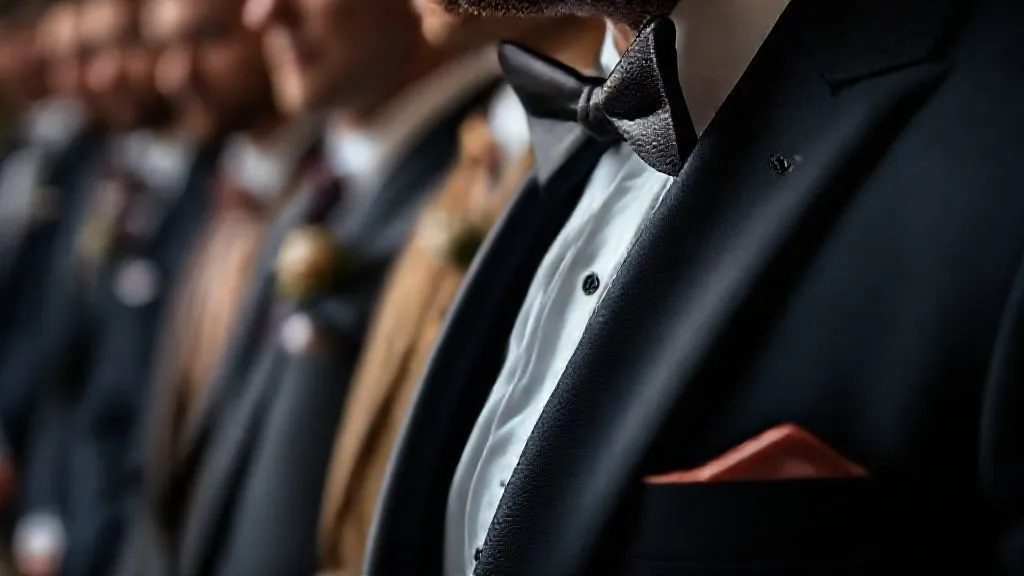
For over two decades in the bridal fashion industry, I've had the privilege of witnessing countless couples embark on their wedding journey. And in that time, I've also observed a recurring, often subtle, yet profoundly impactful misstep: the visual discord between the groom's carefully curated ensemble and his groomsmen's attire. It’s a common pitfall, one that can subtly detract from the groom’s pivotal role and create a less-than-harmonious aesthetic in those timeless wedding photographs.
The problem isn't usually a lack of effort, but rather a lack of strategic planning and a deep understanding of visual hierarchy. Grooms, understandably, want their best men to look sharp, but sometimes in the pursuit of uniformity or simply by overlooking nuanced details, they inadvertently allow their own look to be diluted or even overshadowed. This can lead to a feeling of being 'just one of the guys' rather than the distinguished man of the hour, a sentiment no groom should ever experience on his wedding day.
I've developed a robust framework over my years of experience, a set of principles designed specifically for preventing groomsmen attire clashes with the groom's look? This definitive guide will walk you through actionable strategies, illustrative case studies, and expert insights drawn from countless successful weddings. By the end, you'll possess the knowledge to ensure your groom stands out elegantly, complemented, not competed with, by his wedding party.
Defining the Groom's Vision: The Non-Negotiable First Step
Before a single fabric swatch is considered or a suit jacket rented, the absolute first step is to crystalize the groom's vision for his own attire. This isn't just about picking a suit; it's about understanding the entire aesthetic narrative of the wedding day and how the groom fits into it as the leading man.
Understanding Your Wedding's Aesthetic
Every wedding has a vibe. Is it a black-tie ballroom affair, a rustic barn celebration, a chic beach ceremony, or a sophisticated garden party? The overall theme, venue, and even the season dictate the level of formality and the general style. The groom's attire must be in perfect sync with this overarching aesthetic. For instance, a velvet tuxedo might be stunning for a winter black-tie event but completely out of place at a casual summer beach wedding.
The Groom's Personal Style Statement
Beyond the wedding theme, consider the groom's personal style. Does he lean towards classic elegance, modern minimalism, or perhaps a touch of bohemian flair? His attire should feel authentic to him, making him comfortable and confident. This personal touch is what elevates his look from merely 'a suit' to 'his suit'.
"Clarity in the groom's vision is the bedrock of cohesive wedding party styling. Without it, you're building on sand." - Bridal Fashion Expert
Once the groom's vision is clearly articulated – what he'll wear, the fabric, the color, the level of formality, and how it aligns with the wedding's theme – you have a benchmark. Every decision regarding the groomsmen's attire will then be measured against this benchmark, ensuring they complement, rather than compete with, the groom.
Color Theory & Palette Harmony: More Than Just Matching
One of the most common mistakes I observe in preventing groomsmen attire clashes with the groom's look? is a misunderstanding of color. It's not about forcing everyone into the exact same shade; it's about creating a harmonious palette where the groom's choice is the anchor.
Primary, Secondary, and Accent Colors
Think of your wedding's color scheme as a painting. The groom's attire should be a primary color – bold, distinct, and the focal point. Groomsmen's attire can then be secondary or accent colors, drawing from the same family but in different tones or shades. For example, if the groom wears a deep navy tuxedo, groomsmen might wear charcoal grey suits with navy ties, or perhaps lighter blue suits with navy accessories.
- Groom: Charcoal Grey Suit
- Groomsmen Options: Lighter Grey Suits with Charcoal Accents, Navy Suits with Grey Ties, or even Beige Suits for a less formal look, all with a consistent accessory color.
- Key: The groom's color should possess a unique depth or richness.
Tonal Variations & Subtlety
Subtle variations in tone can be incredibly effective. A groom in a rich, dark forest green velvet jacket could be complemented by groomsmen in conventional black tuxedos with deep green pocket squares. The contrast highlights the groom while maintaining a cohesive color story. Avoid making groomsmen wear the exact same suit color and fabric as the groom unless there's a very specific, deliberate reason to do so, and even then, differentiate with accessories.
Fabric & Texture Play: Adding Depth Without Distraction
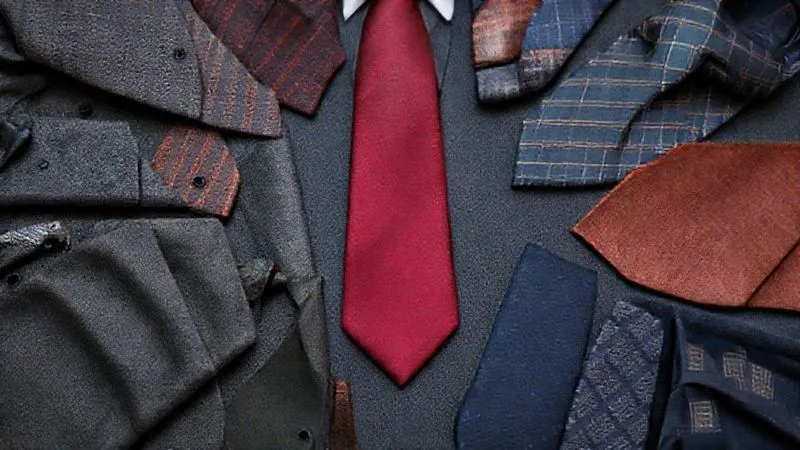
Beyond color, fabric and texture offer powerful tools for differentiation and elevating the groom's look while maintaining harmony. This is where true expertise in preventing groomsmen attire clashes with the groom's look? shines.
Weight and Weave Considerations
The groom's fabric can often be richer or have a more distinctive weave. For a black-tie event, a groom might opt for a velvet tuxedo jacket or a suit in a subtle sharkskin or bird's eye weave, while groomsmen wear classic wool or mohair tuxedos. For a daytime wedding, the groom might choose a linen-silk blend, while groomsmen wear pure linen or cotton suits. The slight difference in texture immediately sets the groom apart without creating a jarring visual.
Strategic Use of Accessories
Accessories are your secret weapon. A groom might wear a silk tie and pocket square, while groomsmen wear ties in a textured knit or cotton, or pocket squares in a contrasting pattern. The tactile difference adds visual interest and elevates the groom's ensemble. Think about the sheen, the drape, and the overall feel of the fabrics. A groom's suit might have a subtle sheen, while the groomsmen's are matte.
Case Study: Elevating Liam's Look with Texture
Liam, a groom planning a sophisticated autumn wedding, was keen to stand out. He chose a bespoke deep plum velvet tuxedo jacket with black trousers. For his groomsmen, instead of matching the velvet, we opted for classic black wool tuxedos. To tie it all together, the groomsmen wore black silk bow ties and deep plum silk pocket squares that precisely matched Liam's jacket. This strategic use of texture – Liam's opulent velvet versus the groomsmen's classic wool – brilliantly highlighted him as the groom, while the coordinating pocket squares provided a cohesive visual link. The result was an elegant, distinct, yet perfectly harmonious bridal party, flawlessly preventing groomsmen attire clashes with the groom's look?
The "Hierarchy of Formality": Ensuring the Groom Reigns Supreme
A fundamental principle in bridal fashion is establishing a clear 'hierarchy of formality'. The groom should always be at the apex, with his groomsmen dressed in a way that supports, rather than rivals, his stature. This is a critical aspect of preventing groomsmen attire clashes with the groom's look?.
Elevating the Groom: Suit vs. Tuxedo, Vests, Boutonnieres
Here's how to ensure the groom's formality level is distinctly higher:
- Groom in Tuxedo, Groomsmen in Suits: For semi-formal or formal weddings, if the groom wears a tuxedo, groomsmen can wear dark suits (navy or charcoal) with ties. This is a classic and effective way to differentiate.
- Groom with Vest, Groomsmen Without: If everyone is wearing suits, the groom can wear a matching three-piece suit (with a vest), while groomsmen wear two-piece suits. This small addition makes a significant difference.
- Distinct Boutonnieres: The groom's boutonniere should be unique – perhaps a different flower, a larger bloom, or a more intricate design than his groomsmen.
- Accessory Distinction: The groom might wear a bow tie while groomsmen wear neckties, or vice-versa, ensuring a clear visual distinction.
- Lapel Style: A groom's tuxedo might feature a peak lapel or shawl collar, while groomsmen wear notch lapels on their suits.
Groomsmen: Complementary, Not Identical
The groomsmen's attire should complement the groom's, not mimic it. They are the supporting cast, not clones. Think of them as a backdrop that enhances the main subject. Their role is to reinforce the wedding's aesthetic and the groom's central position within it.
| Attire Element | Formal Wedding | Semi-Formal Wedding | Casual Wedding |
|---|---|---|---|
| Groom | Black Shawl Lapel Tuxedo, Bespoke Shirt, Silk Bow Tie, Unique Boutonniere | Three-Piece Charcoal Suit, Silk Tie, Distinct Boutonniere | Linen-Blend Sport Coat, Chinos, Loafers, Unique Boutonniere |
| Groomsmen | Black Notch Lapel Tuxedo, Standard Shirt, Matching Bow Ties, Coordinated Boutonnieres | Two-Piece Navy Suit, Coordinated Ties, Simpler Boutonnieres | Linen Shirts, Chinos, Boat Shoes, Coordinated Boutonnieres |
Accessory Alchemy: The Devil (and Distinction) is in the Details
Accessories are the unsung heroes in preventing groomsmen attire clashes with the groom's look? They offer immense opportunities for personalization and differentiation without overhauling entire outfits. These small touches speak volumes.
Ties, Bow Ties, and Pocket Squares
This is perhaps the easiest area to create distinction. The groom might wear a solid silk bow tie, while groomsmen wear patterned silk ties in a complementary color, or vice-versa. For pocket squares, the groom's could be a crisp white linen with a unique fold, while the groomsmen have a color-coordinated silk square with a simpler puff fold. Or, the groom's pocket square could perfectly match the bride's dress fabric, creating a subtle, romantic link.
Cufflinks, Shoes, and Belts
These seemingly minor details can make a significant impact. The groom might wear sentimental or custom cufflinks, while groomsmen wear standard ones. Shoes are another key differentiator; the groom could wear patent leather oxfords, while groomsmen wear matte leather ones. Belts should always match the shoes, but the groom might opt for a higher-quality leather or a unique buckle. Even socks can play a role – a subtle pattern for the groom, solid for the groomsmen, or vice versa if the groom wants a classic look.
"True style is in the minutiae. The small, thoughtful details are what elevate a look from good to unforgettable." - Fashion Director, GQ Magazine
Communication is Key: Equipping Your Groomsmen for Success
Even the most meticulously planned attire can go awry without clear communication. Empowering your groomsmen with precise instructions is paramount for preventing groomsmen attire clashes with the groom's look?
The Groom's Style Guide: What to Include
I always recommend creating a 'Groom's Style Guide' for your groomsmen. This doesn't need to be a formal document, but a clear, concise overview that covers:
- Specific Attire: What exactly they need to wear (e.g., 'dark navy two-piece suit,' 'white dress shirt,' 'black leather dress shoes').
- Color Palette: Explicit instructions on colors for shirts, ties, pocket squares. Include swatches or exact color names if possible.
- Rental/Purchase Information: Where to get their attire, recommended vendors, and deadlines.
- Fitting Instructions: Emphasize the importance of proper fit and suggest a final fitting.
- Dos and Don'ts: A small list of things to avoid (e.g., 'no flashy watches,' 'no sneakers').
Vendor Coordination: A United Front
Ensure your menswear vendor is fully aware of the groom's vision and the differentiation strategy. They can be an invaluable ally in guiding groomsmen to the correct items and ensuring consistency. Provide them with the 'Groom's Style Guide' and have them confirm they understand the nuances of the groom's and groomsmen's looks. A unified front between you and your vendors eliminates confusion and strengthens the overall execution. For more insights on wedding vendor communication, check out resources like The Knot's guide on effective vendor communication.
The Final Fitting & Contingency Planning: Averting Last-Minute Disasters
Even with perfect planning, the execution can falter. A final fitting and a solid contingency plan are your last lines of defense in preventing groomsmen attire clashes with the groom's look?
The Group Fitting: A Crucial Checkpoint
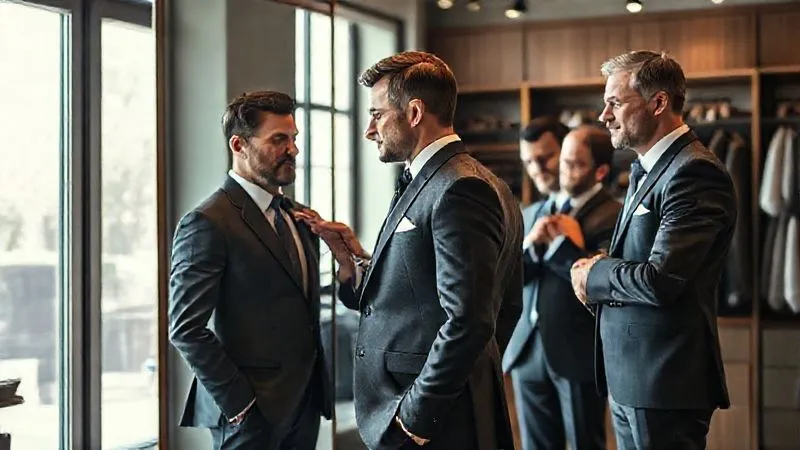
Ideally, schedule a group fitting a few weeks before the wedding. This allows everyone to try on their full ensemble, ensuring proper fit and adherence to the style guide. This is the perfect opportunity to catch any discrepancies – a tie that's the wrong shade, a shirt that's too baggy, or shoes that don't match. It also allows the groom to visually confirm that he stands out as intended. If a full group fitting isn't feasible, encourage each groomsman to send a photo of themselves in their complete outfit for review.
Emergency Kits & Backup Plans
On the wedding day, small mishaps can occur. Prepare an emergency kit for the groom and designate a responsible groomsman to have one as well. Include items like:
- Stain remover pen
- Extra buttons
- Safety pins
- Lint roller
- Mini sewing kit
- Extra pair of cufflinks or tie clip
Have a backup plan for common issues. For instance, if a groomsman's tie goes missing, have a spare or a designated alternative. This proactive approach minimizes stress and ensures everyone looks their best. For more tips on ensuring a perfect fit, consider articles from reputable men's fashion sources like GQ's guide on how a suit should fit.
Beyond the Attire: Photography & Posing for Visual Harmony
Even with perfectly coordinated outfits, how the wedding party is photographed can further enhance or detract from the groom's prominence. This final layer of planning is crucial for truly preventing groomsmen attire clashes with the groom's look? in the visual narrative.
Guiding Your Photographer
Communicate your vision to your wedding photographer. Show them photos of the groom's attire and the groomsmen's attire, highlighting the key differences and how you want the groom to stand out. A skilled photographer can use angles, lighting, and composition to naturally emphasize the groom. For instance, they might position the groom slightly forward, or use selective focus to ensure he is always the sharpest element in group shots.
Posing for Purposeful Cohesion
Discuss posing strategies with your photographer. Simple adjustments can make a world of difference:
- Staggered Heights: Positioning groomsmen at slightly different heights can create visual interest without drawing focus away from the groom.
- Groom Centered: Often, simply having the groom in the center of the group, with groomsmen fanning out, naturally draws the eye to him.
- Interaction: Poses that show the groomsmen looking at or interacting with the groom can subtly reinforce his central role.
- Background: Utilize backgrounds that complement the attire without overwhelming it.
By working closely with your photographer, you can ensure that the visual story told through your wedding photos perfectly reflects the intentional harmony and hierarchy you've established with your attire choices. Learn more about effective group posing techniques from professional photographers, such as insights found on Digital Photo Magazine's group photography tips.
Frequently Asked Questions (FAQ)
Q: Can groomsmen wear different colored suits than the groom? Absolutely, and often, it's encouraged! This is one of the most effective ways to differentiate the groom. For instance, if the groom wears a classic black tuxedo, groomsmen could wear deep navy or charcoal grey suits. The key is to ensure the colors are complementary and that the groom's attire remains the most formal or visually impactful. The contrast should be intentional and harmonious, not jarring.
Q: How do I handle a groomsman who insists on wearing something unsuitable? This can be a delicate situation. First, reiterate the importance of the wedding's aesthetic and the groom's vision. Refer back to your 'Groom's Style Guide' if you created one. Offer solutions or alternatives that align with the vision but also respect their comfort or preference, if possible. Sometimes, a gentle reminder that their role is to support the groom's overall look, and that photographs last forever, can be persuasive. If all else fails, a direct, firm conversation from the groom himself, emphasizing the importance of this specific detail to him, is usually necessary.
Q: What's the biggest mistake grooms make when coordinating attire? The biggest mistake is often failing to establish a clear hierarchy. Grooms sometimes try to make everyone look 'uniform' by having groomsmen wear identical suits and accessories, inadvertently blending in themselves. The goal should be cohesion with distinction. The groom should be the star, and the groomsmen the perfectly styled supporting cast, not indistinguishable members of an ensemble. Overlooking the subtle power of accessories and fabric textures for differentiation is also a common oversight.
Q: Should the groom's and groomsmen's accessories match exactly? Generally, no. While some elements can be coordinated (e.g., all wearing the same color scheme for ties), exact matching often reduces the groom's distinctiveness. I recommend subtle variations. For example, the groom might wear a solid silk bow tie, while groomsmen wear patterned silk ties in the same color family. Or, the groom's pocket square could be a unique fold or fabric, while groomsmen have simpler, coordinating ones. The goal is harmony, not identical replication.
Q: How do destination weddings impact attire coordination? Destination weddings often imply a more relaxed or specific aesthetic (e.g., beach casual, vineyard chic). This provides a fantastic opportunity for creative differentiation. The groom might wear a lighter-colored linen suit, while groomsmen wear linen shirts and trousers. The level of formality might be lower, but the principles of differentiation remain: the groom's fabric might be richer, his accessories more refined, or his outfit might include a jacket while groomsmen go without. Always consider the local climate and cultural context when planning.
Key Takeaways and Final Thoughts
Ensuring the groom shines on his wedding day, perfectly complemented by his groomsmen, is an art form rooted in strategic planning and attention to detail. It’s about creating a visual symphony where every element plays its part to elevate the leading man. Here are the critical takeaways:
- Define the Groom's Vision First: His look is the benchmark for all other attire decisions.
- Master Color & Texture: Use tonal variations and fabric differences to create hierarchy and depth.
- Establish Formality Hierarchy: Ensure the groom's attire is distinctly more formal or unique.
- Leverage Accessories: Small details like ties, pocket squares, and shoes are powerful differentiators.
- Communicate Clearly: Provide groomsmen with specific guidelines and coordinate with vendors.
- Plan for the Unexpected: Conduct final fittings and prepare emergency kits.
- Guide Your Photographer: Ensure visual harmony extends to your wedding photos.
Preventing groomsmen attire clashes with the groom's look? is not just about avoiding fashion faux pas; it's about honoring the groom's moment and ensuring every visual aspect of your wedding day is as beautiful and cohesive as your love story. With these expert strategies, you're not just dressing a wedding party; you're crafting an unforgettable visual legacy. Go forth, plan meticulously, and enjoy a perfectly styled celebration!
Recommended Reading
- Unlock the Secret: How to Prevent Scratches on Your Watch Crystal
- 5 Steps: What to Do When a Sustainable Supplier Violates Labor Codes?
- Compromised Vision? How to Master Client Feedback in Fashion Art Direction
- Unlock Hidden Gems: Your Guide to Scouting Unique Fashion Photography Locations
- Safeguarding Haute Couture: 7 Strategies to Prevent Heritage Technique Erosion

Your email address will not be published. Required fields are marked *