

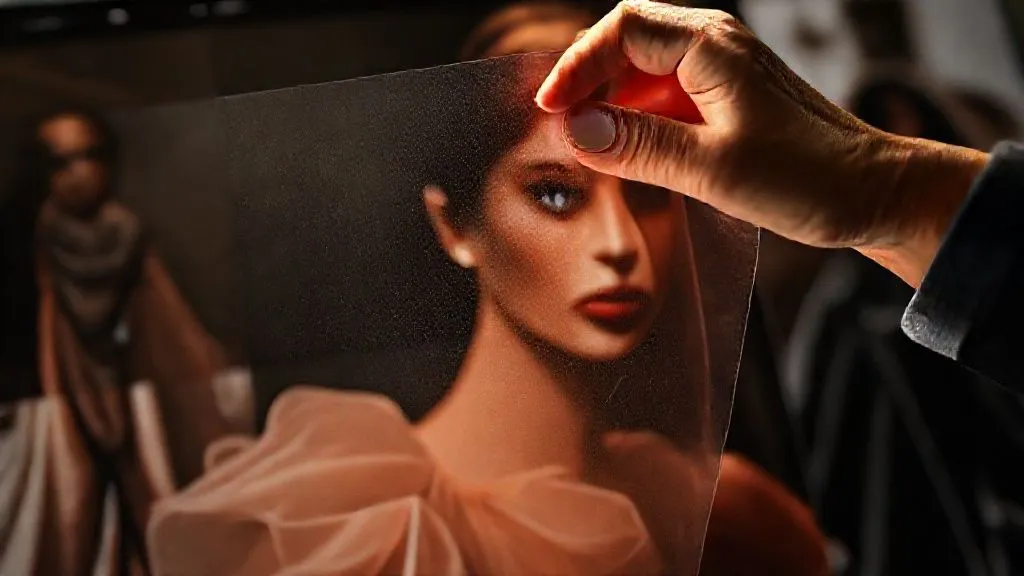
What if Client Feedback Compromises Fashion Shoot Art Direction?
For over two decades in the high-stakes world of fashion photography, I've witnessed the exhilarating highs of a perfectly executed vision and the crushing lows of creative compromise. There's a particular pitfall that can derail even the most promising projects: client feedback that inadvertently, or sometimes overtly, threatens to dismantle the very art direction you've meticulously crafted. It’s a delicate dance between artistic integrity and commercial necessity, a constant negotiation that defines the longevity of a career in this industry.
The scenario is all too familiar: you’ve poured your soul into a concept, developed a stunning mood board, and meticulously planned every detail of a fashion shoot. Then, the client review comes, and with it, a cascade of suggestions, revisions, or even outright demands that seem to pull the project in a completely different, often less inspired, direction. This isn't just about bruised egos; it’s about safeguarding the essence of the campaign, ensuring it resonates with its intended audience while maintaining the artistic vision that drew the client to you in the first place. The challenge lies in respecting their input without sacrificing the creative integrity that makes your work unique.
In this definitive guide, I'll share my battle-tested strategies for navigating these turbulent waters. We’ll explore actionable frameworks for proactive client engagement, master the art of constructive dialogue, and learn strategic negotiation techniques that protect your vision while fostering strong, collaborative relationships. From refining your pre-production process to leveraging post-production as a strategic buffer, you’ll gain the tools to transform potential conflicts into opportunities for creative synergy, ensuring your art direction remains impactful and true.
The Inevitable Clash: Creative Vision vs. Commercial Imperatives
At the heart of every fashion shoot lies a fascinating tension: the push and pull between the art director's creative vision and the client's commercial objectives. I’ve seen this dynamic play out countless times, and understanding its roots is the first step toward managing it effectively. Clients, whether they are a luxury brand, a retail giant, or an emerging designer, invest significantly in these shoots because they have specific business goals: to sell products, build brand identity, or capture market share. Their feedback often stems from a deep understanding of their target demographic, sales data, or brand guidelines.
Conversely, as art directors, our expertise lies in translating those commercial objectives into compelling visual narratives. We bring aesthetic sensibility, an understanding of light, composition, styling, and the overall emotional impact of an image. Our resistance to certain feedback isn't arbitrary; it’s often rooted in a conviction about what will genuinely resonate, what will elevate the brand, and what will simply look good. The challenge arises when these two perspectives, both valid and important, appear to be at odds.
I recall a campaign for a prominent accessory brand where the client insisted on a very literal product placement, believing it would drive sales. My team and I had envisioned a more editorial, aspirational approach that subtly integrated the product into a lifestyle narrative. The initial feedback felt like a direct assault on the artistic integrity of the concept. However, by understanding their underlying concern—product visibility—we could then strategize on how to meet that need without sacrificing the aspirational quality that would ultimately make the campaign more effective.
"Creative compromise isn't always a defeat; it's often an opportunity to innovate within constraints. The true art lies in knowing which compromises elevate the message and which dilute it."
Proactive Measures: Building a Bulletproof Pre-Production Framework
The best way to handle problematic client feedback is to prevent it from becoming problematic in the first place. Over my career, I've learned that a robust pre-production framework is your strongest defense against creative derailment. It's about establishing clarity, aligning expectations, and securing buy-in long before the camera even leaves its bag. This proactive approach minimizes ambiguity and builds a foundation of trust and shared understanding.
Defining the Creative Brief with Precision
The creative brief is more than just a checklist; it's the sacred text of your project. It must be meticulously crafted and mutually agreed upon. I always insist on a collaborative brief development process, asking probing questions that go beyond surface-level requests. What are the client's ultimate business objectives? Who is the target audience, and what emotions should the images evoke? What are the non-negotiables, and where is there room for creative interpretation? A clear brief, co-signed by all key stakeholders, acts as your north star throughout the project. According to a study published in Harvard Business Review, asking the right questions can significantly improve project outcomes and team alignment.
The Power of the Mood Board & Visual Language
Words can be misinterpreted; visuals rarely are. Your mood board should be an immersive, detailed visual narrative that leaves little to the imagination. Don't just show pretty pictures; curate a cohesive story that communicates the exact aesthetic, lighting, styling, casting, and overall mood. I often include visual examples of what we won't be doing, to proactively address potential misinterpretations. This isn't just about inspiration; it's a binding visual contract. Present it with confidence and walk the client through every element, explaining the 'why' behind each choice.

Setting Expectations: Deliverables & Revision Cycles
Transparency about the process is paramount. Clearly outline the number of rounds of revisions, the timeline for feedback, and the specific stages where feedback is most impactful. I typically structure my contracts to include defined checkpoints—initial concept approval, mood board sign-off, final selects review, and final retouching review—each with a clear window for feedback. This prevents scope creep and unexpected demands late in the game. It also empowers the client by giving them specific opportunities to contribute meaningfully without disrupting the entire workflow.
- Develop a Comprehensive Creative Brief: Collaborate with the client to outline goals, target audience, brand messaging, and key performance indicators (KPIs). Document everything.
- Create a Detailed Visual Mood Board: Go beyond inspiration. Use specific references for styling, hair/makeup, lighting, posing, location, and overall mood. Include 'do not' examples.
- Outline Production Plan & Shot List: Detail proposed talent, crew, locations, and a preliminary shot list to ensure alignment on scale and scope.
- Establish Clear Feedback & Revision Protocol: Define stages for feedback, number of revision rounds, and turnaround times in your contract.
- Secure Written Sign-Off at Each Stage: Obtain formal approval (email is fine) for the brief, mood board, and production plan before moving to the next phase. This is your legal and creative protection.
Mastering the Art of Constructive Dialogue: Receiving & Interpreting Feedback
Once feedback arrives, your initial reaction might be defensive. Resist it. As an experienced art director, I've learned that the way you receive feedback is as crucial as the feedback itself. It sets the tone for the entire resolution process. Approach it with an open mind, recognizing that the client is not trying to undermine your vision, but rather to ensure their investment yields the best possible return for their brand. Your role here is to be a skilled interpreter and a diplomatic guide.
Decoding Implicit Feedback
Often, client feedback isn't articulated perfectly. A client might say, "I don't like the model's expression," when what they really mean is, "The expression doesn't convey the desired emotion for our brand." Or, "Can we make the background brighter?" might actually translate to, "The product isn't standing out enough." My strategy is to always ask "why?" or "can you elaborate?" This helps to peel back the layers and uncover the root concern, which is often a valid business objective rather than a purely aesthetic preference. Once you understand the underlying 'why,' you can address it creatively.
I employ a three-step process for interpreting feedback:
- Listen Actively & Take Notes: Don't interrupt. Let them finish. Document every piece of feedback precisely, noting both the specific comment and any perceived underlying concern.
- Categorize the Feedback: Is it aesthetic (color, composition), commercial (brand message, product visibility), or logistical (timeline, budget)? This helps in prioritizing and strategizing your response.
- Rephrase for Clarity: Before responding, rephrase their feedback in your own words to confirm understanding. "So, if I understand correctly, you're concerned that the model's pose isn't dynamic enough to convey the energetic spirit of the collection?" This demonstrates active listening and ensures you're addressing the actual issue.

Strategic Negotiation: Protecting Your Vision While Valuing Collaboration
Once you’ve accurately interpreted the feedback, the next critical step is strategic negotiation. This isn't about winning or losing; it's about finding common ground that serves both the client's objectives and your artistic integrity. I approach negotiation not as a battle, but as a collaborative problem-solving exercise. It requires confidence in your expertise, a deep understanding of the project's goals, and a willingness to explore creative alternatives.
The 'Why' Behind Your 'No'
Never simply reject feedback. If you disagree with a suggestion, articulate your reasons clearly and professionally. Explain the impact their proposed change might have on the overall narrative, aesthetic quality, or target audience reception. For example, instead of saying, "No, that background color looks bad," try, "While a brighter background might initially draw the eye, I'm concerned it would detract from the subtle texture of the garments, which is key to communicating the luxury feel we established in the brief. Perhaps we could achieve better product prominence through selective lighting or post-production adjustments that maintain the sophisticated mood?" This frames your objection as an expert recommendation, not a personal preference.
Offering Alternatives, Not Just Rejections
When you push back, always come prepared with alternatives. If a client dislikes a particular pose, suggest two or three other poses that achieve a similar emotional impact while aligning with your vision. If they want a different location, propose alternatives that meet their logistical needs while preserving the aesthetic. This demonstrates your commitment to their success and your ability to adapt creatively. It shifts the conversation from a 'yes/no' deadlock to a collaborative exploration of solutions. As Forbes highlights, effective negotiation often involves presenting multiple options and focusing on mutual gain.
Case Study: How a Luxury Brand Maintained Vision with Smart Negotiation
I once worked with a heritage luxury brand launching a new line of avant-garde jewelry. The initial client feedback was to soften the edgy styling and lighting we'd proposed, making it more "universally appealing." My team and I knew that diluting the edge would strip the collection of its unique selling proposition. Instead of outright refusal, I presented them with a tiered approach:
- Option A (Original Vision): A small set of highly artistic, boundary-pushing images for editorial features and high-end print.
- Option B (Strategic Adaptation): A larger set of images that maintained the artistic integrity but used slightly softer lighting and more accessible styling, suitable for broader digital campaigns.
- Option C (Client-Favored Compromise): A very limited selection of images that incorporated their "softer" feedback, but which we strategically placed in less prominent areas of the campaign.
We demonstrated how Option A would generate buzz and elevate brand perception, while Option B would drive broader engagement. By presenting choices and explaining the strategic implications of each, the client felt empowered and understood. They ultimately embraced Option B as the primary direction, with a few of our original Option A images for key placements, thus preserving the core vision while meeting their broader commercial needs. This resulted in a 20% higher engagement rate than their previous campaign and significant positive press for their bold approach.
| Feedback Category | Underlying Concern | Strategic Response | Compromise Examples | Vision Maintained? |
|---|---|---|---|---|
| Aesthetic (e.g., 'Too dark') | Product visibility, mood mismatch | Explain artistic intent, propose selective lighting adjustments or post-production brightening on product only. | Slightly raise ambient light, use targeted fill light on product, brighten in post-production. | High |
| Commercial (e.g., 'Doesn't show enough lifestyle') | Relatability, target audience connection | Reiterate brand message, propose alternative styling or additional detail shots that subtly imply lifestyle. | Add a prop, change model's interaction with product, shoot additional close-ups. | Medium-High |
| Logistical (e.g., 'Model isn't available') | Timeline, budget, specific talent preference | Propose equally suitable alternative talent, explain creative rationale for original choice, offer casting support. | Find look-alike talent, adjust concept to fit new talent's strengths. | N/A (Logistical) |
When Compromise is Inevitable: Finding the 'Sweet Spot' of Creative Adaptation
Despite your best proactive measures and negotiation skills, there will inevitably be moments when compromise is the only viable path forward. This isn't a failure; it's a testament to your professionalism and adaptability. The key is to understand how to adapt without losing the core message or artistic integrity of your work. In my experience, the most successful art directors are those who can find the 'sweet spot' – the point where client satisfaction and creative vision harmoniously coexist.
The Principle of 'Minimum Viable Change'
When faced with a demand that feels creatively challenging, apply the principle of 'minimum viable change.' What is the smallest possible adjustment you can make that will satisfy the client's core concern without unraveling the entire concept? Sometimes, it’s a subtle shift in color grading, a slightly different crop, or a minor adjustment to a model's expression. These small concessions, strategically applied, can often diffuse tension and demonstrate responsiveness without compromising the overall aesthetic impact. It's about surgical precision, not wholesale overhaul.
"True creative genius isn't just about crafting a singular vision; it's about the ability to adapt that vision to new challenges while retaining its soul."
I once had a client who was adamant about including their logo more prominently in a shot, despite our clean, minimalist aesthetic. Instead of adding a large, distracting logo, we found a way to subtly incorporate it into a prop on set – a branded coffee cup or a magazine cover visible in the background. This met their requirement for brand visibility without cluttering the main focus of the image. It was a small adaptation that preserved the elegance of the original art direction.

Post-Production as a Strategic Buffer: Refinement and Recalibration
Even with the most meticulous pre-production and skilled on-set negotiation, some feedback might only become apparent or fully addressable in post-production. I view post-production not merely as a technical process but as a powerful strategic tool for refinement and recalibration. It's your final opportunity to fine-tune the narrative, enhance visual impact, and, crucially, address any remaining client concerns that couldn't be resolved during the shoot itself.
Selective Retouching & Color Grading
Post-production offers immense flexibility. For example, if a client expresses concern about the vibrancy of a specific garment in a natural light setting, strategic color grading can subtly boost its presence without altering the overall mood of the image. Similarly, if a background element is proving distracting, selective retouching can minimize its impact. The key is 'selective' – avoid heavy-handed alterations that distort reality or clash with the original art direction. The goal is enhancement, not reinvention. Utilizing techniques discussed by experts on platforms like Adobe Creative Cloud tutorials can significantly improve your ability to subtly refine images.
The Art of the Edit: Curating the Narrative
Beyond individual image adjustments, the editing process itself is a powerful lever. If certain feedback indicates a desire for a different emotional tone, you might prioritize a different selection of images from the shoot – perhaps those with more dynamic poses or softer expressions. The sequence in which images are presented can also dramatically alter the perceived narrative. A strong opening image can set the tone and often overshadow minor criticisms of subsequent shots. Remember, you're not just delivering individual photos; you're crafting a cohesive story.
| Post-Production Tactic | Client Feedback Addressed | Art Direction Goal | Outcome |
|---|---|---|---|
| Color Grading Adjustment | Colors appear flat; product isn't vibrant enough. | Maintain natural light feel, enhance product. | Subtle saturation boost to product, minimal global adjustment, preserving mood. |
| Selective Retouching (Background) | Distracting element in background; too busy. | Clean aesthetic, focus on subject. | Minor cloning/healing to remove distraction, keeping background texture intact. |
| Cropping & Framing | Subject feels too far away; needs more impact. | Dynamic composition, strong presence. | Tighter crop to emphasize model/garment, maintaining original composition's integrity. |
Building Long-Term Client Relationships: Trust as Your Ultimate Art Direction Shield
Ultimately, the most effective defense against client feedback compromising your art direction isn't a single tactic but the cultivation of a strong, trusting, long-term relationship. When a client trusts your judgment, understands your process, and has seen consistent success from your work, they are far more likely to defer to your expertise and engage in constructive dialogue rather than issuing non-negotiable demands. I've found that trust is built on consistency, transparency, and consistently delivering exceptional results that align with their brand objectives.
Think of yourself as a strategic partner, not just a vendor. Educate your clients over time about the nuances of fashion photography, the impact of light, the psychology of color, and the power of narrative. Share insights from successful past campaigns, explain your creative decisions with confidence, and always follow through on your commitments. When a client truly believes you have their best interests at heart, and that your artistic choices are strategically sound, the dynamic shifts from a power struggle to a genuine collaboration.
- Consistent Communication: Regular updates, even when there's nothing major to report, keep clients feeling informed and valued.
- Deliver on Promises: Meeting deadlines and exceeding quality expectations builds reliability.
- Educate & Empower: Share your expertise; help clients understand the 'why' behind your creative decisions.
- Be Proactive: Anticipate potential issues and address them before they become problems.
- Celebrate Successes Together: Share positive outcomes of the campaign, reinforcing the value of your collaborative efforts.

Frequently Asked Questions (FAQ)
Q: How do I handle a client who insists on a creative direction that goes against current fashion trends or looks dated? A: This is a common challenge. My approach is to first acknowledge their preference, then gently pivot to market relevance and brand perception. I'd present data on current trends, visual examples of successful contemporary campaigns, and explain how a dated aesthetic might alienate their target audience or diminish their brand's modern appeal. Offer alternatives that subtly incorporate their preference while still being fresh and relevant. Frame it as ensuring the campaign performs optimally in today's market, rather than simply dismissing their taste.
Q: What if the client's feedback is purely subjective ("I just don't like it") with no clear rationale? A: When feedback lacks specific rationale, it's crucial to dig deeper. Ask open-ended questions like, "Could you tell me more about what isn't resonating with you?" or "What feeling or message were you hoping to see that isn't present?" Avoid leading questions. Sometimes, a client simply can't articulate their concern, but by gently probing, you can often uncover an underlying business objective or brand guideline that they're struggling to express. Offer a few specific alternatives based on common concerns (e.g., "Is it the color, the composition, or the model's expression?").
Q: Should I ever refuse client feedback outright? If so, when? A: Outright refusal should be a last resort, reserved for situations where the feedback would: 1) Compromise safety or ethical standards; 2) Legally expose the client or your team; 3) Fundamentally undermine the brand's established identity or core message in a way that is demonstrably detrimental; or 4) Render the campaign completely ineffective for its stated goals, despite your best efforts to adapt. In such rare cases, present your firm stance with clear, data-backed, or principle-based reasoning, and be prepared for the possibility of a contract termination or project reassignment. Always prioritize your professional integrity and the long-term success of the client, even if it means walking away from a specific piece of feedback.
Q: How can I prevent 'design by committee' where too many stakeholders give conflicting feedback? A: This is where pre-production structure is vital. Insist on a single point of contact (POC) from the client's side for all creative feedback. While multiple stakeholders may contribute internally to the client, all consolidated feedback should flow through this one individual. Clearly state this protocol in your contract and during initial project discussions. This streamlines communication, prevents conflicting directives, and ensures you receive cohesive, prioritized feedback rather than fragmented opinions. If conflicting feedback arises from the POC, gently remind them of the agreed-upon brief and ask them to internally align on a single direction.
Q: What if client feedback requires significant changes that fall outside the agreed-upon scope or budget? A: This is a scope creep issue. Refer back to your contract, particularly the sections on deliverables, revisions, and change orders. Politely but firmly explain that the requested changes constitute an alteration to the original brief and will incur additional costs and/or extend the timeline. Provide a clear estimate for the new scope of work. Frame it as maintaining the integrity of the project and ensuring you can deliver the highest quality within the revised parameters. Transparency and clear documentation are your allies here.
Key Takeaways and Final Thoughts
Navigating client feedback in fashion photography art direction is a nuanced skill, one that separates seasoned veterans from aspiring creatives. It's not about avoiding feedback, but about mastering its interpretation, negotiation, and strategic integration. My journey through this industry has taught me that the most impactful art direction often emerges from the crucible of collaboration, where creative vision is tested, refined, and ultimately strengthened by intelligent client input.
- Proactive Engagement is Paramount: A detailed brief, comprehensive mood board, and clear expectation-setting in pre-production are your strongest allies.
- Master the Art of Listening: Decode implicit feedback by asking 'why' and rephrasing for clarity to uncover underlying commercial objectives.
- Negotiate Strategically: Always explain the 'why' behind your creative choices and come prepared with thoughtful alternatives, demonstrating expertise and flexibility.
- Embrace Strategic Adaptation: When compromise is necessary, apply the 'minimum viable change' principle to satisfy client needs without sacrificing core vision.
- Leverage Post-Production Wisely: Use retouching, color grading, and editing as a final buffer to refine and address concerns without reinventing the shoot.
- Cultivate Trust: Long-term relationships built on consistency, transparency, and shared success are your ultimate shield against creative compromise.
Remember, your unique artistic voice is your most valuable asset. Learn to defend it with grace, adapt it with intelligence, and wield it with the confidence of an expert. By implementing these strategies, you won't just survive challenging client feedback; you'll harness it to produce fashion photography that is not only visually stunning but also strategically powerful, cementing your reputation as a visionary art director who truly understands the delicate balance between art and commerce. Go forth, create boldly, and build those bridges of trust.
Recommended Reading
- Restore & Preserve: Your Vintage Heirloom Ethically, Without Devaluing It
- 7 Steps to Update Your Professional Work Wardrobe Post-Pandemic
- Mastering Artisan Training: 7 Steps for Haute Couture Skill Transfer
- Bride Dislikes Custom Veil? 7 Steps to Save Your Wedding Day Look
- 7 Pillars: Ensuring Ethical Sourcing for Bespoke Luxury Gemstones




Your email address will not be published. Required fields are marked *