

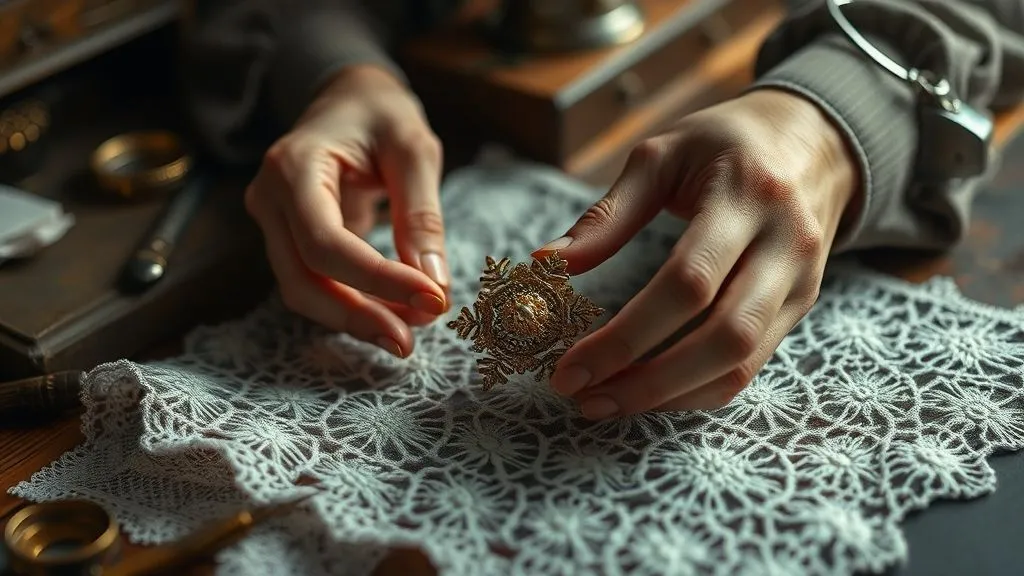
How to Ethically Restore a Fragile Vintage Heirloom Without Devaluing It?
For over two decades in the vintage fashion and textile conservation world, I’ve witnessed the profound emotional connection people have to their heirlooms. These aren't just old items; they are tangible links to our past, carrying stories, memories, and the very essence of those who came before us.
However, this deep sentiment often comes with a significant challenge: the fear of damaging or devaluing these fragile pieces through well-intentioned but misguided restoration efforts. The thought of inadvertently erasing history or diminishing the intrinsic worth of a family treasure is a genuine pain point for many.
That's why I've distilled my years of experience into this definitive guide. You’re about to learn not just *what* to do, but *why* and *how* to approach the restoration of your precious vintage heirloom with the utmost ethical consideration, ensuring its history, integrity, and value are not only preserved but celebrated for generations to come. We’ll cover actionable frameworks, real-world insights, and expert advice to navigate this delicate process.
Understanding the True Value of Your Heirloom Beyond Sentiment
Before we even consider touching a thread or polishing a metal, it’s crucial to understand what 'value' truly means in the context of a vintage heirloom. It’s far more complex than a simple monetary appraisal; it encompasses historical, sentimental, and material worth.
Historical Significance vs. Market Value
An heirloom's market value might fluctuate based on trends, rarity, or condition, but its historical significance is immutable. This significance is tied to its provenance – its origin and journey through time, often linked to specific events, individuals, or cultural periods. For instance, a simple dress worn by an ancestor during a pivotal historical moment might hold immense historical weight, even if its market value is modest.
I've seen pieces that, on the surface, seemed unassuming, yet their documented lineage to a significant figure or event made them priceless historical artifacts. Devaluing an heirloom often happens when this historical narrative is overlooked or compromised during restoration, leading to interventions that erase rather than preserve.
Expert Insight: The true value of an heirloom lies not just in its current state, but in the story it tells. Ethical restoration seeks to protect and amplify that story, not rewrite it.
The Golden Rule: Do No Harm – Assessing Fragility and Risks
The first principle of any ethical restoration is 'Do No Harm.' This means a thorough, unbiased assessment of the heirloom's current condition and inherent fragility before any intervention. Rushing this step is a common mistake that leads to irreversible damage.
Initial Inspection Protocol
Every heirloom, whether it's a delicate lace shawl, a sturdy leather bound book, or a piece of antique jewelry, demands a careful, systematic inspection. This isn't just about identifying damage; it's about understanding the material, its construction, and its current state of degradation.
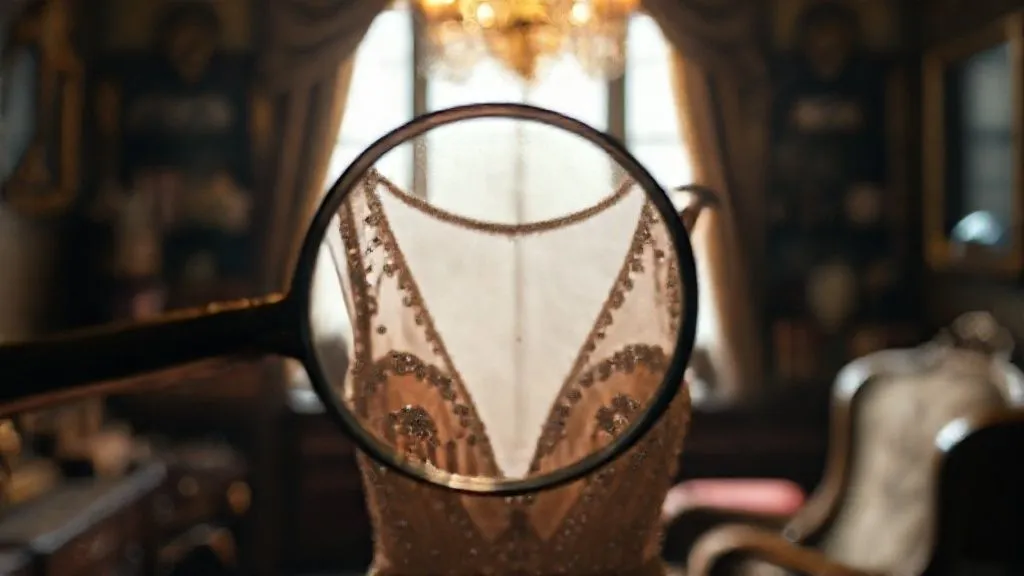
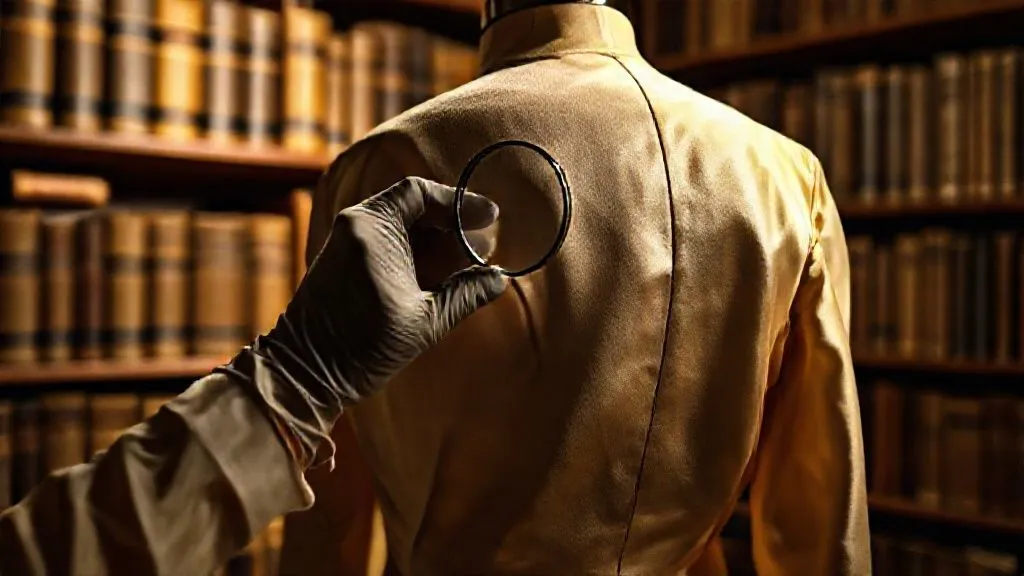
- Visual Examination: Use a magnifying glass and good lighting (natural daylight is best) to inspect every inch. Look for tears, stains, loose threads, missing components, signs of pest activity (moth holes, insect casings), and structural weaknesses.
- Material Identification: Determine the type of fabric (silk, wool, cotton, linen), metal (gold, silver, brass), wood, or other materials. This dictates appropriate cleaning and repair methods.
- Structural Integrity Check: Gently test seams, fastenings, and connections. Are they secure? Is the fabric brittle? Does the item hold its shape?
- Identify Previous Repairs: Look for older mends or alterations. Were they done well? Are they causing further stress?
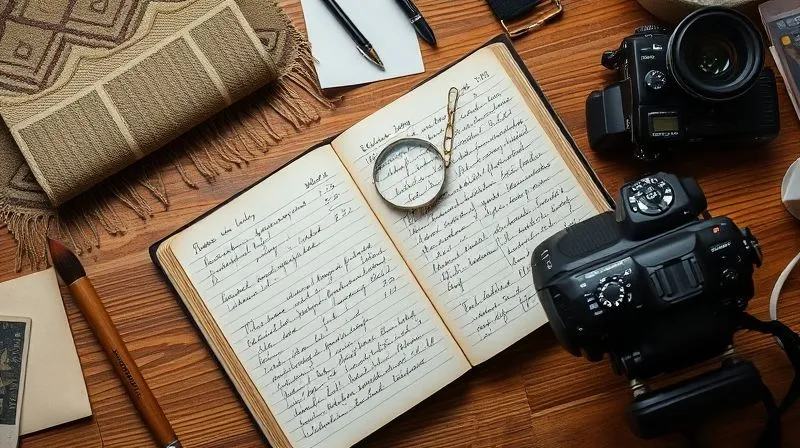
- Document Everything: Photograph the item from all angles, noting specific areas of damage. Keep a detailed written log. This forms your baseline.
This meticulous assessment helps you understand the item's vulnerabilities. For example, a silk garment from the 1920s might be 'shattered' in areas, meaning the fibers have degraded and can tear with minimal handling. Understanding this prevents you from attempting a harsh cleaning method that would destroy it.
When to DIY vs. When to Call a Professional Conservator
This is perhaps the most critical decision point: knowing your limits. While some minor interventions can be managed at home, attempting complex repairs without the requisite knowledge, tools, and experience is a surefire way to devalue an heirloom.
A professional conservator is trained in the science and art of preservation. Their goal isn't merely to 'fix' something, but to stabilize it, prevent further deterioration, and ensure its long-term survival with minimal impact on its original form and materials. They adhere to strict ethical codes that prioritize reversibility and authenticity.
Identifying Red Flags for DIY
If your heirloom exhibits any of the following, it's a strong indicator that professional intervention is required:
- Significant Material Degradation: Widespread brittleness, shattering fabrics, severe rust, or extensive wood rot.
- Complex Structural Damage: Major tears in intricate lacework, broken jewelry settings, shattered glass, or structural failures in furniture.
- Unknown Materials: If you can't confidently identify the material, you can't choose the correct treatment.
- High Historical/Monetary Value: When the item holds significant historical importance or high market value, the risks of DIY are too great.
- Pest Infestation: Active insect damage requires specialized treatment beyond simple cleaning.
- Chemical Stains: Stains from unknown chemicals or those that have deeply permeated the material.
Even for seemingly simple tasks, like cleaning, the wrong solution can cause irreparable damage. For example, using standard laundry detergent on antique silk can strip its natural oils and weaken fibers, leading to tears. Conversely, professional conservators have access to museum-grade, pH-neutral cleaning agents and specialized equipment.
| Task | DIY Feasibility | Professional Necessity |
|---|---|---|
| Dusting/Light Surface Cleaning | High (with proper tools) | Low |
| Minor Seam Repair (sturdy fabric) | Medium (if skilled) | Medium |
| Stain Removal (unknown origin) | Low (high risk of damage) | High |
| Major Structural Repair (textile/wood) | Very Low (requires specialized skills) | High |
| Metal Polishing (tarnished) | Medium (if material known) | Medium (for delicate pieces) |
| Pest Eradication | Very Low (requires professional intervention) | High |
Ethical Restoration Principles: Reversibility, Minimal Intervention, and Authenticity
These three pillars form the bedrock of ethical conservation. Any reputable conservator, and indeed any thoughtful individual attempting restoration, will adhere to these principles to prevent devaluing the heirloom.
Reversibility
This principle dictates that any restoration work performed should ideally be reversible without causing further damage to the original artifact. This means using materials and techniques that can be undone in the future if better methods are discovered or if the current repair needs to be replaced. For example, using a stable, conservation-grade adhesive that can be safely removed, rather than a permanent, harsh glue.
The idea is to allow for future conservators to access the original state of the object, should they need to, and to correct any past interventions. This maintains the item's historical integrity over time.
Minimal Intervention
As the name suggests, this principle advocates for doing only what is absolutely necessary to stabilize an object and prevent further deterioration. It’s about preserving as much of the original material as possible, even if it means accepting some imperfections. The goal isn't to make an old item look brand new, but to ensure its survival and readability as a historical document.
For textiles, this might mean stabilizing a tear with a discreet support patch rather than attempting an invisible reweave that removes original threads. For furniture, it means consolidating existing wood rather than replacing large sections with new material. This approach respects the object's age and history.
Authenticity
Perhaps the most challenging principle, authenticity relates to preserving the true character and historical evidence of the heirloom. This means avoiding alterations that misrepresent its age, origin, or original appearance. It also means respecting the 'patina of age' – the natural wear and tear that tells a story.
An ethical restoration will never attempt to 'fake' an original state or remove evidence of its journey through time. As the Getty Conservation Institute emphasizes, understanding and respecting the original intent and subsequent history of an object is paramount to maintaining its authenticity.
Choosing the Right Materials and Techniques for Preservation
The choice of materials and techniques is critical. Using inappropriate substances or methods can accelerate deterioration, cause new damage, or create irreversible alterations, directly devaluing your heirloom.
Material Compatibility
Any material introduced during restoration must be compatible with the original heirloom. This means considering chemical stability, pH levels, and physical properties. For instance, if you're mending a silk garment, you wouldn't use a synthetic thread that could degrade differently or introduce harmful chemicals. Instead, a conservator would use a stable, natural fiber thread dyed to match, or a fine silk crepeline for support.
Similarly, for antique wooden furniture, using modern wood glues or finishes can react poorly with older wood, causing discoloration or further cracking. Traditional methods and materials, or their modern conservation-grade equivalents, are always preferred.
Gentle Cleaning and Repair Methods
Aggressive cleaning is one of the most common ways heirlooms are devalued. Harsh chemicals, abrasive scrubbing, or even incorrect water temperatures can strip finishes, weaken fibers, or cause irreversible damage. Instead, consider these gentle approaches:
- Dry Cleaning: For textiles, this often involves carefully brushing away surface dust with a soft, natural-bristle brush, or using a specialized conservation vacuum cleaner with a low suction setting and a protective mesh.
- Wet Cleaning (Professional Only): If wet cleaning is necessary, it should be done by a conservator using pH-neutral, non-ionic detergents in distilled water, often in a controlled environment to support fragile items.
- Stabilization, Not Reconstruction: For tears or holes, the focus is on stabilizing the edges to prevent further fraying, often with a fine support fabric or thread, rather than attempting to 'rebuild' the missing area.
- Patching and Infilling: When infilling is required, it's done with materials that are distinguishable from the original upon close inspection, yet blend aesthetically. This respects the principle of minimal intervention and reversibility.
- Adhesives: Only conservation-grade, stable, and reversible adhesives should be used, and sparingly.
Case Study: Rescuing a Grandfather's WWI Uniform
Case Study: Restoring a WWI Army Uniform
I once had a client, Sarah, who inherited her grandfather's WWI army uniform. It was an incredibly poignant piece, complete with medals and original insignia, but time had taken its toll. The wool tunic was stiff, riddled with moth holes, and had a large, dark stain on the sleeve, likely from oil or grease. The leather belt was dry and cracked, and some buttons were loose.
Sarah's initial instinct was to try and wash the tunic and use a strong stain remover, but she wisely consulted me first. My assessment revealed that the wool fibers were extremely brittle, and aggressive washing would have caused irreparable shrinkage and further tearing. The stain, while unsightly, was stable and had not compromised the fabric's integrity significantly in that area.
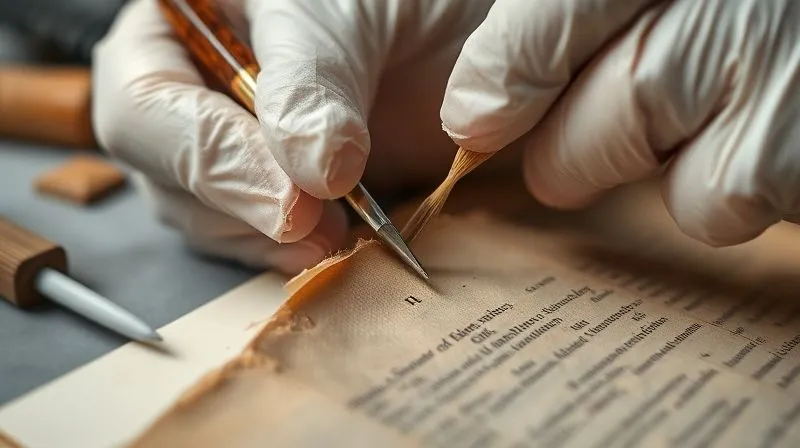
Our approach was guided by the principles of minimal intervention and reversibility. First, we carefully documented every moth hole, loose thread, and the exact nature of the stain. The uniform underwent a specialized dry cleaning process using inert gases to stabilize the wool and neutralize any active insect residue. We then meticulously supported the larger moth holes from the reverse side with fine, conservation-grade wool crepeline, dyed to match the original fabric, using a barely visible stitch. The goal wasn't to make the holes disappear, but to prevent them from growing and to stabilize the surrounding fabric.
For the leather belt, we applied a pH-neutral leather conditioner in very small increments over several weeks, allowing the leather to slowly rehydrate and regain flexibility. We reinforced the loose buttons with new, strong, but historically appropriate thread. The large stain on the sleeve was left untouched, as aggressive removal would have risked damaging the fragile wool and altering the uniform's historical narrative. Instead, we focused on stabilizing the surrounding areas.
The result? The uniform was stabilized, its structural integrity secured, and its historical authenticity preserved. Sarah now displays it proudly in a climate-controlled vitrine, knowing that while it bears the marks of its age and history, it is safe for future generations, its value enhanced by thoughtful, ethical conservation rather than diminished by over-restoration.
Documentation is Preservation: Recording Every Step
One of the most overlooked aspects of ethical restoration is meticulous documentation. This isn't just about keeping records; it's about preserving the intellectual and historical integrity of the heirloom. Proper documentation adds immense value, both historical and monetary, by providing a transparent history of the object's care.
As the American Institute for Conservation (AIC) strongly recommends, detailed records are crucial for future understanding and care of an object. Without them, future conservators or owners might not know what interventions have been made, making it harder to assess condition or plan future treatments.
- Pre-Restoration Condition Report: A detailed written and photographic record of the heirloom's state before any work begins. This includes identifying materials, construction, existing damage, and previous repairs.
- Treatment Proposal: A plan outlining the proposed interventions, materials to be used, and expected outcomes. This should be reviewed and approved by the owner.
- During-Restoration Log: A running diary of all steps taken, materials used (including brand names, batch numbers), specific techniques, and any unexpected findings or challenges encountered.
- Post-Restoration Report: A final report summarizing the work done, the condition of the heirloom after treatment, and recommendations for future care and display.
- Visual Documentation: High-quality photographs taken before, during, and after each significant stage of restoration. These photos should clearly show the areas of intervention.
- Material Samples (if applicable): In some cases, tiny, unobtrusive samples of original materials might be taken for scientific analysis, particularly in professional conservation.
This comprehensive record serves as a testament to the ethical stewardship of the heirloom. It tells the story of its care, adding another layer to its rich history and preventing any perception of deliberate alteration or misrepresentation, which could otherwise devalue it.
Long-Term Care: Storing Your Restored Heirloom for Generations
Restoration is only one part of the preservation journey. The long-term care and storage of your vintage heirloom are equally vital to maintaining its condition and value. Improper storage can undo years of careful restoration work in a matter of months.
Environmental Control
The environment in which an heirloom is stored is paramount. Fluctuations in temperature, humidity, and exposure to light are major culprits in material degradation.
- Temperature: Aim for a stable temperature, ideally between 60-75°F (15-24°C). Avoid attics, basements, or garages where temperatures can swing wildly.
- Humidity: Maintain relative humidity between 40-60%. Too high can lead to mold and pest infestation; too low can cause brittleness and cracking. Dehumidifiers or humidifiers can help regulate this.
- Light: Both natural and artificial light can cause fading, embrittlement, and discoloration. Store heirlooms in dark, acid-free environments. If displayed, use UV-filtering glass or acrylic, and rotate items to minimize exposure.
- Pests: Moths, carpet beetles, silverfish, and rodents can wreak havoc. Regular inspection, cleanliness, and proper storage materials (sealed containers, acid-free tissue) are essential.
| Environmental Factor | Ideal Range | Risk of Fluctuation |
|---|---|---|
| Temperature | 60-75°F (15-24°C) | Material fatigue, chemical reactions |
| Relative Humidity | 40-60% | Mold, pest infestation, brittleness, cracking |
| Light Exposure | Minimal to none (UV-filtered for display) | Fading, embrittlement, discoloration |
| Pest Control | Consistent vigilance | Irreversible damage, complete loss |
Proper Display and Handling
Even after careful restoration, improper handling or display can cause damage. Always handle heirlooms with clean, white cotton gloves to prevent transferring oils and dirt from your hands. When moving fragile items, provide full support.
For display, consider museum-quality mounts or mannequins that support the garment's shape without stress points. Ensure display cases are sealed to protect against dust and pests. For jewelry, store in individual acid-free bags or boxes to prevent tarnishing and scratching. The goal is to minimize physical stress and environmental exposure.
Frequently Asked Questions (FAQ)
Question: Can I use commercial stain removers on vintage textiles? Absolutely not. Commercial stain removers contain harsh chemicals designed for modern fabrics. They can cause irreversible damage, such as discoloration, fiber degradation, or even holes, in fragile vintage textiles. Always consult a professional conservator for stain removal on heirlooms.
Question: How do I know if a conservator is reputable and ethical? Look for conservators who are members of recognized professional organizations like the American Institute for Conservation (AIC) or the International Institute for Conservation of Historic and Artistic Works (IIC). They adhere to strict ethical guidelines. Ask for their portfolio, references, and a detailed treatment proposal outlining their methods, materials, and adherence to reversibility and minimal intervention principles.
Question: Is it always better to restore an heirloom to its 'original' condition? Not necessarily. Ethical conservation prioritizes stabilization and preservation over making an item look 'new.' Sometimes, the 'original' condition is unknown, or the process of restoring it completely would cause more damage. The patina of age, minor wear, and even some stable damage can be part of the item's historical narrative and should often be respected and preserved, not erased.
Question: What's the biggest mistake people make when trying to restore vintage items themselves? The biggest mistake is usually a combination of inadequate research and overzealous intervention. People often underestimate the fragility of old materials and use modern, aggressive cleaning or repair techniques. This includes using household chemicals, strong glues, or attempting to 'fix' complex structural issues without specialized knowledge, leading to irreversible damage and devaluing the piece.
Question: Can I display my restored heirloom in direct sunlight? No, never. Direct sunlight, and even indirect UV light, is one of the most destructive forces for vintage textiles, paper, and many other materials. It causes rapid fading, brittleness, and chemical degradation. If you must display an heirloom, use UV-filtering glass or acrylic, keep it out of direct light, and consider rotating it periodically to minimize exposure.
Key Takeaways and Final Thoughts
Navigating the delicate world of vintage heirloom restoration requires a blend of respect for history, scientific understanding, and a deep commitment to ethical preservation. As an experienced industry specialist, I've seen countless treasures saved, and sadly, some inadvertently lost, all depending on the approach taken.
- Understand Value: Recognize that an heirloom’s true value extends beyond monetary worth to encompass its historical and sentimental significance.
- Assess Thoroughly: Always conduct a meticulous, 'do no harm' assessment of fragility before any intervention.
- Know Your Limits: Discern when DIY is appropriate versus when professional conservation is essential to prevent devaluing the piece.
- Embrace Ethical Principles: Adhere to reversibility, minimal intervention, and authenticity in all restoration efforts.
- Document Everything: Maintain detailed records and photographic evidence of every step to preserve the heirloom's care history.
- Prioritize Long-Term Care: Implement proper environmental control and handling practices to ensure the heirloom's survival for future generations.
Your vintage heirloom is a silent storyteller, a tangible connection to the past. By approaching its restoration with careful consideration, expert guidance, and an unwavering commitment to ethical practices, you become not just an owner, but a guardian of history. Embrace this responsibility, and you will ensure that your cherished piece continues to whisper its tales for many more years to come, its value undiminished, its legacy secure.
Recommended Reading
- Chafe-Free Ultras: 7 Design Principles for Activewear That Prevents Blisters
- Scale Your Unique Kids Fashion Brand: 5 Strategies to Avoid Design Dilution
- The Ultimate Guide: How to Prevent Cashmere Scarf Pilling Issues Forever
- 7 Proven Strategies: Slash Kids' Wear Returns Due to Discomfort
- The Ultimate Guide: How to Authenticate a Pre-Owned Luxury Watch Before Buying

Your email address will not be published. Required fields are marked *