

How to scale a unique kids fashion brand avoiding design dilution?
For over two decades in the niche world of children's fashion, I've witnessed countless brands emerge with a spark of genius, a truly unique aesthetic that captures hearts. Yet, the journey from beloved boutique to scalable enterprise is fraught with peril, the most insidious of which is the slow, almost imperceptible erosion of that very uniqueness.
The pain point is real: how do you expand your reach, increase production, and meet demand without succumbing to the temptation of mass-market compromise? How do you maintain the integrity of your original designs, the very soul of your brand, when faced with the pressures of profitability and broader appeal? This isn't just a hypothetical; it's a make-or-break challenge for many promising designers.
In this definitive guide, I'll share the actionable frameworks, hard-won insights, and strategic approaches I've honed over years of consulting with and building successful kids fashion brands. You'll learn how to grow your unique vision sustainably, protect your brand's DNA, and navigate the complexities of scaling without ever diluting the magic that made you special in the first place.
The Imperative of Brand DNA: Why Authenticity Matters Most
Before we delve into the 'how,' we must truly understand the 'why.' Your brand's DNA isn't just your logo or your color palette; it's the intangible essence, the set of core values, design principles, and emotional connection that makes your kids fashion brand distinct. It's why parents choose your garments over a sea of alternatives.
When you attempt to scale, the temptation to simplify, generalize, or mimic trends becomes immense. This is where design dilution begins. It's a gradual process, often starting with minor compromises in fabric choice, construction, or the very whimsy that defined your early collections. Soon, your once-unique pieces become indistinguishable from the generic, and your loyal customers start to drift away.
"Your brand's soul is its most valuable asset. Protect it fiercely, for it is the wellspring of your uniqueness and the foundation of your customer loyalty."
Maintaining authenticity isn't merely a nostalgic sentiment; it's a strategic imperative. In a crowded marketplace, genuine uniqueness acts as a powerful differentiator and a magnet for your ideal customer. It builds trust and fosters a community around your brand, which is far more resilient than fleeting trend-based appeal.
Strategic Product Line Expansion: Grow Wide, Not Thin
One of the most common pitfalls in scaling is the uncontrolled expansion of product lines. Designers often feel compelled to offer 'something for everyone,' leading to a fragmented identity and a loss of focus. The key is to expand strategically, deepening your niche rather than spreading yourself too thin.
Curated Collections vs. Mass Market Diversification
Instead of chasing every trend or demographic, focus on expanding your core aesthetic into complementary categories or age ranges. If you excel at whimsical outerwear for toddlers, consider introducing a small, highly curated line of matching accessories or expanding into whimsical outerwear for older children, maintaining the same design ethos.
- Maintain Design Cohesion: Every new product should feel like a natural extension of your existing brand DNA.
- Focus on Quality: Do not compromise on materials or craftsmanship for the sake of volume.
- Leverage Existing Strengths: Build upon what your brand is already known and loved for.
The Power of Complementary Categories
Think about building a lifestyle around your brand, not just a collection of garments. For instance, if your brand is known for sustainable, nature-inspired clothing, a logical next step might be organic cotton sleepwear or even small, ethically sourced toys that align with your aesthetic. This allows for growth without diluting your core offering.
"Strategic expansion is like planting a tree; you nurture strong roots and branches, ensuring each new growth supports the central trunk, rather than scattering seeds indiscriminately."
As Harvard Business Review often emphasizes, true strategic expansion is about leveraging existing capabilities and brand equity in new, synergistic ways, not simply chasing market share at any cost.
Mastering Manufacturing & Supply Chain Without Compromise
Scaling production is perhaps the most daunting challenge for a unique kids fashion brand. The fear of losing control over quality and design integrity when moving from small-batch artisanal production to larger volumes is very real. My experience has shown that it requires a meticulous approach to vendor selection and an unwavering commitment to quality control.
Vetting Artisanal Partnerships for Scale
Your manufacturers are an extension of your design team. They must understand and respect your brand's unique aesthetic and commitment to quality. This often means seeking out smaller, specialized factories or workshops, even if it initially means higher per-unit costs compared to large-scale manufacturers.
- Deep Dive into Capabilities: Do they have experience with your specific fabrics, embellishments, or construction techniques?
- Cultural Alignment: Do their values align with yours regarding ethics, sustainability, and craftsmanship?
- Pilot Runs & Iteration: Start with small pilot orders. Be prepared for multiple rounds of samples and feedback to ensure consistency.
- Transparent Communication: Establish clear communication channels and quality benchmarks from the outset.
Quality Control Beyond Volume
As volume increases, the temptation to cut corners on quality control can creep in. Resist this at all costs. Implement rigorous inspection protocols at every stage: fabric sourcing, pattern cutting, stitching, and finishing. Consider third-party quality assurance checks, especially for overseas production.
"Compromise on quality, even once, and you risk eroding years of built-up brand trust. Your product is your promise."
According to a study by Deloitte on supply chain resilience, brands that prioritize quality and ethical sourcing in their supply chain not only build stronger reputations but also foster more sustainable and reliable long-term partnerships. This is particularly crucial for maintaining unique design integrity.
Case Study: Whimsical Threads Co.'s Production Pivot
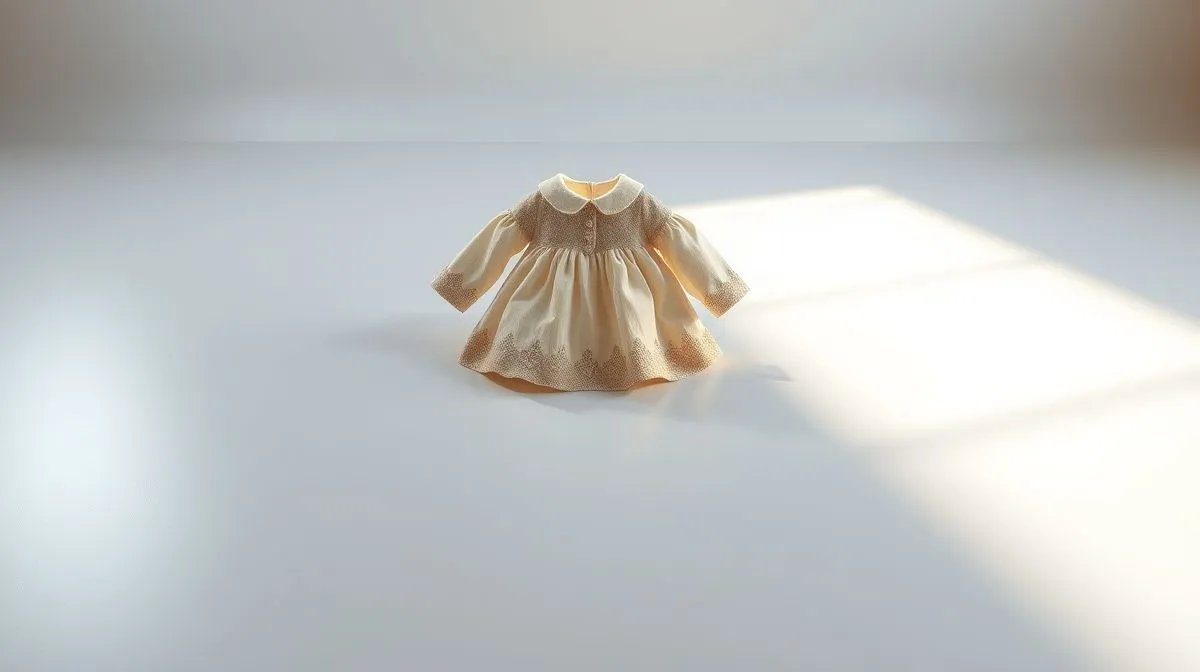
Whimsical Threads Co., known for its intricate hand-embroidered children's dresses, faced immense pressure to scale. Their initial small workshop couldn't keep up. Instead of moving to a large, generic factory, they identified three smaller, family-run ateliers in different regions, each specializing in a specific type of embroidery or fabric manipulation that matched their aesthetic. They invested heavily in training these teams on Whimsical Threads' unique finishing standards and provided specialized machinery. While the initial setup was complex, this distributed artisanal network allowed them to increase production fivefold over two years without compromising the signature hand-touched quality. Each atelier became a specialist hub, preserving the brand's unique craft.
The Role of Design Leadership & Team Empowerment
As your brand grows, you'll inevitably need to expand your design team. The challenge is to bring in new talent without diluting the core vision of the founder. Effective design leadership is about articulating the brand DNA so clearly that every team member becomes a guardian of its uniqueness.
Cultivating a Culture of Creativity Within Guardrails
Establish clear design guidelines and a 'brand Bible' that goes beyond basic visual identity. It should articulate the brand's philosophy, the emotional resonance of its designs, and the non-negotiable elements of its aesthetic. This empowers designers to innovate within a framework that preserves uniqueness.
Regular design reviews should not be about micromanaging but about fostering a shared understanding of the brand's direction. Encourage experimentation, but always bring it back to the core principles. This builds a team that instinctively understands what 'fits' the brand.
Empowering Designers with a Shared Vision
Delegate responsibilities, but always ensure that the lead designer or founder remains the ultimate arbiter of the brand's aesthetic direction. Foster an environment where designers feel valued for their contributions while understanding the boundaries that protect the brand's unique identity. Mentorship and continuous feedback are crucial.
"True design leadership isn't about controlling every stroke; it's about inspiring a shared vision and empowering a team to translate that vision authentically."
As Forbes frequently highlights, empowering teams within a clear strategic framework leads to stronger innovation and greater consistency, a principle directly applicable to maintaining design integrity in a growing fashion brand.
Innovative Marketing & Storytelling That Reinforces Uniqueness
Your marketing strategy must evolve beyond simple product promotion to become a powerful vehicle for reinforcing your brand's unique story and design philosophy. This is how you continue to attract discerning customers who value authenticity over fleeting trends.
Crafting Your Brand Narrative Beyond the Product
Every piece you create has a story. Share the inspiration behind your designs, the journey of your materials, the skilled hands that bring them to life. This narrative builds an emotional connection with your audience and differentiates you from brands that simply sell clothes.
- Behind-the-Scenes Content: Share glimpses of your design process, fabric selection, and production.
- Founder's Story: Connect customers to the passion and vision that started the brand.
- Customer Stories: Showcase how your unique designs enhance the lives of children and families.
Engaging Your Community Authentically
Leverage social media, but not just for sales. Use it to build a community around your brand's values. Encourage user-generated content that celebrates the uniqueness of your garments. Collaborate with influencers who genuinely align with your brand's aesthetic and ethos, not just those with the largest following.
"Your marketing isn't just about selling; it's about telling a story that makes customers feel like they're part of something truly special."
Authentic storytelling reinforces your brand's unique appeal and ensures that as you grow, your message resonates deeply, preventing your brand from becoming just another anonymous player in the market.
Financial Prudence & Investment in Quality, Not Just Quantity
Scaling requires capital, but where and how you invest that capital is critical to avoiding design dilution. The temptation to cut costs by compromising on materials or labor can be strong, but it's a short-sighted strategy that undermines your brand's foundation.
Smart Investment in Production & Talent
Prioritize investment in technology that streamlines processes without sacrificing craftsmanship (e.g., advanced CAD systems for precise pattern making, not automated stitching that reduces human touch). Invest in training your teams and your manufacturing partners. Quality talent and quality tools are non-negotiables for maintaining high standards as you grow.
Avoiding the 'Race to the Bottom'
Don't fall into the trap of competing solely on price. Your unique kids fashion brand thrives on its value proposition: superior design, quality, and ethical considerations. Communicate this value clearly to your customers. Price your products to reflect their true worth, ensuring you have the margins to maintain your standards and innovate.
"Profitability should be a consequence of delivering exceptional value, not a justification for compromising your unique offering."
As academic research on sustainable business models suggests, brands that prioritize long-term value creation over short-term cost-cutting are more resilient and build stronger brand equity. This approach is fundamental to How to scale a unique kids fashion brand avoiding design dilution?
Leveraging Technology for Scale & Design Protection
Technology, when used strategically, can be a powerful ally in scaling your unique kids fashion brand without diluting its design integrity. It can enhance efficiency, facilitate precision, and, crucially, help protect your intellectual property.
Digital Prototyping and Iteration
Embrace technologies like 3D design software (CAD/CAM). This allows for rapid prototyping and iteration of designs, reducing waste and speeding up the design-to-production cycle, all while maintaining precise control over every detail. You can visualize and refine designs digitally before committing to physical samples, ensuring the unique elements are perfectly translated.
Safeguarding Intellectual Property (IP)
As your brand gains traction, protecting your unique designs becomes paramount. Register your trademarks and copyrights. Consider design patents for particularly innovative elements. Have clear agreements with all manufacturers and suppliers regarding confidentiality and ownership of designs.
"Technology is not just about efficiency; it's a strategic shield for your creativity and a precision tool for its execution."
Consulting resources like the USPTO (United States Patent and Trademark Office) or local IP offices is crucial. Proactive IP protection ensures that your unique designs remain yours, preventing competitors from diluting your market presence by copying your aesthetic.
Frequently Asked Questions (FAQ)
How do I know when my unique kids fashion brand is truly ready to scale? You're ready when you consistently have more demand than you can comfortably meet with your current processes, and you have a clear understanding of your brand's core DNA. It's not just about sales volume; it's about having robust internal systems, a consistent design aesthetic, and a loyal customer base that values your uniqueness. Scaling prematurely without these foundations can lead to chaos and quality compromise.
What's the biggest mistake brands make when trying to scale without diluting their design? The biggest mistake is chasing growth at any cost, often by succumbing to pressure to lower prices, use cheaper materials, or simplify designs to fit larger manufacturing capabilities. This prioritizes quantity over quality and uniqueness, ultimately eroding the very brand identity that attracted customers in the first place. It's a slow death by a thousand compromises.
How can I protect my original designs legally as I expand internationally? Legal protection for your designs is complex and varies by region. Start by registering trademarks for your brand name and logo in key markets. For design protection, explore copyright (which protects the artistic expression of a design) and design patents (which protect the ornamental design of a functional item). Consult with an intellectual property lawyer specializing in fashion law to devise a comprehensive international strategy, as laws differ significantly.
Should I consider licensing my designs to larger manufacturers or retailers? Licensing can be a powerful scaling tool, but it's a double-edged sword for a unique brand. If you choose this path, ensure the licensing agreement includes extremely strict quality control clauses and design approval processes. The licensee must fully understand and commit to upholding your brand's DNA. Consider a limited, highly controlled licensing agreement initially, perhaps for a specific product category, rather than broad brand licensing, to test the waters and maintain control.
What if my unique aesthetic has limited market appeal for mass production? Not every unique brand is meant for mass production, and that's okay. Focus on cultivating a highly engaged, loyal niche audience. Instead of striving for mass market, focus on maximizing profitability within your niche. This might involve higher price points, direct-to-consumer models, or exclusive limited runs. The goal isn't necessarily to be everywhere, but to be deeply valued by your target customer, which often allows for substantial, sustainable growth without compromising your artistic vision.
Recommended Reading
- Unleash Your Potential: How Compression Clothing Enhances Athletic Performance
- Ultimate Guide: Best Casual Shoes for Wide Feet Men
- Unveiling the Secrets: What Materials Are Best for Fantasy Costume Durability?
- 7 Proven Strategies: Cut Financial Loss from Unsold Bridal Gowns
- 7 Essential Strategies: Differentiate Your New Womenswear Accessories Brand
Key Takeaways and Final Thoughts
Scaling a unique kids fashion brand avoiding design dilution is not merely a business challenge; it's an act of preserving artistic integrity and passion. It requires a strategic mindset, an unwavering commitment to quality, and a deep understanding of your brand's soul.
- Guard Your Brand DNA: It's your most valuable asset. Every decision, from design to marketing, must align with it.
- Expand Strategically: Grow deep within your niche, not wide into generic territories.
- Master Your Supply Chain: Choose partners who share your commitment to quality and craftsmanship.
- Empower Your Team: Foster a shared vision for design excellence and brand authenticity.
- Invest Wisely: Prioritize quality and talent over cost-cutting, and protect your intellectual property.
I've seen firsthand that true success in this industry isn't about becoming the biggest, but about becoming the most authentic and beloved. By embracing these principles, you can scale your unique kids fashion brand, expand your reach, and touch more lives, all while preserving the very magic that made you special in the first place. Your unique vision deserves to flourish, undiluted.




Your email address will not be published. Required fields are marked *