

How to Style Classic Accessories Modernly Without Appearing Dated?
For over two decades in the fashion industry, specializing particularly in accessories, I've observed a recurring dilemma that many fashion enthusiasts face: how to honor the timeless elegance of classic pieces without succumbing to the dreaded 'dated' look. It's a fine line to walk, a delicate balance between respecting heritage and embracing the present. I've personally guided countless individuals and brands through this very challenge, transforming what might seem like an old-fashioned item into a statement of contemporary chic.
The problem isn't with the accessories themselves; true classics are, by definition, enduring. The challenge lies in our approach to styling them. Many feel trapped between wanting to wear their treasured heirlooms or vintage finds and the fear of looking like they’ve stepped out of a different era. This often leads to classic pieces gathering dust, unused and unappreciated, simply because the wearer lacks the confidence or know-how to integrate them seamlessly into a modern wardrobe.
In this definitive guide, I will share the frameworks, insider insights, and actionable strategies I’ve honed over years in the field. You'll learn not just what to do, but why it works, empowering you to confidently style classic accessories modernly without appearing dated. We'll explore everything from strategic layering to understanding proportions, ensuring your cherished pieces become pillars of your modern, sophisticated style.
The Ageless Allure: Understanding What Makes an Accessory 'Classic'
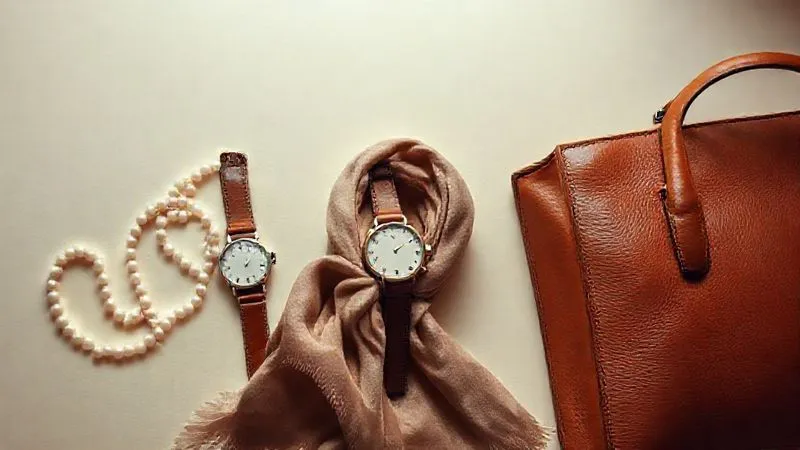
Before we can modernize, we must first understand the essence of a 'classic' accessory. In my experience, these aren't just old items; they are pieces defined by their enduring design, quality craftsmanship, and universal appeal. Think of a string of pearls, a well-made leather handbag, a sleek watch, or a silk scarf. They transcend fleeting trends because their beauty is rooted in fundamental design principles.
The Pillars of Timeless Design
What gives a classic accessory its staying power? I've identified several key pillars:
- Simplicity and Clean Lines: Classic designs often forgo excessive ornamentation in favor of elegant simplicity.
- Quality Materials: They are typically crafted from high-quality, durable materials like genuine leather, precious metals, natural pearls, or fine silks.
- Versatility: A true classic can be dressed up or down, adapting to various occasions and outfits.
- Historical Significance: Many classics have a rich history, adding to their perceived value and allure.
- Balance and Proportion: Their design often adheres to aesthetic principles of harmony and visual balance.
Understanding these foundational elements is the first step in learning how to style classic accessories modernly without appearing dated. It allows us to appreciate their intrinsic value while seeking ways to present them anew.
The Modern Mindset: Shifting Your Perspective on Styling
The biggest hurdle to modernizing classic accessories isn't the item itself, but often our own preconceived notions. Many associate classic pieces with their grandmother's generation, which, while charming, isn't the vibe we're going for in contemporary fashion. My advice? Shift your perspective from 'vintage' to 'timeless with a twist.'
Deconstructing 'Dated' vs. 'Vintage Chic'
The difference between looking dated and looking 'vintage chic' is intentionality. Dated often implies a lack of awareness of current trends, a haphazard approach to mixing eras. Vintage chic, however, is a deliberate choice, a conscious blend of old and new that feels fresh and personal. It's about curation, not replication.
"The secret to styling classic accessories modernly isn't to disguise their age, but to celebrate their heritage by placing them in a forward-thinking context. It's about creating a dialogue between the past and the present on your terms."
Embrace the idea that your classic pieces are not relics but versatile tools in your modern style arsenal. This mindset empowers you to experiment and find innovative ways to integrate them, moving beyond traditional pairings.
Strategic Layering: The Art of Juxtaposition
One of the most effective techniques I've employed to update classic accessories is strategic layering. This involves combining different styles, textures, and eras to create a dynamic, modern look. The goal is to create visual interest and unexpected harmony, rather than a uniform, single-era aesthetic.
Mixing Metals and Textures
Gone are the days when you had to stick to one metal color. Mixing gold and silver, or combining a delicate pearl necklace with a chunky modern chain, instantly adds a contemporary edge. Similarly, juxtaposing textures—think a smooth silk scarf with a ribbed knit sweater, or a polished leather belt over a flowing linen dress—creates depth and sophistication.
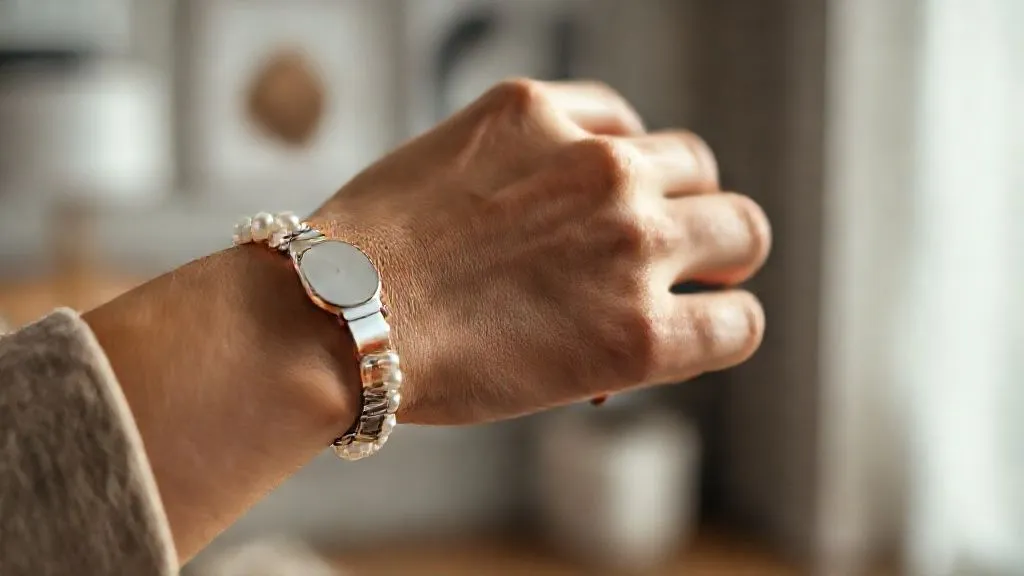
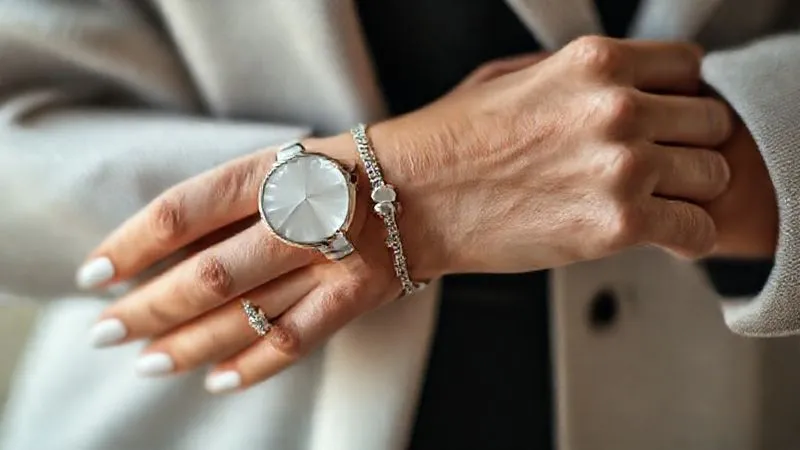
Consider the contrast: a delicate vintage locket can be paired with a minimalist, industrial-style necklace. A classic string of pearls can be worn alongside contemporary beaded or leather bracelets. This deliberate contrast is what makes the classic piece feel current, not antiquated. According to a Vogue article on modern jewelry layering, the key is to experiment with varying lengths and weights to achieve a balanced, effortless look.
- Start with a Base: Choose one classic accessory as your anchor piece.
- Introduce a Modern Counterpart: Select a contemporary item that contrasts in material, scale, or style.
- Vary Lengths and Weights: For necklaces, ensure different lengths to avoid tangling and create visual flow. For bracelets, mix slim and chunky pieces.
- Consider Your Outfit: Ensure the layering complements, rather than competes with, your clothing.
This approach allows your classic pieces to shine within a modern context, proving that how to style classic accessories modernly without appearing dated is often about the company they keep.
| Classic Accessory | Modern Layering Idea | Effect |
|---|---|---|
| Pearl Necklace | Layer with delicate gold chains or a choker | Adds texture, contemporary edge |
| Vintage Watch | Pair with minimalist leather bracelets or bangles | Blends old-world charm with current trends |
| Silk Scarf | Tie on handbag, wear as a belt, or as a hair accessory | Injects personality and versatility |
Context is King: When and How to Deploy Your Classics
The environment and overall outfit surrounding your classic accessory play a pivotal role in its perceived modernity. Wearing a classic piece with an equally classic, perhaps even period-specific, outfit is where the 'dated' label often arises. The trick, in my experience, is to place your classic accessory in an unexpected, contemporary setting.
From Daywear to Evening Glamour
Consider a classic pearl necklace. Instead of pairing it with a twin-set cardigan and a pencil skirt (a look that screams mid-century), try it with a relaxed-fit t-shirt, high-waisted jeans, and a blazer for a chic daytime ensemble. For evening, wear the same pearls with a sleek, minimalist slip dress or a sharp tailored suit. The contrast instantly updates the pearls, making them feel fresh and intentional.
Case Study: How 'Elegance Redefined' Boutique Transformed Classic Pieces
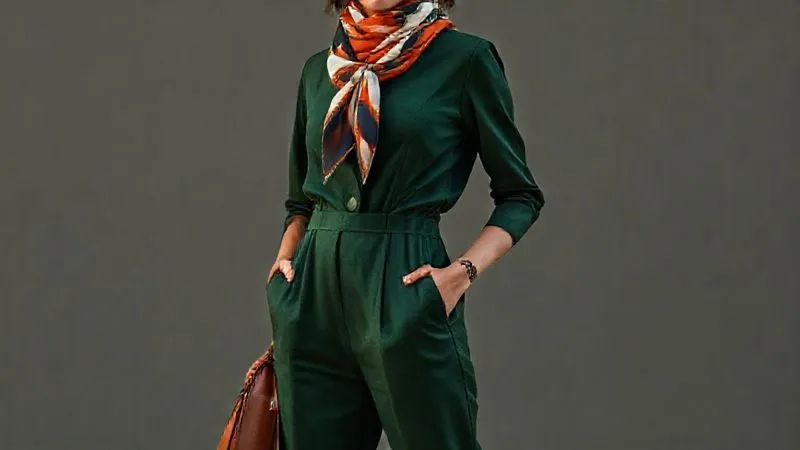
Elegance Redefined, a small but influential boutique I consulted with, faced the challenge of selling vintage accessories to a younger, trend-conscious clientele. Their inventory was exquisite but often perceived as 'old-fashioned.' By implementing a strategy focused on contextual styling, we created visual merchandising that paired vintage brooches with denim jackets, classic silk scarves with modern jumpsuits, and heirloom rings with contemporary stacking bands. We showcased these looks on social media with a tagline: "Your Grandmother's Treasures, Your Modern Story." Within six months, their sales of classic accessories increased by 40%, and their customer demographic broadened significantly. This demonstrated that by changing the context, you change the perception.
The key takeaway here is to always think about the overall narrative your outfit is telling. If the story is purely about the past, it might feel dated. If it's about blending eras, creating a unique personal statement, then it's modern and stylish.
The Power of Proportions: Balancing Scale and Silhouette
Proportion is a fundamental principle in design and fashion that often goes overlooked, yet it's incredibly powerful when learning how to style classic accessories modernly without appearing dated. It's about the relationship between the size of your accessories and the overall silhouette of your outfit and body.
Small Details, Big Impact
A delicate classic watch might get lost on a large wrist or with a voluminous sleeve, while a chunky statement necklace could overwhelm a petite frame or a high-necked top. The goal is visual harmony. If your outfit is minimalist and streamlined, a single, bold classic accessory can provide a striking focal point without feeling out of place. Conversely, if your clothing is more voluminous or features intricate patterns, opt for more understated classic pieces that complement rather than compete.
"Mastering proportion means understanding how each element contributes to the overall visual balance. An accessory, no matter how classic, feels modern when it 'fits' the visual landscape of your contemporary ensemble."
Consider the scale of your classic handbag in relation to your body type and the rest of your outfit. A tiny vintage clutch might look charming with an evening gown, but out of place with a casual oversized sweater. For more insights on fashion proportions, I highly recommend exploring resources like Harper's Bazaar's guides on styling for different body types and proportions.
Playing with proportions also extends to how you wear the accessory. For instance, a long classic chain necklace can be doubled up to create a shorter, layered look, altering its visual impact and making it feel more contemporary.
Color and Contrast: Breathing New Life into Old Favorites
Color is a potent tool for modernization. The right color palette can instantly refresh a classic accessory, making it feel vibrant and current. This isn't about repainting your vintage items, but rather about the colors you pair them with in your outfit.
Monochromatic Magic vs. Bold Statements
One powerful technique is to wear your classic accessories within a monochromatic outfit. Imagine a string of pearls against an all-white, all-black, or all-cream ensemble. The simplicity of the single color palette allows the classic accessory to stand out as a sophisticated texture or form, rather than an element from a different era. This is a subtle yet incredibly effective way to make classic pieces feel incredibly chic and modern.
Alternatively, use contrast. Pair a timeless gold watch with an outfit featuring a bold, on-trend color like cobalt blue or emerald green. The unexpected pop of color against the classic metallic creates a dynamic tension that is inherently modern. A classic leather belt in a neutral shade can anchor a vibrant, patterned dress, grounding the look while still allowing the dress to shine.
- Assess Your Classic Piece's Dominant Hue: Is it gold, silver, pearl-white, brown leather?
- Choose a Complementary or Contrasting Outfit Color: For monochromatic, match it. For bold, select a color that pops against it.
- Consider Undertones: Warm-toned metals (gold) often look stunning with earthy tones or rich jewel tones. Cool-toned metals (silver, platinum) pair beautifully with blues, grays, and crisp whites.
- Experiment with Accessories: Even small details like a brightly colored nail polish or a modern ring can influence how the classic piece is perceived.
As a Pantone Color Institute report might suggest, colors evolve, and by consciously integrating your classics with current color trends, you bridge the gap between past and present.
Minimalism Meets Maximalism: Finding Your Personal Balance
The fashion landscape today often swings between stark minimalism and expressive maximalism. Learning how to style classic accessories modernly without appearing dated involves understanding where your personal style falls on this spectrum and how your accessories can play into it.
Curating Your Accessory Capsule
For minimalists, a single classic accessory can be the focal point. A simple, elegant pearl stud earring or a sleek vintage watch can provide just enough detail to elevate an otherwise pared-back outfit. The key is quality over quantity, allowing the classic piece to speak for itself without competition.
For those who lean towards maximalism, classic accessories can be integrated into a more layered, eclectic look. Here, the challenge is to prevent the classic piece from getting lost or contributing to a cluttered appearance. It's about intelligent curation, ensuring each item has a purpose and contributes to the overall narrative. For instance, layering multiple classic necklaces of varying lengths, or stacking several vintage rings alongside modern pieces, can create a rich, personalized statement.
A study by Deloitte on consumer behavior in luxury fashion highlights a growing trend towards personalized expression, which perfectly aligns with blending classic and modern elements. It's about building a unique identity through thoughtful curation.
Regardless of your preference, the goal is balance. A classic accessory should feel like an organic part of your ensemble, not an afterthought. It should enhance your personal style, making it more distinctive and refined.
Beyond the Obvious: Unexpected Ways to Wear Classic Accessories
Sometimes, the most modern approach is to break free from traditional conventions. I've often encouraged clients to think outside the box when it comes to styling their classic pieces. This is where true creativity flourishes, and you discover truly unique ways to wear classic accessories.
Scarves as Art, Belts as Statements
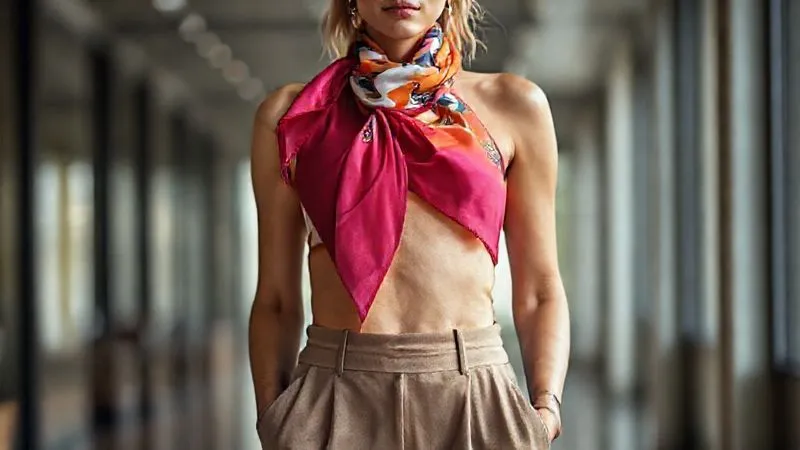
Take a classic silk scarf, for example. Beyond tying it around your neck, consider these modern applications:
- Hair Accessory: Weave it into a braid, tie it as a headscarf, or use it to adorn a ponytail.
- Bag Embellishment: Tie it around the handle of your classic handbag for an instant pop of color and texture.
- Top or Vest: With some clever folding and tying, a large square scarf can transform into a unique crop top or a lightweight vest.
- Belt Alternative: Thread it through belt loops for a softer, more fluid waist accent.
Similarly, a classic leather belt isn't just for holding up trousers. Cinch an oversized blazer, define the waist of a flowing dress, or even use it to create a new silhouette over a long cardigan. A classic brooch, instead of being pinned to a lapel, can fasten a scarf, adorn a hat, or be pinned to a simple knit top for an unexpected detail.
These unconventional styling methods are powerful because they demonstrate intentionality and a playful approach to fashion. They signal that you're not just wearing a classic piece, but actively styling it, making it relevant to your contemporary aesthetic. This is a core strategy for how to style classic accessories modernly without appearing dated.
Frequently Asked Questions (FAQ)
Question? Can I mix gold and silver classic accessories without it looking messy?
Detailed answer: Absolutely! In fact, mixing metals is one of the most effective ways to modernize classic accessories. The key is intentionality and balance. I recommend choosing a dominant metal (either gold or silver) for the majority of your pieces and then introducing the other metal as an accent. For example, if you're wearing a classic gold chain, add a modern silver ring or watch. Varying textures (e.g., polished gold with brushed silver) or incorporating pieces that already combine both metals can also make the look cohesive and stylish, demonstrating a sophisticated understanding of contemporary trends.
Question? How do I update a vintage brooch to make it feel less old-fashioned?
Detailed answer: Vintage brooches are fantastic pieces with immense character. To modernize them, avoid placing them in traditional spots like the lapel of a conservative blazer. Instead, try pinning them to unexpected areas: the center of a Peter Pan collar on a modern blouse, on the strap of a classic handbag, to cinch a chunky knit cardigan, or even as a unique closure for a scarf worn as a top. You can also group several smaller brooches together on a denim jacket or a simple t-shirt for an eclectic, curated look. The trick is to juxtapose the ornate classicism of the brooch with casual or contemporary clothing.
Question? What's the trick to wearing pearls without looking old-fashioned?
Detailed answer: Pearls are the epitome of classic elegance, but they can easily veer into 'dated' territory if not styled correctly. My top trick is to avoid the full matching set (pearl necklace, earrings, bracelet all at once). Instead, wear one pearl item at a time, or layer a classic pearl necklace with modern gold or silver chains of varying lengths. Pair pearl earrings with a casual outfit like jeans and a white tee, or wear a single pearl ring with a stack of minimalist bands. The contrast between the pearls' traditional elegance and a contemporary, relaxed outfit is what makes them feel fresh and modern.
Question? Are classic watches still relevant in the age of smartwatches?
Detailed answer: Absolutely, and perhaps more so than ever! A classic watch is a statement of enduring style, craftsmanship, and a conscious choice to appreciate analog beauty in a digital world. To keep it modern, focus on the strap: a sleek leather or mesh band can elevate a traditional watch face. Layer it with delicate bracelets, as discussed in the layering section, to integrate it into a contemporary wrist stack. A classic watch signals sophistication and an appreciation for timeless design, distinguishing itself from the utilitarian nature of smartwatches.
Question? How do I integrate heirloom pieces into my modern wardrobe without them feeling out of place?
Detailed answer: Heirloom pieces carry immense sentimental value, and integrating them modernly is a beautiful way to honor their legacy. My primary advice is to treat them as unique statement pieces. Don't try to force them into a complete vintage look. Instead, pair them with your most contemporary, minimalist, or even edgy outfits. For example, a grandmother's intricate gold pendant can be worn on a longer, modern chain with a sharp blazer and tailored trousers. A vintage cocktail ring can be the sole piece of jewelry on an otherwise bare hand, paired with a sleek evening dress. The contrast highlights the heirloom's beauty while making your entire look feel thoughtfully curated and personally significant.
Key Takeaways and Final Thoughts
- Embrace Intentional Juxtaposition: Mix classic accessories with modern clothing and other contemporary pieces to create dynamic, fresh looks.
- Understand the Power of Context: Place your classic items in unexpected settings – casual outfits, bold color palettes – to instantly update their appeal.
- Master Proportions: Pay attention to the scale of your accessories relative to your outfit and body to ensure visual harmony.
- Experiment with Layering: Combine different textures, metals, and styles for a rich, personalized aesthetic.
- Think Beyond Traditional Uses: Reimagine how classic items like scarves or brooches can be worn in innovative ways.
- Cultivate a Modern Mindset: View classics not as relics, but as versatile elements that enhance your contemporary style.
Learning how to style classic accessories modernly without appearing dated is less about following rigid rules and more about cultivating an intuitive sense of balance and personal expression. These pieces are more than just adornments; they are stories, memories, and testaments to enduring design. By applying the strategies I've shared, you can confidently weave these treasures into your everyday style, ensuring they continue to shine, not just with their inherent beauty, but with a vibrant, modern relevance that is uniquely yours. Go forth and adorn your story!
Recommended Reading
- 7 Proven Strategies: Liquidate Optical Frame Inventory Profitably Now?
- Unlock Camera Confidence: The Ultimate Guide to Posing for Fashion Bloggers
- Mastering Durable Antimicrobial Coatings: A 7-Step Medical Textile Guide
- 5 Expert Fixes: Stop Activewear Leggings Stretching & Sagging Fast
- Zero Waste Fashion Wardrobe: Your Ultimate Start-Up Guide

Your email address will not be published. Required fields are marked *