

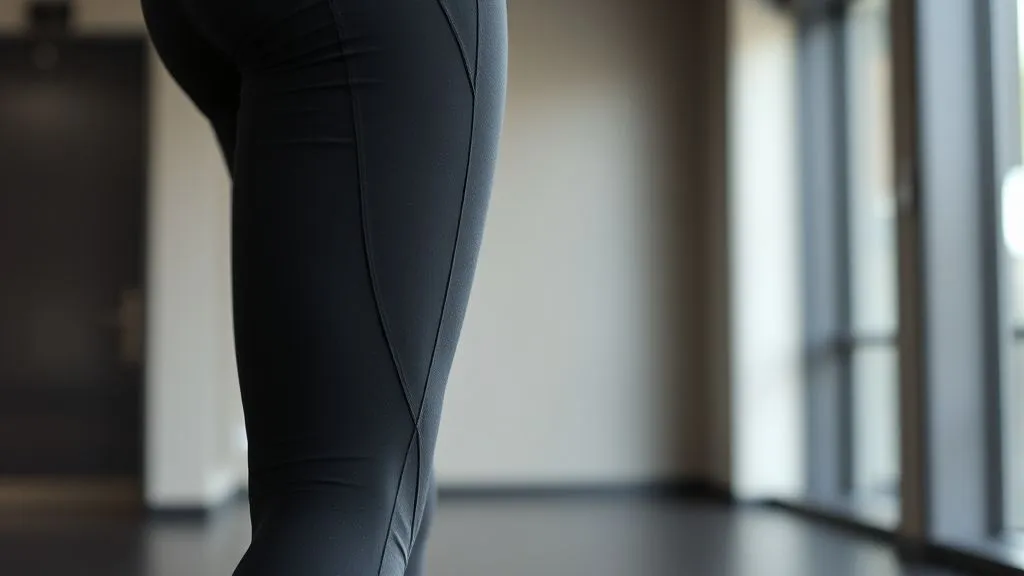
How to Avoid Activewear Leggings Stretching Out and Looking Baggy Quickly?
For over 15 years immersed in the activewear industry, from fabric sourcing to product development, I've witnessed a common frustration that echoes through fitness communities: the dreaded activewear leggings losing their shape, stretching out, and becoming baggy far too soon. It’s a problem that transcends brands and price points, turning a beloved, supportive garment into a saggy disappointment.
This isn't just about aesthetics; it impacts your performance, confidence, and frankly, your investment. That perfect compression that made you feel strong and supported during your squats or runs gives way to a loose, uncomfortable fit that requires constant tugging and adjustment. It’s disheartening to see a garment designed for dynamic movement fail at its core function, often within just a few months of purchase.
But what if I told you that premature stretching and bagging aren't inevitable? In this definitive guide, I’ll share the expert strategies, insights, and actionable steps I’ve gathered over my career to help you preserve the fit, extend the life, and maintain the performance of your activewear leggings. We’ll delve into everything from informed purchasing decisions and meticulous care routines to advanced maintenance, ensuring your leggings stay as supportive and flattering as the day you bought them.
The Foundation: Choosing Quality Fabrics and Construction
The battle against stretching and bagging begins long before your leggings hit the washing machine; it starts with the initial purchase. The materials and how they're put together are paramount.
Understanding Fabric Composition: The Science of Stretch
Activewear leggings typically rely on synthetic blends, primarily polyester or nylon, combined with an elastomeric fiber like Spandex (also known as Lycra or elastane). It's this elastomeric component that provides the crucial stretch and recovery properties. However, not all blends are created equal.
- Spandex/Lycra Content: Look for leggings with a significant percentage of Spandex, ideally between 15% and 25%. Too little (e.g., under 10%) and the fabric won't have enough recovery power, leading to stretching. Too much, and while the compression might be intense initially, it can sometimes feel overly restrictive and still succumb to fatigue over time if the base fabric isn't supportive.
- Nylon vs. Polyester: Nylon tends to be softer, silkier, and offers excellent stretch and recovery, often retaining its shape better over time than some lower-grade polyesters. Polyester is known for its durability, moisture-wicking, and colorfastness. Many high-performance leggings use a blend of both, leveraging their respective strengths. A high-quality nylon-Lycra blend is often my top recommendation for longevity and shape retention.
- Fabric Weight and Density: Thicker, denser fabrics often have better compression and are less prone to stretching out. This doesn't mean they have to be heavy or hot; advanced knitting techniques can create dense, yet breathable, fabrics.
The key here is the fabric’s ability to recover its original shape after being stretched. This isn't just about the raw material but how it's engineered. Think of it like a spring: a weak spring will stretch out and stay stretched, while a strong spring will always return to its original coiled form. Your leggings' fabric needs to be that strong spring.
The Role of Weave and Stitching
Beyond composition, how the fabric is knitted and the garment is stitched plays a crucial role in its ability to resist stretching and maintain integrity.
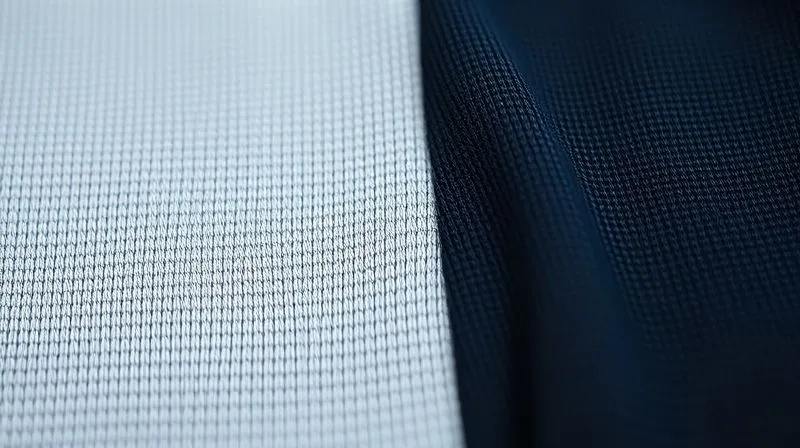
- Interlock Knit: Many premium activewear fabrics use an interlock knit, which creates a denser, more opaque, and stable fabric. Unlike single jersey knits, interlock knits are less prone to snagging, unraveling, and most importantly, stretching out of shape. The interlocking loops provide inherent structural stability.
- Four-Way Stretch: This term is often advertised, and for good reason. A fabric with four-way stretch allows movement in all directions (lengthwise and crosswise), providing superior comfort and flexibility. Crucially, good four-way stretch fabric is engineered for excellent recovery in all directions too, reducing the likelihood of bagging at the knees or seat.
- Flatlock Seams: While not directly preventing stretch, flatlock seams are vital for durability. They lie flat against the skin, reducing chafing and creating stronger, more resilient seams that are less likely to tear or pull apart under stress, which can indirectly lead to areas of weakness and premature stretching.
"Investing in high-quality activewear isn't just about luxury; it's about making a strategic choice for performance, comfort, and longevity. The initial cost often pays dividends in extended wear and consistent support."
Mastering the Fit: It's More Than Just Your Size
Even the best fabric can stretch out if the fit isn't right. A common misconception is that if it zips or pulls up, it fits. In activewear, particularly leggings, fit is a nuanced art.
The "Second Skin" Principle
Your activewear leggings should feel like a second skin – snug, supportive, and compressive, but never restrictive or painfully tight. If they feel loose from the get-go, they will only get looser. If they’re too tight, the fabric will be under constant, excessive tension, accelerating the breakdown of elastomeric fibers and leading to premature stretching and bagging in high-stress areas like the knees and glutes.
- No Bunching: Check for excess fabric bunching around the ankles, knees, or crotch. This indicates the leggings are too long or too large in those areas, and these are prime spots for bagging to occur.
- Smooth Silhouette: The fabric should lay smoothly against your skin, without wrinkles or ripples, suggesting even tension throughout the garment.
- Waistband Security: A good waistband should hold firmly without digging in, and certainly without rolling down during movement. A constantly adjusting waistband puts stress on the fabric, especially at the top, leading to eventual stretch.
Understanding Body Dynamics and Legging Design
High-quality leggings are designed with the human body in motion in mind. This means features that accommodate dynamic movement without compromising fit.
- Gusseted Crotch: A diamond or triangular-shaped piece of fabric sewn into the crotch area is a hallmark of good activewear. It allows for a greater range of motion without putting undue stress on the seams, preventing tearing and bagging in this critical area.
- Contoured Seaming: Look for seams that follow the natural curves of your body, often seen as V-shapes on the back waistband or curved seams around the glutes. These designs are not just aesthetic; they help to lift, shape, and prevent sagging by distributing tension evenly.
- Leg Length: While personal preference plays a role, ensuring the leg length isn't excessively long for your frame helps prevent fabric pooling at the ankles, which can contribute to a stretched-out appearance.
Here's how to properly assess the fit of new leggings:
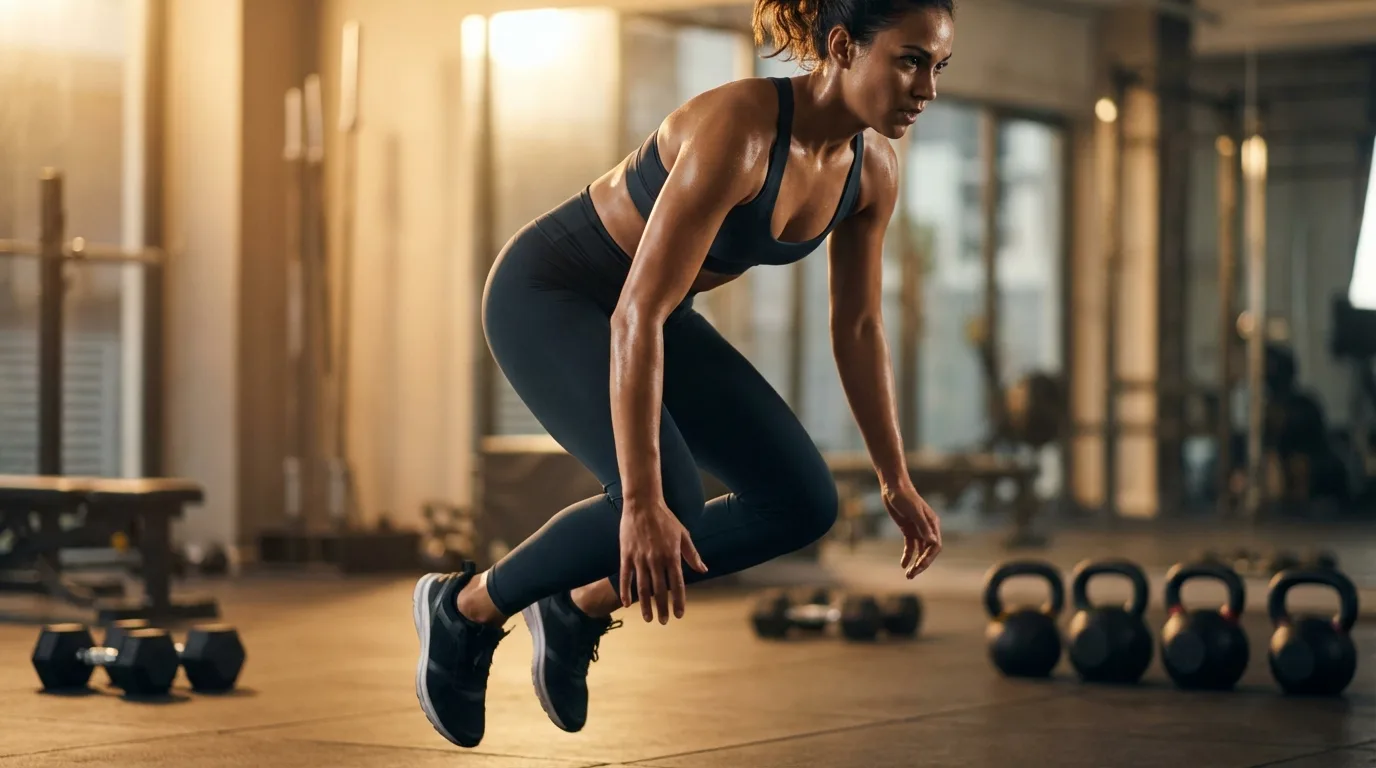
- The Squat Test: Perform a full, deep squat. The fabric should remain opaque, and the waistband should stay in place without rolling down. Any sheerness indicates the fabric is overstretched, meaning the leggings are too small, or the fabric quality is poor.
- The Lunge Test: Step into a lunge. Feel for any restriction in movement or pulling at the seams.
- The Bend & Twist: Bend forward and twist your torso. The leggings should move with you, not against you, and return to their original smooth state once you stand upright.
- The Pinch Test: Gently pinch the fabric at various points (thighs, calves, waist). You should be able to gather only a small amount of excess fabric. If you can gather a significant amount, the leggings are too big.
Washing Wisdom: Preserving Elasticity and Shape
Once you’ve invested in quality leggings and ensured a perfect fit, the longevity of their shape and elasticity largely depends on your care routine. This is where most people unknowingly sabotage their activewear.
The Cold Water Revolution
Heat is the enemy of elastomeric fibers like Spandex. High temperatures cause these delicate fibers to break down, leading to a permanent loss of elasticity. This is the primary reason leggings stretch out and become baggy. Always, always wash your activewear in cold water.
- Gentle on Fibers: Cold water helps preserve the integrity of the synthetic fibers, preventing them from degrading and losing their stretch and recovery properties.
- Colorfastness: An added benefit is that cold water also helps maintain the vibrancy of colors, preventing fading.
Gentle Cycle & Mild Detergents: Your Leggings' Best Friends
Just as important as water temperature is the wash cycle and the detergent you use.
- Gentle Cycle: A harsh wash cycle can physically stress the fabric, leading to premature wear and tear. Use your washing machine's "delicate" or "gentle" cycle to minimize agitation.
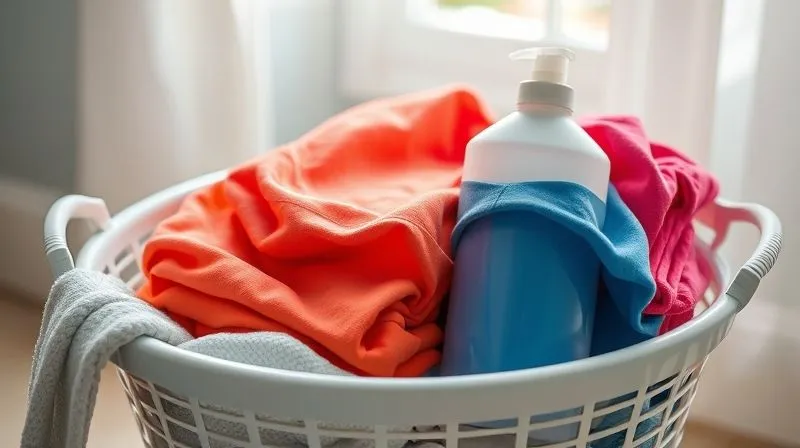
- Mild, Sport-Specific Detergents: Avoid conventional heavy-duty detergents, especially those with harsh chemicals, bleach, or fabric softeners. These can strip away the moisture-wicking properties of activewear and coat the fibers, making them less effective and accelerating their breakdown. Opt for a mild, pH-neutral detergent, or ideally, one specifically designed for activewear.
- No Fabric Softener: This is a non-negotiable rule. Fabric softeners leave a residue that clogs the pores of synthetic fabrics, diminishing their breathability and moisture-wicking capabilities. More importantly for our topic, they can break down the elastane fibers, leading to irreversible stretching and loss of compression.
Turning Inside Out: A Simple Yet Powerful Trick
Before tossing your leggings into the wash, turn them inside out. This simple step offers several benefits:
- Protects Outer Surface: It shields the outer surface from abrasion against other garments and the washing machine drum, reducing pilling and preserving the finish.
- Better Cleaning of Inner Surface: The inside of your activewear is where sweat, oils, and dead skin cells accumulate. Washing them inside out ensures these areas get a more thorough cleaning.
- Maintains Color: It helps protect the outer dyes from fading.
Drying Do's and Don'ts: The Heat Enemy
If washing in cold water is crucial, then proper drying is equally, if not more, critical for preventing your leggings from stretching out and looking baggy quickly.
Air Drying: The Golden Rule
This cannot be stressed enough: NEVER put your activewear leggings in a tumble dryer. The high heat of a dryer is the single biggest culprit for destroying the elasticity of Spandex and other elastomeric fibers. It literally melts and breaks down the molecular structure of these fibers, leading to permanent loss of stretch and recovery.
- Preserves Elasticity: Air drying allows the fibers to naturally retain their shape and elasticity without being subjected to damaging heat.
- Energy Efficient: It’s also an environmentally friendly choice, reducing your carbon footprint.
- Extends Lifespan: By eliminating heat exposure, you significantly extend the functional life of your leggings.
Reshaping While Drying
After washing, gently reshape your leggings and lay them flat or hang them to air dry. Avoid hanging them by the waistband with heavy clips if the fabric is saturated, as the weight of the water can cause stretching. If you must hang, use a padded hanger or fold them over a drying rack.
According to textile science, the molecular bonds in synthetic fibers are particularly vulnerable to thermal degradation, making air-drying an indispensable step in preserving garment integrity. Learn more about synthetic fiber properties.
"The dryer is the graveyard for activewear elasticity. If you want your leggings to maintain their 'second skin' fit, air drying is not an option; it's a necessity."
Smart Storage Solutions for Sustained Shape
Even how you store your leggings between wears and washes can impact their longevity and ability to hold shape.
Folding vs. Hanging: The Compression Conundrum
While hanging might seem like a good idea for visibility, it can sometimes be detrimental if not done correctly. Hanging leggings by their waistband on thin hangers, especially if they're still slightly damp or heavy, can put undue stress on the elastic waistband and the top fabric, leading to stretching and unsightly hanger marks.
- Folding is Preferred: For most activewear leggings, folding them neatly is the best approach. This allows the fabric to relax without any specific points of tension.
- Gentle Rolling: Some prefer rolling their leggings, which can save space and prevent creases. Ensure they are rolled loosely to avoid excessive compression in any one area.
Dedicated Activewear Space
Avoid cramming your activewear into overcrowded drawers or closets where they might be compressed, twisted, or pulled out of shape by other garments. A dedicated drawer or section of your closet for activewear ensures they maintain their relaxed, folded state.
Think of it as giving your leggings a chance to 'rest' and recover their natural shape between uses.
Beyond the Basics: Advanced Maintenance & Rotation
For the true activewear aficionado, there are a few additional strategies that can make a significant difference in how to avoid activewear leggings stretching out and looking baggy quickly.
The Power of Rotation: Don't Overwear Your Favorites
Just like your running shoes, your leggings benefit from a rest. Wearing the same pair of leggings day in and day out, especially for intense workouts, constantly subjects the elastomeric fibers to stress. This continuous stretching without adequate recovery time accelerates their breakdown.
- Allow Fibers to Recover: Having a rotation of 3-5 pairs of go-to leggings allows each pair to fully recover its elasticity between wears and washes. This significantly prolongs the life of each individual garment.
- Reduced Stress: Less frequent wear for each specific pair means less accumulated stress on the fabric, leading to better shape retention over the long term.
Addressing Pilling and Snags
While pilling (those tiny fabric balls) doesn't directly cause stretching, it's a sign of fabric wear and tear that can precede or accompany other forms of degradation. Snags, on the other hand, can create weak points in the fabric that are more prone to stretching or tearing.
- Fabric Shavers: For pilling, a gentle fabric shaver can effectively remove the pills without damaging the underlying fabric, restoring a smoother appearance.
- Gentle Handling: Be mindful of rough surfaces (gym benches, Velcro on gloves, zippers on other garments) that can snag your leggings.
Case Study: How Elevate Athletics Extended Legging Life
Elevate Athletics, a boutique fitness studio, observed their clients frequently complaining about activewear longevity, specifically leggings losing their shape. By implementing a simple educational campaign for their members, focusing on the "Rotation Principle" and emphasizing proper air-drying techniques, they achieved remarkable results. Within six months, they saw a 40% reduction in premature wear complaints. This initiative not only saved their clients money but also reinforced the studio's commitment to quality and sustainable practices, fostering greater trust and loyalty among their community. They even noticed an uptick in repeat activewear purchases, as clients felt more confident in their investment.
When to Retire: Recognizing the Signs of Irreversible Stretch
Despite your best efforts, all good things come to an end. Recognizing when your leggings have reached the point of no return is crucial for maintaining performance, comfort, and even safety.
The "See-Through" Test
One of the most obvious signs that your leggings are stretched out and the fabric is degraded is when they become sheer or see-through, especially during squats or bends. This indicates that the fibers have been permanently elongated, losing their density and opacity. It’s not just a fashion faux pas; it means the fabric is no longer providing adequate support and is on the verge of tearing.
Loss of Compression and Support
The primary function of activewear leggings is to provide compression and support to your muscles. If your leggings feel noticeably looser, no longer hug your body, or require constant pulling up, they've lost their compressive power. This can affect blood flow, muscle stability, and overall comfort during your workout. Research on compression garments suggests their effectiveness hinges on maintaining consistent pressure.
Persistent Bagging and Sagging
If, even after washing and drying, your leggings consistently bag at the knees, sag at the glutes, or gather around the ankles, it's a clear indicator that the elastane fibers are fatigued and can no longer recover their original shape. This isn't just unflattering; it can cause chafing and discomfort, hindering your workout.
"Knowing when to let go of a beloved pair of leggings is a sign of respect for your performance and your body. A worn-out garment offers neither the support nor the confidence you deserve."
| Sign of Wear | Impact | Action |
|---|---|---|
| Loss of Compression | Reduced muscle support, less effective workout, increased fatigue | Consider replacement, evaluate fabric quality for future purchases |
| Fabric Thinning/See-Through | Privacy concerns, risk of tearing, compromised durability | Immediate replacement recommended for safety and confidence |
| Persistent Bagging/Sagging | Unflattering appearance, discomfort, constant adjustment needed | Review care routine, consider replacement if issues persist after proper care |
| Excessive Pilling/Snags | Aesthetic degradation, potential fabric weakening over time | Minor issue, use fabric shaver, but monitor for further decline as it indicates wear |
| Frayed Seams/Waistband | Structural integrity compromised, risk of garment failure | Replace immediately, as seams are critical for shape retention |
The Environmental & Economic Impact of Longevity
Beyond personal benefits, extending the life of your activewear leggings contributes to broader sustainability goals and smart financial planning.
Sustainable Fashion Choices
The fashion industry, particularly fast fashion, has a significant environmental footprint. By choosing durable garments and caring for them properly, you reduce your consumption, minimize textile waste, and lessen the demand for new production. This aligns with the principles of circular fashion and mindful consumption. Forbes highlights the impact of conscious consumerism.
Cost-Per-Wear Philosophy
While high-quality leggings might have a higher upfront cost, their longevity dramatically reduces their "cost-per-wear." A pair of well-cared-for leggings that lasts 3-5 years is a far better investment than cheaper alternatives that stretch out and need replacing every few months. This economic perspective encourages a shift from disposable fashion to valuing durability and craftsmanship.
Frequently Asked Questions (FAQ)
Question: Can I use fabric softener on my activewear leggings? Absolutely not. Fabric softeners leave a waxy residue that clogs the pores of synthetic fabrics, diminishing their moisture-wicking properties and, more critically, breaking down the elastomeric fibers (Spandex/Lycra). This directly leads to a loss of elasticity and causes your leggings to stretch out and become baggy. Stick to mild detergents specifically designed for activewear, or a gentle, pH-neutral option.
Question: My leggings already stretched out; can I shrink them back? Once the elastomeric fibers in your leggings have been permanently broken down or overstretched, it's virtually impossible to shrink them back to their original, supportive state. While some natural fibers might respond to heat, synthetic activewear will just degrade further with heat exposure. Your best bet is to prevent stretching in the first place through proper care. If they're significantly stretched, it's time to consider retiring them.
Question: What's the ideal percentage of Spandex/Lycra for durable leggings? In my experience, a Spandex/Lycra content between 15% and 25% offers the best balance of stretch, compression, and recovery for activewear leggings. This range provides ample flexibility for movement while ensuring the fabric has enough "memory" to snap back into shape. Anything significantly lower might not offer enough support, while much higher percentages can sometimes feel overly restrictive or still degrade if the base fabric isn't robust.
Question: How often should I wash my activewear leggings? Ideally, you should wash your activewear leggings after every wear, especially if worn for intense workouts. Sweat, oils, and bacteria can degrade fabric fibers over time if left unwashed. However, if you've only worn them for light activity or for a short period, and they aren't visibly soiled or sweaty, you might get away with an extra wear. Always prioritize cleanliness and hygiene, as well as fabric health.
Question: Are expensive leggings always better quality and less prone to stretching? While price often correlates with quality, it's not a universal rule. Many premium brands invest in superior fabric technology, construction, and ethical manufacturing, which translates to better durability and shape retention. However, some mid-range brands also offer excellent quality. The key is to look beyond the price tag and scrutinize the fabric composition (Spandex content, nylon vs. polyester), knit type (interlock), and construction (flatlock seams, gusseted crotch). Do your research and read reviews to ensure you're getting value for your investment, regardless of the price point.
Key Takeaways and Final Thoughts
Navigating the world of activewear longevity doesn't have to be a mystery. By understanding the core principles of fabric science, fit, and meticulous care, you can significantly extend the life and maintain the performance of your beloved leggings. It's about being an informed consumer and a diligent caretaker.
- Invest Wisely: Prioritize leggings with high-quality fabric composition (15-25% Spandex/Lycra, nylon blends) and robust construction (interlock knit, flatlock seams).
- Master the Fit: Ensure a snug, compressive "second skin" fit that moves with you, not against you, passing the squat and lunge tests.
- Wash Smart: Always use cold water, a gentle cycle, mild detergent (no fabric softener), and turn leggings inside out.
- Air Dry Exclusively: Keep your leggings out of the tumble dryer; heat is their biggest enemy.
- Rotate & Store Carefully: Give your leggings a rest between wears and fold them to prevent unnecessary stress.
By implementing these expert strategies, you're not just preserving a garment; you're safeguarding your investment, enhancing your workout experience, and contributing to a more sustainable activewear culture. Embrace these habits, and your activewear leggings will continue to support you, flawlessly, through every stretch, squat, and stride, looking as sharp as the day you first wore them.
Recommended Reading
- 5 Ways to Ensure Textile Functionality After Repeated Washing
- Best Comfort Shoes for Plantar Fasciitis Relief: Your Ultimate Guide
- Ultimate Guide: How to Style Fashion Lookbook Outfits
- 7 Proven Strategies: How to Spot Fashion Micro-Trends Early for Blog Content
- Ultimate Guide: Best Travel Accessories to Secure Valuables Abroad


Your email address will not be published. Required fields are marked *