

How to Stop Accessories From Cheapening Your Professional Image?
For over two decades in the dynamic world of fashion, particularly within womenswear, I've had the privilege of observing countless professionals. What consistently strikes me is the profound, often subconscious, impact that accessories have on one’s perceived professional image. I’ve seen women with impeccably tailored suits inadvertently diminish their authority with a misplaced necklace or a poorly chosen handbag. It’s a subtle yet powerful signal that can either elevate or undermine your entire presentation.
The pain point is real: you invest in your career, your education, and your core wardrobe, only to find that seemingly minor details—your accessories—might be sending the wrong message. Perhaps you’re unsure which pieces truly complement a professional setting, or you worry that your current collection isn't quite hitting the mark, leaving you feeling less polished or authoritative than you truly are. This isn't about expensive brands; it's about intentionality, quality, and understanding the unspoken language of style.
This article isn't just a guide; it’s a masterclass derived from years of industry experience. I’m going to share actionable frameworks, reveal common pitfalls, and provide expert insights to help you curate an accessory collection that amplifies your professional image, rather than detracting from it. You’ll learn how to make discerning choices that communicate confidence, competence, and sophisticated elegance, ensuring your accessories always work for you, not against you.
1. The Unspoken Language of Quality: Investing in Longevity
In my extensive experience, the single most critical factor in ensuring your accessories enhance, rather than cheapen, your professional image is unwavering quality. Fast fashion accessories, while tempting due to their low price points and trendy designs, often betray themselves through their materials, construction, and overall finish. They can instantly undermine an otherwise meticulously assembled outfit.
Think of accessories as investments in your personal brand. A well-crafted leather handbag, a classic silk scarf, or genuine sterling silver earrings speak volumes about your discernment and attention to detail. These pieces possess an inherent elegance and durability that synthetic materials and shoddy craftsmanship simply cannot replicate. They exude a quiet confidence that resonates with professionalism.
“Fashion fades, only style remains.” – Often attributed to Coco Chanel. And quality, I've found, is the bedrock of lasting style. It's about building a wardrobe that serves you for years, not just a season.
Key Materials to Prioritize:
- Leather: For bags, belts, and shoes. Look for full-grain or top-grain leather with smooth, even stitching.
- Silk & Cashmere: For scarves. Their natural sheen and drape are incomparable.
- Precious Metals: Sterling silver, gold (solid or well-plated), rose gold for jewelry. Avoid nickel alloys that can tarnish quickly or cause skin irritation.
- Natural Stones & Pearls: For subtle elegance in jewelry.
Actionable Steps to Assess Quality:
- Inspect Materials Closely: Can you discern the difference between genuine leather and PU? Is the metal heavy and smooth, or does it feel flimsy and rough? Natural fibers like silk have a unique luster and feel that synthetics lack.
- Check Construction & Finish: Look for even stitching, securely set stones, strong clasps, and smooth edges. Poorly finished items with visible glue, loose threads, or rough seams immediately signal low quality.
- Consider the Weight: Quality items often have a satisfying weight to them. A flimsy watch or a hollow-feeling necklace can instantly cheapen your look.
| Accessory Type | High Quality Indicator | Low Quality Indicator |
|---|---|---|
| Handbag | Full-grain leather, structured shape, even stitching, metal feet | PU leather, flimsy material, visible glue, plastic hardware |
| Jewelry | Sterling silver, gold-filled/plated (thick), natural stones, secure clasps | Base metal, thin plating, plastic gems, weak clasps |
| Scarf | Silk, cashmere, wool, hand-rolled edges, rich dye | Polyester, synthetic blends, machine-stitched hems, faded print |
Investing in quality doesn't always mean spending a fortune. It means being a discerning shopper, prioritizing craftsmanship, and understanding that a few well-chosen pieces will always outperform a multitude of cheap imitations. For further reading on making smart wardrobe investments, I highly recommend exploring resources like Forbes' insights on investment pieces.
2. Less is More: The Power of Strategic Minimalism
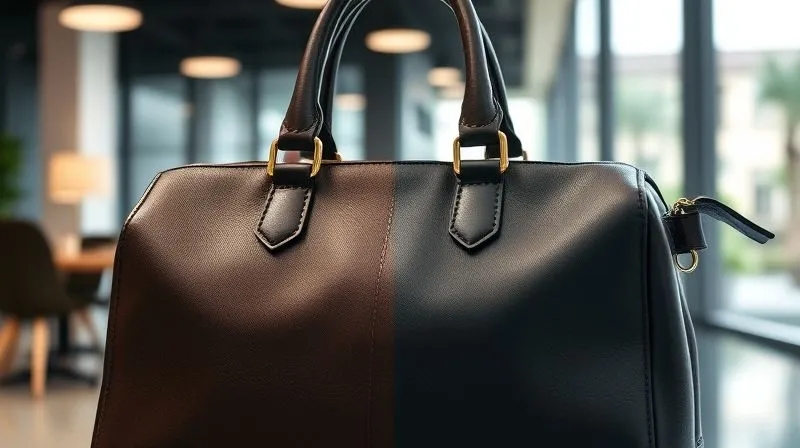
One of the most common mistakes I've observed is over-accessorizing. In an attempt to add flair, many professionals inadvertently create visual clutter that distracts from their message and dilutes their authority. A cluttered look can read as immature or unprofessional, effectively cheapening your professional image.
True elegance and confidence often reside in restraint. The 'less is more' philosophy encourages you to select a few impactful pieces that complement your outfit and persona, rather than competing for attention. Each accessory should have a purpose and contribute harmoniously to your overall professional aesthetic.
Case Study: Elevating Eleanor's Executive Presence
Eleanor, a rising marketing executive, approached me for a style consultation. Her wardrobe was sharp, but her accessories were a jumble: a chunky statement necklace, large hoop earrings, three bracelets, and a patterned scarf, all worn simultaneously. The effect was overwhelming, drawing attention away from her confident demeanor. My advice was simple: choose one or two focal points. We opted for a delicate gold chain and stud earrings, or a single bold watch with a classic bracelet. The transformation was immediate. Colleagues commented on her newfound 'sophistication,' and she felt more assertive in meetings. By embracing strategic minimalism, Eleanor projected an image of refined power and control.
The essence of true elegance lies not in what you add, but in what you carefully choose to omit. It's about curation, not accumulation.
When selecting your accessories, consider the 'one-two punch' rule: choose one significant statement piece (e.g., a bold watch, an architectural necklace) and one or two subtle complementary pieces (e.g., small stud earrings, a simple ring). This creates balance and ensures each item is appreciated without overwhelming the eye. This approach is fundamental to ensuring your accessories elevate your professional image.
3. Color, Texture, and Material: A Symphony of Professionalism
The interplay of color, texture, and material in your accessories is a subtle yet powerful determinant of your professional image. A harmonious selection can convey sophistication and polish, while a discordant mix can instantly undermine your efforts. I always advise my clients to think of their accessories as contributing to a cohesive visual narrative.
Color Palette: For professional settings, sticking to a core neutral palette (black, navy, grey, taupe, white, cream) for larger items like handbags and shoes is generally safest and most versatile. These foundational colors exude timeless professionalism. Pops of color can be introduced strategically through scarves, a tasteful piece of jewelry, or a belt, but they should complement, not clash with, your primary outfit.
Texture: Smooth, refined textures typically convey professionalism. Think of polished leather, lustrous silk, or subtle metallic finishes. Avoid overly coarse, distressed, or extremely shiny textures that can appear casual or flashy. A textured accessory, like a subtly woven bag or a fine knit scarf, adds depth without creating visual noise.
Material Consistency: Pay attention to the metals in your jewelry. While mixing metals can be chic in casual settings, for a professional environment, I generally recommend consistency. If your watch is silver, opt for silver-toned earrings and necklaces. This creates a cohesive and polished look that speaks to your attention to detail.
Actionable Steps for Harmonious Accessorizing:
- Establish a Core Neutral Palette: Build your primary accessory collection around versatile neutrals that will pair with most of your professional wardrobe.
- Introduce Accent Colors Mindfully: Use accent colors sparingly and intentionally. A vibrant scarf or a single gemstone ring can add personality without overwhelming your professional image.
- Harmonize Metal Tones: Strive for consistency in the metals of your jewelry, watch, and even the hardware on your bag and shoes. This small detail creates a significant impact on perceived polish.
4. Beyond Bling: The Art of Subtle Statement Pieces
There's a fine line between a sophisticated statement piece and an accessory that screams for attention, potentially cheapening your professional image. In my work, I've guided many executives on how to select items that convey power and individuality without crossing into ostentation. A true statement piece for the professional woman is one that sparks interest and admiration for its unique design or quality, not for its flashiness or size.
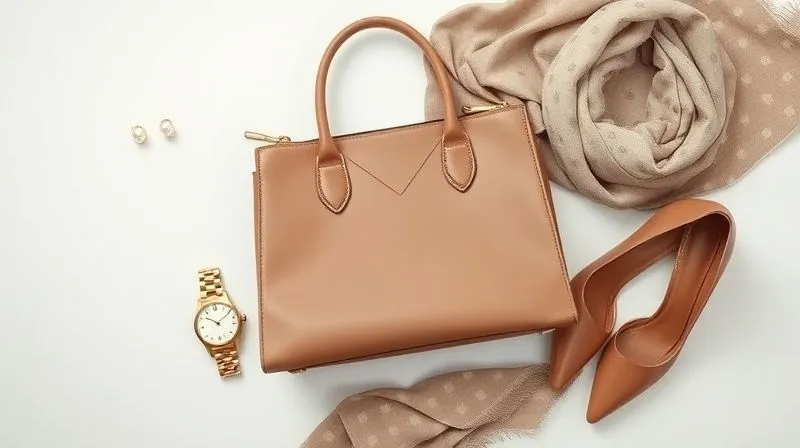
Consider pieces with architectural lines, unique textures, or heirloom quality. A distinctive brooch, a watch with an interesting dial, or a necklace featuring a tasteful, singular pendant can serve as a focal point without being distracting. These items demonstrate confidence in your personal style and an appreciation for craftsmanship, rather than an attempt to impress through sheer volume or sparkle.
A true statement piece whispers confidence; it doesn't shout for attention. It's about distinction, not distraction.
The key here is context. What might be appropriate for a creative industry might be too bold for a very conservative corporate environment. Always consider your industry, your role, and the specific meeting or event you are attending. Research from various organizational psychology studies suggests that an intentional and polished appearance contributes positively to perceptions of competence and leadership. Your accessories are an integral part of that intentional appearance.
Choosing Your Subtle Statement:
- Unique Design: Look for pieces with an interesting shape, an artistic element, or a story behind them.
- Exceptional Quality: The material and craftsmanship should be impeccable. A well-designed silver cuff will always be more impactful than a large, poorly made costume piece.
- Strategic Placement: Choose one area for your statement. If it's a necklace, keep earrings minimal. If it's a bold watch, other jewelry should be understated.
Remember, the goal is to enhance your professional presence, not to overshadow it. A carefully chosen statement piece can act as a conversation starter or a subtle indicator of your refined taste, contributing positively to how you are perceived.
5. The Handbag & Footwear Equation: Foundation of Your Professional Look
In the realm of professional accessories, handbags and footwear are not mere afterthoughts; they are foundational elements that can significantly anchor or derail your entire ensemble. I've often stressed to my clients that even the most expensive suit can be cheapened by a worn-out handbag or scuffed shoes. These items are often the first things noticed and can communicate volumes about your attention to detail and overall professionalism.
Handbags: For a professional setting, structure and quality are paramount. A structured leather tote or a classic shoulder bag in a neutral color (black, navy, taupe, burgundy) exudes competence and organization. Avoid overly slouchy bags, canvas totes, or bags with excessive embellishments or logos that can appear casual or unprofessional. The bag should be large enough to carry your essentials (laptop, documents) without looking overstuffed.
Footwear: Polished, well-maintained shoes are non-negotiable. Classic styles like pumps, loafers, or elegant ankle boots are always appropriate. Ensure they are comfortable, clean, and in good repair. Scuffed heels, worn-down soles, or overly trendy footwear can detract from your professional image. The material, typically leather, should be of high quality and reflect the seriousness of your professional attire.
Actionable Steps for Handbags & Footwear:
- Invest in Classic Styles: Prioritize timeless designs in high-quality materials that will serve you for years and remain appropriate for various professional contexts.
- Prioritize Structure and Quality: Choose structured bags and shoes made from durable, quality materials like full-grain leather. These items maintain their shape and integrity, projecting an image of stability.
- Maintain Your Items Diligently: Regularly clean and polish your shoes, and condition your leather bags. A well-maintained accessory speaks volumes about your respect for your belongings and your professional image.
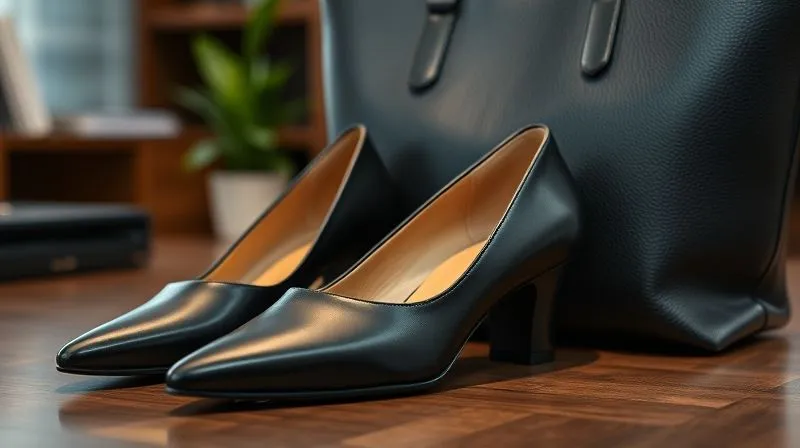
The synergy between your handbag and footwear is also crucial. While they don't necessarily need to match perfectly, they should always coordinate in terms of style, color tone, and formality. A sleek black leather tote paired with polished black pumps creates a cohesive and authoritative look. This careful consideration ensures your accessories elevate, rather than cheapen, your overall professional presentation.
6. Jewelry Wisdom: From Dainty to Daring, Professionally
Jewelry is perhaps the most personal of accessories, and therefore, it requires the most nuanced approach in a professional setting. The wrong choices can quickly cheapen your professional image, while the right ones can subtly enhance your sophistication and personal style. My advice always centers on intentionality and understanding the impact of each piece.
Earrings: Stick to elegant studs (pearls, small diamonds, or simple gold/silver), small hoops, or delicate drop earrings. Avoid large, dangling, noisy, or overly flashy earrings that can distract during conversations or presentations. The goal is subtle enhancement, not a visual spectacle.
Necklaces: A delicate chain with a single, tasteful pendant (a small gemstone, a classic initial, or a simple geometric shape) is always appropriate. Pearl strands are timeless and elegant. Avoid chunky, overly long, or layered necklaces that can appear busy or casual. The length should sit comfortably above your neckline, or subtly under a blazer.
Bracelets: Simple cuffs, elegant bangles, or a delicate chain bracelet are ideal. Avoid armfuls of jangling bangles or overly casual friendship bracelets. A professional watch often serves as the primary wrist accessory.
Rings: Beyond your wedding and engagement rings, limit yourself to one or two additional tasteful rings. Choose elegant designs with subtle stones or classic metalwork. Large cocktail rings or multiple rings on every finger can be distracting and undermine a polished look.
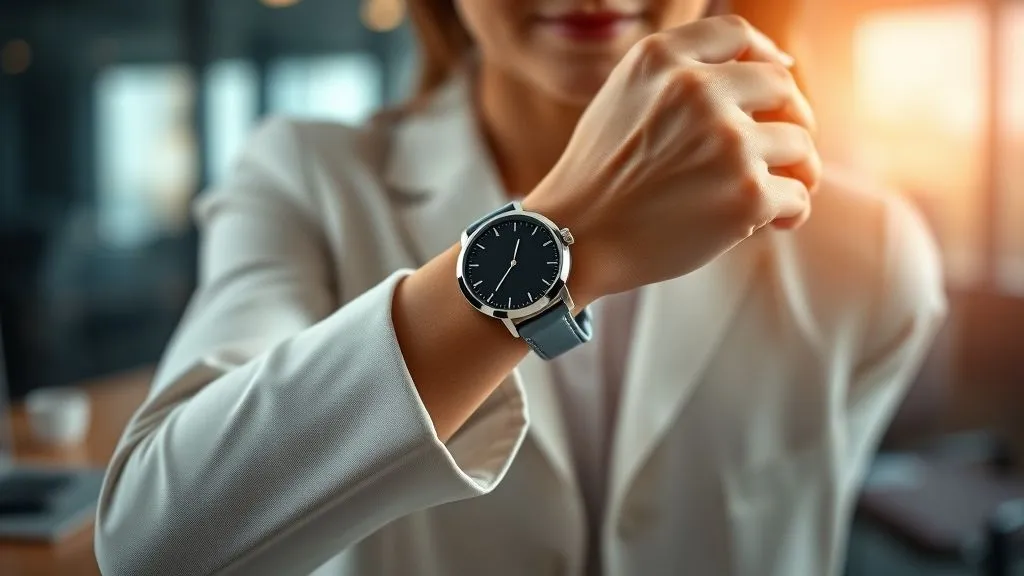
Watches: A classic, minimalist watch with a leather strap or a metal bracelet is a hallmark of professional style. It signals punctuality and an appreciation for timeless design. Avoid overly sporty, digital, or brightly colored watches unless your industry is highly creative and casual.
| Jewelry Type | Professional Do's | Professional Don'ts |
|---|---|---|
| Earrings | Pearl studs, small gold/silver hoops, delicate drops | Large chandeliers, noisy dangles, oversized hoops, novelty shapes |
| Necklaces | Delicate pendant, classic pearl strand, simple chain | Chunky statement pieces, multiple layers, very long chains that swing |
| Bracelets | Slim cuff, elegant bangle, simple chain | Numerous jangling bangles, casual beaded bracelets, large charms |
| Rings | Wedding/engagement, one or two tasteful rings | Multiple large rings on every finger, overly ornate cocktail rings |
In essence, your jewelry should complement your professional attire, not overpower it. It should be an extension of your refined taste, enhancing your overall image without creating any visual distractions. For more on professional etiquette, including accessorizing, I recommend consulting guides from reputable sources like Harvard Business Review on office fashion.
7. Scarves, Belts, and Eyewear: The Finishing Touches
These often-overlooked accessories can be incredibly powerful tools for elevating your professional image, provided they are chosen and styled with care. They are the details that can pull an entire look together, adding a layer of sophistication that prevents your outfit from feeling generic or uninspired. However, misused, they can also swiftly cheapen your professional image.
Scarves: A high-quality silk or cashmere scarf is a versatile and elegant accessory. It can add a pop of color, texture, or pattern to a neutral outfit. Learn a few classic tying techniques (e.g., a simple knot, a French twist, or draped loosely) that suit a professional environment. Avoid overly casual cotton scarves or those with very loud, distracting patterns. A well-chosen scarf can convey an air of cultured elegance.
Belts: A good quality leather belt, appropriate for the style of your trousers or skirt, is essential. Choose classic widths and buckles. A skinny belt can define your waist over a dress or blazer, while a slightly wider belt grounds tailored trousers. Ensure the leather is uncreased and the buckle is polished. Avoid overly large, ornate, or branded buckles that draw undue attention.
Eyewear: For those who wear glasses, your frames are a constant accessory that significantly impacts your face. Choose frames that complement your face shape and personal style while maintaining a professional aesthetic. Classic shapes (e.g., rectangular, oval, cat-eye) in sophisticated colors (black, tortoise, metallic, subtle clear) are excellent choices. Avoid overly trendy, brightly colored, or embellished frames that might detract from your authority.
Case Study: Clarissa's Confidence Boost with Strategic Scarves
Clarissa, a consultant, felt her professional wardrobe was somewhat bland. She owned many neutral suits and dresses but struggled to inject personality without appearing unprofessional. I suggested incorporating high-quality silk scarves. We curated a small collection of scarves in rich jewel tones and subtle patterns. By learning just three elegant ways to tie them—a simple knot at the neck, draped under a blazer, or tied to her handbag—Clarissa transformed her look. She reported feeling more confident and distinctive, and her colleagues noticed a heightened sense of polish. Her accessories no longer cheapened her look; they elevated it.
These finishing touches are not mere afterthoughts; they are deliberate statements that underscore your attention to detail and personal refinement.
The beauty of these accessories lies in their versatility and ability to subtly transform an outfit. By selecting high-quality pieces and styling them thoughtfully, you can add depth and character to your professional wardrobe without ever compromising your authoritative image.
8. Seasonal & Trend Savvy: Adapting Accessories Without Compromising Image
Staying current with fashion trends can be a desire for many, but in a professional context, it’s crucial to adapt trends rather than blindly follow them. My advice to clients is always to integrate trends judiciously, ensuring they enhance, rather than cheapen, your professional image. The goal is to appear current and stylish, not trendy and fleeting.
Timeless vs. Trendy: Your core professional accessory collection should be built on timeless, classic pieces. These are your investment items that transcend seasons. Trends, on the other hand, should be incorporated through smaller, less expensive, and easily replaceable items. This might include a trendy color in a scarf, a particular metallic finish on a piece of jewelry, or a fashionable shape in a pair of sunglasses.
Seasonal Adaptations: Accessories also allow you to subtly adapt your look to the season. Lighter fabrics and brighter colors in spring/summer (e.g., a linen blend scarf, a pastel handbag), and richer textures and deeper hues in autumn/winter (e.g., a cashmere wrap, a deep burgundy leather bag). The key is to maintain the level of formality and quality appropriate for your workplace.
Actionable Steps for Trend Integration:
- Prioritize Timeless Basics: Ensure your foundational accessories (classic watches, quality handbags, essential jewelry) are timeless and high-quality. These are your anchors.
- Incorporate Trends Through Small Pieces: Use scarves, a statement brooch, or a specific color of a belt to subtly nod to current trends without overhauling your entire professional aesthetic.
- Assess Trend Longevity: Before investing in a trendy accessory, consider its lifespan. Will it still look chic in a year, or will it quickly appear dated? Opt for trends with a longer shelf life.
By approaching seasonal and trend adaptations with a discerning eye, you ensure your accessories always reflect a sophisticated understanding of style, rather than a fleeting adherence to fads. This strategic approach is vital to maintain a polished and authoritative professional image.
9. The "Mirror Test" & Personal Branding: Refining Your Accessory Strategy
Ultimately, the effectiveness of your accessory choices boils down to how they resonate with your personal brand and how they make you feel. This is where the 'mirror test' comes in: before you leave for work, take a moment to truly assess your reflection. Does your outfit, complete with accessories, convey the message you intend? Does it align with your professional aspirations? This critical self-assessment is key to ensuring your accessories never cheapen your professional image.
Your accessories are powerful non-verbal communicators. They can signal your attention to detail, your understanding of professional norms, and even your personality. They are an extension of your personal brand – the unique promise of value you bring to your professional interactions. When your accessories are incongruent with your personal brand, it creates dissonance that can undermine your credibility.
Your accessories are not just adornments; they are extensions of your personal brand, speaking volumes before you even utter a word. They are silent ambassadors of your professionalism.
If you're unsure, seek feedback from a trusted mentor or colleague whose style you admire. Sometimes an objective eye can spot areas for improvement that you might overlook. Furthermore, actively cultivate a personal brand that is authentic to you but also aspirational within your professional field. Your accessories should support and amplify this brand.
Refining Your Strategy:
- The Gut Check: Does your ensemble feel right? Do you feel confident and comfortable? If something feels off, it probably is.
- Align with Your Brand: Ask yourself if each accessory contributes positively to the professional image you want to project. Does it speak of competence, sophistication, approachability, or authority?
- Seek External Input: Occasionally, ask a trusted, stylish colleague for their honest feedback on your accessorizing. Constructive criticism can be invaluable.
By consistently applying the mirror test and consciously aligning your accessory choices with your personal brand, you move beyond merely avoiding pitfalls to actively leveraging your accessories as strategic assets. This proactive approach ensures your accessories always enhance, never cheapen, your professional image. For more on the power of personal branding, consider resources like Inc.com's guide to building your personal brand.
Frequently Asked Questions (FAQ)
Q: Is it ever okay to wear costume jewelry in a professional setting? A: Generally, no. While some high-quality, tasteful costume jewelry with a distinctive design might pass in very creative industries, for most professional environments, it’s best to avoid it. Costume jewelry often lacks the inherent quality and refined finish that elevates a professional look, and can quickly cheapen your professional image. Stick to genuine materials like sterling silver, gold, and natural stones for a consistently polished appearance.
Q: How do I choose accessories if my industry is creative versus corporate? A: The core principles of quality and intentionality remain, but the degree of formality and expressiveness shifts. In a creative industry, you might have more leeway for unique, artistic pieces, subtle pops of unconventional color, or slightly bolder statement jewelry, provided they still look polished and high-quality. For corporate settings, the emphasis is on classic, understated elegance, neutral palettes, and minimalist designs. Always align your accessories with the prevailing dress code and culture of your specific workplace.
Q: What's the biggest mistake women make with professional accessories? A: In my two decades in womenswear, the single biggest mistake is a lack of intentionality, often leading to either over-accessorizing or choosing items of poor quality. Many women treat accessories as afterthoughts rather than integral components of their professional image. This can result in cluttered looks or items that visibly cheapen an otherwise expensive outfit. Every accessory should be a deliberate choice that contributes to your desired professional persona.
Q: How many accessories are too many? A: While there's no strict number, a good rule of thumb is the 'less is more' principle. Aim for one to three focal points. For example, a watch, a pair of earrings, and a necklace. Or a statement brooch, a bracelet, and a functional handbag. The key is balance and avoiding visual clutter. If your accessories are competing for attention or making noise when you move, you likely have too many. Your accessories should complement, not overwhelm, your outfit and your presence.
Q: How can I maintain my accessories to ensure they always look high-quality? A: Proper maintenance is crucial for longevity and appearance. For leather items, use a leather conditioner and polish regularly, and store them in dust bags. For jewelry, clean regularly with appropriate cleaners (e.g., silver polish, mild soap and water for pearls) and store in separate pouches to prevent tarnishing and scratching. Ensure clasps are secure and stones are tight. Regular care prevents wear and tear from cheapening the look of even the finest pieces.
Key Takeaways and Final Thoughts
Navigating the world of professional accessories is an art, but it's an art that can be mastered with intentionality and a discerning eye. The journey to ensure your accessories always elevate, rather than cheapen, your professional image is about more than just buying expensive items; it's about making thoughtful choices that reflect your expertise and respect for your career.
- Prioritize Quality Over Quantity: Invest in well-made pieces that stand the test of time.
- Embrace Strategic Minimalism: Less is often more; choose a few impactful accessories.
- Harmonize Color, Texture, and Material: Ensure your accessories create a cohesive and polished look.
- Choose Subtle Statement Pieces: Let your accessories whisper confidence, not shout for attention.
- Anchor Your Look with Quality Footwear & Handbags: These foundational items set the tone for your entire professional image.
- Practice Jewelry Restraint: Select elegant, understated pieces that complement your outfit.
- Leverage Finishing Touches: Scarves, belts, and eyewear can add sophistication when chosen wisely.
- Adapt Trends Thoughtfully: Integrate current styles subtly, primarily through smaller, interchangeable pieces.
- Conduct the 'Mirror Test': Regularly assess if your accessories align with your personal brand and professional aspirations.
Remember, every accessory you choose sends a signal. By applying these expert strategies, you’re not just dressing for success; you're strategically accessorizing for it. You’re building a powerful non-verbal communication tool that speaks volumes about your professionalism, competence, and sophisticated taste. Embrace this journey with confidence, and watch as your accessories become your silent, yet most eloquent, advocates in the professional arena.
Recommended Reading
- 7 Smart Casual Outfits: Crafting Impactful Looks for Male Professionals
- Slash Kids' Character Apparel Dead Stock: 7 Expert Strategies
- 5 Crucial Steps: How to Pivot a Failing Fashion Photoshoot On Set
- 7 Proven Strategies: Slash Returns of Poorly Fitting Workout Clothes
- The Ultimate Guide: What to Know Before Buying a Vintage Wedding Dress?



Your email address will not be published. Required fields are marked *