

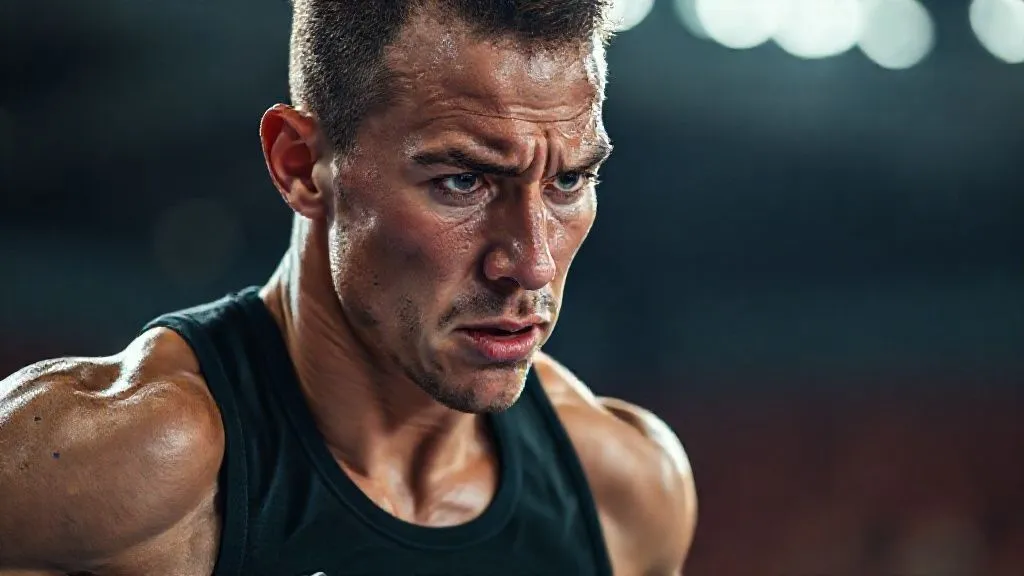
How to Solve Activewear Discomfort Impacting Elite Athletic Focus?
For over two decades in the activewear industry, I've witnessed firsthand how even the most meticulously trained elite athletes can be derailed not by their opponents or their own physical limits, but by something as seemingly trivial as their apparel. It's a silent saboteur, often underestimated, yet profoundly capable of fracturing the laser-like focus required at the pinnacle of sport.
The problem is insidious: a persistent seam rub, inadequate support, or an unbreathable fabric creates a constant, low-level irritation. This isn't just a physical annoyance; it's a cognitive drain. Every moment an athlete's mind is pulled from strategy, execution, or pure physical effort to acknowledge discomfort, their performance suffers.
This comprehensive guide isn't about generic tips; it's about providing you with actionable frameworks, deep insights into material science, and expert strategies to definitively solve activewear discomfort impacting elite athletic focus. We'll explore everything from advanced fabric technologies to personalized fitting techniques, ensuring your gear becomes an extension of your body, not a barrier to your brilliance.
The Silent Saboteur: Understanding Discomfort's Cognitive Load
Imagine being in the zone, every muscle firing, every decision instantaneous, and then a nagging itch or a restrictive waistband breaks your concentration. This isn't just frustrating; it's a measurable performance inhibitor. The human brain has a finite capacity for attention, and any physical discomfort, no matter how minor, demands a portion of that capacity.
As an industry specialist, I've spent years analyzing this precise dynamic. When an athlete feels a constant reminder of their clothing, whether it's chafing, excessive sweat, or a poor fit, their cognitive resources are diverted. This phenomenon is often referred to as 'cognitive load,' and in high-stakes environments, even a marginal increase can be the difference between gold and silver, or a personal best and a missed opportunity.
According to research published in the Journal of Sport and Exercise Psychology, external distractions, including physical discomfort, significantly impair an athlete's ability to maintain sustained attention and execute complex motor skills. This isn't about being 'tougher'; it's about optimizing every variable so that mental energy is solely dedicated to performance, not managing an avoidable irritation.
Beyond the Basics: Advanced Fabric Technologies for Optimal Comfort
The evolution of activewear fabrics has been nothing short of revolutionary. We've moved far beyond simple cotton or basic synthetics into a realm where textiles are engineered with specific athletic demands in mind. Understanding these innovations is crucial for any elite athlete serious about performance.
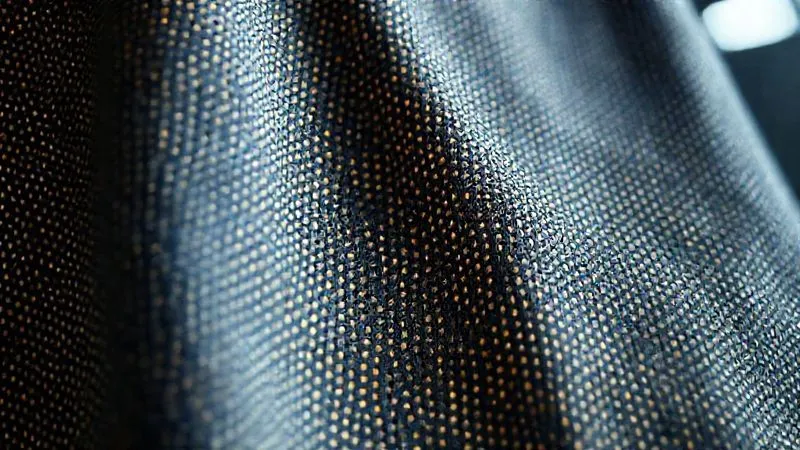
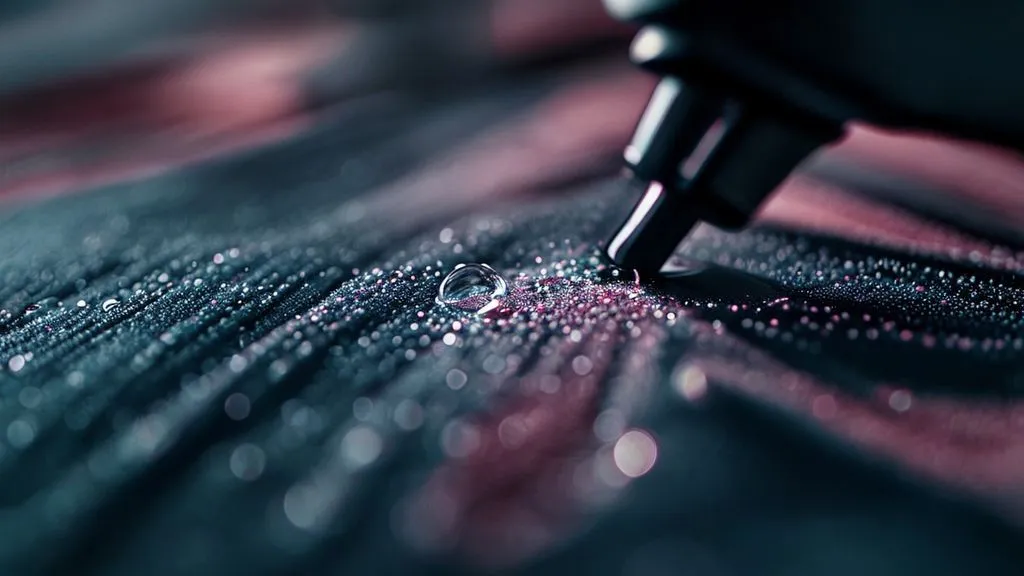
Moisture-wicking isn't just a buzzword; it's a critical function that draws sweat away from the skin to the fabric's outer surface, where it can evaporate quickly. This keeps the athlete dry and prevents the clammy, heavy feeling that can distract. Look for advanced polyesters, nylons, and proprietary blends that excel in this area. Furthermore, breathability, often achieved through mesh panels or micro-perforations, allows heat to escape, preventing overheating and maintaining a stable body temperature.
Then there's thermoregulation. Some fabrics are designed to actively adapt to body temperature, cooling you down when you're hot and retaining warmth when you're cold. Seamless construction is another game-changer, eliminating abrasive seams that cause chafing. These aren't just comfort features; they are performance enhancers, allowing the body to operate at its peak without thermal or frictional distractions.
The Art of Fit: Precision Sizing and Ergonomic Design
Fit is arguably the single most critical factor in activewear comfort. It's not just about selecting your usual size; it's about understanding how a garment's cut, compression, and stretch interact with your unique body mechanics during movement. A poorly fitted garment can restrict blood flow, cause bunching, or create friction points that lead to blisters and chafing.
For elite athletes, precision sizing means going beyond standard measurements. It often involves considering muscle mass, specific limb lengths, and the dynamic changes your body undergoes during peak exertion. Compression garments, for example, need to provide graduated pressure without being overly restrictive, supporting muscles and aiding recovery without hindering movement or circulation.
Ergonomic design is key here. This means apparel is shaped to move with the body's natural contours and joint articulation. Think about strategically placed seams that avoid high-friction areas, or gussets in crucial zones that allow for a full range of motion without pulling or tearing. For women, the importance of a properly fitted sports bra cannot be overstated; it's foundational to comfort and performance, preventing bounce and discomfort that can severely impact focus.
| Fit Attribute | Ideal State | Impact of Poor Fit |
|---|---|---|
| Compression | Snug, supportive, no restriction | Restricted movement, reduced circulation, discomfort |
| Length | Covers desired area without bunching | Riding up/down, exposing skin, chafing |
| Seam Placement | Flat, off high-friction zones | Chafing, irritation, visible lines |
| Waistband | Lays flat, secure, non-binding | Digging in, rolling down, constant adjustment |
Chafing, Rubbing, and Pinching: Proactive Prevention Strategies
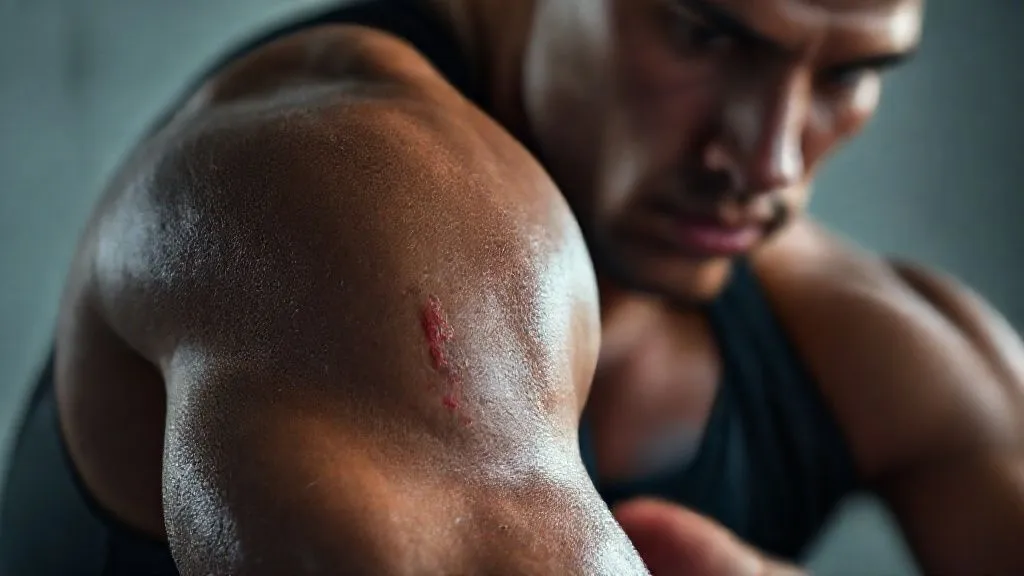
These specific forms of discomfort are notorious for breaking an athlete's concentration. They start as minor irritations but can quickly escalate into painful distractions. Preventing them requires a multi-pronged, proactive approach, combining smart apparel choices with personal preparation.
- Assess Seam Placement: Before purchasing, inspect the garment's seams. Are they flat-locked? Do they sit in areas prone to friction (e.g., inner thighs, armpits, shoulders under a backpack)? Opt for seamless designs or garments with strategically placed seams away from high-rub zones.
- Choose the Right Fabric: As discussed, moisture-wicking fabrics are paramount. Wet skin is far more susceptible to chafing than dry skin. Avoid cotton, which absorbs moisture and stays wet, increasing friction.
- Ensure Proper Fit: A garment that is too loose will bunch and rub; one that is too tight will dig in and restrict. Always refer to sizing charts and, if possible, try on activewear in a dynamic way (e.g., mimic your sport's movements).
- Apply Anti-Chafe Products: For persistently problematic areas, use anti-chafing balms, creams, or powders. These create a protective barrier on the skin, reducing friction. Apply generously before every workout or competition.
- Layer Wisely: In colder conditions, layer with thin, moisture-wicking base layers rather than bulky, friction-prone materials. Ensure layers move smoothly against each other.
In my experience, many athletes overlook the simple act of trying on activewear with the exact undergarments they'll use during their activity. This small step can reveal crucial fit issues before they become performance-impacting problems.
These strategies, when implemented consistently, can drastically reduce the incidence of these common activewear discomforts, allowing athletes to maintain their focus on the task at hand.
Material Science Meets Movement: The Role of Fiber Blends
The magic often lies not in a single fiber, but in the intelligent blending of different materials. This is where activewear truly becomes specialized. A blend might combine the softness of a natural fiber with the durability and moisture-wicking properties of a synthetic, creating a textile optimized for a specific type of movement or environment.
For instance, some blends incorporate elastane (Spandex/Lycra) for stretch and shape retention, ensuring the garment moves with the body without becoming baggy or restrictive. Others might blend merino wool – renowned for its natural thermoregulation and odor resistance – with nylon for enhanced durability and faster drying times. The key is to understand what each fiber contributes to the overall performance of the fabric.
When I consult with brands, we delve deep into the biomechanics of their target sport. Is it high-impact, requiring maximum compression and support? Is it endurance-based, demanding superior moisture management and minimal weight? The answers dictate the ideal fiber blend, directly influencing how the garment feels and performs over extended periods, ultimately contributing to or detracting from an athlete's focus.
Case Study: Triathlete's Transition to Focus-First Fabrics
Sarah, an elite triathlete, consistently struggled with chafing during the run leg of her races, despite using various anti-chafe creams. Her existing tri-suit, a common polyester/elastane blend, was adequate but not exceptional. The cumulative effect of hours of swimming and cycling left her skin primed for irritation during the final marathon segment, costing her precious seconds and mental energy.
Working with her, I suggested a new tri-suit incorporating a proprietary blend of micro-denier nylon, a high percentage of Lycra for compression, and strategically placed merino wool panels in high-sweat, low-friction areas. The nylon offered superior moisture transfer, the Lycra provided consistent, non-restrictive support, and the merino panels naturally managed temperature and odor while being incredibly soft against the skin. This change, coupled with a precise, custom fit, virtually eliminated her chafing issues. Sarah reported a significant improvement in her ability to maintain focus during the late stages of her run, directly attributing it to the absence of the constant, nagging discomfort. This resulted in a personal best at her next Ironman event, proving that fabric choice isn't just about comfort; it's about competitive advantage.
Maintenance Matters: Prolonging Performance and Preventing Degradation
Even the most technologically advanced activewear will falter if not cared for properly. Improper washing, drying, or storage can degrade fabric properties, leading to a loss of elasticity, reduced wicking capabilities, and an increase in potential discomfort. This, in turn, can subtly impact an athlete's focus, as they become aware of their gear feeling 'off.'
- Read Care Labels: This seems obvious, but it's the most overlooked step. Each garment's care instructions are tailored to its specific fabric blend.
- Wash Cold & Gentle Cycle: Hot water can break down synthetic fibers and elastic, reducing the garment's stretch and compression. A gentle cycle minimizes abrasion.
- Use Mild Detergent: Harsh detergents, fabric softeners, and bleach can clog fabric pores, impairing moisture-wicking and breathability. Opt for sports-specific detergents or mild, clear options.
- Avoid Fabric Softeners: Fabric softeners leave a residue that coats the fibers, inhibiting their wicking capabilities and trapping odor.
- Air Dry or Tumble Dry Low: High heat from dryers can damage elastic and synthetic fibers, leading to shrinkage or a breakdown of the material's integrity. Air drying is always preferable for activewear.
- Store Properly: Avoid stuffing activewear into tight drawers. Allow garments to breathe and retain their shape.
By adhering to these simple maintenance practices, athletes can significantly extend the lifespan and performance of their activewear, ensuring that their gear consistently delivers the comfort and support needed to maintain peak athletic focus.
The Psychological Edge: How Comfort Fuels Confidence and Focus
The link between physical comfort and psychological state is undeniable, especially in high-pressure athletic environments. When an athlete feels physically unencumbered, they are more likely to experience a state of flow – that optimal state of consciousness where one is fully immersed in an activity, characterized by energized focus, full involvement, and enjoyment. Discomfort is a direct antagonist to this state.
As sports psychologist Dr. Carol Dweck often discusses in her work on mindset, confidence plays a monumental role in performance. Feeling good in your gear, knowing it won't betray you with a rub or a slip, instills a quiet confidence. This isn't just about superficial appearance; it's about the deep-seated assurance that every variable is optimized, allowing the athlete to fully trust their equipment and, by extension, themselves.
Conversely, a persistent discomfort creates a mental 'bug' in the system. The athlete's attention is fragmented, their self-talk might shift to frustration, and their overall perceived competence can diminish. By meticulously addressing activewear discomfort, we're not just solving a physical problem; we're fortifying an athlete's mental resilience and opening the door to sustained, unyielding focus.
Personalized Performance: Customization and Iterative Selection
There's no one-size-fits-all solution in elite activewear. Every athlete's body is unique, and their specific needs can vary significantly based on their sport, training intensity, climate, and personal sensitivities. This necessitates a personalized approach to activewear selection, often involving an iterative process of trial, feedback, and refinement.
I always advise athletes to think of their activewear as another piece of precision equipment. Just as a cyclist fine-tunes their bike fit or a runner experiments with shoe models, apparel requires careful consideration. This might involve trying multiple brands, different fabric compositions, or even exploring custom-fit options from specialized manufacturers. Some athletes benefit from minor alterations to off-the-rack items, such as adjusting seam lines or adding specific padding.
The key is to develop a discerning eye and a critical feel. Pay attention to how the garment moves, breathes, and feels against your skin throughout your entire training session or competition. Keep a journal of what works and what doesn't, noting specific discomforts and their potential causes. This data-driven approach, combined with expert guidance, is how elite athletes truly optimize their apparel for peak focus.
| Selection Criterion | Evaluation Question |
|---|---|
| Fabric Hand-Feel | Does it feel soft, smooth, and non-irritating against skin? |
| Dynamic Fit | Does it move with my body without restriction or bunching through full range of motion? |
| Moisture Management | Does it keep me dry and comfortable during peak exertion? |
| Seam Comfort | Are seams flat-locked and positioned away from high-friction areas? |
| Support Level | Does it provide adequate compression/support without feeling restrictive? |
Frequently Asked Questions (FAQ)
Q: Can a slight activewear discomfort truly impact elite athletic focus significantly? Absolutely. While seemingly minor, any persistent physical irritation creates a 'cognitive load.' This means a portion of the athlete's mental resources is diverted to acknowledging and managing the discomfort, rather than being fully dedicated to strategy, execution, and maintaining a flow state. Over time, this cumulative drain can lead to decreased reaction times, poorer decision-making, and an inability to sustain peak concentration, directly impacting elite performance.
Q: What are the most common areas where activewear discomfort impacts athletes? The most frequent culprits include chafing (inner thighs, armpits, nipples, under bra lines), restrictive waistbands or necklines that dig in, inadequate support (especially for sports bras), and fabrics that retain moisture, leading to a clammy, heavy feeling. Poorly placed or bulky seams are also a major source of irritation.
Q: How do I know if my activewear is causing discomfort that affects my focus, rather than just being a minor annoyance? The key indicator is if the discomfort is recurring and requires any mental acknowledgement during your activity. If you find yourself adjusting your clothing, consciously trying to ignore a rub, or feeling generally 'off' about your gear, it's likely impacting your focus. Elite athletes should demand gear that feels like a second skin – imperceptible and enabling.
Q: Are natural fibers like merino wool always better than synthetics for comfort and focus? Not necessarily. While merino wool offers excellent thermoregulation and softness, it's not always the best for high-intensity, high-sweat activities where rapid drying is paramount. Modern synthetic blends (nylon, polyester, elastane) are engineered for superior moisture-wicking, durability, and compression. The 'best' choice often depends on the specific activity, climate, and individual preference, often found in intelligent blends that leverage the strengths of both.
Q: How often should elite athletes review and update their activewear wardrobe for optimal comfort and performance? I recommend a comprehensive review at least once a year, or more frequently if there are significant changes in training regimen, body composition, or the introduction of new fabric technologies in the market. Activewear, like any performance equipment, has a lifespan. Compression garments lose elasticity, wicking properties can diminish, and seams can weaken. Regular assessment ensures your gear continues to support your peak focus.
Key Takeaways and Final Thoughts
Addressing activewear discomfort isn't a luxury; it's a fundamental requirement for elite athletic focus and peak performance. It's about eliminating every potential distraction, allowing the mind to fully engage with the demands of competition and training.
- Prioritize Fabric Technology: Invest in advanced moisture-wicking, breathable, and thermoregulating materials.
- Master the Art of Fit: Understand your unique body mechanics and seek precision sizing and ergonomic designs.
- Proactive Prevention: Implement strategies to combat chafing, rubbing, and pinching before they start.
- Mindful Maintenance: Proper care extends the life and performance integrity of your high-tech gear.
- Embrace Personalization: Recognize that optimal comfort is individual; iterate and refine your choices.
As I've seen countless times, the pursuit of excellence leaves no stone unturned. By meticulously optimizing your activewear, you are not just buying clothes; you are investing in an unshakeable focus, unwavering confidence, and ultimately, a distinct competitive advantage. Don't let discomfort be the silent saboteur of your elite athletic aspirations. Take control of your comfort, and unleash your full potential.
Recommended Reading
- Bridesmaid Dress Disaster? 7 Steps When Wrong Sizes Arrive on Your Big Day
- 7 Steps: Design Kids' Clothes for Extreme Durability & Appeal
- Scaling Zero-Waste Fashion: 7 Design Principles for Commercial Success
- Predicting Activewear Profits: 7 Steps to Next Season's Hot Trends
- 7 Steps: Authenticating Vintage Haute Joaillerie for Maximum Resale Value

Your email address will not be published. Required fields are marked *