

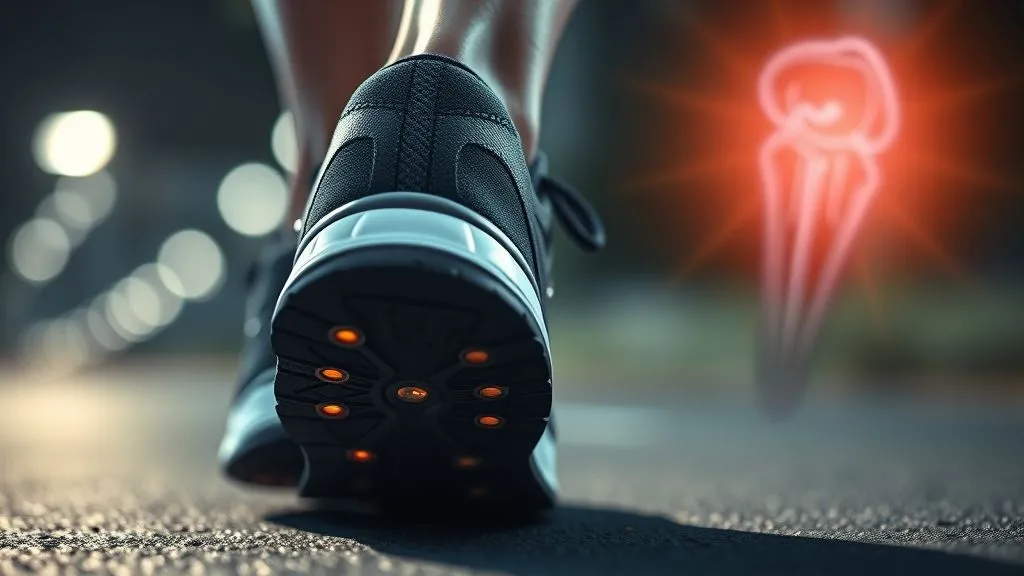
How to Select Athletic Footwear to Prevent Chronic Runner's Knee?
For over 15 years in the activewear industry, specializing in athletic footwear, I've seen countless passionate runners sidelined by a persistent, debilitating foe: chronic runner's knee. It's a frustrating experience, often leading to missed training, disrupted routines, and a significant dip in morale. Many attribute it to 'just getting older' or 'pushing too hard,' when in reality, a critical piece of the puzzle often lies right beneath their feet.
Runner's knee, scientifically known as patellofemoral pain syndrome (PFPS), isn't just a niggle; it's a complex condition characterized by pain around or behind the kneecap. It's a common complaint among athletes, particularly those involved in high-impact activities like running, and it can stem from a myriad of factors, including muscle imbalances, improper training, and crucially, ill-suited footwear. The pain can range from a dull ache to a sharp, incapacitating throb, making every stride a grim reminder of its presence.
In this definitive guide, I'm going to pull back the curtain on how to select athletic footwear to prevent chronic runner's knee. We'll delve into the biomechanics, decode shoe technologies, and provide you with actionable frameworks, expert insights, and real-world considerations that I've accumulated over years of working with athletes and footwear innovations. My goal is to empower you to make informed decisions, transforming your running experience from painful to truly pleasurable and sustainable.
Understanding Runner's Knee: More Than Just a "Bad Knee"
Before we dive into footwear, it's essential to understand what runner's knee truly is. It's not a single injury but rather a blanket term for pain around the kneecap. This pain arises when the kneecap (patella) doesn't track properly in the groove of the thigh bone (femur) during leg movement. This can lead to irritation of the cartilage underneath the patella or the soft tissues surrounding it. The causes are often multifactorial, involving an interplay of biomechanical issues, training errors, and muscular imbalances.
From my perspective, one of the biggest misconceptions is that runner's knee is solely a knee problem. In reality, it's often a symptom of issues originating elsewhere in the kinetic chain – from your feet and ankles, up through your hips and core. Your feet are the first point of contact with the ground, and their mechanics dictate how impact forces travel up your legs. This is precisely why selecting the correct athletic footwear is not just beneficial, but absolutely critical for prevention and management.
"Preventing runner's knee isn't about isolating the knee; it's about optimizing the entire lower kinetic chain, and that journey unequivocally begins with the foundation: your feet and the shoes that support them."
The Critical Role of Foot Biomechanics in Knee Health
Your feet are intricate marvels of engineering, designed to absorb shock and propel you forward. However, individual variations in foot structure and movement patterns, known as biomechanics, can significantly influence the stress placed on your knees. The most common biomechanical factors we observe are pronation and supination.
Pronation is the natural inward roll of your foot after landing. It's a necessary shock-absorbing mechanism. However, overpronation (excessive inward roll) can cause the lower leg to rotate internally, placing undue stress on the knee joint and often leading to runner's knee. Conversely, supination (underpronation), where the foot rolls outward, means less natural shock absorption, sending greater impact forces up the leg to the knee.
I've seen countless runners who, unaware of their specific gait, choose shoes that exacerbate their natural tendencies, unwittingly contributing to their knee pain. Understanding your foot's natural movement is the cornerstone of informed footwear selection.
Gait Analysis: Your First Step to Smart Footwear
In my professional opinion, a professional gait analysis is the single most valuable investment you can make in preventing runner's knee through footwear. This isn't just about running on a treadmill; it's a detailed assessment of how your foot strikes the ground, how it transitions through the mid-stance, and how it pushes off. Specialists use video analysis and sometimes pressure plates to identify your unique pronation patterns.
- Find a Reputable Running Store or Sports Physiotherapist: Look for establishments with trained gait analysis specialists and advanced equipment.
- Bring Your Old Shoes: The wear pattern on your old shoes can provide valuable insights into your gait even before you step on the treadmill.
- Run Naturally: Don't try to alter your stride during the analysis. Run as you normally would.
- Understand the Results: The specialist should explain whether you are a neutral runner, an overpronator, or a supinator, and how this impacts your shoe needs.
- Ask for Shoe Recommendations: Based on the analysis, they will recommend specific shoe categories and models best suited for your biomechanics.
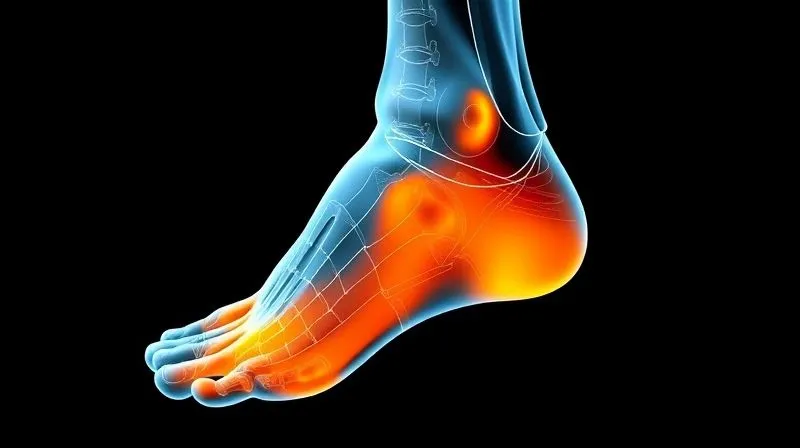
Decoding Shoe Features: Cushioning, Stability, and Motion Control
Once you understand your gait, the next step is matching it to the right shoe technology. The activewear market is flooded with terms like 'cushioned,' 'stable,' and 'motion control,' which can be overwhelming. Let me break down what these mean and who benefits most from each, especially when aiming to prevent runner's knee.
Cushioned shoes are designed for maximum shock absorption. They typically have softer midsoles and are ideal for neutral runners or supinators who need extra impact protection. They generally lack features to control foot motion. Stability shoes offer a balance of cushioning and support. They incorporate features like medial posts (firmer foam on the inside of the arch) to gently guide the foot and prevent mild to moderate overpronation. Motion control shoes are the most supportive, featuring extensive medial posts and often a wider base to severely limit overpronation. These are typically for runners with severe overpronation or heavier body types.
Cushioning vs. Stability: Finding Your Balance
The choice between cushioning and stability is paramount for knee health. I've often seen runners gravitate towards the 'softest' shoe, thinking more cushion equals more protection. While cushioning is important, too much cushioning without adequate stability for an overpronator can actually exacerbate knee issues by allowing excessive foot movement. Conversely, a neutral runner forced into a motion control shoe might experience discomfort due to unnecessary rigidity.
| Feature | Description | Best For |
|---|---|---|
| Cushioning | Absorbs impact, soft ride, neutral foot path | Neutral runners, high arches, supinators |
| Stability | Guides foot, prevents mild to moderate overpronation | Mild to moderate overpronators, flat to normal arches |
| Motion Control | Maximum support, severely limits overpronation | Severe overpronators, heavier runners, very flat feet |
Your gait analysis will be your guide here. Don't guess. Your feet provide critical feedback, and the right shoe amplifies that feedback into a comfortable, stable ride, while the wrong shoe can send jarring signals up to your knees.
Arch Support and Insole Considerations for Knee Protection
Beyond the shoe's inherent structure, the role of arch support, both built-in and supplemental, cannot be overstated in preventing runner's knee. Your arch acts as a natural spring, distributing forces during impact. Problems arise when the arch is too high or too low, affecting the foot's ability to absorb shock and maintain proper alignment.
Runners with flat feet (low arches) often overpronate, requiring more aggressive arch support or stability features to prevent the foot from rolling too far inward. Conversely, those with high arches often supinate, needing more cushioning to compensate for their foot's rigidity and reduced natural shock absorption. Many athletic shoes come with standard insoles, but these are often generic. In my experience, for runners with persistent knee issues, upgrading to a specialized insole can be a game-changer.
There are two main types of supplemental insoles: over-the-counter (OTC) insoles and custom orthotics. OTC insoles, available at most running stores, offer various levels of arch support and cushioning, categorized by arch type (low, medium, high). Custom orthotics, prescribed by a podiatrist, are molded precisely to your foot. While more expensive, they provide the most personalized support and can be highly effective in correcting severe biomechanical imbalances that contribute to runner's knee. "A well-supported arch ensures that the forces generated during running are distributed evenly, protecting your knees from undue stress," notes a comprehensive article on foot health from the National Library of Medicine.
The Perfect Fit: Beyond Just Shoe Size
It's a common mistake: focusing solely on shoe length. However, a truly perfect fit encompasses length, width, toe box volume, and heel counter security. An ill-fitting shoe, regardless of its technological prowess, can negate all its benefits and contribute directly to knee pain. I've witnessed runners squeezing into shoes that are too narrow, or swimming in ones that are too wide, leading to blisters, instability, and altered gait mechanics that stress the knee.
When trying on shoes, remember these pointers:
- Length: Ensure a thumb's width between your longest toe and the end of the shoe. Your feet swell during a run, so try shoes on at the end of the day.
- Width: The shoe should feel snug but not tight across the widest part of your foot. Your foot shouldn't slide side-to-side.
- Toe Box: Your toes should be able to wiggle freely. A cramped toe box can lead to toe deformities and alter your push-off, impacting knee alignment.
- Heel Counter: The heel should feel secure, with minimal slippage. Excessive heel movement can destabilize your foot and kinetic chain.
- Lacing: Learn proper lacing techniques to customize the fit. Different lacing patterns can alleviate pressure points or enhance security.
Case Study: Sarah's Journey to Pain-Free Running
Let me share a common scenario. Sarah, a dedicated marathoner, came to me after struggling with chronic runner's knee for over a year. She'd tried various 'cushioned' shoes, thinking they'd solve her problem, but the pain persisted. During our consultation, I noticed her old shoes had significant wear on the medial (inner) side of the sole, indicating severe overpronation. Her gait analysis confirmed this.
Her previous shoes, while comfortable, offered insufficient stability. We transitioned her to a pair of moderately stable running shoes, focusing on a precise fit that accommodated her foot width and provided adequate arch support. Within six weeks of consistent running in her new footwear, coupled with specific strengthening exercises recommended by her physiotherapist, Sarah reported a significant reduction in knee pain. She completed her next marathon pain-free, a testament to the power of correct footwear selection tailored to individual biomechanics. This experience reinforced my belief that personalized shoe choice is not a luxury, but a necessity for injury prevention.
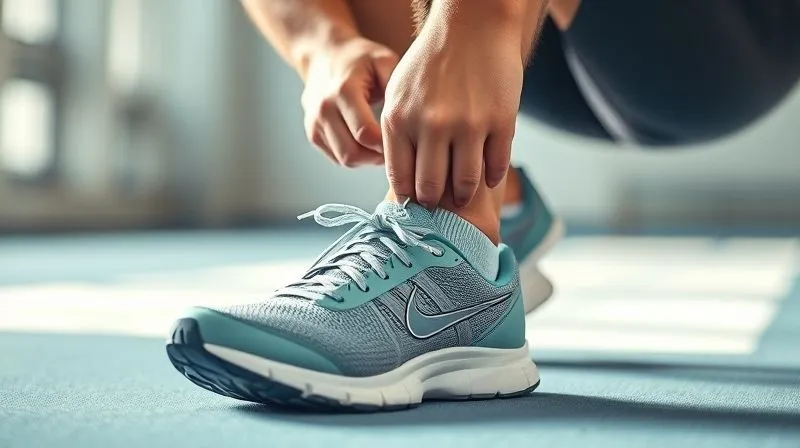
When to Replace Your Athletic Footwear: Don't Wait for Pain
Even the best athletic footwear has a lifespan. Over time, the midsole cushioning breaks down, the outsole tread wears thin, and the structural integrity that provides support diminishes. Running in worn-out shoes is a common, yet often overlooked, contributor to the recurrence of runner's knee. The protective properties of the shoe simply aren't there anymore, leaving your feet and knees vulnerable to increased impact and improper alignment.
As a general rule, most running shoes should be replaced every 300-500 miles (500-800 kilometers). However, this is a guideline, not a strict rule. Factors like your weight, running surface, gait, and shoe type can all influence how quickly a shoe wears out. Heavier runners, those who run on hard surfaces, or individuals with significant pronation may find their shoes wear out faster.
Key signs that it's time for a new pair:
- Visible Wear on the Outsole: If the tread is significantly worn down, especially in specific areas, the shoe's grip and stability are compromised.
- Creasing or Compression in the Midsole: The midsole is where the cushioning and stability features reside. If you can see deep creases or feel a loss of springiness, the shoe is likely 'dead.'
- New Aches and Pains: If you start experiencing knee pain, shin splints, or foot pain that wasn't there before, and you haven't changed your training, your shoes might be the culprit.
- Asymmetrical Wear: One shoe wearing out faster than the other, or uneven wear patterns, can indicate underlying biomechanical issues that your shoes are no longer adequately addressing.
Don't wait until pain forces you to replace your shoes. Proactive replacement is a simple yet effective strategy for continuous knee protection. For more detailed insights into shoe lifespan, I often refer runners to resources like Runner's World's guide on shoe replacement.
Beyond the Shoes: Holistic Strategies for Knee Health
While selecting the right athletic footwear is fundamental, it's crucial to remember that it's just one piece of the puzzle in preventing chronic runner's knee. A holistic approach that addresses your overall body mechanics, training regimen, and recovery is what truly ensures long-term knee health. I always advise my clients that shoes are supportive tools, not magic bullets.
Consider these complementary strategies:
- Strength Training: Focus on strengthening the muscles surrounding your hips (glutes, hip abductors), core, and quadriceps. Weakness in these areas can lead to improper knee tracking and increased stress. Exercises like squats, lunges, planks, and glute bridges are excellent.
- Flexibility and Stretching: Tight hamstrings, quads, IT bands, and calf muscles can pull on the kneecap, contributing to pain. Regular stretching and foam rolling can improve flexibility and reduce tension.
- Proper Running Form: Work on your running cadence, avoiding overstriding, and maintaining a slight forward lean. A shorter, quicker stride with a midfoot strike can reduce impact forces on the knee.
- Gradual Training Progression: Avoid the 'too much, too soon' trap. Increase your mileage, intensity, and speed gradually, allowing your body to adapt. Adhere to the 10% rule (don't increase weekly mileage by more than 10%).
- Adequate Rest and Recovery: Your body needs time to repair and rebuild. Incorporate rest days and prioritize sleep.
Integrating these strategies with your informed footwear choice creates a robust defense against runner's knee. "A strong, flexible body, combined with proper biomechanical support, is the ultimate recipe for injury-free running," states experts at Mayo Clinic, emphasizing the importance of a multifaceted approach.
Your Actionable Blueprint for Preventing Runner's Knee
Bringing all these insights together, here's a clear, actionable blueprint I recommend to every runner looking to prevent chronic runner's knee. This isn't just theory; these are the steps I've seen yield real, lasting results for countless athletes.
Step-by-Step Guide to Smart Shoe Selection
- Get a Professional Gait Analysis: This is non-negotiable. Understand your pronation type (neutral, overpronator, supinator) and arch height.
- Match Your Gait to Shoe Type:
- Neutral Runners/Supinators: Opt for cushioned or neutral shoes.
- Mild to Moderate Overpronators: Choose stability shoes.
- Severe Overpronators: Select motion control shoes.
- Prioritize Proper Fit: Ensure adequate length, width, toe box volume, and heel security. Always try shoes on at the end of the day or after a run.
- Consider Supplemental Arch Support: If standard insoles aren't enough, explore OTC insoles or consult a podiatrist for custom orthotics, especially if you have significant arch issues.
- Don't Forget the Details: Pay attention to the heel-to-toe drop, which can influence calf and Achilles strain, and overall comfort.
- Replace Shoes Proactively: Adhere to the 300-500 mile guideline or replace at the first signs of significant wear or returning discomfort.
- Integrate Holistic Strategies: Complement your footwear choice with strength training, flexibility work, proper form, and adequate recovery.
Frequently Asked Questions (FAQ)
Q: Can minimalist shoes cause runner's knee? A: For some individuals, yes. Minimalist shoes promote a more natural, forefoot strike, which can be beneficial. However, they offer minimal cushioning and support. If your body isn't conditioned for this style or if you have underlying biomechanical issues, the increased impact forces and lack of support can exacerbate or cause runner's knee. A gradual transition and strong foot/calf muscles are crucial.
Q: How often should I get a gait analysis? A: I recommend getting a gait analysis every 1-2 years, especially if you experience changes in your running form, body weight, or start experiencing new aches and pains. As we age, our biomechanics can subtly shift, and new shoe technologies are constantly emerging, making periodic reassessments valuable.
Q: Is it possible to "break in" shoes that initially cause discomfort? A: While some shoes have a slight break-in period, significant discomfort, especially in the arch or around the knee, is a red flag. Running shoes should feel comfortable and supportive from the moment you try them on. Don't force a shoe that doesn't feel right, as it can lead to injury.
Q: What if I have different pronation levels on each foot? A: This is not uncommon. In such cases, a podiatrist or experienced gait specialist might recommend custom orthotics to address the specific needs of each foot, or suggest a stability shoe that offers enough support for the more pronated foot, while ensuring it doesn't overcorrect the less pronated one. It requires careful consideration.
Q: Does shoe weight affect knee impact? A: Generally, lighter shoes tend to be less cushioned and supportive, which can increase impact forces on the knee if you're not biomechanically suited for them. Heavier shoes often come with more cushioning and stability features, potentially reducing impact. However, the overall design and your individual running mechanics play a more significant role than weight alone.
Key Takeaways and Final Thoughts
Preventing chronic runner's knee isn't about finding a magic shoe; it's about making informed, personalized choices based on your unique biomechanics and running needs. As an industry specialist, I've seen the transformative power of the right footwear, not just in alleviating pain, but in reigniting the joy of running for so many.
- Your feet are the foundation: understand your gait through professional analysis.
- Match your shoe to your biomechanics: cushioning for neutral, stability for mild overpronation, motion control for severe.
- Fit is paramount: don't compromise on length, width, or toe box.
- Proactive replacement is prevention: retire worn-out shoes before they cause problems.
- Holistic health matters: combine smart footwear with strength, flexibility, and smart training.
Embrace these insights, and you'll not only learn how to select athletic footwear to prevent chronic runner's knee, but you'll also embark on a more comfortable, sustainable, and ultimately more enjoyable running journey. Your knees will thank you, and the open road will feel more inviting than ever before. Happy running!
Recommended Reading
- 7 Strategies: Adapting Vintage Silhouettes for Every Modern Body Type
- The Ultimate Guide: How to Banish Bridal Hair Frizz on Your Wedding Day
- 7 Strategies for Profitable Pricing in Organic Kids Clothing
- Safeguarding Biometrics: 7 Pillars for Secure Personalized Fashion
- How Do Luxury Streetwear Retailers Verify Authenticity? 7 Expert Methods Revealed



Your email address will not be published. Required fields are marked *