

How to Scale Luxury Artisan Production Without Sacrificing Unique Quality?
For over two decades in the luxury fashion and artisanal goods sector, I've witnessed countless brands grapple with a fundamental dilemma: how to grow without losing the very soul of what makes them special. The allure of scaling is strong, promising wider reach and greater profitability, but the fear of diluting unique quality and the intimate touch of the artisan often holds brands back, sometimes to their detriment.
This isn't just a business problem; it's a philosophical one. The essence of luxury lies in exclusivity, heritage, and unparalleled craftsmanship. Mass production, with its connotations of standardization and speed, seems antithetical to these values. Many entrepreneurs fear that increasing output inevitably means compromising on the meticulous detail, the bespoke feel, and the inherent value that defines true luxury artisan production.
In this definitive guide, I will share the frameworks and actionable strategies that I've seen successful luxury brands employ to navigate this treacherous path. We'll explore how to scale luxury artisan production without sacrificing unique quality, offering a roadmap that respects tradition while embracing intelligent growth. My goal is to equip you with the insights to expand your reach, delight more discerning customers, and solidify your brand's legacy, all while staying true to your artisanal roots.
Redefining 'Scale' in Luxury: Beyond Mass Production
When we talk about 'scaling' in the context of luxury artisan production, it's crucial to immediately discard the notion of mass production. This isn't about conveyor belts and identical units rolling off a factory floor. For a luxury brand, scaling is about intelligent growth that maintains, or even enhances, perceived value and exclusivity. It's about meeting increased demand without compromising the inherent scarcity and bespoke nature of your offerings.
The Nuance of Growth for Artisanal Brands
True luxury scaling means finding efficiencies and expanding capacity in ways that are discreet, controlled, and always quality-centric. It might involve a slight increase in production volume, but more often, it involves optimizing processes, expanding into new markets with existing capacity, or strategically diversifying product lines that leverage existing artisanal skills. The aim is to serve a broader, yet still exclusive, clientele without losing the 'handmade' story.
In luxury, quantity is not the goal; consistent, exceptional quality delivered to a discerning audience is the ultimate measure of successful scaling. Prioritize impact over volume.
Consider the difference between a boutique hotel chain that meticulously replicates its unique, high-touch guest experience across a few select locations versus a budget hotel chain that focuses purely on maximizing room nights. Both are 'scaling,' but with vastly different philosophies and outcomes. Luxury artisan scaling adopts the former approach, focusing on replicating excellence, not just output.
Strategic Talent Cultivation: The Heart of Craftsmanship
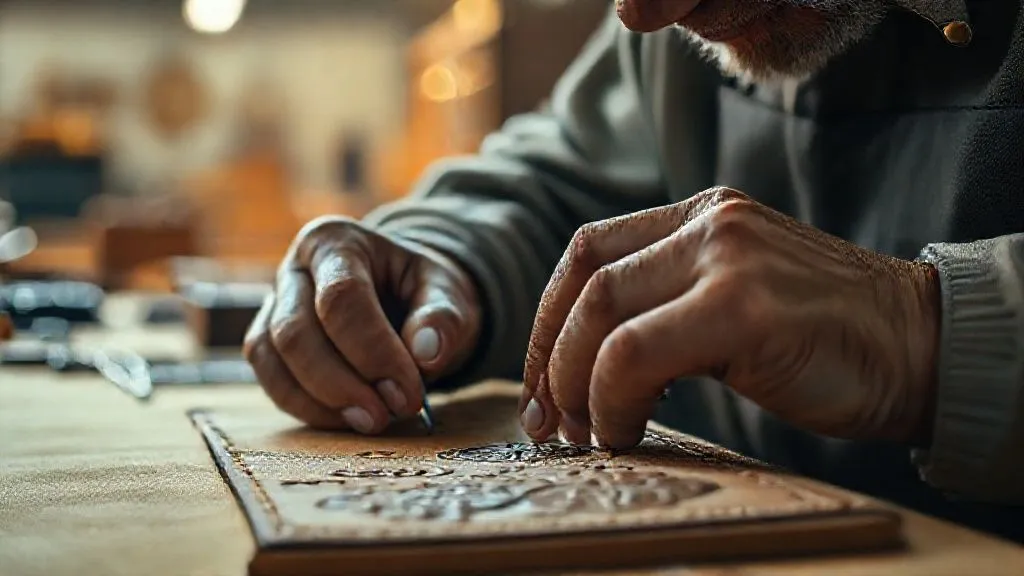
The artisan is the bedrock of luxury production. Their hands, their knowledge, their eye for detail – these are irreplaceable assets. Therefore, any strategy to scale luxury artisan production without sacrificing unique quality must place talent cultivation at its absolute core. This isn't merely about hiring more people; it's about replicating expertise and embedding a culture of excellence.
Apprenticeship Models and Knowledge Transfer
I've seen firsthand how a robust apprenticeship program can transform a small workshop into a sustainable enterprise. It’s a centuries-old model that remains incredibly relevant. By pairing seasoned masters with eager apprentices, you ensure the invaluable tacit knowledge – the 'feel' for the material, the subtle nuances of a technique – is passed down effectively.
- Preserves Heritage: Ensures traditional skills don't die out with an aging workforce.
- Builds Loyalty: Apprentices who grow within your brand often become its most dedicated and skilled artisans.
- Ensures Consistency: Standardized training modules, while allowing for individual flair, ensure a baseline of quality across all new artisans.
- Fosters Innovation: New perspectives from apprentices can sometimes spark creative improvements within established traditions.
To build an effective training program, follow these steps:
- Document Core Techniques: Work with master artisans to document their specific processes, tools, and quality benchmarks. This creates a foundational curriculum.
- Structured Mentorship: Assign each apprentice a dedicated master mentor. Establish regular check-ins and performance reviews focused on skill development.
- Phased Skill Progression: Break down complex crafts into manageable learning modules. Apprentices advance through stages, mastering foundational skills before moving to advanced ones.
- Quality Assurance Integration: From day one, instill the brand's quality standards. Apprentices should be trained to self-assess and understand the 'why' behind each quality check.
- Continuous Learning: Even after becoming a 'journeyman' artisan, provide opportunities for advanced training, cross-skilling, and participation in design processes.
As Harvard Business Review emphasizes, investing in human capital, particularly specialized skills, is a competitive advantage that cannot be easily replicated. A strong talent strategy is your ultimate safeguard against quality erosion during growth.
Embracing Technology as an Enabler, Not a Replacement
The notion that technology and artisan craftsmanship are mutually exclusive is a misconception I’ve worked hard to dispel. In reality, technology, when applied thoughtfully, can be a powerful ally in scaling luxury artisan production without sacrificing unique quality. The key is to use it to augment, not automate, the artisan's hand.
Augmenting, Not Automating, the Artisan's Hand
Think of technology as a sophisticated tool in the artisan's toolkit, much like a specialized chisel or a bespoke sewing machine. It can handle repetitive, precision-intensive, or even dangerous tasks, freeing the artisan to focus on the truly creative, value-adding aspects of their craft – the judgment, the artistic touch, the final finesse.
- Precision Cutting: Laser cutters can achieve unparalleled precision for material preparation, reducing waste and ensuring consistency in base components, allowing artisans to focus on assembly and finishing.
- 3D Prototyping: For complex designs, 3D printing allows for rapid iteration and perfect fit testing of components before any valuable raw materials are committed, saving time and resources.
- Advanced Finishing Tools: Robotic polishing or specialized machinery can achieve a consistent, high-mirror finish on certain parts, ensuring uniformity across pieces while the artisan focuses on intricate hand-finishing or detailing.
- Digital Design & Simulation: CAD software can help visualize complex designs, test material properties, and ensure structural integrity, optimizing the design phase while preserving the artisan's creative vision.
For example, in bespoke watchmaking, while the intricate movements are still hand-assembled and regulated by master watchmakers, the tiny, complex components might be manufactured using advanced CNC machines to microscopic tolerances. This ensures the foundational quality and allows the human touch to elevate it further.
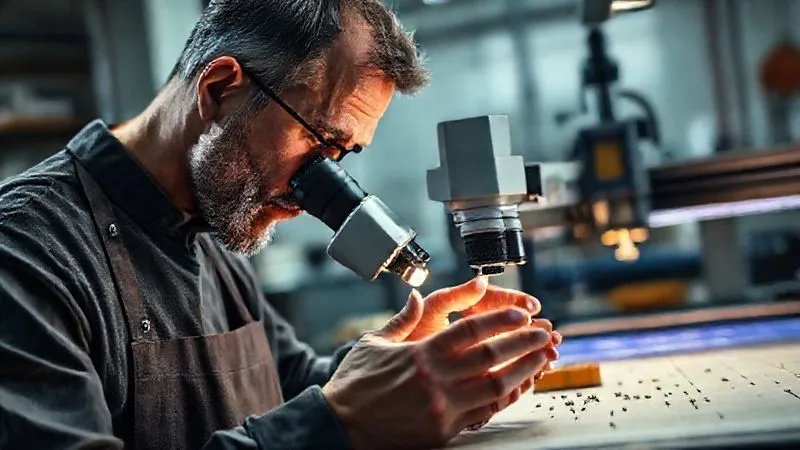
By strategically integrating technology, you can achieve greater efficiency and precision in certain stages, which paradoxically allows the artisan to devote more time and focus to the unique, handcrafted elements that truly define luxury. It's about smart specialization, leveraging the best of both worlds.
Modular Design and Component Specialization
One of the most effective strategies I’ve observed for scaling luxury artisan production without sacrificing unique quality involves a thoughtful approach to design and production segmentation. This doesn't mean simplifying the product, but rather intelligently breaking down its creation into specialized, high-quality modules.
Deconstructing Complexity for Scalable Quality
Think of a highly complex luxury item, like a bespoke handbag or a piece of intricate jewelry. Instead of one artisan handling every single step from raw material to final polish, a modular approach involves different teams or artisans specializing in particular components or stages. Each specialist becomes an absolute master of their specific task, leading to unparalleled consistency and quality for that particular module.
Specialization within the artisanal process ensures that each component meets the highest possible standard, contributing to a superior overall product that can be produced more efficiently without compromising its inherent luxury.
This approach has several benefits:
- Enhanced Expertise: Artisans develop deeper expertise in their specialized area, leading to higher precision and fewer errors.
- Consistent Quality: Each module can undergo rigorous quality checks at its completion, ensuring that only perfect components proceed to the next stage.
- Training Efficiency: Training new artisans becomes more manageable as they can focus on mastering a specific skill set before moving on, or remaining specialized.
- Increased Output: Parallel production of different modules can significantly reduce overall production time without rushing any individual artisan.
For example, in a luxury leather goods workshop, one team might specialize in cutting and skiving leather, another in stitching specific types of seams, a third in hardware attachment, and a final team in edge painting and finishing. Each team's work is critical, and their collective expertise ensures a flawless final product that maintains its handcrafted integrity.
Here's a comparison of traditional holistic production versus a modular approach:
| Aspect | Traditional Holistic Production | Modular Component Specialization |
|---|---|---|
| Artisan Role | One artisan handles many steps, from start to finish | Artisans specialize in specific tasks/components |
| Skill Depth | Broad skill set required per artisan | Deep expertise in a narrow, specialized skill |
| Quality Consistency | Can vary with individual artisan's day/mood | Higher consistency due to repeated, specialized tasks and intermediate checks |
| Training Time | Longer time to train a 'full' artisan | Faster to train specialists for specific modules |
| Production Speed | Limited by one artisan's pace | Faster overall due to parallel processing and specialization |
| Waste Reduction | Potential for errors across many steps | Reduced errors in specialized tasks, earlier detection of flaws |
This strategic deconstruction allows for a controlled increase in output while safeguarding the meticulous attention to detail that defines luxury. It’s about smart organization, not industrialization. You can read more about how supply chain integration impacts production efficiency in luxury goods on Forbes.
Mastering the Supply Chain for Uncompromising Materials
The quality of a luxury artisan product is intrinsically linked to the quality of its raw materials. You simply cannot create an exquisite item from inferior components. Therefore, a critical element in learning how to scale luxury artisan production without sacrificing unique quality is to meticulously manage and cultivate your supply chain.
Building Ethical and Sustainable Sourcing Partnerships
In the luxury sector, the provenance of materials is as important as the craftsmanship itself. Discerning clients demand transparency, ethical sourcing, and sustainability. As you scale, your material needs will grow, making robust supplier relationships paramount. This isn't just about finding materials; it's about finding partners who share your commitment to excellence and ethical practices.
- Deep Vetting: Go beyond surface-level checks. Visit supplier facilities, understand their processes, and verify their certifications (e.g., Fair Trade, environmental standards).
- Long-Term Relationships: Foster partnerships built on trust and mutual respect. Stable relationships ensure consistent quality, preferential access to rare materials, and better terms.
- Traceability: Implement systems to trace materials from their origin to your workshop. This not only assures quality but also provides a powerful narrative for your brand.
- Diversification (Strategic): While loyalty is good, don't put all your eggs in one basket. Identify secondary suppliers for critical materials to mitigate risks from unforeseen disruptions, without compromising on quality standards.
- Sustainable Practices: Prioritize suppliers who are committed to environmental stewardship and fair labor practices. This aligns with modern luxury values and enhances brand reputation.
Case Study: Elegance Leatherworks' Sustainable Sourcing
Elegance Leatherworks, a fictional but highly realistic luxury handbag brand, faced increasing demand for its exotic leather goods. Their initial growth was hampered by inconsistent material quality and ethical concerns with some suppliers. By implementing a strict 'Ethical & Sustainable Sourcing Charter,' they transformed their supply chain.
They invested in direct relationships with tanneries in Italy and France, conducting regular audits and even co-investing in sustainable farming initiatives for certain leathers. They also established a network of small, specialized hardware manufacturers in Japan known for their artisanal metalwork. This allowed them to ensure every component met their exacting standards for quality, ethical production, and environmental impact. The result? Not only did their product quality become even more consistent, but their brand narrative around responsible luxury resonated deeply with their clientele, boosting sales and loyalty.
This meticulous approach to material sourcing is a non-negotiable step for any luxury brand aiming for sustainable growth without compromising its core values or product excellence.
Rigorous Quality Control: The Unseen Architect of Luxury
Even the most skilled artisans, working with the finest materials, require a robust system of checks and balances. When you are looking to scale luxury artisan production without sacrificing unique quality, your quality control (QC) protocols must evolve from informal checks to a structured, multi-stage process. This isn't about micromanagement; it's about creating a culture where excellence is not just expected, but systematically guaranteed.
Implementing Multi-Stage Inspection Protocols
Effective quality control in luxury is not a final inspection; it's an ongoing process integrated at every critical juncture of production. Each stage builds upon the last, ensuring that any deviation from perfection is caught and corrected early, preventing costly rework and maintaining brand integrity.
- Raw Material Inspection: Upon arrival, every batch of raw material (leather, fabric, precious metals, gems) undergoes a thorough inspection for flaws, consistency, and authenticity. Reject anything that doesn't meet the highest standard.
- Pre-Production Component Check: After initial cutting, shaping, or preparation of components, a QC check ensures dimensions are accurate, patterns are correct, and there are no hidden defects before assembly begins.
- In-Process Stage Gates: After each major assembly step (e.g., stitching a panel, setting a stone, assembling a watch movement), a designated QC artisan or supervisor performs a detailed inspection. This prevents compounding errors.
- Mid-Assembly Review: For complex items, a comprehensive review of partially assembled products ensures all sub-components are perfectly aligned and functioning as intended.
- Final Product Inspection: A dedicated team, often independent of the production artisans, performs a meticulous final inspection of the completed item. This includes aesthetic perfection, functional integrity, and adherence to all brand specifications.
- Packaging & Presentation Check: Even the packaging must reflect luxury. A final check ensures the item is presented flawlessly, free of dust, fingerprints, or any imperfections.

This multi-layered approach ensures that the pursuit of perfection is embedded in every step of the process. It's a proactive strategy that reinforces the brand's commitment to uncompromising quality, even as production scales. For more on robust quality management systems, you can refer to standards like ISO 9001, which, while broad, offers excellent principles for any manufacturing process, including luxury. ISO's website provides foundational insights into quality management.
Preserving Brand Narrative and Authenticity
Luxury isn't just about the product; it's about the story, the heritage, and the emotional connection it evokes. As you scale, there's a risk that this narrative gets diluted or overshadowed by operational complexities. To truly scale luxury artisan production without sacrificing unique quality, you must actively preserve and amplify your brand's narrative and authenticity.
Storytelling as a Scalable Asset
Your brand's story – the origin of the craft, the philosophy of your artisans, the journey of your materials – is a powerful differentiator. It's what transforms a well-made item into a cherished heirloom. This narrative isn't static; it evolves with your growth, but its core must remain immutable. It's a scalable asset that doesn't diminish with increased production; it only gains new chapters.
- Artisan Spotlights: Feature your master artisans. Share their personal stories, their dedication, and their unique skills. This humanizes your brand and highlights the 'hand' behind the product.
- Material Provenance: Detail the origin and journey of your materials. Emphasize ethical sourcing, sustainability, and the unique characteristics of each component.
- Process Transparency: Offer glimpses into your workshop. Show the meticulous steps, the tools, and the time invested in each piece. This builds trust and appreciation for the craftsmanship.
- Heritage & Evolution: Connect your current collections to your brand's history. Demonstrate how you honor tradition while embracing innovation, showing a continuous commitment to excellence.
- Client Experience: Extend the narrative to the post-purchase experience. Personalized notes, care instructions, and bespoke services reinforce the luxury journey.
Your brand's authenticity is its most valuable currency. As you grow, invest in telling your story more effectively, not less. It's the intangible quality that truly cannot be scaled in a factory, only cultivated and shared.
Consider a luxury watchmaker. Their story isn't just about telling time; it's about centuries of horological precision, the dedication of generations of watchmakers, and the intricate dance of hundreds of tiny parts. This narrative is woven into every campaign, every boutique experience, and every interaction. It's what allows them to scale their global presence while maintaining an aura of exclusivity and unparalleled quality.
The Role of Digital Presence and Direct-to-Consumer (DTC)
In today's globalized world, a robust digital presence and a strategic direct-to-consumer (DTC) model are indispensable for any luxury brand looking to scale. This isn't about replacing the physical boutique experience, but rather complementing it, allowing you to connect with discerning clients globally while maintaining absolute control over your brand image and pricing.
Connecting with Discerning Clients Globally
A sophisticated online platform allows you to tell your brand story, showcase your craftsmanship with high-resolution imagery and video, and reach customers far beyond your physical retail footprint. It’s a powerful tool to scale your brand's awareness and accessibility without needing to physically scale production in a way that dilutes quality.
- Immersive Storytelling: Use rich media to convey your brand's heritage, artisan stories, and the intricate details of your products. High-quality visuals and engaging narratives are crucial.
- Personalized Experience: Leverage data to offer personalized recommendations, early access to new collections, and exclusive content to your most loyal customers.
- Global Reach: Break down geographical barriers. A well-optimized e-commerce platform allows you to sell to customers in any corner of the world, expanding your market without physically expanding your workshops.
- Direct Feedback: A DTC model provides direct access to customer feedback, allowing for rapid iteration and a deeper understanding of client preferences, which can inform future designs and services.
- Brand Control: Maintain full control over your brand messaging, pricing, and customer experience, ensuring consistency across all touchpoints.

The DTC model also allows for greater profitability by cutting out intermediaries, which can then be reinvested into artisan training, material sourcing, or product innovation – all factors that further enhance quality and enable sustainable growth. It's a strategic move that empowers luxury brands to scale their influence and sales while meticulously guarding their unique quality.
Frequently Asked Questions (FAQ)
Question: How can I ensure new artisans maintain the same quality standards as my master craftsmen when scaling? Detailed answer: This is a critical challenge. The solution lies in a robust, structured apprenticeship program combined with standardized, yet flexible, quality control checkpoints at every stage. Master craftsmen should act as mentors, not just producers, passing down not only technical skills but also the brand's philosophy of perfection. Regular peer reviews, detailed documentation of processes, and continuous feedback loops are essential. Technology can also assist in tasks requiring extreme precision, freeing up artisans to focus on the unique, handcrafted elements where their skill truly shines.
Question: Isn't integrating technology inherently contradictory to the 'handcrafted' ethos of luxury artisan production? Detailed answer: Not at all, if used correctly. The key is augmentation, not automation. Technology should serve as a sophisticated tool that enhances the artisan's capabilities – improving precision, reducing waste, or handling repetitive tasks – thereby allowing the artisan to dedicate more time and focus to the truly artistic, value-adding aspects of the craft. It's about leveraging the best of both worlds to achieve unparalleled quality and efficiency, without replacing the human touch that defines luxury.
Question: How do I manage the supply chain for rare or unique materials when scaling up production? Detailed answer: Scaling with rare materials requires foresight and strong relationships. Build long-term, trusted partnerships with your suppliers, ensuring they understand your quality and ethical requirements. Consider strategic diversification of suppliers for critical components to mitigate risk. Explore exclusive agreements or even co-investment in sustainable sourcing initiatives to secure access. Transparency and traceability become paramount, not just for quality assurance but also for building a compelling brand narrative around responsible luxury.
Question: Will modular production make my products feel less 'bespoke' or 'handmade'? Detailed answer: The perception of 'bespoke' or 'handmade' comes from the overall quality, attention to detail, and the human element, not necessarily from one person doing every single step. Modular production, when implemented thoughtfully in luxury, allows for deeper specialization and higher consistency in each component. By having master artisans focus on specific, highly skilled parts of the creation, the overall product achieves a higher, more consistent level of perfection, which ultimately enhances the bespoke feel. The 'artisan's hand' is still present; it's just strategically applied across different specialized stages.
Question: How can luxury brands maintain their exclusivity and appeal while expanding their reach globally through digital channels? Detailed answer: Maintaining exclusivity while expanding digitally requires a delicate balance. Focus on creating an elevated, curated online experience that mirrors the exclusivity of a physical boutique. Use high-quality visuals, immersive storytelling, and personalized communication. Implement strategies like limited editions, waitlists, and members-only access to maintain a sense of scarcity. The goal is to make your brand globally accessible to a discerning audience, not mass-market. The digital channel becomes a platform to share your unique story and connect with clients who appreciate true luxury, regardless of their location.
Key Takeaways and Final Thoughts
- Redefine Scaling: For luxury artisans, scaling means intelligent growth, optimizing processes, and expanding reach without compromising the core values of craftsmanship and exclusivity.
- Invest in Talent: Implement robust apprenticeship programs and foster a culture of continuous learning to replicate and elevate artisanal expertise.
- Embrace Technology Thoughtfully: Utilize advanced tools to augment, not replace, the artisan's hand, enhancing precision and efficiency while preserving the human touch.
- Strategize Design & Production: Adopt modular design and component specialization to ensure consistent, high-quality output through focused expertise.
- Master Your Supply Chain: Cultivate ethical, sustainable, and long-term partnerships with material suppliers to guarantee uncompromising quality and provenance.
- Implement Rigorous QC: Establish multi-stage inspection protocols from raw material to final packaging to systematically ensure perfection at every step.
- Amplify Your Narrative: Actively preserve and share your brand's unique story, heritage, and the dedication of your artisans to maintain authenticity and emotional connection.
- Leverage Digital Strategically: Utilize a sophisticated digital presence and DTC model to expand global reach and engagement while maintaining brand control and exclusivity.
The journey to scale luxury artisan production without sacrificing unique quality is undoubtedly complex, but it is far from impossible. It requires a blend of respect for tradition, a willingness to innovate, and a relentless commitment to excellence at every level of your operation. By adopting these strategies, you can not only meet the growing demand for true luxury but also strengthen your brand's legacy, ensuring that the art of craftsmanship thrives for generations to come. Your unique quality is your greatest asset; protect it, nurture it, and let it lead your growth.
Recommended Reading
- 5 Emergency Fixes: Salvage Your Suit Before That Crucial Client Meeting
- 7 Master Steps: Invisibly Repairing Haute Couture Hand-Sewn Details
- Location Crisis? 7 Steps When Your Fashion Shoot Venue Fails
- 7 Essential Urgent Repair Methods for Priceless Haute Couture Textiles
- Mastering Hyped Drops: 7 Strategies to Secure Limited Shoe Allocation



Your email address will not be published. Required fields are marked *