

How to Salvage a High-Value Custom Wedding Dress with Major Flaws?
For over two decades in the intricate world of bridal fashion, I've witnessed the spectrum of emotions that come with a custom wedding dress. From the initial joy of design to the nervous anticipation of the final fitting, it's a journey steeped in dreams. But what happens when that dream encounters a nightmare – a high-value custom wedding dress riddled with major, unforeseen flaws?
The sudden discovery of significant damage, structural issues, or fundamental design errors can be absolutely devastating. It’s not just about the substantial financial investment; it’s the emotional weight, the vision of your special day, and the irreplaceable nature of a bespoke creation. The panic is palpable, the questions overwhelming: Can it be fixed? Is my dream dress ruined? How do I even begin to address something so complex and precious?
I am here to tell you, with the full weight of my experience, that hope is far from lost. This guide isn't just a collection of tips; it's a comprehensive framework, born from countless real-world challenges, designed to equip you with the knowledge, strategies, and confidence to systematically assess, repair, and ultimately salvage your high-value custom wedding dress, transforming potential disaster into a triumph of meticulous craftsmanship and resilience.
The Initial Shock & Damage Assessment: Your First Crucial Steps
The moment you discover a major flaw in your custom wedding dress, a wave of shock and disappointment is inevitable. This is entirely normal. However, allowing panic to dictate your next steps can lead to further complications. My first piece of advice is always to take a deep breath, step back, and approach the situation with a clear, methodical mindset. This initial assessment phase is critical; it lays the foundation for all subsequent repair efforts.
Identifying the Specific Flaws: A Forensic Approach
Before any repair can commence, you need a precise understanding of what’s wrong. Don't generalize; be specific. Is it a tear in the silk lining, a misaligned bodice seam, an incorrect lace placement, or a stain that wasn't there before? Examine every inch under good lighting. Look for:
- Fabric Damage: Tears, snags, holes, discoloration, stains (oil, water, make-up), unraveling threads.
- Structural Issues: Loose seams, ripped lining, detached embellishments (beads, sequins, appliqués), broken zippers, dysfunctional closures, uneven hems, ill-fitting bodice, distorted silhouette.
- Design Deviations: Incorrect neckline, sleeve length, skirt volume, or placement of design elements that don't match the original design brief or your vision.
- Sizing Errors: Too tight, too loose, incorrect length, disproportionate fit.
Be objective. Sometimes what feels like a 'major' flaw might be a minor adjustment for a skilled professional, and vice-versa. Understanding the exact nature of the problem will inform the repair strategy.
Documenting Everything: Photos, Videos, and Written Accounts
This step is non-negotiable, especially when dealing with high-value custom pieces. Comprehensive documentation protects you, provides clear communication for repair specialists, and serves as evidence if there are disputes with the original designer or atelier.
- High-Resolution Photos: Take clear, well-lit photos of every flaw from multiple angles. Include wide shots showing the flaw in context with the entire dress, and extreme close-ups detailing the damage.
- Video Evidence: A short video can be invaluable for showing how a structural flaw (e.g., a zipper issue, a sagging bodice) manifests when the dress is worn or moved.
- Detailed Written Account: Accompany photos and videos with a written description. Include when and where the flaw was noticed, any potential causes (if known), and your observations. Reference your original design sketches, contracts, and communication logs.
- Original Design Documents: Keep your original contract, design sketches, fabric swatches, and any communication with the designer readily accessible. These are your benchmarks for what the dress *should* be.
Finding the Right Specialist: A True Bridal Gown Surgeon
Once you've meticulously documented the flaws, the next, and arguably most critical, step is finding the right professional. This is not a job for just any seamstress or tailor. A high-value custom wedding dress, especially one with significant flaws, requires a specialist akin to a surgeon – someone with deep expertise in couture construction, delicate fabrics, and intricate embellishments. I've seen countless attempts to 'save' a dress by unqualified individuals that only compounded the problems, making the situation irreparable.
Beyond Your Local Seamstress: The Art of Bridal Couture Repair
Why the distinction? Bridal couture repair demands a unique skill set:
- Fabric Expertise: Understanding how to work with silks, satins, delicate laces, tulles, and heavily beaded fabrics without causing further damage.
- Construction Knowledge: An intimate understanding of how a wedding dress is structured – boning, interfacings, linings, bustles – and how to deconstruct and reconstruct it seamlessly.
- Embellishment Mastery: The ability to reattach, repair, or even replicate intricate beading, embroidery, and appliqués.
- Problem-Solving Acumen: The creativity and technical prowess to devise solutions for unique and complex flaws, often requiring innovative techniques.
Look for ateliers or individuals who specialize exclusively in bridal alterations and repairs, particularly those with experience in couture or bespoke garments. They often have a portfolio of challenging repairs they've successfully completed.
Vetting Potential Experts: What Questions to Ask
When interviewing potential repair specialists, come prepared with your documentation and these crucial questions:
- What is your experience with custom bridal gowns and major repairs? Ask for specific examples or a portfolio.
- Can you explain your proposed repair process for my specific flaws? A good specialist will walk you through their methodology.
- What fabrics and techniques are you most experienced with? Ensure their expertise aligns with your dress's materials.
- Do you offer consultations and estimates? Are there any associated fees?
- What is your estimated timeline for completion? Be wary of unrealistic promises.
- What guarantees or warranties do you offer on your work?
- Can you provide references from previous clients who had complex repairs?
- How will communication be handled throughout the process? Regular updates are crucial.
Case Study: Elara's Embroidery Nightmare
Elara, a bride-to-be, had invested heavily in a custom silk gown with intricate, hand-embroidered floral motifs cascading down the skirt. Just weeks before her wedding, during a final fitting, a significant section of the embroidery near the hem was found to be unraveling, and worse, a large, stubborn oil stain marred the delicate silk adjacent to it. Her original designer claimed it was unfixable. Panicked, Elara sought my advice. I connected her with a renowned textile conservator and bridal seamstress specializing in historical garment restoration. This expert meticulously documented the damage, then, over a painstaking three weeks, carefully detached the compromised embroidery section, treated the oil stain with targeted, gentle solvents, and then re-embroidered the damaged area, seamlessly blending new threads with the old. The result was undetectable, saving not only the dress but Elara's peace of mind. This demonstrated that with the right expertise, even seemingly catastrophic damage can be overcome.
Strategic Remediation: From Minor Tweaks to Major Reconstruction
Once you've secured the right expert, the remediation phase begins. This is where the magic happens, transforming flaws into forgotten history. The approach will vary significantly depending on the nature and extent of the damage. It's a collaborative process between you and your chosen specialist, guided by their expertise and your original vision.
Addressing Fabric Damage: Tears, Stains, and Discoloration
- Tears and Snags: Minor tears can often be meticulously hand-mended using invisible stitching techniques, sometimes reinforced with a tiny piece of matching fabric on the underside. For larger tears, especially in prominent areas, the solution might involve strategically placed lace appliqués, additional embroidery, or even a panel replacement if the fabric allows.
- Stains: This is perhaps the most challenging. Different stains require different treatments. A professional cleaner specializing in delicate fabrics and wedding gowns will use targeted solvents and gentle methods. For stubborn stains, creative camouflage through embellishment might be the only option.
- Discoloration: This can be due to improper storage, sun exposure, or chemical reactions. Sometimes, a gentle, professional cleaning can even out minor discoloration. In severe cases, it might require dyeing the entire garment (a risky endeavor) or strategic re-embellishment to draw attention away.
Structural Integrity: Bodice, Seams, and Support Systems
Structural flaws are often the most critical as they affect the fit and overall silhouette of the dress.
- Bodice Issues: A sagging or ill-fitting bodice might require deconstruction and reconstruction of the internal boning, interfacing, or even a complete recutting of panels. This is where a specialist's understanding of body mechanics and garment engineering is paramount.
- Seam Repair: Ripped or unraveling seams must be meticulously re-stitched, often by hand, to match the original tension and appearance. If fabric has frayed significantly, seam allowances might need to be reinforced or widened.
- Support Systems: Issues with bustles, internal corsetry, or closures (zippers, hooks) often require replacing components or reinforcing attachment points. A weak bustle can ruin the look of a train, and a faulty zipper can prevent the dress from being worn at all.
Design Deviations: Recutting, Re-embellishing, and Reinventing
When the dress doesn't match the design brief, the solutions can be more creative:
- Recutting: If a neckline is too high, sleeves too long, or a skirt too voluminous, these elements can often be recut or reshaped. This requires careful planning to ensure the new design remains cohesive.
- Re-embellishing: Incorrectly placed embellishments can be carefully removed and repositioned. If there's a lack of embellishment, new elements can be added to enhance the design.
- Reinventing: Sometimes, a flaw presents an opportunity for a minor redesign. For example, an irreparable tear on a plain skirt might lead to adding a beautiful lace overlay or a panel of contrasting fabric, turning a negative into a unique design feature.
| Flaw Type | Common Remediation | Complexity |
|---|---|---|
| Large Fabric Tear | Invisible mending, lace appliqué, panel replacement | High |
| Stubborn Stain | Targeted cleaning, strategic embellishment, fabric painting | Very High |
| Ill-fitting Bodice | Boning/interfacing adjustment, panel recut, internal corset addition | High |
| Unraveling Embellishments | Hand re-stitching, replacement with matching elements | Medium |
| Incorrect Hem Length | Recutting, adding trim or lace border | Medium |
The Art of Embellishment and Redesign: Turning Flaws into Features
This is where the true artistry of a skilled bridal specialist shines. Rather than simply 'fixing' a flaw, an expert can often integrate the repair into the dress's design, making it look intentional and even enhancing its beauty. This requires a creative eye and a deep understanding of design principles.
Creative Solutions: Lace Appliqué, Beading, and Overlay
Imagine a small but irreparable tear on the side of a satin skirt. Instead of a patch, a skilled artisan might suggest:
- Lace Appliqué: Delicately hand-sewing a piece of matching or complementary lace over the area, perhaps extending it into a new design element that flows across the skirt.
- Strategic Beading: Using beads or crystals to create a new motif that covers the flaw, drawing the eye to sparkle rather than damage. This can be particularly effective for minor discolorations.
- Fabric Overlay: Adding a sheer layer of tulle or organza over a section of the dress can mask imperfections while adding depth and texture.
These techniques require not just technical skill but also an artistic vision to ensure the additions feel organic to the dress's original aesthetic.
Strategic Layering and Illusion Paneling
For more significant or widespread flaws, layering can be a powerful tool. A sheer, embellished overskirt can hide issues on the main skirt. Illusion paneling, often seen in necklines or backs, can be extended to conceal a problematic seam or a large area of fabric damage, transforming it into a delicate, ethereal feature. This is a complex undertaking that requires precise pattern-making and an understanding of how different fabrics interact.
Key Insight from an Expert: "Don't view a flaw as an end; view it as a canvas. With the right vision and skill, what was once a source of despair can become a unique, bespoke detail that tells a richer story of your dress's journey."
Navigating Communication and Contracts with Your Seamstress/Designer
Effective communication and clear contractual agreements are paramount when dealing with the sensitive nature of salvaging a high-value custom wedding dress. Misunderstandings can lead to further distress and unsatisfactory outcomes. In my experience, transparency and clear boundaries protect both parties.
Clear Communication: Setting Expectations and Boundaries
From your initial consultation to the final fitting, maintain open and honest dialogue:
- Be Specific: Clearly articulate your concerns, expectations, and any non-negotiables. Use your documented evidence of flaws.
- Listen Actively: Pay close attention to the specialist's assessment, proposed solutions, and any limitations they identify. They are the expert in the technical execution.
- Ask for Visuals: Request sketches, fabric swatches, or even mock-ups if major design changes are proposed. This helps visualize the outcome.
- Regular Check-ins: Agree on a schedule for updates. Don't constantly call, but ensure you're informed at key stages.
- Manage Expectations: Understand that some flaws may not be 100% invisible, but the goal is to make them imperceptible or transform them beautifully.
For further guidance on effective communication in high-stakes situations, I often refer clients to resources like the Harvard Business Review's advice on critical conversations.
The Importance of a Detailed Repair Contract
Never proceed with significant repairs without a written contract. This document protects both you and the specialist. It should clearly outline:
- Scope of Work: A precise description of all agreed-upon repairs, including any design changes.
- Materials Used: Details of any new fabrics, laces, beads, or other materials to be incorporated.
- Cost Breakdown: A clear itemized list of costs, including labor, materials, and any consultation fees. Be wary of vague 'estimates' for complex work.
- Payment Schedule: When payments are due (e.g., deposit, mid-project, final upon completion).
- Timeline: Start and estimated completion dates.
- Contingency Clauses: What happens if unforeseen issues arise, or if the repair doesn't meet expectations.
- Liability: Who is responsible for the dress while in the specialist's care.
- Photos/Documentation: Reference the initial documentation of flaws as an appendix.
This contract serves as your blueprint and safeguard. A reputable professional will always be willing to provide one.
Timeline Management & Contingency Planning: Don't Panic, Plan!
When dealing with a high-value custom wedding dress with major flaws, time is often of the essence, especially with a wedding date looming. Effective timeline management and robust contingency planning are not just organizational tools; they are vital components of stress reduction and ensuring a successful outcome. I've learned that hoping for the best is not a strategy; planning for every eventuality is.
Realistic Timelines for Complex Repairs
Complex bridal gown repairs are not quick fixes. They require meticulous handwork, specialized techniques, and often, the sourcing of specific materials. Be prepared for:
- Initial Consultation & Assessment: 1-2 weeks (to find the right expert and get a detailed quote).
- Material Sourcing: If new lace, fabric, or embellishments are needed, this can take 2-6 weeks, especially for custom matches.
- Actual Repair Work: Depending on complexity, this can range from 3 weeks to 3 months or even longer for extensive reconstruction.
- Fittings: Expect multiple fittings to ensure perfect integration and fit.
- Buffer Time: Always add a minimum of 2-4 weeks buffer before your wedding date for any unexpected delays or final touches.
Always communicate your wedding date clearly to your specialist. They can then advise on feasibility and prioritize if necessary. For insights into general project management, resources from the Project Management Institute can offer valuable perspectives on planning and execution.
The 'What If' Scenario: Backup Plans and Alternative Solutions
While we strive for perfection, it's wise to have a 'Plan B' for peace of mind. This doesn't mean giving up on your custom dress, but rather having a safety net:
- Alternative Dress Option: If your budget allows, consider a simple, off-the-rack gown as a last-minute backup, even if it's just a placeholder. Sometimes knowing you have an alternative can reduce immense pressure.
- Partial Salvage: Could parts of the dress be salvaged? Perhaps the bodice is perfect, but the skirt is irreparable. Could a new skirt be commissioned to attach to the original bodice?
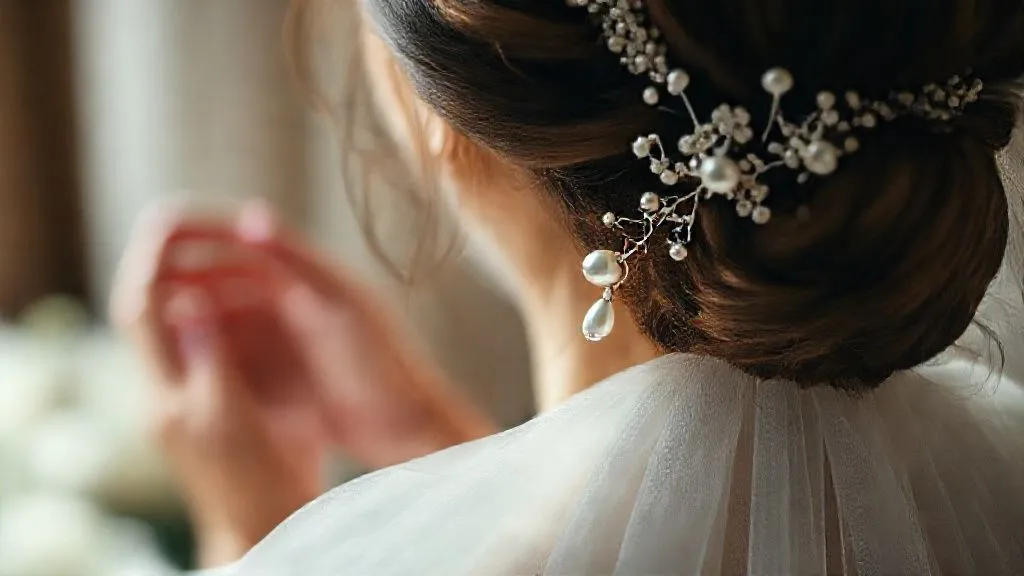
- Accessory Focus: If the dress repair is proving exceptionally challenging, shift focus to stunning accessories – a dramatic veil, exquisite jewelry, or custom shoes – to elevate the overall bridal look and draw attention away from any lingering, minor imperfections.
- Legal Recourse (Last Resort): If the flaws are due to negligence by the original designer, and they refuse to cooperate or compensate, understand your legal options. This is a rare and extreme step, but it's important to be aware of. Consulting with a legal professional specializing in consumer rights can provide clarity.
Remember, the goal is to walk down the aisle feeling confident and beautiful. A backup plan is not a sign of defeat, but a testament to your proactive approach.
Emotional Resilience: Supporting the Bride Through the Process
As an industry specialist, I've come to understand that a wedding dress is far more than just fabric and stitches; it's a symbol of love, hope, and a future dreamt. When major flaws emerge, the emotional toll on the bride can be immense. It's a journey that requires not just technical expertise but also significant emotional resilience. My role often extends beyond the technical aspects of repair to providing empathetic support and guidance.
Managing Stress and Disappointment
It's okay to feel overwhelmed, angry, or heartbroken. Acknowledge these feelings. Suppressing them can lead to greater stress. Here are some strategies I recommend:
- Lean on Your Support System: Talk to your fiancé, close friends, or family. Share your worries. Their understanding and reassurance can be incredibly comforting.
- Focus on Solutions, Not Just Problems: Once you've assessed the damage, pivot your energy towards finding the right expert and developing a repair plan. Action is a powerful antidote to anxiety.
- Practice Self-Care: Don't let the dress consume you. Continue with wedding planning tasks that bring you joy. Engage in stress-reducing activities like meditation, exercise, or hobbies.
- Limit Negative Input: Avoid discussing the dress with overly critical or pessimistic individuals. Seek out those who offer practical advice and emotional uplift.
The journey to salvaging your dress is a marathon, not a sprint. Pace yourself emotionally.
Focusing on the Vision, Not Just the Flaw
It’s easy to become fixated on the flaw, allowing it to overshadow the entire wedding vision. I encourage brides to consciously shift their perspective:
- Revisit Your Wedding Vision Board: Look at the overall aesthetic, the joy, the love. The dress is a part of it, but not the entirety.
- Visualize the Outcome: Instead of dwelling on the current state, imagine the dress fully repaired, looking beautiful, and you feeling radiant on your wedding day. Positive visualization can be a powerful tool.
- Trust Your Specialist: Once you've chosen a skilled professional, trust their expertise. Hand over the problem and allow them to work their magic. This act of relinquishing control can be liberating.
Ultimately, your wedding day is about the union of two people, surrounded by loved ones. The dress is an important element, but it does not define the happiness or success of your marriage. With the right support and expert intervention, your dress can still be a magnificent part of that joyful memory. For more on managing stress during wedding planning, reputable bridal publications like The Knot often provide helpful articles.
Final Quality Check & Preservation: Ensuring a Flawless Walk Down the Aisle
After all the effort, expense, and emotional investment in salvaging your high-value custom wedding dress, the final quality check is paramount. This is your last opportunity to ensure every detail is perfect before the big day. It's also crucial to understand how to properly care for and preserve your newly restored gown.
The Expert's Eye: What to Look For in the Final Fitting
Approach your final fitting with a critical, yet positive, eye. Bring a trusted friend or family member for an extra pair of eyes. Wear the exact undergarments and shoes you'll wear on your wedding day. Check for:
- Seamless Integration of Repairs: Are the repairs truly invisible or beautifully integrated into the design? Look closely at seams, embellishments, and fabric transitions.
- Overall Fit and Comfort: Does the dress fit perfectly? Is it comfortable to sit, stand, and move in? Pay attention to the bodice, armholes, and waist.
- Hanging and Movement: Does the dress hang beautifully and move gracefully? Check the hemline for evenness.
- Functionality: Do all closures (zippers, buttons, hooks) work smoothly? Is the bustle secure and easy to manage?
- Final Details: Are all beads, sequins, and appliqués securely attached? Are there any loose threads?
- Lighting Test: If possible, view the dress under different lighting conditions (natural light, indoor light) to ensure there are no surprises.
Don't hesitate to voice any remaining concerns. A professional specialist will want you to be 100% satisfied.
Post-Repair Care and Preservation
Once your dress is perfectly restored, protecting your investment is key:
- Professional Cleaning (if needed): If any further cleaning is required after the final fitting, ensure it's done by a specialist in wedding gown preservation.
- Proper Storage Before the Wedding: Store the dress in a breathable garment bag (never plastic) in a cool, dry place away from direct sunlight. Hang it carefully from the interior hanger loops to support the weight of the skirt and prevent stretching the shoulders.
- Travel Considerations: If traveling, research the best way to transport your dress to minimize wrinkles and potential damage. Many brides opt for a dedicated garment bag that can be carried onto a plane.
- Post-Wedding Preservation: After your wedding, have your dress professionally cleaned and preserved as soon as possible. This involves specialized cleaning and storing it in an acid-free archival box to prevent yellowing, mold, and environmental damage over time. This ensures your salvaged dress remains a beautiful heirloom for years to come. For more on textile conservation, institutions like the American Institute for Conservation of Historic and Artistic Works offer insights into best practices.
Frequently Asked Questions (FAQ)
Can a severely stained dress truly be salvaged? Yes, often. While some stains (like old oil or certain dyes) are exceptionally challenging, a skilled textile conservator specializing in bridal gowns has access to advanced cleaning agents and techniques that are far beyond what a regular dry cleaner can offer. For stains that cannot be fully removed, creative solutions like strategic embellishment or fabric painting might be employed to camouflage the area effectively. The key is immediate action and seeking out a true expert.
What if the original designer refuses to fix it or is unavailable? This is a common scenario, especially with custom pieces. If the original designer is unwilling or unable to help, your best course of action is to seek an independent, highly reputable bridal alteration specialist or textile conservator. Their expertise often surpasses that of general designers in complex repair work. Ensure you have all original design documents and communication for transparency.
How much does a major wedding dress repair typically cost? The cost can vary dramatically based on the complexity of the flaw, the fabric, the necessary materials, and the specialist's expertise and location. Minor repairs might range from a few hundred dollars, while extensive reconstruction or embellishment could easily run into several thousands. Always get a detailed, itemized quote before committing. Remember, this is an investment to save a high-value piece.
Is it ever better to cut your losses and buy a new dress? This is a deeply personal decision, influenced by budget, time, and emotional attachment. If the dress is truly beyond repair, or if the cost of repair approaches or exceeds the cost of a new, comparable dress, it might be a practical consideration. However, for a high-value custom dress, the emotional investment is often significant, making repair a more desirable option if feasible. Consult with several experts to get an honest assessment of reparability and cost before making this difficult choice.
What are the signs of an unqualified repair specialist? Be wary of specialists who offer unusually low prices, promise unrealistic timelines, refuse to provide a detailed contract, lack a portfolio of complex bridal repairs, or seem vague about their repair methodology. A true expert will be transparent, methodical, and instil confidence in their abilities. Always ask for references and check online reviews.
Key Takeaways and Final Thoughts
- Act Methodically, Not Emotionally: Your first step is calm, detailed documentation of all flaws.
- Seek Specialized Expertise: A high-value custom dress demands a bridal couture repair specialist, not just any seamstress.
- Communicate Clearly & Contractually: Ensure all repair plans and costs are in writing to avoid misunderstandings.
- Embrace Creative Solutions: Many flaws can be transformed into unique design features with an expert's artistic touch.
- Plan for Contingencies: Realistic timelines and a 'Plan B' reduce stress significantly.
- Prioritize Emotional Well-being: Lean on your support system and trust the process.
- Ensure Final Perfection: A meticulous final fitting and proper preservation protect your investment.
Discovering major flaws in your dream wedding dress can feel like an insurmountable challenge, a moment where your bridal vision seems to shatter. However, as an experienced industry specialist, I want to reiterate that this is rarely the end of the story. With the right expert guidance, a systematic approach, and a touch of creative ingenuity, your high-value custom wedding dress can absolutely be salvaged. It can emerge not just repaired, but perhaps even more unique and meaningful, a testament to resilience and the enduring power of dreams. Trust the process, trust the professionals, and look forward to walking down the aisle in the dress you envisioned.
Recommended Reading
- Unlock the Future: 7 Steps to Sustainable, High-Performance Functional Textiles
- Scaling Vintage: 7 Strategies to Preserve Authenticity & Grow Your Brand
- Achieving High-Performance Fabrics: 7 Eco-Friendly Material Strategies
- 7 Pillars: Justifying Premium Pricing for Unique Luxury Eyewear Frames
- 6 Steps: Raw Fashion Sales Data to Actionable Design Insights


Your email address will not be published. Required fields are marked *