

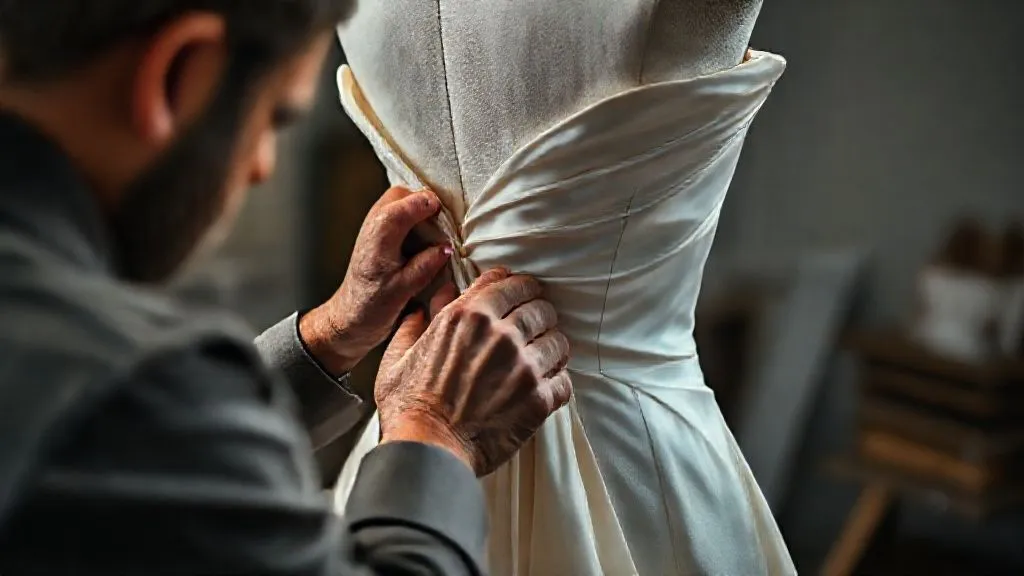
How to Resolve Client Dissatisfaction with Haute Couture Custom Fit?
For over three decades in the rarefied world of haute couture, I've witnessed the sublime alchemy of fabric transforming into dreams. Yet, I've also seen the delicate balance of creation shattered by a single, critical misstep: client dissatisfaction with the custom fit. In a realm where perfection isn't just an aspiration but an expectation, a garment that doesn't feel like a second skin can unravel not just a design, but the very trust underpinning a luxury relationship. This isn't merely about a misplaced seam; it's about a broken promise, a perception of unmet value in an investment that is both profoundly personal and financially significant.
The pain point for atelier owners and couturiers is palpable. You pour your heart, soul, and unparalleled skill into each bespoke creation. When a client expresses disappointment with the fit, it's a blow to your artistic integrity and business reputation. This isn't a factory-produced item that can be easily returned; it's a unique work of art crafted specifically for an individual. The emotional weight, the potential for negative word-of-mouth in an exclusive circle, and the sheer cost of rework can be daunting. It can erode confidence, strain resources, and, if not handled deftly, permanently damage a valuable client relationship.
But there is a path forward. In this definitive guide, I will share the actionable frameworks, time-tested strategies, and nuanced insights I've gathered from years at the forefront of haute couture. We'll move beyond superficial fixes to address the root causes of custom fit dissatisfaction, offering a holistic approach that encompasses communication, technical precision, empathetic resolution, and proactive measures. My goal is to equip you with the tools to not only resolve these delicate situations but to transform them into opportunities to deepen client loyalty and elevate your atelier's esteemed reputation.
Understanding the Nuance of Haute Couture Expectations
The client who walks into a haute couture atelier isn't just purchasing a dress; they are investing in an experience, a vision, and a tangible manifestation of their deepest desires for beauty and individuality. Their expectations are inherently elevated, extending far beyond mere aesthetics to encompass comfort, movement, and a feeling of absolute perfection. This isn't a transactional exchange; it's a deeply personal journey where the garment becomes an extension of their identity.
The Psychology of Luxury Clients
Luxury clients are discerning. They are often highly successful individuals accustomed to exceptional service and uncompromising quality. Their investment in haute couture is significant, not just monetarily, but also emotionally. They expect flawless execution, meticulous attention to detail, and a garment that not only fits their physical form but also their lifestyle and personality. Any deviation from this perceived perfection can lead to profound disappointment, as it challenges their investment and their sense of worth.
According to a study published in the Harvard Business Review, luxury consumers often seek emotional fulfillment and self-expression through their purchases, making the personal connection and bespoke experience paramount. When the fit is off, it can feel like a direct affront to their individuality and the trust they've placed in your hands. Understanding this psychological underpinning is the first step in effective resolution.
Bridging the Communication Gap
Often, dissatisfaction stems not from a lack of skill, but from a misalignment of understanding. What the client envisions, what they articulate, and what the couturier interprets can sometimes diverge. The initial consultation is not just for measurements and design discussions; it's a critical opportunity to establish a shared vision, manage expectations, and create a robust communication channel. This early investment in clear, empathetic dialogue can prevent many fit issues before they even begin.
Proactive Measures: Laying the Foundation for Flawless Fit
Prevention is always superior to a cure, especially in haute couture. Establishing rigorous, client-centric processes from the outset can drastically reduce the likelihood of custom fit dissatisfaction. This involves a multi-layered approach that prioritizes precision, transparency, and a deep understanding of the client's needs.
The Art of the Initial Consultation and Measurement
This is where the magic begins, and where potential problems can be averted. Beyond standard tape measurements, a truly expert consultation delves into the client's posture, gait, and specific comfort preferences. I've found that a comprehensive approach yields the best results:
- Detailed Body Assessment: Observe the client's natural stance, shoulder slope, hip curvature, and any asymmetries. Document these nuances thoroughly.
- Movement Analysis: Ask the client to sit, walk, and raise their arms if the garment's design requires it. How does their body move? Where might fabric pull or restrict?
- Preference Elicitation: Engage in a detailed conversation about their past experiences with clothing fit. What do they like? What do they dislike? Are they sensitive to tightness in certain areas, or prefer a looser drape?
- Undergarment Consideration: Discuss the specific undergarments they intend to wear with the final piece. This is crucial for accurate measurements and fit, as it can significantly alter body contours.
- Photographic Documentation: With explicit client consent, discreetly take reference photographs from multiple angles. These serve as invaluable guides during the design and construction phases.
- Digital Body Scanning (If Available): For the most advanced ateliers, 3D body scanning offers unparalleled precision, capturing thousands of data points that can inform pattern making with incredible accuracy.
By investing this time upfront, you're not just taking measurements; you're building a comprehensive profile that ensures the garment is tailored not just to a size, but to a living, breathing individual.

Managing Expectations Through Design Visualization
A client's imagination can be a powerful tool, but it also carries the risk of misinterpretation. To bridge the gap between abstract ideas and tangible reality, effective design visualization is paramount. This can range from traditional methods to cutting-edge technology:
- Detailed Sketches and Technical Drawings: Provide precise illustrations that show the garment from multiple angles, highlighting key design features and proportions.
- Toiles (Muslins): Creating a mock-up in a less expensive fabric is an indispensable step. It allows for fit adjustments and design modifications before cutting into the precious final material. This is where the client can truly experience the silhouette and movement.
- Digital 3D Renderings: Advanced software can generate photorealistic 3D models of the garment on a virtual avatar of the client, allowing for real-time adjustments and a highly accurate preview of the final fit and drape.
- Fabric Swatches and Draping: Show the client the actual fabric swatches and, if possible, drape them on a mannequin or even the client to demonstrate how the material will behave.
The more visual aids you provide, the clearer the client's understanding, and the less room for disappointment down the line. Transparency about what is achievable within the chosen design and fabric is critical.
| Visualization Method | Pros | Cons |
|---|---|---|
| Detailed Sketches | Cost-effective, quick to produce, clarifies design lines | Lacks 3D volume, doesn't show drape/fit accurately |
| Toiles (Muslins) | Excellent for fit and silhouette, tangible experience for client, allows physical adjustments | Time-consuming, requires fabric, not for final aesthetic decisions |
| Digital 3D Renderings | Highly accurate 3D preview, real-time adjustments, shows drape and movement | Requires specialized software/skills, can be costly, less tactile |
| Fabric Draping | Shows actual fabric behavior, tactile experience | Limited to specific areas, not a full garment preview |
The Fitting Process: A Collaborative Journey, Not a Dictation
The fitting session is not just a technical step; it's a profound interaction where the client's vision and your craftsmanship merge. It requires patience, keen observation, and an unwavering commitment to collaboration. This is where you address 'How to resolve client dissatisfaction with haute couture custom fit?' in real-time, preventing minor issues from escalating.
Creating a Safe Space for Feedback
Clients, especially in a luxury setting, can sometimes feel intimidated or hesitant to voice concerns, fearing they might offend the artist. It's your responsibility to cultivate an environment where honest, constructive feedback is not just welcomed but actively encouraged. Start by asking open-ended questions like, "How does this feel?" or "Is there anything that doesn't quite sit right for you?" rather than leading questions that might elicit a simple "yes" or "no." Reassure them that their comfort and satisfaction are paramount, and that the garment is still a work in progress.
Iterative Adjustments and Client Involvement
Haute couture rarely achieves perfection in a single fitting. It's an iterative process of refinement. Each fitting should build upon the last, with documented changes and clear communication about the next steps. Involve the client in the process by explaining *why* certain adjustments are being made and *how* they will impact the final fit and aesthetic.
- Document Everything: Take detailed notes, sketches, and photographs of each fitting, noting all adjustments and client comments. This creates a clear historical record.
- Pinning and Marking: Make visible adjustments with pins, chalk, or basting stitches, allowing the client to see the immediate effect of the changes.
- Client Movement: Encourage the client to move naturally in the garment. Does it restrict movement? Does it pull or wrinkle in unexpected ways?
- Mirror Reflection: Provide ample mirror space from multiple angles. Sometimes, clients need time to observe themselves and articulate their feelings about the fit.
- Schedule Follow-Up Fittings: Be prepared for multiple fittings. Rushing the process can lead to overlooked issues and ultimately, dissatisfaction.
Case Study: The Empress Gown Dilemma
Case Study: How Atelier Lumière Resolved a Complex Fit Issue for the 'Empress Gown'
Atelier Lumière, renowned for its intricate bridal couture, faced a significant challenge with a client's custom-fit "Empress Gown." The client, Ms. Eleanor Vance, initially expressed delight during the first toile fitting, but by the second fitting in the actual silk duchesse, she felt the bodice was too restrictive, despite perfect measurements. She described feeling "imprisoned," a severe form of custom fit dissatisfaction. Instead of dismissing her feelings, the head couturier, Madame Dubois, engaged in deep empathetic listening.
Madame Dubois discovered that Ms. Vance, a concert pianist, required a subtle but crucial range of shoulder and arm movement she hadn't initially considered or articulated. The gown's original structured bodice, while technically flawless, impeded her natural posture and freedom. The atelier didn't simply alter; they revisited the pattern entirely. They created a new toile section for the bodice, incorporating an invisible internal gusset and redesigning the armhole with a flexible, couture-grade elasticized finish, integrated seamlessly into the lining. This allowed for the required expansion without compromising the gown's regal silhouette.
Through transparent communication, an additional fitting, and a focus on both technical excellence and the client's unique needs, Ms. Vance was not only satisfied but deeply impressed by the atelier's commitment to her comfort and artistic integrity. This resulted in glowing testimonials and subsequent commissions from her influential circle, turning a potential disaster into a triumph of client service and bespoke perfection.
When Dissatisfaction Arises: The Art of Empathetic Resolution
Even with the most meticulous proactive measures, issues can still arise. The true test of a luxury atelier lies not in avoiding problems entirely, but in how gracefully and effectively it resolves them. When a client expresses custom fit dissatisfaction, your immediate response is critical. This is a moment to demonstrate your commitment to excellence and client well-being.
Active Listening and Validation
The first and most crucial step is to listen—true.ly listen—without interruption or defensiveness. Allow the client to fully articulate their concerns, feelings, and frustrations. Validate their experience, even if you don't immediately understand the technical issue. Phrases like, "I understand this must be very frustrating for you," or "Thank you for bringing this to my attention; your comfort is our top priority," can disarm tension and open the door for a productive conversation.
Expert Insight: In haute couture, client dissatisfaction is rarely just about a physical measurement; it's often an emotional response to unmet expectations of perfection and personal investment. Address the emotion first, then the technicality.
Never dismiss a client's feelings as subjective or trivial. What might seem like a minor issue to you could be a significant source of discomfort or disappointment for them. Acknowledge their perspective before attempting to offer solutions. This builds trust and shows respect.
The Diagnostic Approach: Pinpointing the Root Cause
Once the client feels heard, it's time for a systematic diagnosis. This isn't about assigning blame but about understanding the precise nature of the custom fit dissatisfaction. Approach this with a meticulous, investigative mindset:
- Re-examine the Garment on the Client: Have the client wear the garment again. Observe carefully where the fabric pulls, wrinkles, sags, or restricts movement.
- Compare to Initial Measurements and Toile: Refer back to your detailed notes, measurements, and toile fitting documentation. Has anything changed? Was there a discrepancy between the toile and the final fabric's drape?
- Client Demonstration: Ask the client to point out the specific areas of concern. Have them move, sit, or pose as they typically would.
- Identify Technical vs. Perceptual Issues: Is the issue a clear technical flaw (e.g., uneven hem, tight armhole), or is it a more subjective perception of comfort or aesthetic preference? Sometimes, a client's body has changed, or their initial preference has evolved.
- Consider Fabric Behavior: Certain luxury fabrics behave differently under tension or with body heat. Account for the unique properties of the material.
This diagnostic phase is crucial for formulating an effective solution. Without accurately identifying the root cause, any proposed fix will be a shot in the dark, potentially leading to further frustration.
Strategic Solutions: Beyond Simple Alterations
Resolving custom fit dissatisfaction in haute couture often requires more than just minor nips and tucks. It demands a strategic, creative approach that honors both the garment's integrity and the client's ultimate satisfaction. Sometimes, the solution involves revisiting fundamental design choices or even partial reconstruction.
Re-evaluation of the Original Design Intent
Before reaching for the seam ripper, pause and re-evaluate. Was there a fundamental misunderstanding of the client's desired aesthetic or functional needs at the outset? Perhaps the initial design, while beautiful on paper, doesn't translate perfectly to the client's unique body or lifestyle. This isn't about admitting fault, but about ensuring the final piece truly serves its wearer. It might involve a subtle design modification that better accommodates the body or a slight adjustment to the silhouette to enhance comfort without compromising the overall vision. For instance, a very structured design might need a hidden stretch panel, or a flowing gown might need additional internal support for better drape.
The Role of Expert Alterations and Re-construction
Once the root cause is identified, the technical work begins. Haute couture alterations are an art form in themselves, requiring immense skill to seamlessly integrate changes without visible signs of rework. This might involve:
- Pattern Re-cutting: For significant fit issues, especially in the bodice or sleeves, the original pattern pieces might need to be re-drafted and recut.
- Strategic Seam Adjustments: Carefully opening and re-stitching seams to redistribute fabric, add ease, or take in excess.
- Invisible Gussets/Panels: Inserting discreet panels of matching fabric or stretch material in areas requiring more movement or comfort, such as armholes, backs, or waistbands.
- Lining Adjustments: The lining plays a critical role in comfort and drape. Sometimes, adjusting the lining alone can resolve a perceived tightness or pulling.
- Re-draping: In complex cases, parts of the garment might need to be re-draped on the client to achieve the desired flow and fit.
The goal is to make the alterations appear as if they were always part of the original design, maintaining the garment's bespoke quality and luxurious finish. This level of craftsmanship is what distinguishes haute couture from ready-to-wear.
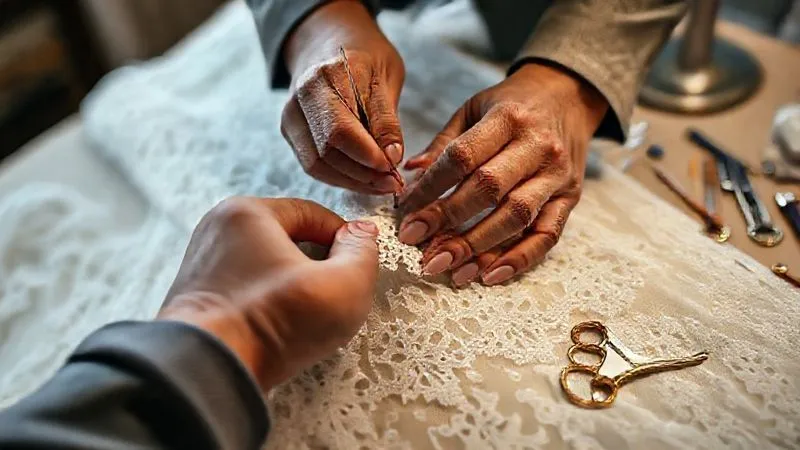
Below is a checklist for systematically identifying and addressing common fit issues, ensuring a comprehensive resolution strategy:
| Fit Issue | Symptoms | Possible Solutions |
|---|---|---|
| Bodice Too Tight/Restrictive | Pulling across bust/back, restricted arm movement | Re-cut pattern for more ease, insert invisible gussets, adjust lining, wider armholes |
| Gown Sagging/Too Loose | Excess fabric, loss of silhouette, poor drape | Take in side seams, adjust darts, add internal boning/support, re-drape fabric |
| Uneven Hemline | Hem appears higher/lower in certain areas | Re-level hem while client wears garment with shoes, check for body asymmetry affecting drape |
| Sleeves Pulling/Twisting | Discomfort in shoulders/arms, fabric twisting | Re-set sleeves, adjust armhole depth/width, check sleeve cap ease, ensure proper shoulder padding |
| Waistband Digging In/Gapping | Discomfort, fabric bunching or standing away | Adjust waistband circumference, contour waistband for natural curve, add internal elastic for flexibility |
| Fabric Rippling/Bunching | Unexplained wrinkles, lack of smooth flow | Check grainline, adjust tension during construction, re-evaluate interlining, consider fabric steam/press |
Rebuilding Trust: Communication and Transparency are Paramount
Once you've diagnosed the custom fit dissatisfaction and formulated a plan, the next critical step is to rebuild and reinforce the client's trust. In the luxury sector, trust is the bedrock of enduring relationships. Transparent communication about the resolution process is non-negotiable.
Clear Communication of Resolution Plan
Present the client with a clear, concise, and professional plan for resolving the issue. Explain what adjustments will be made, why they are necessary, and how they will specifically address their concerns. Use non-technical language where possible, or explain technical terms patiently. Detail the timeline for these reworks and any additional fittings required. This demonstrates your expertise and commitment to a satisfactory outcome, transforming anxiety into anticipation.
It's also important to be upfront about any implications, such as a slight delay in delivery, and to offer sincere apologies for any inconvenience caused. Acknowledging the client's time and patience is crucial. For instance, you might say, "To ensure the bodice provides the absolute comfort you deserve, we will be re-cutting this section and will require one additional fitting, which we anticipate will be complete by [date]. We sincerely apologize for this slight delay and appreciate your understanding."
Setting Realistic Timelines and Expectations for Redress
While clients expect efficiency, they also understand that haute couture takes time. Avoid over-promising on speed to appease a frustrated client. It's far better to provide a realistic timeline that you can meet or even exceed, rather than creating further disappointment with missed deadlines. Communicate any potential challenges or complexities upfront. This honesty reinforces trust.
As marketing guru Seth Godin often says, "Underpromise and overdeliver." This mantra is particularly potent in luxury service recovery. If the rework is extensive, it might be appropriate to offer a small gesture of goodwill, such as complimentary garment care for a year, or a discount on a future accessory. This isn't about buying their loyalty, but about demonstrating your commitment to their overall experience. Further insights into customer retention in luxury markets can be found in this article on Forbes.
Post-Resolution Follow-Up: Cementing Client Loyalty
The journey of resolving custom fit dissatisfaction doesn't end when the client walks out with their perfectly fitted garment. The period immediately following resolution is a golden opportunity to cement loyalty and transform a challenging situation into a testament to your atelier's unparalleled service. This follow-up is a critical component of 'How to resolve client dissatisfaction with haute couture custom fit?' effectively.
The Importance of a Final Review
Before the client takes possession of the garment, ensure a final, meticulous review. This should ideally be a brief, pleasant interaction where you present the perfected piece and allow the client to try it on one last time. This isn't another fitting for alterations, but a moment for them to confirm absolute satisfaction. Observe their expression, their posture, their movement. Ask open-ended questions like, "How does it feel now?" or "Does this now embody the vision you had?" Their unequivocal happiness is your ultimate goal.
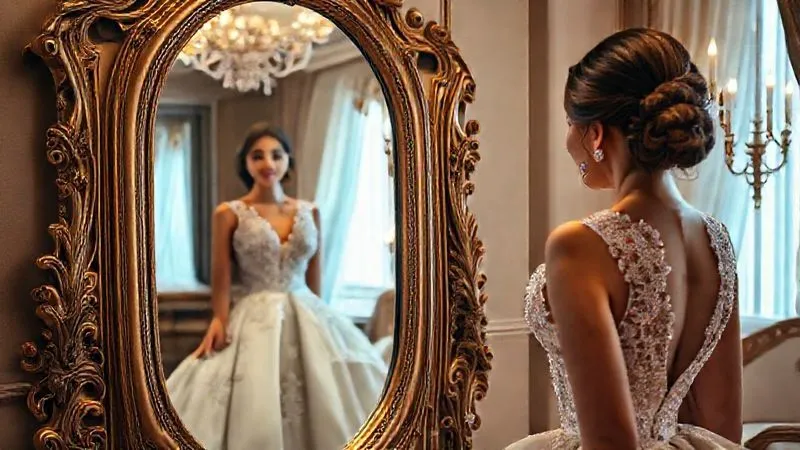
Provide detailed care instructions for the garment, emphasizing its delicate nature and how to preserve its bespoke quality. This adds value and reinforces your expertise, showing you care about the longevity of their investment.
Long-Term Relationship Nurturing
Beyond the immediate resolution, think long-term. A personalized follow-up a few weeks later – a handwritten note, a call, or an email – can make a significant impact. Inquire politely if they've had the chance to wear the garment and if they are still delighted with the fit. This small gesture demonstrates genuine care and a commitment to their ongoing satisfaction, rather than a transactional approach.
Consider inviting them to an exclusive preview of your next collection or offering a small, personalized gift. These thoughtful touches reinforce the exclusivity and personal connection that define haute couture relationships. By consistently demonstrating that their satisfaction extends beyond the point of sale, you build an unshakeable foundation for future commissions and word-of-mouth referrals.
Elevating Your Atelier: Continuous Improvement and Feedback Loops
Every instance of client dissatisfaction, particularly concerning custom fit, is a valuable learning opportunity. An experienced industry specialist understands that these challenges, while difficult, are catalysts for growth and refinement. Embracing a culture of continuous improvement is essential for any haute couture atelier aiming for enduring excellence.
Documenting and Analyzing Fit Challenges
Create a robust system for documenting every fit challenge encountered. This goes beyond just the individual client's notes. Establish a centralized log that categorizes the type of fit issue (e.g., bodice tension, sleeve restriction, drape inconsistency), the garment style, the fabric used, and the eventual resolution. Over time, this data will reveal patterns. Are certain body types consistently presenting specific challenges? Are particular fabrics more prone to certain fit issues? Is there a recurring problem with a specific pattern block?
Analyzing this data allows you to identify systemic weaknesses in your measurement protocols, pattern-making techniques, or even communication strategies. This proactive analysis is key to preventing future occurrences of the same issues and continuously improving your craft. This aligns with the principles of quality control and continuous improvement, which are vital for luxury brands, as highlighted by academic research on luxury brand management, such as studies found in the Journal of Marketing.
Training Your Team: The Human Element
Your team is your greatest asset. Invest in ongoing training that covers not only technical skills but also client psychology and empathetic communication. Regular workshops on advanced measurement techniques, complex pattern adjustments, and fabric behavior can elevate the collective skill set of your atelier. Furthermore, role-playing scenarios for handling difficult client conversations can equip your team with the confidence and tools to de-escalate tension and resolve issues gracefully.
Ensure that every member of your team understands the profound impact of custom fit dissatisfaction and their role in preventing and resolving it. Foster a culture where feedback, both internal and external, is seen as a gift for improvement, not a criticism. A unified, skilled, and empathetic team is your strongest defense against client dissatisfaction.

According to a Deloitte study on the Global Powers of Luxury Goods, customer experience and service excellence are increasingly critical differentiators in the highly competitive luxury market. Continuous staff training directly contributes to this excellence.
Frequently Asked Questions (FAQ)
Q: What's the fundamental difference between client dissatisfaction with fit and a minor alteration request? The core difference lies in the client's emotional state and the perceived quality. A minor alteration is usually a small refinement – a hem adjustment or slight waist cinch – that the client expects as part of the bespoke process. Dissatisfaction, however, indicates a deeper issue: the garment isn't meeting their core expectations of comfort, aesthetic, or movement, often leading to feelings of disappointment, frustration, or a sense of wasted investment. It signals a breakdown in the ideal bespoke experience, requiring a more empathetic and often more extensive resolution than a simple alteration.
Q: Should I charge for extensive reworks due to client dissatisfaction with the haute couture custom fit? This is a delicate balance. If the dissatisfaction stems from a clear error on the atelier's part (e.g., incorrect measurements, pattern flaw), then covering the cost of reworks is essential for maintaining trust and reputation. If the issue is due to a change in the client's preferences, a significant alteration to the original design, or a body change since initial measurements, a discussion about shared costs or a partial charge might be appropriate. Transparency is key; discuss this politely and clearly before commencing work. Prioritize client satisfaction over a small charge, especially for high-value clients.
Q: How can I prevent clients from constantly changing their minds after fittings, leading to fit issues? Prevention starts with meticulous initial consultations and clear expectation setting. Use toiles and detailed visualizations to solidify the design early on. During fittings, document all decisions and adjustments, and have the client sign off on key stages. Explain that significant design changes after a certain point may incur additional costs or extend timelines. Establishing these boundaries respectfully upfront helps manage scope creep and ensures the client understands the implications of late-stage changes.
Q: What if a client is simply impossible to please, despite all my efforts to resolve custom fit dissatisfaction? While rare, it can happen. After exhausting all reasonable, professional, and empathetic solutions, and if the client remains fundamentally dissatisfied, it might be necessary to consider a partial refund or credit, or even respectfully decline future commissions if the relationship is proving unsustainable. Document every step of your resolution efforts. It's crucial to protect your atelier's resources and the morale of your team. Sometimes, a graceful exit from a difficult relationship is the healthiest option for both parties, though it should always be a last resort.
Q: How do I maintain profitability when extensive reworks are needed to resolve custom fit issues? Profitability is protected through robust initial processes (accurate measurements, detailed toiles), which minimize reworks. When reworks are necessary due to atelier error, they are an investment in your brand's reputation and client loyalty. For reworks stemming from client changes, clear communication about potential additional costs is vital. Furthermore, having a buffer in your pricing model for unforeseen minor adjustments can absorb some costs. Ultimately, the long-term profitability comes from impeccable quality and service that commands premium pricing and fosters repeat business and strong referrals.
Key Takeaways and Final Thoughts
Resolving client dissatisfaction with haute couture custom fit is more than a mere technical challenge; it's an intricate dance of craftsmanship, empathy, and strategic communication. It demands the same level of artistry and precision that goes into creating the garment itself. The insights I've shared are not just theoretical; they are born from decades of navigating the delicate intricacies of luxury bespoke fashion.
- Proactive Precision: Lay an unshakeable foundation with exhaustive initial consultations, precise measurements, and effective design visualization.
- Empathetic Engagement: Foster an environment where clients feel safe to express concerns, and practice active listening to truly understand their needs.
- Strategic Resolution: Go beyond simple alterations; diagnose root causes, and be prepared for expert re-cutting or reconstruction when necessary.
- Transparent Communication: Rebuild trust by clearly outlining resolution plans, managing expectations, and providing realistic timelines.
- Continuous Improvement: Document, analyze, and learn from every challenge, using insights to refine your processes and elevate your atelier's standards.
In the world of haute couture, your reputation is your most precious asset. By mastering the art of resolving custom fit dissatisfaction, you not only save a garment but you also save, and indeed strengthen, a client relationship. Embrace these challenges as opportunities to showcase your unwavering commitment to perfection, solidifying your atelier's legacy as a paragon of bespoke excellence. Your dedication to resolving these delicate issues will speak volumes, echoing in the enduring loyalty of your discerning clientele and the timeless beauty of your creations.
Recommended Reading
- 5 Expert Strategies: Fixing Irreparable Seam Puckering on Haute Couture Silk
- Revive Your Fashion Blog: 5 Steps to Predict Emerging Trends & Stay Relevant
- Unlock Comfort: 7 Steps to Find Specialized Joint Support Activewear
- Bridal Boutique's Guide: 7 Proven Strategies to Clear Unsold Gowns Fast
- 7 Proven Strategies: Monetizing Minimalist Accessory Styling for Influencers



Your email address will not be published. Required fields are marked *