

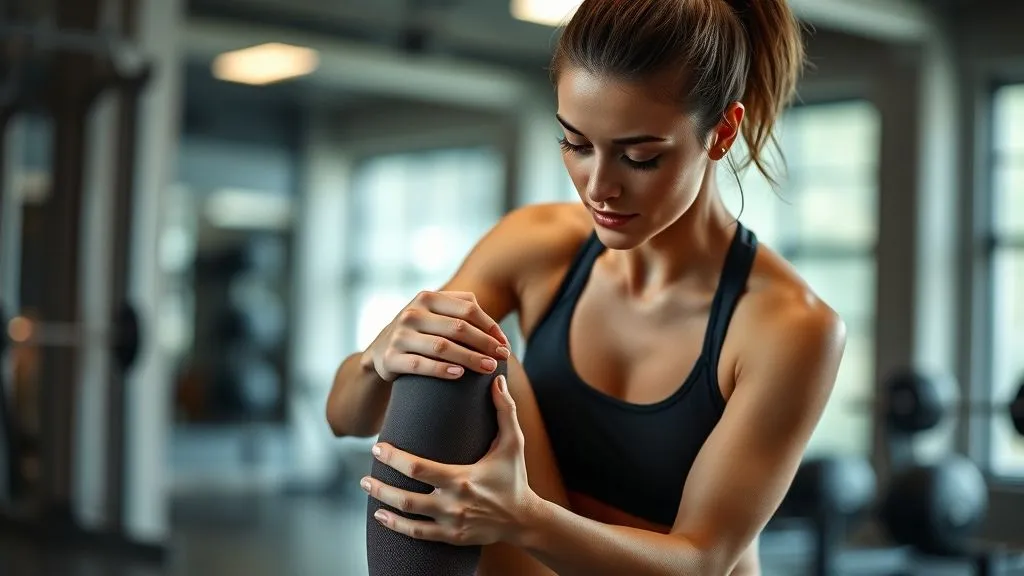
How to Find Specialized Activewear for Hyper-Specific Joint Support Needs?
For over 15 years in the activewear and specialized sportswear industry, I've witnessed a common, disheartening scenario: individuals passionate about their fitness journey, only to be sidelined or suffer chronic discomfort due to inadequate gear. It's a mistake I've seen countless times – relying on generic activewear when their bodies demand something far more precise. This isn't just about comfort; it's about safeguarding your long-term joint health and enabling peak performance. The journey to truly effective support begins with understanding that your body's needs are unique, and so should be your gear.
The frustration is palpable. You've identified a hyper-specific joint issue – perhaps patellofemoral pain, a recurring shoulder instability, or chronic wrist discomfort during weightlifting. You scour the racks, only to find vague "support" claims or one-size-fits-all solutions that simply don't address your unique biomechanical challenges. This cycle of trial and error can be costly, demoralizing, and, worst of all, exacerbate the very problems you're trying to mitigate. Many feel lost in a sea of marketing jargon, unsure how to differentiate genuine support from mere aesthetic appeal.
But what if there was a structured, expert-backed approach to cut through the noise? In this definitive guide, I'll share the frameworks, insights, and actionable steps I've cultivated over my career to help you confidently navigate the complex world of specialized activewear. We'll delve into understanding your body's demands, decoding product science, and making informed choices that provide genuine, hyper-specific joint support. Prepare to unlock a new level of comfort, performance, and injury prevention, ensuring your active journey is both safe and fulfilling.
Understanding Your Body's Unique Demands: Beyond the Generic
Before you even begin to search for specialized activewear, the most critical step is a profound understanding of your own body. Generic activewear is designed for a generic body, but your needs are anything but. In my experience, skipping this foundational step is the primary reason people end up with unsuitable gear, leading to wasted money, continued discomfort, and potentially further injury. This is where personalized research truly begins.
Identifying Your Specific Joint Issues
This isn't about self-diagnosis, but about clearly articulating your symptoms and needs, ideally in consultation with a medical professional. Are you experiencing a dull ache in your knee during lunges, a sharp pain in your wrist during push-ups, or instability in your shoulder during overhead presses? Pinpointing the exact joint, the type of discomfort, and the movements that trigger it is paramount. Don't generalize; specificity is your greatest asset here.
- Location: Is it your knee, ankle, hip, shoulder, elbow, or wrist? Be as precise as possible – e.g., inner knee, outer ankle, front of the shoulder.
- Type of Pain: Is it sharp, dull, throbbing, burning, radiating, or a sensation of instability? Describing the pain accurately helps professionals understand the underlying issue.
- Triggers: What movements, exercises, or activities exacerbate the issue? Is it impact, rotation, flexion, extension, or sustained pressure? When does it feel worse – during or after activity?
- History: Is this a chronic condition (e.g., arthritis, tendinitis), a recurring injury (e.g., patellar tendonitis, sprained ankle), or a post-operative recovery need? Understanding the history guides the type of support required.
- Goals: What do you want the activewear to achieve? Pain reduction, enhanced stability, improved proprioceptive feedback, or proactive injury prevention? Clearly defined goals will streamline your search.
A consultation with a physical therapist, orthopedic specialist, or sports medicine doctor can provide an invaluable diagnosis and recommendation. They can identify specific biomechanical imbalances, muscle weaknesses, or structural issues that require targeted support, not just general compression. This professional insight forms the bedrock of your search, saving you time and preventing potential harm from inappropriate gear.
"Don't guess your joint needs; get a professional diagnosis. Generic solutions for specific problems are often ineffective and can even be detrimental. Your body deserves precise care, informed by expert medical assessment."
The Science of Support: Compression, Stability, and Ergonomics
Specialized activewear isn't just about tighter fabric; it's about intelligent design rooted in biomechanical principles and advanced textile engineering. Understanding the science behind these garments empowers you to evaluate claims and choose truly effective solutions. I've spent years dissecting product specifications, and I can tell you, the devil is in the details – knowing what to look for makes all the difference.
Compression Levels and Their Impact
Compression is a cornerstone of joint support, but not all compression is created equal. Medical-grade compression is precisely measured in millimeters of mercury (mmHg) and is significantly different from the mild, often aesthetic, compression found in most retail activewear. Specialized garments for hyper-specific joint support often utilize targeted, graduated, or variable compression to achieve specific physiological benefits.
- Targeted Compression: Specific panels or zones within the garment apply pressure directly to the affected joint or surrounding musculature. This enhances proprioception (your body's awareness of its position in space), reduces muscle oscillation (vibration during movement), and can improve localized blood flow.
- Graduated Compression: Pressure is highest at the furthest point from the heart (e.g., ankle) and gradually decreases upwards (e.g., calf). While more common in recovery wear, some performance pieces incorporate it to aid venous return, reduce swelling, and accelerate muscle recovery.
- Benefits: Beyond basic support, effective compression can improve blood circulation, reduce muscle fatigue and soreness, enhance proprioception, and offer mild to moderate joint stabilization. For hyper-specific joint needs, the precision targeting of this compression is paramount.
Ergonomic Design: Movement Without Restriction
The best specialized activewear supports without hindering natural movement. This is where ergonomic design truly shines. It's not about immobilizing the joint, but about guiding it, providing stability, and allowing for unhindered movement within its natural, healthy range of motion. Poorly designed garments can actually restrict movement or cause chafing.
- Articulation: Look for garments with pre-shaped or articulated zones around key joints (knees, elbows, shoulders). These designs allow for natural flexion and extension without fabric bunching, pulling, or creating pressure points.
- Seam Placement: Strategically placed flatlock seams are crucial. They prevent chafing and irritation, especially important in high-movement areas and where skin is sensitive due to prolonged activity.
- Reinforcement: Areas prone to stress, such as around the patella, shoulder capsule, or Achilles tendon, might feature reinforced stitching, additional fabric layers, or embedded structural elements for enhanced durability and targeted support.
Material Matters: Breathability, Moisture-Wicking, and Durability
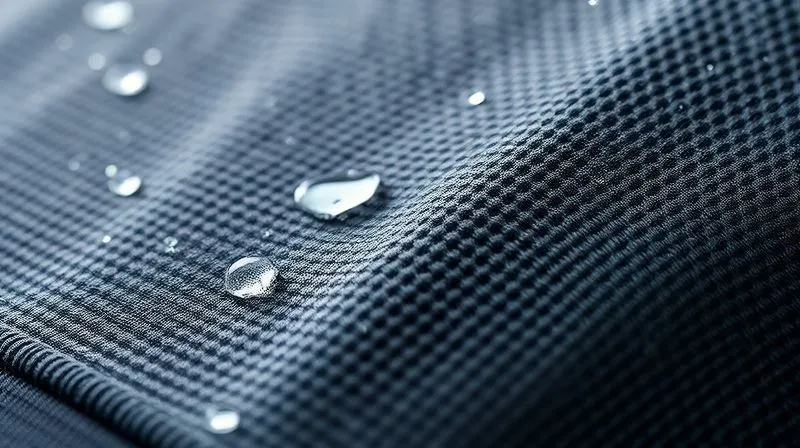
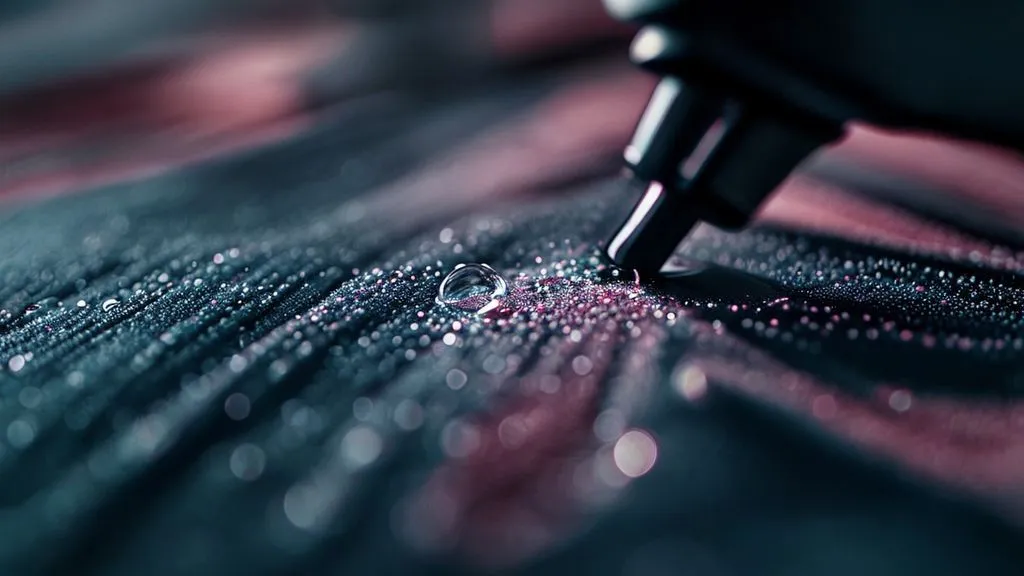
The fabric itself plays a vital role in both comfort and performance. Advanced textile engineering is at the heart of effective specialized activewear, combining various fibers and weaves to achieve specific properties.
- Breathability: High-performance fabrics allow air circulation, preventing overheating and discomfort, especially during intense activity. This is critical for preventing skin irritation and maintaining focus.
- Moisture-Wicking: These fabrics are engineered to draw sweat away from the skin's surface and transport it to the outer layer of the garment, where it can evaporate rapidly. This keeps you dry, prevents chafing, and helps regulate body temperature.
- Durability: Specialized activewear is an investment. Look for materials that can withstand repeated washing, stretching, and the rigors of your activity without losing their supportive properties. Often, blends of high-denier nylon, elastane (spandex), and sometimes even medical-grade silicone or ceramic-infused fibers are used for optimal performance and longevity.
Navigating the Market: Where Specialized Activewear Hides
Finding truly specialized activewear requires looking beyond mainstream sports retailers. These garments are often found in niche markets, where the focus is on therapeutic benefits, injury prevention, and performance enhancement for specific conditions. I've guided countless clients through this maze, and knowing where to look is half the battle, saving you from endless scrolling and fruitless searches.
Specialty Orthopedic and Medical Supply Stores
These are often your first and best bet, especially if your needs stem from a diagnosed medical condition or recent injury. Stores that cater to post-operative recovery, physical therapy, or chronic conditions frequently stock a range of medical-grade compression garments, braces, and supportive activewear. The staff here are typically more knowledgeable about specific joint issues and can offer tailored advice and even assist with fitting.
- Benefits: Access to medical-grade products, highly knowledgeable staff, often able to bill insurance (depending on medical necessity and prescription), and a focus on therapeutic outcomes.
- Considerations: May have a more clinical aesthetic, potentially higher price points, and a narrower selection for purely athletic performance.
Niche Activewear Brands: The Hidden Gems
Beyond the big names, a growing number of smaller, specialized brands are emerging. These companies often focus on particular sports (e.g., running, weightlifting, cycling, trail running) or specific joint issues (e.g., patellofemoral pain, IT band syndrome, shoulder impingement). They invest heavily in research and development to create targeted support solutions that larger, mass-market brands might overlook due to their broader audience.
- Online Research: Use highly specific search terms (e.g., "activewear for patellofemoral pain," "shoulder stability shirt for CrossFit," "compression socks for Achilles tendonitis"). Be as descriptive as possible.
- Read Reviews: Look for detailed reviews from users with similar joint issues. Pay attention to comments on fit, support effectiveness, durability, and how the garment performs during specific activities. Filter for reviews that mention long-term use.
- Check Brand Mission: Brands founded by athletes, physical therapists, or medical professionals with a clear focus on solving specific problems often offer superior, more thoughtfully designed solutions. Their origin story can tell you a lot about their dedication to specialized support.
Online Forums and Community Recommendations
The power of collective experience is immense. Online communities focused on specific sports, injuries, or conditions (e.g., Reddit's r/running, r/bodybuilding, forums for arthritis sufferers, or specific injury support groups) can be treasure troves of genuine user recommendations and warnings. People who have successfully navigated similar challenges are often eager to share their insights, providing real-world feedback that product descriptions can't.
However, always cross-reference information and consider the source. What works for one person may not work for another, especially with hyper-specific needs. Use these forums as a starting point for your research, to gather potential brands and product ideas, rather than as definitive medical advice or a substitute for professional consultation.
According to a study published in the National Center for Biotechnology Information (NCBI), targeted compression garments can significantly improve proprioception and reduce muscle oscillation in athletes, highlighting the scientific basis for these specialized products and their role in injury prevention and performance enhancement.Decoding Product Descriptions: What to Look For (and What to Avoid)
Once you've identified potential brands or products, the next crucial step is to meticulously dissect their product descriptions. This is where many companies make broad claims, and it's your job to distinguish genuine innovation and specific functionality from marketing fluff. As an industry expert, I've learned to read between the lines and identify the true indicators of effective specialized support.
Key Features: Articulation, Reinforcement, and Targeted Panels
Don't just look for "joint support." Look for how that support is delivered and the specific design elements that achieve it. Generic statements offer little value for hyper-specific needs.
- Articulation Zones: Are there specific areas designed to flex and move with your joint, like pre-bent knee or elbow sections, or panels that facilitate shoulder rotation? This ensures support without restricting natural biomechanics.
- Reinforcement: Does the description mention reinforced stitching, extra fabric layers, internal bracing elements, or strategically placed silicone grips in critical areas? These features enhance durability and provide localized stability.
- Targeted Compression Panels: Look for explicit mentions of "targeted compression zones," "support mapping," or "biomechanically engineered panels" that align with your specific pain points (e.g., "patellar support panel," "rotator cuff stability weave," "Achilles tendon relief").
- Silicone Grippers/Taping: Some advanced garments incorporate internal silicone strips or a taping-like structure (often visible as printed patterns) to provide additional stability, prevent slippage, and offer proprioceptive feedback.
Certifications and Medical Endorsements
While not universally present, some high-quality specialized activewear will carry certifications or have been developed in conjunction with medical professionals. These add a crucial layer of credibility and assurance regarding the product's efficacy and safety.
- FDA Registered: For medical devices or garments with therapeutic claims, this registration is a significant indicator of quality, safety, and adherence to regulatory standards.
- Developed with PTs/Orthopedists: Brands that collaborate with healthcare professionals in their design and testing phases often produce more effective, scientifically-backed designs.
- Clinical Study Backing: If a product references specific studies or research, take the time to investigate them. Are they peer-reviewed? Were they conducted independently? This provides robust evidence for their claims.
"A product description laden with vague superlatives but lacking specific technical details is a red flag. True specialization boasts precision in design, function, and often, scientific validation. Demand specificity from your gear."
Here's a quick comparison of what to look for when evaluating activewear for different joint support needs:
| Joint Area | Key Features to Look For | What to Avoid | Example Brands |
|---|---|---|---|
| Knee | Patellar stabilization (buttress/strap), lateral/medial support, articulated design for flexion, targeted compression around quadriceps/hamstrings, anti-slip bands. | Generic knee sleeves with uniform, weak compression; stiff fabrics that restrict movement; poor moisture management. | Bauerfeind, DonJoy (sports lines), specific running and recovery brands. |
| Shoulder | Rotator cuff support, scapular stabilization, posture correction elements (cross-back design), ergonomic armhole design for full range of motion, targeted compression across deltoids. | Loose-fitting tops with no structured support; shirts with only general, non-targeted compression; designs that restrict overhead movement. | Under Armour (specific lines), Incrediwear, specialized athletic brands for overhead athletes. |
| Wrist/Elbow | Targeted compression for epicondylitis (tennis/golfer's elbow), carpal tunnel support, thumbhole designs for wrist stability, non-restrictive joint flexion, gel pads for vibration dampening. | Overly bulky designs that hinder grip; poor moisture-wicking materials causing skin irritation; designs that cut off circulation at the joint. | Copper Fit (specific lines), Mueller, dedicated CrossFit/weightlifting brands, Rehband. |
The Fitting Room Factor: Why Try-Before-You-Buy is Non-Negotiable
Online shopping offers undeniable convenience, but for specialized activewear, there's often no substitute for trying it on. The fit of a supportive garment is paramount; too loose and it's ineffective, too tight and it can restrict circulation or cause discomfort. I always advise clients to prioritize the in-person experience whenever possible, or to utilize brands with excellent return policies, as fit is deeply personal and biomechanically critical.
Understanding Sizing Charts for Support Wear
Unlike regular clothing, sizing for specialized activewear often requires precise measurements, not just your usual clothing size. Don't rely on assumptions. Brands will typically provide detailed charts asking for measurements of your limb circumference at specific points (e.g., 5 inches above the knee, around the widest part of the calf, mid-bicep). Follow these instructions meticulously, using a flexible tape measure. A slight deviation can significantly compromise the garment's effectiveness, turning support into either constriction or useless looseness.
Movement Tests: Squat, Stretch, and Jump
The true test of specialized activewear comes when you move. In the fitting room (or at home, if ordering online with a good return policy), perform the exact movements that typically trigger your joint discomfort or that are part of your workout routine. This is where the theoretical support becomes practical feedback.
- Squats/Lunges/Running in Place: For knee and hip support. Does the garment stay in place without slipping or bunching? Do you feel enhanced stability and reduced pain during these specific movements?
- Overhead Presses/Rotations/Swings: For shoulder and elbow support. Does it restrict your full range of motion? Does it provide a noticeable sense of security and proprioceptive feedback without feeling bulky?
- Push-ups/Planks/Lifting: For wrist and elbow support. Is there adequate compression without cutting off circulation or creating uncomfortable pressure points? Can you maintain a strong grip?
- General Movement: Walk, jog in place, stretch, and perform some dynamic warm-up movements. Ensure overall comfort, breathability, and that the garment moves with your body, not against it.
Pay close attention to how your body feels. The support should feel firm but not constricting, allowing for natural movement while providing a noticeable sense of stability and relief. Remember, the goal is enhanced support and comfort, not immobilization or discomfort.
Case Study: How Sarah Found Her Perfect Knee Support
Sarah, a 42-year-old amateur runner, developed patellofemoral pain syndrome (runner's knee) after increasing her mileage. Her initial approach was to buy a generic compression knee sleeve from a large sports store. While it offered some mild relief, her pain persisted during longer runs, and the sleeve would often slip down, requiring constant adjustment. Frustrated, she consulted a physical therapist who diagnosed a tracking issue with her kneecap and recommended specific patellar support to guide her kneecap. Armed with this knowledge, Sarah researched niche activewear brands specializing in knee biomechanics. She found a brand offering a knee sleeve with a targeted silicone patellar buttress and specific compression zones for the quadriceps and hamstrings. She carefully measured her leg, ordered two sizes (one her measured size, one a size up to compare), and performed her usual warm-up routine in both. The larger size offered insufficient support and still slipped, but the smaller size, though initially feeling snug, provided immediate, noticeable stability and pain reduction during her test run. This resulted in her being able to comfortably complete her runs again, gradually increasing her distance without pain, and ultimately qualifying for her first half-marathon, all thanks to the right specialized activewear combined with her PT exercises.
Customization and Adaptation: When Off-the-Rack Isn't Enough
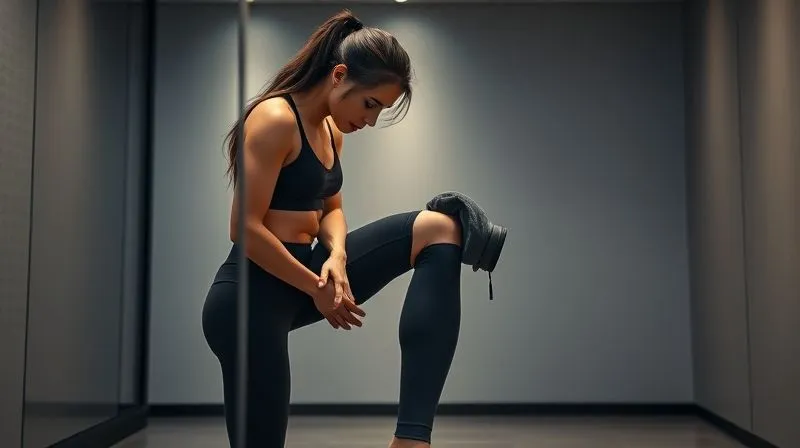
Sometimes, even the most specialized off-the-rack activewear won't perfectly address your hyper-specific needs. This is where a more personalized approach comes into play. As an industry specialist, I've seen how combining garments with professional guidance can create truly bespoke solutions, ensuring that no joint issue is too complex to address effectively.
Working with Physical Therapists and Orthopedic Specialists
This is arguably the most crucial step when off-the-rack options fall short or when dealing with complex conditions. A physical therapist can not only recommend specific types of support based on your biomechanics but can also work with you to adapt existing garments or suggest custom solutions. They understand your unique movement patterns and can guide you on how to integrate activewear with your rehabilitation or training program for maximum benefit.
- Prescription: In some cases, a medical professional might prescribe custom-made braces, orthotics, or insoles, which can then be worn in conjunction with supportive activewear. The activewear can provide an additional layer of comfort and mild compression.
- Adjustment Guidance: They can advise on how to properly wear, adjust, and even modify your specialized activewear to maximize its benefits and prevent new issues or skin irritation.
- Integrated Plan: A PT can help create a holistic plan that combines your activewear with specific exercises, stretches, and recovery strategies.
Considering Modular or Adjustable Support Systems
Some brands offer activewear with modular or adjustable components, allowing for a degree of customization that goes beyond standard sizing. These designs are particularly innovative for addressing fluctuating needs or providing variable support levels.
- Removable Pads/Inserts: For targeted cushioning, additional compression, or to fill specific anatomical voids. These can often be positioned precisely where needed.
- Adjustable Straps/Fasteners: Allowing you to customize the level of compression or support around a specific joint. This is invaluable for conditions that might require different levels of support depending on the activity or stage of recovery.
- Layering Options: The strategic layering of a thinner, base compression layer underneath a more structured support garment (like a targeted knee sleeve or shoulder brace) can provide comprehensive support and comfort.
This adaptability is particularly beneficial for conditions that fluctuate in severity or for individuals undergoing progressive rehabilitation, where support needs may change over time, allowing the gear to evolve with you.
The Role of Taping and Bracing in Conjunction with Activewear
For truly hyper-specific needs or acute issues, kinesiology taping or traditional bracing might be necessary, either alone or in combination with your specialized activewear. The activewear can then serve as a comfortable, breathable layer that helps hold the tape or brace in place, provides additional mild compression, and manages moisture, enhancing the overall system.
For example, an athlete with chronic ankle instability might wear a lightweight ankle brace under a compression sock designed for proprioceptive feedback, or a runner with IT band syndrome might use kinesiology tape under specialized compression shorts. Always consult with a professional before combining these methods to ensure they are complementary, safe, and provide the correct biomechanical support.
Sports-health.com provides valuable insights into choosing the right knee brace, emphasizing that the most effective support often comes from a combination of professional advice and tailored equipment, highlighting the importance of a multi-faceted approach.Beyond the Purchase: Maintenance and Longevity of Your Investment
Specialized activewear is an investment in your health and performance. To ensure it continues to provide the precise support you need, proper care and timely replacement are essential. I've seen far too many people shorten the lifespan of their expensive, meticulously chosen gear through neglect, inadvertently compromising their joint health.
Proper Washing and Care Instructions
The advanced fabrics and construction of specialized activewear require specific care to maintain their integrity and supportive properties. Always follow the manufacturer's care label meticulously; these aren't just suggestions, they are critical for preserving the garment's functionality.
- Gentle Cycle: Use a delicate or gentle cycle with cold water. Hot water can degrade elastic fibers and warp specialized components.
- Mild Detergent: Avoid harsh detergents, bleach, and especially fabric softeners. Fabric softeners can clog the pores of moisture-wicking fabrics and break down the elastic fibers (spandex, elastane) that provide compression and support.
- Air Dry: Tumble drying, especially on high heat, can severely damage the elastic components, melt silicone elements, and reduce the garment's supportive integrity. Always air dry flat or hang dry away from direct sunlight and excessive heat.
- Separate Wash: Wash activewear separately from items with zippers, Velcro, or rough textures that could snag or damage the delicate performance fabrics. Consider using a mesh laundry bag for extra protection.
Proper care not only extends the life of your garment but also ensures that the compression and support remain effective over time. Think of it as maintaining a specialized tool that directly contributes to your physical well-being.
When to Replace Your Specialized Gear
Even with the best care, specialized activewear has a lifespan. The elastic fibers that provide compression and support will degrade over time, losing their efficacy. Continuing to use worn-out gear can diminish its benefits and potentially leave your joints vulnerable. Here are clear signs it's time for a replacement:
- Loss of Compression: If the garment feels noticeably looser, less supportive, or doesn't snap back into shape as it once did. The feeling of targeted pressure should be consistent.
- Fabric Degradation: Look for visible signs of wear such as pilling, thinning areas, fraying seams, or a generally rougher texture compared to when it was new.
- Stretching/Bagging: Areas that should be snug and form-fitting become baggy, stretched out, or sag, particularly around the joints they are meant to support.
- Reduced Effectiveness: If your joint discomfort, pain, or instability returns while wearing the garment, it may no longer be providing adequate support. Trust your body's feedback.
"Don't cling to worn-out specialized activewear. Its effectiveness diminishes with age, potentially leaving your joints vulnerable and negating your investment. Timely replacement is crucial for continuous, reliable support and injury prevention."
Empowering Your Active Journey: A Holistic Approach
Finding the right specialized activewear is a significant and empowering step, but it's crucial to remember that it's part of a larger, holistic approach to joint health and athletic performance. As an industry veteran, I know that gear alone is never the complete answer; it's an enabler, a powerful tool within a comprehensive strategy for well-being and peak physical activity.
Integrating Activewear with Strength Training and Flexibility
Your specialized activewear works best when combined with a well-rounded fitness regimen that addresses the root causes of joint issues. It's a tool to facilitate movement and reduce discomfort, not a substitute for building foundational strength and flexibility. Consult with a qualified coach or physical therapist to develop a program that addresses underlying weaknesses, improves muscle imbalances, and enhances joint stability through targeted exercise.
- Strength Training: Builds the muscles surrounding your joints, providing natural, dynamic support and improving overall joint resilience.
- Flexibility & Mobility: Ensures your joints move through their full, healthy range of motion, reducing stiffness and improving functional movement patterns.
- Proper Form: Specialized activewear can help with proprioception (body awareness), but it doesn't replace the critical need for correct technique to prevent injury and maximize training effectiveness.
Listen to Your Body: The Ultimate Indicator
Ultimately, your body is the most sophisticated feedback system you possess. Pay close attention to how you feel before, during, and after activity, both with and without your specialized activewear. Any persistent pain, discomfort, or new sensations should be heeded and investigated promptly. The activewear should make your movements feel more comfortable, stable, and confident, allowing you to push your limits safely, not mask severe underlying issues. Always prioritize your body's signals over pushing through pain.

Frequently Asked Questions (FAQ)
Q: Can specialized activewear fully replace a traditional medical brace? A: Generally, no. While specialized activewear offers targeted compression and support, it typically provides a lower level of immobilization and rigid support compared to a traditional medical brace. Activewear is designed to enhance proprioception, reduce muscle vibration, and offer mild to moderate support, making it ideal for injury prevention, recovery from minor issues, or enhancing performance. For severe injuries, post-operative care, or significant instability, a medical professional will almost certainly recommend a more rigid brace. Always consult with your doctor or physical therapist to determine the appropriate level of support for your specific condition.
Q: How do I know if the compression in my activewear is too tight? A: Compression should feel snug and supportive, but never painful, restrictive, or cause numbness/tingling. Signs that your activewear might be too tight include: noticeable indentations on your skin that don't quickly disappear after removing the garment, a cold or bluish tint to your skin below the garment, persistent numbness or tingling, or a feeling of throbbing. If you experience any of these symptoms, the garment is likely too tight and could be impeding circulation. Re-check your measurements against the brand's sizing chart, or consider sizing up.
Q: Is specialized activewear only for people with existing injuries? A: Absolutely not! While it's invaluable for recovery and managing existing conditions, specialized activewear is also a powerful tool for injury prevention, especially for athletes engaging in high-impact or repetitive movements, or those looking to optimize performance. It can enhance proprioception, stabilize joints during strenuous activity, and reduce muscle fatigue, thereby lowering the risk of new injuries. Many athletes use it proactively to protect vulnerable joints and optimize performance, seeing it as an essential part of their long-term athletic health.
Q: How often should I wash my specialized activewear to maintain its effectiveness? A: The frequency of washing depends on your activity level and sweat output. For optimal hygiene and to maintain the garment's integrity, it's best practice to wash specialized activewear after every few uses, or immediately after a particularly sweaty workout. However, always refer to the specific care instructions provided by the manufacturer. Over-washing with harsh detergents or improper drying methods can degrade the elastic fibers and reduce the garment's supportive properties over time, so careful adherence to care labels is essential.
Q: What's the difference between retail compression activewear and medical-grade compression garments? A: The primary difference lies in the level and consistency of compression, which is often measured in mmHg. Retail compression activewear typically offers mild compression (usually below 20 mmHg) and is designed for general muscle support, performance enhancement, and aesthetic appeal. Medical-grade compression garments, on the other hand, provide higher, precisely measured compression (often 20-30 mmHg or higher) and are designed to exert specific therapeutic pressure for medical conditions like lymphedema, deep vein thrombosis, or severe swelling. Medical-grade garments often require a prescription and professional fitting due to their specific therapeutic purpose. Specialized activewear for hyper-specific joint support falls somewhere in between, often offering targeted, moderate compression in specific areas, sometimes reaching levels comparable to lower-end medical compression, but usually without the full-body, graduated pressure of medical-grade garments.
Key Takeaways and Final Thoughts
Navigating the world of specialized activewear for hyper-specific joint support needs can seem daunting at first, but armed with the right knowledge and a methodical approach, it becomes an empowering journey. Remember, your body is unique, and its demands are equally unique. Generic solutions will only get you so far, and often, not far enough.
- Understand Your Needs: Begin with a precise, professionally informed understanding of your specific joint issues and biomechanical requirements.
- Decipher the Science: Look beyond marketing hype; genuinely understand the role of targeted compression, ergonomic design, and advanced materials in providing effective support.
- Explore Niche Markets: Don't limit yourself to mainstream retailers. Specialty orthopedic stores, niche activewear brands, and informed online communities are your best resources.
- Prioritize Fit Above All: The effectiveness of specialized activewear hinges on a proper, movement-tested fit. Always try before you buy, or leverage robust return policies.
- Embrace Customization: Be open to combining solutions, seeking professional guidance, or utilizing modular systems when off-the-rack options aren't perfectly tailored.
- Maintain Your Investment: Proper care extends the life and efficacy of your supportive gear, protecting your investment in comfort and performance.
- Adopt a Holistic View: Activewear is a powerful tool, but integrate it with strength training, flexibility, and, most importantly, listen to your body's ultimate feedback system.
My hope is that this guide empowers you to make informed decisions, transforming your active lifestyle from one of discomfort and frustration to one of confident, pain-free performance. Invest in your body wisely, choose your gear intelligently, and it will reward you with years of joyful, supported movement. Your journey towards optimized joint support starts now – take the first step with confidence.
Recommended Reading
- Mastering Bespoke Creations: 7 Pillars of Haute Couture Excellence
- Verify Vintage: 7 Steps to Ethically Authenticate Apparel for Profit
- 7 Steps to Vet Eco-Friendly Shoe Suppliers & Avoid Greenwashing Risks
- 5 Smart Ways to Express Style in Strict Corporate Dress Codes
- Unlock Profit: 7 Strategies for Sourcing Unique Gift Accessories

Your email address will not be published. Required fields are marked *