

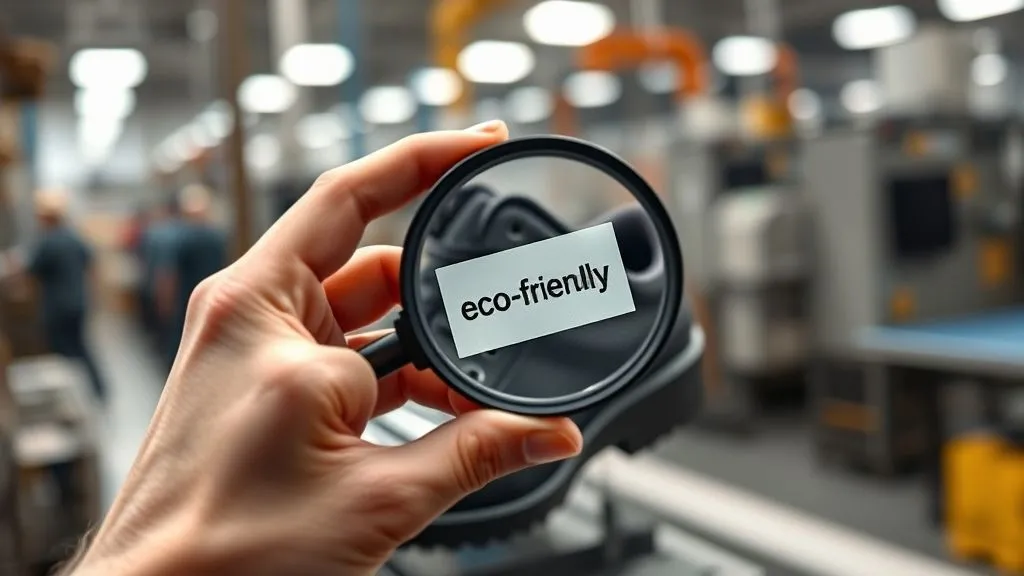
How to Vet Eco-Friendly Shoe Suppliers to Avoid Greenwashing Risks?
For over 15 years in the fashion and footwear industry, I've witnessed a profound shift. What was once a niche concern for a few conscious consumers has exploded into a global imperative: sustainability. Brands, big and small, are scrambling to meet this demand, and rightfully so. However, in this rush, I've seen countless companies make a critical mistake: blindly trusting supplier claims without rigorous vetting, opening themselves up to the insidious trap of greenwashing.
The problem is rampant. Every day, a new 'eco-friendly' material or 'sustainable' manufacturing process is touted, making it incredibly difficult for even seasoned professionals to discern genuine commitment from clever marketing. This lack of clear, verifiable information leaves brands vulnerable to reputational damage, consumer backlash, and ultimately, undermines the very environmental and social goals we're striving for. It's a pain point that keeps many brand owners and product developers awake at night.
But it doesn't have to be this way. In this definitive guide, I'll share a robust, seven-step framework, honed through years of experience, to empower you to confidently vet eco-friendly shoe suppliers. You'll gain actionable insights, learn how to identify red flags, and discover the essential tools and questions needed to build a truly sustainable and trustworthy supply chain, effectively navigating the complex landscape of greenwashing risks.
1. Understanding the Greenwashing Landscape in Footwear
Before we can effectively vet suppliers, we must first understand the enemy: greenwashing. It's not always an overt lie; often, it's a subtle distortion, an exaggeration, or a selective disclosure of information designed to create an eco-conscious image without genuine substance.
What is Greenwashing, Really?
Greenwashing, in its essence, is the practice of making unsubstantiated or misleading claims about the environmental benefits of a product, service, or company practice. In footwear, this might involve highlighting a minor 'green' attribute while ignoring significant negative impacts elsewhere in the supply chain, or using vague terms like 'natural' or 'eco-conscious' without defining what they truly mean.
The Stakes: Why Diligence is Non-Negotiable
The consequences of partnering with a greenwashing supplier extend far beyond ethical discomfort. For your brand, it can lead to severe reputational damage, eroding consumer trust that takes years to build. There are also increasing legal and regulatory risks, with consumer protection agencies scrutinizing environmental claims more closely than ever. Ultimately, it sabotages genuine sustainability efforts, diverting resources and attention from real solutions.
"Greenwashing isn't just deceptive marketing; it's a betrayal of consumer trust and a roadblock to genuine environmental progress. Your brand's integrity hangs in the balance."
Common greenwashing tactics include:
- Hidden Trade-offs: Emphasizing one eco-friendly attribute while ignoring significant negative impacts.
- No Proof: Making environmental claims without providing accessible supporting evidence or third-party certification.
- Vagueness: Using broad, undefined terms like 'all-natural' or 'earth-friendly' that lack specific meaning.
- Irrelevance: Highlighting an environmentally friendly claim that is legally required or otherwise irrelevant (e.g., 'CFC-free' when CFCs are banned).
- Lesser of Two Evils: Presenting a product as 'green' compared to even worse alternatives, distracting from its own environmental flaws.
- Fibbing: Outright false claims or fabricated data.
To deepen your understanding of this pervasive issue, I recommend exploring resources from organizations like the Federal Trade Commission (FTC) Green Guides, which provide guidelines for environmental marketing claims.
2. Step 1: Scrutinize Certifications and Standards (Beyond the Logo)
Certifications are often the first line of defense against greenwashing, but they are not all created equal. Many suppliers will proudly display logos, but your job is to understand what those logos truly represent and if they are genuinely credible.
The Gold Standard vs. The "Green-Washed" Label
A legitimate certification comes from an independent, third-party organization with clear, verifiable standards, rigorous auditing processes, and transparency. A "green-washed" label, on the other hand, might be self-created, proprietary, or issued by a less credible body with lax standards.
Look for certifications that:
- Are issued by independent, third-party organizations.
- Have publicly available standards and criteria.
- Involve regular audits and renewal processes.
- Are specific to the materials or processes being claimed.
- Are recognized and respected within the sustainability community.
Reputable certifications for footwear and textiles include:
- Global Organic Textile Standard (GOTS): For organic fibers, covering ecological and social criteria.
- Global Recycled Standard (GRS): Verifies recycled content in products and responsible social, environmental, and chemical practices.
- Oeko-Tex Standard 100: Ensures textiles are free from harmful substances.
- Leather Working Group (LWG): Assesses environmental compliance and performance of leather manufacturers.
- B Corp Certification: Holistic assessment of a company's social and environmental performance, accountability, and transparency.
- Fair Trade Certified: Focuses on fair wages, safe working conditions, and community development.
- Bluesign: Focuses on resource productivity, consumer safety, water, and air emissions in textile manufacturing.
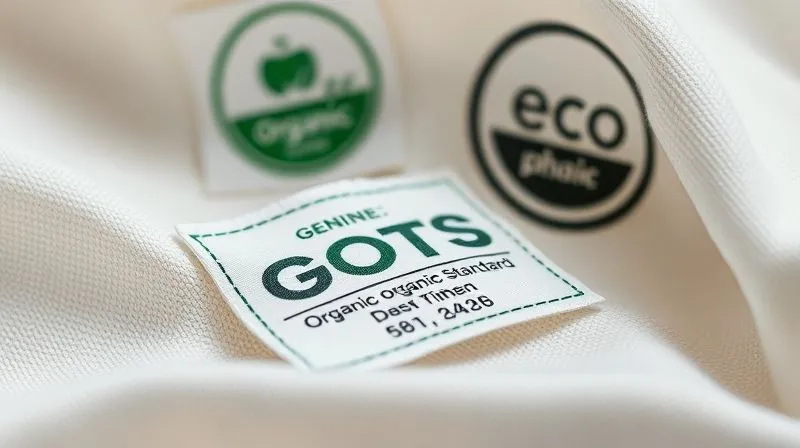
"Don't just see a logo; understand the standard behind it. A credible certification is a testament to genuine commitment, not just a marketing badge."
Always verify the certification directly with the issuing body's website. For instance, if a supplier claims GRS certification, visit the Textile Exchange website to confirm their certification status and scope.
3. Step 2: Deep Dive into Material Sourcing and Transparency
The materials used in shoes are a primary source of environmental impact. A truly eco-friendly supplier will have a deep understanding of their material origins and be transparent about their entire supply chain, not just the final assembly.
Tracing the Raw Materials: From Farm to Footwear
This is where greenwashing often hides. A shoe might contain 'recycled' polyester, but where did that polyester come from? Was it collected ethically? What chemicals were used in its processing? A truly sustainable supplier can answer these questions with verifiable data.
Key materials to scrutinize:
- Recycled Content: Demand proof of post-consumer vs. pre-consumer waste, and traceability.
- Organic Cotton: Look for GOTS certification to ensure it's genuinely organic and processed sustainably.
- Bio-based Materials: Investigate the feedstock's origin (e.g., sugarcane, corn), land use, and potential for competition with food crops.
- Sustainable Leather Alternatives: Understand the composition (e.g., mushroom leather, pineapple leather) and verify the environmental claims of their production.
- Natural Rubber: Ensure it's sourced from responsibly managed plantations, avoiding deforestation.
Steps to verify material claims:
- Request Material Data Sheets (MDS): These documents provide detailed information on material composition and origin.
- Demand Chain of Custody Documentation: This traces the material from its source through all processing stages to the final product.
- Look for Supplier Declarations of Conformity (SDoC): These are self-declarations, but when backed by third-party audits, they add weight.
- Ask about Chemical Management: Inquire about Restricted Substances Lists (RSLs) and Manufacturing Restricted Substances Lists (MRSLs) adherence.
| Material Type | Key Verification Challenge | Essential Documentation |
|---|---|---|
| Recycled Polyester | Distinguishing post-consumer from pre-consumer, full traceability | GRS Certification, Chain of Custody (CoC) |
| Organic Cotton | Ensuring genuinely organic cultivation and processing | GOTS Certification, Transaction Certificates |
| Bio-based Leather Alternative | Assessing feedstock sustainability, chemical processing | Life Cycle Assessment (LCA) data, Material Data Sheets |
| Natural Rubber | Avoiding deforestation, fair labor practices | FSC Certification (for rubber forests), Fair Rubber Association |
"True material transparency means knowing the story of every fiber and compound, not just its final form. If a supplier can't trace it, question it."
4. Step 3: Evaluate Manufacturing Processes and Energy Footprint
Even with sustainable materials, an inefficient or polluting manufacturing process can negate many environmental benefits. Your vetting process must extend to the factory floor.
Beyond the Product: Assessing the Factory's Environmental Impact
A truly eco-conscious supplier will invest in sustainable production methods. This isn't just about using less energy; it's about comprehensive resource management.
Aspects to investigate:
- Renewable Energy Use: Does the factory utilize solar, wind, or other renewable energy sources? Ask for energy consumption data and renewable energy certificates.
- Water Conservation: What measures are in place to reduce water usage? Are they recycling water? What is their wastewater treatment process?
- Waste Management: How do they handle manufacturing waste? Is there a robust recycling program for scraps and offcuts? Do they aim for zero waste to landfill?
- Chemical Management: What chemicals are used in dyeing, bonding, or finishing? Do they adhere to ZDHC (Zero Discharge of Hazardous Chemicals) guidelines?
- Air Emissions: Are there systems in place to monitor and reduce air pollutants?
Questions to ask suppliers about their operations:
- Can you provide us with your annual environmental report, including data on energy, water, and waste?
- What percentage of your energy comes from renewable sources, and do you have plans to increase this?
- Describe your wastewater treatment process and any certifications related to it.
- What is your policy on hazardous chemicals, and do you follow any specific chemical management standards?
- How do you manage and reduce manufacturing waste, and what is your current waste diversion rate?

5. Step 4: Social Compliance and Ethical Labor Practices
Sustainability is a three-legged stool: environmental, economic, and social. Neglecting the social aspect—the well-being of the people who make your shoes—is a form of greenwashing itself. Ethical labor practices are non-negotiable.
Sustainability is Also About People: Fair Wages and Safe Conditions
A truly responsible supplier ensures fair wages, safe working conditions, and respect for human rights throughout their operations. This includes direct employees and, crucially, sub-contractors.
Key social compliance aspects to verify:
- Fair Wages: Do workers receive at least minimum wage, and ideally a living wage, for their region?
- Working Hours: Are working hours within legal limits, with appropriate overtime compensation?
- Health and Safety: Is the factory environment safe, with proper ventilation, protective equipment, and emergency procedures?
- No Child or Forced Labor: Strict adherence to international labor laws prohibiting child and forced labor.
- Freedom of Association: Do workers have the right to form and join unions?
- Non-Discrimination: Policies against discrimination based on gender, race, religion, etc.
To ensure robust social compliance, partner with suppliers who adhere to internationally recognized labor standards. Organizations like the Fair Wear Foundation or the Ethical Trading Initiative (ETI) provide frameworks and auditing services for social responsibility.
Case Study: How 'Soleful Footwear' Transformed Its Ethical Sourcing
Soleful Footwear, a mid-sized brand specializing in athletic shoes, faced scrutiny over its supply chain's labor practices. Initial audits revealed inconsistent wage payments and inadequate safety training at a key factory. Rather than abandoning the supplier, Soleful implemented a collaborative improvement plan based on the Fair Wear Foundation's guidelines. They invested in worker training, subsidized safety equipment upgrades, and established a transparent grievance mechanism. Within 18 months, the factory achieved full compliance, worker satisfaction scores rose by 40%, and Soleful gained a significant boost in consumer trust and brand loyalty. This resulted in a more resilient and ethically sound supply chain.
"True sustainability is holistic. You can't claim to be eco-friendly if your products are made at the expense of human dignity. People and planet are intrinsically linked."
6. Step 5: Demand Data and Documentation: The Proof is in the Paperwork
Claims without verifiable data are just marketing. A transparent and genuinely eco-friendly supplier will be able to back up every assertion with robust documentation and data. This is where your investigative skills truly come into play.
What to Ask For: A Checklist of Essential Documents
Don't be shy about asking for comprehensive documentation. A reputable supplier will be prepared to provide it. If they hesitate or offer vague excuses, consider it a significant red flag.
Types of documents required:
- Environmental Performance Reports: Annual reports detailing energy consumption, water usage, waste generation, and emissions.
- Audit Reports: From third-party environmental and social compliance audits (e.g., SMETA, BSCI, SA8000).
- Material Certifications: GOTS, GRS, LWG, Oeko-Tex certificates for all relevant materials.
- Life Cycle Assessment (LCA) Data: For specific materials or products, if available, offering a comprehensive look at environmental impacts.
- Chemical Management Policies: Documentation of adherence to RSLs, MRSLs, and ZDHC guidelines.
- Worker Grievance Mechanisms: Documentation of how worker complaints are handled and resolved.
- Energy Bills and Renewable Energy Certificates: To verify claims of renewable energy usage.
- Wastewater Treatment Reports: From accredited laboratories.
| Document Type | Significance | Red Flag if Missing/Vague |
|---|---|---|
| Third-Party Audit Reports (e.g., SMETA) | Independent verification of social and environmental performance | Lack of external accountability, potential for hidden issues |
| Material Certifications (e.g., GRS, GOTS) | Confirms specific material attributes and chain of custody | Unsubstantiated material claims, risk of greenwashing |
| Environmental Performance Data (Energy, Water, Waste) | Quantifiable proof of environmental impact and improvement | Inability to measure or track sustainability progress |
| Chemical Management Policies & RSLs | Commitment to reducing harmful chemicals | Potential for hazardous substances in products/processes |

7. Step 6: Conduct On-Site Audits and Third-Party Verification
While documentation is crucial, it's rarely enough on its own. The most effective way to truly vet a supplier and avoid greenwashing is through direct observation and independent verification. Trust, but always verify.
Trust, But Verify: The Power of Independent Audits
On-site visits and third-party audits provide invaluable insights that paperwork alone cannot. They allow you to see the manufacturing conditions firsthand, speak to workers, and observe the implementation of sustainability practices.
Reasons why on-site visits and third-party audits are crucial:
- Direct Observation: See if claims about waste management, energy use, or worker safety are actually implemented.
- Worker Interviews: Gain direct insights into working conditions, wages, and grievances (often anonymously).
- Spot Checks: Verify inventory, production lines, and material storage against documentation.
- Risk Assessment: Identify potential issues that might not be captured in formal reports.
- Build Relationships: Foster a deeper understanding and partnership with your supplier.
Steps for planning and executing effective audits:
- Define Your Scope: Clearly outline what aspects of sustainability (environmental, social, chemical) you want to audit.
- Choose a Reputable Auditor: Select an independent third-party auditing firm with expertise in footwear and sustainability (e.g., SGS, Intertek, Bureau Veritas).
- Communicate Expectations: Clearly inform the supplier about the audit's purpose, scope, and methodology.
- Conduct Unannounced Visits (where possible): While not always feasible or culturally appropriate, unannounced visits can provide a more realistic snapshot.
- Review Findings Thoroughly: Analyze the audit report, looking for non-conformities, areas for improvement, and corrective action plans.
- Follow Up: Ensure corrective actions are implemented and re-audits are scheduled as needed.
"Paperwork tells you what a supplier *says* they do. An on-site audit shows you what they *actually* do. The difference can be profound."
8. Step 7: Long-Term Partnership and Continuous Improvement
Vetting a supplier isn't a one-time event; it's the beginning of an ongoing relationship. True sustainability is a journey of continuous improvement, and your suppliers should be partners in that journey.
Building Relationships, Not Just Transactions
The most successful sustainable supply chains are built on trust, transparency, and a shared commitment to long-term goals. View your suppliers as collaborators, not just vendors.
Strategies for fostering long-term sustainable partnerships:
- Establish Clear KPIs: Define measurable Key Performance Indicators for sustainability (e.g., reduction in water usage, increase in recycled content, improved audit scores).
- Regular Performance Reviews: Conduct periodic reviews to discuss sustainability performance, challenges, and opportunities for improvement.
- Invest in Supplier Development: Offer support, training, or resources to help suppliers improve their sustainability practices.
- Share Knowledge: Exchange best practices and insights on new sustainable materials or technologies.
- Incentivize Progress: Consider preferential sourcing or long-term contracts for suppliers who demonstrate strong commitment and continuous improvement.
- Open Communication Channels: Encourage honest dialogue about challenges and work collaboratively to find solutions.

According to a recent report by Deloitte, companies with highly sustainable supply chains report 11% higher operating profits. This underscores that investing in robust vetting and long-term partnerships isn't just ethical; it's good business.
Frequently Asked Questions (FAQ)
Q: How can small brands compete with larger brands in vetting eco-friendly suppliers, given limited resources? A: Small brands can focus their resources strategically. Prioritize key certifications (like GRS or LWG) and request essential documentation first. Leverage industry consortia or smaller, specialized third-party auditors who might offer more tailored services. Building direct relationships and conducting thorough interviews, even if on-site visits are limited, can also yield significant insights. Consider starting with local or regional suppliers where vetting might be more accessible. Don't try to do everything at once; focus on the biggest impact areas for your specific product.
Q: What if a supplier has no certifications but claims to be eco-friendly through their own initiatives? A: This is a common greenwashing red flag, but not always. It requires extra diligence. Ask for their internal standards, detailed reports on their initiatives (e.g., internal carbon footprint analysis, waste diversion data), and evidence of their impact. Demand transparency on their raw material sources and manufacturing processes. While certifications provide external validation, a supplier with genuinely strong internal initiatives might still be viable if they can provide robust, verifiable data and are open to independent verification or working towards a recognized certification.
Q: How often should I re-vet my eco-friendly shoe suppliers? A: Vetting should be an ongoing process, not a one-off event. I recommend annual comprehensive reviews, including updated documentation requests and performance data. For critical suppliers or those with identified areas for improvement, more frequent check-ins (e.g., quarterly) or targeted audits might be necessary. Any significant changes in material sourcing, manufacturing processes, or company ownership should also trigger a re-evaluation of their sustainability claims.
Q: What are the biggest red flags for greenwashing that I should always watch out for? A: The biggest red flags include vague or unsubstantiated claims (e.g., 'natural,' 'eco-conscious' without specifics), lack of transparent data or documentation, unwillingness to provide third-party certifications, proprietary 'eco-labels' without independent verification, focusing on a single minor 'green' attribute while ignoring major environmental impacts, and resistance to independent audits or site visits. Always be wary of claims that sound too good to be true.
Q: Is it possible to find a 100% sustainable shoe supplier, or is it an unrealistic goal? A: Achieving 100% sustainability is an aspirational goal, as every industrial process has some environmental footprint. It's more realistic to aim for continuous improvement and a 'net positive' impact over time. Focus on finding suppliers who are genuinely committed to reducing their negative impacts across environmental and social dimensions, are transparent about their challenges, and are actively investing in more sustainable practices. The goal isn't perfection, but progress and demonstrable commitment. As marketing guru Seth Godin often says, "The market doesn't reward perfect. It rewards interesting, engaging, and meaningful." In sustainability, it rewards genuine, verifiable effort.
Key Takeaways and Final Thoughts
- Diligence is Your Shield: Greenwashing is prevalent. Your brand's reputation and integrity depend on rigorous, ongoing vetting.
- Beyond the Label: Don't just look at certifications; understand their scope, verify their authenticity, and demand underlying data.
- Traceability is Paramount: Demand full transparency on material origins, from raw material to finished product.
- Holistic View: Evaluate not just the product, but also the supplier's manufacturing processes, energy footprint, and ethical labor practices.
- Data-Driven Decisions: Insist on verifiable documentation, audit reports, and performance data to back up all sustainability claims.
- Verify Independently: On-site visits and third-party audits are critical for true confidence and risk mitigation.
- Partnership for Progress: Foster long-term relationships built on trust, shared goals, and a commitment to continuous improvement.
Navigating the complex world of eco-friendly shoe suppliers to avoid greenwashing risks requires commitment, an investigative mindset, and a willingness to ask the tough questions. It's a journey, not a destination, but one that is profoundly rewarding – not just for your brand's bottom line, but for the planet and the people who inhabit it. By adopting this seven-step framework, you're not just sourcing shoes; you're building a legacy of genuine sustainability. Go forth and vet with confidence!
Recommended Reading
- 7 Proven Strategies: Mitigating Recycled Fabric Sourcing Risks
- 7 Proven Strategies: How to Market Inclusive Fashion Without Backlash
- Unlock the Secret: Why Bamboo Fabric is Your Ultimate Sustainable Clothing Choice
- 7 Steps to Ethically Source Sustainable Luxury Fabrics for Bespoke Suits
- Unlock Organic Growth: 7 Steps to Leverage Celebrity Social Media for Eyewear Brands





Your email address will not be published. Required fields are marked *